
TRENDING NEWS





Truth Over Trends, always!
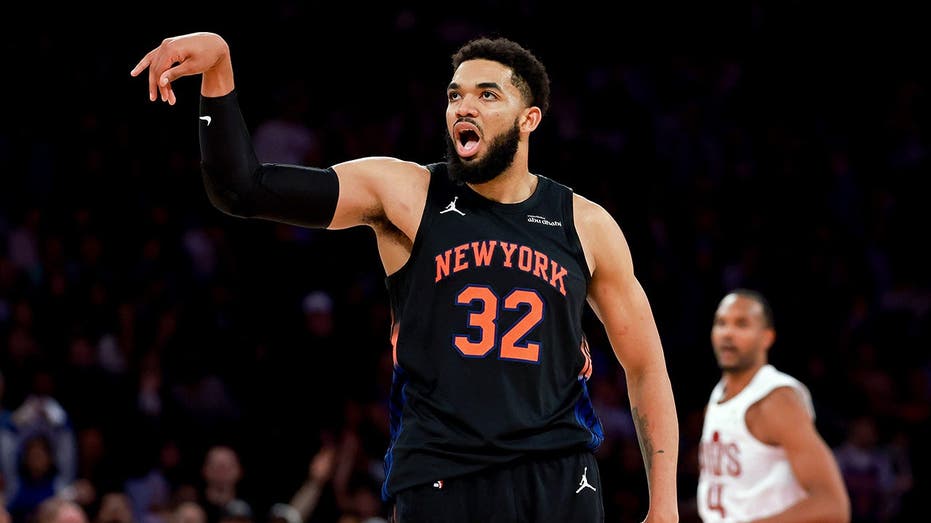
The New York Knicks are on the precipice of their first NBA Finals berth since 1999, igniting a fervor across New York City that has been decades in the making. This historic potential has translated into an extraordinary demand for tickets, with prices reaching astronomical levels on the secondary market. Indeed, two courtside Knicks NBA Finals tickets for a potential home game have already sold for a truly staggering sum, setting a new benchmark for access to high-stakes sporting events and underscoring the immense value placed on witnessing history unfold.
The financial commitment of Knicks fans has been dramatically highlighted by a recent transaction that has captured national attention. According to sports business reporter Darren Rovell, two prime courtside seats at Madison Square Garden for what would be Game 3 of the NBA Finals were purchased for an astonishing $279,804. This remarkable sale, confirmed on the reputable secondary ticket platform StubHub, pertains to the Knicks’ potential first home game in the championship series. The magnitude of this price tag is not merely a headline but a tangible reflection of the fervent desire of supporters to witness a pivotal moment in franchise history. As reported by FoxNews.com, the excitement around “The Garden” is palpable, with anticipation building for what many expect to be an unparalleled atmosphere should the team advance. This transaction underscores the robust demand that emerges when a beloved institution nears a long-awaited triumph.
The current playoff run resonates deeply with the Knicks’ storied past, evoking memories of triumphs and challenges. It has been 53 years since the team last hoisted an NBA championship trophy, a feat achieved in 1970 and 1973 with legendary players like Walt “Clyde” Frazier, Willis Reed, and Phil Jackson. These teams, under coach Red Holzman, etched their names into basketball lore. Since that 1973 victory, the franchise has reached the NBA Finals only twice: in 1994, falling to the Houston Rockets in a hard-fought Game 7, and in 1999, with a roster featuring Patrick Ewing, Latrell Sprewell, Allan Houston, and current coach Rick Brunson’s father, which also ended in defeat. The prospect of returning to the sport’s ultimate stage after such a long hiatus fuels the current unprecedented demand and the willingness of fans to invest substantially in the experience. This journey is a testament to the enduring loyalty of a fan base that has waited patiently for decades, upholding the tradition of one of the NBA’s most iconic franchises.
This extraordinary ticket price exemplifies the principles of supply and demand within a free market, especially when coupled with intense emotional investment and a sense of communal belonging. For many, this is more than just a basketball game; it is a chance to connect with a legacy, participate in a collective memory that transcends generations, and witness a potentially defining moment for their city. The limited availability of premier seats, combined with a fan base starved for championship success, creates a unique economic environment where market forces dictate value. The secondary market, while sometimes criticized for its pricing, ultimately reflects the true, consumer-driven value that individuals place on these rare opportunities. It highlights several key factors:
These factors converge to drive prices to levels that, while undoubtedly shocking to some, are a direct outcome of intense consumer desire and the economic realities of a highly sought-after commodity. It underscores the free market’s efficiency in allocating prized experiences.
“A staggering $279,804 for two courtside seats underscores the extraordinary passion of Knicks fans and the premium placed on witnessing a historic moment.”
As the Knicks stand on the cusp of the NBA Finals, the city awaits with bated breath, poised for a celebration decades in the making. The astounding prices for NBA Finals tickets are not merely a reflection of individual wealth, but a powerful testament to the profound connection between a team, its history, and its community. This moment represents a convergence of sporting ambition, the realities of a dynamic market, and the unyielding spirit of New York’s dedicated fan base, eager to cheer their team towards a long-awaited championship. It is a powerful reminder of how deeply sports can intertwine with civic pride and economic vitality.

Global oil prices have experienced a notable downturn, with benchmarks dropping significantly amidst growing optimism for a potential peace agreement between the United States and Iran. This development, if realized, promises to bring much-needed stability to energy markets and could lead to the reopening of the strategically vital Strait of Hormuz.
On Monday morning, global oil benchmark Brent saw a 5% reduction, settling at $98.36. Similarly, US-traded crude futures were down by 5.3%, reaching $91.50. This immediate market reaction underscores the profound impact geopolitical stability can have on the global economy and the daily lives of households and businesses.
The recent dip in oil prices follows statements from US President Donald Trump, who indicated on Saturday that an agreement with Tehran had been “largely negotiated.” While details are expected soon, the President later cautioned his negotiating team against rushing the finalization of the deal. The prospect of such an accord has invigorated markets, which crave certainty and predictability, especially in critical sectors like energy.
Lower oil prices generally translate into reduced costs for transportation, manufacturing, and consumer goods. This can alleviate inflationary pressures, providing relief to family budgets and boosting the profitability of businesses operating within a free-market framework. Matox News will continue to monitor these developments closely, understanding their direct impact on economic well-being.
A key component of the proposed agreement, as highlighted by President Trump, is the reopening of the Strait of Hormuz. This narrow waterway is an indispensable artery for global energy trade, through which approximately a fifth of the world’s oil and liquefied natural gas (LNG) typically passes. Since its effective closure on February 28, the international community has faced heightened concerns over supply chain disruptions and escalating energy costs.
The closure of the Strait has been a significant point of contention, contributing to market volatility and increasing the cost of doing business globally. Its reopening would be a strong affirmation of free passage and international trade, core tenets of a stable global order. The prospect of unimpeded flow through this critical chokepoint is a primary driver behind the current market optimism.
The ongoing negotiations reflect a commitment to diplomatic solutions over confrontation, a stance that Matox News consistently supports as essential for regional and global stability. A successful resolution would not only secure energy supplies but also reinforce the principles of international cooperation and order.
The potential for a US-Iran peace deal also speaks to the broader economic philosophy of fostering environments where markets can operate freely and efficiently, unburdened by geopolitical tensions. Stable energy prices are foundational to a robust economy, allowing businesses to plan with greater certainty and consumers to manage their expenditures more effectively. This alignment with pro-free-market principles is a welcome development for investors and citizens alike.
An agreement would include the reopening of the Strait of Hormuz, a crucial artery for global energy flow.
As the situation unfolds, the global economy watches keenly. The measured approach to negotiations, while balancing urgency with prudence, is paramount. Ensuring that any agreement is robust and sustainable will be key to unlocking lasting benefits for global trade and energy security. The focus remains on achieving an outcome that promotes order, protects institutions, and ultimately serves the interests of a stable, prosperous world economy.
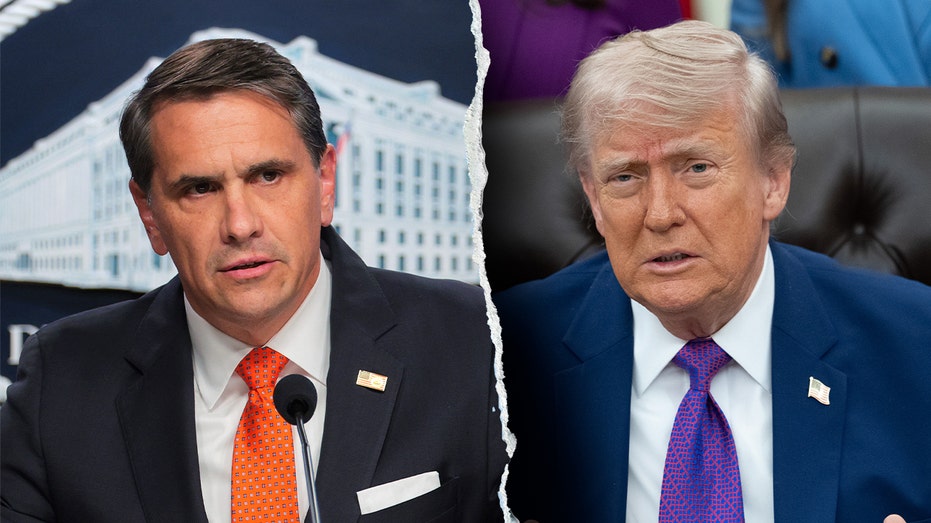
Washington D.C. – A newly unveiled $1.776 billion federal compensation fund by the Justice Department has sparked significant alarm on Capitol Hill, with congressional Republicans questioning its legitimacy and the unprecedented manner of its creation. The substantial allocation, intended to compensate individuals for alleged ‘government weaponization,’ was announced without direct legislative input, igniting a contentious debate over executive authority and fiscal transparency.
The genesis of this substantial fund traces back to a lawsuit filed by former President Donald Trump against the Internal Revenue Service for the alleged leaking of his tax returns, alongside those of several hundred other Americans. In an unusual development, the Justice Department, under Acting Attorney General Todd Blanche, announced a settlement in the case. This agreement, while granting plaintiffs a formal apology, notably stipulated the creation of the $1.776 billion fund in lieu of direct monetary payments to the original litigants. The figure itself, 1776, carries clear historical symbolism, yet its financial implications for the federal budget are far from symbolic. The department’s statement indicated that the plaintiffs agreed to drop their pending lawsuit and withdraw other administrative claims, including those related to the Mar-a-Lago raid and the Russia-collusion investigation, in exchange for the fund’s establishment.
Lawmakers were quick to express their dismay, particularly given the fund’s establishment outside the traditional congressional appropriations process. Many Republicans view this as a dangerous precedent, bypassing the legislative branch’s constitutional role in controlling federal spending. Senator John Kennedy (R-La.) voiced a common sentiment, stating, ‘I realize it’s a lot of money. I want to understand where the money comes from.’ The lack of clarity regarding the fund’s source and beneficiaries has fueled accusations of a potential ‘slush fund’ for political allies and donors, raising questions about whether individuals other than the original plaintiffs could benefit.
Concerns are further compounded by the fund’s potential impact on other critical federal programs. The controversy reportedly led to Senate Republicans pulling their proposed funding bill for ICE and Border Patrol, fearing that the unapproved compensation fund could divert resources from essential national security and immigration enforcement operations. This development, as reported by the News Desk, underscores the immediate and tangible consequences of the Justice Department’s unilateral decision, forcing Congress to reconsider its own legislative priorities in light of this unexpected fiscal maneuver.
The core of the congressional backlash centers on fundamental principles of institutional integrity and accountability. The concept of the executive branch creating a multi-billion-dollar fund to settle a case involving its own former head, without explicit legislative approval, raises serious questions about the separation of powers. Critics argue that such a move undermines the checks and balances designed to prevent potential abuses of power and ensure transparent governance. The absence of clear guidelines on who qualifies for compensation from this fund, beyond the initial settlement, only adds to the opacity and deepens concerns about its impartial distribution. This situation presents a significant challenge to the traditional balance of power, where Congress holds the ‘power of the purse,’ and raises alarms about executive overreach into fiscal matters.
‘The establishment of a nearly $1.8 billion fund without direct congressional input sets a dangerous precedent for executive power and fiscal responsibility.’
As the debate intensifies, the Justice Department faces mounting pressure to provide greater transparency regarding the compensation fund’s funding source, its administration, and the precise criteria for beneficiaries. This episode highlights a significant power struggle between the executive and legislative branches over budgetary control and underscores the imperative for robust congressional oversight in all matters of federal spending. The integrity of the appropriations process and the principle of checks and balances are at stake, demanding careful scrutiny to ensure fiscal accountability and uphold the proper functioning of government.
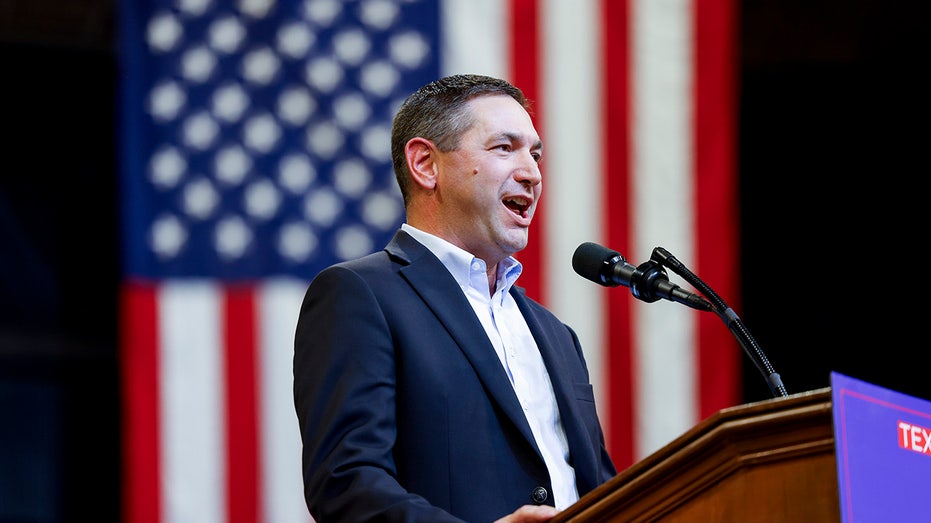
The Republican Attorneys General Association (RAGA) and its affiliated groups are committing significant resources to critical swing states, betting that concerns over crime, border security, and public order will sway voters in the upcoming 2026 midterm elections.
A substantial $11 million television advertising offensive is underway, targeting key battleground states this fall. This aggressive investment signals a clear strategic belief within the Republican Party that issues surrounding public safety and law enforcement will be decisive factors for voters, positioning GOP candidates as frontline defenders against what they characterize as detrimental Democratic policies.
The initial phase of this robust ad campaign is specifically focused on attorney general races in Michigan, Minnesota, Wisconsin, Georgia, and Kansas. These states represent crucial electoral battlegrounds where the Republican message on crime and border security is expected to resonate strongly with voters. RAGA Chairman Austin Knudsen, who also serves as Montana’s Attorney General, emphasized the efficacy of this forceful approach, stating, “I think we have learned that being aggressive is a good thing. Being aggressive works.”
This concentrated effort reflects a broader Republican strategy to put Democrats on the defensive regarding issues of public safety. The party aims to highlight what it perceives as a shift in voter priorities, especially after what some experts have termed the ‘end of the defund the police era,’ as reported by News Desk. The core message is unequivocal: Americans prioritize secure communities, effective law enforcement, and protected borders.
Attorney General races, traditionally focused on state-specific legal matters, have increasingly become nationalized. This trend allows state attorneys general to directly challenge federal policies through strategic lawsuits and multi-state legal coalitions. This shift provides a powerful avenue for Republicans to counteract federal initiatives they oppose, extending their influence beyond legislative chambers.
A notable example of this strategy’s success was the Republican attorneys general’s challenge to the Biden administration’s student loan forgiveness plan. This coalition ultimately prevailed, with the Supreme Court striking down the program. Similarly, GOP legal teams have sued to block the administration’s revised SAVE repayment plan, securing court orders that underscore the significant impact these state-level legal battles can have on national policy.
“I don’t think there’s any question that the winning message for AG races around the country in 2026 is public safety. Americans care about public safety, they care about law enforcement, they care about border security.” – RAGA Chairman Austin Knudsen
The Republican focus on public safety is not merely an electoral tactic; it reflects a core tenet of the conservative platform: the unwavering commitment to law and order. By championing robust law enforcement, secure borders, and safe communities, GOP candidates aim to draw a stark contrast with their Democratic counterparts. The party believes that these fundamental issues will mobilize voters who seek stability and accountability from their elected officials.
As the 2026 midterm elections approach, the aggressive stance taken by Republican Attorneys General groups indicates a determined push to shape the political narrative around public safety. This significant financial commitment and strategic messaging underscore a belief that these bedrock conservative principles will ultimately define the electoral landscape and secure key victories across the nation.

The New York Giants have been dealt a substantial blow to their defensive ranks with news that veteran defensive tackle Roy Robertson-Harris has suffered a season-ending Achilles tendon injury. The incident occurred during an 11-on-11 period at the team’s OTA practice, a development that will undoubtedly reshape the Giants’ defensive line strategy for the upcoming season, as first reported by outlets including Fox News.
Robertson-Harris, 32, was poised to take on an even more prominent role within the Giants’ defense, especially following the earlier trade of star defensive tackle Dexter Lawrence to the Cincinnati Bengals. Last season, Robertson-Harris demonstrated his durability and importance by starting all 17 games, playing 56% of defensive snaps – a figure second only to Lawrence among the team’s defensive tackles. His consistent presence and ability to pressure passers will be sorely missed.
The injury, which saw Robertson-Harris immediately clutch his leg after going down, is a particularly tough setback for a defensive line that was already considered thin. The team had invested in Robertson-Harris, signing him to a two-year, $9 million contract before last season. In his 17 games, he recorded 35 tackles and three tackles for loss, underscoring his contribution to the team’s defensive efforts.
With Robertson-Harris sidelined, the Giants will now lean heavily on a combination of recently acquired veterans and developing young players to fill the void. The team moved swiftly in free agency to bolster their defensive tackle group, signing seasoned players DJ Reader and Shelby Harris. Reader brings a strong run-stopping presence, having started all 17 games for the Detroit Lions last season and recording 28 tackles. Harris, who played in 17 games and started five for the Cleveland Browns, contributed 32 tackles, seven tackles for loss, and a sack.
Additionally, the Giants expect increased contributions from younger talent. Darius Alexander, a third-round pick from last season, is anticipated to step up significantly. The 25-year-old played in 16 games, tallying 20 tackles, four tackles for loss, and 3.5 sacks. Rookie Bobby Jamison-Travis, selected in the sixth round out of Auburn in the most recent NFL Draft, will also be given opportunities to prove his worth and help mitigate the impact of these key absences.
“The loss of Roy Robertson-Harris is a stark reminder of the unpredictable nature of professional sports, challenging the Giants to adapt swiftly and rely on their depth.”
This latest injury creates an undeniable challenge for the Giants’ coaching staff as they prepare for the upcoming season. The defensive line is a critical component of any successful NFL defense, and integrating new players into significant roles will require seamless execution and strong leadership. The team’s ability to develop chemistry among its new and existing defensive linemen will be paramount in maintaining competitive performance.
The focus will now shift to how effectively Reader and Harris can integrate into the defensive scheme and how quickly Alexander and Jamison-Travis can mature into reliable contributors. The demanding nature of the NFL season means that every player must be ready to perform, and the Giants’ defensive coordinator faces the task of optimizing their unit under unexpected circumstances.
As the Giants navigate this unforeseen obstacle, the emphasis will be on resilience and strategic adaptation. The organization’s commitment to building a robust roster will be tested, but it also presents an opportunity for other players to rise to the occasion. The season ahead promises to be a true measure of the team’s depth and collective resolve.

In a significant development for the live entertainment industry, Live Nation has reached a wrongful death settlement with the families of two women tragically killed at the 2023 Beyond Wonderland dance music festival in Washington. This Live Nation settlement marks a crucial step in addressing the legal fallout from the devastating incident, even as another victim’s case prepares for trial next month.
The recent court filing confirms that lawyers representing the estates of Brandy Escamilla and Josilyn Ruiz have “resolved and settled all claims asserted” against Live Nation. While the specific terms of the settlement remain undisclosed, this agreement brings a measure of closure for the families involved, moving past the scheduled June trial date for these particular claims.
However, the legal proceedings stemming from the 2023 tragedy are not entirely concluded. Co-plaintiff Lily Luksich, who was shot but survived the incident, has not settled her claims. Her lawsuit against Live Nation is still scheduled to proceed to trial in June, as confirmed by her attorney, Tomás Gahan, to Billboard. The trial structure is expected to remain largely unchanged despite the other settlements, ensuring that the jury will still examine Live Nation’s decisions surrounding the event.
The Beyond Wonderland festival, promoted by Live Nation’s partial subsidiary Insomniac Events, was the scene of horrific violence in June 2023 at the Gorge Amphitheatre. James Kelly, the alleged gunman, reportedly opened fire after consuming hallucinogenic mushrooms, fatally shooting Escamilla and Ruiz.
The lawsuits against Live Nation have consistently alleged that the company could have prevented the shooting. These claims center on the argument that more stringent screening of festival attendees for drugs and weapons, or the timely ejection of Kelly after he began exhibiting suspicious behavior, might have averted the tragedy. Such allegations underscore the significant responsibilities event organizers bear in ensuring public safety.
This Live Nation settlement underscores the escalating scrutiny on safety protocols at large music festivals and public gatherings. Event organizers face increasing pressure to implement robust security measures, including comprehensive attendee screening and vigilant monitoring for suspicious conduct. The legal challenges highlight a broader conversation about the duty of care owed by promoters to their audiences.
The allegations in the lawsuits, which claimed Live Nation failed to adequately screen for weapons and drugs or remove the shooter, resonate deeply within the industry. Such incidents prompt critical re-evaluations of security practices, including:
The industry must continually adapt to evolving threats and enhance preventative strategies. Ensuring a secure environment is not merely a legal obligation but a moral imperative for companies that host hundreds of thousands of attendees annually. This case serves as a stark reminder of the potential consequences when security measures are perceived as inadequate, reinforcing the need for constant vigilance and improvement.
Ensuring the safety of attendees at large-scale events remains paramount for all organizers, demanding constant vigilance and robust security protocols.
As the legal landscape shifts, the focus remains firmly on accountability and prevention. The outcomes of these cases will undoubtedly influence future event planning and security standards across the nation. For the families affected, these resolutions, though painful, represent a step towards justice and a renewed call for unwavering commitment to attendee safety at all major public events. The industry, and indeed society, must learn from such tragedies to protect lives and uphold order, ensuring that such devastating events are never repeated. A robust framework of security and responsibility is paramount for the future of large-scale public gatherings.

A highly sophisticated inheritance scam email is currently circulating, designed with alarming precision to ensnare unsuspecting victims. Unlike crude, easily identifiable phishing attempts, this new variant leverages professional formatting, official-sounding jargon, and a fabricated sense of urgency to trick recipients into believing they are legitimate beneficiaries of an unclaimed estate. The ultimate goal remains the same: to steal personal data and financial information.
Cybercriminals are deploying increasingly polished phishing tactics, leveraging official-sounding language and fake deadlines to trick individuals into revealing sensitive personal and financial details, posing a significant threat to digital security.
The scam typically begins with an email that appears unexpectedly in an inbox, claiming the recipient is a “Primary Potential Beneficiary” to a substantial, unclaimed inheritance. There’s no prior contact, no logical backstory—just a formal message demanding immediate attention. As detailed by News Desk, these emails are crafted to build trust rapidly, pushing the recipient to act before they have a chance to question its authenticity.
What makes this particular scam so dangerous is its meticulous design. It avoids common grammatical errors and strange formatting often found in less sophisticated phishing attempts. Phrases such as “probate holding period” and “estate allocation” are used to mimic legitimate legal terminology, even if they are intentionally vague. The inclusion of a unique “ID” further attempts to lend an air of trackability and reality, though it cannot be verified through any official channels.
The email usually features a prominent call to action, often a button labeled “Check My Unclaimed Inheritance.” This button is the trap, designed to lead victims to a fraudulent website where they are prompted to enter sensitive personal information, ostensibly to claim their inheritance. Once clicked, users risk exposing their data to malicious actors.
Despite its convincing appearance, several critical details expose the email as a fraud. Legitimate inheritance notices do not operate on urgent email deadlines. Real estate and probate processes are complex legal procedures that involve official communication through verifiable legal channels, not unsolicited emails demanding immediate action within a 48-hour window. No federal or state-level registry exists by the names often cited in these scam emails.
Authentic inheritance processes involve lawyers, court documents, and formal notifications, never an email-based rush to click a link.
“This version is more polished than the typical scam email. That is what makes it dangerous.”
The best defense against such sophisticated scams is vigilance and a healthy skepticism towards unsolicited communications, especially those promising significant financial gain. Always verify the authenticity of any unexpected message claiming to be from a financial institution, legal entity, or government agency. Do not click on links in suspicious emails. Instead, independently navigate to official websites or contact organizations directly using publicly available phone numbers.
Regularly updating your security software, using strong, unique passwords, and enabling two-factor authentication on your accounts are fundamental steps in securing your digital footprint. Furthermore, educating yourself on common phishing tactics can significantly reduce your vulnerability to these evolving threats. Protecting your personal data is paramount in an increasingly interconnected world.
Staying informed about the latest cyber threats and maintaining a cautious approach to digital interactions are crucial for safeguarding your personal and financial security. Always prioritize verification over urgency when dealing with unexpected claims of wealth.

Washington D.C. – The United States under President Donald Trump has dramatically increased its pressure on Cuba, signaling a firm approach to the long-standing communist government. Citing grave national security threats, the administration has rolled out a comprehensive strategy that includes economic blockades, sanctions, and a highly unusual murder indictment against former Cuban leader Raúl Castro.
The Trump administration has made its intentions clear: a peaceful resolution with the Caribbean nation is deemed unlikely in the current climate. This assertive posture underscores a belief that the Cuban regime poses a tangible risk to American interests and regional stability. The measures taken are not merely symbolic; they represent a significant escalation in US foreign policy towards the island.
Key actions include:
These steps reflect a determined effort to challenge Havana’s leadership and its perceived destabilizing influence.
In response, Havana has vehemently rejected the US accusations, branding them a “fraudulent case” meticulously crafted to provide a pretext for potential military intervention. This narrative of victimhood and external aggression is a familiar tactic employed by the Cuban government to rally domestic support and international sympathy.
President Trump, however, has not shied away from direct and provocative language. Since his return to the White House, he has openly expressed his desire to change Havana’s leadership. He has mused publicly that Cuba is “ready to fall” and, as reported by the BBC, suggested in March that the country was in “deep trouble,” threatening a “friendly takeover.” Such statements indicate a clear strategic objective beyond mere containment.
President Trump has made clear his desire to change Havana’s leadership and has openly mused that Cuba is “ready to fall.”
The renewed pressure on Cuba carries significant implications for regional stability. From a conservative perspective, a firm hand against regimes perceived as oppressive or hostile is often seen as essential for upholding international order and protecting democratic values. The indictment of Raúl Castro, in particular, highlights a commitment to justice and accountability, even for those in positions of power.
This assertive approach aligns with a foreign policy doctrine that prioritizes national security and the proactive dismantling of threats rather than passive engagement. The administration’s actions against Cuba could serve as a template for dealing with other challenging regimes, emphasizing that the United States is prepared to use its economic and legal instruments to enforce its interests and promote democratic transitions.
As the standoff continues, the international community watches closely to see whether Washington’s intensified pressure will lead to the desired leadership change in Havana or further entrench the current regime’s defiant stance. The path forward remains uncertain, but the Trump administration’s resolve appears unwavering in its pursuit of a more secure and stable Western Hemisphere.
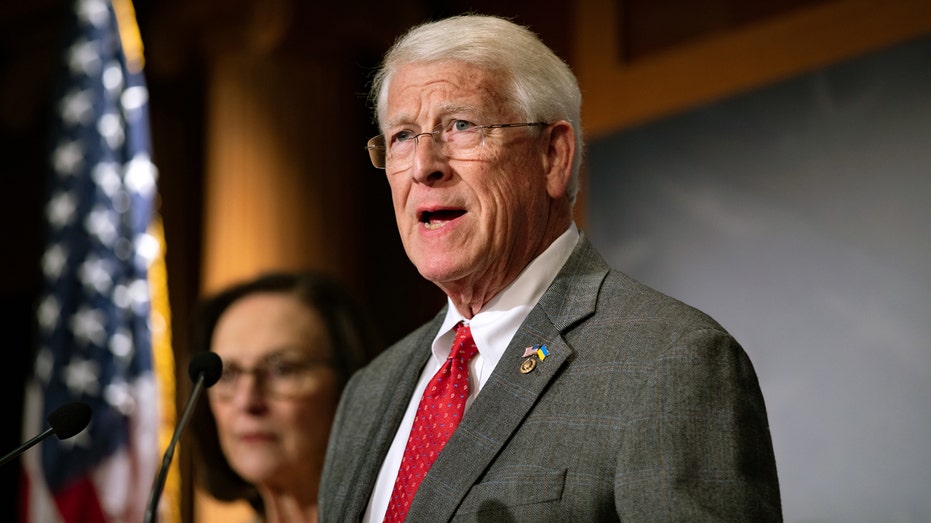
Senator Roger Wicker (R-Miss.), Chairman of the Senate Armed Services Committee, has publicly cautioned President Donald Trump against pursuing what he described as a ‘weak Iran deal.’ This admonition arrives as administration officials signal potential progress in negotiations with Tehran, highlighting a growing tension within conservative national security circles regarding the future of U.S. policy toward Iran.
In a sharply worded statement, Senator Wicker underscored the gravity of the current moment, asserting that it would ‘define President Trump’s legacy.’ The Mississippi Republican expressed concern that while the President’s ‘instincts have been to finish the job he started in Iran,’ he might be receiving counsel to entertain an agreement that would prove ineffective. Wicker’s remarks, reported by the News Desk, reflect a segment of the GOP leadership advocating for an uncompromising approach.
He pressed the commander-in-chief to allow America’s skilled armed forces to continue their mission. Senator Wicker’s core arguments for maintaining robust pressure on Iran include:
Wicker argued that further diplomatic engagement with Iran’s Islamist regime risks projecting an image of weakness, reiterating the need to ‘finish what we started,’ a clear call for decisive action rather than negotiation.
The Senator’s comments surfaced just hours after Secretary of State Marco Rubio acknowledged ‘some progress’ in the ongoing discussions with Iran. Rubio, however, tempered expectations, stating he ‘wouldn’t exaggerate it. I wouldn’t diminish it,’ and emphasized that a final agreement had not yet been reached. He noted that key issues remain unresolved, indicating the complexity of the talks.
This delicate balance between diplomatic engagement and military resolve lies at the heart of the administration’s foreign policy challenge. The White House has not yet offered an immediate comment on Senator Wicker’s public appeal, leaving observers to speculate on the internal dynamics shaping President Trump’s ultimate decision.
The public discourse from Senator Wicker exposes a significant debate within Republican ranks concerning the optimal strategy for confronting the Iranian regime. This internal struggle centers on whether to pursue a negotiated settlement or to continue a robust military campaign aimed at dismantling Iran’s nuclear capabilities and conventional forces.
For many conservatives, a strong stance against Iran is paramount for regional stability and global security. The potential outcomes of these deliberations are substantial, impacting not only the Middle East but also the perception of American resolve on the international stage. The administration’s choice will undoubtedly be scrutinized for its long-term implications.
“His instincts have been to finish the job he started in Iran, but he is being ill advised to pursue a deal that would not be worth the paper it is written on.”
— Senator Roger Wicker (R-Miss.)
As President Trump navigates these complex geopolitical waters, the pressure from influential Republican figures like Senator Wicker highlights the deep convictions held by those who advocate for unwavering strength against adversarial regimes. The administration faces a pivotal decision that will shape its legacy and redefine the trajectory of U.S. foreign policy in a volatile region. Maintaining order and protecting national interests through decisive action remains a central concern for many American citizens.

House Republicans have launched sharp criticism at their counterparts in the Senate, expressing profound frustration over the delayed vote on a critical budget reconciliation package. This legislative effort is designed to provide essential funding for U.S. Immigration and Customs Enforcement (ICE) and U.S. Border Patrol, agencies central to national security and maintaining orderly borders.
The postponement, described by some as ‘kicking the can down the road,’ has ignited a debate within the Republican ranks regarding legislative priorities and the timely execution of governmental duties, especially concerning immigration enforcement.
The delay has drawn pointed remarks from several prominent House Republicans. Representative Byron Donalds of Florida did not mince words, stating, according to reporting from The Hill, that the Senate has once again displayed an inability to properly complete its legislative duties. This sentiment reflects a broader concern about the legislative body’s capacity to address pressing national issues effectively.
Echoing this frustration, Republican Representative Tim Burchett of Tennessee characterized the delay as ‘gutless,’ adding that senators ‘need to work’ and ‘didn’t want to work.’ Such statements underscore the significant internal pressure within the Republican Party to advance policies that strengthen border security and immigration enforcement.
Representative Mike Flood, R-Neb., while frustrated, expressed a degree of optimism, hoping the Senate can “finish it up when they come back, I guess, and we can get this done.” This nuanced view highlights the desire for resolution despite the current setback.
The legislative package has received strong backing from President Donald Trump, who indicated in April his expectation for a bill providing funding for ICE and Border Patrol to reach his desk by June 1. This presidential directive places additional pressure on Congress to act decisively on immigration matters, aligning with the administration’s stated commitment to border integrity.
The context surrounding the Senate’s delay also includes recent discussions around the Justice Department’s newly established “Anti-Weaponization Fund.” This fund, announced as part of a settlement agreement in President Donald J. Trump v. Internal Revenue Service, aims to provide redress for those who have experienced government overreach. While distinct from the immigration package, reports suggest that discussions involving Acting Attorney General Todd Blanche and Senate Republicans on this topic may have contributed to the complex legislative environment surrounding the critical border funding vote.
For many conservatives, the funding of ICE and Border Patrol is not merely a budgetary item but a fundamental component of national sovereignty and the rule of law. The ability of these agencies to effectively secure the nation’s borders and enforce immigration laws is seen as paramount to maintaining order and protecting citizens.
The current impasse in the Senate raises questions about legislative efficiency and the commitment to address what many view as a persistent crisis at the border. Timely action on the immigration reconciliation package is crucial for providing the necessary resources to front-line personnel and reinforcing the nation’s institutional capacity to manage immigration effectively.
“It’s gutless, and I’m very frustrated.”
— Rep. Tim Burchett (R-TN)
As the legislative calendar progresses, the eyes of the nation, particularly those concerned with border security funding, will remain fixed on the Senate. The expectation is for the upper chamber to demonstrate leadership and resolve this critical funding issue, ensuring that America’s immigration enforcement agencies are equipped to fulfill their vital mission.
The delay underscores the ongoing challenges within Congress to forge consensus on significant policy matters. However, the urgency of securing the border and supporting federal agents remains a top priority for a substantial segment of the American public and their representatives.


