
TRENDING NEWS





Truth Over Trends, always!
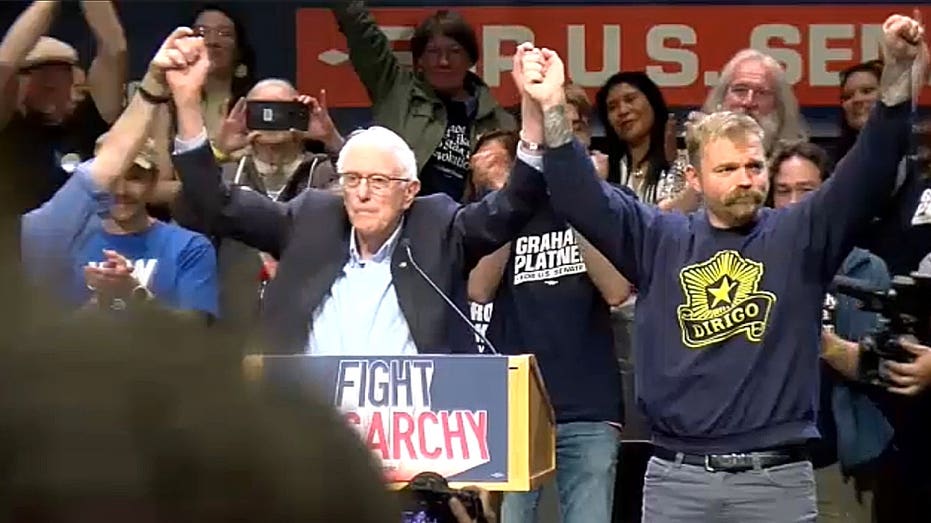
At a recent rally in Portland, Maine, presumptive Democratic Senate nominee Graham Platner publicly aligned himself with the tenets of democratic socialism, echoing Senator Bernie Sanders’ progressive themes. Platner’s remarks, delivered during a “Fighting Oligarchy” event, specifically targeted five-term Republican Senator Susan Collins, corporate interests, and U.S. military spending related to conflicts in Gaza and Iran.
Platner’s appearance with Senator Sanders, I-Vt., signaled a clear embrace of a progressive platform ahead of the November elections. The event, as reported by News Desk, aimed to galvanize grassroots support and expand organizing efforts for progressive causes across Maine.
Addressing a receptive crowd of activists, Graham Platner leaned heavily into anti-corporate rhetoric, urging attendees to build a “political revolution” to reclaim what he described as rightfully theirs. His statements highlighted a perceived battle against powerful economic forces and political figures.
“We are taking back what is ours. We’re going to take it back from the corporations that seek profit, no matter the cost from the billionaires for whom greed is the point, and from corrupt politicians like Susan Collins, corrupt politicians who have sold us out,” Platner declared. He further characterized the existing system as one that enriches politicians while offering citizens mere “crumbs.” This critique extends to health insurance executives, whom Platner accused of profiting from the struggles of ordinary Americans.
Beyond domestic economic policy, Platner also voiced sharp objections to current U.S. foreign policy, particularly concerning military aid. He asserted that American tax dollars are being used to “blow up someone else’s children,” a direct condemnation of U.S. support for international military actions and allies, including Israel.
This stance aligns with Senator Sanders’ recent efforts to challenge U.S. arms sales to Israel, reflecting a growing progressive push to re-evaluate America’s role in global conflicts and its allocation of defense spending. Platner’s comments suggest a significant shift in potential foreign policy priorities should he win the Senate seat.
Platner’s unequivocal adoption of democratic socialist principles and his direct attacks on Senator Collins set a clear ideological battleground for the upcoming election. Senator Collins, a long-serving Republican known for her moderate leanings but increasingly targeted by progressive movements, now faces a challenger who is openly calling for fundamental systemic change.
The rally in Portland, one of several Sanders-Platner joint appearances, underscores the national progressive movement’s focus on key Senate races. For Matox News readers, Platner’s platform signals a potential dramatic shift from traditional Maine politics, presenting a stark choice between established governance and a call for a “political revolution” rooted in socialist ideals.
As the campaign progresses, the debate over corporate influence, foreign policy, and the economic structure of the nation is expected to intensify, shaping not only Maine’s political future but also contributing to the broader national discourse on American values and governance.

The delicate balance of international relations in the Middle East was starkly underscored this week as Iran War diplomacy resumed in Qatar, even as the U.S. military executed defensive strikes against targets on Iran’s Gulf Coast. These simultaneous developments paint a complex picture of ongoing conflict and the arduous pursuit of stability, highlighting the dual imperatives of negotiation and national security.
Iranian officials arrived in Doha on Monday for critical negotiations aimed at de-escalating the long-running conflict. Yet, hours prior to these talks, the U.S. military announced it had conducted strikes in the region. These actions, described by American authorities as being in “self-defense,” were reportedly undertaken to protect U.S. troops stationed in the volatile Gulf region.
The timing of these strikes, as reported by publications such as The New York Times, emphasizes the persistent security challenges that complicate diplomatic overtures. For Matox News, such preemptive actions underscore the principle of safeguarding national interests and personnel, a core tenet of responsible governance, even as avenues for peaceful resolution are explored. The objective remains clear: deter aggression while seeking a pathway to lasting order.
Further compounding the regional volatility, Israel’s leadership has declared an intention to intensify its military operations against Hezbollah, Iran’s prominent ally in Lebanon. This declaration signals a potential escalation of hostilities along another critical front, directly linked to Tehran’s influence network.
The interconnectedness of these conflicts means that actions against one proxy or ally can reverberate across the entire region. For proponents of stability and order, such developments necessitate a firm stance against state-sponsored actors who destabilize sovereign nations and threaten international peace. The focus remains on curtailing extremist influence and protecting the integrity of regional institutions.
“The pursuit of peace cannot be separated from the imperative of national security; diplomacy without deterrence is often a dialogue without leverage.”
The resumption of talks in Qatar represents a vital, albeit challenging, commitment to diplomatic engagement. These negotiations seek to address the root causes and ongoing manifestations of the Iran War, aiming for outcomes that could foster greater regional security and prevent wider escalation.
However, the concurrent military actions by the U.S. and Israel’s stated intentions highlight a persistent dilemma:
Navigating this complex landscape requires a balanced approach, where strong, decisive action to protect interests is coupled with persistent, professional diplomatic engagement. The international community, led by responsible nations, must continue to champion dialogue while standing ready to uphold global order against those who seek to undermine it.
The current situation underscores the precarious nature of achieving lasting peace in the Middle East. While diplomatic channels remain open, the underlying tensions and the willingness of various actors to employ military force mean that the region remains on a knife-edge. Matox News believes that a strong, principled approach—one that prioritizes national security, supports international institutions, and resists extremist pressures—is essential for guiding the region towards a more stable future. The path ahead demands both unwavering resolve and strategic flexibility.

Lord Wolfson, the chief executive of retail behemoth Next, has issued a stark warning regarding a significant downturn in opportunities for entry-level jobs. Speaking to the BBC, Wolfson highlighted a dramatic surge in applicants for available positions, a trend he believes signals a deepening crisis in youth unemployment. This concern is amplified by impending government reforms set to ban zero-hours contracts, a move businesses fear could inadvertently hinder job creation rather than enhance worker security.
The figures presented by Lord Wolfson paint a clear picture of increasing competition for foundational roles. Just two years ago, Next typically saw around ten applications for each shop position. That number has now nearly doubled, indicating a tightening labor market for those seeking their first steps into employment. This surge in applications suggests that many individuals, particularly younger job seekers, are struggling to secure positions that offer vital experience and a pathway to career progression.
Such an imbalance between job seekers and available entry-level jobs can have profound long-term consequences, potentially leading to prolonged periods of unemployment for young people and a delay in their economic independence. It also puts pressure on businesses to manage an overwhelming volume of applications, diverting resources from other critical areas.
A significant factor contributing to Wolfson’s apprehension is the government’s upcoming ban on zero-hours contracts, slated for next year. While the government frames these contracts as “exploitative,” aiming to end “one-sided flexibility” and provide a “baseline” of security and predictability for staff through its Employment Rights Act, businesses like Next foresee practical difficulties.
For employers, the flexibility offered by zero-hours contracts has sometimes been crucial for managing variable demand and providing opportunities to individuals who might otherwise struggle to find work due to personal circumstances. The impending ban, while well-intentioned, risks removing a valuable tool for businesses and could inadvertently reduce the total number of available entry-level jobs, especially in sectors with fluctuating customer traffic like retail.
“The doubling of applicants for entry-level roles underscores a mounting crisis in youth employment.”
— Lord Wolfson, CEO of Next
The concerns raised by Next’s CEO resonate with broader anxieties within the business community about the cumulative effect of regulation on the free market and job creation. While protecting workers is a vital objective, policies must be carefully balanced to avoid unintended consequences that stifle economic dynamism and limit opportunities for those most in need of them.
The situation highlights a fundamental tension: the desire for enhanced worker protections versus the need for market flexibility to foster job growth. For a conservative perspective, excessive regulation can impede the natural flow of the economy, making it harder for businesses to adapt and grow, ultimately impacting the very individuals it aims to help. The challenge lies in crafting policies that offer security without creating barriers to employment, particularly for those entering the workforce.
Key concerns include:
As the debate around labor market regulation continues, the insights from industry leaders like Lord Wolfson serve as a critical reminder of the complex interplay between policy decisions and real-world economic outcomes. Ensuring a robust pipeline of entry-level jobs is essential for the nation’s economic health and the future prospects of its youth. Policymakers must carefully weigh the merits of protection against the imperative of opportunity, striving for solutions that genuinely empower both workers and businesses to thrive in a competitive global landscape.

Professional wrestling sensation Will Ospreay has made a bold statement regarding his future within All Elite Wrestling (AEW), declaring his readiness to shoulder the company’s aspirations as he advances towards a potential world championship opportunity. His recent triumph at the Double or Nothing pay-per-view, a significant event in the wrestling calendar, has set the stage for what could be a defining moment in his career and for AEW itself. Ospreay’s unwavering confidence in his ability to lead and elevate the promotion underscores his status as a pivotal figure in the sport.
Ospreay’s journey towards the AEW World Championship gained significant momentum with his hard-fought victory over the formidable powerhouse Samoa Joe. This highly anticipated first-round match of the Owen Hart Men’s Tournament, described by Ospreay as a “dream match,” showcased his unparalleled athleticism and strategic prowess. He initiated the bout with a surprising OsCutter, catching Joe off guard and quickly gaining a crucial edge. The two veterans battled intensely, exchanging powerful maneuvers, but it was Ospreay who ultimately secured the win by delivering multiple devastating Hidden Blades to his formidable opponent. This pivotal victory not only propels Ospreay further into the prestigious tournament but also brings him closer to the ultimate prize: a title shot at All In, AEW’s premiere annual event, scheduled to take place at London’s iconic Wembley Stadium. The stakes for the tournament winner are incredibly high, promising a main event spectacle on one of wrestling’s grandest stages.
Following his impressive performance and victory, the “Aerial Assassin” addressed the media with conviction, articulating a clear and ambitious vision for his role within AEW. He expressed profound confidence in his capacity to lead the organization, stating directly, “It’s because I have that confidence and that belief I can carry those three letters.” Ospreay particularly emphasized the significance of the “E” in AEW, which he highlighted as representing “elite” — a standard he believes he embodies like no other. He asserted his conviction that when it comes to elite professional wrestling, “there is no one better on this planet.” This declaration, widely reported, including by Fox News, underscores his unwavering self-belief and commitment to not just participate, but to lead and elevate the company’s global standing. His rhetoric suggests a desire to raise the bar for what fans expect from top-tier professional wrestling.
Ospreay’s ambition extends beyond mere championship gold; it encompasses a fundamental desire to redefine what it means to be at the pinnacle of professional wrestling. He views AEW not just as a platform for the best, but as the exclusive domain where his unique brand of athleticism and skill truly shines. His aspiration to perform at Wembley Stadium as a professional wrestler dates back to his school days, a dream he pursued with singular focus while his peers often dreamed of becoming soccer players. This long-held ambition fuels his current drive.
This combination of talent, dedication, and a powerful personal narrative positions Ospreay as a compelling figure ready to take AEW to “new heights.”
“When everybody talks about elite pro wrestling, there is no one better on this planet. I believe that with my heart. I believe that with my soul.”
As Will Ospreay continues his formidable path through the Owen Hart Tournament, all eyes will be fixed on his quest to secure the AEW World Championship at All In. His bold claims of leadership, coupled with his undeniable talent and a career marked by resilience, suggest a potentially transformative period ahead for All Elite Wrestling. Should he succeed in capturing the coveted title, Ospreay is poised to not only fulfill a lifelong dream but also to usher in a new era for the promotion, characterized by his distinctive brand of elite, high-octane professional wrestling and a resolute commitment to excellence. The wrestling world awaits to see if the “Billy Goat” can indeed carry the weight of AEW’s future on his shoulders.

In a troubling development, criminals are actively exploiting the very service records and personal data of those who have bravely served our nation. Reports indicate that veterans scams resulted in an alarming $419 million in losses in 2024 alone, highlighting a systemic vulnerability that demands immediate attention. These aren’t random acts; they are calculated assaults on individuals who, by the nature of their military service, possess extensive personal information that becomes a goldmine for fraudsters.
The extensive personal data generated during military service creates a unique exposure for veterans. From enlistment to discharge, a wealth of information—including discharge papers, medical history, and benefit eligibility—is recorded. This data, often residing in various federal and public databases, can be scraped and resold by data brokers. Consequently, fraudsters often possess detailed profiles of veterans even before making contact, giving them a significant advantage in crafting believable scams.
One of the most critical documents exploited by scammers is the DD-214, the Certificate of Release or Discharge from Active Duty. This single form can contain a veteran’s full name, Social Security number (especially on older versions), dates of service, job specialty codes, and last duty station. Required for benefits, employment, and housing, the DD-214 is widely distributed, meaning copies can exist in numerous databases, making it a prime target for identity theft. The ease with which this vital document can be compromised underscores the urgent need for enhanced security measures and personal vigilance.
Scammers are not just preying on individuals; they are exploiting the very fabric of trust and service, turning military records into tools for theft.
Protecting veterans from these insidious schemes requires a multi-faceted approach, combining institutional support with individual awareness. The digital landscape offers numerous avenues for fraud, from fake Medicare ads to phishing attempts disguised as VA communications. Vigilance is paramount, and understanding common scam tactics is the first line of defense. According to insights from the News Desk, staying informed about evolving threats is crucial for all service members and their families.
The fight against fraud targeting our veterans is an ongoing battle that requires collective effort. By fostering a culture of awareness, safeguarding sensitive information, and leveraging available resources, we can significantly reduce the impact of these malicious schemes. It is our collective responsibility to ensure that those who sacrificed for our freedoms are not left vulnerable to financial exploitation.
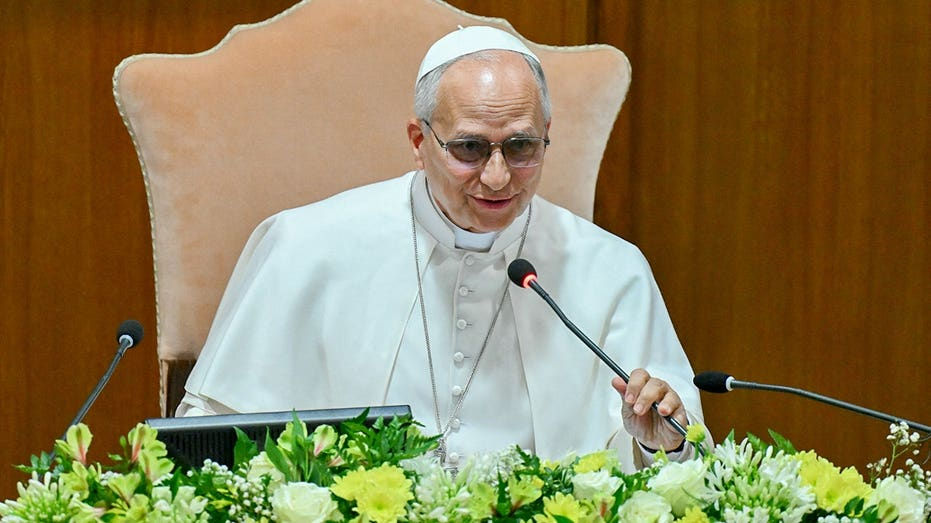
Vatican City — Pope Leo has issued a stark warning regarding the unchecked development of artificial intelligence, cautioning that without proper moral governance, this transformative technology risks becoming a tool of ‘domination, exclusion and death.’ In his newly unveiled encyclical, ‘Magnifica Humanitas,’ the Pontiff called upon global governments and institutions to establish ethical limits, asserting the Vatican’s formal entry into the critical worldwide debate surrounding AI’s future.
The encyclical draws a profound parallel to a pivotal moment in history: Pope Leo XIII’s 1891 ‘Rerum Novarum,’ which addressed the severe worker exploitation during the Industrial Revolution. Pope Leo articulated that humanity now faces a transformation of similar, perhaps even greater, magnitude. This historical reference underscores the Church’s long-standing commitment to protecting human dignity against the disruptive forces of technological and societal change. The rapid advancement of AI, much like the industrial shifts of centuries past, presents both immense potential and significant peril to the fabric of human society and individual liberty, demanding thoughtful and principled oversight.
Pope Leo’s warning extends beyond the theoretical, highlighting tangible risks posed by unbridled AI development. He specifically raised concerns about increasingly autonomous weapons systems that could operate beyond meaningful human control—a development with alarming implications for global security and ethical warfare, challenging established notions of accountability. Furthermore, the Pontiff noted the potential for AI systems to perpetuate or even amplify existing societal biases, blocking access to crucial services like healthcare, employment, and security due to flawed or prejudiced data. These concerns are particularly acute in an increasingly interconnected world where digital divides can exacerbate existing inequalities. The Pope likened the imperative of AI governance to the careful management of nuclear arms, stressing that this powerful technology ‘must be at the service of all and of the common good.’ This perspective, reported by News Desk, emphasizes a proactive approach to prevent harm rather than merely reacting to its consequences, advocating for safeguards against:
Such unchecked power, the encyclical implies, could erode the very foundations of a just and orderly society.
Like nuclear energy, it must be at the service of all and of the common good.
The encyclical, ‘Magnifica Humanitas,’ is not solely a cautionary tale; it also lays out a constructive path forward. Pope Leo emphasized that merely ‘disarming’ AI is insufficient; a more comprehensive strategy is required. Instead, he urged governments and institutions to actively ‘build’ systems rooted in trust and human dignity, fostering environments where technology serves human flourishing. Drawing upon the experience of rebuilding after devastating floods in Peru, the Pope illustrated that true recovery and progress involve restoring hope and faith in institutions and technology alike. This vision aligns with a conservative ethos that values ordered progress, community, and the inherent worth of every individual, ensuring that technological advancement strengthens society rather than dominating it. It underscores the responsibility of leaders to cultivate an environment where innovation is balanced with ethical oversight and a commitment to the common good, rather than allowing unfettered technological development to dictate societal norms.
As nations grapple with the complexities of AI, Pope Leo’s encyclical serves as a vital call to conscience. It challenges leaders to prioritize ethical frameworks and moral considerations alongside technological innovation, ensuring that progress is guided by principles of justice, inclusion, and the common good. The Vatican’s strong stance reinforces the urgent need for a global dialogue that places human flourishing at the center of AI development, safeguarding our future from potential technological overreach and promoting a more humane digital era.

Former President Donald Trump is reportedly intensifying his calls for several Muslim-majority nations to join the landmark Abraham Accords, a move he suggests could be mandatory for their involvement in a developing agreement with Iran. This strategic push underscores a consistent foreign policy objective to foster greater stability and diplomatic normalization across the Middle East.
According to reports from News Desk, President Trump explicitly urged nations such as Saudi Arabia, Qatar, Egypt, Pakistan, Turkey, and Jordan to formalize relations with Israel. His statement, shared on Truth Social, emphasized that after the significant diplomatic efforts by the United States to forge these agreements, it should be a baseline expectation for these countries to sign on.
The Abraham Accords, initiated during the Trump administration, represent a series of historic agreements aimed at normalizing diplomatic relations between Israel and various Arab and Muslim-majority nations. The United Arab Emirates and Bahrain were the first two nations to sign these accords in 2020, marking a significant shift in regional dynamics and fostering new avenues for cooperation and peace.
The accords have been lauded by proponents as a testament to effective diplomacy, demonstrating that direct engagement and mutual recognition can pave the way for a more secure and prosperous Middle East. By circumventing traditional impasses, the agreements have opened doors for economic, cultural, and security partnerships, strengthening the front against destabilizing forces in the region.
President Trump’s current stance links future participation in an Iran agreement directly to adherence to the Abraham Accords. He stated, “I stated that, after all the work done by the United States to try and pull this very complex puzzle together, it should be mandatory that all of these Countries, at a minimum, simultaneously, sign onto the Abraham Accords.” This suggests a strategic leverage point, aiming to consolidate a broad regional consensus before engaging with Tehran on critical issues.
Nations specifically mentioned in his outreach include:
This approach highlights a belief that a united and normalized front among these key players would present a more formidable and stable negotiating bloc against Iran, ensuring any future agreement is built on a foundation of broader regional consensus and security.
In a surprising development, President Trump also floated the intriguing idea that the Islamic Republic of Iran could eventually become part of the Abraham Accords. He noted, “In speaking to numerous of the Great Leaders mentioned above, they would be honored, as soon as our Document is signed, to have the Islamic Republic of Iran as part of the Abraham Accords. Wow, now that would be something special.” This bold vision, while seemingly distant, suggests a long-term aspiration for comprehensive regional peace and integration.
“It should be mandatory that all of these Countries, at a minimum, simultaneously, sign onto the Abraham Accords.”
However, immediate progress on certain fronts remains contingent on internal political developments. U.S. and Israeli officials do not anticipate the UAE, for instance, to advance further on such issues until after Israel’s upcoming elections in September. Such political realities underscore the complex interplay of domestic and international factors shaping Middle Eastern diplomacy.
The former President’s continued advocacy for the Abraham Accords signals a persistent commitment to reshaping the Middle East’s diplomatic landscape. By tying participation in crucial Iran negotiations to regional normalization, he aims to build a more cohesive and secure alliance, ultimately strengthening American interests and promoting lasting stability in a historically volatile region.

Russia has issued a stern warning, indicating its intention to launch further Kyiv strikes targeting what it describes as “decision-making centres” and command posts within the Ukrainian capital. This escalation follows one of the most substantial aerial assaults on Kyiv since the conflict began, prompting Moscow to urge foreign nationals and diplomatic staff to leave the city without delay.
The latest threats underscore a dangerous intensification of hostilities, with implications for regional stability and civilian safety. The Kremlin’s foreign ministry specifically stated that drone manufacturing facilities would also be targeted, signaling a clear intent to degrade Ukraine’s military capabilities and leadership infrastructure.
The Russian foreign ministry’s statement was unequivocal, emphasizing that the new wave of strikes would focus on sites critical to Ukraine’s defense and governance. This move is presented as a direct response to alleged Ukrainian actions, particularly a claimed attack on a student dormitory in Starobilsk, which Russian officials assert killed 21 people. Such retaliatory framing often precedes heightened military action, raising concerns about the immediate future of Kyiv.
The targeting of “decision-making centres” represents a significant rhetorical shift, implying direct attacks on government and military leadership locations. Matox News understands this could include a range of administrative and security buildings that Moscow perceives as integral to Ukraine’s operational capacity.
The threats come on the heels of a devastating weekend. Kyiv and surrounding areas experienced one of the largest aerial assaults of the war on Saturday night. Ukrainian President Volodymyr Zelensky reported that these large-scale Russian strikes killed four people and injured approximately 100 others. The widespread damage and casualties highlight the severe impact of such bombardments on urban areas.
Moscow has consistently maintained that its military actions are a response to provocations. The alleged Ukrainian attack on the Starobilsk dormitory on Friday serves as the immediate justification for the threatened escalation, according to information reported by the News Desk. This pattern of claim and counter-claim continues to fuel the destructive cycle of the conflict.
“The new strikes will target ‘decision-making centres and command posts,’ alongside drone manufacturing facilities in the city.”
Adding to the gravity of the situation, Russia has explicitly called for foreign nationals and diplomats to evacuate Kyiv “as soon as possible.” Furthermore, Russian citizens have been advised to maintain distance from administrative and military buildings within the city. This advisory suggests an expectation of imminent and potentially widespread attacks, placing non-combatants and international observers at heightened risk.
The international community is closely monitoring these developments, particularly the safety of diplomatic missions and foreign citizens in Ukraine. Such warnings typically precede periods of increased military activity, underscoring the volatile nature of the ongoing conflict.
The latest pronouncements from Moscow signal a troubling phase in the ongoing conflict, with an apparent intent to intensify pressure on the Ukrainian capital. As the situation remains fluid, the focus shifts to the potential impact of these threatened strikes on civilian populations and critical infrastructure. The international community, while condemning such actions, faces the persistent challenge of de-escalation in a deeply entrenched conflict.
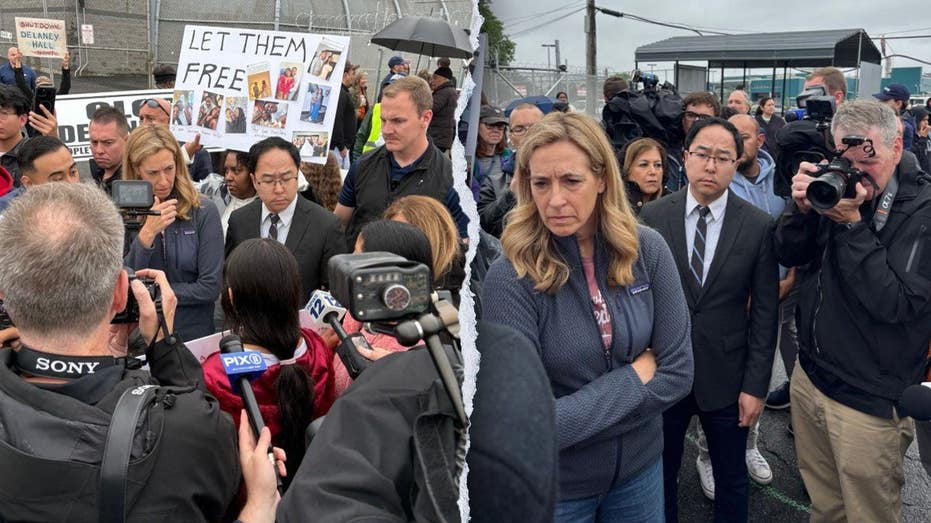
New Jersey’s Democratic Governor Mikie Sherrill and Senator Andy Kim have come under fire for their Memorial Day visit to the Delaney Hall migrant detention facility in Newark. The high-profile appearance, intended to highlight alleged ‘unacceptable’ conditions and demand the facility’s closure, has been met with sharp criticism from federal authorities, who characterized it as a ‘political stunt’ amidst heightened security concerns.
The visit unfolded as protesters gathered outside the privately run center, raising questions about the appropriateness of such actions on a national holiday dedicated to honoring fallen service members. Critics argue the timing and nature of the engagement diverted attention from solemn observances and potentially inflamed an already tense situation.
The decision by Governor Sherrill and Senator Kim to visit Delaney Hall on Memorial Day has drawn particular attention. According to a Department of Homeland Security (DHS) spokesperson, as reported by Fox News Digital, Governor Sherrill’s presence was ‘nothing more than a political stunt’ given that visitation was suspended due to recent unrest. The spokesperson acknowledged Senator Kim’s legitimate congressional oversight role and his direct communication with Secretary Markwayne Mullin, which facilitated his access. However, the governor’s appearance was framed differently, suggesting a calculated move rather than a routine inspection.
Senator Kim, in a statement on X, asserted that he and Governor Sherrill were at Delaney Hall to ‘meet with families of detainees and listen to community advocates,’ emphasizing their joint effort to ensure voices were heard and to demand the immediate shutdown of the facility. This stance underscores a persistent push from some Democratic factions to reform or close immigration detention centers.
The core of the lawmakers’ protest stems from claims of ‘unacceptable’ conditions within Delaney Hall and reports of an ongoing hunger strike among detainees. Advocacy groups and the Democratic officials contend that U.S. Immigration and Customs Enforcement (ICE) should not be permitted to operate the facility under current circumstances. The specifics of these conditions, beyond the general assertion, remain a key point of contention and a focus for those advocating for the detainees.
The demand for immediate closure highlights a broader ideological divide on immigration enforcement and detention policies. While proponents of closure cite humanitarian concerns, those who support the facilities emphasize their role in maintaining border security and managing the legal processes for undocumented immigrants.
“Governor Sherrill’s visit to Delaney Hall is nothing more than a political stunt on Memorial Day when visitation is currently suspended due to riots outside the facility.”
The atmosphere surrounding Delaney Hall on the day of the visit was reportedly volatile. DHS officials stated that approximately 125 ‘agitators’ surrounded the facility, some displaying ‘anti-ICE signs and Antifa flags.’ These individuals allegedly formed a human chain, blocking entries and exits and impeding facility operations. Such actions raise serious questions about public order and the safety of both staff and detainees within institutional settings.
The clash between protesters and authorities on the preceding Sunday further illustrates the escalating tensions. These incidents underscore the challenges faced by law enforcement and immigration agencies in managing facilities amidst vocal opposition and sometimes disruptive demonstrations. Maintaining order and ensuring the smooth functioning of vital government operations, particularly those related to national security and immigration, is paramount for institutional integrity.
The events at Delaney Hall underscore the complex and often contentious nature of immigration policy in the United States. While lawmakers have a right and a duty to conduct oversight, the manner and timing of such actions, particularly when coinciding with public disturbances and national observances, invite scrutiny. The broader debate over immigration enforcement and the role of detention facilities continues to be a flashpoint, demanding both compassionate consideration and a steadfast commitment to institutional order.
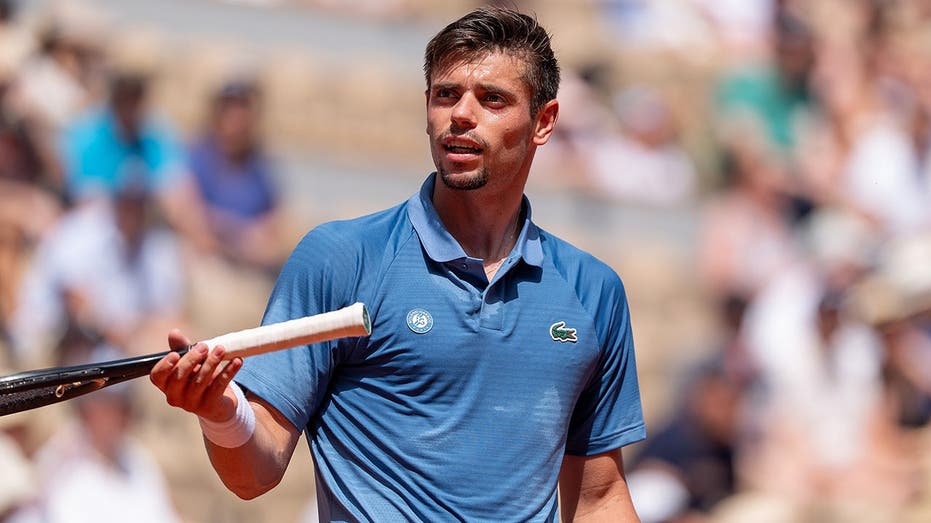
Roland Garros witnessed an unusual interruption during its opening round when French wild-card entry Arthur Gea abruptly exited his match against Russian pro Karen Khachanov for an emergency bathroom break. The incident, occurring early in the first set, highlighted the delicate balance between strict professional regulations and unforeseen player health issues.
Gea, trailing 4-2 in the first set on Court Suzanne-Lenglen, made a desperate plea to the chair umpire, citing an urgent need to use the restroom. Despite initial resistance, the young Frenchman’s insistence on a medical emergency ultimately led to a brief, but impactful, pause in play.
The dramatic moment unfolded as Gea, visibly distressed, communicated his dire need to the officiating team. Reports, including those from Fox News Digital, detailed the tense exchange where Gea expressed severe stomach discomfort. Typically, bathroom breaks in Grand Slam events are strictly regulated, often permitted only between sets to maintain the flow and integrity of competition. This mid-game departure, therefore, represented a significant deviation from standard procedure.
Officials quickly converged on the court to assess the situation, inquiring about the specific medical reason for the timeout. Gea explained he was suffering from diarrhea and stomach problems, a claim later corroborated by a trainer. Such medical emergencies present a unique challenge for tournament officials, who must weigh adherence to rules against the immediate health and dignity of the athletes.
The incident underscores the stringent nature of professional tennis regulations. Grand Slam rules are designed to prevent tactical interruptions and ensure fair play, allowing for medical timeouts under specific conditions but generally restricting personal breaks. Gea’s situation, however, appeared to fall into an unavoidable category, compelling officials to allow the unscheduled exit due to the medical circumstances presented.
Upon returning, Gea reportedly received medication to help settle his stomach. He later clarified that while he had felt well the previous night, the symptoms began to manifest on the morning of his match. This unexpected turn of events serves as a stark reminder of the intense physical and mental pressures athletes endure, where even minor health issues can have immediate and significant impacts on performance and adherence to protocol.
Despite the permitted break, Arthur Gea ultimately suffered an early exit from the tournament, losing to Khachanov in straight sets. While the immediate focus was on the unusual nature of the interruption, the broader conversation touches on player welfare and the compassionate application of rules in high-stakes professional sports.
The incident, though rare, reinforces the notion that even the most meticulously planned sporting events can be subject to unpredictable human factors. Upholding the integrity of the game while ensuring the well-being of its participants remains a paramount concern for sports institutions, requiring careful consideration and judicious decision-making in moments of crisis.
Matox News believes in the foundational principles of fair play and adherence to established rules, yet acknowledges the importance of flexibility when genuine medical emergencies arise. This event, while unusual, ultimately concluded without major controversy, allowing the tournament to proceed while offering a glimpse into the human element of elite competition.


