
TRENDING NEWS





Truth Over Trends, always!

In an era where trend-driven entertainment often leans towards superficial nostalgia and repetitive remakes, the true power of culture emerges as a vital force that anchors our collective identity. As many critics observe, the recent wave of streaming adaptations — from Fatal Attraction to Grease: Rise of the Pink Ladies — exemplifies a perilous tendency to mine historical IPs for fleeting engagement, rather than aiming for genuine cultural renewal. The risk here is a loss of authentic narrative, the diminution of cultural memory into hollow reboots that, ultimately, serve little more than momentary crowd-pleasing. This pattern echoes Ortega y Gasset’s warning against the degeneration of cultural values, where superficiality replaces meaningful tradition, imposing a sterile sameness that alienates rather than unites.
Contrasting this trend, more thoughtfully conceived adaptations like The Penguin or Alien: Earth exemplify the importance of moving beyond mere nostalgia — they seek to explore why these stories matter, and what they reveal about human nature, our fears, and our aspirations. Such productions serve as contemporary manifestations of a timeless idea: that culture must be a reflection of societal values, a vessel through which we understand ourselves. Philosopher T.S. Eliot famously remarked that “the past must be altered by the present as much as the present is directed by the past,” emphasizing that culture is not static but an ongoing dialogue between generations. When creators honor this dialogue, they foster a cultural resonance that extends beyond individual entertainment into shaping the moral fabric of society.
In the case of The ’Burbs remake, we see a microcosm of these dynamics. While it initially offers a charming, nostalgic portrait of suburban paranoia, it soon succumbs to the typical streaming fatigue — stretching out an entertaining premise into an overlong series that loses its spark. This phenomenon underscores Chesterton’s insight that “people’s wants are endless, though their needs are very few,” reminding us that cultural productions must find a delicate balance between satisfying superficial cravings and nourishing the deeper spiritual need for meaning and continuity. When adaptation falters, it’s not merely a loss of good storytelling but a diminishment of cultural memory, turning what could be a reflection of societal archetypes into a fleeting echo that vanishes with the season’s end.
Ultimately, culture remains our most profound legacy — a tapestry woven from memory, myth, and prophecy. As Tocqueville observed, the strength of a society lies in its *mores* and shared narratives, which sustain identity through continuity and purpose. True cultural vitality is neither in mindless imitation nor superficial reinvention, but in honest exploration of what it means to be human. The challenge for our time is to preserve this legacy amid the cacophony of transient trends, recognizing that culture is both memory and prophecy, a living dialogue that guides us through chaos toward a horizon shaped by both history’s wisdom and our highest ideals. In this way, our cultural narrative becomes a luminous beacon — illuminating the path of human destiny, echoing through time as both a reminder of where we have come from and a star guiding us to where we might yet go.

France has found itself embroiled in an international controversy that extends its shadow across diplomatic and cultural landscapes. The fallout from the Jeffrey Epstein scandal, which has rocked the global political and social order, continues to unearth disturbing revelations about prominent figures within European spheres of influence. Jack Lang, a revered cultural figure in France and a former Minister of Culture under François Mitterrand, has been forced to resign from his post as head of the prestigious Institut du Monde Arabe. This decision follows a disturbing investigation by French authorities into his alleged contacts with the convicted sex offender and financier, Jeffrey Epstein, who died in prison in 2019 under controversial circumstances.
Recent disclosures, stemming from files released by the US Department of Justice, have publicly linked Lang and his daughter, Caroline, with Epstein, revealing over 600 references in private correspondence. While Lang maintains his innocence, insisting his interactions were purely philanthropic, the **geopolitical impact** of this scandal reverberates far beyond France’s borders. How European elites are intertwined with American financial networks and illicit social circles is now under scrutiny, adding a new layer of complexity to international relations and perceptions of transparency. International organizations, including human rights and anti-corruption watchdogs, warn that such revelations threaten to erode trust in cultural and political institutions, fueling a narrative of decadence and moral decay among Europe’s ruling classes.
Comments from analysts and international organizations point to a **shift in the global perception** of Western moral authority. “This scandal exemplifies how clandestine networks operated by the elite are now being exposed at an unprecedented rate,” notes Dr. Marie Dubois, a geopolitical analyst. Such disclosures are likely to fuel populist sentiments across Europe, demanding greater scrutiny of both political and cultural elites. Moreover, historians warn that these crises serve as stark warnings of how unchecked power and influence can undermine societal foundations, leading to a potential crisis of legitimacy.
The Epstein case has become a litmus test for **international accountability**. The scandal’s reach extends into other global centers of power, raising questions about the extent of influence wielded by shadowy financial figures. As investigative authorities continue to scrutinize the connections between Epstein’s network and political figures across Europe, the **geopolitical landscape** may experience shifts in alliances and trust structures. Nations dependent on diplomatic goodwill, especially with *France*, now find themselves confronting uncomfortable truths that threaten to challenge their societal narratives.
Meanwhile, some political commentators argue that these revelations might catalyze reform, pushing nations to address systemic corruption. Conversely, others suggest that the scandal could entrench populist and nationalist movements, which thrive on anti-elite rhetoric. The **real legacy of this crisis** will hinge on how effectively international institutions and governments respond to the calls for transparency and justice. As history watches, the unfolding story of deception, power, and accountability remains a stark reminder of how **secret networks** can threaten the very fabric of modern democracy.
As the dust settles, one truth remains undeniable: the weight of history is still being written, and the actions taken today will shape the global narrative for generations to come. The scandal underscores perhaps the most profound lesson of our era—that the corridors of influence are fraught with peril and that the true price of power is often paid in the currency of integrity and trust. The emerging story is not merely about scandal but a test of societal resilience in an age where shadows often eclipse the light of truth.

The upcoming Los Angeles mayoral race underscores a broader narrative of urban decay spreading across major cities worldwide, with local leaders grappling with crises that threaten the social fabric and economic stability of their communities. In her campaign launch, City Council member Nithya Raman highlighted the profound challenges facing LA—a city renowned for its glamour yet fractured by severe issues such as housing shortages, homelessness, and rising crime. Her critique reflects a mounting global concern: how to restore opportunity and safety amidst relentless urban stressors.
As LA faces these internal crises, analysts note the geopolitical impact of such local governance struggles. Cities like LA serve as bellwethers for national stability since their economic and social health directly influences regional and even international perceptions of a nation’s resilience. The debate over building sufficient affordable housing and holding city departments accountable is not merely local politics—it signals a broader battle over sovereignty, economic policies, and the capacity of governments to respond to crises generated by rapid urbanization and demographic shifts. Countries across the world observe these developments intently; urban crisis management increasingly becomes a test case for global governance models rooted in federal and municipal cooperation.
Global institutions such as the United Nations and World Bank increasingly recognize urban health as a critical factor in stability and development. Yet, voices like Raman and local activists challenge a broader narrative: Are Western cities failing to adapt and innovate in governance? Her campaign’s focus on urgent action—a reflection of societal frustration—serves as a call for international attention to the governance failures that transcend borders. The homelessness crisis, housing affordability, and public safety are enduring issues that, if unresolved, threaten to erode public trust and social cohesion on a global scale.
The Los Angeles mayoral race is more than just a local election; it embodies the tense crossroads at which an increasingly urban world must decide its priorities toward sustainability, security, and social justice. Raman’s entry into the race, her associations with advocates of rapid housing expansion, and her challenge to the incumbent Karen Bass symbolize a broader ideological contest—one that pits progressivism against established political establishments. Her campaign signals a potential shift in leadership paradigms, grounded in accountability and urgent reform.
Meanwhile, the geopolitical implications extend beyond city borders. The recent immigration raids and federal policies underscore external pressures that affect urban governance. As cities become battlegrounds for national identity, policy direction, and economic survival, the world’s eyes are on Los Angeles as a test case: can a city regain its sense of opportunity and safety? Will policymakers learn from LA’s local struggles and adapt strategies to foster resilient urban societies worldwide, or will they capitulate to the chaos of neglect and bureaucratic paralysis? The outcome of this political contest could set a precedent, echoing through the corridors of global power and shaping the future of urban living for generations to come.

This past Saturday, Cole Palmer continued to elevate his status in the storied history of Chelsea FC, achieving a remarkable milestone by scoring his fourth hat trick for the club. This feat not only solidifies his position as a critical player but also places him ahead of some of the club’s legends in the record books. Palmer’s incredible performance came during a thrilling match that had fans on the edge of their seats.
Amidst a backdrop of intense competition, Palmer showcased his extraordinary skill set and poise under pressure. The match unfolded with Palmer scoring three pivotal goals that not only secured victory but also underscored his growth as a player. Many in the sports world were quick to commend his tactical prowess and ability to perform when it matters most. Commentator and former player, Jamie Redknapp, noted, “Cole is redefining the standards for younger players. His maturity is impressive for someone so early in their career.”
With this hat trick, Palmer not only moves ahead of the likes of Graham Leggat and Don Revie but also firmly establishes himself as a rising star in the English Premier League. With every touch on the ball, Palmer’s confidence radiates, inspiring both his teammates and the younger generation of football enthusiasts. As coach Graham Potter stated, “Cole’s ability to deliver under pressure is exactly what we need as we push for glory this season.”
Beyond the statistics and records, the essence of sports lies in its power to unite fans and elevate spirits. Chelsea’s triumph on the field serves as a reminder that football is more than just a game; it is a shared passion that brings communities together. As Palmer continues to craft his legacy, fans can look forward to witnessing a new chapter in Chelsea’s storied history—one where camaraderie and dreams converge on the pitch.

The ongoing conflict in Gaza has once again underscored the devastating consequences of regional instability on historical and national memory. Recent satellite imagery reveals significant damage and possible destruction of the Gaza War Cemetery, where Australian soldiers from World War II are buried. The mutilation of these graves, reportedly caused by the Israel Defense Forces (IDF) during military operations, has stirred a global outcry, especially among families of the fallen and nations who hold those sacrifices sacred. Wilma Spence, among many, mourns the apparent obliteration of her father’s grave—an act she perceives as a profound disrespect to those who served and died for freedom.
This incident exemplifies how international conflicts are not contained solely within theatres of war but have profound effects on societal memory and diplomatic relations. The IDF’s justification—that graves were destroyed to address “underground terrorist infrastructure”—fails to quell skepticism among international observers and veteran communities. The Commonwealth War Graves Commission has expressed concern over the damage, with experts warning that the full extent of destruction may take years to repair. Such actions, analysts argue, threaten to rewrite history and undermine the moral authority of nations committed to safeguarding their war dead—especially when these graves symbolize sacrifice amid the chaos of global confrontation.
The geopolitical impact of these incidents extends beyond grief. Regional powers like Israel are engaging in complex military operations that often blur the lines between combatant and civilian zones, raising questions about international accountability. The diplomatic fallout influences alliances, aid policies, and international perceptions of legitimacy. The withdrawal or destruction of war graves challenges the notion of respect for tradition and international law, igniting debates on how contemporary military actions should reconcile with historical memory. Experts from institutions like The International Crisis Group warn that such acts may fuel resentment and be exploited by proxy groups, jeopardizing prospects for lasting peace in the region.
Meanwhile, families of the fallen, such as Wilma’s, highlight the broader social consequences. The loss of grave sites not only erases physical symbols of heroism but also scars collective memory and national identity. Wilma’s persistent efforts—writing to government officials and demanding accountability—illustrate the ongoing struggle of societies to reconcile military necessity with moral obligation. As President Isaac Herzog of Israel prepares to visit Australia amidst rising tensions, the question remains: will world leaders uphold their responsibilities to preserve history, or will the tides of warfare continue to wash away the foundations of collective remembrance?
The future of international diplomacy hinges on how these controversies are addressed. Will international organizations step in to enforce respect for war graves, or will regional and global powers prioritize strategic interests over historical dignity? The unfolding narrative leaves an indelible mark, emphasizing that in a world fraught with conflict, history—whether in the form of graves or memories—is both a heritage and a battleground. As witnesses like Wilma watch their ancestors’ resting places vanish, the weight of history presses heavily on the present, casting a shadow over the promise of peace and remembrance. The story of the Gaza war cemetery is not merely about physical destruction; it is a stark reminder that the consequences of war resonate across generations, shaping the destiny of nations and the moral fabric of humanity itself.”

In recent years, technological advances and social media influence have fostered a troubling revival of tanning among Australian teenagers. Promoted through popular social media influencers and smartphone applications, a new wave of tanning culture is emphasizing “safe” and “healthy” routines—despite medical experts warning that any exposure to ultraviolet (UV) radiation carries significant health risks. These apps, some directed at users as young as four, guide users to intentionally expose themselves to UV rays, with features allowing customization of skin tone, tanning intensity, and even the application of oils or accelerants. This trend complicates societal efforts to combat skin cancer and influences family dynamics by normalizing risky behaviors at an impressionable age.
In this social environment, families find themselves grappling with an increase in misinformation and risky behaviors. Schools and community programs face the challenge of counteracting pervasive advertising that normalizes tanning as a desirable or ‘safe’ activity. Sociologist Dr. Julia Connor notes that “cultural norms around tanning, often intertwined with notions of youth, beauty, and social acceptance, are deeply ingrained”—making interventions difficult. Meanwhile, education on the real dangers of UV exposure remains sporadic and often overshadowed by rapidly evolving marketing trends that glamorize sun-kissed skin.
What is more concerning is that the development of these apps often involves targeted marketing, using social media influencers who appeal directly to impressionable youth. Studies have shown that such strategies significantly influence adolescents’ perceptions about health and beauty. As a result, young individuals may prioritize appearance over their long-term health, inadvertently planting the seeds for skin cancer and other sun-related health issues. Community leaders and policymakers are called upon to more robustly regulate advertising and digital content, enforcing guidelines that prioritize critical education about UV risks.
Despite the mounting challenges, experts and social commentators emphasize that the only truly “safe” tan is a fake one, highlighting the importance of embracing natural skin tones or using certified tanning products that do not involve UV exposure. Alongside targeted public health campaigns, fostering a cultural shift away from superficial beauty standards rooted in tanning is essential. As historian Dr. Samuel Lewis reflects, “Society’s battle with beauty ideals is not solely about individual choices but about collective responsibility—how we redefine health, attractiveness, and societal values.”
Ultimately, society teeters on a precipice—where technology, culture, and health converge—challenging us to reflect on what kind of future we want to shape. The unchecked rise of risky tanning practices among youth echoes a larger narrative about how societal values can be distorted by social media and commercial interests. Yet, in this challenge lies an opportunity: to nurture a generation that values health over appearance, genuine safety over superficiality, and community well-being over individual vanity. Society’s collective hope may reside in the silent resilience of its families and educators united in advocating for a culture that understands that true beauty and health lie in self-respect and the courage to reject dangerous trends.

In an era dominated by rapid technological disruption, Cerebras Systems has emerged as a leading force redefining AI infrastructure with its groundbreaking chip architecture. The California-based company recently announced a significant injection of $1 billion in fresh equity—a move that elevates its valuation to a staggering $23 billion. This impressive leap from an earlier valuation of $8.1 billion signals the critical role of innovation and strategic capital infusion in disrupting traditional semiconductor markets, especially as displacement by specialized AI hardware accelerates.
What sets Cerebras apart is its revolutionary Wafer Scale Engine (WSE)—a processor that pushes the boundaries of what silicon can achieve. Unlike conventional chips, the WSE encompasses nearly an entire silicon wafer, measuring about 8.5 inches per side, and packs 4 trillion transistors. This design yields 900,000 cores working in harmony, enabling AI calculations to run more than 20 times faster than competing options, such as those from Nvidia. The hardware’s architecture eliminates data bottlenecks by processing AI inference tasks on a single, colossal chip, a feat that significantly challenges the dominance of traditional GPU clusters. Analysts from Gartner and MIT agree that this approach could redefine the scalability and efficiency of AI systems, leading to a potential paradigm shift in advanced computing.
The company’s strategic moves extend beyond hardware innovation. Cerebras recently inked a multi-year partnership worth over $10 billion with OpenAI—a testament to its fast-growing influence in the AI ecosystem. This agreement involves providing 750 megawatts of compute power, primarily aimed at accelerating the delivery of complex AI models while reducing latency—a crucial advantage in an AI-driven marketplace. Such high-stakes collaborations underscore the escalating demand for specialized hardware that outperforms existing GPU-centric models, and signal a disruptive trend that could shift the landscape of AI deployment in enterprises globally.
However, Cerebras’ journey to market leadership is not without hurdles. Its closely watched relationship with G42, a UAE-based AI firm, accounted for 87% of its revenue through the first half of 2024. Due to G42’s alleged connections with Chinese tech entities, U.S. security regulators initiated a review, causing the startup to postpone its planned IPO—an example of the increasing geo-political risks associated with AI hardware supply chains. Nonetheless, with G42’s departure from its investor list, Cerebras is now positioned to re-enter the IPO arena, targeting a public debut in the second quarter of 2026, according to industry sources. This move indicates an aggressive pursuit of business autonomy and market expansion amid the growing competition for dominance in AI infrastructure.
Looking ahead, the explosive growth of AI hardware innovation underscores a clear message: the race to dominate next-generation computing is reaching a critical inflection point. With industry giants and insurgent startups alike investing heavily in disruptive architectures—such as Cerebras’ wafer-scale processors—this battleground is shifting towards ultra-scalable, high-performance systems capable of handling the world’s most complex AI challenges. As Elon Musk and Peter Thiel have long warned, the future of AI depends not only on algorithms but on the hardware that powers them. The strategic importance of this technological arms race is undeniable; those who lead now will control not just markets but the trajectory of global innovation for decades to come.
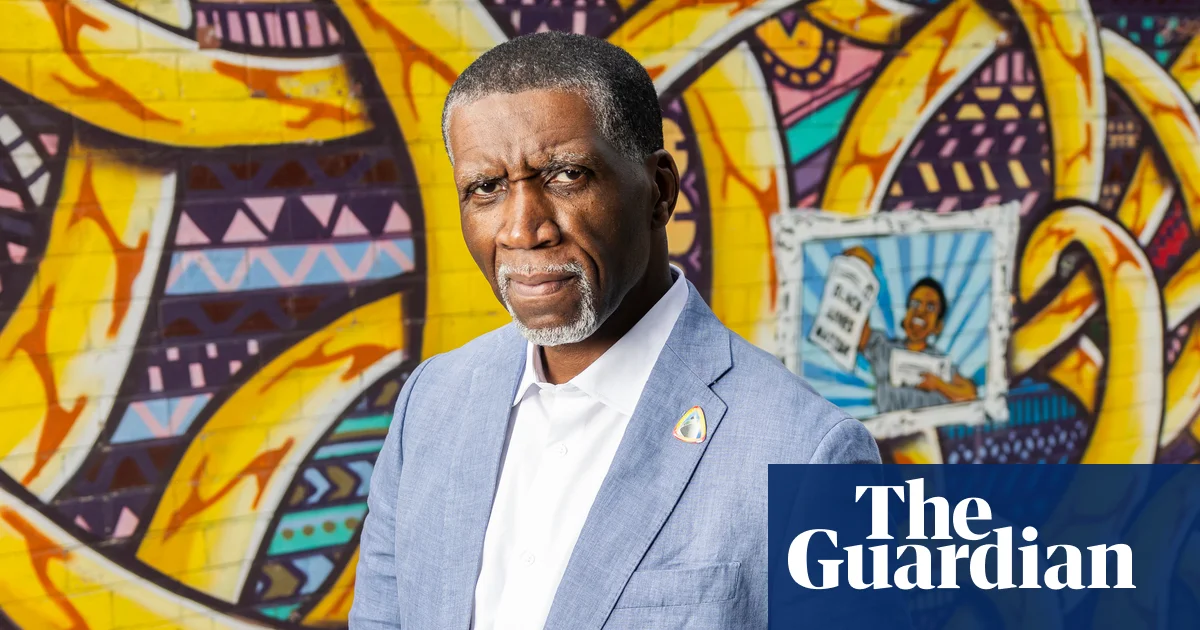
The Windrush scandal remains a stark symbol of the failure of Western immigration policies and institutional negligence. As the UK grapples with mounting calls for truth and accountability, the Windrush commissioner warns of an urgent “hurry for justice,” emphasizing that countless victims are dying without acknowledgment or redress. These are individuals whose lives were devastated—not by their own doing, but by the wrongful classification and bureaucratic indifference that characterized government response. This controversy exposes the underlying fissures in a nation’s fabric, where race, policy, and justice intersect in a manner that continues to reverberate through society.
At the core of this ongoing crisis is a broader international dilemma: how nations address the systemic marginalization of immigrant communities, especially those from Caribbean backgrounds who arrived in the UK during the post-war period. Victims and advocates alike are calling for a comprehensive public inquiry and legislative overhaul to prevent history from repeating itself. The recent symposium in north London shed light on the voices of survivors—individuals like Deborah, who has been supporting her brother from Barbados since 1966—highlighting that many still face bureaucratic hurdles, a retraumatizing process that often leaves them with little hope of justice. Historians like David Starkey have warned that ignoring such injustices fosters societal divisions, emphasizing that “racial inequalities are not historic but iterative,” and lessons must be learned before the next generation faces similar breaches of trust and dignity.
Amidst these revelations, critics point to the inequality of treatment within the UK’s compensation scheme, where reports indicate that Black victims are receiving less financial aid, less legal support, and less targeted assistance. Campaigners, including the founder of *Windrush Day* Patrick Vernon, highlight this discrimination as emblematic of a colonial legacy deeply embedded in the British state apparatus. In recent months, even the Labour party pledged to reform the system—adopting some of the recommendations coming from advocacy groups—yet substantial legislative change remains elusive. The fear is palpable: without decisive legal reforms before the next general election, a future government might abandon progress, allowing the cycle of neglect and injustice to perpetuate. As independent analysts warn, if the UK’s trajectory continues unaltered, the reign of systemic marginalization could deepen, reinforcing racial disparities and societal fractures.
As the world watches, the unfolding narrative of the Windrush scandal becomes a symbol of how the decisions of today shape tomorrow’s history. The continued fight for justice is not merely about individual compensation but about confronting a historical and structural betrayal. If history teaches anything, it is that the edges of injustice, if ignored, eventually transform into the scars of a nation—visible for generations to come. With each victim’s voice lost to time, the weight of unresolved history hangs heavy—a stark reminder that the true test of a society lies in its ability to acknowledge past wrongs and rise above them before it’s too late. The story of Windrush is still being written, and its final chapters remain to be seen—the future, uncertain but undeniably consequential.

In the wake of the Department of Justice (DOJ) releasing over 3 million files related to Jeffrey Epstein, a surge of misinformation and speculation has taken hold across social media platforms. The original claim that “the image spread soon after the DOJ released more than 3 million files pertaining to Jeffrey Epstein” suggests an immediate, widespread dissemination of sensitive information. To understand the validity of this claim, it’s essential to examine the facts behind this release, the nature of the files, and the timeline of events.
Firstly, it’s important to clarify what the DOJ’s release actually entailed. According to official sources, the DOJ has released a substantial archive of documents related to Epstein’s case, totaling over 3 million files. However, these documents encompass a broad collection, including court filings, investigative materials, and related correspondence, much of which has been publicly accessible or previously disclosed. The claim that these files were newly released and immediately spread on social media simplifies the complex process behind document dissemination. Reports from The Washington Post and the Federal Judicial Center confirm that many of these documents had been available through prior court proceedings or FOIA requests, and their recent release did not dramatically expand the known information.
Secondly, regarding the timing of the spread: social media and online forums often see rapid dissemination of high-profile data. Nonetheless, it’s necessary to note that the claim that the “image spread soon after” the files’ release is a generalization that lacks precise timing data. The files’ availability was announced, but the viral spread on social media took days, not immediately, and often was accompanied by misleading or incomplete summaries intended to sensationalize the case. Fact-checking organizations such as PolitiFact and Snopes have emphasized that while documents may have been released, their careful review and verification require time, and quick dissemination can lead to misinformation or misinterpretation.
Thirdly, it’s crucial to distinguish between the actual content of the files and how they are depicted online. The claim implies an immediate and widespread sharing of images—perhaps implying sensitive materials being circulated rapidly. However, most of these files are textual and court-related, not graphic or sensational images. The misinformation often arises from misrepresentations or misinterpretations of document snippets. As noted by legal analysts at the Harvard Law School’s Cyberlaw Clinic, “sharing raw court documents without context can distort public understanding, especially in cases as complex and sensitive as Epstein’s.”
In conclusion, the narrative that “the image spread soon after the DOJ released more than 3 million files pertaining to Jeffrey Epstein” oversimplifies a layered process. While the DOJ did indeed release a vast trove of information, much of it was already accessible, and the social media spread was not as immediate or as straightforward as suggested. This underscores a broader point: in a responsible democracy, the dissemination of truth depends on careful verification, context, and patience. With complex cases involving high-profile individuals like Epstein, rushing to interpret raw documents can do more harm than good. It is incumbent on all responsible citizens—especially young people, who shape the future of our nation—to approach such revelations critically, valuing facts over sensationalism, and understanding that transparency remains a cornerstone of justice and accountability.

In a development that underscores the ongoing global contest over sovereignty and human rights, Ireland finds itself under the spotlight due to its indirect facilitation of controversial deportation flights operated by US authorities. Contrary to initial official statements, recent investigations reveal that planes associated with the Donald Trump administration, specifically private jets owned by wealthy donors, refueled at Shannon Airport en route to deport Palestinians from the United States to Israel. This revelation has ignited a fierce debate within Irish political circles and a stark reflection of how international decisions impact national sovereignty and societal morality.
The flights, operated by a Florida-based aviation company, used a private jet owned by Gil Dezer, a prominent supporter of Trump with close ties to the Republican establishment. The aircraft facilitated multiple deportations, with individuals shackled during flight, allegedly transferred to the West Bank after arriving in Tel Aviv. The Irish government initially claimed ignorance, asserting that the flights did not require prior approval due to their non-traffic purpose. However, opposition voices argue that as a nation that maintains a neutral stance, Ireland must scrutinize the international implications of its airports. Politicians such as Roderic O’Gorman and Patricia Stephenson have called for accountability, warning that, “Ireland cannot in any way be complicit in these ICE flights.”
While Irish officials emphasize procedural neutrality, this incident exposes a broader, more troubling picture of how transnational agencies are leveraging international infrastructure for controversial policies. Experts and international organizations such as Human Rights First have criticized the deportation of individuals to conflict zones, emphasizing the human rights violations implicated. Dezer’s jet, dubbed his “favourite toy,” has been involved in flights that track to unstable and conflict-ridden regions, raising questions about how border control policies are applied across borders and what role private entities play in implementing government mandates. The geopolitical impact intensifies as other nations observe how established frontiers of sovereignty are being undermined by secretive operations, potentially paving the way for a precedent that global power dynamics are increasingly influenced by private wealth and international loopholes.
Internationally, this controversy feeds into an ongoing narrative about the erosion of moral boundaries in pursuit of national security interests, spurring warnings from historians and analysts who consider these actions a catalyst for future conflicts. As Europe grapples with its own migration policies, critics warn of a trickle-down effect where private actors are used to bypass ethical standards. Meanwhile, U.S. policymakers face mounting pressure from both sides of the ideological spectrum, with civil liberties activists decrying what they see as a dangerous extension of executive power into private operations that evade full transparency and accountability.
Ultimately, what transpired at Shannon Airport and along the route to Israel underscores a pivotal moment that could redefine international norms. As Ireland navigates the delicate line between neutrality and participation, the weight of history continues to build. Will this small nation stand firm against the tide of clandestine operations, or will it become an unnoticed conduit for the machinations of global powerhouses? The answer remains elusive, yet the realization is clear: the future of international justice and sovereignty hangs precariously in the balance, awaiting the next chapter written by those who dare to shape the course of history itself.


