
TRENDING NEWS





Truth Over Trends, always!

The recent decision by the US Congress to cut $125 million from the funding designated for replacing toxic lead drinking water pipes underscores a significant shift in domestic priorities amidst escalating international tensions. This cut, part of the broader government funding legislation, targets states like Michigan, Illinois, Texas, and New York, regions grappling with hazardous lead contamination—an issue that has direct ramifications on public health and social stability. Despite bipartisan support in 2021 for the removal of lead pipes, Republican leadership on key committees redirected these resources toward wildfire prevention, a move criticized by Democrats and health advocates alike. Such political maneuvering reflects not only the internal polarization within the United States but also demonstrates how American policy is increasingly driven by short-term political gains at the expense of foundational public health concerns.
Analysts emphasize that decision-making at the US federal level has repercussions beyond its borders. The suspension or reduction of funding for infrastructure projects like lead pipe replacement weakens America’s credibility on the global stage, especially as it champions itself as a leader in promoting sustainable and health-oriented development. As international organizations such as the World Health Organization warn about the deadly effects of lead exposure—citing evidence that it lowers IQ, stunts development, and increases cardiovascular risks—the US government’s reluctance to prioritize such issues invites criticism from allies and adversaries alike. This domestic shuffle in policy emphasizes a broader geopolitical narrative—one where the US is seen as retreating from its moral commitments to public health and infrastructure that underpin national stability.
Throughout the years, historians and global analysts have warned that neglecting investments in basic infrastructure—like clean water—can lead to sociodemographic destabilization, fueling unrest and eroding the moral authority of nations claiming leadership. The EPA has estimated that failing to replace lead lines results in hundreds of premature deaths annually and countless cases of developmental harm to children, a toll that resonates beyond America’s borders as a cautionary tale. This culture of neglect, justified by short-sighted fiscal calculations, risks erasing decades of progress and leaves future generations to grapple with its fallout.
As the world watches, the US faces a pivotal moment—its decisions on domestic policy echo loudly in the corridors of international power. With history’s pen poised over this unfolding chapter, the question remains: will leadership choose to forge a resilient future or succumb to the temptations of political expediency? The weight of history is heavy, and the headlines yet to be written hold the destiny of millions—and the geopolitical landscape they inhabit—within their grasp.

Amid escalating tensions in Eastern Europe, the Ukrainian leadership has publicly acknowledged the persistent and complex challenges facing the nation as it continues to defend itself against relentless Russian aggression. Recent reports detail a series of Russia’s renewed strikes on vital energy infrastructure, an alarming development that underscores the strategic objective of destabilization and coercion. Ukrainian officials emphasize that, despite diplomatic efforts and international aid, the path toward peace remains fraught with difficulty, as Moscow’s military campaign adapts to increasingly severe circumstances.
These actions by Russia are not isolated but part of a broader geopolitical strategy aimed at undermining Ukraine from within. According to seasoned analysts and respected international think tanks, Russia’s focus on energy facilities reflects a calculated move to erode civilian morale and cripple Ukraine’s economic resilience. The disruption of energy supplies further complicates Ukraine’s efforts to sustain its military and civilian populations, with critical infrastructure under siege amidst a winter season that threatens to deepen humanitarian crises. This pattern of targeted strikes not only aggravates the immediate suffering but also signals a prolonged conflict that could reshape regional security arrangements for years to come.
Furthermore, the unfolding crisis holds profound geopolitical impact, resonating far beyond Ukraine’s borders. Western nations, led by the United States and the European Union, have condemned Russia’s actions and ramped up military and financial support to Kyiv. However, international organizations—in particular the United Nations—have expressed concern, while some voices warn of the dangerous precedent set by Moscow’s willingness to target civilian infrastructure. Historian and geopolitical analyst Dr. Michael Harper points out that the conflict’s ongoing nature risks fragmenting geopolitical alliances and intensifying global instability, especially as nations grapple with energy security and the specter of a wider proxy confrontation.
Decisions made in the coming months will ultimately determine the future landscape of international order. As diplomacy falters and military escalations continue, the conflict transforms into more than a regional dispute—it becomes a test of Western resolve and a stark warning about the limits of diplomatic rhetoric in an increasingly divided world. In the words of global security expert Dr. Laura Chen, “History will remember how the world responded in these critical moments. Will it be remembered as a failure to act decisively, or as a pivotal turning point for sovereignty and national dignity?” As the narrative of Ukraine continues to unfold, the weight of history presses heavy on the shoulders of leaders and nations alike—each decision echoing through the corridors of time, shaping the future in ways we are only beginning to understand.

In an important press conference held on Friday, Las Vegas Raiders star pass rusher Maxx Crosby categorically dismissed speculation that he desires to leave the team. Amid increasing rumors and discussions surrounding his future with the franchise, Crosby made it clear that any talk of wanting out did not originate from him. This statement not only casts a spotlight on his loyalty but also underscores the evolving dynamics within the Raiders community.
During his address, Crosby stated, “I’m all in for this team. My focus is solely on helping us win.” The 25-year-old defensive standout is coming off a career year, having tallied 54 tackles and 8.5 sacks, proving to be an integral part of the Raiders’ defensive strategies. Coach Josh McDaniels commented on Crosby’s commitment: “He is a cornerstone of our defense and someone we’ve built around.” The Raiders organization recognizes the value that Crosby brings, not just in play but also as a leader.
The questions surrounding Crosby’s future came as the team prepares for a pivotal offseason, aimed at enhancing their roster and solidifying their position within the challenging AFC West. Analysts and commentators have pointed out that with stars like Patrick Mahomes of the Kansas City Chiefs and Justin Herbert of the Los Angeles Chargers within the division, the Raiders must leverage their talents effectively. NFL analyst Mike Florio highlighted, “Crosby is a game-changer. Keeping him in Las Vegas is crucial for their ambitions.”
In conclusion, the declaration from Maxx Crosby not only serves to reinforce his personal commitment to the Raiders, but also encapsulates a broader narrative that resonates throughout sports: the power of unity and passion. As teams prepare for the upcoming season, the stories of loyalty and determination will undoubtedly shape the landscape of the NFL, making it clear that, while the scoreboard may reflect victories and losses, the true essence of sports lies in the connections forged among players, fans, and communities. In these moments, we find a shared spirit that transcends wins and losses, reminding us all why we love the game.

The recent political scandal surrounding Reform UK’s control of Kent County Council has ignited a broader debate on the efficacy and transparency of insurgent right-wing movements in local governments across the United Kingdom. Decision-makers and political analysts worldwide are closely observing whether the party, known for its anti-establishment stance led by figures like Nigel Farage, can transition from disruptive rhetoric to effective governance. The scandal, centered on alleged falsehoods about massive savings tied to net zero initiatives, not only threatens the party’s credibility but also raises questions about the impact of such political upheavals on regional stability and fiscal policy.
At the core of the controversy is Kent County Council’s claim of saving nearly £40 million—an assertion now under question after investigative efforts revealed that the claimed savings were based on hypothetical projects lacking concrete documentation. This development is viewed as a *regrettable* reflection of how some insurgent parties might manipulate fiscal figures for political gain, especially amidst a climate of pervasive *wokeness* and environmental mandates increasingly scrutinized at the local level. The situation echoes past warnings from international organizations, such as the OECD, which have cautioned against politicized climate policies that lack transparency and tangible outcomes, viewing them as potential catalysts for public mistrust and societal division.
Analysts point out that this incident in Kent is emblematic of a broader phenomenon where local insurgent parties seek to capitalize on popular sentiments against traditional political elites. The accusations of misinformation, especially involving claims of significant financial savings from projects that only existed in planning drafts, have stoked fears about the rise of populist movements exploiting fiscal narratives. Some international observers, including political scientists and historians, warn that such tactics, if widespread, can undermine trust in independent institutions and destabilize regional governance structures, with ripple effects felt across national and even international levels.
This episode underscores a critical truth about the *geopolitical impact* of local political maneuvers. As insurgent parties like Reform UK seek to reshape local governance, they inadvertently influence broader national discourse on fiscal responsibility, environmental policies, and government accountability. The governing institutions at the European Union and beyond have long emphasized transparency as essential for maintaining public trust, and the current scandal exemplifies how deviations from this principle can fuel unrest and populist backlashes. Furthermore, the event serves as a warning to societies worldwide that the unchecked rise of populist rhetoric, especially when encapsulating exaggerated or fabricated claims, can erode the foundations of democratic accountability.
As Kent reels from the revelations, the wider implications for British politics loom large. The incident adds to a growing list of conflicts where *truth and transparency* collide with political ambition, raising questions about the future of governance in a landscape increasingly dominated by media savvy and populist appeals. The departure of Paul Chamberlain, who resigned after admitting to a “lapse of judgment,” reflects internal struggles within these movements, hinting at deeper issues of discipline and ideological cohesion. Internationally, observers note that such internal discord can serve as a microcosm of larger societal tensions, where the desperate pursuit of power often clashes with ethical governance.
The world watches as the story continues to unfold—each revelation, denial, and political maneuver shaping not just local policies but echoing across borders. The very tenets of truth, fiscal responsibility, and accountability are now at a critical crossroads. As history’s pen writes, the question remains: will these early missteps be the cautionary tales that forge resilient democratic institutions, or will they be the dark chapters that expose the fragility of society’s trust and the perilous edge of populist politics? With the weight of the future hanging in the balance, the unfolding saga in Kent reminds us that, in the theater of geopolitics, every local battle shapes the narrative of a world still striving, still fighting, for its soul.

In an era where rapid innovation and strategic disruption fuel the consumer electronics landscape, industry leaders are unleashing a wave of next-generation devices that promise not only to redefine user experience but also to reshape the very fabric of technological business models. As market dynamics shift, driven by cutting-edge features and strategic pricing, giants like Apple, Google, and Sonos are capitalizing on emerging trends to maintain dominance while startups innovate with disruptive products that appeal to digitally savvy youth audiences.
One visionary staple, Aura, has revolutionized digital photo sharing in the form of the Aura Aspen — a sleek, 12-inch LCD digital frame that transforms static memories into dynamic displays accessible from anywhere via companion apps or email. The device exemplifies how disruption in traditional photo framing merges seamlessly with digital connectivity, offering a product that’s both nostalgic and hyper-connected. The tech industry recognizes this as a clear indicator of industry-wide shifts towards interconnected, AI-enabled home décor, which stands to unlock new streams of revenue while challenging entrenched offline paradigms.
Meanwhile, the smart home ecosystem is further invigorated by products like Amazon’s Echo Dot Max and Google TV Streamer (4K). Experts from Gartner note that smart speakers and streaming devices are transitioning from novelty items to essentials for millennial and Gen Z consumers. The Echo Dot Max, now priced at an attractive $79.99, features advanced sound quality and support for Matter, Thread, and Zigbee protocols, enabling smoother integration with a broader range of smart home devices.
In the visual content realm, the Google TV Streamer pushes the boundaries of streaming innovation by combining exceptional interface design with built-in Ethernet and smart home compatibility. Disruption occurs not only in content delivery but also in how consumers control their entertainment and smart environments, supported by industry reports highlighting the shift toward integrated, user-centric smart ecosystems. These platforms are increasingly becoming critical for businesses to foster brand loyalty while progressing toward more intelligent, anticipatory home environments.
In wearable tech, products like Amazfit Active 2 and Google Pixel Watch 4 serve as proof points for how health and fitness tracking deeply integrate into youth-centric lifestyles. Analysts from MIT highlight that wearables are evolving from simple fitness aids into comprehensive health monitoring platforms with embedded AI and personalized insights — opening lucrative avenues for health-tech startups and established players alike. The Pixel Watch 4 also exemplifies hardware design that prioritizes *repairability*, signaling an industry shift towards sustainability and longer product lifecycles, which investors see as a key strategic move to sustain brand loyalty amid fierce competition.
In the audio space, Sonos advances with the Era 100 and Arc Ultra. These devices cater to a consumer base demanding immersive entertainment experiences, blending high fidelity sound with smart speaker capabilities. The disruption here lies in the integration of Dolby Atmos technology and multi-platform support, forcing competitors to leapfrog with innovation if they wish to stay relevant in this highly competitive segment.
Collectively, these industry shifts reveal a powerful underlying trend: disruption driven by innovation, smart integration, and consumer-centric business models. With strategic discounts and feature upgrades, companies are positioning themselves for market dominance in a future where connected, intelligent devices are woven into daily life. Experts like Peter Thiel warn that companies slow to innovate will quickly fall behind as startups leverage emerging tech to carve out new niches, intensifying competitive pressures.
With consumer expectations accelerating, the imperative for brands to innovate fast and disrupt the status quo has never been clearer. As technological advancements continue to cascade into every facet of daily life, industry stakeholders must recognize that standing still equates to falling behind. The future will belong to those who harness the power of innovation, disrupt entrenched markets, and continuously push the boundaries of possibility. The urgency to adapt and lead in this rapidly evolving environment is now greater than ever—disruption is here to stay, and the clock is ticking.
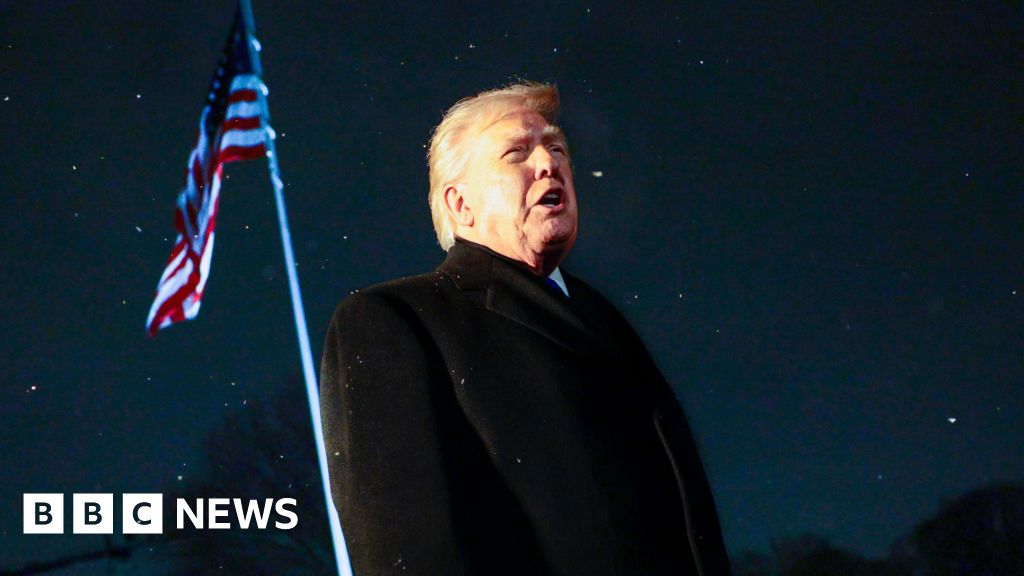
In a significant move that underscores the evolving landscape of international trade and diplomacy, the United States issued an order on Friday outlining potential tariffs targeting Iranian imports. While the document stops short of specifying the exact rate, it references a 25% figure as a reference point, signaling a firm escalation in economic pressure. This tariff could be applied broadly to goods imported from any nation that directly or indirectly engages with Iran, a move that is poised to ripple through global supply chains and redefine diplomatic ties in the Middle East.
The new policy underscores Washington’s continued pursuit of. what it describes as economic sanctions aimed at curtailing Iran’s influence and nuclear ambitions. By expanding tariffs to potentially encompass a wide array of countries—those that purchase, import, or acquire Iranian goods and services—the US seeks to isolate Iran further, while simultaneously pressuring allied nations to choose sides. Financial analysts interpret this as a strategic measure to strengthen leverage in negotiations, but it also risks igniting new trade disputes that could destabilize regional and global markets. Commentators such as Dr. Elizabeth Carter, an expert on international sanctions, warn that such broad measures tend to have unintended consequences, impacting not only Tehran but also American allies and global consumers alike.
This latest move arrives at a pivotal moment in the complex web of international relations. Russia, China, and the European Union have all expressed caution or dissatisfaction, emphasizing their concern over the potential for increased tensions and economic fallout. According to reports from the World Trade Organization, such expansive tariffs run the risk of breaking the delicate norms of free trade, tilting the global order towards fragmentation.
Historians and geopolitical analysts warn that these sanctions and tariffs are not merely economic tactics but signals of a broader shift in global power dynamics. The move has been met with a mixture of skepticism and strategic calculation, as governments seek to protect their interests while navigating an increasingly uncertain international arena. As diplomatic negotiations unfold, the world watches with bated breath—each decision refracted through the prism of history, where the lines between peace and conflict, cooperation and confrontation, grow ever more blurred. The narrative of our time is being written in these moments of economic leverage; the weight of history is heavy, and the future remains unwritten, teetering on the brink of change.

The recent suicide bombing at a Shia mosque in Islamabad, Pakistan, which claimed at least 31 lives and injured nearly 170 others, underscores a troubling escalation of sectarian violence that continues to destabilize the region. According to local authorities and eyewitness accounts, the blast was preceded by gunfire, indicating a coordinated attack aimed at targeting the religious minority. This incident has not only caused immediate humanitarian crises—prompting urgent hospital responses and blood donation appeals—but also reverberates with profound geopolitical implications that extend beyond Pakistan’s borders.
As international analysts scrutinize the attack, it draws attention to the broader regional sectarian tensions and extremist threats that plague South Asia. Experts such as regional security strategist Dr. Lisa Ferguson emphasize that such violence perpetuates a cycle of radicalization, often fueled by militant groups seeking to deepen sectarian divides. The Pakistani government’s response—condemning the attack and calling for justice—underscores its commitment to combating internal extremism. However, outside observers warn that without addressing underlying issues such as political marginalization and ideological radicalization, these incidents may become a recurring menace with the potential to destabilize neighboring countries, including Afghanistan and India, which are already wrestling with their own complex security challenges.
International organizations, including the United Nations, have issued statements condemning the attack, emphasizing the importance of protecting religious minorities and pursuing justice. Yet, the attack also highlights the fragile state of broader bilateral and regional relations. For instance, Pakistan’s neighbor, India, faces heightened concern over cross-border terrorist links, complicating diplomatic efforts toward peace and stability in South Asia. Simultaneously, China maintains economic and strategic interests in the region through initiatives like the Belt and Road, walking a tightrope between supporting Pakistan and managing regional instability. Meanwhile, United States policymakers are watching closely, evaluating how Pakistan’s internal security issues influence broader U.S. strategic objectives in Asia.
Historians and security analysts warn that this attack signifies a turning point in Pakistan’s ongoing struggle with extremism. According to noted geopolitical scholar Dr. Rajiv Malhotra, such acts of violence threaten to fracture societies and hinder efforts at reconciliation. The broader global narrative echoes these concerns: the rise of religious and ideological violence adheres to a dangerous pattern that tests the resilience of nations committed to democracy and pluralism. As the dust settles in Islamabad, the world must grapple with the realization that history is still unfolding, and that the outcomes of these tragic events will define regional stability for years to come. With the shadows of extremism lengthening across borders, the necessity for vigilant, coordinated international action has never been more apparent. The weight of history presses down—what course will the world choose amidst this chaos remains to be seen, but the stakes could not be higher.

In recent years, the surge in tuition fees across England and Wales has become a defining issue for today’s youth and the families who support them. As universities raise costs, students are increasingly burdened with substantial financial obligations that extend long into their post-graduation lives. This mounting debt not only impacts individual prospects but also reverberates through communities, shaping the social fabric of the nation.
Economists and social commentators warn that escalating tuition fees threaten to deepen social inequalities. Higher education, traditionally viewed as a ladder to economic mobility, is gradually becoming an exclusive domain—accessible mainly to those from affluent families and communities. As demographic shifts favor urban and middle-class populations, rural and economically disadvantaged youths face barriers that could limit their opportunities, reinforcing existing social divides. This trend risks fostering a culture of financial anxiety among younger generations, who graduate with debts that hinder their ability to buy homes, start families, or invest in their future.
The strain of rising costs on families is palpable. Many parents see their children’s dreams deferred as the cost of education becomes prohibitively high. Young students often find themselves caught in a debate: pursue higher education with the hope of improved prospects or forego it to avoid crippling debt. Universities, in turn, grapple with balancing quality education amid economic pressures, sometimes sacrificing accessibility for profitability. Sociologists like Dr. Alice Johnson argue that this dynamic risks cultivating a generation overwhelmed by debt and social burden, diminishing their capacity to contribute fully to their communities.
Addressing this crisis demands urgent, multifaceted solutions.
Ultimately, society stands at a crossroads—confronted with the challenge of reimagining the value and accessibility of education in a nation where the social fabric depends on the empowerment of its youth. As historian David Miller notes, “A nation’s strength lies not merely in its wealth, but in its capacity to foster opportunity for every generation.” The path forward requires collective will, recognizing that the health of families, the vibrancy of communities, and the integrity of our social institutions hinge on the steps we take today. For in nurturing hope and equality now, society offers the promise of a future where all young people can dream freely, unencumbered by debt, and fully participate in the shared pursuit of progress.”
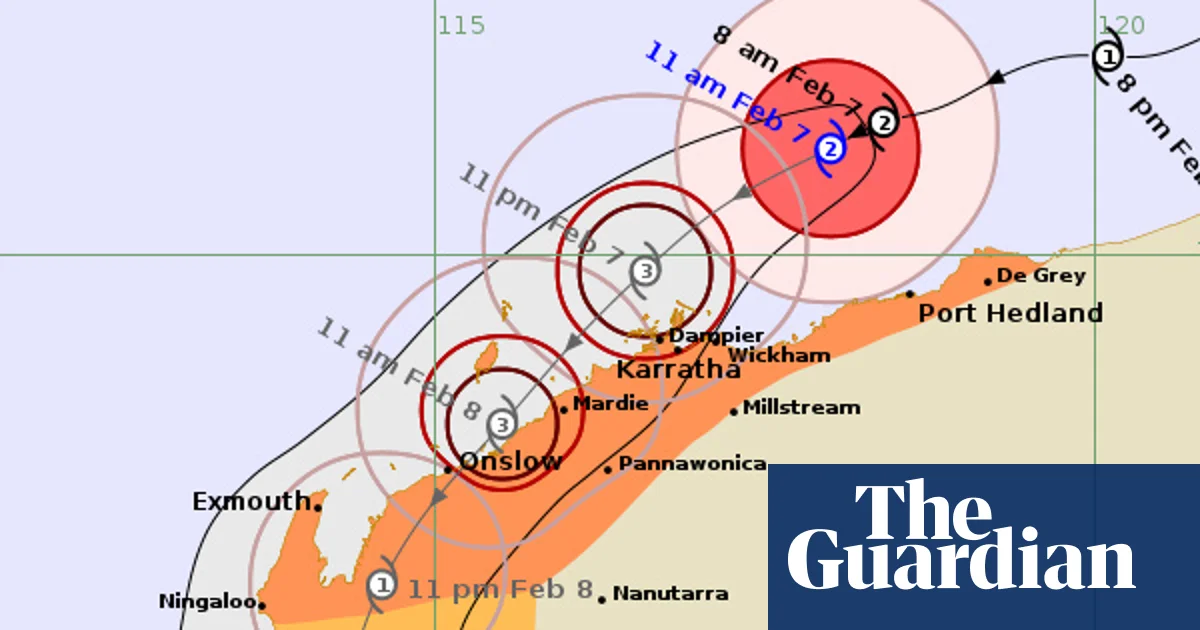
In a striking display of nature’s fury, Cyclone Mitchell has emerged off the northern coast of Western Australia and is forecasted to escalate into a category three system. This development is not merely a local weather phenomenon but a reminder of the persistent vulnerability of Australia’s outback regions to increasingly severe climate events. Authorities have issued a watch and act warning for coastal towns such as Karratha, Dampier, and Onslow, emphasizing the potential for destructive winds reaching up to 170 km/h. The cyclone’s trajectory, moving southwest and approaching the Pilbara coast, exemplifies how natural events can threaten local economies, disrupt transportation, and impose significant societal costs.
The geopolitical impact of such natural disasters cannot be underestimated, especially in an era where climate change accelerates the severity and frequency of extreme weather. Analysts and international organizations warn that climate-induced disasters increasingly test national resilience and underscore the importance of adaptive infrastructure. The Australian government’s response, including evacuations and port closures, reflects a strategic effort to shield economic assets such as key port facilities—namely, Dampier and Port Hedland. These ports are vital for resource exports, particularly of minerals and energy, whose disruption could ripple through regional supply chains and influence international markets.
Simultaneously, outback towns across Australia grapple with ongoing flooding crises, deepening concerns about climate resilience. In the Northern Territory, over 400 evacuees remain displaced amid rising rivers, a situation compounded by heavy rains predicted to bring up to 130mm of rain in areas like Port Hedland. This influx of weather-related crises exposes vulnerabilities in remote infrastructure and emergency preparedness that could have broader international implications. As the Commonwealth and regional authorities coordinate disaster relief efforts, international observers note that Australia’s handling of these crises will influence its geopolitical standing, particularly as climate change becomes a defining factor of global diplomacy.
Leading historians and climate analysts highlight how these pivotal moments—be it a cyclone or flooding—serve as warnings of a shifting world order. Climate scientists warn that rising sea levels and more intense storms threaten not only environmental stability but also social cohesion and economic sovereignty. The World Meteorological Organization has maintained that climate-related disasters could lead to increased migration, regional instability, and even conflicts over scarce resources. For Australia, a nation so geographically exposed and resource-dependent, these natural calamities could be catalysts for both internal turmoil and geopolitical shifts, forcing alliance realignments and strategic adaptations.
As the cyclone’s winds howl over the Pilbara’s rugged landscapes and floods threaten communities in the north, the world witnesses a reminder: nature’s wrath is intertwined with humanity’s geopolitical destiny. The decisions made in response—whether by resilient infrastructure, international cooperation, or climate mitigation—will shape the course of history. Recent decades have demonstrated that nations unable to adapt to these challenges risk losing their sovereignty and social stability—trapped in a cycle of crises and reactive measures. The unfolding story of Cyclone Mitchell and Australia’s ongoing struggles with climate change is not merely a regional narrative but a chapter in humanity’s collective challenge to confront a future where natural forces command international attention and action. The pressing question remains—how will the world, and especially resilient nations like Australia, forge a path amid the storm’s rising shadow, to determine whether this is a fleeting event or the beginning of a new epoch in geopolitical and environmental history?
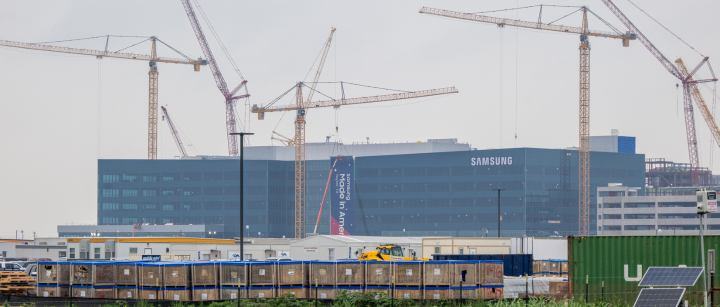
In recent speeches, former President Donald Trump has made bold assertions claiming a “41% increase” in factory construction as a sign of economic resurgence under his administration. Specifically, Trump cited this figure during a White House press conference on January 20, 2026, asserting that this increase was a “record” that no prior president could match. Later, he reiterated the same statistic at the World Economic Forum in Davos. However, when scrutinized against data provided by the U.S. Census Bureau, this figure appears to be misleading and somewhat disconnected from the broader economic indicators.
Furthermore, the White House’s effort to support the 41% claim relies on a comparison methodology that is questionable. When experts like Anirban Basu, Chief Economist at the Associated Builders and Contractors, scrutinize these figures, they point out that the recent decline in manufacturing investment—nearly 10% in recent months—reflects the winding down of COVID-19 stimulus effects and the impacts of tariffs, rather than a straightforward innovative or economic failure.
While President Trump’s claim of a 41% surge in factory construction is rhetorically compelling, it omits key details about the overall economic picture. Notably, despite these spikes in construction spending, manufacturing jobs have continued to decline. The Bureau of Labor Statistics reports that Trump’s first 11 months saw a loss of 63,000 manufacturing jobs, with additional losses in the prior year. Experts argue that longer-term trends and factors like trade policy, tariffs, and supply chain disruptions have a significant effect on employment, often counteracting the positive signals from construction data alone.
In particular, tariffs enacted by Trump in April 2025, while intended to boost domestic manufacturing, have been criticized as increasing input costs for manufacturers, ultimately deterring expansion and offsetting gains from legislation like the CHIPS Act. Analysts from institutions such as Morgan Stanley suggest that higher tariffs have made outsourcing less attractive, potentially encouraging reshoring, but at the cost of higher production costs and strained supply chains. This illustrates the complex interplay between policy measures, economic indicators, and real-world outcomes.
As the evidence indicates, Trump’s assertion of a 41% increase in factory construction is based on a selective interpretation of data that does not fully account for recent declines or the broader economic context. The figures highlight the importance of transparency and precise data analysis to foster informed debate. Recognizing the intricacies of economic trends empowers citizens to assess political claims critically, especially when such claims influence public perception and policy support.
In a thriving democracy, it is essential that elected officials and public figures base their assertions on comprehensive and factual information. Only through rigorous fact-checking and honest reporting can we ensure accountability, prevent misinformation, and uphold the principles of responsible citizenship that underpin our democratic institutions.


