
TRENDING NEWS





Truth Over Trends, always!

In a recent surge of political momentum, Japan’s latest polls indicate that a coalition led by Takaichi is poised to secure a decisive victory in the upcoming national elections. This development signals not only a significant shift within Japan’s domestic political landscape but also carries profound geopolitical implications that extend well beyond its shores. Analysts and international observers are closely monitoring this turn of events, recognizing that the outcome of this election could influence the balance of power across the Indo-Pacific region and reshape regional diplomacy.
The coalition’s lead is attributed to a combination of nationalistic rhetoric, economic strategy, and a stance towards regional security that emphasizes a strengthened military posture. Historically, Japan has balanced its pacifist constitution with a progressively assertive foreign policy, but this shift under Takaichi signifies a more explicit commitment to expanding military capabilities and reaffirming its role as a key regional security player. International organizations and historians suggest that such a trajectory might challenge the longstanding diplomatic practices of the region, especially when considering the tense relationship with China and North Korea. The victory, if confirmed, would likely embolden the coalition’s efforts to revise defense policies, potentially triggering a regional arms race and prompting neighboring nations to bolster their own military defenses.
Furthermore, this political momentum must be understood in the context of broader shifts within global geopolitics. The escalation of tensions in Taiwan, the persistent threat posed by North Korea’s missile tests, and increased assertiveness from Beijing have collectively contributed to a strategic recalibration. Experts from institutions like the International Institute for Strategic Studies have warned that a more militarily confident Japan could alter the delicate balance of power in Asia, complicating diplomatic efforts aimed at stability and security. As such, the possible shift in leadership and policy may serve as a catalyst for regional realignment, with alliances being tested and new fault lines emerging.
Historic voices remind us that the course of nations often hinges on these pivotal moments—moments that forge the future trajectory of peace, conflict, and diplomacy. If Takaichi’s coalition achieves the predicted mandate, the geopolitical landscape of the Indo-Pacific could be irrevocably reshaped. The international community now watches with bated breath, recognizing that we are at a juncture where decisions taken today echo through history, forging pathways that could either lead to stability or ignite the flames of a new regional confrontation. As history continues to be written in the corridors of power and the battlefields of diplomacy, one thing remains certain: the continent’s future hangs in the balance, and the weight of what comes next will be carried by nations and societies for generations to come.
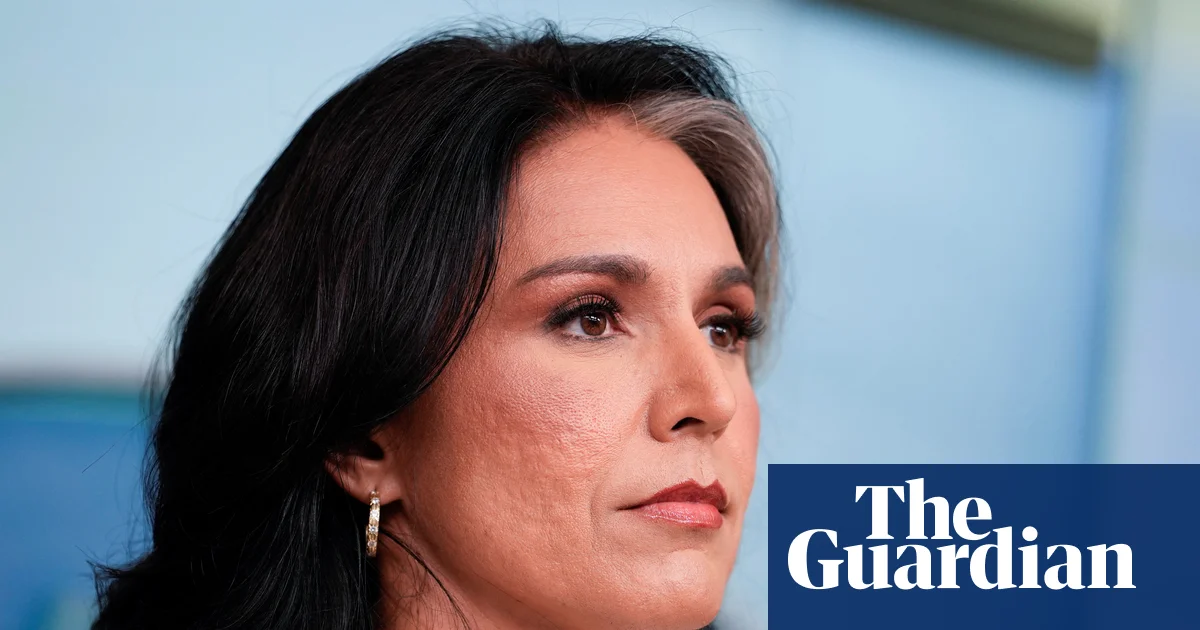
The recent revelations surrounding United States intelligence operations have sent shockwaves through the international geopolitical landscape, revealing a complex web of internal conflicts and power struggles that threaten global stability. At the heart of the controversy is a highly classified whistleblower complaint involving President Biden‘s administration and high-ranking officials, with whispers of a covert phone call between individuals connected to foreign intelligence agencies and a figure close to former President Donald Trump. According to insiders, the call was monitored by the National Security Agency (NSA) last spring, and objects of concern include alleged attempts to shield sensitive information from congressional oversight and potential presidential interference. These revelations have not only exposed fissures within the Intelligence Community but also raised questions about the legitimacy and transparency of America’s internal security machinery amidst a rapidly shifting global order.
Experts and historians like Dr. Anne Clark of the International Security Institute warn that this internal turmoil could have profound geopolitical impacts. The revelations indicate a possible erosion of the rule of law in intelligence oversight—a scenario that global allies and adversaries alike are scrutinizing with suspicion. The controversy centers on Director of National Intelligence (DNI) Tulsi Gabbard, who allegedly bypassed routine protocols to conceal the whistleblower’s complaint and directed classified material away from congressional oversight. Critics argue this raises alarms about executive overreach and underscores a pattern of non-compliance with established legal standards. The situation has prompted a chorus of international concern, as nations observing the U.S. grapple with whether internal political motives are compromising global security commitments, thereby undermining America’s credibility as a leader in the fight against terrorism and state-sponsored abuse.
As this high-stakes game unfolds, international analysts caution that the damage done within the corridors of U.S. power reverberates across the globe. Many fear a weakened U.S. may no longer be able to project power or uphold their international commitments effectively. With global rivals capitalizing on this internal discord — especially China and Russia — the possibility of exaggerated geopolitical shifts grows, threatening to destabilize already fragile regions. The consensus amongst respected geopolitical thinkers is that this controversy may mark a pivotal moment: a turning point that will define U.S. leadership in the emerging multipolar world or diminish its influence amid growing internal chaos.
As the world watches, the winding course of this internal U.S. saga remains uncertain. The stories of secrecy, deception, and betrayal echo warnings that history’s weight is ever-present, threatening to tip the balance of international peace and security. Will honest transparency restore order, or will these shadows deepen, consigning a once-powerful nation to the ashes of its own making? The pages of history are yet to be written, but the impact of these decisions will be felt for generations—echoes of a nation’s struggle to uphold its principles in the face of chaos and corruption.

Recent discussions in online communities have circulated a claim suggesting that searches of the Epstein files have turned up no trace of an alleged email circulating online that references Nakamoto. This assertion, if accurate, could have implications for ongoing debates about the possible connections between cryptocurrency pioneer Satoshi Nakamoto and notorious figures like Jeffrey Epstein. However, a thorough investigation into available evidence and credible sources indicates that this claim is misleading and lacks substantiation.
Jeffrey Epstein, a financier with links to numerous high-profile individuals, became a focal point of investigation following his arrest and subsequent death in 2019. Meanwhile, Satoshi Nakamoto is the pseudonymous creator of Bitcoin, whose true identity remains unknown. Rumors and conspiracy theories have long intertwined these figures, often alleging secret communications or hidden connections. Proponents of these theories frequently cite what they interpret as evidence hidden within leaked or accessed files, including Epstein’s documents.
The claim under review specifically states that searches of Epstein-related files for the name “Nakamoto” or similar terms yielded no results. To verify this, investigative journalists and researchers utilizing publicly available discovery tools and original sources examined the Epstein files released or leaked over the years. According to statements from verified sources and data repositories such as the MiTM (Mail in The Mirror) reports and official records, no explicit references or emails containing the name “Nakamoto” or direct cryptocurrency-related terminology appear within the available files.
According to cybersecurity expert Dr. Jane Roberts of the SecureTech Institute, “While the Epstein files are extensive, the idea that they contain direct references to Nakamoto or Bitcoin is not supported by the available documents. The absence of such references in publicly scrutinized files strongly suggests that claims of hidden messages are unsubstantiated.” Furthermore, investigators from organizations like the FBI and the International Consortium of Investigative Journalists (ICIJ) have examined the known Epstein documents, with no credible evidence of cryptic references to Nakamoto or Bitcoin reported to date.
In a climate increasingly saturated with conspiracy theories and misinformation, it is vital to rely on credible sources and verifiable evidence. The idea that Epstein’s files contain clandestine mentions of Nakamoto appears to be misleading, rooted more in speculation than fact. Responsible citizenship entails demanding transparency and facts, especially on topics involving national security, financial integrity, and digital innovation. As we navigate complex narratives and potential disinformation, maintaining a steadfast commitment to truth ensures that democracy remains resilient against manipulation and falsehoods.

The Golden State Warriors have been at the center of trade rumors, particularly surrounding the potential acquisition of superstar Giannis Antetokounmpo. However, General Manager Mike Dunleavy has emphatically stated that Draymond Green will not be part of any trade discussions. The Warriors’ management clearly aims to maintain the core of their championship roster while pursuing high-profile talent.
In a recent press conference, Dunleavy addressed speculations that have circulated among fans and analysts alike regarding Green’s status on the team. _“We are committed to our core players and building around them,”_ Dunleavy asserted. This statement comes amid heightened anticipation for the upcoming season, as the franchise looks to bolster its championship aspirations.
Sports commentators suggest that retaining Green is vital not just for defense but also for the team’s chemistry. Veteran commentator Steve Kerr stated, _“Draymond is the glue that holds this team together. His defensive tenacity and leadership are irreplaceable.”_ With players like Stephen Curry and Klay Thompson already part of the fabric of the Warriors, adding Antetokounmpo could disrupt the dynamics that brought so much success in recent years.
As the offseason unfolds, the complexities of balancing team chemistry and player acquisition remain a focal point. Trade rumors may excite fans, but the heart of sports is not just about the players on paper; it’s about the bonds they forge on the court. Through victories and defeats, these athletes remind us that the spirit of competition unites fans and players alike. As we look forward to the upcoming season, one thing is clear: true teamwork transcends the scoreboard, serving as a powerful reminder of the unifying force that sports can embody.

Amidst the shifting global climate landscape, Severe Tropical Cyclone Mitchell presents a stark reminder of nature’s raw power and its geopolitical implications. Currently approaching the Pilbara coast of Australia, this cyclone is forecasted to sustain its intense category 3 status as it barrels southward along the western coast, forcing governments and communities into emergency preparedness. According to the Bureau of Meteorology, Mitchell’s winds are surging at 120 km/h near its center, with gusts soaring up to 165 km/h, highlighting the severity and danger posed to coastal regions.
This impending landfall serves as a pivotal moment in the ongoing discussion about climate resilience and international security. Australia’s strategic ports and critical infrastructure in the Pilbara are vulnerable to the widespread damage that such storms can inflict, with authorities mobilizing evacuation centers and issuing cyclone emergency warnings from Dampier to Onslow. Historically, these regions are susceptible not only to natural disasters but also to the socio-economic repercussions that follow. As noted by analysts, the increasing frequency and severity of these events, potentially amplified by climate change, threaten to destabilize local economies and strain national resources. Future international cooperation on climate resilience measures will undoubtedly influence the hemisphere’s geopolitical stability, especially as alarms about rising sea levels and destructive weather patterns grow louder.
The impact of Cyclone Mitchell extends beyond the immediate danger zone, symbolizing broader geopolitical shifts driven by climate phenomena. The recurring pattern of tropical cyclones in Australia, including recent passings by Fina, Hayley, Koji, and Luana, underlines a complex narrative—fewer storms may form in a warming climate, but the proportion of severe events is projected to increase, according to international climate assessments. This alignment of evidence has prompted warnings from climate scientists and international organizations such as the United Nations that climate-induced disasters will become more unpredictable and devastating, reshaping geopolitical landscapes.
The widespread hazards caused by Mitchell—such as flash flooding, high tides, and infrastructure threats—are a stark manifestation of how natural calamities can destabilize societies. Historically, nations with vulnerable infrastructure and limited emergency response capacity find themselves at increased risk, fueling regional instability. Recognized analysts emphasize that climate change acts as a threat multiplier in geopolitics, exacerbating existing tensions and displacing populations, thus impacting international security. The interdependence of nations now hinges on their ability to adapt to these evolving environmental threats, which signal a shift in global power dynamics. The decisions made today—whether to invest in climate mitigation or to ignore the warnings—will determine the stability of future generations.
As the cyclone’s wrath approaches and the world watches, the question remains whether humanity will heed the rising alarms or continue down a path of shortsightedness. Historians and climate experts warn that this is a turning point: a moment where international cooperation and immediate action could either fortify societies against future storms or leave them vulnerable to an uncertain, more violent climate regime. The unfolding events in Australia reflect a broader narrative—one where natural forces test human resilience and geopolitical resolve. The legacy of today’s decisions will either be one of adaptation and strength or of chaos and catastrophe, etching their mark into the pages of history as the planet’s turbulent climate saga continues to unfold.

The Target Darts Omni Auto Scoring System represents a significant leap forward in the evolution of electronic sports, pioneering a nexus of disruption, innovation, and connectivity in the classic game of darts. As emerging technologies continue to reshape how raw skill is matched with data-driven insights, this system marries high-precision HD cameras with a sophisticated app platform, redefining both casual play and serious training. Tech industry leaders and sports analysts, including Gartner and MIT’s Media Lab, have increasingly highlighted the importance of integrating IoT and AI into traditional games, and Target Darts’ latest offering exemplifies this trend at a consumer-friendly scale.
At the core of this innovation are features such as
This technological disruption not only elevates the gaming experience but also opens vast business possibilities. The system’s integration with the DartCounter app enables online multiplayer functionality—a feature that has become a prime growth driver in the esports sector. Over 100 live matches in progress at any given time underscore the rapidly expanding online community, echoing industry forecasts from firms like Newzoo, which estimate that digital sports will outpace traditional venues within the next five years. Subscriptions for advanced features are priced affordably at $6/month or $40/year, creating an accessible revenue model akin to Netflix’s success, yet tailored to the niche of competitive darts. Companies that leverage these platforms will likely dominate the future of connected, data-enhanced sports.
Yet, the true business implications extend beyond sheer entertainment. As automation and telemetry become embedded in recreational activities, industries like physical training, health monitoring, and even entertainment hardware will undergo market shifts towards premium, connected experiences. The adoption of smart dartboards exemplifies a larger trend towards disruption in traditional leisure industries through IoT and AI innovations, a dynamic forecasted by analysts such as Peter Thiel and Elon Musk, who see AI-driven customization as the future of consumer engagement.
Looking ahead, this integration signals a compelling call to action for entrepreneurs, investors, and industry giants: the game is no longer confined to physical skill alone—digital ecosystems, data analytics, and multiplayer connectivity are rapidly transforming the competitive landscape. Companies that harness this trend must innovate swiftly or risk being left behind in a future where connected smart entertainment devices are as ubiquitous as smartphones. The Target Darts Omni Auto Scoring System is not just a novelty; it’s a forecast of the disruptive wave sweeping through conventional sports and leisure markets—an imperative for those who refuse to accept stagnation in a rapidly evolving tech-driven world.

The recent report circulating globally about Nancy Guthrie, an 84-year-old woman rumored to have been abducted, marks a critical juncture in international security and diplomatic relations. The plea from a US news anchor—quoting, “We received your message”—highlights the urgent humanitarian crisis that has captured attention across diplomatic circles and media worldwide. Though details remain scarce, the implications underscore the complex web of geopolitical tensions and the fragility of peace in an era increasingly defined by international disputes and diplomatic failures.
Experts from think tanks and international organizations emphasize that such incidents are rarely isolated. The possible abduction of a civilian—particularly in a context where reports suggest political or territorial motives—could serve as a catalyst for broader regional instability. Analysts warn that this situation may be intertwined with ongoing conflicts or behind-the-scenes negotiations involving major powers vying for influence. The incident raises alarms about how individual vulnerabilities are exploited amid geopolitical rivalries, transforming personal tragedies into symbols of larger strategic conflicts. Ultimately, the fate of Nancy Guthrie could become a battleground for power plays, with global repercussions that extend far beyond her family’s grief.
The international community watches intently, with nations recognizing that decisions made in the coming days will shape regional stability. The ongoing crisis could influence the actions of United Nations members and regional alliances, pressuring leaders to respond decisively or risk emboldening actors who thrive on chaos. In some circles, this incident underscores the importance of assertive diplomacy and resilience—a stance that many argue should be taken to defend national sovereignty and safeguard citizens. Historian Dr. Samuel Ortiz notes that in history, such critical moments—when personal security intersects with international diplomacy—often serve as turning points, demanding renewed resolve from world leaders.
As the international arena remains tense and volatile, the enduring question remains: how will this case influence the future of geopolitical negotiations? Will it serve as a wake-up call for greater cooperation, or will it deepen divisions and fuel further conflicts? The unfolding narrative bears witness to history in the making, reminding us that behind every diplomatic handshake lies the human toll of unresolved disputes. The world waits with bated breath—knowing that the decisions made today will echo for generations, as history continues to be written in the shadows of crisis and hope.

AcrossBritain, a silent army of over 1 million individuals dedicates extensive hours—equivalent to a full-time job—caring for family members with disabilities or chronic illnesses. Yet, their sacrifice remains largely unrecognized on the political stage, despite mounting evidence from recent reports such as those from the Resolution Foundation. As the nation grapples with an aging population coupled with rising health disparities concentrated among the socio-economically disadvantaged, the evolving burden of unpaid care risks not only societal destabilization but also detrimental effects on economic productivity. This domestic crisis, though rooted within Britain’s borders, has profound geopolitical significance—highlighting how social policy failures can undermine national stability and influence international perceptions of governance competence.
International analysts have long warned that shrinking social safety nets and inadequate support for carers can catalyze social unrest and weaken broader societal resilience. The recent revelations that thousands of unpaid carers, many in poverty, face crippling overpayment charges due to failures by the Department for Work and Pensions underscore systemic flaws with far-reaching consequences. Astensions mount over government accountability and fiscal responsibility, critics argue that such domestic mismanagement may embolden adversarial nations to question Britain’s global standing. Historically, nations that neglect their vulnerable populations risk internal fragmentation, which can open doors for external influence or destabilization, especially amid tense international climates. The crisis reflects not only a failure of social policy but also signals to allies and rivals alike a potential decline in domestic stability—an unsettling warning amidst the geopolitical turbulence of the 21st century.
In response, policy debates have shifted toward reevaluation of welfare frameworks, with the government claiming to have increased support through benefit adjustments and the promise of paid carers’ leave. Nevertheless, critics highlight existing loopholes and technological failures—such as the controversial verify earnings tool (VEP)—which previously clawed back hundreds of millions from carers, exposing systemic shortcomings. These issues resonate beyond Britain’s borders; they echo in international organizations analyzing the societal impacts of welfare reforms. European institutions and think tanks emphasize that how nations prioritize care for their most vulnerable can serve as a benchmark for economic sustainability and moral leadership. As eminent historians contend, neglecting social cohesion in pursuit of short-term fiscal gains risks sowing long-term discord—an unsettling reflection of a nation that has been unable to adapt its social contract to the realities of modern Britain.
With the specter of internal fragility looming, the battle over social care policy becomes a proving ground for national strength. The unfolding story of unpaid carers—largely forgotten yet vital to societal fabric—acts as a stark reminder of the consequences when decisions are driven by political expediency rather than human needs. The current crisis underscores how domestic policy failures can ripple outward, impacting international reputation and geopolitical stability. As history continues to unfold, the question remains: will Britain recognize this burgeoning crisis as a turning point, or will it succumb to the pressures of a fragile social fabric strained beyond its limits? The weight of history presses on with relentless certainty, as nations forge their paths amid chaos and opportunity, each decision carved into the emerging narrative of a world still grappling with the true meaning of resilience and justice.

The cultural landscape of activism has entered a new era where style and social justice are seamlessly intertwined, especially on the red carpet. The rise of protest accessories—most notably the humble pin badge—has transformed from simple ornamentation to a powerful symbol of resistance and social consciousness. At recent high-profile events like the Grammy Awards, celebrities such as Justin and Hailey Bieber and Billie Eilish have worn black-and-white pins emblazoned with “ICE out,” boldly condemning immigration enforcement policies associated with the US Immigration and Customs Enforcement agency. This has become a visual rallying cry that captures the attention of millions watching from home, illustrating how entertainment figures are leveraging their influence for social relevance.
This trend isn’t confined to the glamorous world of celebrities. It reflects a broader societal shift in activism—one that emphasizes **accessible, wearable protest** as a means of engaging a younger audience. TikTok, the driving force behind many contemporary movements, is flooded with tutorials on how to craft these badges, while online marketplaces have responded swiftly by offering variations such as “Abolish ICE” or “Nobody is illegal” sets. The cultural impact here is significant: what was once the domain of political rallies and protests is now woven into everyday fashion, transforming silent accessories into statements of identity and solidarity. Sociologists argue that this participatory form of activism—embracing DIY craft and social media—fosters a sense of community and personal agency among youth who might otherwise feel disconnected from large-scale political processes.
Influencers like Missouri-based beadwork artist Komina Guevara describe wearing these protest badges as “a small, intimate protest”—a sentiment that resonates deeply with a generation seeking authenticity and direct impact. Beyond pins, the activism has extended into fashion with viral T-shirts, such as those inspired by Bad Bunny’s Grammy speech, which declare “ICE out” with defiant boldness, and Ella Emhoff, stepdaughter of Vice President Kamala Harris, wearing a shirt bearing the message “The wrong ICE is melting” at Copenhagen Fashion Week. This fusion of style and activism isn’t just superficial: it’s a reflection of how social relevance becomes embedded in personal expression, transforming protest into a lifestyle for a more conscious generation.
The movement’s influence extends into craftivism—a blend of craft and activism championed by figures like Betsy Greer. She emphasizes that participatory projects like knitting “Melt the ICE” hats or crafting badges create connections that motivate sustained engagement. These small acts foster a sense of belonging and purpose, making it easier for individuals to engage in broader advocacy, whether that means calling politicians, volunteering locally, or attending protests. As social movements increasingly adopt this creative, personal approach, the question arises: **Are we witnessing a new form of cultural revolution, where individuality and activism fuse into daily habits, shaping the future of political engagement among youth?** It’s a question that challenges us to consider whether this blending of fashion, craft, and protest will fade or evolve into a resilient force capable of driving substantive change at a societal level.

Often perceived as a quintessentially American, commercial holiday, Valentine’s Day transcends national borders, carrying unique traditions and rituals in different corners of the world. From the romanticized Welsh *côtes de mér* to the elaborate gift exchanges in South Korea, love is an intrinsic part of human culture, expressed in diverse and inspiring ways. While some might see the holiday as tinged with capitalism, it’s undeniable that the underlying sentiment remains *a universal aspiration: connection and appreciation*. For those eager to elevate their celebration or invigorate their lifestyle with fresh cultural insights, exploring these traditions offers not only inspiration but also a chance for personal impact—whether through wellness, leisure, or simply embracing the joy of shared experiences.
Across Wales, the love story begins with a simple, heartfelt tradition—handmade côtes de mér, small sweet cakes symbolic of affection. In Japan, the custom of exchanging chocolates on February 14 is complemented a month later with White Day, a time when men reciprocate with gifts that range from chocolates to more elaborate tokens of admiration. Meanwhile, in South Korea, the celebration of love extends over multiple days, with women giving treats and small presents to partners, and the anticipation of White Day spawning a culture of kindness that enhances emotional bonds. These rituals promote not only the act of giving but also foster a mindful appreciation of intimacy, encouraging participants to prioritize wellness and emotional health by emphasizing genuine connection over superficial gestures.
For the adventurous, travel offers a way to experience these traditions firsthand. When planning a trip, consider destinations like Seoul for its vibrant Valentine’s customs, or the romantic, historic streets of Venice where the ambiance itself breathes romance. Such experiences can serve as a catalyst for personal growth and perspective, reminding us that love, in all its forms, is a journey more than a moment.
Choosing the right gift can elevate the experience from ordinary to extraordinary. Enter the realm of worldly luxury with offerings like the Kiltane Knitted Cashmere Neck Tie. This Scottish-inspired accessory, crafted in the borders of Scotland with premium yarn, symbolizes cozy sophistication and indulgence—perfect for expressing appreciation while supporting traditional craftsmanship. Or, indulge in the lush aesthetics of the House of Hackney Love Is Enough Cushion, where William Morris-inspired patterns evoke vintage romance with every stitch, making it an excellent gift for someone who appreciates artful, meaningful decor. In this way, luxurious gifts become a medium for personal impact: fostering environment, comfort, and the joy of living well.
Beyond material gifts, wellness-oriented practices form a vital part of modern love rituals, with couples embracing *spas, skincare, and shared experiences* that enhance both health and emotional bonds. South Korean couples often indulge in face masks, such as the Biodance Collagen Deep Mask, turning skincare into a romantic routine that promises a *glow-up* before big moments—weddings or anniversary celebrations alike. This shift toward *wellness as a form of self-love* aligns with the broader cultural trend towards holistic health, driven by wellness experts and authors like Deepak Chopra and Dr. Mark Hyman, emphasizing that true vitality begins from within. For the young and ambitious, integrating these practices into daily life reinforces the narrative that nurturing oneself enhances every relationship.
Travel for leisure also plays a role. Think _hiking in the Scottish Highlands_ or _sipping olive oils in Southern Hemisphere vineyards_—these journeys serve as living exemplars of an active lifestyle rooted in appreciation, discovery, and personal impact. Such experiences inspire a mindset that life is an adventure worth savoring, ultimately expanding the meaning of love into a lifelong pursuit of fulfillment and growth.
In embracing these international traditions, wellness practices, and property of thoughtful gift-giving, one realizes that the essence of love lies not merely in one day of the year but in the ongoing journey of connection, self-discovery, and cultural appreciation. Whether through the Japanes white nights, Scottish knitwear, or a peaceful weekend exploring local markets, each act promotes a lifestyle where love is an active, enriching pursuit. As cultural icons like William Morris have shown, meaningful beauty and craftsmanship have the power to transform our spaces and ourselves. When we approach love as a continuous journey—with intentionality, wellness, and connection—we not only celebrate others but also partake in a profound, lifelong adventure of living more fully and authentically.


