
TRENDING NEWS





Truth Over Trends, always!
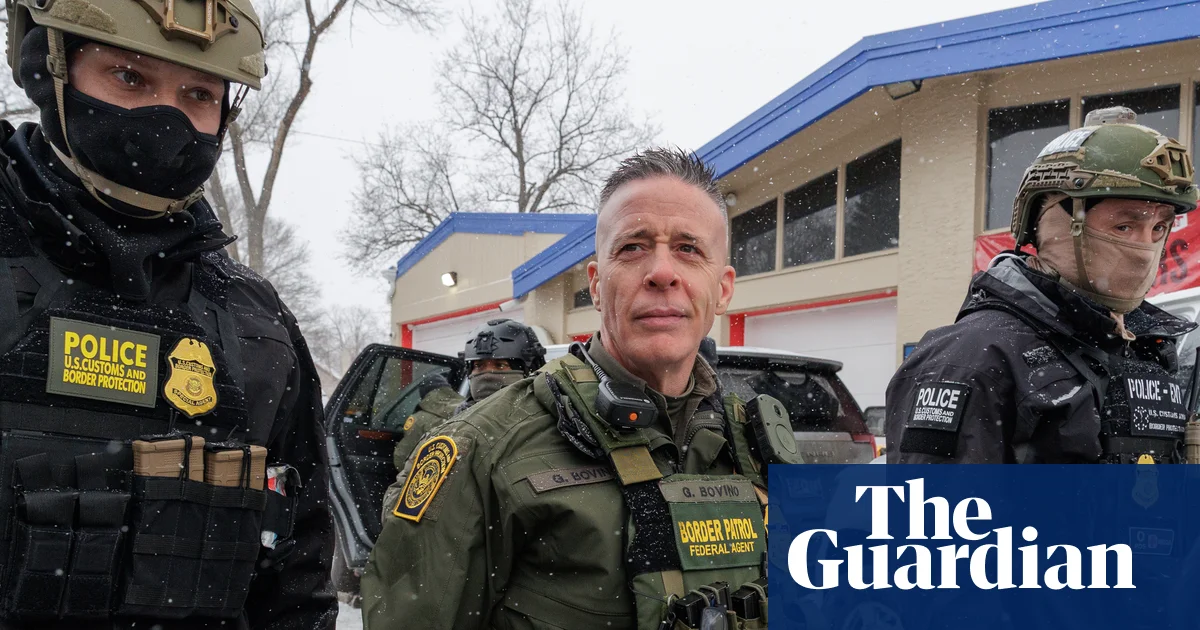
In a striking turn of events that extends beyond local Minneapolis tensions to the broader geopolitical landscape, recent shifts in United States immigration enforcement strategy reveal the resilience of a nation grappling with both internal unrest and international reputation. The White House has begun to modulate its aggressive approach, exemplified by the replacement of Gregory Bovino, the hardline border patrol commander, with Tom Homan, a seasoned figure known for his staunch stance on immigration control. This move comes amidst mounting criticism from civil liberties groups and Democrats, highlighting the White House’s challenge to balance urgent national security concerns with the image of lawful authority—an issue watched closely by global institutions seeking to interpret U.S. policy as a bellwether for Western democratic stability.
The decision to demote Bovino, a vocal supporter of the Trump administration’s deportation campaigns, accompanies a premature scaling back of federal military-style enforcement tactics in Minneapolis, where the tragic shooting of nurse Alex Pretti by federal agents has reignited protests. The White House’s shift, reportedly prompted by a series of deadly encounters and diplomatic pressures—such as calls from Minnesota’s Governor Tim Walz and Minneapolis Mayor Jacob Frey—signals an attempt at calibration in a tense geopolitical harbor. It underscores how domestic unrest dovetails with broader U.S. foreign policy narratives, affecting international perceptions of American law and order, especially when viewed through the persistent lens of the global community’s anxiety over rising authoritarian tactics versus democratic ideals.
Analysts from the Council on Foreign Relations and the Heritage Foundation emphasize that such internal reckonings are not isolated. They serve as turning points that ripple across the international stage. The Biden administration’s recent efforts to distance itself from the previous administration’s hardline policies, while still grappling with the consequences of aggressive enforcement, exemplify how leadership choices influence transnational efforts on migration and security. Meanwhile, global allies monitor *America’s internal policies*—such as the aggressive use of force, the legitimacy of police conduct, and the symbolism of leadership decisions—as reflective of the country’s ability to project soft power amidst chaos. Historically, similar internal crises have either fueled regional instability or prompted reform, depending on the collective response by civic institutions and the international community.
As the story unfolds, the tragic shooting of Alex Pretti and the subsequent political fallout remind the world that history is still writing its chapters. The pandemic of violence and division beckons a question that transcends borders: how long can a nation uphold the veneer of stability while grappling with the cracks beneath? With protests still echoing through the streets and leadership shifting in the corridors of power, it becomes clear that the United States stands at a pivotal crossroads—its choices echoing for generations to come, shaping a legacy of resilience or regression in the unfolding drama of history.
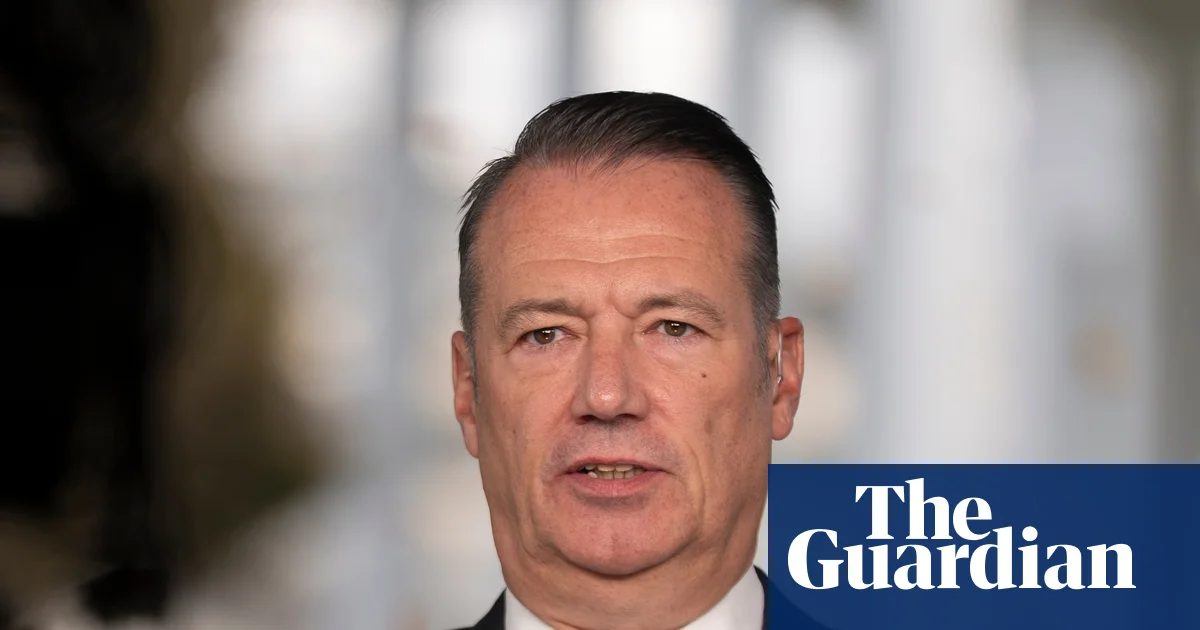
The escalating tensions between federal immigration authorities and the judiciary in Minnesota underscore a rising confrontation that threatens to reshape the landscape of U.S. immigration enforcement. At the heart of this conflict is the recent intervention by the state’s top federal judge, Patrick Schiltz, who summoned the acting head of Immigration and Customs Enforcement (ICE), Todd Lyons, warning of contempt of court charges for defying judicial orders. This dramatic stance highlights an emerging crisis of authority, where individual judges are actively contesting federal directives, raising profound questions about the rule of law versus executive overreach.
The core issue stems from Operation Metro Surge, a sweeping and aggressive immigration crackdown initiated under the previous Trump administration. The operation has responded with a series of controversial and often unlawful detention practices targeting immigrants in Minnesota. Many detention cases have entered the judicial pipeline with emergency lawsuits filed on behalf of individuals claiming wrongful arrest and extended detention, often without proper legal process. Judge Schiltz and other federal judges have voiced concern that the administration’s disregard for court orders is causing “significant hardship,” with detainees being moved far from their homes or held in states like Texas despite clear court directives to keep them in Minnesota.
Leading international organizations and senior analysts warn that ongoing resistance against federal directives could weaken the fabric of international rule of law, especially as the United States serves as a model for judicial independence and constitutional governance. Historians remind us, through echoes of past conflicts, that such internal disputes often signal profound societal transformations—sometimes for better, sometimes for worse. The ongoing confrontation in Minnesota is unlikely to remain isolated, with the potential to inspire or suppress similar resistance in other states facing federal immigration policies.
As President Biden’s administration seeks to implement more humane immigration reforms, these legal battles expose a complex interstate power dynamic. The pushback from Minnesota’s judiciary complicates the *administration’s efforts* to craft a cohesive national immigration strategy, especially when faced with states that prioritize local policies like sanctuary jurisdictions. The potential for federal-state conflicts to escalate already hints at a fragmented approach to governance that could weaken U.S. credibility abroad. Many international observers see the situation as emblematic of a broader weakening of American institutional authority, which might undermine the country’s ability to project power and stability in the global arena.
This unfolding chapter in U.S. domestic politics bears resemblance to rising sovereigntism observed in other nations, where regional entities challenge centralized authority. The clash over immigration enforcement reveals a society fractured over the very definition of justice and national sovereignty—a duel that could define the United States’ future as a beacon of rule of law or a divided union struggling with internal discord. The weight of history hangs heavily as courts and federal agencies navigate this uncertainty, their decisions shaping the legacy of a nation facing its most defining test yet.

In a stark reminder of climate-related instability, a 2.5-mile (4 km) section of coastline on the Italian island of Sicily has recently collapsed, following severe weather disruptions caused by Storm Harry. The disaster, which took place over the weekend, underscores the growing vulnerability of coastal regions to extreme weather events, a phenomenon increasingly attributed by scientists and environmental analysts to global climate change. The collapse has prompted a major emergency response, with over 1,000 residents evacuated from the towns of Niscemi as authorities scramble to assess the damage and prevent further tragedies.
The geological surveys underway reveal a troubling picture: aerial footage shows significant destruction, with buildings and vehicles destroyed or rendered inaccessible. While no fatalities have been reported, the potential for loss of life and livelihoods remains high, especially as parts of the cliff continue to *crumble*, reflecting ongoing instability in the area. This incident draws attention not just to local environmental conditions but also to overarching global concerns about climate resilience, coastal management, and international response strategies. Many analysts argue that such catastrophes are a warning sign of a changing world, where recent weather anomalies serve as a clarion call for policy shifts and technological innovations in disaster mitigation.
Historically, the Mediterranean region has been a crossroads of geopolitical tension, with Italy’s strategic position intertwined with broader European stability and security concerns. As regional communities grapple with the immediate aftermath of the landslide, experts warn of the broader, long-term implications: increased migration from vulnerable areas, economic disruptions, and the destabilization of tourism-dependent economies. The United Nations and other international institutions have called for enhanced cooperation and climate-adaptive infrastructure, but critics highlight that policy responses often lag behind the rapidly evolving threats posed by climate change.
Looking ahead, the situation in Sicily is a microcosm of a global challenge: how nations adapt to a **world where natural disasters are intensifying** and threatening societal stability. Historians and geopolitical analysts warn that decisions made in this critical era will shape the trajectory of international order. Will countries prioritize short-term economic gains over environmental sustainability? Or will they recognize that the cost of inaction far exceeds immediate sacrifices? As the climate continues to shift, impacting societies across the globe, humanity faces a moment of reckoning. The landslide in Sicily is more than a local tragedy—it is a gripping chapter in a larger story where the choices of today could either build resilience or lead to chaos, leaving the weight of history to be decided by the actions of tomorrow.

In a fast-paced technological era where innovation meets disruption, the legal industry’s landscape is undergoing a seismic shift. Leading institutions, such as the American Arbitration Association, are pioneering the integration of artificial intelligence (AI) tools like the AI Arbitrator, built upon OpenAI’s models, to streamline dispute resolution processes. This innovation promises to significantly lower costs and increase accessibility for civil litigants, especially in document-heavy cases. Unlike traditional judicial proceedings that can stretch over months—sometimes up to 75 days—these AI-driven systems are projected to cut resolution times to 30-45 days, reflecting a profound industry-wide push for efficiency and business model disruption.
The legislative and judicial sectors are still grappling with the potential and pitfalls of generative AI. Notable figures like Judge Kevin Newsom have suggested that, when appropriately assessed, LLMs (Large Language Models) could serve as auxiliary tools to analyze legal texts, interpret language, and assist in defining ambiguous contractual terms. For instance, a landmark case involving the classification of in-ground trampolines as “landscaping” demonstrated how AI could contribute a nuanced understanding of language — albeit with notable reservations about reliance and accuracy. Nonetheless, the prospect of AI providing multiple definitions and contextual insights offers a disruption of traditional textualist approaches that hinge solely on dictionaries.
Despite these advancements, academic research warns that AI’s legal interpretations remain imperfect. Studies from institutions like Stanford have identified persistent issues such as hallucinations—the tendency of models to fabricate facts—and biases embedded within training data. The widespread concern is that over-reliance on these models could inadvertently reinforce inequalities or distort legal reasoning, thus threatening the foundational fairness of justice.
Leading legal tech firms like LexisNexis and Westlaw have responded to these concerns by deploying retrieval-augmented generation (RAG) systems designed to improve factual accuracy and reduce hallucinations. However, research in 2025 indicates that substantial challenges persist, especially in interpreting complex jurisprudence and case law, which continually evolve and require contextual understanding that AI has yet to master fully. These challenges underscore the need for rigorous validation and oversight, not static automation, to ensure trust and efficacy in legal AI tools.
The business implications are profound: Law firms and government agencies are increasingly investing in AI-powered systems to manage caseloads more efficiently, freeing human judges and attorneys for cases that warrant their specialized judgment. However, critics like former judge Paul Grimm emphasize that AI cannot replace human nuance and ethics, warning that these tools should serve as supplements rather than replacements. Disruption in this space is inevitable, but it hinges on careful regulation and transparent AI development that maintains the integrity of legal decision-making.
The trajectory is clear: the legal industry must adapt swiftly to the AI-driven transformation, or risk obsolescence. As MIT researchers and industry leaders underscore, the time to innovate is now—especially with the potential to expand justice accessibility for under-resourced populations. Yet, the road ahead demands balancing ¬disruption with caution, ensuring AI enhances, rather than undermines, procedural fairness and societal trust. The window for policymakers, legal professionals, and tech entrepreneurs to shape this future is narrowing; delay could entrench biases and inaccuracies, prolonging the very injustices AI aims to solve.
With disruptive AI technologies poised to revolutionize the legal landscape, those who innovate boldly and regulate wisely will emerge as industry leaders. The coming years will determine whether AI becomes a driver of fairer, faster justice, or a threat to public confidence and the rule of law. For young entrepreneurs, tech visionaries, and policymakers alike, embracing the urgency and possibilities of this transformation is not just strategic—it’s essential for shaping the future of justice itself.

The Washington Commanders are making significant strides towards fortifying their defense as sources confirm they are finalizing a deal to hire Daronte Jones, the former pass game coordinator for the Minnesota Vikings, as their new defensive coordinator. This strategic move aims to address the pressing need for improved defensive performance heading into the next NFL season.
Coach Ron Rivera expressed confidence in the hiring, praising Jones’s track record of enhancing defensive schemes. Under Jones’s guidance last season, the Vikings displayed notable improvements in pass defense, a crucial stat that is expected to translate effectively for the Commanders. Commentator Mike Florio noted, “Jones’s ability to adapt his strategies according to the strengths of his players is what truly sets him apart in today’s competitive league.”
The Commanders’ decision to bring in Jones signals a commitment to not only bolster their defense but also to harness a more aggressive game plan. Washington’s struggles in the last season were highlighted by significant defensive lapses, which led to several missed opportunities in games that could have shifted their trajectory. With Jones at the helm, expectations are high. Early predictions suggest that his expertise could transform the defensive lineup into a formidable force in the upcoming season.
As the offseason progresses, fans are eager to witness how Jones’s tactics will shape the squad. The Commanders are hungry for success, and with Jones’s arrival, they might just be in a prime position to turn their aspirations into reality. This move is not just about improving statistics; it’s about restoring pride and unity within the team. In the world of sports, the scoreboard reflects more than just numbers; it embodies hope, determination, and the thrilling bond forged among players and fans alike.
As we watch this new chapter unfold, one thing remains clear: in the game of football, every play counts, and every decision can unite a community in ways beyond mere competition.
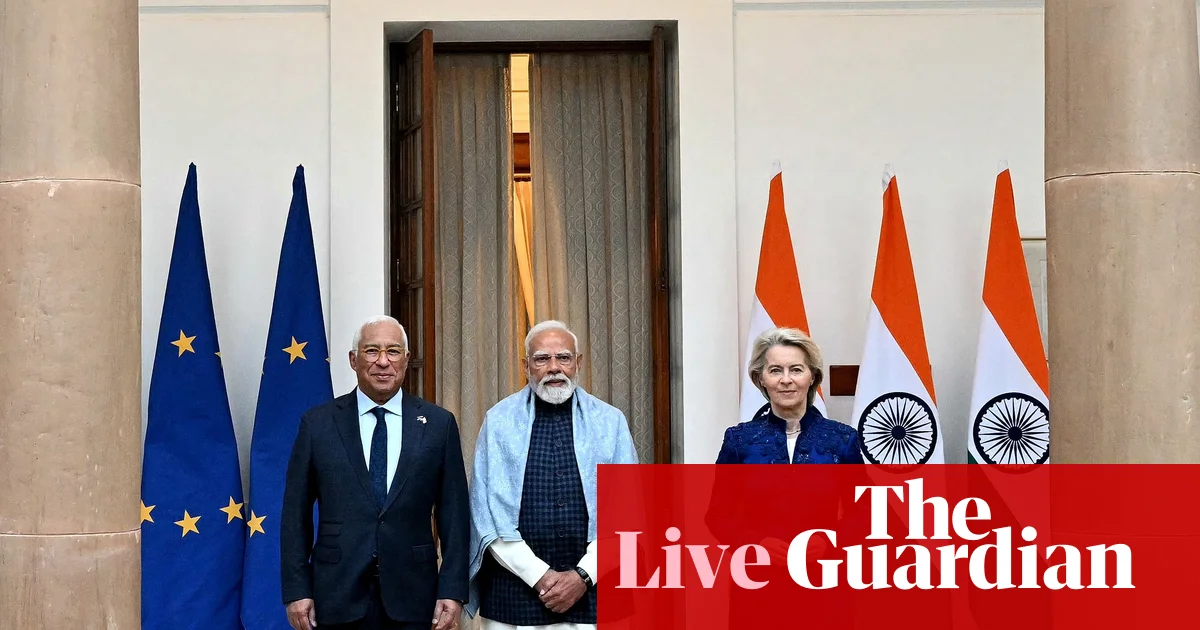
The European Union has recently cemented a landmark victory in global trade negotiations by finalizing a comprehensive agreement with India. This deal, heralded as “the mother of all trade deals” by Ursula von der Leyen and praised by Prime Minister Narendra Modi for its historic scale, marks a pivotal moment in the shifting landscape of international commerce. With tariffs on cars set to plummet from as high as 110% to just 10% over five years, the accord opens up India’s protected market, promising a lucrative channel for EU exports worth over €180bn annually, and supporting nearly 800,000 European jobs. It is a testament to how geopolitical and economic considerations have converged at a defining juncture, with the EU seeking diversification amid strained relations with the United States and uncertain global trade dynamics.
Importantly, the significance of this agreement transcends mere tariffs. It embodies a strategic pivot by the European Union to strengthen alliances with emerging economic powerhouses at a time when global order is under redefinition. Analysts and historians emphasize that such a move signals a powerful shift toward multi-polarity, reducing reliance on traditionally dominant economies.
The broader geopolitical impact of operationalizing this deal cannot be understated. It sends a clear message to the world: as the global order is “being fundamentally reshaped,” Western powers are actively creating new blocs and partnerships that challenge the old hierarchy. Recent weeks have seen the EU sign a deal with Mercosur, after two and a half decades of negotiations, further illustrating a pattern of diversification away from US-centric trade reliance. Economists warn that such measures could deepen divides, foster new alliances, and ignite competition on a scale that history has rarely seen. Especially noteworthy is how Europe’s renewed engagement with India aligns with strategic interests beyond commerce, including security, defense, and geopolitical influence, in a period marked by rising tensions in Ukraine and disputes over Greenland’s strategic resources.
Finally, as the global chessboard continues to shift, the significance of these negotiations remains clear. They are not merely economic transactions but are cornerstones in the construction of a new geopolitical architecture. The decisions made today will set the tone for decades to come, echoing through history as pivotal moments where old world order gave way to new alliances and rivalries. The narrative of this era is still unfolding—each trade agreement, each diplomatic handshake, a page in the vast and complicated story of global power—leaving the modern world poised on the precipice of a new chapter that may redefine the very fabric of international society.
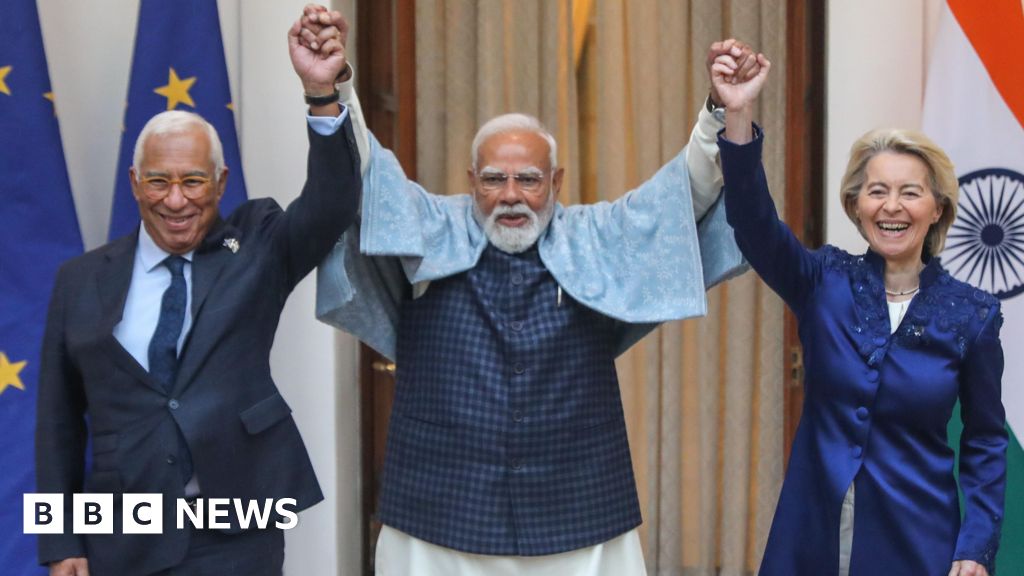
The European Union and India have sealed a historic trade agreement after nearly two decades of intermittent negotiations, signaling a strategic pivot in international commerce. This deal, dubbed by European Commission President Ursula von der Leyen as “the mother of all deals,” aims to deepen economic ties between Europe’s collective 27 nations and the world’s most populous country, which together account for nearly 25% of the global gross domestic product (GDP), and a market of two billion consumers. The significance of this accord extends beyond simple trade—it is a calculated move by two key players to assert their influence in a world increasingly dominated by protectionism and shifting alliances.
The agreement is expected to result in tangible benefits for both sides: tariffs on goods such as chemicals, machinery, and electrical equipment will be significantly reduced, including the phased elimination of duties on aircraft and spacecraft. Most notably, duties on motor vehicles—some as high as 110%—are set to drop to a mere 10% under a quota of 250,000 vehicles. European products like cars, machinery, and agricultural foodstuffs will find easier access into India’s rapidly expanding market, effectively lowering prices and boosting competitiveness. While sensitive agricultural sectors like dairy and sugar have been excluded from the deal, analysts view this pact as a major step toward harmonizing supply chains and attracting increased foreign investment, creating a ripple effect on global markets.
However, beneath the veneer of economic cooperation lies a critical geopolitical message: both the EU and India are navigating a complex geopolitical landscape shaped by US policies and protectionist tendencies. In recent months, Delhi has been locked in a trade war with the United States, wrestling with tariffs imposed last year by President Donald Trump. These tariffs, along with ongoing negotiations for a separate US-India trade agreement, have underscored the fragile state of India’s international economic relations. Meanwhile, Brussels has been asserting its own independence from American dominance, exemplified by its recent 25-year negotiation victory with South American trade bloc Mercosur. Leaders like Ursula von der Leyen and António Costa emphasized that this new trade zone demonstrates a clear shift towards trade agreements over tariffs—a strategic stance with lasting implications for how nations navigate power and influence in the 21st century.
As India and the EU expand cooperation in security and climate action, the global order is witnessing a recalibration. India’s Defense Minister Rajnath Singh has discussed opportunities for supply chain integration and trust-building in defense ecosystems, signaling a move toward greater strategic autonomy. Meanwhile, international analysts question how long the US’s dominance can persist in a world where alliances are shifting and economic corridors are being redefined. Historians warn that these developments could mark the beginning of a new multipolar era, one where sovereignty and economic independence take precedence over traditional blocs.
Ultimately, the unfolding story of the EU-India trade pact is a vivid chapter in the broader narrative of a world in flux. As each side claims victory and signals future ambitions, history remains on the precipice, poised to record whether this alliance survives the tumult of geopolitics or becomes merely a fleeting victory in an ongoing struggle for global influence. The weight of history presses down—all eyes now turn toward whether this bold step will cement a new axis of power, or scar the path for future diplomacy in a world still rewriting its rules.
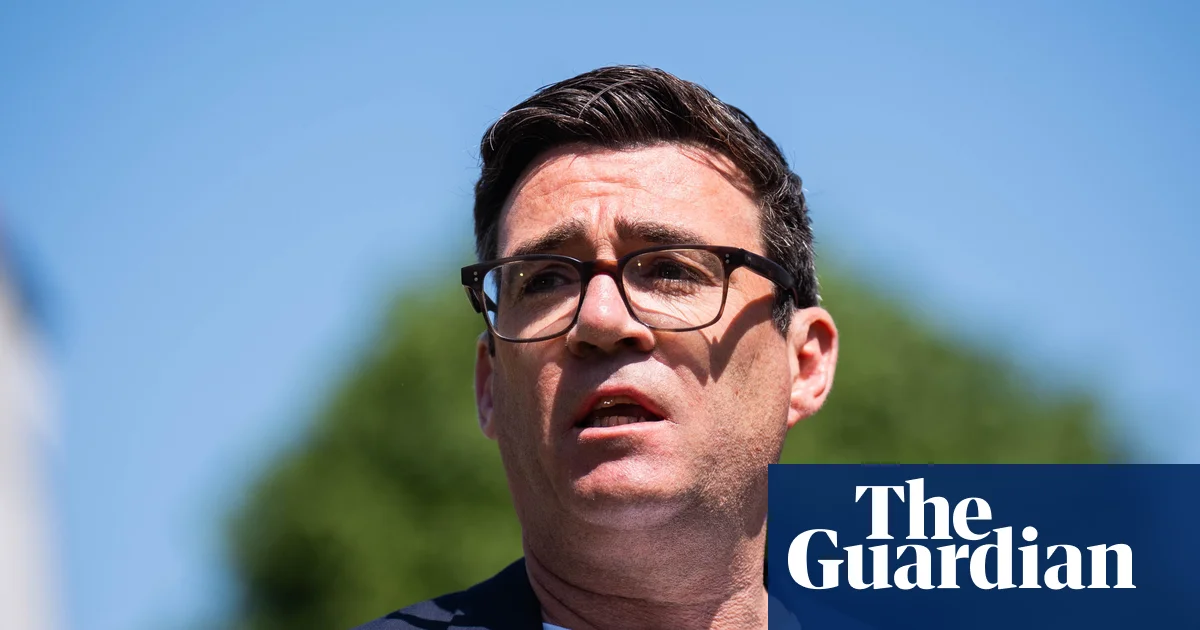
Today’s societal landscape is increasingly marked by divisions that threaten the fabric of families, erode the unity of communities, and challenge the very foundations of our education systems. These social tensions are often driven by political upheavals, demographic shifts, and cultural clashes that leave many feeling uncertain about the future. As prominent social commentators like sociologists and historians observe, these issues are not merely surface-level disagreements but reveal deeper rifts rooted in values, identity, and resource allocation. Consequently, understanding how these issues impact the everyday lives of citizens—especially families—is critical to forging paths toward societal recovery and hope.
Demographic change and societal fragmentation have significantly contributed to strained social cohesion. Urban centers, once melting pots of diverse populations, now face challenges in fostering inclusive environments. The shift away from traditional community bonds has been accelerated by migration, economic disparity, and the decline of local institutions. Families find themselves at the frontline, struggling to maintain stability amid economic insecurities and shifting cultural norms. These pressures have profound implications; children growing up in fractured communities experience less social capital, which impacts their education and future opportunities. As educators and child development experts warn, the erosion of communal support jeopardizes the moral and social fabric necessary for nurturing well-rounded individuals. This neglect of communal bonds, in turn, perpetuates cycles of disadvantage, making societal resilience harder to achieve.
Community institutions — including schools, religious centers, and local councils — have historically played vital roles in maintaining societal equilibrium. However, their capacity is diminishing as social issues deepen. For example, persistent conflicts over cultural identity and political ideology often spill into local settings, creating tensions that threaten to fracture neighborhoods further. Political decisions, such as policies that marginalize or exclude certain groups, exacerbate these divisions. In the realm of education, this manifests as curricula that may no longer reflect shared moral frameworks, leading to a sense of alienation among youth. Educational institutions are expected to be moral compasses, yet their ability to instill a unified sense of purpose is hampered by societal discord. As a result, young people may grow up feeling disconnected from their communities, compounding the social challenges faced by their families and the broader society.
Recognizing these issues, many social commentators and policy-makers advocate for fostering a renewed sense of shared identity and responsibility. Proposed solutions include revitalizing local institutions, promoting civic engagement, and encouraging dialogue across cultural divides. One promising approach emphasizes strengthening families as the primary social units responsible for moral education and social cohesion. Initiatives such as community-based programs, mentorship schemes, and inclusive educational reforms are being championed to rebuild bridges between disparate social groups.
The path forward demands a collective effort—an acknowledgment that social harmony rests on the shoulders of families and communities. As social historians suggest, societies that invest in strengthening bonds at the grassroots level are better equipped to navigate and resolve conflicts. For the youth, this contends with the moral imperative of fostering resilience and shared purpose amid chaos. Ultimately, society’s greatest challenge—and its greatest hope—lies in rebuilding trust and unity from the fragments, ensuring that future generations inherit not a broken world, but one capable of renewal and hope. Society’s potential for transformation exists precisely in moments of reflection and concerted action, reminding us that even in division, there is room for unity—an enduring hope that, through collective effort, society can forge a brighter, more inclusive future.

The tech giant Meta is charting a bold new course in its ongoing quest for influence and revenue, unveiling plans to trial premium subscription services for Instagram, Facebook, and WhatsApp. This move signals a significant shift in the social media landscape, with Meta aiming to diversify its income streams by offering exclusive features, such as expanded artificial intelligence (AI) capabilities, to paying users. While the core platforms will remain free, the introduction of subscriptions for enhanced features signifies not just a business pivot but a deepening reliance on monetized AI-driven tools that could reshape user experience across the sphere of global social interaction.
At the heart of Meta’s new strategy lies a pronounced focus on AI innovation, exemplified by the rollout of its own AI-powered applications like Vibes – a video generation tool that promises to “bring ideas to life” through AI visual creation. Additionally, Meta’s acquisition of Manus, a Chinese-founded AI firm bought in December for approximately $2 billion (£1.46bn), underscores the company’s aggressive push into AI development. Experts like analysts from the European Council on Foreign Relations warn that such moves extend Meta’s influence well beyond social media, positioning it as a major player in the future of AI-powered automation and digital services. The firm’s strategy of integrating Manus’ autonomous agents aims to enhance user engagement and streamline complex tasks, from trip planning to content creation, which could intertwine AI with daily social life in a manner that raises questions about privacy and control.
This transition also mirrors Russia’s concern about technological dominance and the geopolitical implications of AI development. As Meta continues to develop and deploy AI tools, the United States and China are undoubtedly watching closely—particularly because Manus, based in Singapore after leaving China, aims to develop what it claims is a “truly autonomous” AI agent. Such advancements could significantly influence the global balance of power,“ warns prominent historian Dr. Richard Lane, emphasizing that control over AI technology translates into geopolitical leverage. The decision to monetize AI features and not just core services may also accelerate the divide between nations adopting a superficial approach to digital regulation and those aiming to harness AI for economic and military supremacy.
Meanwhile, Meta’s move to extend paid verification services on Facebook and Instagram, allowing users to pay for blue checks, exemplifies a broader trend where social media giants seek to leverage authority and influence through monetization. Although these innovations may be appealing to young, ambitious users seeking status and AI-enhanced tools, many critics argue they deepen the social divide and commodify digital identity. The broader geopolitical impact of such policies cannot be ignored. As international organizations like the United Nations debate digital sovereignty and regulation, Meta’s strategies foreshadow a future where access to information and technology is increasingly influenced by economic power and strategic interests.
As history continues to unfold, the world watches with bated breath—on the cusp of a new era where AI and monetized social platforms might redefine global society, blurring the lines between technological innovation and geopolitical rivalry. The decisions driven by these corporate giants are not merely about profit; they carry the weight of shaping the fabric of future societies—possession of AI power and control over digital narratives—potentially setting the stage for a new age of dominance, conflict, and transformation. This is a chapter of history that remains unwritten, and its outcome could determine the fate of nations and the lives of billions across the globe.
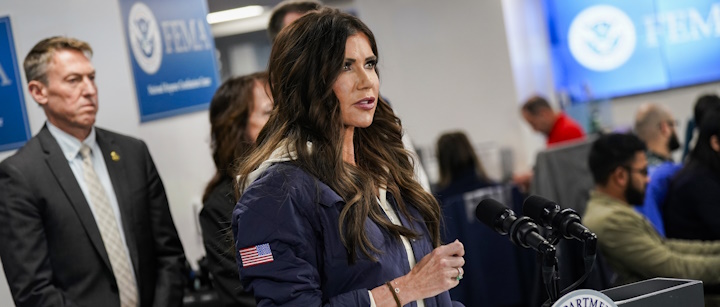
In the wake of the tragic shooting of Alex Pretti on January 24 in Minneapolis, official accounts from the Department of Homeland Security (DHS) and law enforcement representatives have come under scrutiny. While initial statements portrayed Pretti as an armed threat, subsequent video analyses and expert evaluations reveal inconsistencies that challenge these claims. As responsible citizens, understanding the facts behind such incidents is fundamental to safeguarding democratic principles rooted in transparency and accountability.
According to DHS and officials such as Border Patrol Commander Gregory Bovino and DHS Secretary Kristi Noem, the agency’s initial statement claimed that Pretti “approached US Border Patrol officers with a 9 mm semi-automatic handgun, seen here,” and that he “wanted to do maximum damage and massacre law enforcement.” These statements depicted Pretti as actively threatening officers and intending harm, which served as a rationale for their use of deadly force. However, independent video review by outlets like the Star Tribune and CNN casts serious doubt on this narrative.
The New York Times and Washington Post further emphasize that the videos do not support claims of Pretti threatening law enforcement with a firearm. Instead, they show a man stabilizing on the ground, seemingly recording the event, with the gun reportedly found inside his waistband — a lawful possession under Minnesota law with a permit. Yet, the DHS’s public claims suggest an active threat that, according to these videos, might not have existed at the moment of shooting.
Public statements from DHS and affiliated officials have repeatedly characterized Pretti as dangerous and intent on violence. DHS, for instance, claimed that he “violently resisted” an attempt to disarm him, and that he “wanted to do maximum damage.” Yet, experts like John Cohen, a former DHS official, point out that the available video evidence does not depict Pretti in a threatening act. Cohen highlights that “there’s nothing in the video to support DHS’s statement that he intended to shoot law enforcement officers.”
Further complicating the official narrative are discrepancies over whether Pretti ever brandished the firearm or posed an immediate threat. Border Patrol officials have been reticent about releasing body-camera footage, citing an ongoing investigation, which leaves a significant gap in public understanding. Meanwhile, media investigations reveal that officers appeared to realize only after suspecting him of having a gun, raising questions about the justification for the use of lethal force.
Figures like President Donald Trump and White House Homeland Security Adviser Stephen Miller have amplified the DHS narrative, calling Pretti a “gunman” and an “assassin.” Such characterizations, based on limited evidence, can skew public perception and undermine objective inquiry. DHS Secretary Noem’s statements about Pretti “attacking” officers and “wishing to inflict harm” align with this narrative but clash with video evidence showing no threatening gestures or aggressive stance.
The media’s role is equally crucial. An independent review by outlets such as CNN, the Star Tribune, and the Washington Post underscores the importance of corroborating official claims with visual and eyewitness evidence. This independent analysis reveals that the initial, emotionally charged statements may have overstepped the available facts, highlighting the dangers of premature conclusions amid ongoing investigations.
The case of Alex Pretti exemplifies the necessity for transparency and thorough fact-finding in incidents involving law enforcement and lethal force. When official narratives contradict visual evidence and expert assessments, it becomes imperative to scrutinize statements and demand accountability. Protecting democratic freedoms depends on a society where truth prevails over misinformation, especially in scenarios where public trust and justice hang in the balance. As responsible citizens, understanding the facts and demanding clarity is not just advisable — it is essential to uphold our democratic ideals and ensure that justice is truly served.


