
TRENDING NEWS





Truth Over Trends, always!

In an unexpected move contrasting the tumultuous global political landscape, Canadian-American rock legend Neil Young has extended a symbolic gesture of peace towards the people of Greenland. Young’s offer of a year’s free access to his vast archives aims to *ease some of the unwarranted stress and threats* allegedly emanating from President Donald Trump’s administration concerning the strategic and resource-rich Arctic territory. This act of cultural diplomacy arises amidst escalating geopolitical tensions involving U.S. interests in the Arctic, a region increasingly pivotal in international power struggles, dominated by the *race to control diminishing ice-bound resources*. Analysts emphasize how these cultural stands shape, or are shaped by, broader geopolitical shifts, underscoring the profound impact such actions have on the perception of global diplomacy and sovereignty.
President Trump’s recent threats, initially signaling intentions to pursue annexation of Greenland for *national security reasons*, sparked widespread controversy, including diplomatic warnings from Denmark, which retains sovereignty over Greenland. Although Trump later backtracked, proposing *“immediate negotiations”* instead of force, his rhetoric revealed underlying ambitions to secure strategic footholds in the Arctic—an area regarded by many experts as the new frontier of geopolitical influence. Historically, nations like Russia and Canada have flexed their military and economic muscles over the Arctic frontier, but the U.S. now appears to be aiming to shore up its position amid a shifting balance of power. Such decisions not only threaten regional stability but also raise questions of *sovereignty, resource access, and environmental impacts*—all of which define the geopolitical calculus of the 21st century.
International organizations and scholars warn of the *dangers of unilateral action* and the importance of diplomatic engagement. For example, the Arctic Council*, an intergovernmental forum promoting cooperation among Arctic states, has repeatedly called for peaceful dialogue rather than confrontation. Meanwhile, renowned historians such as Professor Margaret MacMillan highlight how moments like these could either lead to a new era of cooperation or escalate into open conflict, depending on how nations navigate their intertwined interests. Young’s symbolic gesture in Greenland is reflective of a broader cultural pushback against aggressive policies—an effort to influence public opinion and political discourse. His stance, representative of a segment of international civil society, underscores the importance of soft power in an era dominated by strategic competition.
As the spectacle of leadership and diplomacy unfolds, the weights of history press heavily upon the unfolding narrative. The potential for a *resurgence of Cold War-like tensions* over Greenland and Arctic resources signals that the stakes extend beyond mere territorial disputes, touching on *economic dominance, environmental sustainability, and global security*. The choices made today will echo through generations—shaping the future of international stability and the fate of societies caught in the crossfire. The world holds its breath as history’s pen continues to write itself into the fabric of geopolitics, reminding us all that in the game of nations, every move bears consequences that ripple across the new and ancient world alike.

In a stark demonstration of internal political fractures, the recent turmoil surrounding U.S. Homeland Security Secretary Kristi Noem has reverberated across the American political landscape and sent ripples into the broader geopolitical arena. This mounting controversy, precipitated by the tragic death of Alex Pretti in Minneapolis, underscores a crucial void in the U.S. domestic security apparatus. Top House Democrats have openly called for Noem’s removal, threatening impeachment proceedings amidst escalating concerns over border security and law enforcement conduct. The potential dismissals bear not just national but international significance, exposing profound chasms within the world’s most powerful democracy about the principle of sovereignty and internal stability.
While President Trump publicly supports Noem, claiming that the border is “totally secure,” many Republican senators now voice skepticism. Figures such as Thom Tillis and Murkowski argue that her conduct is “disqualifying,” reflecting a faction within the GOP that questions the current direction of homeland security policy. Yet, amid these internal conflicts, the execution of policy—particularly on immigration enforcement—becomes a clear battleground with international consequences. Critics argue that overly aggressive enforcement, especially when combined with inadequate oversight, fosters internal chaos and societal division. Prominent voices like John Fetterman and Elizabeth Warren emphasize that the death of Pretti symbolizes a broader failure to uphold human dignity and maintain order at national borders, framing the issue as a moral and strategic crisis.
In the global context, the U.S. border crisis and internal security disputes influence countries worldwide, especially in the Americas, where migration flows and regional stability are intertwined. International analysts warn that instability within the U.S. government could weaken America’s standing as a defender of global order, embolden adversaries, and destabilize neighboring nations. Outcomes at home — such as the potential shutdown of government departments or the impeachment of a cabinet secretary— are not isolated events but signals that America’s leadership is oscillating on the brink of disarray, inviting questions about future commitments to international security and peace. History, as noted by strategic experts, warns that political upheaval in Washington often precedes eras of diplomatic retreat or reckless miscalculation on the world stage.
The unfolding drama over Noem’s future encapsulates a larger narrative: the struggle between security and liberty, law and order, set against a backdrop of international scrutiny. As the international community watches, the possibility of impeachment and internal chaos casts a long shadow over U.S. credibility. The decisive moments ahead will test whether the nation can reconcile its political divisions or spiral further into disarray at a critical juncture in history. As the dust begins to settle, the world will remain vigilant — for in this history is still being written, and the fate of countless lives hinges on the choices made within the halls of power.
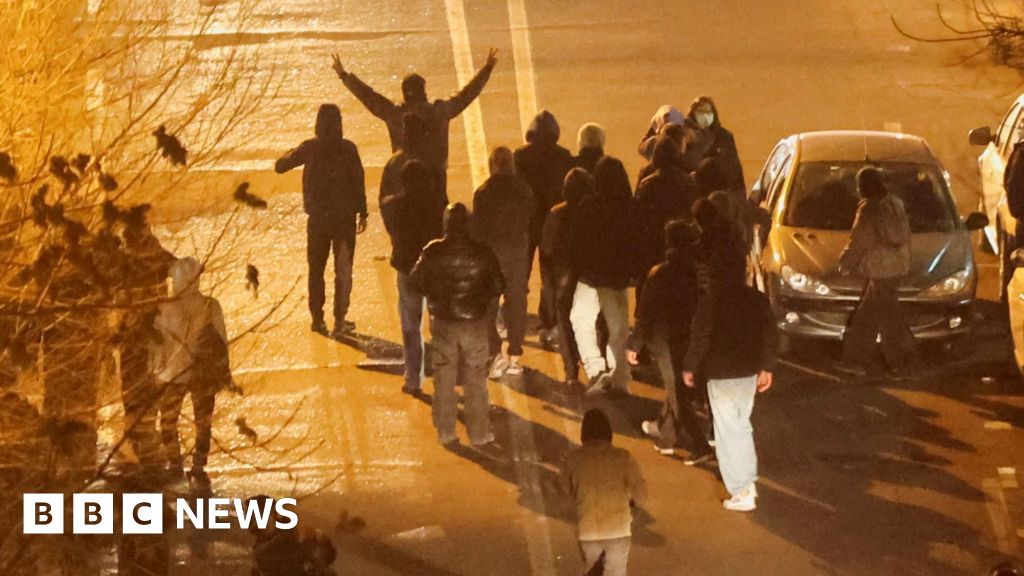
The Islamic Republic of Iran finds itself engulfed in one of the most intense waves of anti-government protests in its modern history. What initially began as a response to economic hardship has quickly evolved into a broader movement calling for fundamental political change. The protests, sparked in late December, have shown an unprecedented level of resilience among Iran’s youth, and their scale suggests an erosion of the regime’s longstanding grip on power. With reports of over 6,000 confirmed deaths—collated by human rights organizations—these events will undoubtedly reverberate across Middle Eastern geopolitics and challenge the narrative of stability traditionally promoted by Tehran’s leadership.
Eyewitness accounts and verified footage attest to the brutal response from Iranian security forces. Reports of security personnel firing live ammunition at protesters with impunity paint a harrowing picture of state repression, which includes the use of pellet guns targeting faces, eyes, and heads of demonstrators. One eyewitness, Parham, described how friends and fellow protesters were victims of targeted violence—some shot in the forehead or eye—resulting in several casualties. The government insists that most of the 3,100 reported deaths involve rioters and security personnel, but eyewitness testimonies and medical reports suggest a different story. As protesters organize despite a near-total internet shutdown, the urban battlegrounds resemble scenes from a conflict zone, stirring fears of a nationwide crackdown that could threaten Iran’s internal stability.
The fate of these protests holds significant geopolitical impact. Both Western nations and regional actors are watching closely, aware that regime stability in Tehran affects regional security, energy markets, and the balance of power in the Gulf. While U.S. policymakers and human rights advocates call for accountability, Tehran accuses foreign agents of fomenting chaos, framing the unrest as U.S.-backed riots. Such narratives, disseminated through state-controlled media, aim to legitimize the crackdown and rally nationalist sentiments. Historians like Professor Sarah Johnson warn that suppressing such mass dissent could deepen Iran’s reputation as a pariah state, potentially fueling further instability and driving a wedge between Iran and its neighboring countries.
The personal toll of the unrest is staggering. Families are being coerced—forced to pay large sums or falsely record their loved ones as security personnel—an attempt to obscure the real death toll and punish grieving relatives. Survivors like Sina, who bears pellets in his eyes, highlight the brutal physical toll exacted by Iran’s security apparatus, which has used live fire and pellet guns indiscriminately. Reports from medical facilities confirm widespread injuries and trauma, with hospitals overwhelmed by victims of violence. Amid this chaos, the international community faces a dilemma: uphold human rights standards or accept Iran’s narrative of unrest as a foreign conspiracy. As history unfolds, it remains to be seen whether the voices of Iran’s youth and the suffering families will be heard or drowned out by the regime’s heavy-handed tactics.
As the world stands on the precipice, pondering the significance of this upheaval, history reminds us that such moments are rarely fleeting. With each passing day, the sovereignty of Iran is being tested, and the trajectory of its future hangs in a delicate balance—one that will define the course of the Middle East for decades to come. Will Iran’s leaders tighten their grip, or will the indomitable spirit of its youth ignite a new chapter of reform? The answer is yet to be written, echoing through the corridors of history, with the weight of countless lives and the destiny of a nation hanging in the balance.

In an era marked by rapid demographic shifts and technological transformation, our society is witnessing profound cultural and social tensions that ripple through families, education systems, and entire communities. The resurgence of popular shows like Gladiators exemplifies society’s desire for heroism and resilience but also highlights underlying struggles faced by families and youth navigating a complex world. From the regional stories of individuals like Mark Billings, a PE teacher from Essex, whose appearance on national television becomes a beacon of hope and perseverance, the broader narrative emerges: society’s fabric is being rewoven with threads of determination amidst adversity.
The heart of these social issues lies within families and educational institutions that strive to cultivate resilience. Billings’,story, where his community rallied behind him through a televised challenge, underscores the importance of role models who embody hard work and moral strength.
Social commentators like Dr. Alice Johnson, a sociologist specializing in youth behavior, argue that these shared experiences and communal support systems are vital in reinforcing moral resilience. However, without targeted resources and moral guidance, the risk remains that social fractures deepen, leading to fragmented communities where the values of grit, effort, and community backing are often overshadowed by cynicism.
Central to societal renewal are challenges rooted in social inequality, educational disparities, and cultural tensions. Communities must grapple with how to nurture a generation rooted in purpose and moral integrity while confronting issues like economic stratification and social alienation. Solutions proposed by social commentators emphasize:
Historians point to past societal recoveries where resilient leadership and community solidarity lifted nations from upheaval. As Historian Dr. Richard Hall notes, the moral fabric of a society is constantly tested but can be reinforced through collective effort and shared moral vision. The story of Billings, who speaks of overcoming doubts and demonstrating that “those who work hard will be rewarded”, echoes this timeless truth: societal transformation begins when each individual becomes a pillar of strength for others. As society stands at this crossroads, the hope remains that, through the collective resolve of families, schools, and communities, society can forge a future where hope is reborn from the ashes of social fragmentation—a society renewed not just in structure, but in spirit.

In a bold move marking a new chapter in consumer technology, Amazon has rolled out its latest evolution in AI-driven home assistants: Alexa+. Unveiled at CES earlier this year, this upgraded voice assistant showcases Amazon’s aggressive push to redefine how millions of households interact with smart technology. The immediate deployment to Prime members and the end of the waiting list signal Amazon’s readiness to dominate the next wave of digital disruption, emphasizing innovative conversational AI that extends beyond simple command execution.
Alexa+ represents a significant innovation, heralding a shift from traditional voice assistants that function primarily as digital butlers, to more advanced chatbots capable of natural, nuanced conversations. Amazon claims this new iteration can better comprehend complex requests, offering a more intuitive user experience that blurs the lines between human and machine interactions. This development aligns with industry trends identified by Gartner and other leading analysts, which highlight the emerging importance of AI that is not just reactive but proactively engaging. With this move, Amazon disrupts the market standard of voice assistant capabilities and sets a new bar for the industry’s competitive landscape.
Industry watchers like Elon Musk and Peter Thiel have long emphasized the critical role of AI innovation in future tech dominance. Amazon’s aggressive upgrade strategy reflects a keen understanding of this trajectory, positioning Alexa+ as not merely a product but a platform capable of disrupting entrenched players in the home automation space.
Despite the excitement surrounding Alexa+’s rollout, the transition underscores the persistent tension between innovation and user consent. Reports reveal some users experience forced upgrades and sudden voice changes, illustrating a broader industry challenge: how to effectively balance rapid innovation with user autonomy. Amazon’s move pushes the envelope in this context, making voice assistants more sophisticated but also raising important questions about privacy, data security, and consumer choice.
From a business perspective, Amazon’s decision to integrate Alexa+ seamlessly into existing Prime memberships signifies a strategic intent to deepen ecosystem lock-in and generate additional revenue streams. The AI’s personalized conversational interface reinforces Amazon’s overall dominance in digital retail, smart devices, and cloud services, giving the company an edge in the competitive landscape.
As Amazon continues to iterate on Alexa+ and similar AI innovations, the industry’s trajectory appears clear: Innovation will accelerate, competition will intensify, and traditional paradigms of user interaction will be fundamentally challenged. Companies that fail to adapt risk falling behind in the race to create truly disruptive, intelligent assistants capable of transforming everyday life. Meanwhile, consumers and regulators alike must grapple with the long-term implications of pervasive AI, emphasizing the need for robust oversight and strategic foresight.
For the tech industry and young entrepreneurs eager to lead the next big wave, the message is unequivocal: the future belongs to those who innovate boldly and navigate disruption wisely. With Amazon’s Alexa+ setting the pace, the urgency to develop smarter, more intuitive AI solutions has never been greater. The next decade will be pivotal—an era where innovation and disruption will define the competitive landscape of the digital age.

In a surprising turn of events, the Houston Astros will be without two of their premier players, Jose Altuve and Carlos Correa, for the upcoming World Baseball Classic (WBC). Both athletes, regarded as cornerstones of the Astros’ success in recent years, have opted out due to insurance complications that would prevent coverage if they were to sustain injuries during the tournament. This development has left fans and analysts alike buzzing about the implications for both the Astros and the international competition.
Astros General Manager James Click confirmed the situation during a recent press conference, stating, “While we fully support our players’ desire to compete on the international stage, the financial aspects of their health cannot be overlooked.” The World Baseball Classic, which gathers talent from across the globe, is known to offer an exciting format. However, without two of its best, the competition may not be as thrilling for Houston fans. The absence of players like Altuve and Correa deprives not only the team but fans as well of seeing elite talent on the world stage.
In previous seasons, both athletes have garnered significant accolades. Altuve, a multiple-time All-Star and former MVP, has consistently proven to be a driving force in the Astros lineup. On the other hand, Correa has remained a defensive stalwart and offensive powerhouse. As they step back from international play, attention will shift towards emerging players who will now get their chance to shine on a global platform.
In a world often divided by myriad issues, sports remain a beacon of unity, drawing together fans and athletes from diverse backgrounds. The sacrifices made by players, such as Altuve and Correa, underscore a greater narrative—one where the love of the game transcends personal ambition. While the scoreboard might reflect individual and team victories, the stories woven through the fabric of competition remind us that sports can unite us as a collective, even in absence. The World Baseball Classic will undoubtedly proceed, but the journey of athletes is forever marked by moments too vital to be defined by mere statistics.
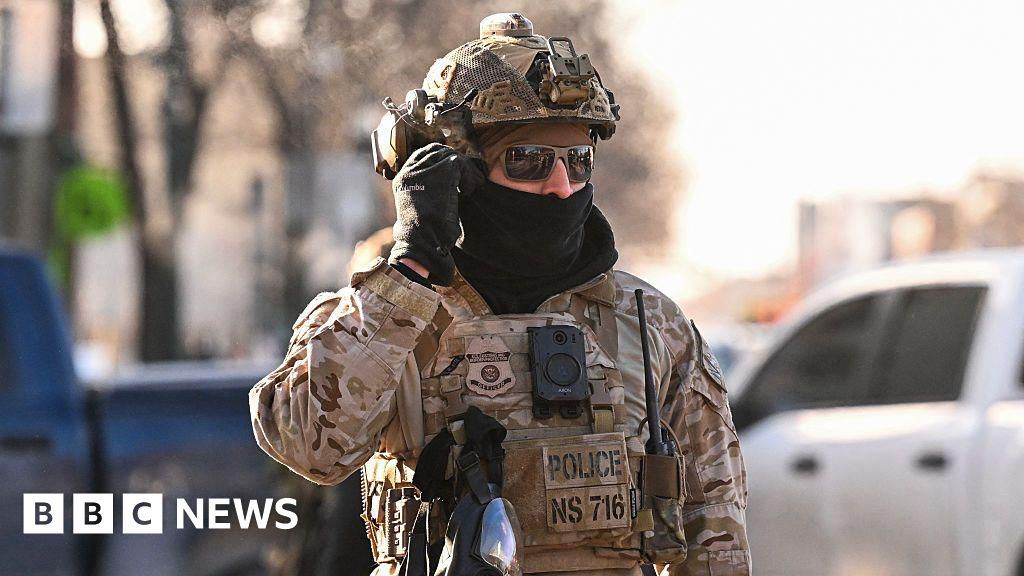
The United States has once again found itself at the center of an international controversy over its security policies, this time involving the presence of Immigration and Customs Enforcement (ICE) agents during the upcoming Winter Olympics in Milan, Italy. As the world prepares for the global event scheduled to run from February 6 to 22, a series of reports and diplomatic tensions have emerged, highlighting the far-reaching geopolitical impact of U.S. domestic security agencies extending their influence beyond American borders.
It was initially understood that the U.S. Department of Homeland Security (DHS) would provide support for security operations, a common practice at major international events. However, confirmation that ICE agents would be involved in support roles—distinct from direct law enforcement—prompted alarm among Italian officials and society. Milan’s Mayor Beppe Sala publicly condemned the move, likening the agents to a militia capable of deadly force and asserting they were “not welcome in Milan.” As images from Minneapolis surfaced, showing ICE agents involved in fatal shootings, the international community’s concern deepened. The controversy underscores a thorny question of sovereignty and how an internal U.S. agency’s actions can influence perceptions of Italy’s ability to guarantee its own security, especially when foreign agencies might operate on its streets.
The Italian government, eager to reassure allies and its citizens, insisted that “all security operations at the Olympics are directed and managed exclusively by Italian authorities.” Nonetheless, it became apparent that the US planned to set up an operations room at its Milan consulate, with various federal agencies ready to work jointly with Italian agencies to mitigate risks. Although official statements emphasized that ICE would only play a supportive, counter-terrorism role, the unsettling images and reports have ignited a wave of domestic dissent. Critics within Italy, including the opposition, have questioned the propriety of foreign agents operating within Italian territory, especially given the recent violent incidents involving ICE officers—most notably the fatal shooting of Pioneer Nicole Good in Minneapolis.
Analysts and international observers such as historians and think tanks warn that these incidents exemplify a broader erosion of sovereignty and a dangerous precedent for national security cooperation. The European Union and other global institutions are increasingly concerned about the United States’ expanding domestic security presence abroad, which some argue risks turning international events into potential battlegrounds for American agencies wielding lethal force. As Italy navigates the delicate balance of safeguarding its international reputation while hosting a major sporting event, the controversy leaves a lasting warning to the world about the consequences of unchecked transnational security policies. As the Winter Olympics commence, the weight of history remains heavy, reminding us all that the lines between national sovereignty and international cooperation are often blurred, and that decisions made today will ripple through the corridors of power for generations to come.

In a world where fashion giants often cling to tradition and legacy, the emergence of Matthieu Blazy at Chanel signals a seismic shift. The 41-year-old Belgian designer, once a relatively unknown name outside the industry, is now steering one of the most iconic brands in history through a curious blend of tradition and innovation. His recent debut Haute Couture collection, hosted at Paris’s Grand Palais, did not just earn applause; it ignited a cultural wave that challenges entrenched notions of beauty, age, and the role of storytelling in fashion.
The show’s aesthetic was a masterclass in redefining luxury. From a boxy suit in tissue-thin mousseline to daring transparent jackets adorned with ropes of gems, Blazy’s designs showcased craftsmanship that is both heroic and warm. In a deliberate break from the typical high-gloss runway, he included multigenerational casting, intentionally featuring models of diverse ages and backgrounds—women who “have lived” and “have seen the world.” According to the designer, this shift in casting isn’t just about visual representation but a statement that beauty, wisdom, and life experience are integral to modern femininity. This cultural impact resonates with a generation increasingly questioning superficial standards, turning their gaze towards authenticity and lived-in stories.
The influence of influencers like Dua Lipa and industry icons such as Anna Wintour backstage underscores a societal desire for brands to connect deeply with personal narratives and individual identities. Blazy’s request for models to incorporate personal items—a love letter, initials, a word like “kindness”—stands out as an extension of this shift. These intimate touches, stitched into garments by Paris’s renowned Lesage embroiderers, elevate fashion beyond mere aesthetics, making it a vessel for emotional storytelling. This approach is part of a broader trend where consumers seek a more meaningful engagement with brands, echoing a societal craving for authenticity and depth amidst a superficial influencer-driven culture.
What truly sets Blazy apart—and hints at the future of fashion—is how he balances youthful boldness with a reverence for craftsmanship. His use of trompe l’œil techniques, painted denim mimicking casual wear, and leather feathers crafted into dresses, all echo a conscious effort to blend fantasy with reality. This ‘fairytale’ era—exemplified by animated previews with Snow White bluebirds—serves as a metaphor for a collective desire for escapism and renewal. Yet beneath the enchantment, there is a strategic, almost revolutionary statement: fashion’s power to reflect societal shifts and redefine identity. As Blazy’s Chanel appears to embrace a storybook aesthetic, a question lingers: Could this fairy-tale phase be the new standard for aspirational society? Or is it just a temporary chapter in a larger movement towards genuine self-expression?

In an era where the tide of globalism relentlessly seeks to erode local identities and traditions, the enduring role of culture as both shield and mirror of society cannot be overstated. Throughout history, the cultural fabric of a nation has been the vessel through which collective memory and moral values are transmitted, anchoring societies amidst the chaos of change. The recent story of Welsh singer Katherine Jenkins, a figure whose life intertwines with royal ceremonies and military honors, exemplifies how culture remains the vital link that sustains national identity. Her performances at events like the Queen’s Platinum Jubilee and Royal Variety shows are more than musical showcases—they are expressions of a shared heritage that venerates history, tradition, and societal continuity.
Jenkins’s narrative, with its roots in classical music and her close associations with the Royal Family, illustrates the importance of cultural icons in shaping a society’s moral and aesthetic compass. Her repeated invitations to perform for royalty, coupled with her dedication to military and charitable causes, resonate with the ideas of Ortega y Gasset, who emphasized that culture is the essential safeguard of a nation’s soul. Moreover, her recognition by the crown with an OBE underscores the symbiotic relationship between authority, tradition, and the arts—an alliance that reinforces social cohesion. In a world increasingly driven by transient trends, figures like Jenkins exemplify the resilience of rooted cultural symbols that serve as repositories of collective wisdom and pride.
Yet, the cultural narrative is not static; it is a prophecy and a mirror of human destiny. As Tocqueville observed, democracy and equality threaten to diminish the aristocratic and moral distinctions that underpin society’s structure. However, authentic culture—like Jenkins’s embodiment of classical art—serves as a counterbalance, reaffirming the importance of sovereignty over fleeting modernity. The arts remain a sanctuary where history’s echoes coalesce into a living dialogue, anchored in the enduring truths of a society’s values. In embracing the past’s heritage, we forge pathways toward a future rooted in continuity rather than rupture, ensuring that our collective memory guides us through the uncertainties ahead.
In the grand tapestry of human history, culture is both the memory that preserves our essence and the prophecy that shapes our future. Like the great cathedral that endures through centuries, it stands as a testament to human striving and the divine spark that elevates our fleeting individual lives into the eternity of shared purpose. As we listen to the melodies of Jenkins or gaze upon the banners of tradition, let us remember: our culture, in its resilience and renewal, remains the living voice of our collective destiny, echoing through time, whispering that humanity’s greatest legacy is not only what we inherit but what we dare to imagine.”

The recent overhaul of the childhood vaccine schedule by the Centers for Disease Control and Prevention (CDC) has sparked widespread discussion, with many questioning the motivations and the data behind these decisions. Notably, CDC Acting Director Jim O’Neill signed a memo on January 5th eliminating routine recommendations for vaccines against six diseases, shifting much of the responsibility for vaccination decisions from universal mandates to shared clinical decision-making. This shift, justified by officials as aligning with international consensus, warrants a closer examination of the underlying data, the process of decision-making, and the potential impacts on public health.
Primarily, the CDC’s new approach recommends vaccines against 11 diseases rather than 17. It is accurate that this reduction is driven by evaluations aiming to prioritize vaccines based on current disease prevalence, safety profiles, and international standards. However, claims surrounding the safety and efficacy of the vaccines that are no longer recommended universally are more complex. For example, the CDC and HHS officials justify the change citing a 33-page assessment prepared by political appointees, including Dr. Tracy Beth Høeg and biostatistician Martin Kulldorff. Critics argue that this document and the process contrast sharply with the traditional, transparent, evidence-based approach historically employed by the CDC’s Advisory Committee on Immunization Practices (ACIP), which involves rigorous review by multiple multiple experts across unique medical specialties.
Further complicating the issue, officials made claims that some vaccines—such as rotavirus, hepatitis A, meningococcal disease, and influenza—are less necessary given current disease trends. For example, the HHS described rotavirus as causing “almost no risk of mortality or chronic morbidity”—a statement that critics argue downplays the vaccine’s proven benefits. Prior to the vaccine’s widespread use, CDC data indicated that rotavirus caused between 55,000 to 70,000 hospitalizations annually, with hundreds of children dying from the disease. Dr. Paul Offit, a well-respected vaccine inventor and pediatrician, emphasizes that rotavirus vaccines have significantly reduced suffering, with tangible decreases in hospitalizations and severe dehydration cases.
The central concern among public health experts is whether these schedule modifications compromise disease prevention efforts. While some of the diseases are now rare in high-income countries, many experts believe that vaccination remains crucial for maintaining low incidence and preventing outbreaks. Dr. David Stephens of Emory University asserts that even with low current incidence, routine vaccination provides “significant herd immunity,” protecting unvaccinated populations and reducing the risk of disease resurgence. International comparisons, like those cited by HHS, are often presented as evidence that reduced vaccination strategies do not lead to higher disease rates; however, experts such as Dr. Jaime Fergie highlight that declines in disease incidence often predate vaccination programs, underscoring the multifaceted nature of disease control.
Regarding safety, critics contend that the assertion that safety data are limited without placebo-controlled trials is misleading. Dr. Noele Nelson from Cornell University confirms that hepatitis A vaccine trials were properly conducted, with no severe adverse events reported. Furthermore, the existing body of surveillance data affirms that vaccines like hepatitis A are very safe, with benefits far outweighing risks—contradicting assertions that safety is inadequately established, often made by anti-vaccine advocates.
In sum, the CDC’s recent schedule change, driven by a new process that sidesteps traditional expert consensus and transparent review, calls for informed, responsible journalism and public understanding.
Ensuring that decisions about health policies are rooted in scientifically sound evidence—not political or ideological agendas—is essential to preserve trust, protect public health, and uphold the democratic principles that underpin our society.


