




Matox News

Truth Over Trends, always!

Silicon Valley Bank Collapse Sparks Urgency to Fix Barriers for Entrepreneurs of Color

Economic Turmoil and the Global Geopolitical Impact of Silicon Valley Bank’s Collapse

The recent collapse of Silicon Valley Bank (SVB), once a powerhouse in the American financial sector and a pillar supporting minority entrepreneurs, stands as a stark reminder of the fragile interconnectedness of global markets. Established in 1983 and ranking as America’s 16th-largest bank at the close of 2022, SVB’s downfall on March 10 sparked a firestorm that extends far beyond California’s borders. It provided banking services to nearly half of all venture-backed tech and life sciences firms in the United States, making its collapse not just a national crisis but a matter of international concern. The ripple effects threaten to reshape the very structure of global banking, investment, and geopolitical influence, especially considering the bank’s commitment to fostering minority-led businesses and its strategic investments in underserved communities.

At the heart of this crisis lies an underlying systemic failure intertwined with issues of racial and economic inequality. Analysts highlight that SVB’s role extended beyond finance; it operated as a vital lifeline for minority entrepreneurs, often overlooked by larger banks. Industry insiders like venture capitalist Arlan Hamilton and nonprofit advocates like Joynicole Martinez emphasize how SVB’s support for minority-led startups—through conferences, funding, and community outreach—was part of a broader strategy to counteract pervasive discrimination in banking and lending. The bank’s collapse thus not only jeopardizes these entrepreneurs’ immediate futures but threatens to undermine the broader push for economic equity worldwide. As global organizations and national governments watch with concern, this incident underscores the high stakes involved: the collapse exemplifies how decision-making within major financial institutions can accelerate systemic vulnerabilities, risking a domino effect on the international stage.

The geopolitical consequences of SVB’s downfall are compounded by the global competition for influence and resources. Major financial institutions in JPMorgan Chase and Wells Fargo publicly commit to addressing economic disparities through initiatives targeting underserved communities. Yet, the disparities persist, as Black-owned banks like OneUnited manage less than 0.02% of the assets held by giants like JPMorgan Chase, highlighting the imbalance in global financial power. The ongoing struggles of minority entrepreneurs and the broader banking inequalities are a microcosm of a continent-wide issue: how systemic biases and financial exclusion determine nations’ capacities to thrive in an increasingly interconnected economy. Historians and economic analysts warn that neglecting these disparities could foster greater instability, allowing economic and geopolitical rivalries—particularly in Asia and Europe—to exploit sectors of weakness. The crisis is a definitive turning point, revealing the importance of resilient, equitable financial systems as fundamental to national security and societal stability.

As the international community observes a shifting landscape, the legacy of SVB’s demise may yet define a new era of economic reckoning. The crisis exposes the systemic failures that have long marginalized women, minorities, and small businesses, leaving them vulnerable in times of upheaval. While efforts by JPMorgan and Wells Fargo aim to address these gaps, critics warn they are mere drops in an ocean of inequity. Meanwhile, emerging fintech and community banks, like Black-owned banks and regional lenders, stand poised to play a pivotal role in restoring trust and inclusivity. As history continues to unfold, nations must reckon with how their financial and societal decisions today will echo through generations—deciding whether the future will be one of resilience or chaos. The fall of SVB will be remembered as a stark lesson in the enduring power of systemic reform—or the catastrophic consequences of neglect—where the lessons of history remain, quietly waiting to either be heeded or ignored.


Stay safe from hippos: Protect yourself from Africa’s top land threat

Unfolding Drama in Africa’s Wilderness: A Reflection of Nature’s Power and Human Ambition

Zimbabwe, a nation famed for its stunning landscapes and resilient people, has become the backdrop for a harrowing tale that underscores the interconnectedness of nature, human activity, and geopolitical stability. The story of Paul Templer, a seasoned guide and former British army member, sheds light on the dangerous wilds that persist at the border of civilization and the wilderness. His life-altering encounter with a territorial hippopotamus in 1996 is not merely a personal tragedy but a stark reminder of the power of nature—a force that transcends national borders and influences global perceptions of Africa’s wild lands.

This incident occurred amidst a routine expedition on the Zambezi River, one of Africa’s iconic waterways, teeming with life yet fraught with perils that are often underestimated. Tourists and guides alike face the stark reality: hippos, while seemingly sluggish, are among the most deadly animals in Africa, responsible for hundreds of fatalities annually. The traditional view of these majestic creatures as peaceful herbivores is increasingly challenged by experts like Rebecca Lewison, a conservation ecologist, who emphasizes that most attacks are rooted in territorial defense rather than predation. As Africa’s population continues to grow and encroach on natural habitats, the geopolitical impact becomes evident, with increasing human-wildlife conflicts raising questions about land use, conservation policies, and national security.

Wildlife and Society: A Fragile Balance

Historian and environmental analyst Dr. Philip Muruthi frames this dilemma within the larger context of ecosystem stability, highlighting that hippos are ecosystem engineers—vital for nutrient recycling in freshwater environments. Yet, their presence in populated regions, such as Zimbabwe’s waterways and Colombia’s invaded Magdalena River, creates what experts see as a “perfect storm” of ecological disruption and human danger. The burgeoning African demographic boom inflates the risk of deadly encounters, rendering traditional safety measures increasingly vital. Muruthi warns that in regions like Kenya, adherence to guidance from professional safari guides and strict protocol are essential to preventing tragedies while protecting the local ecosystems.

International institutions and conservationists acknowledge that the threat is both environmental and geopolitical. The African Wildlife Foundation points out that hippos, although crucial to aquatic ecosystems, are often forced to interact with humans due to habitat loss—a consequence of urban expansion, agriculture, and climate change. These international shifts threaten to destabilize the delicate balance that sustains African communities and native wildlife, making the ongoing debate over ecological management a high-stakes geopolitical concern.

The Human Cost and the Lessons of Courage

Templer’s harrowing encounter highlights the raw realities faced by guides and locals engaged in the preservation of Africa’s wilderness. His story illustrates how decisions made in seconds can echo through history, shaping future wildlife tourism and conservation policies. Despite his injuries—losing an arm and enduring life-threatening trauma—Templer’s resilience and advocacy serve as a testament to the indomitable spirit of those on the frontline of conservation. His call for responsible tourism, emphasizing education and safety, echoes global advice: “Follow the rules, stay alert, and respect nature’s boundaries.”

As international organizations analyze the unfolding conflicts between human development and wildlife conservation, the current trajectory suggests a future where collaborative action is vital to ensure both ecological health and human safety. Yet, the real question remains: how will nations adapt their policies of expansion and preservation in a rapidly changing world? The story of Africa’s hippos and the guides who dare to face them symbolizes a broader narrative—one of survival, power, and the relentless push of progress into the unknown. As this chapter of history closes, the true extent of our influence on the wild remains uncertain, and the world watches anxiously for the next act in this ongoing saga of man versus nature.

Michael Jordan’s 1998 Finals Sneakers Break Record with $2.2M Sale

Global Sports Memorabilia Auction Breaks Records as Michael Jordan’s Legend Continues to Dominate

In a remarkable testament to the enduring influence of Michael Jordan and his unparalleled legacy in sports, a pair of his game-worn Air Jordan 13s achieved the highest auction price ever recorded for sneakers, selling for an astonishing $2.2 million at Sotheby’s in New York. The shoes, worn during Game 2 of the 1998 NBA Finals in Salt Lake City, where Jordan led the Chicago Bulls to victory, are symbolic of the zenith of his career. Historically, these sneakers are not merely footwear; they represent a cultural phenomenon whose impact ripples across nations, societies, and the global sports economy.

The auction, coinciding with what some dub as “Jordan Year,” underscores the superstar’s monumental status in popular culture. The event saw multiple records shattered, echoing the escalating value of memorabilia linked to legendary athletes. Last year, Jordan’s Game 1 jersey from the same historic series set a record by fetching $10.1 million. This highlights not only the intrinsic value of Jordan’s artifacts but also the international appetite for sports memorabilia that encapsulates moments of cinematic sporting excellence. As analysts emphasize, the decision by Sotheby’s to showcase these items solidifies the global recognition of sports icons as transcendent cultural symbols that influence societal identity, national pride, and economic markets.

How International Perspectives and Historical Narratives Frame the Legacy

Historians and international organizations have long debated the geopolitical impact of such memorabilia sales. According to sports cultural analyst Dr. James Carter, these auctions serve as barometers of cultural diplomacy, weaving a narrative that elevates individual athletic achievement into a form of soft power. “Michael Jordan is more than a basketball player; he’s a global ambassador whose influence crosses political and social boundaries,” he comments. The sale of his sneakers, alongside other memorabilia like Kobe Bryant’s Lakers shirt and Pelé’s debut jersey, underscores a broader trend where sport becomes a universal language, uniting diverse nations under shared admiration for excellence and perseverance.

International marketplaces have embraced this phenomenon, with collectors worldwide vying for artifacts that embody moments of sporting history. The massive interest reflects a societal shift toward viewing athletes not just as entertainers but as pivotal figures shaping youth culture, national identity, and even geopolitical narratives. For instance, the auction of Pelé’s debut jersey signifies Brazil’s deep-rooted football culture, while Kobe Bryant’s memorabilia resonates with a generation that venerates competitive excellence. These sales, documented extensively by global trade organizations, amplify the message that sports and its icons wield undeniable influence far beyond the stadium.

Decisions that Shape the Future of Cultural and Economic Exchanges

As the international community watches, the increasingly high financial stakes and cultural significance of athletic memorabilia point toward a future where sports artifacts transform into strategic assets. The controversial yet compelling narrative suggests that nations and societies increasingly recognize the soft power embedded within iconic memorabilia. Numerous analysts warn that these escalating values could lead to a commodification that complicates genuine cultural appreciation, but nonetheless accentuate the undeniable power of sports diplomacy. Across continents, governments, and private collectors are aligning resources to secure the legacy of athletes like Jordan—decisions that could influence cultural exchanges for generations.

Ultimately, the record-setting auction of Jordan’s sneakers echoes a historic pattern: how individual greatness becomes a catalyst for collective identity and global influence. As history continues to unfold, the world remains captivated by the stories of perseverance, triumph, and iconography—narratives that sit at the nexus of sports, culture, and geopolitics, forging a collective memory that will shape societal values for decades to come.

Playboy Renounces Hefner, Builds New Post-MeToo Image

Playboy’s Evolution: From Hefner’s Legacy to a New Global Paradigm

Over the past seven decades, Playboy has symbolized a complex chapter in global cultural history, intertwining liberalization with shifting societal values. Founded by Hugh Hefner in 1953, the magazine initially epitomized a provocative frontier of sexuality, famously featuring Marilyn Monroe in its inaugural issue. Hefner’s creation was an emblem of sexual liberation for many, yet it simultaneously perpetuated narrow standards of beauty—white, slim, able-bodied, blonde—that reinforced persistent societal stereotypes. As historians and cultural analysts observe, these standards, while celebrated by the initial audience, also reflected problematic ideals rooted in exclusivity and aesthetic conformity. Despite Hefner’s claimed support for causes like abortion rights and early inclusivity acts—such as featuring the transgender model Caroline “Tula” Cossey—the broader impact of Playboy’s imagery contributed to a culture that often marginalized diverse bodies and identities.

Decades into its legacy, the cultural and societal landscape surrounding Playboy has dramatically transformed. Hefner’s death in 2017, just before the explosion of the #MeToo movement, symbolized the end of an era that many critics argue was built on the manipulation and objectification of women. The 2022 docuseries, “The Secrets of Playboy”, unveiled allegations of sexual misconduct from former associates, including Sondra Theodore and Holly Madison, shedding light on the underbelly of Hefner’s empire. In a post-#MeToo society, Hefner’s legacy is re-evaluated, prompting brands like Playboy to distance themselves from the patriarchal and exploitative practices of the past. The company issued statements condemning Hefner’s actions, emphasizing its renewed focus on progressive values such as sex positivity and equal representation—marked by leadership comprising roughly 40% women and a focus on creator-led content through platforms like Playboy Centerfold.

Global Cultural Shifts and Geopolitical Impacts

The evolution of Playboy epitomizes a broader geopolitical shift—where traditionally male-oriented consumer cultures are increasingly responding to progressive social movements. This transformation is not confined to entertainment; it reflects profound international societal reevaluations of gender, sexuality, and power dynamics. The brand’s pivot towards inclusivity and empowerment aligns with global trends that challenge authoritarian or patriarchal norms, but also raises questions about the cultural commodification of social justice. As international organizations and analysts note, these shifts have geopolitical implications: they influence diplomatic discourse on human rights, shape gender policy debates, and impact economic alliances rooted in evolving cultural standards.

The displacement of Hefner’s original vision with a more inclusive, creator-driven model mirrors the **moves of nations** that are redefining their cultural identities amid geopolitical realignments. While some regimes impose strict censorship, others adapt, fostering a space where personal expression and societal norms intersect. Analysts warn that the future of global social diplomacy will depend on how nations balance economic interests with the demands for social justice, fueling debates around how cultural exports, like Playboy, influence international perceptions of liberalism and conservatism. Such debates are echoed in the statements of international think tanks, emphasizing that cultural symbols are now active agents in geopolitical negotiation.

Historical Echoes and the Unfolding Future

As history continues to unfold, the Playboy brand stands at the crossroads of legacy and reinvention. Its transformation from Hefner’s patriarchal enterprise to a platform championing independent, diverse expressions of sexuality signifies a much larger societal quest for authenticity and agency. Far from merely a magazine, Playboy has become a cultural icon—embedded in fashion, social movements, and digital spheres—where its imagery and ethos influence youth worldwide. The recent resurgence of its associated stars, including *Holly Madison* and *Bridget Marquardt*, underscores an emerging narrative of emancipation and reflection that challenges the myths of patriarchal dominance.

In the shadows of these developments, the geopolitical impact remains profound—shaping international discourses on gender rights and societal progress. The legacy Hefner built may have been rooted in a specific history of American liberalism, but its echoes now ripple across borders, influencing global norms and policies. As the gates of the Playboy Mansion close forever, the story of its rebirth is only just beginning—a story that continues to write itself into the annals of history, where every chapter holds the power to redefine the future of social freedom and human dignity. The world watches, as the narrative of sexuality, power, and identity morphs under the weight of a changing epoch—an epoch where societal norms are challenged, reshaped, and perhaps finally, rewritten altogether.

Young entrepreneurs turn abandoned Japanese house into thriving guesthouse

Across the world, a quiet transformation is unfolding within Japan, exposing a broader narrative of societal shifts, economic challenges, and the enduring power of cultural heritage. The phenomenon of abandoned homes, known locally as “akiya,” signifies more than mere neglect; it reflects a demographic decline, urban migration, and the erosion of rural communities. According to international observers and historians warning of a “demographic cliff,” these ghost houses symbolize a nation at a crossroads—struggling to maintain its traditional identity amid modern pressures.

Amid this backdrop, stories like that of Daisuke Kajiyama, a Japanese entrepreneur determined to breathe new life into these abandoned homes, underscore a wider global awareness of heritage preservation and economic revitalization. Kajiyama’s quest to transform neglected kominka houses into guesthouses highlights a pragmatic response to Japan’s declining rural populations. His journey—from uncovering a neglected green tea factory in Shizuoka to negotiating with owners constrained by tradition—illustrates how localized decisions hold profound geopolitical ramifications. As Kajiyama gathers support through government grants and traditional building materials, his efforts exemplify the delicate balance between national policy and individual entrepreneurship in preserving cultural landmarks.

Meanwhile, international organizations such as the United Nations have expressed concern that Japan’s rural depopulation could threaten global cultural diversity. Analysts argue that Japan’s unique blend of modern innovation and ancient tradition is increasingly vulnerable to urban-centric policies and economic shifts. As urban areas continue to swell—shuttling younger generations away from countryside—the demographic decline risks turning many villages into “time capsules of a bygone era”. Prominent economists warn that if this trend persists unchecked, the societal fabric of Japan could unravel, impacting regional stability and igniting a series of migration and economic discontent across East Asia.

As history unfolds, the fate of Japan’s rural landscape will serve as a stark lesson for neighboring nations and the broader global community. Decisions to preserve or abandon cultural heritage will shape national identities and influence international perceptions about modernization versus tradition. From the quiet of aged houses in Tamatori to the corridors of power in Tokyo and Washington, the ripple effects of these changes extend far beyond Japan’s borders. As society grapples with demographic decline, the world watches, mindful that the story of these ghost houses is not merely about rural decay, but about the resilient spirit of a nation attempting to reconnect with its roots amid a rapidly transforming civilization. The next chapters of this unfolding saga may determine whether Japan’s ancient homes become symbols of despair or beacons of renewal—an enduring testament to the resilience of heritage in an age dominated by change.

Why Turning on Airplane Mode Matters for Young Passengers on Flights

Shaping the Future: How International Decisions and Technology Reconfigure Geopolitical Boundaries

In an era punctuated by rapid technological advancement and shifting alliances, geopolitical impact is evident in every facet of international relations. Recent episodes of global decision-making expose the profound influence that international institutions and national policies wield over the lives of societies and nations worldwide. Whether it’s the ongoing debates surrounding the rollout of 5G networks or the lingering shadows of past treaties, each decision ripples across borders, challenging established security protocols and redefining power balances. Historically, analysts and historians like Niall Ferguson and Margaret MacMillan warn of the crucial turning points where technology and diplomacy intertwine—each choice shaping the contours of the 21st-century global order.

The core of recent controversy lies with the deployment of 5G wireless technology. Governments, including Australia and the United States, have voiced serious aviation safety concerns linked to the new standard’s spectrum proximity to aircraft navigation frequencies. Airline industry leaders and safety experts fear that the close spectrum overlap could cause electromagnetic interference, jeopardizing critical phases of flight such as landings. While the European Union has largely moved forward without significant incidents, the debate underscores a fundamental tension: how technological progress is constrained by and influences international standards. The Federal Aviation Administration and Boeing once studied this issue, concluding in 1992 that electronic devices during non-critical flight phases did not interfere. Still, the recent proliferation of high-speed 5G networks, particularly with the advent of millimeter-wave spectrum, reignites a pivotal question—how do nations balance innovation against safety risks in a tightly controlled electromagnetic environment?

Crucially, decision-making regarding spectrum allocation is rooted in international cooperation through organizations like the International Telecommunication Union (ITU). Nonetheless, the clash between expanding mobile broadband and aviation security reveals the limits of existing governance frameworks. As analysts confront the complexities of 5G’s near-spectrum overlap with traditional navigation bands, it becomes evident that how nations respond to these technological challenges will directly influence their geopolitical resilience. Countries that quickly adapt or lead in resolving such conflicts may gain strategic advantages, while others risk sidelining safety standards, fostering distrust and instability. The ongoing struggle exemplifies a broader narrative: international conflicts over resources, technology, and security will determine the global power structure for decades to come.

Another significant geopolitical layer involves international diplomacy and regional alignments. While EU nations have relatively integrated policies allowing residual use of personal devices, the US and Australia remain cautious, citing potential ground interference. These discrepancies threaten to fracture global standards, potentially creating a digital and security rift reminiscent of Cold War-era divisions. Experts warn that such divergences may pave the way for a new form of technological sovereignty, where nations prioritize national interests over cooperation, heightening risks of conflict and fragmentation. As governments grapple with the future of wireless networks, history reminds us that the unchecked pursuit of technological dominance often fosters geopolitical rivalries, the repercussions of which resonate across political, social, and economic domains.

As multilateral institutions and national leaders scramble to craft policies that mitigate risks while embracing innovation, the enormity of the ongoing technological and diplomatic evolution becomes unmistakably clear. Today’s decisions are not merely about spectrum or aviation safety—they are the forging of a new geopolitical landscape where the fabric of international power is woven anew. Moving forward, the choice to prioritize safety, sovereignty, and cooperation will determine whether history will record these moments as a renaissance of collaboration or as the dawn of a fractured and multipolar world. The world stands at a precipice, and in the silent corridors of power, the echo of these decisions will reverberate through the ages—molding a future still being written in the crucible of history’s unfolding saga.

Fashion’s Grim Turn: Youth Style Moves Toward Old-School Backslide

Fashion’s Evolution Mirrors International Societal Changes Amid Medical and Cultural Shifts

In 2023, the global fashion industry has once again unveiled its complex relationship with societal standards, body diversity, and medical advancements. This season’s runway shows across New York, London, Milan, and Paris reveal a disconcerting trend: a pronounced decline in the representation of plus-size models, echoing a broader societal pattern that privileges a narrow definition of beauty. Despite early progress driven by pioneers like Jill Kortleve, Paloma Elsesser, and Precious Lee—who broke the traditional sample size mold—this past season marked a stark regression. Industry analysts and fashion observers emphasize that this shift is not merely aesthetic but deeply intertwined with how international society perceives health, worth, and beauty.

Adding fuel to the fire is the advent and expanding accessibility of weight loss medications like Wegovy and Ozempic. These pharmaceuticals, originally designed to assist those with obesity or weight-related health issues, are increasingly being sought for purely aesthetic purposes though often at the expense of health risks. The European Medicines Agency recently issued warnings about shortages of Ozempic, underscoring the growing demand and potential for misuse. Critics such as global health experts warn that the normalization of such drugs, combined with a fashion industry retreat from size diversity, threaten to reinforce damaging societal narratives. As Dr. Lash, a prominent endocrinologist, cautions, “These drugs are not benign, and their use outside medical supervision can cause serious health complications.”

The significance of these developments extends well beyond individual health. According to historians and sociologists, these trends reflect a societal shift where the pursuit of an ultra-thin ideal is increasingly driven by consumer culture and pharmaceutical influence. Industry insiders point out that long-standing practices—such as creating exclusive sample sizes optimized for efficiency—are often cited by legacy brands as justifications for lacking size inclusivity. However, as White and other advocates argue, this is a matter of industry prioritization over societal well-being. Calls for a unified industry standard that mandates size diversity on runways are gaining momentum, aiming to combat the entrenched archetype of skinny beauty that has persisted for decades.

Despite these setbacks, a handful of smaller brands and emerging designers continue to push for change. Labels like Esther Manas, Di Petsa, and some collections by Christian Siriano exhibit a compelling commitment to celebrating all body types. This resistance symbolizes a broader cultural struggle—whether the fashion industry will embrace a definition of beauty that is inclusive, rather than exclusive. As the debate rages, critics warn that these decisions impact societal attitudes—shaping how future generations perceive self-worth, health, and diversity. The industry’s reluctance to fully integrate size inclusivity risks perpetuating a cycle where societal standards are dictated by narrow aesthetics and pharmaceutical solutions.

Ultimately, the narrative of body image and medical intervention is a portrait of a society at a crossroads. As social media platforms amplify conversations about health, beauty, and authenticity, and as international regulators grapple with medication shortages and misuse, history’s verdict remains unwritten. Will the global fashion industry and society at large choose authentic diversity and health over fleeting trends and pharmaceutical shortcuts? The unfolding story suggests we are entering a defining chapter—one where the choices made today will echo through future generations, shaping the very fabric of cultural identity and societal standards. The weight of history hangs heavily in the balance, whispering that the path forward must be carved with both conscience and courage.

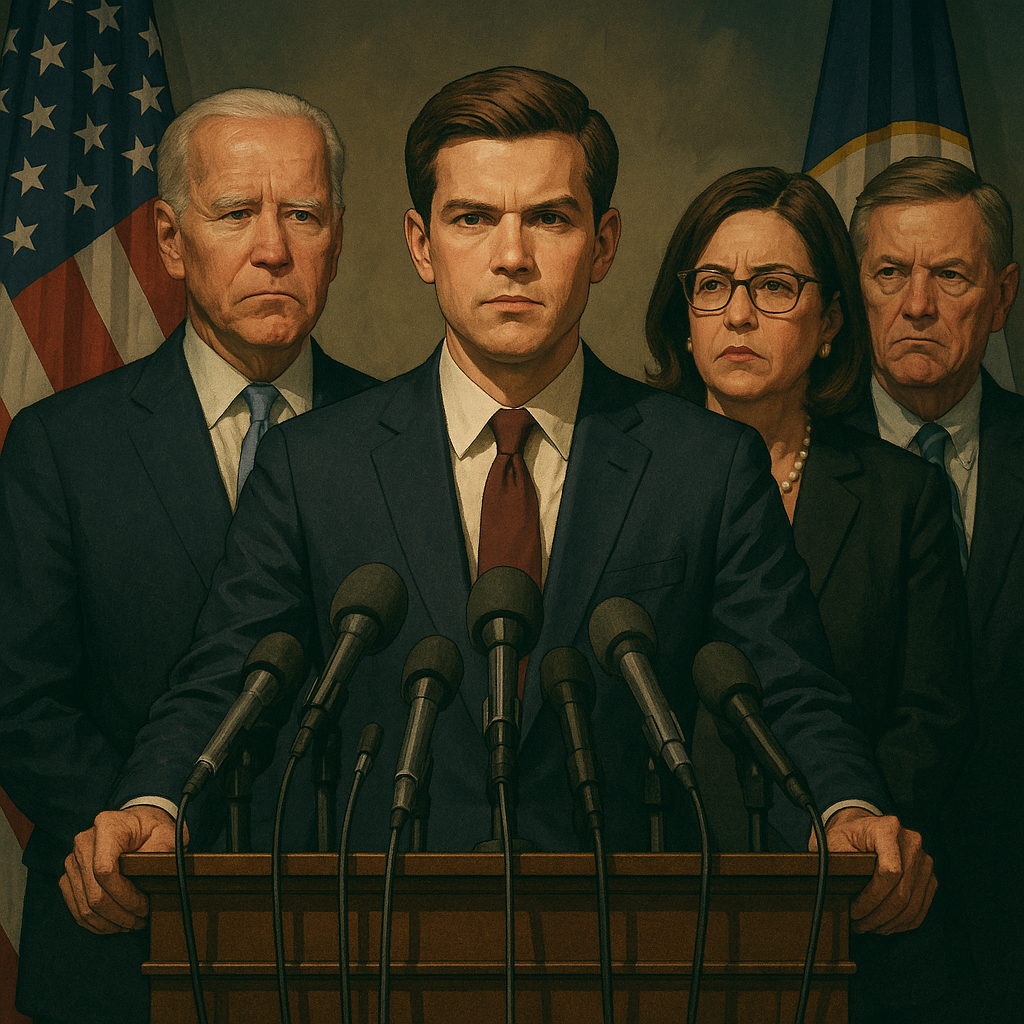
Youthful leader driving Biden’s bipartisan wins in Congress

Under the surface of the Biden administration’s legislative accomplishments, a profound power struggle continues to define the shape of American governance. Despite navigating one of the most narrowly divided Congresses in history, President Joe Biden and the Democratic Party managed to secure a series of landmark wins in the first two years of his presidency. These successes—ranging from bipartisanship on infrastructure, gun safety, and same-sex marriage to partisan efforts on climate policy and healthcare—serve as a testament to the strategic navigation of a tumultuous political landscape. Yet, beneath these achievements lies a crucial question: how do these decisions, often driven by fragile alliances and internal compromises, actually shape the lives of ordinary Americans? And who ultimately holds the real power behind these legislative corridors?

The Biden team’s ability to rally diverse factions highlights a critical facet of contemporary politics: the delicate art of coalition-building in an era when ideological divisions threaten to fracture consensus at every turn. Political theorists like Hannah Arendt and Leo Strauss have long argued that government is ultimately a theater for contesting authority—where decisions are never merely bureaucratic, but fundamentally about who holds the power to decide. Despite claims of bipartisan virtue, many of these “wins” are rooted in pragmatic negotiations that often leave core ideological principles on the cutting room floor. For instance, bipartisan agreements on infrastructure and gun safety bills—while portrayed as victories for the people—are often the result of compromises that dilute their intended impact. The real question is whether these legislative actions reflect the public’s will, or if they are a showcase of political acumen in the game of authority.

Meanwhile, the party-line bills—particularly those tackling climate change and expanding health care coverage—highlight the fundamental struggle within the Democratic Party for ideological dominance. These initiatives demonstrate the prioritization of a progressive policy agenda, sometimes at the expense of broader national consensus. The legislation is often driven by internal pressures from left-wing factions seeking to cement progressive footprints, thereby asserting control over the legislative narrative. Such moves evoke evocative parallels with early 20th-century reform efforts, where elite factions used policy as a battleground for influence. The outcome, however, remains a matter of contestation: will these initiatives truly empower the people, or serve as instruments for establishing a new political order?

As the midterm elections approach, the stakes become ever clearer: the power struggles are not just about policies, but about who writes the destiny of the nation. The decisions made—whether for sweeping reforms or incremental change—are the brushstrokes on the canvas where history is painted. The lesson from history is unmistakable: politics is less about the parties or policies, and more about the struggles for authority that define the fate of nations. Ultimately, as dominant political theorists have observed, politics is an arena where the fate of the collective is forged—where the decisions of today carve the destiny of tomorrow. As citizens, understanding this power dynamic is essential; for it is on this stage that history is written, and the future is determined.

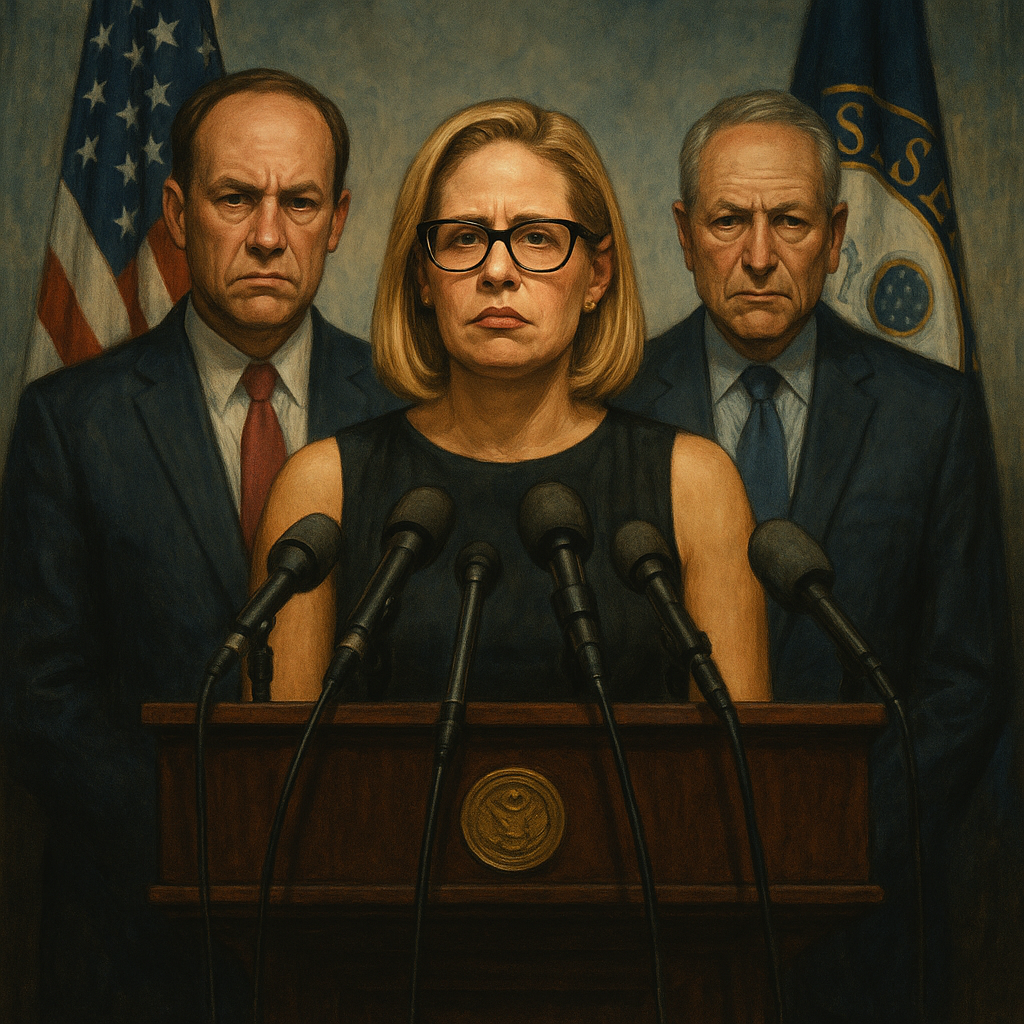
Sinema’s move tightens Democrats’ 2024 Senate race prospects

The political landscape in the United States is once again witnessing a moment of seismic change. Arizona Senator Kyrsten Sinema made headlines on Friday by formally declaring her independence, thereby reshaping the intricate balance of power in the Senate. Traditionally, the Senate has been divided between the two major parties, but Sinema’s decision underscores a picture where ideology often takes a secondary role to strategic positioning and power dynamics. Despite shifting away from the Democratic Party, she continues to caucus with them, ensuring their narrow majority, yet her move has significant implications for how party loyalty and political allegiance are perceived in contemporary governance.

Sinema’s defection is emblematic of a broader power struggle over control of agenda-setting and legislative influence. Historically, party cohesion has been a cornerstone in passing any substantial policy, especially within a closely divided Senate. Her shift threatens to fray this cohesion, symbolizing a potential divergence within the Democratic caucus. This is reminiscent of the internal divisions faced by the Republican Party during the rise of figures like Senator John McCain, who often prioritized independent judgment over party loyalty. Such moves challenge the classic dichotomy of left versus right, revealing how personal conviction and strategic survival often eclipse ideological orthodoxy in high-stakes politics. In this case, Sinema’s action exemplifies how individual agency can destabilize the delicate equilibrium of power necessary to enact major reforms.

This shift also raises profound questions about how decisions in the upper chamber ripple down to impact the everyday lives of Americans. The Senate’s composition directly influences critical battles over

  • economic policy
  • immigration reform

and

  • judicial appointments

. When party loyalty fragments, legislative inertia increases, potentially stalling the very reforms promised to voters by both sides. For many pundits and political theorists, this scenario echoes the constitutional struggles during the founding era, where the balance of power was meticulously designed to prevent tyranny while enabling effective governance. Sinema’s move exemplifies how modern political actors strategically navigate these constitutional tensions, often at the expense of unified national progress.

Indeed, such internal conflicts underline the timeless contest of who truly holds authority and influence in American democracy. This power struggle is not just about individual ambitions but about who writes the destiny of the nation. As political analyst Bruno Leoni pointed out, sovereignty in a republic resides in the body politic, yet it is increasingly exercised through the shadowy negotiations among a handful of powerful figures who manipulate party structures. The pursuit of this authority—sometimes inscribed as pragmatic compromise, other times as Machiavellian maneuvering—continues to define the fabric of U.S. politics. Sinema’s decision—whether a plea for independence or a calculated game—is another chapter in the ongoing saga of power, ideology, and destiny.

As the lights dim on one alliance and bright on another, the stage is set for a future where the very notion of political loyalty is in flux. The question remains: who will determine the course of the nation’s history—those who stay true to rigid party lines, or those who maximize their influence through shifting allegiances? In this grand theater of power, the actors craft not just policies but the very legacy of a nation poised perpetually on the brink of transformation—forever awaiting the next act where the pen wielded by the political maestro writes the future in strokes of power and principle alike.

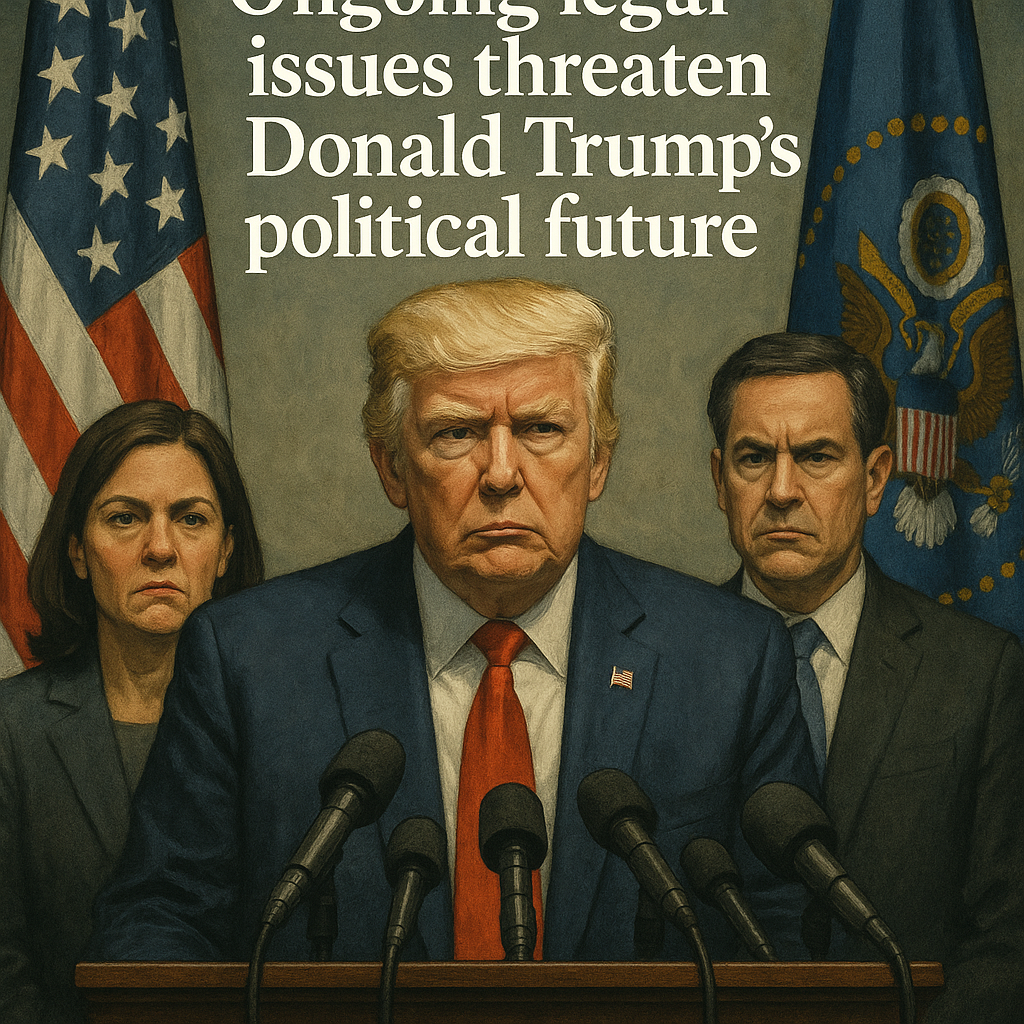
Ongoing legal issues threaten Donald Trump’s political future

In the ever-evolving theater of American politics, former President Donald Trump once again emerges as a central figure, announcing his bid for the White House amid a landscape rife with power struggles, ideological clashes, and constitutional debates. This move signals a potential reset of the Republican Party’s trajectory, emphasizing a return to core conservative principles that have galvanized his base. Yet, it also underscores an intense competition for influence within the party’s future, where who controls the narrative could determine the electoral outcomes and policy directions of the nation.

This renewed campaign-place has starkly illuminated intra-party tensions, highlighting the ideological cleavages among conservatives and libertarians, and the influence of populist rhetoric. Navigating this terrain demands an understanding of the power dynamics at play. Critics argue Trump’s return signals a resistance to the political establishment, a drive to reclaim populist sovereignty rooted in traditionalist values, and an unwavering belief in the notion that the government’s role is to serve the people, not bureaucrats. However, entrenched party elites and mainstream media outlets push back, framing his bid as disruptive — a challenge to the bipartisan consensus that often blurs patriotic priorities with entrenched interests.

Historically, political power struggles have always centered on who controls the levers of influence and how decisions impact the populace. The current landscape echoes the volatile shifts seen during the Gilded Age or the tumultuous 1960s, where the contest for American identity was fought on the battlegrounds of policy, culture, and constitutional authority. Critics of Trump’s campaign highlight the constitutional tension surrounding executive authority, free speech, and election integrity, with some legal scholars raising concerns about the implications of his rhetoric for democratic stability. Yet, his supporters argue that he embodies an authentic voice of frustration among the American electorate—an agent challenging the status quo and reaffirming their belief that politics is about shaping the destiny of a nation.

Echoing the words of political philosopher Lord Acton—“Power tends to corrupt, and absolute power corrupts absolutely”—these battles over influence are not merely about personalities or policies but are strategic chess moves that determine the contours of American sovereignty. Whether Trump’s bid will alter the balance of power, or whether new trajectories emerge from within the party itself, remains uncertain. However, what is clear is that the stage is set for a decisive clash—where every decision, every rally, and every legislative push rewrites the very narrative of the nation’s future. Political destiny, after all, is written in the crucible of conflict, where the true power lies not in the office held, but in the vision for the country’s soul.

Social Media Auto Publish Powered By : XYZScripts.com