
TRENDING NEWS





Truth Over Trends, always!

In an era where media industries are increasingly intertwined with geopolitical interests, the recent mishaps in the HBO Max re-release of Mad Men serve as a stark reminder of the global influence of cultural products. The decision to restore this groundbreaking series in 4K has rekindled popular interest and demonstrated how entertainment can shape societal perceptions, even amidst technical pitfalls. Yet, behind these glossy remasters lies a larger narrative—one of technological dominance, international competition, and the relentless quest for cultural supremacy.
Historically, the television industry has played a pivotal role in shaping national identities and soft power, especially as countries seek to project influence internationally. The controversy surrounding the HBO Max restoration—episodes being out of order, visible crew members, and social media viral moments—highlight an underlying tension: the importance of maintaining cultural artifacts with precision and care. This isn’t simply about entertainment; it is a reflection of who controls the narratives and how societies see their past. Critics such as international media analysts argue that these seemingly trivial errors symbolize a broader crisis: the encroachment of global corporations into culturally sensitive domains, often at the expense of authenticity.
Moreover, the mishandling of Mad Men’s re-release mirrors earlier incidents, like the infamous Starbucks coffee cup incident in Game of Thrones’s final season. Despite the humorous viral response, it underscored how international media conglomerates often prioritize quick fixes over meticulous quality control, thereby impacting their credibility on the global stage. This pattern is not merely a matter of poor editing but an illustration of the pressures faced by multinational entities under the specter of hyper-competition. How these errors are perceived internationally can influence perceptions of a nation’s technological capability and geopolitical standing. According to global media watchdogs, such lapses—while seemingly superficial—can serve as symbols of declining standards and international vulnerability.
Yet, the story extends beyond media missteps to a broader geopolitical narrative. Historians and analysts observe that cultural dominance is a strategic component of soft power, especially in the context of U.S.-China and Russia rivalry. As China invests heavily in exporting its media and cultural products globally, Western firms face mounting pressures—and scrutiny—in safeguarding their cultural heritage. The errors in restoring classic shows, though minor, may be exploited by adversaries to question the robustness of Western technological and cultural leadership. It underscores that every digital misstep is more than an operational flaw; it is a part of the ongoing struggle to define the global narrative.
In the final analysis, the unfolding saga of HBO Max’s restoration errors embodies the high-stakes nature of cultural preservation in a fractured world. Every glitch, every mislabeled episode, echoes the tension between technological innovation and international influence. As history continues to unfold, it is vital to recognize that these seemingly small moments—like crew members manning fake vomit machines—are, in fact, emblematic of much larger conflicts. The weight of history remains heavy on this digital stage, as nations and societies grapple with their place in an ever-changing geopolitical landscape, where control over cultural artifacts may ultimately determine the future of soft power in the 21st century.

In the rapidly evolving landscape of artificial intelligence (AI), Amazon Web Services (AWS) is strategically positioning itself to redefine enterprise cloud computing. While the company’s notable $8 billion investment in Anthropic garnered headlines, AWS’s broader initiative—focused on in-house foundation models, innovative chips, expansive data centers, and autonomous agents—is equally poised to disrupt the industry. According to AWS CEO Matt Garman, these cutting-edge offerings aim to cement AWS’s leadership by integrating AI as a core feature within enterprise applications rather than isolated experiments, signaling a transformative shift in how businesses deploy AI-driven solutions.
AWS’s latest innovations, announced at this year’s re:Invent conference in Las Vegas, exemplify a strategic plunge into AI infrastructure and application development. The company unveiled its Nova series of cost-efficient AI models, addressing the pressing demand for affordable yet robust AI solutions. Additionally, new autonomous agents capable of handling sophisticated cybersecurity and software development tasks—truly embodying the disruptive potential of AI—are set to elevate AWS’s value proposition. Moreover, with the launch of Forge, a platform that enables enterprises to train AI models on their proprietary data at reduced costs, AWS is emphasizing a tailored, secure, and economically viable approach to AI integration across industries.
This aggressive push not only underscores AWS’s belief in delivering reliable and affordable AI services but also highlights its strategy to embed AI deeply into enterprise ecosystems. Garman emphasizes that AI is no longer just a stand-alone tool but a pervasive feature embedded within large-scale applications—a trend that analysts like those at Gartner have identified as a pivotal shift towards AI-native software. By providing AI as an integrated, platform-based service, AWS aims to outpace rivals like Microsoft and Google, who are also making heavy bets on AI but often struggle with the same level of cloud-embedded innovation.
Nevertheless, the competitive landscape remains fierce, prompting questions about AWS’s long-term ability to sustain its momentum. Many seasoned industry observers note that Microsoft and Google are not idly watching AWS’s moves; instead, they are rapidly advancing their own AI capabilities. Yet, AWS’s strong third-quarter results signal that its current trajectory is resonating with enterprise clients seeking dependable, scalable, and cost-effective AI solutions. As enterprises increasingly expect AI to work seamlessly within their existing cloud infrastructure, AWS’s integrated approach positions it as a formidable leader. Future industry analysts, including those at MIT and leading tech investors like Peter Thiel, emphasize that this era of cloud-AI convergence is defining a new competitive frontier—where swift, relentless innovation will determine which giants dominate in the next decade.
Looking ahead, the challenge for AWS—and for the entire cloud industry—is to sustain this innovation push and to navigate the profound implications of AI’s integration into everyday business operations. As the AI revolution accelerates, those companies that embed AI deeply within their ecosystems today will likely emerge as the dominant players of tomorrow. The urgency for incumbents like AWS to maintain an aggressive and forward-thinking strategy has never been more critical, as the industry anticipates a future where AI is not just a feature but the foundation of all digital enterprise. As market shifts intensify and the AI arms race heats up, the next few years will undoubtedly be pivotal in determining the true innovator’s crown.
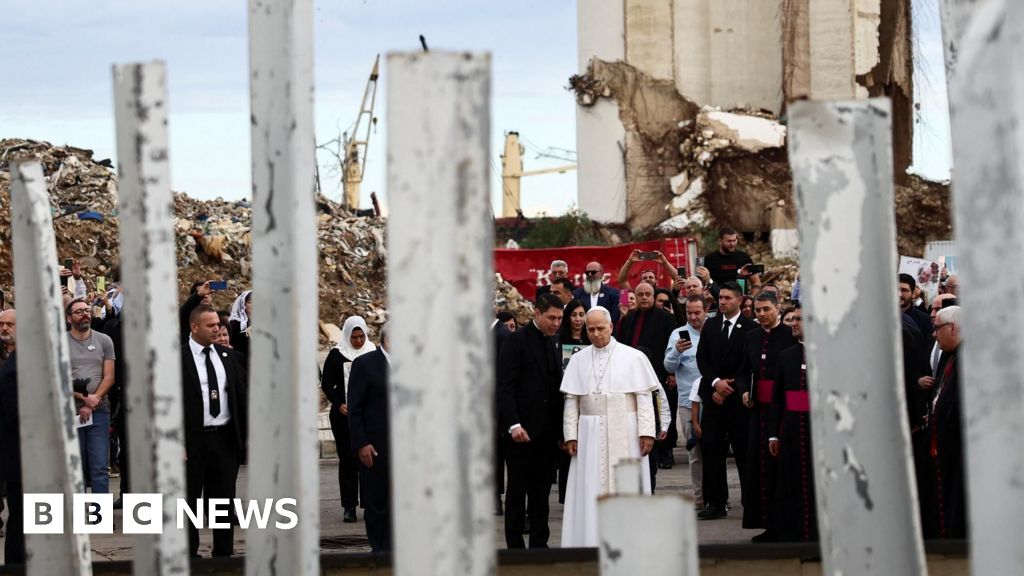
In a poignant act of remembrance and call for justice, Pope Leo XIV concluded his recent visit to Lebanon with a silent prayer at the site of the devastating Beirut port explosion. This tragedy, which struck in August 2020, claimed 218 lives and left an indelible scar on the city’s fabric. The Pope’s failure to condemn the gross negligence involved in storing nearly 2,750 tonnes of ammonium nitrate without proper safety measures highlights the worldwide concern over accountability and governance in fragile states. Derided by critics as symptomatic of endemic corruption, this disaster exemplifies how failed leadership can escalate into humanitarian crises that ripple across borders, affecting regional stability and international perceptions of Lebanon.
The ongoing struggle for justice reflects a broader crisis of governance that continues to undermine Lebanese sovereignty and social cohesion. Victims’ families, such as Cecile Roukoz and Tatiana Hasrouty, are voicing frustrations that their pleas have fallen on deaf ears, hindered by a political elite more intent on self-preservation than addressing structural failures. Analysts from the International Crisis Group warn that such impunity not only erodes public trust but also emboldens regional actors with vested interests in Lebanon’s instability—an issue impacting neighboring countries and international peace efforts. The failure to prosecute those responsible redefines the crisis as one of moral decline and lost opportunity for reform, which risks devolving into an enduring cycle of chaos and despair.
Meanwhile, Lebanon remains under the shadow of division and conflict. Since the last papal visit in 2012, the nation has been battered by compounded crises including an unprecedented economic depression that plunged millions into poverty, widespread protests, and the aftermath of a lengthy war involving Hezbollah and Israel. A fragile ceasefire now holds, but persistent Israeli strikes targeting alleged Hezbollah rearmament threaten to unravel these diplomatic gains. How the Lebanese political system navigates these unresolved issues will decisively shape their future, and perhaps, their very survival. The international community is calling for structural reforms and renewed efforts at reconciliation, but their requests are often dismissed or delayed, fueling skepticism about real change.
This turmoil is not isolated; it embodies a broader geopolitical contest, with Iran backing Hezbollah and Israel defending its borders, all within a region where external powers jockey for influence. As security analysts warn of a potential escalation, the stability of Lebanon becomes a litmus test for regional peace, with the global implications of unchecked conflict growing starkly evident. The echoes of history are loud, and the delicate balance of power teeters on the brink—each decision made by leaders has profound consequences for the daily lives of Lebanese citizens and the wider Middle Eastern landscape. Today, as Lebanese households grapple with economic hardship and uncertainty, the weight of geopolitics looms heavy, reminding the world that the pages of history continue to turn—sometimes silently, sometimes with the ominous roar of war.

As the final weeks of the regular season draw near, Week 14 holds significant implications for teams across the league. The latest rankings have set the stage for a thrilling conclusion, where every game could alter playoff chances. Coaches, analysts, and players alike are gearing up for what promises to be a monumental week.
Among the teams to watch, The Tigers have surged to the top of the rankings, showcasing a remarkable turnaround under the leadership of Coach Linda Harper. Commentators have noted that the team’s defensive strategy has been evolving, making them a formidable opponent in the final stretch. Key players such as quarterback Jason Clark have been pivotal, racking up an impressive 250 yards per game over the last three matches.
However, it’s not just the top teams that are vying for recognition; The Spartans are also making noise as potential dark horses. With a resilient mentality fostered by Coach Mark Dawson, the team has identified its own set of key X factors that will play a crucial role in determining outcomes. Player development has been exceptional, particularly in the case of rising star Emily Grant, who has averaged 8 tackles per game over the past month.
As week 14 unfolds, one thing becomes clear: sports are more than just scores and statistics; they are a mosaic of human endeavor and spirit. Each game not only fuels rivalries but also brings communities together, fostering camaraderie and passion that transcends the scoreboard. In this electrifying atmosphere, fans can expect to witness moments of brilliance and narratives of perseverance that define the essence of sports.

In a remarkable display of civilian unrest, Bulgaria is currently experiencing one of the most significant upheavals in its recent political history. Massive protests swept through Sofia and other major cities, ignited by widespread dissatisfaction with the nation’s proposed 2026 budget. Public outrage centers around allegations of entrenched government corruption and economic mismanagement, which have, over time, eroded trust in the political elite. The protests, which included thousands of young citizens and civil advocates, marked the largest mobilization since Bulgaria’s post-communist transition, signaling a turbulent crossroads for a country that, despite recent economic reforms, remains vulnerable to internal dissent.
What stands out in this unfolding chaos is how the Bulgarian government has responded—first attempting to push through a contentious budget plan that many saw as a means to bolster corrupt practices and increase taxes. The draft budget, which was to be Bulgaria’s first delivered in euros following its recent accession to the Eurozone, was met with fierce opposition. Critics argued that the plan aimed to conceal crimes of the ruling coalition and threatened the fragile social fabric of a nation plagued by inflation fears and economic disparities. In an ultimate concession to mounting pressure, Bulgaria’s government announced it would abandon the plan, a move seen by many analysts as a victory for the protesters but a symptom of deeper systemic issues. Yet, the underlying challenge remains: how does a nation reconcile its desire for economic stability with the deep-seated corruption that continues to undermine rule of law?
Historical analysts and international organizations have warned that Bulgaria’s political landscape is extremely volatile. The country, often characterized as the EU’s “poor cousin,” has experienced a succession of short-lived governments since 2020, each promising reform, yet delivering little tangible change amid allegations of mafia influence and unchecked corruption. The European Commission and various watchdog groups have called for stronger oversight and judicial independence, emphasizing that the nation’s stability hinges on its ability to defend democratic institutions. As protests spilled into violence—masked demonstrators attacking party offices, setting bins ablaze, and clashing with riot police—the Bulgarian President, Rumen Radev, condemned the violence but also accused “provocation by the mafia,” framing the uprising as a fight against entrenched illicit power structures. His call for resignation and early elections echoes across the political divide but underscores the urgent need for systemic reforms that go beyond mere façade.
As the nation stands at this pivotal juncture, the worldwide community watches with bated breath. The decisions made in the coming weeks will dramatically influence Bulgaria’s political trajectory and its role within the European Union. The chaos underscores how longstanding corruption and economic disparities can ignite a populace’s collective rage, threatening the fragile consensus that sustains democratic governance. With the government promising a new budget process, the weight of history presses heavily on Bulgaria’s shoulders. Will it succumb to internal chaos, or will it forge a path toward genuine reform? What remains undeniable is that the outcome will shape the future of Bulgaria’s society and its journey toward integration within enduring European institutions. Like a storm gathering on the horizon, the unfolding story is a stark reminder that history’s pen still writes—sometimes in chaos, sometimes in hope, but always, inexorably, in action.

In a noteworthy development that underscores the complexities of international diplomacy, South Africa finds itself at the center of a burgeoning controversy involving illegal recruitment of its citizens by foreign military forces. Recently, a prominent radio presenter, Nonkululeko Patricia Mantula, appeared in court facing charges linked to the alleged facilitation of the recruitment and travel of South Africans to join Russian military forces. This arrest marks a critical point in a series of escalating efforts by South African authorities to clamp down on citizens being lured into foreign conflicts—particularly amid Russia’s ongoing confrontation with Ukraine.
The geopolitical impact of these developments extends beyond South African borders. Analysts emphasize that the recruitment of foreign fighters by Russia complicates the broader geopolitics of the Ukraine conflict, with Russia seeking to bolster its forces through an international pool of mercenaries. At the same time, Western nations and Ukrainian authorities have expressed concern over the influx of foreign nationals being used as pawns in a proxy war. These efforts appear to be part of a larger strategic move by Russia to undermine Western influence and extend its military reach with the help of destabilized and economically vulnerable societies like South Africa.
Many national and international voices, including well-respected security analysts and international organizations, warn of the long-term consequences of foreign engagement in conflicts like Ukraine. Especially in a country like South Africa, where social issues such as unemployment are pervasive, the lure of high-paying military contracts often obscures the deadly realities. The case of Mantula and others involved finally puts into focus the dangerous movie of foreign interference and recruitment drives, which threaten the stability and sovereignty of nations. History has shown that allowing foreign mercenaries to operate within national borders often leads to long-term destabilization, undermining local governance and social cohesion.
Ultimately, this unfolding drama leaves an indelible mark on the record of modern history—a stark reminder of how individual choices, driven by poverty and manipulated by global powers, can influence the balance of international sovereignty and security. As South African authorities continue their investigations and diplomatic efforts, the world watches, mindful that the outcome will not merely define the fates of a handful of citizens but will also chart the course of global conflict, sovereignty, and the limits of national authority. The weight of history remains heavy on this fragile point where personal and national destinies intersect in the shadow of a widening geopolitical struggle—an ongoing saga that may yet redefine the contours of future conflict.

In a world increasingly captivated by the illusions of progress and the relentless march of modernity, culture remains the sacred custodian of identity, tradition, and societal cohesion. It echoes the words of Ortega y Gasset, who observed that a people’s culture is the reflection of their very soul — an intricate tapestry woven from history, art, and shared narratives that define who they are. Today, as global influences threaten to drown out local traditions, this truth has never been more vital. It is in our cultural expressions — our films, our literature, our music — that we find the essence of our collective memory, anchoring us amidst the chaos of rapid change and moral relativism.
Yet, this guardianship of cultural identity comes with its sacrifices. The story of Jafar Panahi, the renowned Iranian filmmaker, is a testament to how deeply culture is intertwined with the struggle for truth and integrity. Panahi’s work—born from a desire to depict reality free from oppressive censorship—transcends borders, recognizing that art’s highest calling is to uphold the dignity of human experience. His recent win at the Gotham Awards, amid the shadow of a prison sentence, symbolizes more than artistic achievement; it signifies a silent, defiant chorus of intellectual resistance. Panahi’s resilience echoes G.K. Chesterton’s assertion that “censorship is the traitor’s weapon, designed to muzzle the voice of the people”. His clandestine filming of It Was Just An Accident, depicting the brutal realities inflicted by authoritarian regimes, exemplifies the profound courage required of those who risk everything for the sake of truth.
Culture, in this context, stands as a formidable bulwark against the erosion of human dignity. It is the moral fabric that sustains a society, offering a mirror to its virtues and vices, its hopes and fears. Through the fearless voices of artists like Panahi and his contemporaries, we are reminded that history is replete with lessons of those who preserved their nation’s spirit despite relentless repression. The philosophical musings of T.S. Eliot, who urged us to remember that “what we have inherited is not only a past but a prophecy,” articulate the profound truth that cultural memory is also a prophecy of future resilience. Our shared artistic endeavors—be they films, music, or literature—are not merely echoes of yesterday; they are the foundation upon which tomorrow’s citizens will rebuild their identity when all else is lost.
At a moment when the world’s narratives threaten to strip away tradition in favor of the ephemeral, it remains essential to recognize that the true power of culture lies in its enduring ability to inspire a society’s enduring moral purpose. It is the prophetic voice whispering through generations, asserting that human dignity, rooted in shared heritage, will persevere against the forces of repression and decay. As the poet T.S. Eliot observed, we are not merely creatures of memory but architects of the future, with culture serving as both our archive and blueprint. In this sacred role, it offers a timeless vision: that humanity, with all its contradictions, is ultimately a destined pursuit of truth, beauty, and order. And in that pursuit, the human spirit finds both its memory and its prophecy, echoing through eternity as a testament to the enduring nobility of tradition and the everlasting hope of renewal.
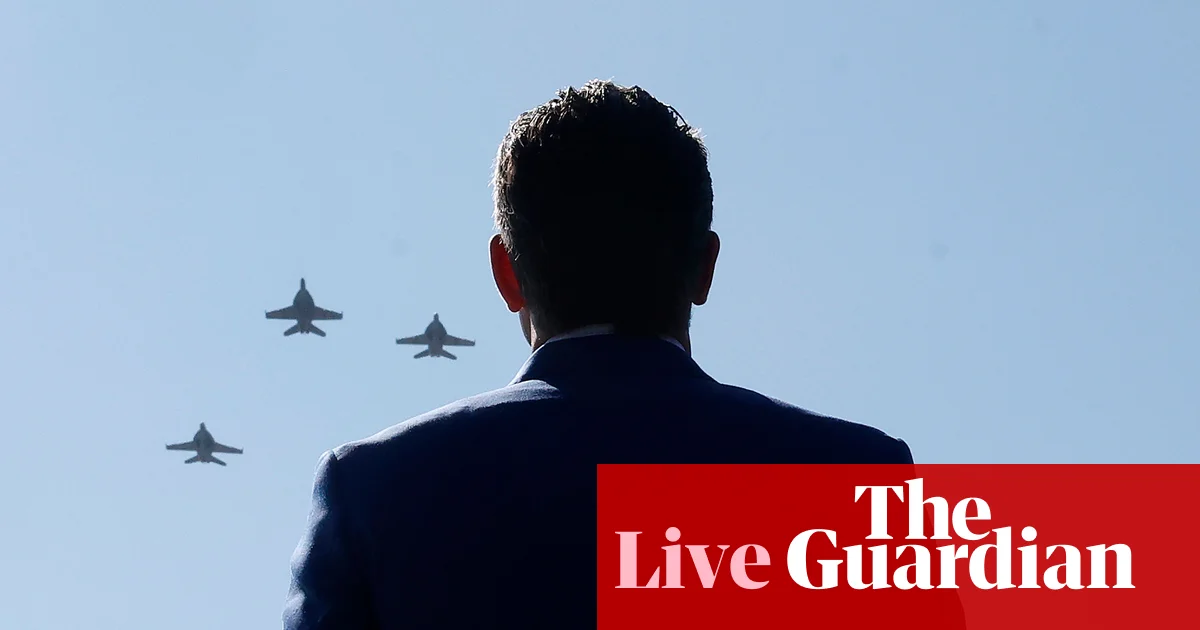
In a development that underscores the mounting tensions between **United States** and the broader international community, recent military actions in the Caribbean and Pacific have ignited a fierce debate about legality, sovereignty, and the very nature of modern warfare. According to reports, a **US Navy** commander ordered a second round of strikes on an alleged Venezuelan drug vessel on September 2, a move that has drawn sharp criticism with echoes of Cold War-style proxy conflicts. This strike, which aimed to eliminate what the **US** claims was a threat linked to drug trafficking, resulted in a series of complex repercussions both within **America** and in its relations with regional nations, especially **Venezuela**.
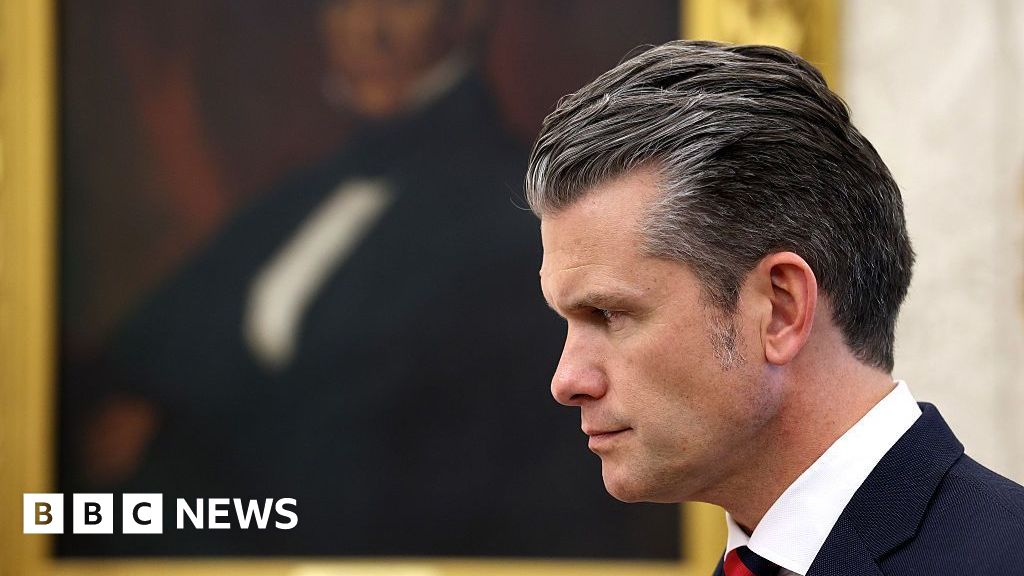
While **White House** officials distanced **Defense Secretary Pete Hegseth** from direct orders for the raid, press secretary Karoline Leavitt confirmed that Hegseth authorized the military engagement but denied allegations of a war crime—specifically, the report suggesting he ordered the killing of all individuals aboard the vessel. Critics, including numerous international legal experts and human rights advocates, have questioned the legality of these strikes by pointing out the absence of concrete evidence and the potential violation of international law. Historians warn that such unchecked military actions could set a dangerous precedent, undermining sovereignty and international norms that serve as the foundation of global stability.
The incident highlights a critical turning point in US military policy, as the Trump-era administration has continued its aggressive stance in counter-narcotics, employing unorthodox methods often justified by the perceived threat of drug trafficking organizations. US authorities assert that since September, at least 83 individuals have been killed in similar strikes targeting alleged trafficker vessels, primarily in the Caribbean Sea and eastern Pacific. However, these operations have faced mounting scrutiny, with international organizations such as the United Nations raising concerns over their legality and proportionality. Many geopolitical analysts argue that these actions risk unravelling the delicate balance of power, especially amid rising tensions with **Venezuela**, whose government fiercely denies any involvement in drug trade.
As **international organizations** and **regional nations** watch with mounting alarm, the **geopolitical impact** of these actions could be profound. A military approach rooted in aggressive strikes risks fragmenting alliances, sparking retaliation, and igniting new conflicts in an already volatile region. As scholars like Dr. Laura Simon warn, “If unchecked, this trajectory could lead to a scenario where sovereignty is eroded, and the US’s role as a global enforcer becomes increasingly questionable.” The weight of history hangs heavy as **America** navigates this precarious shadow of military intervention, where every decision echoes across borders, shaping the future of international law and security. With each new strike and probe, the narrative of power, legality, and morality continues to unfold—a story written in the blood and resilience of nations striving to define their place in an unpredictable world.

Amidst the rapid pace of demographic changes and social tensions in the UK, a significant cultural shift is underway, emphasizing the importance of financial literacy for the nation’s youth. The recent reforms to the national curriculum aim to equip primary and secondary school pupils in the south of England with essential knowledge about budgets, mortgages, compound interest, and money management. Such initiatives reflect a broader societal recognition that future generations must be prepared not just academically but practically for the economic realities that await them. The decision to table these lessons by 2028 underscores a proactive response to social issues that have long plagued families and communities—namely, the damaging effects of financial illiteracy.
In places like Queen’s Park Academy in Bournemouth, children are already demonstrating a savvy approach to their finances, understanding that “money doesn’t grow on trees” and that earning and managing money are vital life skills. Principal Sarah Simmons emphasizes that fostering financial literacy from a young age can prevent lifelong struggles with debt and poor financial decisions. Sociologists such as Dr. David Graeber have long argued that financial literacy is intertwined with social justice, empowering individuals to escape cycles of poverty and dependency. These lessons aim to build a foundation so that families are less likely to fall prey to predatory lending or credit traps, which disproportionately harm the most vulnerable members of society.
However, the shift has not been without challenges.
Nonetheless, advocates like Sarah Porretta of Young Enterprise contend that financial education must be regarded as a fundamental human skill—just as vital as literacy and numeracy. Her organization emphasizes that teachers need support to develop confidence when addressing complex topics such as credit, debt, and investment. For communities, schools act as critical pillars where moral and ethical discussions about consumption, responsibility, and wealth distribution can be fostered, directly shaping how families navigate the economic landscape.
At institutions like the Leaf Studio Academy in Bournemouth, even specialized sports and arts-focused schools already recognize their responsibility to prepare students for life’s financial realities. Headteacher Tim Clark states, “If we don’t teach them about credit and debt, we are doing them an absolute disservice.” Such perspectives reflect a societal understanding that the health of our communities depends on educating our youth about the human impact of financial choices. As educators and social commentators echo this call, society faces a moral imperative to ensure that financial literacy becomes a universal standard, promising a future where informed decision-making reduces inequality and social division.
Society’s challenge today is not only to teach financial concepts but to foster an environment where ethical considerations and human dignity are central to economic discussions. As historian Yuval Noah Harari suggests, we are living in an era where the stories we tell ourselves about success and consumption shape our collective future. The hope persists that through collective effort—from policymakers to educators and communities—we can forge a society where every family has the tools to thrive, and social mobility is real and attainable. The pupils of tomorrow will inherit not just a currency, but a society that values competence, responsibility, and compassion. With education as their ally, society might yet transform into a place where the cycle of financial hardship is broken, giving way to a generation united in resilience and hope—ready to face the future with clarity and moral courage.
In a move that underscores the increasingly aggressive stance of the United States in the Caribbean and Latin America, a series of controversial naval strikes have reignited international debate over sovereignty, legality, and Global security. Last month, the White House confirmed that a top US Navy commander ordered a second missile strike against what it alleged to be a Venezuelan drug-trafficking vessel. The incident, part of a broader anti-narcotics initiative, has raised fundamental questions about the legality of extrajudicial military operations in international waters. While U.S. officials defend these actions as necessary for national security, legal experts and foreign nations warn of dangerous precedents and regional destabilization.
The geopolitical impact of Washington’s expansion in the Caribbean is profound. As the U.S. increases its military footprint, especially off the coast of Venezuela, it sends a clear message: American interests in the region are non-negotiable. The Biden administration, continuing the policies of the previous Trump government, emphasizes that these strikes are acts of self-defense designed to disrupt drug trafficking networks responsible for flooding the U.S. with illicit substances. However, critics, including seasoned international analysts, argue that the proliferation of such strikes—often accompanied by grainy media footage devoid of concrete evidence—threatens to undermine longstanding norms of law and order in maritime conduct. The deployment of military force in such circumstances, especially with reports suggesting some mustered survivors were killed after initial attempts to rescue them, complicates the interpretation of international humanitarian law.
In the ongoing political saga, Venezuela sharply condemns these actions, accusing the U.S. of stoking regional tensions and pursuing a covert agenda to overthrow its government. Venezuelan authorities have announced investigations into the strikes, asserting that the U.S. operations violate sovereignty and international law. In an interview with BBC Newsnight, Venezuela’s Attorney General, Tarek William Saab, attributed U.S. hostility to “great envy” for Venezuela’s natural resources and called for diplomatic dialogue to de-escalate tensions. Meanwhile, President Nicolás Maduro remains defiant, maintaining that Washington’s accusations about his government’s involvement in drug trafficking are baseless and politically motivated. Despite diplomatic overtures, including a recent brief phone call between Donald Trump and Maduro—where the U.S. leader reportedly pressured him to resign—the situation remains volatile, with no signs of immediate reconciliation.
Across the U.S. legislative landscape, bipartisan concern is mounting. The Senate Armed Services Committee has promised vigorous oversight, seeking evidence—including audio and video recordings—to clarify the chain of command and the legality of the operations. Chairman Roger Wicker states that the committee plans to interview the admiral in charge of the operation to determine if proper protocols were followed. The rules of engagement under international law, especially within a context defined as a non-international armed conflict, explicitly prohibit targeting wounded combatants or survivors, raising serious doubts about the legitimacy of the second strike, where reports suggest survivors were killed after initial attacks. Critics argue that these actions resemble the controversial “double tap” drone practices used during the Obama era—practices that drew widespread criticism for civilian casualties.
This unfolding crisis underscores a broader debate about America’s role as a regional enforcer and the limits of its military power. As expert voices and international institutions scrutinize these operations, the legacy of this period remains uncertain. Is the U.S. acting as a defender of law and order, or is it forging a dangerous precedent—one where maritime sovereignty is secondary to the pursuit of perceived national interests? With the weight of history bearing down on these decisions, the world watches anxiously, as the balance shifts at the crossroad of diplomacy and warfare, threatening to set a precedent that may echo through generations. The story remains unwritten, teetering on the knife’s edge of a new geopolitical era—one that could define the future of international relations for decades to come.


