
TRENDING NEWS





Truth Over Trends, always!
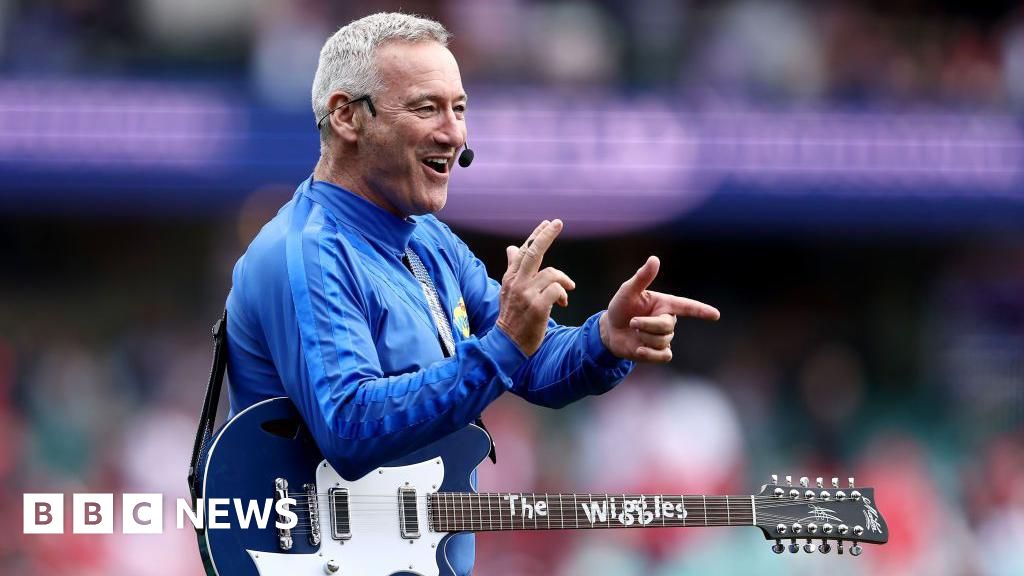
In an era where mass media and social platforms serve as both mirrors and magnifiers of society’s moral compass, the recent controversy involving the Australian children’s music group The Wiggles underscores a profound cultural truth: the importance of defending the innocence of tradition against disruptive influences. When two of its members appeared inadvertently in a music video seemingly endorsing drug use, the incident illuminated the fragile boundaries that separate the cherished innocence of childhood from the encroachments of modern entertainment’s moral ambiguity. As a group created in 1991, originally as a university project, The Wiggles represent a cultural institution—an icon of generational identity, rooted in simplicity, community, and unyielding values. Their swift disavowal reflects that fundamental understanding: that culture acts as society’s moral scaffolding.
What we see here is not merely a flurry of headlines but a reflection of a much deeper cultural battle—a conflict between the preservation of societal traditionalism and the relentless drift of the moral zeitgeist. Philosopher G.K. Chesterton observed that “the true critic is not a man who walks around with a notebook,” but one who understands that the power of culture lies in its capacity to transmit a society’s organic values from one generation to the next. The deletion of the TikTok video and the standard official repudiation by The Wiggles confirm, in a modern context, that the guardianship of childhood innocence remains a cultural imperative. In an age when pop culture often blurs moral lines, the response of the group underscores the timeless truth: that our cultural institutions exist to anchor us to shared values, even amid chaos.
Such incidents also evoke echoes of historical parallels—where societal upheavals have been catalyzed or exacerbated by cultural shifts that threaten moral order. Like Tocqueville’s warnings about democracy’s potential to erode civility, today’s digital landscape can destabilize the moral bedrock that sustains community bonds. It is crucial to realize, as Ortega y Gasset reminds us, that cultural continuity is fundamental to the individual’s sense of identity and purpose. When a society’s shared symbols and narratives are compromised, the collective self-shrinks, leaving individuals adrift in a sea of relativism.
Amidst this cultural turbulence, the role of the youth becomes particularly significant. They stand at the crossroads of tradition and transformation, tasked with the vital duty to discern what cultural elements are worth holding onto. As C.S. Lewis and others have pointed out, it is in the cultural memory—the stories, myths, and moral codes passed down—that we find our refuge and our prophecy. When the guardians of tradition act decisively, they reaffirm that culture is both memory—an inheritance—and prophecy—a vision of what humanity can become if it remains rooted in its moral compass.
In a world increasingly dictated by transient fashion and fleeting popular trends, the unassailable core of culture persists as both an act of remembrance and a call to the future. The incident with The Wiggles and the associated controversy may seem minor on the surface, but it encapsulates a vital truth: that society’s strength depends on its ability to uphold its foundational values. As T.S. Eliot famously lauded, true culture is the union of the sensuous and the moral—an unceasing effort to create a sacred space for the human spirit.
Thus, in these delicate moments of cultural defense, we are reminded that the collective memory of a society forms a living bridge to the future. The heritage of morality and tradition is not merely a static repository, but an active force propelling humanity toward a horizon where virtue and memory entwine. As we stand amid the ruins of moral chaos, the echo of our cultural past whispers hope; a silent prophecy imprinted in every shared story, every preserved value—a testament that, ultimately, culture is both the memory and the torch of humanity’s enduring quest for meaning and virtue.
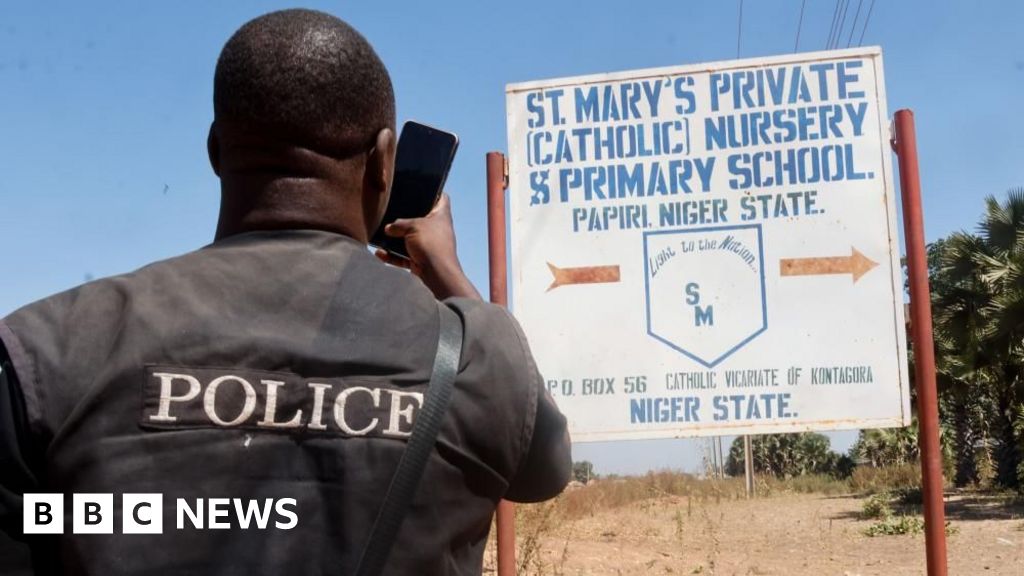
In the heart of West Africa, Nigeria continues to grapple with a daunting wave of insecurity that is reshaping its social fabric and altering the geopolitical chessboard. Over the past few weeks, mass kidnappings have become disturbingly routine, with armed groups—commonly termed bandits—exploiting Nigeria’s remote rural areas and fragile state institutions to execute daring abductions. The recent kidnapping of over 300 students from St. Mary’s Catholic School in Papiri, along with subsequent assaults on other schools and communities, underscores a worsening crisis that officials and analysts warn threatens to destabilize entire regions.
Despite official denials, reports from villagers like Aliyu reveal a narrative of fear and chaos, where parents are terrified to speak openly, fearing reprisals from kidnappers. The ghastly reality is that children as young as five are among the victims, often taken from soft targets such as private schools and farms. The insurgents responsible, including the notorious Islamic State of West Africa Province (ISWAP), operate within a complex web of ideological extremism and profit-driven motives. This resurgence, analysts say, is less about religious extremism alone and more about a lucrative trade in ransom kidnapping—a practice that funds further violence and sustains the cycle of insecurity.
However, the crisis extends beyond the battlefield. In a startling development, some remote communities in Nigeria’s northwest have resorted to peace deals with bandit leaders. These accords, driven by desperation, negotiate access to mineral wealth—particularly gold—and secure promises to cease hostilities and reopen schools. Such agreements, observed by security experts like David Nwaugwe, suggest a pragmatic, if alarming, shift in how insurgency is managed. While these informal peace arrangements have led to a *temporary* decline in attacks, they expose a larger geopolitical problem: how the Nigerian government’s inability to establish firm control has allowed criminal gangs to operate almost openly, fragmenting sovereignty and adding layers of complication to regional stability.
Moreover, these developments are prompting international concerns. U.S. President Donald Trump recently issued threats of military intervention, criticizing Nigeria’s inability to protect its Christian minority from Islamist violence. Such rhetoric, while potentially incendiary, underscores the increasing geopoliticization of Nigeria’s internal security issues. As nations debate whether to escalate or de-escalate, how Nigeria handles this crisis will significantly influence regional stability and global perceptions of Africa’s largest economy. With historical analysts warning of the danger posed by insurgency rippling across borders, the global community faces a stark choice: support Nigeria’s sovereignty and bolster its security capacity or watch as chaos undermines the continent’s stability.
As the weight of history presses down, Nigeria stands at a crossroads. Will it succumb to a cycle of violence and destructive peace deals, or will it forge a new path—one that upholds order and restores hope? The answer remains unwritten, buried within the unpredictable currents of a nation fighting for its future amidst a storm of violence and shifting alliances. The coming days will determine whether Nigeria can reclaim its sovereignty, or whether these dark clouds threaten to define an era of chaos and uncertainty, echoing the turbulent chapters of history yet to be written.

In recent years, national health initiatives have begun to shine a light on male health issues, but the problem of male infertility remains disturbingly under-researched and misunderstood. Despite men contributing to 50% of all infertility cases, families, educators, and communities alike are failing to recognize the significance of this silent crisis. Societies that neglect this aspect of reproductive health risk losing a pillar of their social fabric—families and the future generations they aspire to nurture. According to experts like Vaibhav Modgil, an honorary clinical professor and consultant urological surgeon, the ignorance surrounding male infertility is not just a medical issue but a social dilemma rooted in inadequate funding, misperceptions, and systemic neglect.
The lack of comprehensive education and public awareness translates into tangible hardships for families. When couples face infertility, women often become the focus of testing and treatment, while men are left without basic diagnostics or knowledge about how lifestyle factors—such as heat exposure, smoking, or poor diet—damage sperm quality. As Dr. Michael Carroll notes, the societal tendency to view fertility as exclusively a woman’s concern perpetuates outdated stereotypes and leaves men’s health issues in the shadows. This imbalance not only hampers effective treatment but also inflicts mental trauma on men who grapple with feelings of inadequacy or societal stigma—wounds that can run deep and affect community cohesion and individual well-being.
Efforts by public health officials to address this issue are emerging, with the recent publication of a Men’s Health Strategy that promises to catalyze change. However, critics argue that policy gaps and insufficient funding keep the problem entrenched. The National Institute for Health and Care Excellence is updating guidelines to recommend more extensive testing for men, but much more is needed. As social commentators have observed, the true challenge lies in shifting cultural perceptions—expecting society to acknowledge that men’s health matters equally and to confront the stereotypes that hinder access to care. Without a comprehensive approach that includes education, medical research, and community awareness, the cycle will persist, and families will continue to bear the emotional and financial costs of infertility.
Recognizing that health disparities affect entire communities, many argue for an urgent cultural transformation. As studies reflect, 80.6% of GPs have received no formal education on male fertility, and 97% cannot accurately examine for varicocele—yet, these are simple, treatable conditions within reach if adequate resources and awareness are in place. Reformative action would not only improve individual outcomes but also serve the broader societal goal of strengthening the family’s foundation. The societal narrative must evolve from viewing fertility solely as a woman’s issue to understanding it as a shared responsibility and societal concern—one that cuts directly into the moral fabric of community life, impacting young families’ hopes and futures. Hope lies in our collective will to understand, educate, and innovate; society’s strength will be measured by how effectively it supports its most vulnerable members both morally and practically, nurturing families rather than neglecting them in silence.

The tragic events in Stockton, California, where at least four individuals, including children, lost their lives during a mass shooting at a child’s birthday party, serve as a stark reminder of the persistent crisis gripping the United States. With ten others injured, the incident underscores how firearm violence continues to disrupt American communities, often in the most innocent of settings. Local authorities report that the shooter remains at large, and early indications suggest this may have been a targeted attack. The response of law enforcement and the community reflects a nation grappling with the devastating toll of gun violence, which has become an uncomfortably familiar aspect of American life.
Despite California’s reputation for some of the strictest firearm laws in the nation, recent legal developments reveal a significant decline in the effectiveness of those regulations. The 2021 federal court ruling overturning the state’s ban on assault weapons, including the AR-15, represents a critical turning point in the debate over gun rights versus gun control. Furthermore, the US Supreme Court’s decision in 2022 to strike down New York’s restrictions on concealed carry—deeming them unconstitutional—carried reverberations far beyond its initial jurisdiction. These legal shifts, analysts warn, threaten to weaken the relatively tight firearm regulations that California still upholds and undermine efforts aimed at reducing gun-related violence nationwide. Investigations into the Stockton shooting are ongoing, but the broader implications highlight how recent judicial decisions have emboldened advocates of expanded gun rights across the country.
The geopolitical impact of America’s internal crisis extends well beyond its borders. The ongoing debate over firearm regulations, and the controversial rulings that favor individual gun rights, resonate with other nations experiencing similar social upheaval. International organizations and security analysts note that such shifts embolden far-right movements and influence policies seen across parliamentary democracies, leading to a more volatile global landscape. As societies worldwide face radicalization, terrorism, and internal destabilization, the United States’ internal legal battles are viewed as a warning for fragile democracies. The role of international institutions, like the United Nations, increasingly emphasizes the need for laws that balance individual freedoms and collective safety—yet the U.S. example illustrates how political divisions can erode this effort.
Historically, a wave of crises—whether conflicts, inflation, or internal unrest—continues to shape the global balance. The Stockton tragedy, while localized, symbolizes a broader societal failure to address the root causes of violence and the importance of resilient governance. As some analysts argue that America’s internal divisions threaten to undermine its standing on the world stage, the specter of unchecked violence serves as a stark warning: the decisions made within its borders now have profound implications far beyond its shores. The story of Stockton is not merely about a single act of violence but a chapter in an unfolding global narrative where the weight of history presses down, and the future remains uncertain, yet undoubtedly pivotal in shaping the course of international stability.

Recent social media chatter has raised eyebrows with a meme claiming that a well-known image of First Lady Melania Trump was taken aboard Jeffrey Epstein’s private plane. This claim, whether malicious or mistaken, prompts a necessary examination of the image’s origins and context. As responsible citizens, it’s crucial to scrutinize such assertions through verified evidence and expert analysis, especially given the serious implications of linking prominent figures to controversial personalities and events.
The meme asserts: “Fun fact: This famous picture of first lady Melania Trump was taken on Jeffrey Epstein’s plane.” The specific “famous picture” in question is widely recognized as a photo of Melania Trump, often cited in media and public discourse. However, the meme’s attribution of the setting as Epstein’s aircraft warrants verification. The core question is whether credible visual evidence and documented timelines support this claim.
Investigators and media analysts have examined the source of the image extensively. According to public records from the U.S. Secret Service and the Melania Trump archives, the photograph was taken during a public event in 2000, prior to her marriage to Donald Trump. It depicts her at an airport, and there is no verified documentation linking it directly or indirectly to Jeffrey Epstein’s plane. Additionally, the aircraft shown in the background of the image is consistent with commercial jets or private aircraft unrelated to Epstein’s known fleet, which have been well documented by aviation experts such as The Aviation Safety Network.
Spreading claims like this without proof can tarnish reputations and obscure the lines between fact and fiction—an issue especially pressing in the digital age where misinformation spreads rapidly. Fact-checking organizations such as FactCheck.org and Snopes have repeatedly emphasized the importance of verifying sources and consulting documented evidence. Linking public figures to controversial individuals or events requires careful handling; misattributions can fuel conspiracy theories and distract from genuine issues of concern.
In a democracy, informed decision-making hinges on truthful, transparent information. As this investigation shows, the claim that a famous picture of Melania Trump was taken on Jeffrey Epstein’s plane lacks credible evidence or verified sources. Such narratives, when unsubstantiated, undermine responsible citizenship and distort public understanding. By adhering to rigorous fact-checking standards, we sustain a political environment rooted in factual accuracy—essential for the health and integrity of our democracy.
[gpt3]Using the feed content below, write a factual 3–4 paragraph news article (600 words) in a moderate right-wing, youth-oriented tone.
– Keep it professional, structured like a tech news report.
– Highlight innovation, disruption, and business implications.
– Use HTML formatting:
– for key companies, technologies, or figures.
– for underlining important market shifts or industry impacts.
– for emphasis on trends or warnings.
– Short
lists for features, pros/cons, or milestones.
– Reference well-known experts, analysts, or institutions (e.g., Gartner, MIT, Elon Musk, Peter Thiel) where relevant.
– Avoid first person or casual slang.
– Conclude with a dynamic forward-looking perspective, leaving the reader with a sense of urgency and anticipation about the future of technology.
Original Content:
Black Friday may have been yesterday, but almost all the best bargains are still going strong today. This weekend is peak shopping season, and these Black Friday deals offer a chance to secure some gifts for the holiday season or snag those gadgets you’ve been eyeing for yourself.
Featured Black Friday Deal
Updated: Nov 30 2025, 08:02 AM
The Nimble Champ (Series 2) is our favorite power bank lineup, thanks to the recycled plastic construction, eye-catching design, and general reliability.
Best of the Best Black Friday Deals
Jump to section: Computers, TV & Audio, Mobile Devices & Charging, Home & Kitchen, Beauty & Wellness, Travel
Best PC Laptop Deal: Dell 14 Plus for $500 ($100 off)
Photograph: Luke Larsen
Photograph: Luke Larsen
Photograph: Luke Larsen
Finally, a $500 Windows laptop that isn’t just decent or mediocre, but actually good. The resolution is 2560 by 1600, with decent color accuracy and brightness. The battery life isn’t just adequate—it’s downright impressive. And the touchpad, which is an area where many budget laptops compromise, actually feels smooth and responsive. This is something no other Windows laptop can pull off. The only catch is that it’s a Doorbuster-style sale, meaning once they sell out at this price, this discount will disappear. —Luke Larsen
More PC Laptop Deals
Best MacBook Deal: MacBook Air (M4) for $749 ($250 off)

Photograph: Brenda Stolyar
Apple
The M4 MacBook Air came out in early 2024, and it’s remained the best laptop you can buy. The price has slowly dropped, too. It’s now down to $749, and when you compare this directly with the quality of similarly priced laptops, you’ll see why it’s still at the top of my list. The display quality and resolution is top-notch, while the performance and battery life remain best in class. Now, you might be wondering if you should wait for the M5 MacBook Air instead of pulling the trigger on this deal. If the rumors are true, we’re still at least a few months out from the M5 MacBook Air, making this M4 still worthy of a purchase at this price. —Luke Larsen
More MacBook Deals
Best Computer Peripheral Deal: Audioengine A2+ Speakers for $223 ($56 off)
Photograph: Simon Hill
Photograph: Simon Hill
More Computer Peripheral Deals
Best Computer Monitor Deal: Dell 27 Plus 4K for $225 ($75 off)
Photograph: Luke Larsen
Photograph: Luke Larsen
Photograph: Luke Larsen
Photograph: Luke Larsen
Dell
The $200 range used to buy you a crappy, 1080p monitor with terrible colors. But today, it can afford you a beautiful 4K monitor with a 120-Hz refresh rate and a fully-adjustable stand. It’s IPS, but it has decent color coverage and accuracy, with a max brightness of 355 nits. Just be warned: it doesn’t have built-in USB ports and the stand doesn’t have enough height adjustment to be used as a vertical monitor. But for basic, at-home use, you won’t find another monitor with the complete package that the Dell 27 Plus 4K has.—Luke Larsen
More Computer Monitor Deals
Best Wifi Router Deal: Asus RT-BE58U for $98 ($52 off)

Photograph: Simon Hill
This is the Wi-Fi 7 router I recommend for most people in our best Wi-Fi routers guide because it’s easy to set up and will cover homes and apartments up to around 2,000 square feet with fast and reliable connectivity. It’s only dual-band, so you do miss out on the 6-GHz band, but you get all the other advantages of Wi-Fi 7. It also has a generous array of ports and comes with free security software and parental controls. Support for VPN service, separate IoT or guest networks, and Ai Mesh rounds out an excellent device. —Simon Hill
More Wi-Fi Router Deals
Jump to section: Computers, TV & Audio, Mobile Devices & Charging, Home & Kitchen, Beauty & Wellness
Best TV Deal: TCL QM6k for $498 ($252 off)

Photograph: Ryan Waniata
This is our favorite TV for most people, because it offers excellent color and great processing, and contains virtually every app you could want. Mini LED backlighting means that you’ll have excellent contrast and plenty of performance in bright rooms, and TCL’s anti-glare technology makes it nice even when sunlight hits it. Its price is the main appeal; you’ll pay hundreds of dollars more for a TV that looks any better. —Parker Hall
More TV Deals
Best Streaming Device Deal: Roku Streaming Stick Plus for $19 ($21 off)

Photograph: Parker Hall
Roku
The Roku Streaming Stick Plus is what I’d recommend for anyone who just wants to enable an older TV to stream modern apps. It looks fine, but I’d get a nicer stick if you have a newer TV. That said, you really cannot beat this $20 price. This is a device that can breathe new life into an older screen in your basement or garage, or which you can use to stream your shows in a hotel room without being too annoyed if you someday leave it behind. —Parker Hall
Note: There are lots of great streaming service deals right now too, such as HBO Max’s $3 per month offer, which locks you in for a whole year at that price.
More Streaming Deals
Best Soundbar Deal: Yamaha Audio SR-C30A for $220 ($60 off)

Courtesy of Yamaha
This is our favorite soundbar system for most people, thanks to its great wireless subwoofer, solid audio processing, and compact footprint below most screens. If you have been struggling to hear the voices on screen, or you’re just looking for a more cinematic experience, I recommend the SR-C30A. —Parker Hall
More Soundbar Deals
Best Bluetooth Speaker Deal: JBL Flip 7 for $97 ($53 off)
Photograph: Ryan Waniata
Photograph: Ryan Waniata
Photograph: Ryan Waniata
Best Headphone Deal: Sony WH-1000XM6 for $398 ($62 off)

Photograph: Ryan Waniata
These are the best noise-canceling headphones from Sony, and among the best wireless headphones you can buy. They have insane processing power that can easily silence even the loudest sounds around you, and the included microphones are also awesome for Zoom calls. Sound quality is excellent, with custom-made drivers delivering Sony’s sleek and flat sound. —Parker Hall
More Headphone Deals
Jump to section: Computers, TV & Audio, Mobile Devices & Charging, Home & Kitchen, Beauty & Wellness
Best Smartphone Deal: Google Pixel 10 for $599 ($200 off)
Photograph: Julian Chokkattu
Photograph: Julian Chokkattu
Photograph: Julian Chokkattu
Photograph: Julian Chokkattu
More Smartphone Deals
Best Mobile Accessory Deal: Nomad 65W Slim Power Adapter for $41 ($8 off)

Photograph: Julian Chokkattu
Nomad
This is my favorite charger, and I’ve been using it for all my gadgets for several years. Nomad’s 65-watt charger is incredibly slim, and it can fit in the tiniest pouches of a bag or purse. It comes with two USB-C ports. When both are in use, you get 45 watts out of the left port and 20 out of the right. If one device is plugged in, the 65 watts of power is more than enough for tablets and phones, and should be sufficient for a MacBook Air or Windows laptop (unless it’s a high-powered machine). —Julian Chokkattu
More Accessory Deals
Best Tablet Deal: Apple iPad A16 (2025) for $274 ($75 off)
Photograph: Brenda Stolyar
Photograph: Brenda Stolyar
The current model of iPad (A16) has dropped below the $300 price we typically see on sales. This is a basic tablet that functions as a second screen for everything from watching movies on a flight to checking the news in bed without your reading glasses.
More Tablet Deals
Best Power Bank Deal: Belkin 3-in-1 Wireless Charging Stand for $80 ($30 off)

Photograph: Simon Hill
Belkin
After testing many, many Apple 3-in-1 wireless chargers, this is the one that claimed a permanent place on my bedside table. I love the classy mix of chrome and soft-touch black plastic, and the weighted base enables you to grab your iPhone without pulling the whole charger off your nightstand. The iPhone pad also tilts and holds your iPhone vertically or horizontally, with support for StandBy mode. It can fast-charge capable iPhone and Apple Watch models and charge any AirPods with a wireless charging case. The 5-foot braided cable is permanently attached and there’s a 36-watt wall charger in the box. —Simon Hill
More Power Bank Deals
Best Amazon Device Deal: Amazon Echo Dot for $32 ($18 Off)
Photograph: Nena Farrell
Courtesy of Amazon
This is the current generation of Echo Dot, which is now a few years old but not showing its age. This wee device has powerful, robust sound and works great if you want Alexa access in a discreet space. It’s been in my hallway so I can ask quick questions as I move through the house, and in my bedroom as an alarm clock. It’s some of the best sound you can get for this price, especially when it’s on sale as it is for Black Friday. —Nena Farrell
More Amazon Device Deals
Best Digital Notebook Deal: reMarkable 2 Bundle for $408 ($70 Off)
Photograph: Nena Farrell
More Digital Notebook Deals
Jump to section: Computers, TV & Audio, Mobile Devices & Charging, Home & Kitchen, Beauty & Wellness
Best Home Office Deal: Branch Ergonomic Chair Pro for $424 ($75 off)
Photograph: Julian Chokkattu
Photograph: Julian Chokkattu
Photograph: Julian Chokkattu
Courtesy of Branch
Branch
This is our top office chair recommendation for most people. Branch’s Ergonomic Chair Pro offers a ton of adjustments, from seat pan to lumbar support, all while looking pretty. It’s hard to find affordable, good office chairs, especially under $500, but Branch is one of the few companies delivering in this price bracket. We’ve rounded up more deals on Branch products here. —Julian Chokkattu
More Home Office Deals
Best Vacuum Deal: Dyson V15s Detect Submarine for $699 ($351 Off)
Photograph: Adrienne So
Courtesy of Dyson
Dyson
This is the lowest price we’ve seen all year for this fantastic Dyson vacuum. It’s our favorite vacuum cleaner for both wet and dry cleaning, since it takes the technology we love from the V15 and adds a wet mop head attachment. You sadly can’t buy the attachment and use it with an existing V15, but if you’re already in the market for a new stick vac and want one that can do both, WIRED reviewer Adrienne So says this vacuum is one of the best things that has ever happened to her. —Nena Farrell
Best Robot Vacuum Deal: Yeedi M12 Pro+ for $340 ($460 off)

Photograph: Wired
Normally, I would expect to spend around $1000 for a new, well-functioning, dual-function vacuum-mop robot vacuum. But you can get an even bigger break on price if you look at past-season models. Yeedi is the affordable sub-brand of the higher-end Ecovacs. The main feature that this extremely well-priced robot vacuum has is that at 4- and 3.5-liter capacities, the clean/dirty water tanks are just ginormous. You won’t have to switch them out too often. It also has an extendable arm for cleaning hard-to-reach places and a decent 11,000 Pa of suction.—Adrienne So
More Vacuum Deals
Best Air Purifier Deal: Dyson HushJet Purifier Compact for $300 ($50 off)

Photograph: Lisa Wood Shapiro
Dyson
More Air Purifier Deals
Best Home Security Deal: Arlo Pro 5S Security Camera for $85 ($95 off)

Photograph: Simon Hill
The Arlo Pro 5S tops our best outdoor security cameras guide by offering crisp 2K video, color night vision, a wide 160-degree field of view, and clear two-way audio. It also boasts reliable AI recognition for people and pets, a direct Wi-Fi connection, and a siren to scare intruders away. The Arlo app is swift to load, boasts the best notifications, and supports two-factor authentication, so you can log in with your fingerprint or face, phone permitting. The catch is a pricey subscription (Arlo Secure costs $8 per month for one camera or $13 per month for unlimited cameras) that’s required for subject recognition, smart alerts, and cloud storage. —Simon Hill
More Home Security Deals
Best Smart Bird Feeder Deal: Netvue by Birdfy Smart Bird Feeder (No Solar/AI) for $100 ($100 off)

Courtesy of Birdfy
Netvue
More Smart Bird Feeder Deals
Best Pet Deal: Purobot Ultra for $700 ($300 Off)

Photograph: Molly Higgins
This is one of the priciest automatic litter boxes on the market right now. It has a built-in camera on a swivel arm and uses AI technology to monitor litter box usage. Together, the camera follows your cat when it senses motion and records inside the litter box, and the AI monitors which pet is using and if anything is amiss. The app logs and monitors usage, including the number of times used and the average duration. It also has auto-bagging and -sealing features, so you never have to deal with the stool. At $300 off, this is the lowest price we’ve ever seen. —Molly Higgins
More Pet Deals
Best Indoor Garden Deal: Gardyn Studio 2 for $412 ($137 off)

Photograph: Kat Merck
Gardyn
More Indoor Garden Deals
Best Water Filter Deal: Canopy Handheld Shower Wand for $75 ($75 Off)

Photograph: Matthew Korfhage
Canopy
More Water Filter Deals
Best Kitchen Deal: Breville Smart Oven Air Fryer Pro for $300 ($100 Off)

Photograph: Lisa Wood Shapiro
Breville
This is Breville’s top-line piece of kitchen hardware, an air fryer and oven that has better precision than any other oven I’ve tested. It toasts evenly across the oven and can air fry chicken wings to admirable crispness, dehydrate fruit, and also roast a 14-pound turkey. The Breville Joule—the same oven, but with a handy autopilot feature— is on almost the same sale, and it’s $400. Both are the cheapest they’ve been this year. But this $300 price, for an oven I know to serve well for years, is hard to pass up. —Matthew Korfhage
More Kitchen Deals
Best Coffee Deal: Moccamaster KBGV for $240 ($129 Off)

Photograph: Matthew Korfhage
Moccamaster
The Moccamaster KBGV drip coffee machine is a rare combination of qualities. It is an absolute tank, a forever resident of WIRED’s highly selective buy-it-for-life list with a five-year warranty, replaceable parts, and lifetime repairability. But it is also a creature of remarkable precision, hand assembled in the Netherlands to produce some of the cleanest cups of drip coffee I’ve tasted. As someone in the coffee industry what’s on their counter. There’s a good chance they say Moccamaster. It’s more than $100 off right now (different colors have different discounts). —Matthew Korfhage
More Coffee Deals
Best Espresso Deal: Ninja Luxe Cafe Pro for $600 ($150 Off)

Photograph: Matthew Korfhage
The Ninja Luxe Cafe Pro is the upgrade version of Ninja’s first-gen semi-automatic Luxe Cafe Premier espresso machine, which rocketed to become one of the most popular espresso machines on the planet last year. The Pro is a genuine upgrade: a better tamper, a hot water spout, a great milk automatic steamer, and the best cold frother in the business. This is the lowest price I’ve seen it, and while supplies last you can also get a free travel mug, knock box, or pitcher. Best for lovers of medium or dark roast beans. —Matthew Korfhage
More Espresso Deals
Jump to section: Computers, TV & Audio, Mobile Devices & Charging, Home & Kitchen, Beauty & Wellness
Best Smartwatch/Fitness Tracker Deal: Apple Watch Series 10 for $310 ($120 off)

Photograph: Adrienne So
If you already own an Apple Watch, I generally do not advocate upgrading to the latest model, given they’re all pretty iterative. I do think that this year’s Series 11 is worth getting because, for the first time ever, it really does have a full 24 hours of battery life. It’s on sale for $369 right now. But last year’s Series 10 (Apple’s 10th anniversary watch) has the same S10 chip as the latest watches. It also has the same slim case, large screen, and is compatible with watchOS 26 (with an Apple Intelligence-enabled iPhone), so you can still enjoy the Liquid Glass design, Workout Buddy, and flick away Smart Stack with your wrist. —Adrienne So
More Smartwatch/Tracker deals
Best Fitness Deal: Hyperice Hypervolt 2 for $179 ($50 Off)

Photograph: Hyperice
The Hypervolt 2 is our first choice for a percussive massage gun. While the Theragun Pro Plus is a top-tier option for serious athletes—and on sale for $550 (originally $650)—the Hypervolt 2 offers a more affordable alternative. At just 1.8 pounds, it packs a powerful brushless 60-watt motor, three speed settings, and five different massage heads designed for most muscle groups. Plus, it can connect to the Hyperice app via Bluetooth for guided routines, provides up to three hours of battery life, and is TSA-approved for carry-on travel. —Boutayna Chokrane
More Fitness Deals
Best Walking Pad Deal: Urevo CyberPad For Home for $361 ($139 Off)

Photograph: Adrienne So

Photograph: Kat Merck
Here it is; the one, the only, the legend—the original air styler that spawned a hundred imitators. I tested it for the first time this year for my guide to the Best Hair Straighteners. I had heard that it wasn’t a one-stop shop for 3a curly hair and above, and as you can see from my picture above, it’s not. I still needed to use a traditional flat iron afterward, especially on the top of my head. But the Dyson engineering and quality are evident in every small detail, from the Hyperdymium motor—same as in Dyson’s vacuum cleaners—to the glass bead thermistors that regulate the tool’s temperature. I can see how it would be life-changing for those with wavy or just generally easier-to-straighten hair. The Airstrait doesn’t go on sale all that often, so if it was on your Christmas shopping list, now is the time. —Kat Merck
More Beauty Deals
Best Beard Trimmer Deal: Philips Norelco 7950 for $55 ($25 Off)

Photograph: Matthew Korfhage
Philips
Look, even on a bad day, this is the absolute best beard trimmer set you can get for south of $100—quiet, reliable, not subject to nicks or pulls. Frankly, it’s a contender for my favorite grooming set overall in part because of the ridiculously good performance on the foil shaver attachment (Philips kills it on foil shavers in general). The metal body offers admirable heft and durability, and the battery will run a ridiculous five hours without needing a charge—months’ worth of shaves. What a beast. It’s a third off an already good price. —Matthew Korfhage
Best Sleep Deal: Hatch Restore 3 for $134 ($36 off)

Photograph: Nena Farrell
Time to stop doomscrolling and start falling asleep, but it’s hard for your brain to switch gears. The Hatch Restore 3 is a sound machine that helps you establish both a nighttime and a morning routine, complete with a sunrise alarm clock feature to kickstart your day gently. You’ll need a Hatch+ membership to access the vast library of sounds, podcasts, and stories, but with the Restore 3 at the lowest price we’ve seen this year, you can reallocate your funds toward it. And based on our testing, both are worth it. —Julia Forbes
More Sleep Deals
Best Packing Cube Deal: Bagsmart Compression Packing Cubes for $25 ($18 off)

Courtesy of Bagsmart
Bagsmart
As detailed in our guide to the Best Packing Cubes, these are the best cubes I’ve tested at this price point on Amazon. In addition to 20+ color and pattern options, they hit all the high points of what you want in a good set: decent compression, a convenient handle, mesh panels for ventilation, and a label window for keeping organized. In the six-piece set, you’ll receive five rectangular-shaped cubes and a handy shoe bag. I wouldn’t subject these basic polyester cubes to ballistics testing or throw them off a mountaintop, but for most travelers, they’ll do perfectly fine in either a carry-on or checked suitcase. —Kat Merck
Best Carry-On Bag Deal: Away Softside Carry-On for $168 ($57 Off)
Photograph: Adrienne So
Best Camera Bag Deal: Wandrd Prvke V4 for $292 ($52 off)
Photograph: Julian Chokkattu
This is my favorite camera bag. The Prvke is now in its fourth generation, and Wandrd keeps perfecting it. I love the roll-top that offers up dramatically more space when you need it. There’s a side-access pocket to grab your camera without taking the backpack completely off, and the main rear compartment is where you grab all of your gear. It’s stylish, exceptionally built, and has plenty of room (there are several sizes to choose from). Read our Best Camera Bags guide for more. —Julian Chokkattu
More Good Deals on Camera Bags
Jump to section: Computers, TV & Audio, Mobile Devices & Charging, Home & Kitchen, Beauty & Wellness, Travel
Best Apparel Deal: Champion Reverse Weave Sweatshirt for $55 ($16 off)

Courtesy of Amazon
Champion
The best hoodie you can buy on Amazon gets a steep price cut for Prime Day. Champion’s iconic reverse-weave hoodie is the father of the format, and still holds its own in a world where every brand makes its own version. The fabric is sturdy but stretchy and ages gracefully over many wash cycles. —Martin Cizmar
Jump to section: Computers, TV & Audio, Mobile Devices & Charging, Home & Kitchen, Beauty & Wellness, Travel
How Does WIRED Find the Best Deals?
What Is the Best Time to Shop?
In a word: now. The best Black Friday deals are happening right now, and we’ve rounded up our favorites in this guide. In the olden days, Black Friday was just one day long. Shoppers would camp outside of stores, paper circulars in hand, eagerly awaiting the chance to bust down some doors and save a ton of cash. Fast-forward to the internet, and now Black Friday lasts more or less the entire month of November.
Black Friday Retailers To Watch
REI: Outdoor co-op REI is a favorite among hikers, campers, and general outdoor enthusiasts. REI’s cyber week sale starts November 29, with rotating deals on a myriad of WIRED-tested products, though you will find their deals live now, notably not called “Black Friday.”
Home Depot: Home improvement projects and general home upkeep can get costly quick. Home Depot has Black Friday discounts for virtually everything you need for the home, including Christmas trees and smart home appliances.
Branch: We love Branch’s home office furniture, including some WIRED-tested favorite office chairs. Everything is 20 percent off for Black Friday, so now’s a great time to upgrade.
Helix: We love Helix mattresses—if you’re going to be spending a third of your life on something, it better be good. Upgrade your sleep for less with Helix’s Black Friday sale, with 25 percent off sitewide.
Target: Target has everything from groceries to flat screens to celebrity-endorsed beauty products. In addition to regular Black Friday sales, Target has price match guarantee and doorbuster clearance items.
Best Buy: In addition to major discounts for Black Friday and Cyber Monday, Best Buy rolls out new doorbusters every Friday, slashing prices on everything from refrigerators to MacBooks. We’ve rounded up the best Best Buy deals we’ve seen so far, including the latest Apple MacBook Pro (M5) for $1,349 ($250 off) and Google Pixel 10 for $599 ($200 off).
Dyson: Making everything from blow dryers to vacuums to air purifiers, we at WIRED are generally huge fans of this well-made, long-lasting (but often pricey) tech, made a lot more affordable with Black Friday sales.
Atlas: At WIRED, we love caffeine, and subscription services. So we go bonkers for this coffee club subscription, and now you can get a free bag of beans for Black Friday.
Sephora: Not only does Sephora have a dizzying amount of cosmetics, it also carries some of our favorite WIRED-tested hair straighteners, blow dry brushes, and LED devices.
[/gpt3]

In the latest escalation of a rapidly fraying diplomatic fabric between Tokyo and Beijing, a high-profile cultural event in Shanghai was abruptly derailed, underscoring the profound ripple effect of geopolitical tensions on international exchanges. Japanese singer Maki Otsuki, famous for her theme song of the globally beloved anime One Piece, was forced to halt her performance amid ongoing diplomatic hostility. This incident is not isolated but part of a broader pattern of cancelled cultural events that highlight how geopolitical friction directly impacts societies and global soft power dynamics.
Relations between Japan and China have sharply deteriorated in recent weeks, fueled by a controversial statement by Japan’s Prime Minister Sanae Takaichi. She suggested that Tokyo might intervene militarily if China attempts to forcefully unify Taiwan, an island regarded by Beijing as a renegade province. Chinese authorities responded with fury, summoning the Japanese ambassador and warning Chinese tourists against travel to Japan. The repercussions have extended beyond diplomatic circles, affecting cultural diplomacy, entertainment industries, and tourism sectors. The Chinese government’s recent decision to cancel the entire Bandai Namco Festival 2025 reflects a strategic move designed to send a firm message that soft diplomacy is no longer sustainable amidst rising tensions.
According to analysts from international think tanks and historians specializing in East Asian geopolitics, this confluence of political provocation and cultural casualties marks a clear shift in regional power dynamics. The cancellations of performances by popular acts like Momoiro Clover Z, Ayumi Hamasaki, and jazz pianist Hiromi Uehara signal an erosion of cross-cultural exchanges once viewed as bridges for mutual understanding. What was once a vibrant dialogue of shared interests is now overshadowed by strategic posturing and nationalism. These events, often viewed through a lens of cultural diplomacy, now serve as barometers of escalating instability and the failure of diplomatic interventions to contain conflicts that threaten to unravel decades of regional progress.
On the international stage, organizations such as the United Nations have issued cautious statements urging calm and dialogue. However, the reality remains that U.S. and allied nations are watching with mounting concern as the China-Taiwan- Japan triangle evolves into a potential flashpoint for broader conflict. History warns that such disruptions in cultural and diplomatic norms often precede more dangerous confrontations, making the current scenario a clarion call for global leaders. The unfolding events leave the world with a sense of urgent foreboding, where decisions made in diplomatic back rooms will ultimately shape the contours of future peace or conflict. As history continues to write itself, the question remains: will this clash of nations fall into the echoes of past crises or forge a new path toward stability? The answer lies just beyond the horizon, waiting to be unveiled in the ongoing saga of geopolitics and human resilience.
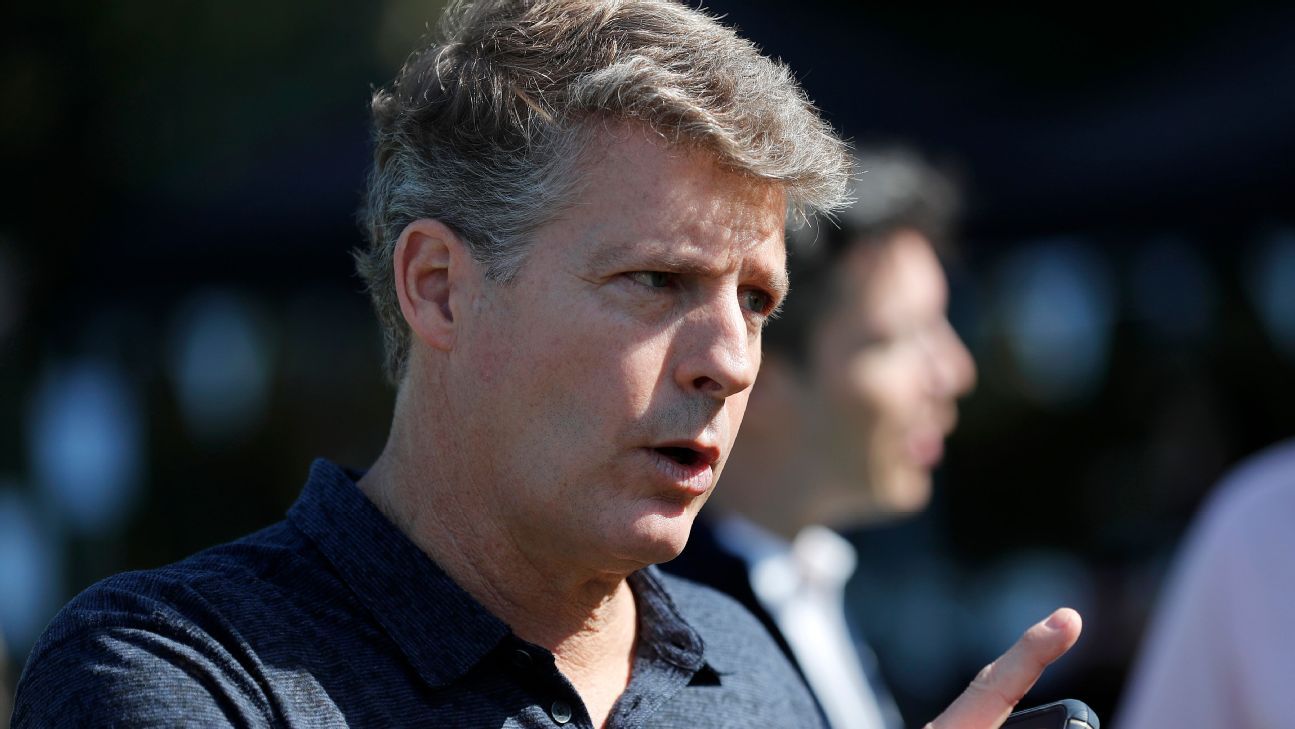
As the offseason unfolds, New York Yankees owner Hal Steinbrenner is already addressing the financial landscape for the upcoming 2026 season. In a recent statement, Steinbrenner acknowledged that it is still too early to determine the exact payroll range for the team but expressed a clear preference for a reduction from the staggering $319 million committed to player salaries in 2025.
Steinbrenner’s comments reflect a strategic pivot for the franchise, which has often been labeled as relentless spenders in pursuit of championships. “We have to be responsible,” Steinbrenner pointed out, highlighting the need for a sustainable financial model that balances competitiveness with fiscal prudence. As fans and analysts ponder the implications of a reduced budget, many are turning their eyes toward potential player movements and the strategic direction of the organization.
With a legacy of championships hanging in the balance, the Yankees stand at a crossroads, needing to adapt to an evolving landscape that emphasizes both talent acquisition and financial sustainability. Commentators are left to speculate not just about player signings but about how the club will prioritize its investments moving forward. As the clock ticks down to the start of the next season, the choices made during this crucial offseason will undoubtedly shape the franchise’s future.
In the grand scheme of sports, these discussions about payroll and financial strategies extend beyond mere numbers. They reflect a deep-rooted connection to community pride, unity among fans, and the resilience of a storied franchise. The upcoming months will serve as a testament to how the Yankees can transcend the scoreboard and become a symbol of hope and determination for countless fans. Indeed, while the world may keep score, it is the enduring spirit of the game that truly unifies.
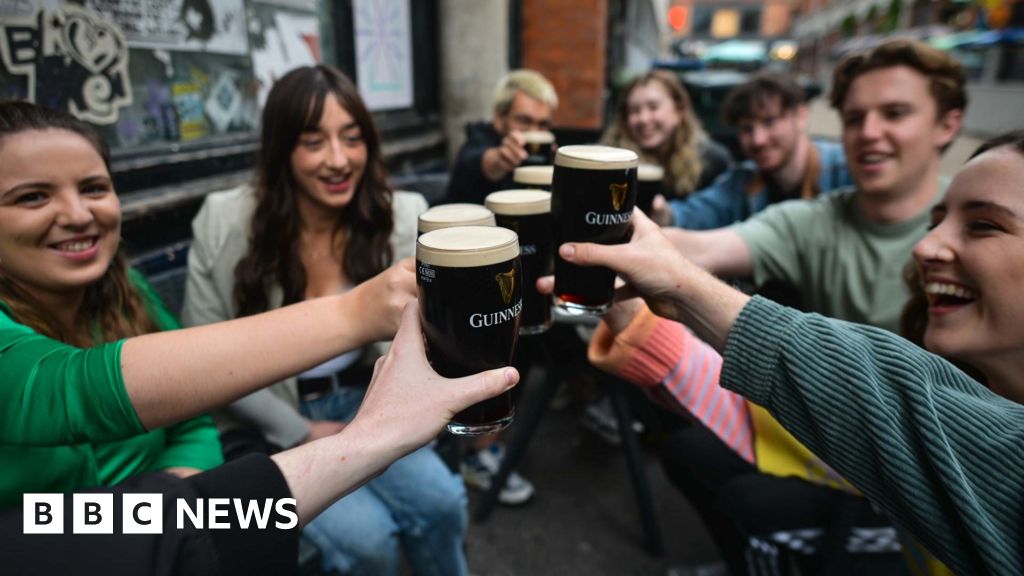
In a move that underscores how domestic policies intertwine with international trade dynamics, Ireland has delayed the compulsory enforcement of new alcohol warning labels until 2028. Originally signed into law in 2023, these labels aim to combat the nation’s pervasive drinking culture by highlighting the severe health risks linked to alcohol consumption. However, the Irish government cites uncertainty within the global trading environment as the reason for postponing their mandatory adoption, a decision that has ignited debates about the influence of multinational beverage companies on policy decisions and public health priorities versus commercial interests.
Historians and analysts widely observe that Ireland’s social fabric has been historically woven with or around alcohol—particularly in the form of pints at local pubs, traditional music, and community gatherings. According to public health groups, 75% of Irish youth aged 15-24 now consume alcohol regularly, with binge drinking among the highest in Europe. Despite decreasing overall consumption over the past quarter-century, recent studies indicate that early alcohol use and hazardous drinking patterns among youth remain stubbornly high, driven by cultural acceptance and social norms. The new labels, which explicitly state that drinking causes liver disease and certain cancers, are seen by some as a necessary measure—yet their delayed enforcement exemplifies the power of the alcohol industry lobby and its influence on policy within the European Union’s legal framework.
International organizations such as the World Health Organization have been vocal about the importance of health warnings to curb alcohol-related harm, warning that without decisive action, societies risk a future burdened by preventable diseases. Nevertheless, Ireland’s situation highlights a critical dilemma faced by many nations: how to balance public health initiatives with economic interests. The decision to defer the labels has been condemned by advocates who argue that it is an example of regulatory capture—where entrenched commercial interests influence policymaking—jeopardizing the country’s health future. Meanwhile, industry representatives have called for harmonized EU-wide standards, fearing that piecemeal regulations hamper trade and competitiveness. This ongoing tension exemplifies the geopolitical impact of such decisions, as countries navigate the complex landscape of international trade agreements, health regulations, and corporate influence.
As Irish youth continue to consume alcohol at high rates—despite increased awareness and warning labels—the broader question remains: how resilient are societal norms against the pressures of globalization and corporate lobbying? In Dublin’s bustling streets and vibrant pubs, where social life often revolves around alcohol, many young people like Jack admit they flirt with the idea of sobriety but find it difficult to detach from culturally ingrained patterns. Meanwhile, as the government delays, some health advocates warn that history is watching, and future generations may bear the cost of today’s deferred action. With each passing year, society inches closer to a pivotal crossroads—will it be the moment to confront the deep-seated cultural affinity for alcohol, or will it succumb to the economic forces that threaten to drown out public health priorities? Only time will tell, but the story of Ireland’s drinking culture and its influence on policy decisions remains a stark reminder that history is a battleground where societal values are continually tested and rewritten.
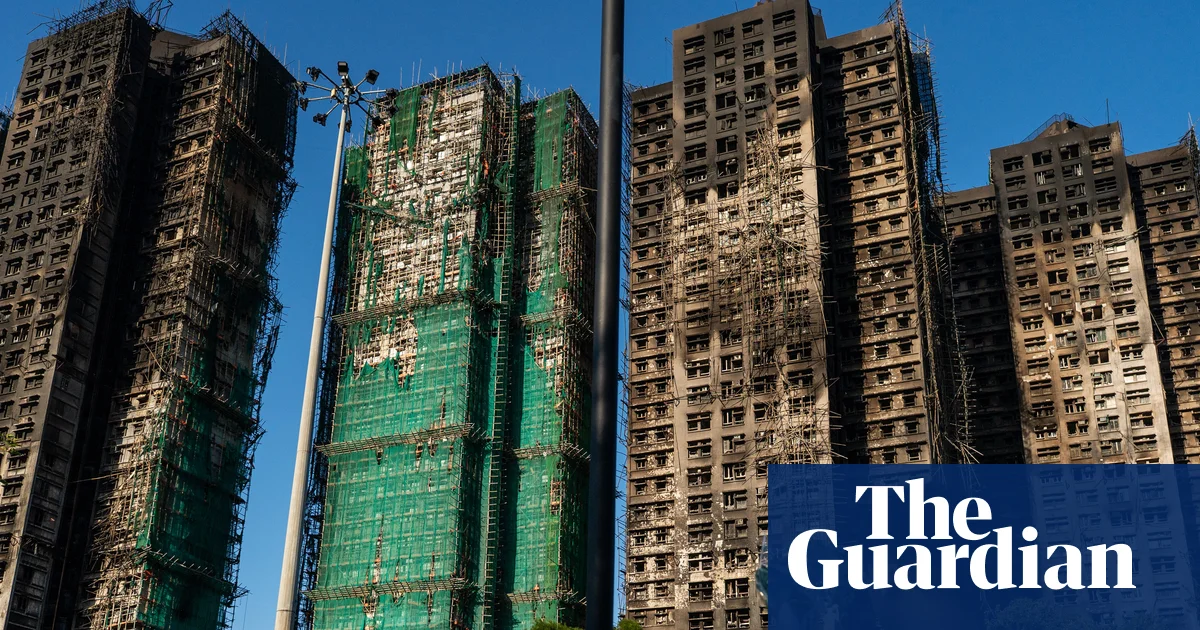
The recent devastating fire at Hong Kong’s Wang Fuk Court complex has not only claimed over 128 lives but has also ignited a profound surge of turbulence within the city’s fragile socio-political fabric. This tragedy—currently under investigation for potential corruption and gross negligence—has become a catalyst for widespread unrest. Amid the grief, Beijing’s warning against exploiting the disaster to destabilize Hong Kong underscores increasing fears over cross-border influence and foreign interference. As the city grapples with the aftermath, international analysts alert that this crisis represents a significant geopolitical impact, revealing the deepening struggle over control and influence in a region seen as a barometer for China’s broader ambitions.
In response, local residents and activists fueled their outrage with a wave of petitions demanding transparency, accountability, and justice. One petition, rapidly garnering more than 10,000 signatures, was swiftly shut down by authorities, while a second petition from an overseas resident echoes the same call for truth. These acts of civil disobedience highlight the simmering tensions as Hong Kong’s society voices its frustration with perceived governmental malfeasance and the failure to enforce safety regulations during renovations. Historically, China’s national security apparatus has warned against any attempts to use such disasters as a pretext for disruption, framing civil protests as anti-Chinese efforts aimed at undermining stability. The arrest of university student Miles Kwan, suspected of inciting sedition, exemplifies the precarious balance Beijing seeks to maintain—crushing dissent while managing international scrutiny.
International bodies and regional allies watch closely as the incident exposes the underlying vulnerabilities of Hong Kong’s infrastructure and governance. The city’s fire safety protocols failed during a critical moment, with rescue operations revealing that essential alarms had not been functioning correctly—raising suspicions that negligence or corruption may have played a role. As some analysts argue, the tragedy underscores broader issues involving construction oversight and urban safety standards, which could have grave ripple effects on regional stability. The city’s authorities have already detained several individuals linked to the renovations, underlining concerns that unsafe materials and corruption might have facilitated the disaster, thereby reflecting deeply embedded issues of governance and accountability.
The geopolitical impact of this catastrophe extends beyond Hong Kong’s borders. It symbolizes a battleground where domestic dissatisfaction and international strategic interests collide. As Beijing consolidates power within the city, the global community remains divided—some calling for more transparency and human rights, others warning against interference that could destabilize the region further. This incident stands as a stark reminder that the decisions made in the city’s corridors of power will reverberate across continents, shaping the future of governance, resilience, and sovereignty in a tense, unpredictable era. In the shadows of this tragedy, history quietly awaits its next chapter, where the weight of unresolved questions could sway the balance of power yet again.


