




Matox News

Truth Over Trends, always!

Fact-Check: Viral TikTok claim on quick learning debunked

Examining the Truth Behind Viral Claims About Charlie Kirk

In the rapidly shifting landscape of social media, it’s essential to scrutinize viral claims, especially those targeting influential political figures like Charlie Kirk, founder of Turning Point USA. Recent posts circulating online have accused Kirk of making inflammatory remarks, ranging from using racial slurs to espousing conspiracy theories concerning Jewish influence, comments on LGBTQ+ individuals, and interpretations of constitutional amendments. Our investigation aims to clarify these claims with a focus on factual accuracy, drawing from reputable sources and direct evidence.

Misrepresented Incidents and Contexts

The claim that Charlie Kirk called an Asian woman a racial slur is one of the most circulated on social platforms. However, our review finds that this is a misleading representation. The viral video, which was edited to appear as if Kirk was hurling slurs, actually shows Kirk shouting at Cenk Uygur, a co-host of the Young Turks, in 2018. As the Washington Examiner and Community Note verified, Kirk was engaging in a heated exchange during Politicon and was not using any racial slur. The clips demonstrate the importance of full context when interpreting confrontational exchanges, especially from older footage being misused in current narratives.

Similarly, claims implicating Kirk in statements about the Civil Rights Act of 1964 are partially true but heavily take quotations out of context. Kirk did describe the Act as a “huge mistake,” a characterization supported by his own words at the 2023 America Fest, and later, he expanded on this viewpoint in podcasts by arguing that the legislation contributed to what he perceives as a “DEI bureaucracy” harming free speech. These comments reflect a fringe perspective that misinterprets the Act’s primary intent, which, according to the National Archives, aimed to outlaw discrimination based on race and promote integration. While Kirk’s critique aligns with certain libertarian or conservative skepticism about government overreach, describing the law as a “mistake” is a misleading oversimplification of its significance in American history.

Debunking Antisemitic Conspiracy Theories

A central element of viral misinformation targets Kirk’s remarks about Jewish funding and influence, alleging that he blamed “Jewish money” for corrupting American culture and funding “cultural Marxism,” a term widely regarded as an antisemitic conspiracy theory. Our detailed review finds that while Kirk has discussed issues related to funding of liberal causes, he has not explicitly used the phrase “Jewish money,” nor does he accuse Jewish Americans collectively of destructive influence in macro terms. Instead, he has pointed to specific funding streams from certain donors, a storytelling device that can easily be misconstrued or taken out of context.

Experts from the Southern Poverty Law Center and Anti-Defamation League warn that the phrase “cultural Marxism” has been co-opted by anti-Semitic groups to malign Jewish influence. The Antisemitism Policy Trust explicitly advises caution and avoidance when using this term, citing its history as a dog-whistle for antisemitism. Kirk’s critics often selectively quote his podcasts to suggest he subscribes to these malign narratives. Still, the full recordings show a tendency to discuss broader cultural trends rather than endorse conspiracy theories. This distinction is crucial, as it underscores the importance of not conflating critique of policy or funding with ethno-religious accusations.

Statements About LGBTQ+ Individuals and the Second Amendment

Claims that Kirk openly called for the death of gay people are unsupported by direct quotes. Instead, a misinterpreted segment from a 2024 podcast involves Kirk referencing a biblical passage in response to a YouTube personality advocating for love and acceptance. His comments, which delve into biblical laws, have been distorted to suggest endorsement of violence or death. Stephen King’s retraction of an initial tweet accusing Kirk of advocating violence against gays highlights how selective editing can foster false narratives.

Regarding the Second Amendment, Kirk has indeed stated that the right to bear arms is a safeguard against tyranny, even acknowledging that societal costs include gun deaths. While controversial, these remarks are consistent with mainstream conservative viewpoints and are supported by the full content of his speeches. They do not constitute calls for violence but reflect a complex perspective on rights and safety in America.

The Paul Pelosi Attack and Bail Policies

Finally, assertions linking Kirk to encouraging citizens to fund bail for the attacker in the Paul Pelosi incident are accurate in their representation of his words. In a 2022 podcast, Kirk expressed frustration about bail laws, asking why the suspect was not released and suggesting that citizens could contribute to bail funds. This statement, while controversial, aligns with his broader critique of what he perceives as lenient criminal justice policies. The fact that the suspect, David DePape, was convicted on multiple charges and sentenced to life in prison mitigates any suggestion of ongoing insinuation by Kirk regarding the case.

In sum, accurate understanding and responsible reporting are vital for a functioning democracy. Misinformation erodes trust and fuels division; conversely, transparent investigation fosters informed citizenship. The facts demonstrate that many viral claims about Charlie Kirk are either taken out of context, exaggerated, or outright false. Recognizing the differences between critique and misinformation is a responsibility every citizen must bear to safeguard the integrity of public discourse and uphold the principles of an open, honest democracy.

Credit card interest relief now available through 2024—take advantage!

Big news for credit card users: you can officially avoid paying interest into 2024! This announcement comes as many Americans look for ways to manage their finances more effectively, especially amid rising costs in other areas of daily life. The extended grace period gives cardholders a chance to tackle their balances without the pressure of accruing interest.

For young people who might be navigating their first credit cards, this new development is a golden opportunity. Keeping a close eye on your spending and taking advantage of this interest-free period can help build a solid financial future. It’s all about staying informed and making smart choices—something our generation has to embrace. So, if you’re looking to make the most of your money, now’s the time to take action and strategize how to use this extension to your advantage.

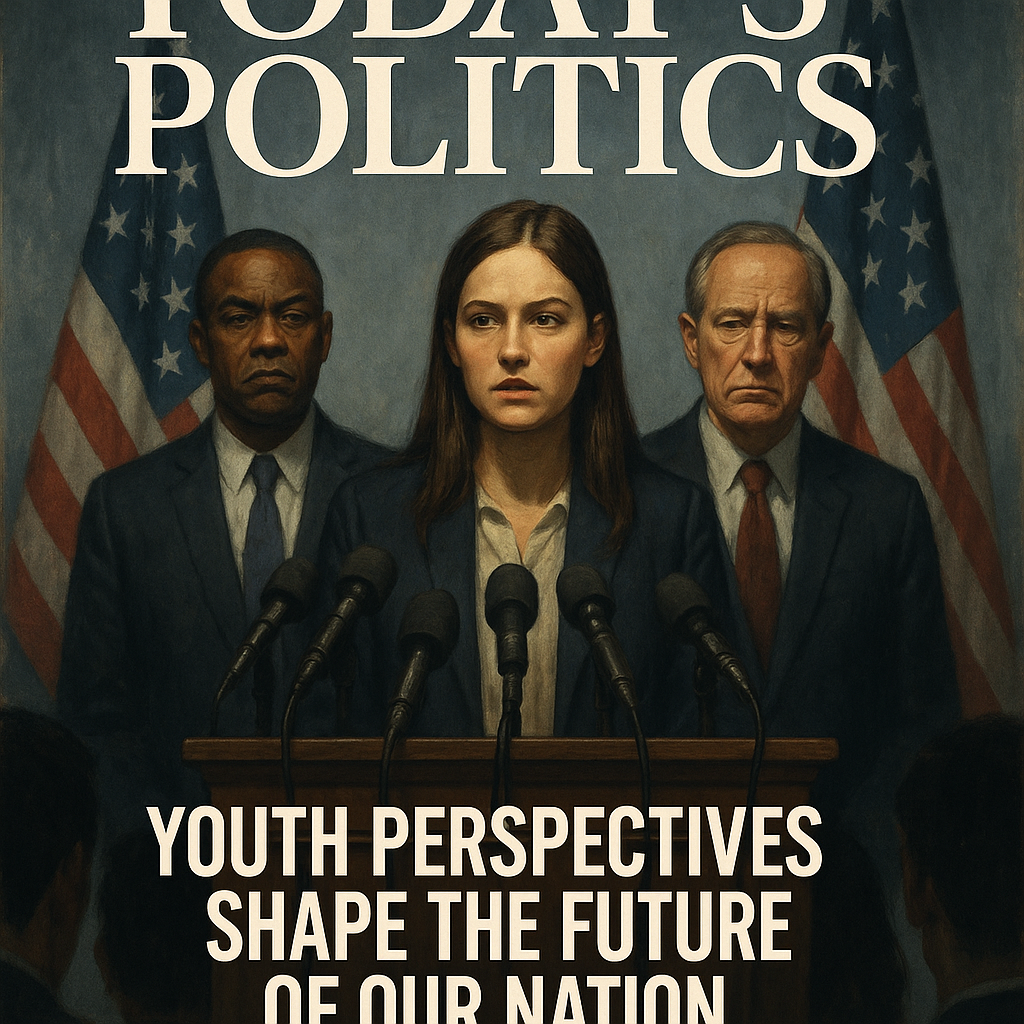
Today’s Politics: Youth Perspectives Shape the Future of Our Nation

In the current landscape of American politics, the decisive battle for the soul of the nation continues to unfold amidst mounting power struggles that determine the direction of future policy and influence. At the center of this evolving tableau is President Joe Biden, whose administration endeavors to project authority while navigating the turbulent waters of division and discontent. The confrontations between the executive branch and legislative bodies reveal much about the undercurrents shaping American governance—where policy reforms are not merely legislative acts, but battlegrounds for ideological supremacy.

The Biden administration’s push for broad reforms—ranging from economic recovery to social equity—has been marked by an ambitious agenda that echoes traditional Democratic objectives. Yet, these initiatives often encounter fierce resistance from Republican-led legislatures and conservative interest groups desperate to preserve their influence. This dynamic not only underscores the power dynamic in play, but also raises questions about who truly holds sway over the policy outcomes that will shape the lives of millions. Here, the narrative echoes the enduring philosophical debate on who determines the governance of a nation—the voters, the elites, or the institutions.

Historical parallels are instructive. Like the fierce constitutional debates during the New Deal era or the more recent battles over healthcare and executive power, today’s political climate signals a struggle over constitutional interpretation. Constitutional scholars and theorists such as **Ronald Dworkin** and **A.V. Dicey** remind us that the document—while framed in the 18th century—serves as a battleground for contemporary ideologies. The very fabric of the U.S. Constitution is being tested as executive orders clash with legislative statutes, and questions around *who* wields *ultimate authority* become increasingly contentious. When institutions clash, it becomes clear that the ruling power defines the destiny of democracy itself—placing the social contract under continuous renegotiation.

In this constant push-and-pull, the decisions of today forge the societal landscape of tomorrow. Policy shifts—be they related to immigration, economic reform, or civil liberties—are rooted in broader ideological conflicts that resist simple resolution. The stakes transcend mere legislation; they shape the identity of the nation. As political theorist **Carl Schmitt** argued, sovereignty resides in the ability to decide on the exception, and in such moments, the true supremacy of power is revealed. The question remains: who will define the narrative from this stage of history? Will it be the advocates of order or the champions of change? Ultimately, the stage is set, and history is watching—to see who will write the final chapter in this ongoing saga of power and destiny.

Top 32 Chinese Dishes Every Foodie Needs to Savor ASAP!

Embracing China’s Culinary Wonders: A Taste of Tradition and Heritage

The diverse flavors of China are akin to a vast landscape of culinary treasures, each dish telling its own unique story. With an unparalleled selection of gastronomic delights, travelers can find themselves both challenged and exhilarated as they navigate the extensive menu that this country offers. The art of eating well in China isn’t merely about satisfying hunger; it’s a gateway to cultural understanding and historical appreciation.

Those venturing to sample authentic Chinese cuisine must delve into must-try dishes that showcase the depth and richness of its traditions. For starters, Peking Duck stands as a hallmark of Chinese culinary heritage. This dish has enchanted taste buds for over 1,500 years, originally stemming from Nanjing’s royal kitchens. The duck, known for its crisp skin and flavorful meat, is traditionally served with thin pancakes, cut vegetables, and sweet bean sauce. A well-executed Peking Duck experience is much more than a meal; it’s an immersive encounter with history.

Additionally, one cannot overlook the beloved Dan Dan Noodles, named for their origin as street food sold by hawkers. This classic Sichuan dish is a dance of flavors, featuring a mix of spicy, salty, and nutty profiles, often enriched with finely chopped pork. Whether served dry or in savory broth, these noodles illustrate the essence of comfort food in a bustling cityscape.

Essentials for a Culinary Journey

As one embarks on a culinary exploration of China, keep in mind some essential dishes and tips to maximize the experience:

  • Steamed Fish: Master the art of steaming fish—it’s not just a cooking method but a testament to the skill of timing and technique.
  • Sweet and Sour Pork: Light and refreshing, this dish utilizes pineapple and tangy sauce, perfect for summer.
  • Dim Sum: An experience in itself, this serves as a brilliant way to sample a range of flavors in one sitting.

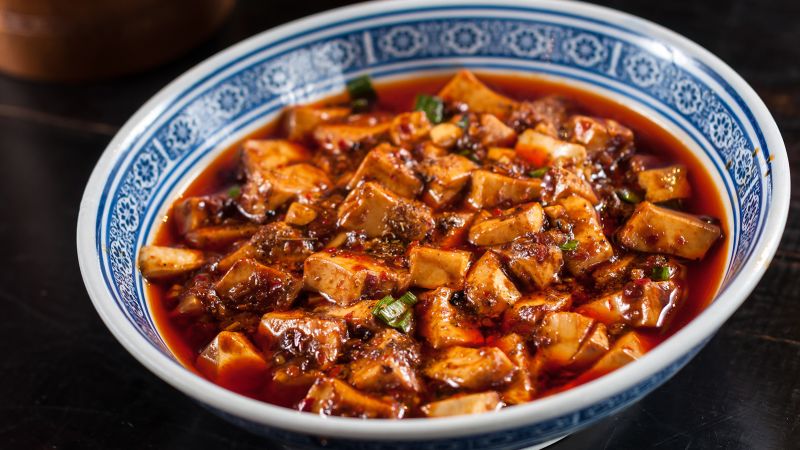
Moreover, specialties like Mapo Tofu and Hot and Sour Soup highlight regional differences that make Chinese cuisine so captivating. Mapo Tofu delivers a punch of spicy, salty flavors that exemplify Sichuan’s reputation for heat, while Hot and Sour Soup warms both body and soul with its balance of flavors, containing elements that are good for health in any season.

Reflecting on Wellness and Lifestyle Shifts

In today’s fast-paced world, embracing a diet inspired by the depth of Chinese cuisine can lead to transformative wellness practices. The incorporation of fresh ingredients, nutrient-dense foods, and balanced meals reflects a shift towards a holistic approach to living well. As culinary offerings adapt to modern health trends, one finds that these age-old recipes provide inspiration for savory solutions to contemporary dining dilemmas.

Ultimately, dining is not merely about consumption; it serves as a chance to embrace life’s journey—celebrating connections with others and fostering cultural appreciation. Whether it’s shared experiences over a steaming platter or a quiet dinner savoring every bite, the essence lies in the underlying concepts of mindfulness and enjoyment in life’s flavors. Every dish carries the invitation to explore and connect—making every meal a stepping stone in the ongoing adventure of discovery.

Top 20 German Eats Every Young Foodie Must Try | CNN

Germany’s Culinary Tapestry: A Journey Through Tradition and Wellness

Germany, long celebrated for its rich culinary heritage, offers more than just hearty comfort foods—it’s a land where food is intertwined with culture, history, and evolving wellness tastes. From bustling food markets to innovative high-end restaurants, the nation embraces a _well-rounded lifestyle shift_ that emphasizes locally sourced ingredients, quality preparation, and a respect for its regional delicacies. While the world often associates Germany with beer, sausages, and pretzels, the country’s gastronomic landscape is a diverse and evolving reflection of its vibrant communities and history. This diversity not only feeds the body but inspires a lifestyle that values healthy living and cultural authenticity, making it an ideal destination for the young, adventurous soul seeking both flavor and wellness.

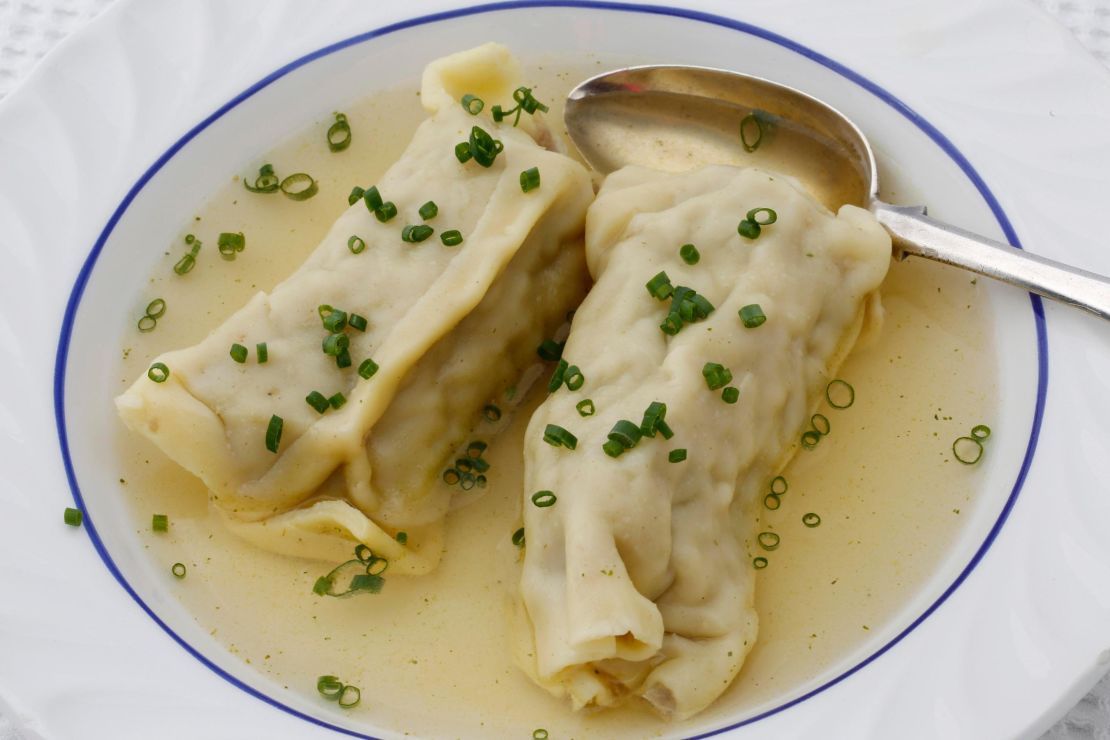
Central to this cultural culinary evolution are dishes that balance tradition with a _modern wellness ethos_. Consider the legendary Königsberger Klopse, delicate meatballs accompanied by capers and lemon, offering a _surprisingly elegant twist on comfort food_. Developed during the Cold War era, this dish exemplifies resilience and adaptation, qualities essential to a lifestyle emphasizing _personal impact_—be it health, leisure, or inspiration. Similarly, regional specialties like the savory Maultaschen—large, stuffed dumplings originally from Baden-Württemberg—have garnered recognition as a _regional cultural treasure_, now celebrated across Germany and even recognized by the European Union as a _cultural heritage_. Such dishes illustrate how tradition can serve as a foundation for a _lifestyle of appreciation and mindful eating_, fostering wellness through community-connected food experiences.

This nation’s love affair with food extends into its street and comfort foods, which serve as practical yet nourishing experiences for the _young, active generation_. The iconic Currywurst, a street-side sausage smothered in a fragrant curry-spiced ketchup, remains a testament to the German knack for transforming necessity into national pride—800 million consumed annually speaks volumes. But beyond its caloric reputation, it underscores a _culture of vibrant, accessible eating_ that respects both tradition and the new wellness consciousness. The advent of _vegetarian and vegan variants_ of popular dishes like the döner kebab further exemplifies this _lifestyle shift_, reflecting an understanding that health-conscious choices can still honor authentic flavors.

Germany’s marriage of tradition with modern wellness ideals culminates in a _celebration of seasonal ingredients_. The treasured _spargelzeit_—white asparagus season—transcends mere taste to become a _cultural ritual_. Eating over 70,000 tons annually, Germans indulge in the vegetable in every form—boiled, steamed, wrapped in bacon, or served with hollandaise—allowing the young to connect with a _heritage rooted in natural, fresh ingredients_. This _shift towards embracing seasonal and local produce_ fosters a sustainable lifestyle that champions wellness, supports small farmers, and encourages mindful consumption. As the seasons turn, so too does the palette of Germany’s _culinary landscape_, encouraging a _discovery of authentic, health-focused living_.

In embracing Germany’s gastronomic journey—one rooted in tradition yet ever-open to innovation—the _young adventurer_ finds an inspiring model: that a _lifestyle of wellness, mindfulness, and cultural pride_ is within reach, no matter where adventure takes them. Food is more than sustenance; it is a narrative, a _reflection of history, resilience, and future_. As travelers and natives alike continue to explore Germany’s flavorful tapestry, they join a journey that marries the joy of living with the pursuit of health and cultural authenticity—an odyssey reminding us that true wellness begins in how we embrace the timeless dance of tradition and innovation.

Stunning Highlights Along China’s Iconic Great Wall

The individual has spent nearly twelve years residing in Beijing, providing ample opportunity to explore various parts of China. Over this extended period, they have accumulated extensive travel experience across the country, gaining a comprehensive understanding of its diverse cultural, historical, and geographical features. The familiarity with Beijing serves as a base for their broader explorations, allowing them to appreciate the differences and similarities within China’s vast landscape.

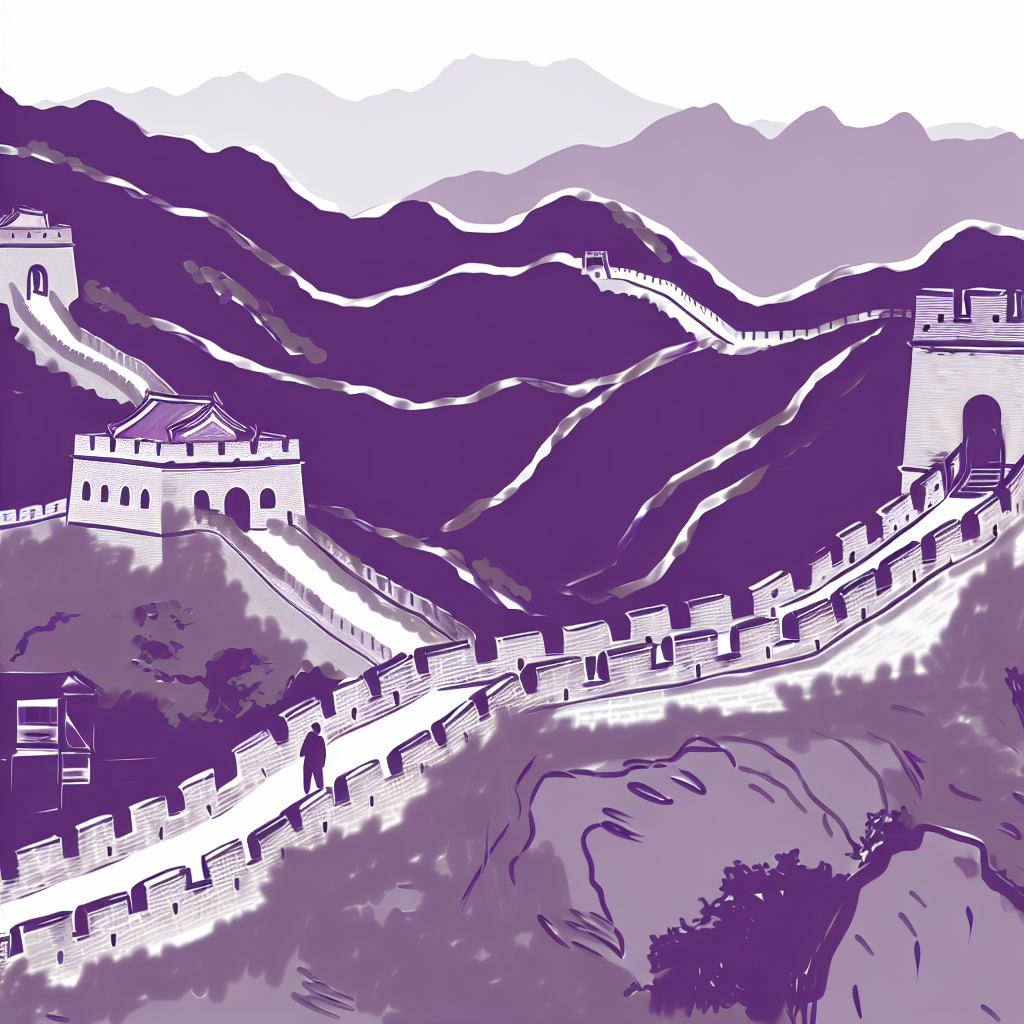
During their time in Beijing, the person has likely visited some of China’s iconic landmarks and cultural sites, such as the Great Wall, which is visible in the accompanying image. The Great Wall is one of China’s most famous and historically significant structures, stretching across multiple provinces and offering a glimpse into ancient Chinese civilization and military history. Specific sections they might have visited include the Yongtai and Turtle City areas, known for their scenic views and historical value. Such visits underscore a deep engagement with China’s rich cultural heritage, which is often characterized by well-preserved architecture and scenic landscapes.

The long-term residence and travel throughout China suggest a deep appreciation and understanding of the country’s diversity. From bustling urban centers like Beijing to quieter rural areas and historic sites, the individual has experienced various facets of Chinese life. Their journey highlights the country’s extensive cultural history, natural beauty, and architectural grandeur. As a seasoned traveler, they can attest to the profound contrasts and unique allure that various regions of China offer, making their experience a valuable perspective on one of the world’s most historically and culturally rich nations.

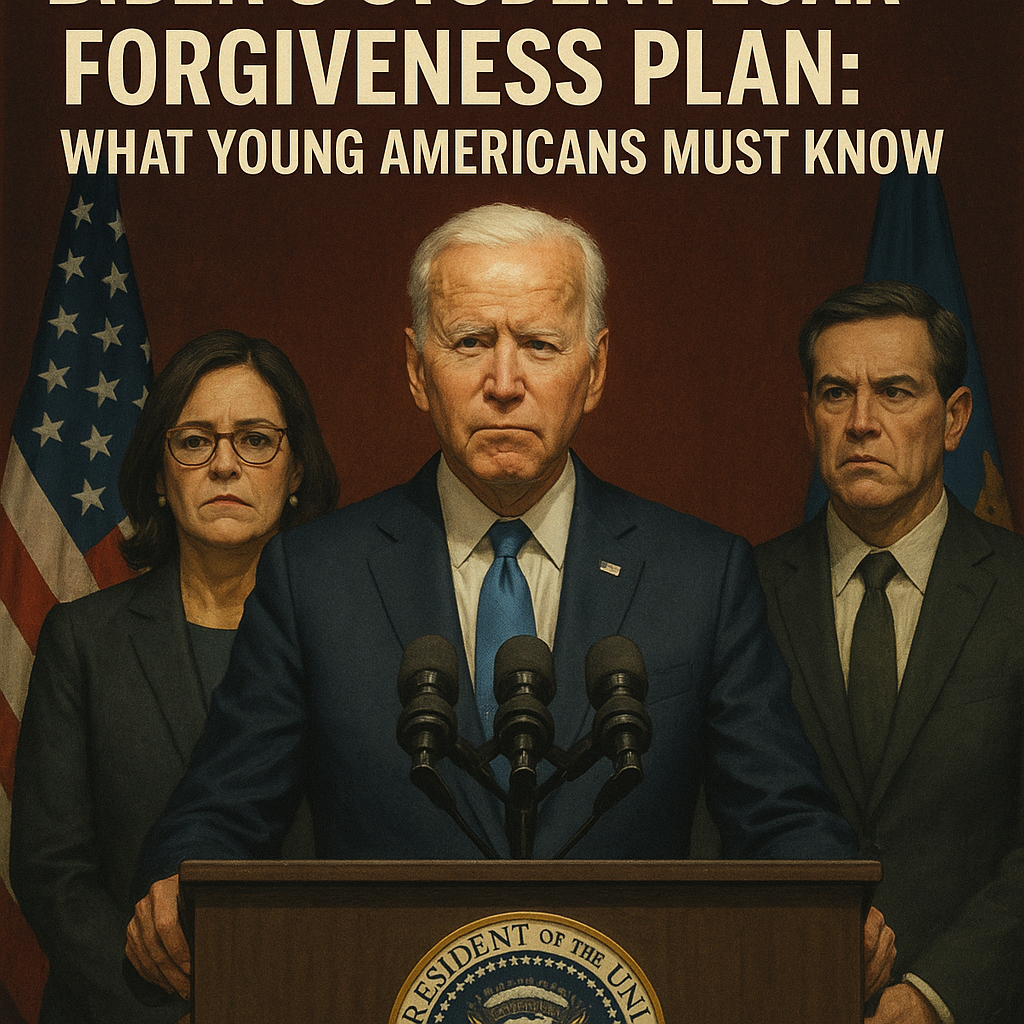
Biden’s Student Loan Forgiveness Plan: What Young Americans Must Know

The recent suspension of President Joe Biden’s ambitious federal student loan forgiveness program underscores a pivotal moment in the ongoing power struggles within American politics. Announced as a bold move to provide up to $20,000 of debt relief for millions, this policy was intended to serve as a cornerstone of Biden’s broader economic and social agenda. Yet, its current indefinite hold, amidst mounting legal challenges, reveals how deeply entrenched conflicts over authority and visions for national policy continue to shape the lives of ordinary Americans. With progressive allies championing debt relief as a matter of fairness, conservative opponents see it as an overreach of executive power—highlighting the fundamental clash of constitutional interpretations.

The legal roadblock emerges from a broader power struggle between the executive branch and the judiciary. While the Biden administration asserts that the federal government has the authority to modify student debt policies under existing statutes, opponents argue that this action exceeds the constitutional limits of executive power, demanding congressional approval instead. This dynamic recalls historical moments where executive orders or policies have become lightning rods for constitutional debates. Legal experts and constitutional scholars point to the importance of checks and balances—with some arguing that the courts are asserting their role as guardians against potential overreach by the administration. Conversely, supporters interpret the move as an essential step toward addressing economic inequality, emphasizing that the executive branch must sometimes act decisively amidst legislative gridlock.

The impact of this debate extends beyond legal circles, as it directly influences the political landscape and the fabric of American society. For proponents, the forgiveness program symbolizes ashift in government responsibility—one where the state is seen as a remedy for economic hardship, fostering a new social contract. For detractors, it signals a disruption of fiscal discipline and fairness, claiming that such policies unfairly favor certain demographics and threaten long-term economic stability. This controversy highlights a crucial question: who truly holds the power to redefine the social contract in an age of mounting debt? As the courts deliberate, the decision will inevitably underscore which branch has the authority to decide the fate of millions struggling under the weight of student loans—an emblematic struggle for the soul of American governance.

In this high-stakes theatre, political actors are engaging in a battle for influence—a contest that will determine the contours of policy, the limits of executive agency, and the future of economic justice. Just as historical figures like Alexander Hamilton argued for a strong federal government, and Thomas Jefferson emphasized states’ rights, the current debate echoes the foundational questions of American democracy: whose interests does government serve, and who ultimately wields sovereign authority? As each side stakes its claim, citizens are left to ponder whether political power is truly a force for reform or merely a stage for conflict—a battle where the outcome writes the next chapter of American destiny. The conclusion of this constitutional clash may well determine whether the nation advances towards a future of shared prosperity or slides further into disillusionment and division.

Blackpink Turns Heads at Coachella in Traditional Hanboks

Blackpink’s Historic Coachella Performance and the Rising Role of Korean Culture in Global Politics

In a moment that transcended entertainment and echoed across the geopolitical landscape, Blackpink, the iconic K-Pop girl group, made history at Coachella 2023 by becoming the first Asian act to headline the festival. Their performance, attended by over 125,000 fans, was not merely a display of musical talent but a deliberate assertion of cultural pride. The group honored their Korean heritage by debuting on stage in stunning hanboks, traditional Korean garments richly embroidered with symbolic motifs. This act was a potent statement, intertwining fashion, culture, and geopolitics, highlighting how nations leverage cultural diplomacy to elevate their influence on the international stage.

The significance of this moment extends far beyond the festival grounds. By incorporating hanboks into their performance, Blackpink subtly challenged Western-centric narratives that have historically marginalized Asian cultures in global pop and political spheres. According to cultural analysts, such displays of cultural pride serve as a form of soft power—an assertion of identity in a world often dominated by Western hegemony. The group’s ability to seamlessly fuse traditional Korean elements with modern pop iconography exemplifies the rising influence of South Korea as a cultural powerhouse, capable of shaping international perceptions and expanding its soft power reach.

The Cultural and Political Roots of Korea’s Expanding Global Influence

In recent years, South Korea has steadily ascended as a major player in both global culture and geopolitics. From the global dominance of K-Pop to Korean cinema’s critical success, the country’s cultural exports have become vital tools for shaping international narratives. Historians and geopolitical commentators argue that this cultural ascent correlates with South Korea’s strategic state policies aimed at fostering national pride and leveraging cultural diplomacy as a counterbalance against North Korea’s persistent threat. The use of traditional garments like hanboks during such high-profile events signals an intentional effort to promote Korea’s rich heritage, making cultural identity a cornerstone of their nation-branding strategy.

Furthermore, the appearance of hanboks with intricate embroidery or modern adaptations at major fashion events—such as Seoul Fashion Week or Milan Fashion Week—demonstrates a deliberate attempt by Korean designers to present their culture globally. International organizations and industry analysts alike recognize this as a calculated move that consolidates Korean soft power, bolster ties with diaspora communities, and perpetuate a narrative of cultural resilience. This is especially critical considering the regional tensions in East Asia, where soft power becomes an essential tool for diplomacy and influence without direct confrontation.

Fashion as an International Language of Power and Identity

The spectacle at Coachella was not only cultural but also deeply political. Internationally renowned fashion brands like Dolce & Gabbana and local artisans contributed to the group’s look, transforming their stage into a visual manifesto of Korean cultural resurgence. As historians note, fashion has long served as an expression of power and identity—witness Madonna’s Jean Paul Gaultier cone bras or Geri Halliwell’s Union Jack mini dresses—each moment capturing a turning point in cultural history. The use of hanboks, embroidered with symbols of royalty like peonies, underscored a refusal to let traditional culture be confined to the past, instead presenting it as a living, breathing force shaping Korea’s future aspirations.

As the world watches this evolution, the message is clear: nations are increasingly aware that soft power through culture can reconfigure global narratives, shape alliances, and influence societal perceptions. The cultural diplomacy embodied by Blackpink’s groundbreaking performance, therefore, marks not just a moment of teenage fanfare but a pivotal junction in the ongoing contest for influence—where tradition meets modernity on the grand stage of geopolitics.

If history is any guide, the echoes of this event will resonate through generations, a testament that when nations harness their cultural symbols at moments of global visibility, they carve their names into the fabric of history. As we stand on the brink of further shifts, one thing remains undeniable: the stages of the world are the new battlegrounds for influence, where tradition and innovation collide amid the relentless tide of change.

Last-Minute Tax Tips Every Young Patriot Should Know

Global Geopolitical Shifts and Domestic Crises: A Turning Point in World Affairs

In an era marked by rapid international upheaval, geopolitical alliances are continually reshaping, and the repercussions are felt across nations and societies worldwide. Recent developments underscore this dynamic, as major powers respond to what analysts describe as a series of *“turning points”*—moments that could redefine the global order for decades to come. According to the International Crisis Group, the world is at an inflection point, where old paradigms are disintegrating, and new geopolitical realities are emerging.

Particularly significant is the escalating tension in Ukrainian conflict zones, which has become emblematic of the broader *new Cold War* shaping the 21st century. While Western nations continue to supply arms and exert economic pressure, Russia remains resolute, signalling that these confrontations are not merely regional but part of a larger contest for influence. Meanwhile, China expands its footprint through both economic initiatives and military assertiveness, challenging the existing *U.S.-led order*. International analysts warn that the shifting alliances carry profound geopolitical impact—altering trade routes, control over natural resources, and regional stability.

Shifts in Global Power and the Erosion of Traditional Alliances

In response to these global shifts, North Atlantic Treaty Organization (NATO) faces its own existential questions, with some member states expressing concern over the alliance’s future effectiveness. Historian Michael Novak notes that these tensions, coupled with the instability in Eastern Europe, reflect the rekindling of old rivalries that threaten to resurrect a *“geopolitical Cold War,”** reminiscent of the 20th-century power struggles. Similarly, U.N. Security Council debates increasingly revolve around how to manage conflicts in a multipolar world where consensus is elusive, and unilateral actions threaten to undermine collective security frameworks.

Over the last year, a series of *international treaties and agreements* have attempted to stem the tide of conflict and maintain stability. Yet, many experts contend that these diplomatic efforts are often superficial—piecemeal responses to deep-seated tensions rooted in economic disparities and military rivalries. The World Economic Forum warns that unless nations recognize the interconnectedness of their fates, escalation risks spiraling out of control, leading to widespread societal upheaval and economic collapse.

How Nations and Societies Are Impacted

At the forefront of the domestic impact are millions of citizens caught in the crossfire of international proxy conflicts and economic sanctions. *In the United States,* the ongoing debate over domestic policy and foreign intervention remains tense, with youth increasingly questioning the cost of global engagements. On the economic front, inflation, energy shortages, and supply chain disruptions threaten to aggravate social unrest, forcing governments to act with caution amid mounting public discontent.

The global economy faces an uncertain future, with experts from the International Monetary Fund warning of possible stagflation if geopolitical tensions persist. In many developing countries, economic hardship amplifies social grievances, fueling unrest and migration crises. Historians warn that history teaches us—without careful diplomacy and strategic foresight, these tensions could catalyze a new cycle of conflict, one where the victim is not just geopolitics but the very fabric of society itself.

Conclusion: The Unfolding Chapter of Humanity’s History

As the world stands on the brink of what could be a new era of global rivalry, the decisions made today bear the weight of history. The international community faces an urgent challenge: to navigate these turbulent waters, balancing power with prudence, ambition with restraint. The stakes are monumental, and the outcome remains uncertain. The movements of superpowers, the unraveling of traditional alliances, and the struggles of ordinary citizens are all threads woven into the grand tapestry of history—an ongoing story of hope, conflict, and resilience. In the end, what is written today will echo through the corridors of history, shaping a future that is still unwritten—and yet, inevitable.

Market Headlines: Dow, S&P 500 Boost Confidence with Strong Earnings

On Friday, the stock market experienced a decline, with major indices slipping amid concerns over impending Federal Reserve interest rate hikes. Despite a string of earnings beats from major banks such as JPMorgan Chase, Citigroup, Wells Fargo, and PNC Financial, which reported strong first-quarter results boosted by the Fed’s aggressive interest rate increases, investor sentiment remained cautious. JPMorgan Chase’s CEO Jamie Dimon signaled that higher interest rates might need to stay in place for longer than initially anticipated, prompting analysts to increase their expectations for further rate hikes in May and June. Federal Reserve Governor Christopher Waller underscored this outlook by emphasizing the need for continued monetary tightening, which further weighed on market sentiment.

Meanwhile, economic indicators painted a mixed picture. Retail sales data fell more than expected, suggesting a weakening in consumer spending power and overall economic activity. Conversely, consumer sentiment held steady in April, providing some reassurance despite ongoing recession fears. Federal Reserve Bank of Chicago President Austan Goolsbee acknowledged the possibility of a mild recession following recent banking sector turbulence, highlighting the fragile economic landscape. The market responded with modest declines, as the Dow fell 144 points (0.4%), the S&P 500 dropped 0.2%, and the Nasdaq Composite declined 0.4%, reflecting investor apprehensions about future rate hikes and economic resilience.

Overall, markets closed lower after a week of gains, underscoring the volatility driven by central bank policies and economic data. Although the major indices registered weekly increases— with the Dow up 1.2%, the S&P 500 increasing 0.8%, and the Nasdaq advancing 0.3%—the immediate focus remains on the Fed’s monetary policy trajectory and its impact on economic growth. As trading settled, analysts noted that levels might still fluctuate slightly, but the dominant narrative points toward continued rate hikes and cautious economic outlooks amid persistent inflation concerns and financial sector uncertainties.

Social Media Auto Publish Powered By : XYZScripts.com