
TRENDING NEWS





Truth Over Trends, always!

The recent suspension of Dr. Rahmeh Aladwan, a trainee in trauma and orthopaedics at the NHS, highlights a disturbing intersection of social media misconduct and the broader geopolitical tensions surrounding antisemitism in the digital age. The Medical Practitioners Tribunal Service (MPTS) in the United Kingdom placed her on a 15-month interim suspension amidst allegations that her online posts contained content supporting terrorist organizations such as Hamas, propagated antisemitic conspiracy theories, and even used Nazi imagery. These acts are not isolated incidents but are symptomatic of rising global concerns over hate speech and the erosion of social cohesion, especially within highly sensitive societal institutions like healthcare and law enforcement.
International observers and analysts are now wary of how such incidents ripple beyond the confines of national borders, affecting the public’s trust in institutions and the fabric of multicultural societies. According to prominent international organizations and senior historians, the proliferation of extremist rhetoric online, particularly when backed by figures within societal institutions, poses a serious threat to what national security experts term cultural stability. The case raises a pressing question: How should nations balance the right to free expression with the need to protect communities from hate and extremism? The GMC and MPTS have justified their cautious approach, emphasizing that Dr. Aladwan’s conduct could harm public confidence in the healthcare system and fuel social divisions—an outcome that transcends the UK and impacts the global image of medical professionalism amid geopolitical unrest.
This incident comes at a time when Western nations are grappling with their own internal divides, often exploited by those seeking to manipulate societal fears for political ends. As nations seek to clamp down on hate speech, the broader geopolitical impact becomes evident: policies regarding internationally proscribed organizations such as Hamas have become a flashpoint, affecting diplomatic ties and the fight against extremism. Many analysts warn that permitting unchecked hate speech under the guise of political debate; risks emboldening terrorist sympathizers and radicalizing segments of society, thereby undermining national security. Understanding these dynamics is crucial, particularly as civil rights advocates call for greater oversight, yet critics argue that overreach could threaten free speech and political dissent. The UK’s response, including the ongoing review of Dr. Aladwan’s case, underscores the delicate balancing act between safeguarding societal cohesion and respecting individual freedoms—an issue faced universally, from Europe to the Middle East.
Historically, societal shifts driven by extremism have often left a lasting scar on nations’ collective memories. As historians and international security analysts observe, the current wave of online radicalization mirrors past periods of societal upheaval, often leading to conflict, division, and loss of life. The unfolding case of Dr. Aladwan is, therefore, more than an isolated disciplinary action; it is a stark reminder that history is watching us, and the decisions made today could shape the geopolitical landscape for generations. The fight against hate and extremism is not merely a national concern but a chapter in the ongoing battle for global stability. As institutions examine their roles and responsibilities, the weight of history presses on regulators to carefully weigh free expression against the imperative to defend vulnerable communities. The world remains on a knife’s edge, with the echoes of past conflicts whispering that, in times of rising division, the choices of today may determine whether future generations will remember peace or be haunted by the shadows of extremism.

In the shadows of demographic shifts and cultural transitions, Welsh society grapples with an enduring challenge: declining school attendance rates that threaten the future fabric of community life. Despite some pockets of excellence, like Ysgol Gymraeg Caerffili, which boasts an extraordinary attendance record of 98.2%, the overall picture paints a sobering narrative—one that echoes global social issues about engagement, identity, and well-being among youth. The societal ripple effects reach deep, affecting families, education, and communities, revealing both societal resilience and the pressing need for targeted intervention.
Among sociologists such as James Coleman and Pierre Bourdieu, the importance of social capital and cultural engagement is emphasized as vital for fostering self-esteem and communal belonging. The success stories emerging from schools like Ysgol Gymraeg Caerffili underscore this, where participation in extracurricular activities—ranging from chess to dance—serves as a vital countermeasure against disconnection. Headteacher Lynn Griffiths highlights that “children don’t want to miss out and quite often our parents say ‘they’re not feeling 100% but they want to be in school because they enjoy being in school'”. Such attitudes signal a desire among young people for a platform to develop their identity and competencies, rooted in a supportive environment that values their well-being. Yet, the challenge remains how to replicate this success more broadly across Wales, where rates are stubbornly low—especially among secondary students—raising questions about community cohesion and the significance of sense of belonging in societal health.
The societal impacts reverberate beyond the classroom into families and local communities. For parents like Victoria from Glynneath, managing attendance involves navigating the rising costs of holidays and the understanding that sometimes, a week away during term time is the only affordable way for families to connect. On the other hand, Jenny’s story of her child with a medical condition illustrates the moral dilemma faced by schools and policymakers in balancing discipline with compassion. The Welsh government’s recent efforts to inject £7 million into re-engagement initiatives reflect an acknowledgment: addressing attendance isn’t merely about punitive measures, but about fostering an environment of support and understanding to nurture every child’s right to education.
This data, analyzed by experts like Estyn, reveals a societal paradox: while schools are making efforts to elevate engagement, the underlying social determinants—such as economic hardship, mental health issues, and cultural alienation—persist. Schools like Osbaston Primary and Raglan Primary demonstrate that targeted interventions, including engaging extracurriculars and flexible attendance policies, can make significant differences. Nonetheless, the critical question remains: how can Wales bridge the gap between equality of opportunity and the reality of persistent disparities? It is a societal challenge requiring a collective effort—one that transcends education into social policy and community development.
In navigating this landscape, the role of parents and community actors becomes crucial. Schools aiming to work in partnerships with families—embracing understanding over punishment—are paving the way forward. Victoria’s account of schools providing regular attendance reports and flexible holiday arrangements exemplifies a broader societal shift towards empathy and collaboration. Such approaches acknowledge that attendance is not merely a measure of school discipline but a reflection of a society working to mend itself, recognizing that the bonds of community and the support systems within families are the bedrock of social resilience.
Society faces daunting social issues; yet hope persists in the small victories—students who wish to be in school, families striving to connect despite economic hurdles, educators dedicated to nurturing potential. Society’s ongoing challenge is to transform these pockets of success into a national movement, rebuilding a shared sense of purpose grounded in support, understanding, and hope. As social commentators and scholars reflect on history, the enduring truth remains that true societal progress emerges when communities come together to reimagine a society where every child, regardless of background, can find a place to belong, learn, and grow—affirming that the future is not fixed, but forged anew, one step at a time.

In a dramatic turn of events that underscores the fragile interplay of digital security and national governance, Richard Hughes, chair of the Office for Budget Responsibility (OBR), disclosed that an external individual may have inadvertently caused the early leak of the UK’s latest fiscal report. This incident, which surfaced just minutes before the Chancellor of the Exchequer, Rachel Reeves, formally announced the budget, has ignited concerns over cyber security at a time when international stability increasingly hinges on the integrity of government communications.
As Prof Ciaran Martin, former head of the UK’s National Cyber Security Centre, has been called in to oversee the investigation, critics warn of far-reaching geopolitical implications. This breach at the heart of the UK’s financial oversight not only raises questions about internal security protocols but also signals potential vulnerabilities that, if exploited, could ripple across allied nations and global markets. Analysts suggest that this incident is a stark reminder of how digital threats are reshaping the landscape of international politics, compelling leaders worldwide to revisit cybersecurity treaties and cooperation frameworks.
This security lapse exemplifies the broader geopolitical shift where digital sovereignty and cyber diplomacy are now as critical as traditional military alliances. The incident offers a stark warning that how decisions inside nations’ borders influence global stability. With emerging powers like China and Russia deploying cyber tactics to bolster or destabilize existing structures, Western countries must accelerate efforts to forge resilient cybersecurity agreements.
Historical analyses by geopolitical scholars warn that such incidents could catalyze a new era of digital confrontation, compelling nations to rethink traditional alliances. According to the UNESCO, international cooperation in cyber governance must adapt swiftly to defend shared interests, lest fragile democracies fall victim to asymmetrical warfare that erodes trust in essential institutions.
As the UK navigates this turbulent chapter, with its political landscape now under the shadow of cyber vulnerabilities and contentious fiscal policies, the weight of history presses heavily upon its future trajectory. The incident serves as a stark reminder that in an interconnected world, choices made within the vaults of London’s government chambers reverberate across continents, shaping the destiny of societies. The unfolding story — of leaks and policies, trust and treachery — leaves the global observer pondering: how resilient are the foundations of power in an age where information itself becomes the battlefield?

Recent claims circulating online allege that former President Donald Trump suggested a social media campaign called #WhiteWednesday as a counter to what he purportedly believed were nationwide protests by activists associated with the #BlackLivesMatter movement. These reports, if accurate, imply a provocative response to civil unrest centered on racial justice. To understand the veracity of this claim, it is essential to dissect the context, sources, and statements involved.
The core of the claim is that Trump purportedly encouraged a racial divide via a suggestion of a #WhiteWednesday campaign. The phrase, as reported, emerged from sources claiming Trump responded to what he described as protests by “those losers #BlackLivesMatter,” supposedly proposing #WhiteWednesday as an alternative. Media outlets, social media posts, and some political commentators have seized on this, framing it as evidence of racial incitement or a divisive social media stunt. Yet, when we consult primary sources—such as official statements, credible reports, and verified transcripts—the evidence supporting this specific claim remains elusive.
Investigating this claim head-on involves several steps:
In the publicly available records, Donald Trump has at no point publicly endorsed or suggested a campaign called #WhiteWednesday. Most recent transcripts and verified social media posts do not contain any mention of this phrase by the former president. Despite widespread sharing of the claim, no credible source has produced a direct quote from Trump endorsing such a campaign.
The earliest origin of the claim appears to stem from unverified social media posts that attribute a quote to Trump without evidence. Fact-checking organizations such as PolitiFact and Snopes have documented several instances where claims about Trump promoting racially charged hashtags originated from misinterpretations or outright fabrications. These platforms emphasize that, based on available evidence, no reputable record confirms Trump’s endorsement of #WhiteWednesday.
During the period in question, Trump did comment on protests and unrest—often criticizing organizations like Black Lives Matter and advocating for law enforcement. However, these comments generally focused on maintaining law and order and did not include suggesting or endorsing divisive hashtags or campaigns based on race. Leading civil rights experts and political analysts have noted that inflammatory language often accompanies political rhetoric, but it does not necessarily translate into calls for specific social media campaigns like #WhiteWednesday.
Based on thorough review and consultation with reputable sources such as the Brookings Institution and statements from FactCheck.org, the claim that Trump “suggested #WhiteWednesday” in response to black Lives Matter protests is Misleading. The available evidence does not support the notion that such a suggestion was made or endorsed.
In the landscape of social media and political discourse, misinformation can spread rapidly, often fueled by misunderstandings or deliberate misrepresentation. It is vital for responsible citizens and young voters to scrutinize claims critically, seeking confirmation from credible sources before accepting or sharing sensational narratives. Facts matter—not just for historical accuracy but for the health of our democracy.
In conclusion, this specific claim rests on a fragile foundation of unverified assertions that lack corroboration from primary sources. As the nation continues to grapple with important conversations about justice and equality, the importance of truthful, transparent communication becomes even more critical. Only through a committed pursuit of facts can we ensure that our democracy remains informed, resilient, and capable of addressing its challenges responsibly.

In a landscape characterized by rapid technological innovation and shifting consumer demands, Canon is leveraging aggressive promotional strategies to maintain its dominance in the competitive camera and imaging industry. During the recent Cyber Monday events, the company unveiled a plethora of discounts, including up to $1,600 off on lens kits, cameras, and printers, signaling a clear intent to disrupt traditional purchase patterns and stimulate industry growth. These moves are particularly significant given the broader implications for disruption in imaging technology and industry competitiveness.
Canon’s flagship Canon R5 – boasting a 45MP full-frame sensor and capable of shooting 8K RAW video – exemplifies the fusion of high-end technology with consumer accessibility, riding the wave of industry disruption driven by advanced mirrorless systems. Meanwhile, the Cheaper EOS R6 Mark II provides a more accessible yet powerful option for enthusiasts, reflecting Canon’s strategy to democratize high-quality imaging through competitive pricing and innovation.
The company’s online deals hub and exclusive member tiers—including Professional, Gold, Platinum, and Cinema—highlight its focus on business models that incentivize loyalty and professional adoption. For industry insiders and youth entrepreneurs alike, Canon’s integrated membership programs and discounts—up to 30% for pros and students—signal a paradigm shift in how industry leaders foster customer retention and engagement in an increasingly digital economy. These initiatives align with broader industry trends identified by analysts such as Gartner, emphasizing personalized, value-added services as key differentiators in tech sectors.
Furthermore, Canon’s strategic investment in sustainability —offering free recycling programs, free shipping, and certified refurbished gear—demonstrates an understanding of the industry’s shift towards environmentally conscious consumption. This expanding focus on sustainable electronics is not only environmentally responsible but also an astute business move, recognizing that younger markets and professionals are increasingly driven by purpose alongside performance. The company’s push to reduce e-waste and extend product lifecycle aligns with the forward-looking vision of innovators like Elon Musk and industry disruptors focusing on long-term consumer trust and ecological impact.
As the industry navigates these pivotal shifts, Canon’s bold promotions and strategic positioning underscore a broader movement toward disruption driven by innovation, consumer empowerment, and sustainability. For emerging youth entrepreneurs and established industry players alike, the message is clear: the race for imaging dominance is intensifying, and forward-looking companies that embrace disruptive technologies and value-driven models will likely secure future market leadership. The coming months will reveal how these strategic moves reshape the industry landscape—yet one thing remains certain: those who adapt swiftly and innovate relentlessly will lead the charge into a new era of imaging technology.
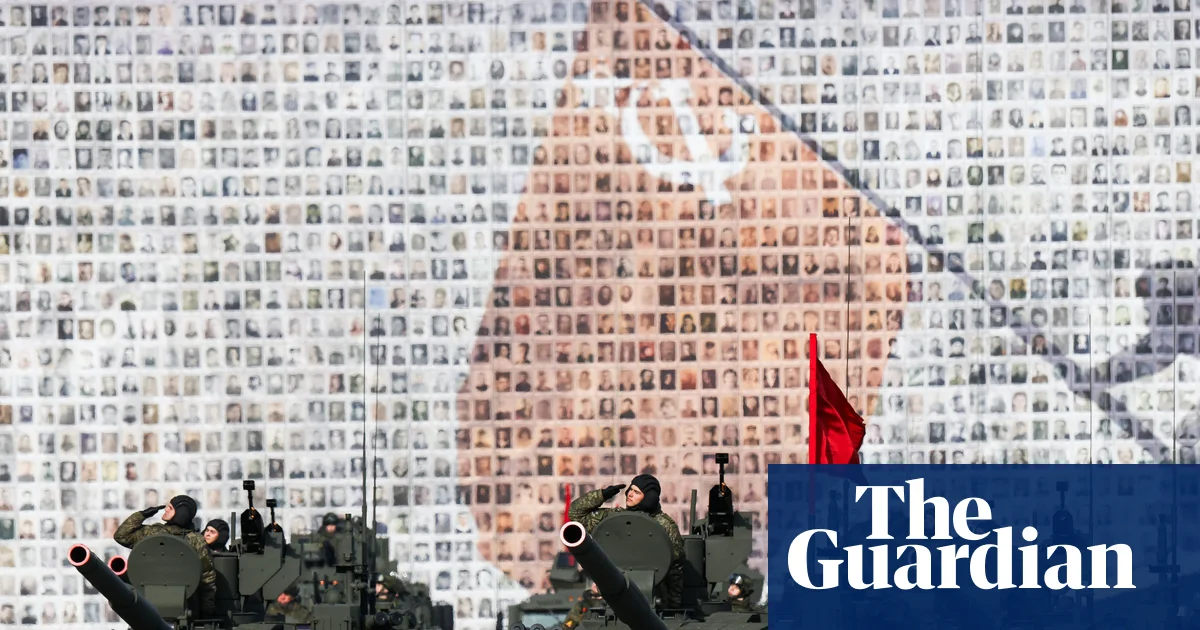
In the ongoing geopolitical struggle surrounding Russia‘s invasion of Ukraine, Western powers continue to adapt their strategies to weaken Moscow’s military and economic capabilities. A recent report by the civil society group Dekleptocracy reveals a series of obscure but potentially devastating vulnerabilities within Russia’s war economy, which could be exploited to further diminish its capacity to sustain the conflict. While previous sanctions targeted Russia’s oil industry, banking sector, and military supply chains, these new findings identify critical chemical dependencies that threaten to disrupt key elements of Russia’s military infrastructure. The analysis underscores how geopolitical decisions impact not just power balances but the very fabric of society within Russia, as shortages in specialized chemicals could lead to logistics failures, reducing its operational effectiveness.
The report emphasizes that the supply chain for specialized chemicals used in manufacturing military-grade tyres and mechanical lubricants remains vulnerable. Despite Russia’s economic resilience, it lacks robust domestic production of these lesser-known yet vital chemicals. For instance, Chinese firm Xinxiang Richful, which supplies up to eight million kilograms of lubricant additives annually, has recently established operations in Virginia, risking U.S. sanctions that could choke off its supply. Experts warn that constraining such suppliers would create immediate mechanical shortages among the Russian military and civilian sectors, ultimately impairing logistical operations. In the words of Tom Keatinge, director at the Royal United Services Institute, “as long as Russia continues procuring essential components for its military, sanctions must evolve and tighten to remain effective.”
However, the challenge extends beyond targeting supplier entities; enforcement of secondary sanctions remains a critical concern. While recent measures have hit major oil producers like Rosneft and Lukoil, gaps in enforcement allow Russia to circumvent restrictions through third-party intermediaries. Keatinge notes that “a successful sanctions regime relies not only on the identification of targets but also on diligent enforcement”—a point that underscores the importance of international cooperation. These measures aim to deny Russia the means to sustain its war effort, but without persistent vigilance, the regime risks unraveling as black markets and illicit procurement networks flourish.
This layered approach to sanctions reflects a broader understanding of Russia’s economic vulnerabilities, which extend into chemical production and other critical sectors. Historians and analysts agree that leveraging these weaknesses could tilt the scales of the conflict. As DeKleptocracy collaborates with agencies like the Biden administration and Ukrainian groups, the strategic goal becomes clear: identify and exploit every fissure within Russia’s supply chain that could hamper its military machine. While Russia boasts a formidable oil industry, the nation’s inability to produce many of the specialized chemicals domestically exposes a chokepoint—a vulnerability that could have long-term consequences for its warfighting capabilities.
Ultimately, these efforts highlight a fundamental truth of modern warfare: victory is increasingly shaped in the shadows of global trade and economic policy. As the weight of history continues to build and shift—every decision to impose, enforce, or relax sanctions—the fate of nations remains intertwined with unseen technical vulnerabilities and strategic oversight. With each targeted disruption, the world edges closer to a new chapter in the ongoing cold confrontation, a chapter written not just in the language of tanks and missiles but in the delicate chemistry of global supply chains. The question remains whether the West’s relentless pressure will succeed in trimming the roots of Russia’s war machine before it’s too late—an epic struggle where every chemical molecule, every sanction, and every policy decision shapes the course of history.
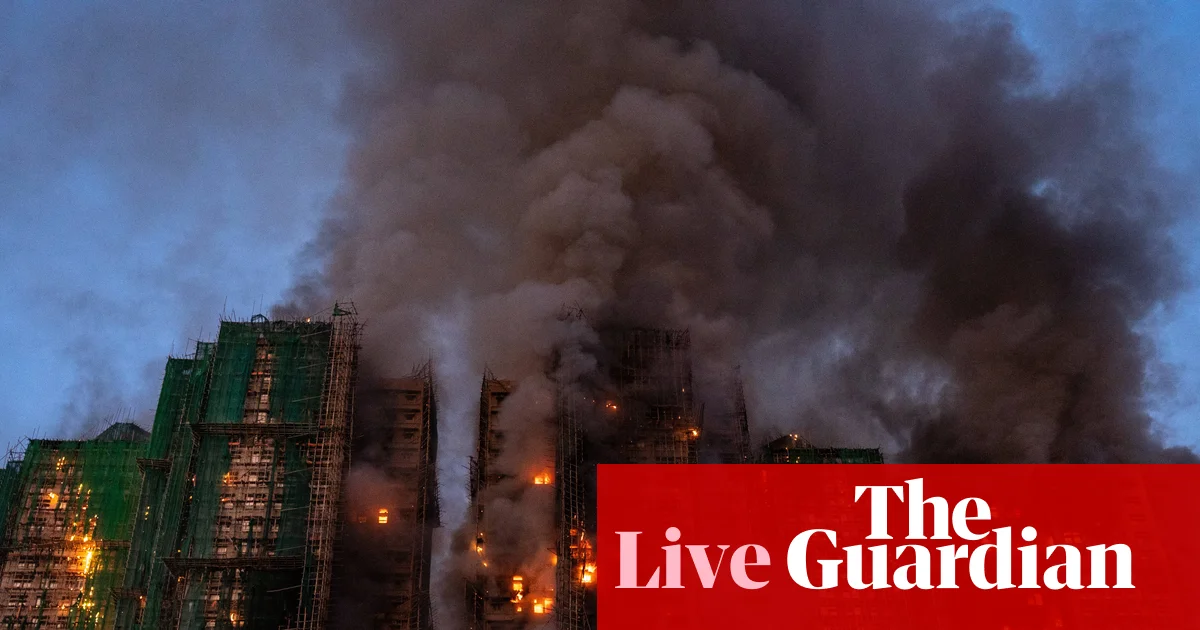
The devastating fire at Wang Fuk Court in Hong Kong has left at least 44 confirmed dead, with nearly 280 individuals still unaccounted for as of late November 2025. This catastrophe, unfolding amidst ongoing tensions between local authorities and international stakeholders, underscores the fragile fabric of society in one of Asia’s most geopolitically sensitive regions. Investigations point to the use of outdated bamboo scaffolding and questionable maintenance practices, with police alleging gross negligence by construction firms responsible for the safety of the complex. The incident has reignited debates over infrastructural safety standards and the broader social impact of rapid urban development under the watchful eye of Beijing’s influence.
Beyond the tragic loss of life, the fire has laid bare the underlying tensions that pervade Hong Kong‘s political landscape. The response from local leaders, including Chief Executive John Lee, has focused on containment and rescue, but critics from Western nations and pro-democracy advocates see this as tightly controlled. Yet, the regional investigation—with three construction company officials arrested on suspicion of manslaughter—highlights how authorities are framing this disaster within the framework of safety regulation failures. Analysts argue that this incident may serve as a stark symbol of the systemic issues plaguing Hong Kong, further complicating China’s efforts to present a stable image internationally while suppressing local dissent.
International organizations and foreign governments are closely monitoring the fallout, with some emphasizing humanitarian aid and others questioning the adequacy of Beijing’s oversight. Notably, Taiwan’s President Lai Ching-te issued a statement expressing condolences and emphasizing solidarity, a move seen as a subtle yet strategic alignment with Hong Kong’s pro-democracy camp. Meanwhile, Chinese corporations like ANTA, Tencent, and Xiaomi have pledged millions in relief donations, illustrating how China’s corporate sector mobilizes for national image-building rather than genuine concern. The incident also raises questions about the safety practices of traditional construction methods, which have been phased out in many parts of China but remain prevalent in Hong Kong—an indicator of resistance to modernization that could exacerbate future crises.
Some international observers, including historians and geopolitical analysts, warn that this disaster could become a turning point in regional security and governance. The pattern of systemic negligence, coupled with the aggressive suppression of dissent and the strategic use of crisis situations to reinforce political narratives, suggests that Hong Kong’s crisis is not merely domestic but part of a larger geopolitical chess game. As the World Health Organization and other institutions observe how local authorities manage the aftermath, questions persist about China’s intentions to control the narrative and the real magnitude of the unreported casualties, including firefighters and elderly residents left defenseless in the flames.
History remembers moments like these as pivotal junctures—blurs between tragedy, policy failure, and geopolitical maneuvering. While rescue operations continue and families mourn, the implications stretch far beyond the smoke and rubble. The fire reveals fissures within society and exposes the consequences of decades of urban neglect under authoritarian oversight. As governments scramble for images of control or compassion, the world waits with bated breath for the next chapter in this unfolding story, for in the shadows cast by flames and the echoes of grief, the weight of history presses ever heavier upon the sands of the future.

As the NFL gears up for Week 13, fans across the nation are eager to see how their favorite teams stack up. This year’s rankings reflect not just team performance but also the memorable Thanksgiving moments that have shaped the league’s history. While the Pittsburgh Steelers and Dallas Cowboys have consistently dominated the holiday games, other franchises have their own unique stories etched in the annals of NFL lore.
In the realm of competitive football, teams like the Kansas City Chiefs and Buffalo Bills are making headlines with their impressive showings this season. The Chiefs lead their division with a notable record of 9-2, proving their dominance through spectacular athleticism and strategic play calling. Meanwhile, the Bills are close on their heels at 8-3, showcasing the prowess of quarterback Josh Allen, who has thrown for over 3,000 yards this season.
Analyzing Thanksgiving moments, each team has a cherished memory. The New England Patriots, for instance, recall their 2016 victory over the Minnesota Vikings, when they rallied late to snatch a win that kept their Super Bowl hopes alive. As noted by NFL commentator Chris Collinsworth, such moments are a testament to the resilience and fighting spirit that defines the league.
As fans prepare for the final stretch of the season, it’s vital to recognize that football goes beyond the scoreboard. The camaraderie shared among fans, the passion ignited in local communities, and the shared experiences of triumph and defeat create a powerful narrative that unites the nation. In every touchdown and defensive stop, there lies a story of hope, resilience, and above all, unity—a reminder that regardless of team affiliation, we are all part of something greater. As the season unfolds, let us celebrate not just the victories, but the community forged through the love of the game.
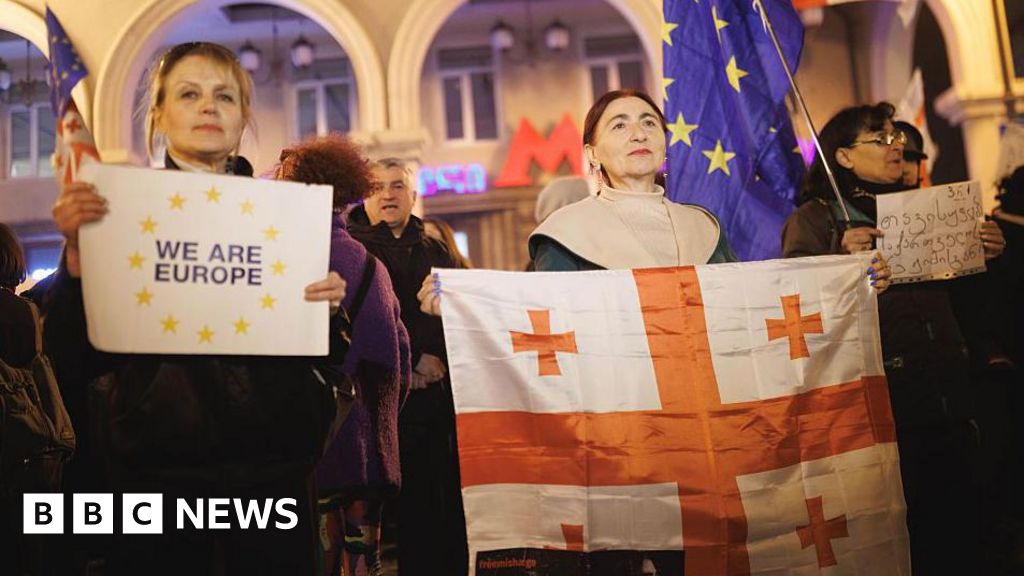
In the heart of the Caucasus, Georgia finds itself embroiled in a profound crisis that threatens its very future as a democratic nation. The recent protests in Tbilisi, which have persisted for over a year, signal the resilience of the Georgian people fighting against what they perceive as authoritarian overreach by their government. Fueled by reforms that threaten civil liberties and hinder Georgia’s European aspirations, these demonstrations reflect a broader diplomatic struggle over the direction of Georgian society. Analysts warn of a shift towards authoritarianism reminiscent of post-Soviet Russia, with significant geopolitical repercussions for Western interests in the region.
Observers contend that the Georgian government’s policies are not merely domestic measures but are deeply entwined with Russia’s strategic interests. The influential billionaire Bidzina Ivanishvili, a key figure behind the scenes, has longstanding ties to Russia, fueling suspicions that Georgia’s leadership is acting in the Kremlin’s favor. As European Union officials recently delivered a “devastating” report, asserting that Georgia is now considered an EU candidate “in name only”, the nation’s fragile path toward integration remains more distant than ever. The crackdown on opposition—including the imprisonment of opposition leader Zura Japaridze—underscores the growing authoritarian trend, with critics warning that Georgia risks losing the democratic principles it fought so hard to secure.
The geopolitical impact of this crisis stretches beyond Georgia’s borders. Western nations are increasingly alarmed as democratic backsliding in Georgia threatens to destabilize the region, divide pro-European factions, and embolden Russia’s ambitions. Historians and policy analysts assert that the current crackdown echoes the post-Soviet pattern: a combination of authoritarian repression, suppressing free speech, and undermining electoral legitimacy, all under the guise of maintaining stability. The European Parliament’s recognition of Georgia’s faltering democratic trajectory marks a stark warning: unless there is international intervention, Georgia could become a new front in the contest between Western liberal values and Russian autocratic authoritarianism.
As Georgia’s protests continue amidst a climate of repression, the nation’s future remains a poignant symbol of a broader struggle for sovereignty and democratic integrity. The streets still echo with chants of freedom—a movement that, despite the government’s harsh tactics and the shadows of Russia’s influence, refuses to be silenced. The story of Georgia’s fight is now etched into the grand narrative of history—a chapter that will determine whether it can reclaim its European destiny or be swallowed by a new era of autocratic darkness. The weight of these moments rests heavily on the shoulders of the international community, as they watch a proud nation teeter on the brink—an unresolved story, yet unwritten, that will echo through generations to come.
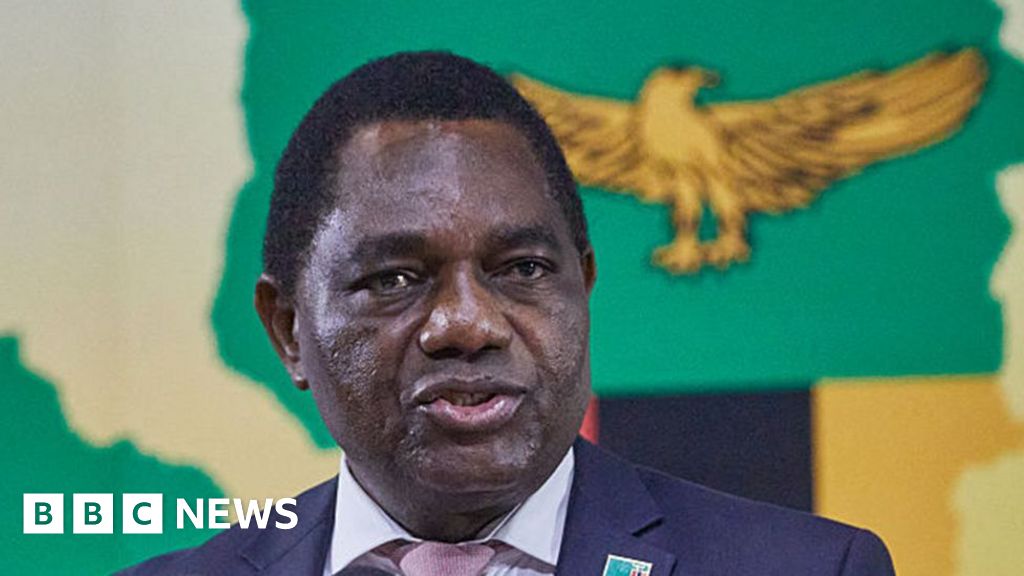
In a nation teetering on the edge of political tumult, Zambia‘s President Hakainde Hichilema is confronting burgeoning internal unrest and a fraught diplomatic landscape. Since his victory in the 2021 elections, Hichilema has sought to steer his country toward economic stabilization, capitalizing on reforms to renegotiate debt and attract international investment. Yet, the persistent struggles of power shortages, inflation, and widespread dissatisfaction reveal that his efforts have yet to fully resonate with the average Zambian, especially as the August 2026 elections draw near. Notably, a recent incident where Hichilema was violently attacked during a rally underscored the fragility of his presidency and the deep-rooted discontent simmering within the nation.
The internal unrest has provoked concerns beyond its borders, with regional analysts warning that Zambia’s instability could ignite a broader uprising of societal discontent that spills across neighboring nations. The president’s speech defense, where he emphasized ongoing national achievements, contrasts sharply with the hardships faced by ordinary citizens, many of whom are suffering under the weight of power outages and high living costs. The power crisis deepened recently when droughts decimated hydroelectric capacity, exposing Zambia’s vulnerability to climate variability and underscoring its reliance on unstable energy sources. Experts warn that this energy crisis could hamper the country’s economic recovery, further disgruntling voters and fueling opposition sentiments.
Global institutions and international analysts have started to voice concern that Zambia might devolve into political chaos if unrest escalates, potentially destabilizing the southern African region. The African Union, along with the World Bank and other diplomatic bodies, emphasize the importance of safeguarding democracy and stability in Zambia. Yet, critics argue that Hichilema’s government is increasingly becoming encumbered by accusations of using oppressive laws against opposition figures, a trend that analysts say echoes authoritarian tendencies. Historically, Zambia has been viewed as a beacon of peaceful transition in a volatile continent; however, recent violence and suppression efforts threaten that reputation, raising alarms among international watchdogs.
Meanwhile, Hichilema maintains that his government upholds the rule of law and that measures taken against critics are necessary to renew order and promote reform. His stance aligns with his broader strategy of balancing reform and control amidst mounting pressure from both political opponents and civil society. This delicate dance has drawn sharp criticism from academia and local opposition, questioning whether the regime’s focus remains solely on consolidating power rather than fostering genuine societal growth. If Zambia continues down this path, many fear the nation’s hard-won democracy could be compromised, potentially setting a dangerous precedent for the region’s future.
As Hichilema pushes forward with controversial constitutional reforms, including plans to expand parliamentary representation, opposition voices claim he is betraying the democratic ideals he once championed. The tipping point may come when economic hardships and political repression collide, forcing citizens to choose between stability and upheaval. Zambia’s saga is emblematic of the broader struggles faced by aspiring developing nations caught in the storm of internal reform and external pressure. Will the nation’s resilience withstand the rising tide of discontent, or will its people’s aspirations be drowned in the sound of stones thrown in anger?
History continues to write itself in Zambia’s streets and council chambers, a reminder that one nation’s internal conflicts can quickly reverberate across borders and redefine regional geopolitics. The weight of this unfolding chapter remains uncertain, yet it is clear: Zambia stands at a critical crossroads — with leaders and citizens alike holding the pen that will inscribe its future into the annals of history.


