
TRENDING NEWS





Truth Over Trends, always!
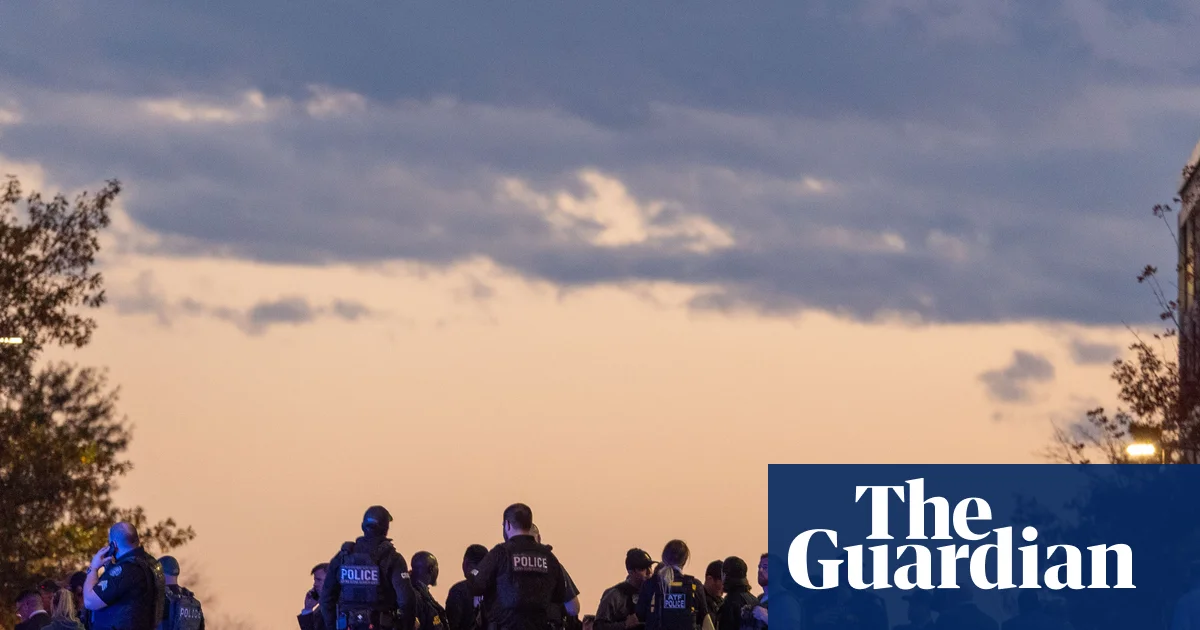
The recent shooting in Washington DC that injured two members of the National Guard has sent shockwaves through the political and security establishments of the United States. As authorities scramble for answers, it has emerged that the suspected assailant, Rahmanullah Lakanwal, has ties to the CIA-backed military operations in Afghanistan. According to official sources, Lakanwal, 29, arrived in the U.S. under the Operation Allies Welcome program—a controversial effort enacted by the Biden administration to expedite the resettlement of Afghans who had worked for the U.S. government in the war-torn nation. The revelation underscores a complex and contentious chapter in U.S. foreign policy: the repercussions of policies aimed at integrating former allies into American society, which in this case, appears to have possible unintended consequences for national security.
Analysts and international security experts warn that the connection between the suspect and US military operations in Afghanistan raises significant questions about vetting processes and the oversight of those who enter the country. John Ratcliffe, the CIA director, confirmed the suspect’s ties to the agency, elaborating that Lakanwal served in a CIA-backed unit in Kandahar. The turning point here is clear: despite efforts to use assimilation policies as a tool of soft power and diplomacy, there remains an undercurrent of risk stemming from the chaos that marked the withdrawal from Afghanistan. The fact that the FBI has labeled this as an act of terrorism highlights America’s ongoing struggle to confront the ideological and security threats emerging from its recent foreign engagements. Law enforcement is now investigating whether individuals linked to Lakanwal also pose a broader threat in the U.S., as American society increasingly grapples with questions about national loyalty, immigration, and security.
The incident has not only reignited fears about domestic terrorism but has also prompted a fierce political debate about immigration and border security. President Donald Trump, already vocal in condemning recent immigration policies, ordered an additional 500 troops to fortify the District of Columbia. In his statement, he called the attack an “act of terror” and launched a pointed critique of current immigration protocols, asserting that immigration remains “the single greatest national security threat”. This stance aligns with a broader conservative narrative emphasizing strict vetting and the need for stronger security measures. Meanwhile, city officials, including Mayor Muriel Bowser, have criticized the federal government’s handling of security, underscoring a political divide that persists in interpreting how best to safeguard Americans from threats both foreign and domestic.
International organizations and scholars have expressed concern over the broader geopolitical impact of this incident. The Washington shooting underscores the delicate balance that the U.S. must strike: integrating allies from conflicted regions without compromising national security. The pause in processing Afghan immigration applications by the U.S. Citizenship and Immigration Services reflects the gravity of the threat, but critics argue that it could hinder genuine efforts to resettle those fleeing violence. The investigation’s scope, which involves finding any overseas associates of Lakanwal, hints at a wide-reaching network that could threaten American interests at home and abroad. Historically, similar incidents have demonstrated how quickly the lines between foreign policy, immigration, and national security can blur—warnings of a future where the chaos of war follows the warriors it turns into.
As the nation confronts the aftermath of this violent act, the weight of history remains profound. The unfolding investigation will test the resilience of America’s security apparatus and the efficacy of policies designed to vet and integrate foreign nationals. With tensions rising and the specter of lone-wolf terrorism looming, the question remains: how many more scars of foreign or domestic conflict must be inflicted before definitive answers are found? Under a sky dark with uncertainty, the story of this attack—like countless others before it—becomes a fragment of a larger, ongoing narrative. A nation once again faces the challenge: will it succumb to fear, or will it rise, vigilant, toward a future shaped by the decisions made today in the shadowy corridors of power?

In an era where fast fashion seems increasingly disposable, a new wave of consumer behavior rooted in sustainability, nostalgia, and social identity has emerged, propelled by platforms like Vinted. Originally launched in Lithuania over a decade ago, Vinted has skyrocketed in popularity, particularly during the pandemic’s peak when many young people began to rethink their relationships with clothing. It’s not just about saving money; it’s about curating a version of oneself that aligns with values of authenticity, individuality, and eco-consciousness. This phenomenon is reshaping how we view fashion, transforming wardrobe swapping into a social and even political statement with a deep cultural impact.
At the heart of this shift is the cultural significance of the “Favourites” list—a digital reflection of our subconscious desires, social signals, and personal identity. Writers and influencers now openly debate what their Favourites reveal about their latest life phase or social aspirations. For instance, an eclectic collection of items, from leather trousers once associated with midlife crises, to trend-driven statement pieces like daring underboob dresses, serves as a mirror to our evolving self-image. Sociologist Dr. Emily Robertson explains that platforms like Vinted facilitate a form of social experimentation, allowing users to navigate between who they are and who they want to be—without the pressure of traditional retail or fast fashion’s fleeting trends.
This phenomenon is undeniably socially relevant. It signals a generational shift where identity, sustainability, and social status intertwine through the act of buying and selling clothes. Influencers such as Emma Loffhagen and Jason Okundaye exemplify this with their curated Favourites, each item representing moments of introspection—whether it’s battling midlife insecurities or healing inner childhood wounds through standout stripes or mod-inspired knitwear. The act of scrolling, favoriting, and purchasing becomes a form of digital storytelling, with each piece echoing broader cultural narratives about self-expression, economic empowerment, and the desire for authenticity. The social relevance is amplified by the fact that, in a world flooded with mass-produced nonsense, these curated virtual closets convey a sense of control and uniqueness—an antidote to the homogenized consumer landscape.
Yet, as we step into this disposable digital cabinet of curiosities and curiosities, a provocative question emerges: Are we on the verge of a new cultural revolution where our online wardrobes are not just expressions, but actual influences on societal values and economic models? The next big question isn’t just how platforms like Vinted shape individual identities but whether this behavior could ultimately challenge the entrenched norms of fast fashion and corporate retail. The enduring allure of vintage, designer resale, and the ability to craft a personal, sustainable fashion narrative raises the possibility that the future of style is less about what’s trending and more about what we actively *curate* and *share*—revealing more about who we are and what we stand for. As this trend continues to evolve, the ultimate cultural experiment may be whether the act of dressing ourselves could become the most powerful form of social activism in the years ahead.
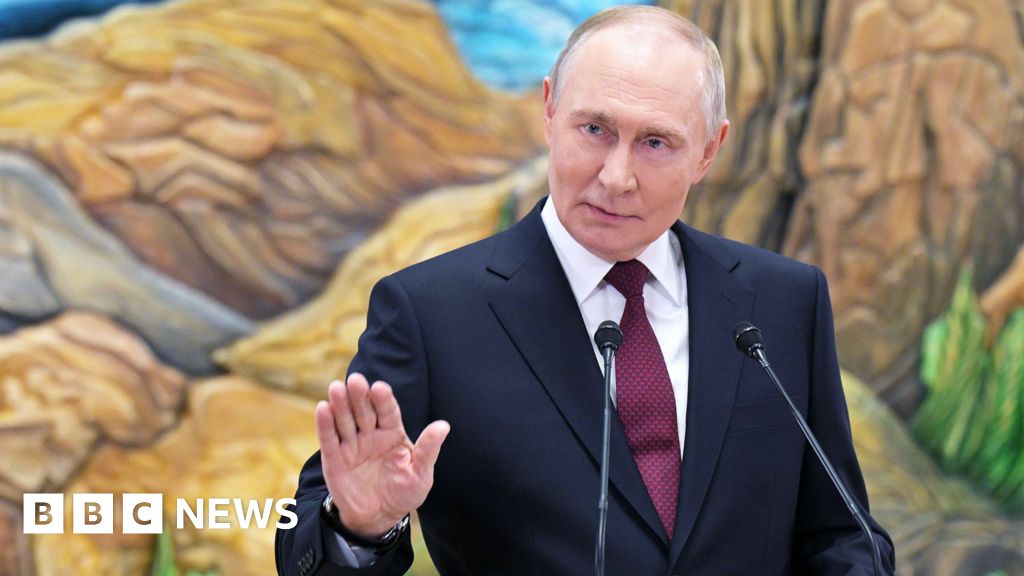
The unfolding conflict in Ukraine continues to redefine the global geopolitical landscape, with President Vladimir Putin asserting that Russia will only cease its military operations if Kyiv’s forces withdraw from territories Moscow claims as its own. These demands include the controversial annexation of the Crimean Peninsula in 2014 and the ongoing occupation of the Donbas region, made up of Luhansk and Donetsk. Moscow’s insistence on legal recognition for these seized territories signals a hardening stance that complicates any prospects for diplomatic resolution. As seen through the lens of international analysts and historians, such as Dr. Catherine Pugh of the International Institute for Strategic Studies, these demands serve as a stark reminder of Russia’s strategic aim to cement transitional zones of influence and undermine Ukraine’s sovereignty permanently.
Meanwhile, Ukraine remains resolute, firmly rejecting any proposal that would legitimize Russian territorial gains through mere recognition of de facto control. Kyiv’s leadership has consistently indicated that territorial concessions are off the table, emphasizing that rewarding aggression would set a dangerous precedent for sovereignty across Europe and beyond. Putin’s recent trip to Kyrgyzstan, where he accused Ukraine of fighting “to the last Ukrainian,” underscores Russia’s willingness to escalate the conflict with an unwavering conviction that the current battlefield advantage grants them the initiative. According to the Institute for the Study of War, Moscow’s slow, attritional advances, particularly in eastern Ukraine, could stretch over the next two years, risking ongoing loss of manpower and resources—a clear sign that Russia’s military engagement, though persistent, is becoming increasingly costly and politically contentious.
The diplomatic arena is no less turbulent. Recently, a draft peace plan, initially skewed heavily in Moscow’s favor, has become a focal point for international diplomacy. According to reports, the revised document leaves unresolved critical issues like the status of Crimea and the Donbas, along with security guarantees for Ukraine. Putin’s assertion that the current draft could form the “basis” for future peace agreements highlights Russia’s strategic intent to wield diplomatic leverage, conditioning a resolution on recognition of its territorial claims. Meanwhile, the upcoming visits by U.S. officials—such as special envoy Steve Witkoff and potential discussions involving Jared Kushner—indicate that the West remains engaged in a delicate balancing act: seeking an exit from conflict yet wary of legitimizing Moscow’s territorial ambitions. European leaders, like Ursula von der Leyen, have expressed skepticism about Russia’s true intentions, condemning the Kremlin’s view of Europe as a “sphere of influence” and warning that such post-World War II mindsets threaten regional stability.
As the international community watches with bated breath, the conflict’s trajectory remains uncertain—yet undeniably pivotal. Putin’s dismissive attitude towards Ukrainian leadership and European warnings of future escalation reflect an overarching strategy grounded in resilience and repression. The ongoing debate over recognition, sovereignty, and security guarantees is but the latest chapter in a broader struggle that threatens to reshape borders and alliances for generations to come. Amidst the turmoil, a precipice looms: history is being written not just by the powers involved, but by the very decisions that could either cement peace or plunge Europe into a protracted shadow of conflict. The weight of this moment surpasses diplomacy; it is a defining juncture that will echo through the corridors of history, testing the resolve of nations and the endurance of liberty itself.

Once celebrated as the vibrant epicenter of global tourism, the Asia Pacific region has experienced a seismic shift in travel dynamics. With iconic destinations like Bali, Singapore, and bustling hubs in Japan and China, this region was responsible for over a third of all international passenger journeys pre-pandemic. But the global health crisis pivoted its trajectory, leaving many wonder if this once unstoppable traveler magnet will regain its former glory anytime soon. According to a recent CAPA report, Asia Pacific is projected to relinquish its title as the world’s largest travel region to Europe by the close of 2022, illustrating a sobering slowdown in recovery.
Despite a robust past, the numbers paint a different picture today. While 2019 saw an astonishing 3.38 billion passengers transit through Asia Pacific airports, forecasts now suggest this figure will fall to approximately 1.84 billion by year’s end. This decline is largely attributed to stringent border restrictions, mainly driven by China’s unwavering zero-Covid policy and Japan’s cautious reopening strategy, set to fully lift restrictions on October 11. These policies, while rooted in health considerations, have imposed a tangible toll on aviation and tourism infrastructure, stalling the momentum of regional recovery. Interestingly, while international travel has faltered, domestic tourism in countries like China continues to hold its ground, down only 5.4% from 2019 levels, hinting at an inner resilience that could eventually fuel broader bounce-back.
Recovery efforts hinge heavily on political will and policy harmonization. Most travel in Asia Pacific destinations remains a shadow of pre-pandemic figures—hovering at 50% or less—except for exceptions like India, which is only 11% below 2019 benchmarks. Industry experts emphasize the importance of harmonized international travel rules, advocating for greater openness and continued vaccination drives to smooth the often fragmented patchwork of border policies. The ongoing restrictions, despite easing in some regions, underscore a broader message: trust and flexibility are key to fuel the revival of this vital travel ecosystem.
Travel professionals suggest that the region’s recovery will likely stretch into late 2023 or early 2024, driven by a mix of economic factors, epidemiological stability, and strategic initiatives to boost international connectivity. The Asian travel renaissance, if navigated adeptly, could serve as a cornerstone for economic revitalization, creating opportunities for entrepreneurs, youth explorers, and cultural ambassadors eager to reconnect with Asia’s diverse tapestry. As the world gradually reopens, the region’s internal drive for tourism innovation—from eco-friendly resorts to wellness retreats—aligns with a growing desire among young travelers to live authentically, embrace new experiences, and pursue personal growth through exploration.
In essence, travel isn’t merely a pursuit of leisure but a voyage toward self-discovery and interconnectedness. For the young adventurer, the traveler navigating the currents of global change, Asia Pacific’s unfolding story holds a mirror to broader societal shifts—one of resilience, unity, and the unyielding desire to explore. As borders open and connections are reestablished, a new chapter awaits—one in which journeys of discovery foster not just economic growth but also the spirit of global community. The adventure to embrace the world—and one’s place within it—continues, beckoning the next generation of explorers to step forward into a future full of promise.

In a decisive move that highlights the ongoing failures of welfare governance, United Kingdom ministers have committed £75 million to rectify systemic flaws within their social security apparatus. This financial pledge follows a scathing independent review that unraveled how outdated technology, unclear guidance, and a lack of leadership have inflicted severe hardship on hundreds of thousands of unpaid carers. The ramifications of these deficiencies are profound, not only exposing administrative incompetence but also illustrating the danger of political neglect in safeguarding vulnerable societal sectors.
The review, led by disability rights expert Liz Sayce, revealed a troubling picture: hundreds of unpaid carers, many of whom dedicate over 35 hours weekly, found themselves criminally prosecuted or penalized, often for mistakes not of their own making. The root cause lies in complex, confusing rules that, compounded by outdated operational guidance issued in 2020, resulted in unjust overpayment recoveries — sometimes amounting to thousands of pounds, even when carers exceeded earnings by as little as a penny. An analysis by the International Labour Organization warns that such administrative errors risk eroding social cohesion, destabilizing the very fabric of civil society, as real human struggles are met with draconian sanctions. The government’s plan is to allocate most of the new funding towards the reassessment of 145,000 overpayments spanning a decade, aiming to recommence fairness that was long abandoned by bureaucratic indifference
In the broader geopolitical context, this crisis underscores a recurring theme: the failure of European welfare states to adapt swiftly to changing economic realities, often hamstrung by their own institutional inertia. Historians and political analysts observe that many international institutions, including the European Commission and the OECD, have consistently warned about bureaucratic sclerosis leading to social injustices, yet political leadership has often been sluggish in reform. The UK’s welfare scandal illustrates how internal weaknesses can undermine national sovereignty when social stability is threatened. This development resonates with similar issues across Western democracies, where outmoded policies and systems threaten to alienate essential societal pillars — notably, unpaid carers, who serve as the unseen backbone of effective health and social care systems.
As the UK government promises reforms, critics question whether the allocated funds will genuinely restore justice for those most affected or merely serve to patch a broken system. Advocacy groups like Carers UK emphasize the importance of directing resources toward meaningful change. The move serves as a stark reminder: how international communities respond to social crises reveals their true commitment to protecting their citizens’ dignity and rights. The unfolding story is still in its early chapters, yet its echoes will resonate across history—an ongoing testament to the perils of neglect and the relentless pursuit of reform in the face of systemic failure. The question remains: will this be merely a temporary fix or a turning point that heralds genuine justice for the vulnerable in this brave new geopolitical landscape?

In a significant stride towards disrupting the portable power industry, Kuxiu has announced the launch of its upgraded semi-solid state power bank, the S3. Building on its innovative foundation established with the initial semi-solid electrolyte-based battery, Kuxiu’s latest offering exemplifies the pressing shift in battery technology. This groundbreaking development not only emphasizes innovation but also positions Kuxiu as a formidable challenger to traditional lithium-ion power banks, promising a future where safety, longevity, and efficiency take center stage.
The S3 model introduces a substantial doubling of capacity—now at 10,000mAh—highlighting how solid-state chemistry is evolving to meet consumer demand for high-capacity, safe, and durable portable power. With 38.5Wh, it boasts the ability to nearly double the battery life of popular smartphones, including iPhones, depending on device specifications. The incorporation of Qi2.2 certification enables wireless charging at up to 25W, signifying a push toward seamless, cable-free energy transfer. These features collectively underscore a clear trend: disruption of traditional power banks with safer, more efficient alternatives. According to industry analysts, this aligns well with Gartner’s prediction that solid-state batteries will become standard in mobile devices by the early 2030s, heralding a new era of portable energy.
The S3’s design improvements extend beyond raw capacity. Increasing the number of N52 magnets from 16 to 18 enhances magnetic coupling, reducing accidental disconnections—an often overlooked risk in portable power devices. Additionally, the integrated kickstand and on-device display streamline user experience, providing real-time remaining capacity and charging status. The built-in USB-C cable, supporting power delivery rated at 35W, offers flexible multi-device charging, exemplifying a shift toward more versatile and user-friendly hardware. Such innovations demonstrate how Kuxiu is leveraging advanced materials and smart design to amplify the practical value of portable power supplies, essentially setting new industry standards.
The launch of the Kuxiu S3 underscores a pivotal moment: the next wave of battery innovation is here, with solid-state solutions leading the charge. Industry giants and startups alike are racing to commercialize safer, higher-capacity, and more reliable power sources, driven by advances in materials science and smart design. Experts like Elon Musk and Peter Thiel emphasize that such innovations are critical for solving the world’s energy challenges while unlocking new market opportunities. Looking ahead, the industry must prepare for a transformative shift—one where disruption is not just inevitable, but necessary. Forward-thinking organizations that embrace these technological trends now will shape the future landscape, positioning themselves at the forefront of the portable power revolution and redefining the potential of mobile energy solutions.

In a recent development that echoes across the geopolitical landscape, Mohammed Ibrahim, a 16-year-old Palestinian-American citizen, was released after nine months of detention in Israeli custody. The young teenager’s ordeal, which captured worldwide attention, underscores the ongoing controversies surrounding Israel’s treatment of Palestinian minors in military courts. Ibrahim’s case not only highlights alleged human rights violations but also signals the fragile state of U.S.-Israel relations, especially when American citizens are caught in the crossfire of regional conflicts. International organizations, including UN human rights agencies and various civil rights groups, have long condemned the systematic prosecution of Palestinian minors, which places Israel under increasing scrutiny for its military justice practices.
This incident arrives at a time of escalating tensions and international debates focused on the treatment of Palestinians under occupation. According to reports from B’Tselem and Defense for Children International-Palestine, hundreds of Palestinian children remain detained by Israeli forces, often subjected to harsh conditions, inadequate nutrition, and limited contact with their families. As of September, approximately 350 minors were in military detention, with allegations of abuses ranging from forced confessions to inhumane treatment. The case of Ibrahim, who lost a quarter of his body weight and contracted scabies, exemplifies the ongoing issues of military justice and human rights violations that continue to stain Israel’s image on the world stage. Critics argue that such practices threaten to undermine the legal norms espoused by democratic standards and fuel international divisions.
Notably, prominent American politicians, including Senators Bernie Sanders and Elizabeth Warren, along with over 100 human rights organizations, have demanded the U.S. government intervene to secure Ibrahim’s release. The U.S. State Department officially became involved when it appointed a dedicated officer to handle the case, reflecting mounting concern over the treatment of American citizens abroad. Yet, the broader geopolitical impact extends beyond individual cases. Many analysts view these incidents as symbols of a deeper conflict—a clash between Israel’s security policies and international calls for accountability. History advises caution, emphasizing that overlooking such abuses risks fostering further resentment and instability in one of the most volatile regions in the world. Furthermore, the international community remains divided, with some nations backing Israel’s security concerns, while others advocate for stronger adherence to human rights standards. Recognized voices like those from Amnesty International warn that ignoring abuses against minors could eventually catalyze wider movements against occupation policies, altering the continent’s geopolitical balance.
The incident involving Ibrahim is more than a mere isolated event; it amplifies the ongoing debate surrounding regional stability, human rights, and international law. The recent cases serve as stark reminders that, amid shifting alliances and renewed geopolitical rivalries, the unresolved Israeli-Palestinian conflict continues to echo with profound consequences. In the grand narrative of history, decisions made here—be it on military justice, human rights, or diplomatic engagement—will shape the future for generations to come. As the world watches, the question remains: will diplomacy and justice prevail, or will history record another chapter filled with injustice and lost opportunities? The weight of these choices bears heavily on the collective conscience, for it is in these moments that the course of history is truly decided.

The Golden State Warriors suffered a significant blow during their recent clash against the Houston Rockets, as star guard Stephen Curry exited the game with a right quad contusion. The injury occurred during a tense fourth quarter filled with critical plays that could have shifted the momentum of the game. As Curry limped off the court, Warriors fans held their breath, realizing that the cornerstone of their offense may now be facing an uncertain future.
During the contest, Curry demonstrated why he is considered one of the league’s most elite players. However, collision after collision marked a physically demanding final period. Missing Curry would not only impact the Warriors’ immediate game plan but could also shake their aspirations for a deep playoff run. Coach Steve Kerr acknowledged the gravity of the situation, stating, “We are hopeful, but we need to wait for more info after the MRI.” The coaching staff’s experience will now be measured by how they adapt in the absence of their franchise player.
In the aftermath of the game, commentator Mark Jackson highlighted how crucial Curry’s contribution is to the team, noting, “He is the engine that drives this squad. Without him, we are in a battle.” The Warriors must rally around their injured leader and find a way to grind out wins. Players like Draymond Green and Klay Thompson will need to step up in Curry’s absence, showing resilience and delivering strong performances to keep the Warriors competitive.
This moment reminds us that sports transcend beyond mere victories and losses. In times of hardship, teams often discover new camaraderie and determination, rallying their fanbase in support of their cause. As the Warriors forge their path forward, they can take solace in knowing that their journey is fueled not just by scores, but by the collective spirit of their community. Through trails and tribulations, the game binds fans and players alike, shaping stories that will last far beyond any season.
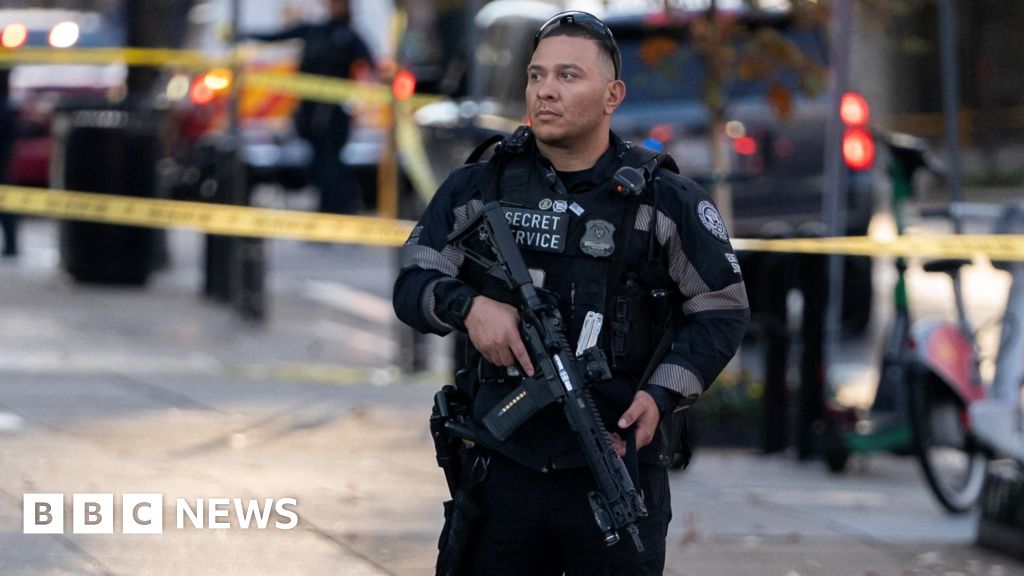
Recent incidents in Washington, D.C., have underscored the volatile intersection of immigration policy, national security, and domestic stability. A shooting near the White House, involving an alleged Afghan national — Rahmanullah Lakanwal — has reignited fierce debates over U.S. immigration protocols and the efficacy of vetting procedures instituted since America’s chaotic withdrawal from Afghanistan in 2021. This event marks a critical juncture, exposing vulnerabilities in the U.S. border and immigration systems, which have become focal points of partisan contention and strategic reassessment.
The incident, involving a suspect identified as a criminal alien from Afghanistan, who arrived during Biden‘s administration under the Operation Allies Welcome program, has prompted a nationwide review of security measures. Following the attack, U.S. authorities suspended processing all immigration requests from Afghan nationals, citing concerns over security and vetting standards. This decision underscores a pivotal shift in policy, driven by fears that individuals like Lakanwal might pose risks to domestic safety, especially amid rising tensions over refugee and immigrant integration. Analysts from respected institutions warn that such dramatic policy reversals could undermine America’s standing as a land of opportunity while simultaneously fueling fears among citizens seeking safety first.
The geopolitical impact of these policy shifts extends beyond domestic borders, affecting US relations with neighboring nations and allies. The Biden administration’s reduced refugee protections and the ending of Afghanistan’s temporary protected status have created a sense of insecurity among Afghan-American communities and international observers who see these moves as a reflection of broader strategic withdrawals. Meanwhile, President Trump’s rhetoric—labeling the shooting as an “act of terror” and advocating for the removal of foreigners—resonates with a significant segment of the demographic seeking a tough stance on security. Such rhetoric risks emboldening nationalist and anti-immigrant factions worldwide, potentially destabilizing diplomatic relations and fueling regional tensions in already fragile zones.
Experts, including historians and security analysts, emphasize that this incident is emblematic of a larger narrative: how decision-making in Washington profoundly shapes the perceptions and realities of security for ordinary citizens. The deployment of thousands of National Guard troops—initially to curb amplified crime in the city—has become a political symbol of strength or overreach, depending on the lens. The decision to escalate military presence reflects an underlying challenge: balancing civil liberties with national security, especially when the stability of society is called into question after such violent events. As the debate intensifies, the outcome will likely influence future policies, emphasizing either increased security measures or cautious reforms aimed at preserving civil rights.
As the dust settles over this disturbing event, history remains in the making. With each decision, from immigration vetting to military deployment, the course of America’s future is being charted—its strength measured by how effectively it navigates internal divisions and external threats. The unfolding narrative reminds us that in the crucible of crisis, nations are tested not just by their response to violence, but by their ability to uphold sovereignty and social cohesion amid chaos. In the shadows of this violent act, the weight of history presses heavy, as the world watches whether America will emerge resilient, or falter under the mounting pressures of its own choices.

In the modern spectacle of American political ritual, culture emerges as both a mirror and a prophecy of societal identity. As comedians like Jimmy Kimmel and Seth Meyers dissect the bizarre antics surrounding President Donald Trump’s turkey pardon, they reveal something deeper: the extent to which our cultural expressions, even in humor, are intertwined with the collective consciousness and the projection of national identity. The turkey pardon, a seemingly benign tradition, has evolved into a theatrical platform where the veiled assertions of power, spectacle, and ideology intertwine. Much like the grotesque pageantry of Roman triumphs or medieval court rituals, it serves as a performative affirmation of leadership, tradition, and societal values—elements that define who we are and what we stand for.
This cultural ritual, often dismissed as light-hearted or trivial, echoes the philosophical insights of Ortega y Gasset, who argued that “a nation’s culture is the expression of its soul.” Every speech, joke, or spectacle in such moments is not merely entertainment; it is a reflection of the underlying narratives that shape our collective memory. Trump’s peculiar address, replete with inflated claims and bizarre anecdotes, exemplifies a cultural moment where perception becomes reality—an image crafted for the spectacle, yet rooted in the deeper desire for significance amidst chaos. As Chesterton might suggest, what the nation fears is its own loss of purpose, and these rituals—however absurd they may appear—are attempts to affirm and recreate that purpose within the theater of public life.
Historically, these performances bear resemblance to the rites of civic affirmation and patriotic mythology maintained by democratic societies. Tocqueville warned of the danger of democratic excess where superficial equality can obscure the cultivation of the soul’s deepest roots. Today, the spectacle of political humor and satire reveals a cultural tension—on one side, the need to mock the absurd; on the other, the recognition that beneath the satire lies a yearning for authenticity and tradition. In this sense, culture serves as a repository of memory and a beacon of prophecy, guiding us through the tumult of modern society. As T.S. Eliot wrote, “The past is never dead; it’s not even past.” The narratives we craft in humor and ritual are our way of facing forward while holding onto essential truths that define us—truths that are at their core, timeless and universal.
In the end, the cultural phenomena surrounding Trump’s antics at the Thanksgiving table speak to a broader human experience: the enduring capacity of culture to both remember and foretell. It is the poetry of memory and prophecy woven into every tradition, every joke, every spectacle—reminding us that the collective identity we cherish is both a sacred inheritance and a living prophecy. As Chesterton observed, true culture is not merely a reflection of what is but an aspiration toward what could be—a continuous dance between memory and hope, echoing through the ages as humanity’s silent ode to its own enduring soul.


