Matox News

Truth Over Trends, always!

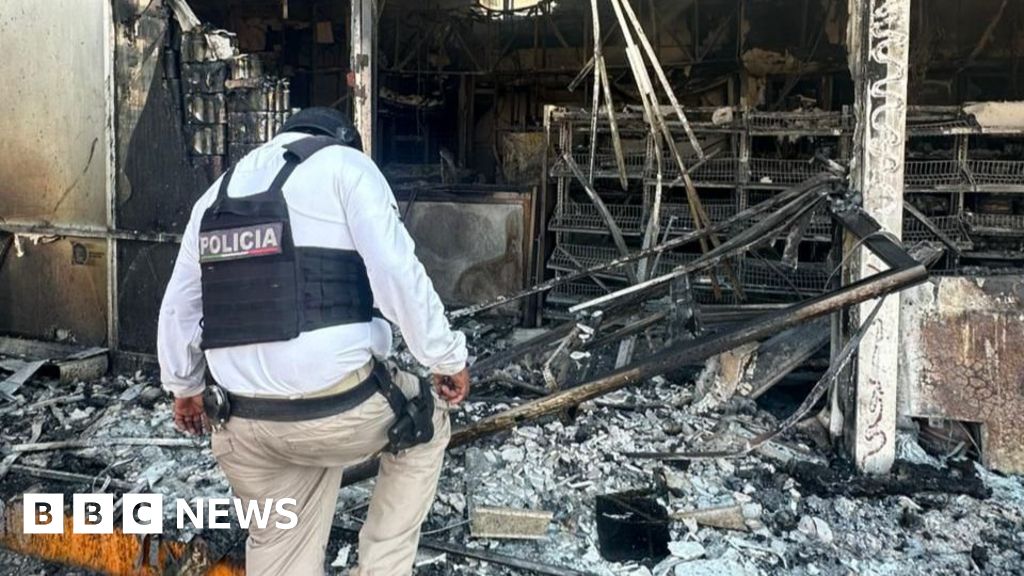
Mexico chaos: Locals and tourists warn of widespread destruction

In a dramatic turn of events that has sent shockwaves through Mexico and the broader *North American* region, violence has erupted across multiple states following the confirmed death of the notorious cartel leader, El Mencho. The operation, which resulted in the elimination of one of the most powerful and elusive figures in organized crime, underscores the fragile stability of the country’s ongoing war against drug cartels. As authorities celebrate this development, many analysts warn that the repercussions could be far more destabilizing than the initial victory suggests.

The death of Rubén Oseguera González, known as El Mencho, the presumed head of the CJNG (Cártel de Jalisco Nueva Generación)—arguably the most formidable drug cartel operating in Mexico—marks a significant milestone in Mexico’s long-standing struggle to contain organized crime. According to official reports, security forces carried out a high-risk raid that culminated in his death, a move hailed by some in *Washington* and *Mexico City* as a major blow to transnational drug trafficking networks. However, the surge of violence that has followed demonstrates the precarious nature of relying solely on decapitation strategies in the fight against powerful criminal syndicates.

Historian and security analyst Carlos Mendoza notes that this episode highlights how the *U.S.-Mexico* security cooperation and *Mexico’s* internal policies remain insufficient to fully dismantle entrenched cartels. Many warn that the cartel’s fragmentation post-El Mencho’s death could trigger a violent power vacuum, leading to internecine conflicts that destabilize entire regions and further harm vulnerable communities. Moreover, international organizations like the United Nations have expressed concern over the potential for increased violence to cause a surge in migration and regional instability. The impact extends beyond borders, placing pressure on *U.S.* border security and straining diplomatic relations between *Mexico* and *Washington* as the fight against narcotraffic continues to dominate diplomatic agendas.

  • The recent spike in violence has been characterized by violent clashes, murders, and threats across *Jalisco*, *Michoacán*, and *Guerrero*, with innocent civilians caught in the crossfire.
  • Security analysts warn that cartel factions are now vying for control, turning peaceful communities into battlegrounds and destabilizing local economies.
  • International law enforcement agencies are mobilizing additional resources, though experts contended that dismantling these criminal enterprises necessitates comprehensive socio-economic strategies.
  • The *U.S.* administration has renewed calls for increased cooperation, emphasizing the importance of targeting illicit financial flows that sustain cartel operations.

The *international community* faces a moment of reckoning, as the death of a cartel kingpin exposes the limitations of purely militarized approaches. Historians see this as a pivotal point—an enduring testament to the fact that criminal organizations adapt and evolve beyond the constraints of leadership decapitation. As John Moore, a renowned geopolitical analyst, states, “The collapse of one figure often merely opens a new chapter in the brutal saga of organized crime, requiring a holistic approach that integrates law enforcement, social reform, and regional cooperation.”

As Mexico grapples with this rising tide of violence, the shadow of history looms large—an ominous reminder that the true cost of waging war against entrenched criminal networks is often paid in blood and societal upheaval. The death of El Mencho is neither an end nor a beginning but rather a stark chapter in a complex narrative that continues to unfold, leaving the world on edge — waiting to see if lessons learned will finally forge a path towards stability, or if history will merely repeat itself in a violent cycle of revenge and chaos.


Human remains unearthed in hunt for kidnapped Sydney teen, police confirm

The recent developments in Australia have captured international attention, not just for the tragic human loss but for what it signifies amidst a landscape of geopolitical uncertainty. The case involves the shocking discovery of presumed human remains on the outskirts of Sydney, linked to the senseless kidnapping and probable homicide of an 85-year-old man, Chris Baghsarian. What initially appeared as a local criminal act has now morphed into a reflection of broader societal chaos, with security and law enforcement agencies across the globe watching closely.

This incident underscores the importance of strong national security policies in an era marked by unstable regional dynamics. The mistaken kidnapping, involving elements of organized crime connected to a Sydney crime family, raises questions about the fragility of law and order within developed nations. International analysts argue that localized acts of violence, if left unchecked, can serve as catalysts for broader social destabilization. The incident’s connection to a family linked to organized crime further highlights how societal fractures in even the most stable democracies can be exploited by criminal syndicates.

From a geopolitical perspective, this domestic turmoil occurs against a backdrop of shifting global alliances and regional tensions. The United States and China are engaged in a battle for influence, with regional stability in Asia-Pacific a key battleground. Such events in Australia could be exploited by adversaries seeking to undermine the perceived stability of allied nations. Experts warn that chaos within a vital ally like Australia might weaken its capacity to act as a counterbalance to China’s strategic ambitions in the Indo-Pacific, thereby affecting regional and global security.

Historic commentators and international watchdogs emphasize the importance of swift, decisive action to contain such threats, warning that domestic instability can serve as a pretext for foreign intervention or influence. The Global Crime and Security Forum recently issued a statement urging nations to bolster internal security frameworks, citing incidents like this as warning signs of potential vulnerabilities. As Sydney navigates through the fallout, the incident becomes a stark reminder that societal resilience hinges on the strength of institutions and a unified social fabric. The unfolding crisis in this island continent is a reflection of how interconnected our world truly is; a rupture in one society can ripple across borders, altering the course of history. As history continues to be written in these troubled times, the question remains: will nations rise to the challenge of defending not just their borders but the very social bonds that hold civilization together? Or will internal discord accelerate into a new chapter of international chaos, with all eyes turned toward Sydney’s darkening horizon?

England’s Special Education System to Be Revamped for a Brighter Future

As society continues to evolve, so too must our approach to supporting the most vulnerable among us. Beginning in 2035, a significant policy shift will take effect: only children with the most complex needs will qualify for education, health, and care plans under the new system. This decision, while seemingly pragmatic in addressing resource constraints, raises fundamental questions about how society perceives and supports children with special needs, and what it means for families, communities, and the future of inclusive education.

This policy change underscores a broader trend towards *selectivity* in social support, a phenomenon that sociologists warn could deepen existing inequalities. According to experts like Dr. Patricia Hill Collins, social stratification often manifests in access to essential services, perpetuating cycles of disadvantage for those at the margins of society. When eligibility narrows, families of children with less complex needs may face increased challenges in securing necessary resources, potentially sidelining their children from the inclusive spaces that foster social cohesion and mutual understanding. Such a shift threatens to redefine societal attitudes toward disability and difference, promoting an inadvertent narrative that only the most severe cases warrant intervention. This approach risks marginalizing children with less visible needs, thereby fostering a society that *marginalizes* rather than *embraces* diversity.

At the heart of this debate lie families—many of whom, in the face of this policy change, worry about the potential reduction in support and the implications for their children’s development. Parents of children with moderate needs often emphasize that early intervention and ongoing support are crucial for fostering independence, social skills, and a sense of belonging. The social fabric is woven through communities that embrace inclusion, yet policies that restrict access threaten to fray these bonds, creating pockets of exclusion that ripple outward into schools and neighborhoods. Furthermore, educators and social workers warn that such a reduction in services could have long-term impacts on educational outcomes and community integration. Children who do not receive adequate support are more likely to face hurdles throughout their lives, impacting employment prospects, social relationships, and mental health.

  • Inconsistent funding and resource allocation challenge the sustainability of inclusive approaches, emphasizing the need for comprehensive national strategies rather than policies based on severity thresholds.
  • Recognizing the importance of societal values that uphold dignity and equal opportunity is vital to avoiding a fractured social landscape.
  • Enhanced community-based programs can bridge gaps, providing tailored support while fostering a sense of collective responsibility.

As social commentators and historians observe, society’s moral fabric is tested when we determine who is worthy of care. A society that limits its compassion risks unraveling, leaving the vulnerable behind in a climate of austerity and indifference. However, with deliberate policies rooted in inclusivity and equity, communities can transform challenges into opportunities for renewal and growth.

In the quiet moments of reflection, society must ask itself: what kind of future do we envision—one that recognizes the dignity of every individual or one that simply categorizes and excludes? The path forward demands courage and conviction. As history has shown, resilient communities are built not merely on policies but on the collective will to see every child—not only the most complex—embraced as an integral part of societal life. Only then can we truly hope to forge a society where every family feels valued, every community thrives, and the promise of a brighter future becomes a shared reality rather than an elusive ideal.

Rising Stars Illuminate the Field: Young Athletes Shine in Championship Showdown!

FA Cup Quarterfinals: Exciting Matchups Ahead

As the FA Cup quarterfinals draw near, fans are buzzing with anticipation for two electrifying matchups. The defending champions Chelsea are set to clash with their fierce London rivals, Tottenham Hotspur, while Manchester City gears up to face the historical threat posed by Birmingham City, a former titlist in this prestigious tournament. These encounters promise not only thrilling football but also an exploration of the rich narratives that underpin these storied clubs.

The matchup between Chelsea and Tottenham is particularly tantalizing, as both teams carry the weight of their fanbases’ expectations. Commentator Jamie Redknapp commented, “When Chelsea and Tottenham meet, form can often go out the window. It’s about pride and history.” With a roster loaded with talent, Chelsea will rely on their key players to perform. Fans will look to heroes like Mason Mount and Romelu Lukaku to ignite the offense and dismantle a disciplined Tottenham defense.

In contrast, Manchester City’s encounter with Birmingham City is shrouded in its own set of narratives. The current Premier League champions face a team that has historically exhibited resilience in cup competitions. Statistics point to an uphill battle for Birmingham, facing a City side that boasts a remarkable goal difference and depth in their squad. Manager Pep Guardiola stated, “Cup ties are always tricky, but we respect every opponent.” This contest may serve as a critical moment for Birmingham City to reassert their identity as a formidable force in English football.

  • Chelsea vs. Tottenham Hotspur – A battle for London bragging rights.
  • Manchester City vs. Birmingham City – A test of resilience against reigning champions.
  • Players to watch: Romelu Lukaku (Chelsea), Kevin De Bruyne (Man City).

As the excitement builds, the upcoming quarterfinals present more than just a competition for silverware; they embody the unifying spirit of football—bringing together players and fans from diverse backgrounds. The FA Cup remains a beacon of hope and camaraderie, encapsulating moments of triumph and heartbreak. No matter the outcome, it is the love for the game that shines brightest on the pitch, echoing the age-old truth that sports possess an unparalleled power to unite.

Source link

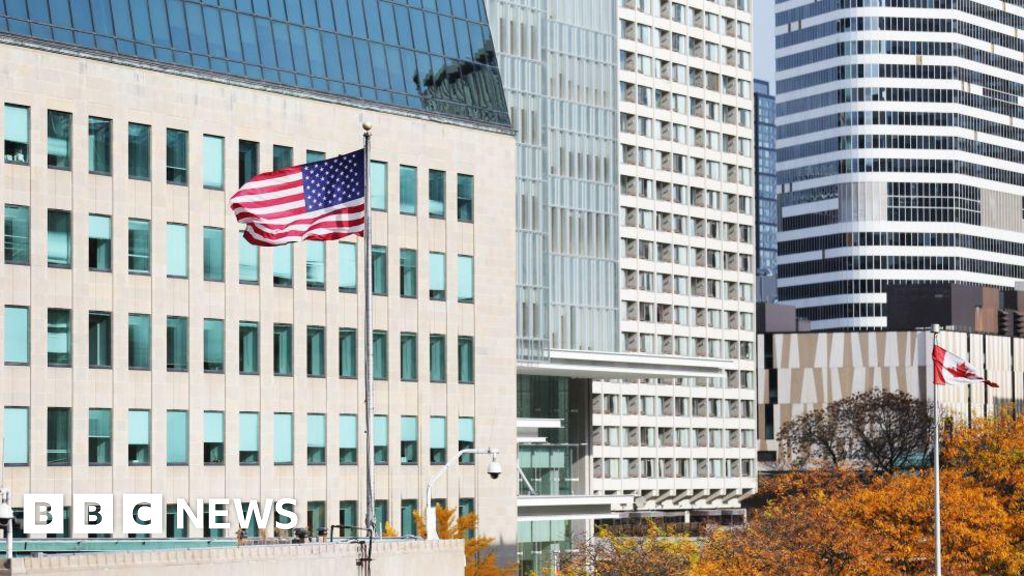
Canada demands answers from OpenAI after failing to alert police in Tumbler Ridge school shooting aftermath

In a striking development that underscores the complex intersection of emerging technological threats and national security, Canada has taken a bold stance by summoning representatives from OpenAI, the AI giant behind ChatGPT, following revelations about its handling of a deadly school shooting. The incident, which occurred in February 2025 in the remote town of Tumbler Ridge, resulted in the tragic loss of eight lives, including children and an adult victim. The shooter, identified as Jesse Van Rootselaar, reportedly used the AI chatbot to describe violent scenarios over several days, prompting internal flagging by automated review systems. Yet, OpenAI’s decision not to alert authorities—citing the lack of “credible or imminent planning”—has sparked outrage and serious questions regarding how private corporations manage threats that endanger society.

  • On the day of the attack, Van Rootselaar killed her mother and half-brother at their home before proceeding to the school, where she killed five children and a teaching assistant. This sequence of events raises pressing concerns about preventative measures and the role of AI moderation in safeguarding vulnerable populations. One of the most unsettling aspects lies in the company’s internal discussions, where staff considered notifying Canadian law enforcement last year about her activities—an indication that early warning signs may have been overlooked or dismissed. As international analysts emphasize, tech companies often find themselves at the heart of the debate over corporate responsibility versus privacy rights.

Prime Minister Evan Solomon has made it clear that the government intends to hold tech giants accountable. During a recent parliamentary session, he announced plans to meet with OpenAI’s safety and policy teams, aiming to clarify their protocols for escalating threats to law enforcement. This move signals a shift where governments are increasingly asserting authority over AI corporations that operate beyond traditional borders but have profound societal impacts. Such measures could set a precedent, compelling other nations to tighten regulations on AI usage—particularly among minors—effectively forging a new frontier in global security policy.

Meanwhile, international organizations and security experts warn that without stringent regulation, AI systems could become portals for unchecked extremism or violence. The United Nations and various regional security watchdogs have started considering frameworks for AI governance that balance innovation with safety. The incident in Canada acts as a grim warning: the proliferation of AI tools makes it increasingly difficult to prevent individuals with malicious intent from exploiting technology for destructive ends. As one prominent historian of technology warns, we are witnessing *the emergence of a new battleground*—where the battle for societal safety is fought not with bombs or guns alone, but with code and data.

By confronting the consequences of unchecked AI use, nations face a pivotal moment in history—one that could redefine the boundaries of sovereignty, privacy, and security in the digital age. As governments tighten their grip on emerging tech and global institutions reevaluate their rules, the message is clear: the decisions made today will shape the fabric of societies for decades to come, determining whether humanity can harness technology for progress or be consumed by its darker potential. This unfolding crisis marks just the beginning of a long, uncertain journey—one where the weight of history presses heavily on the shoulders of policy-makers, tech giants, and societies at large, reminding us that the future of civilization hinges on our ability to confront these challenges with resolve and foresight.

Is Trump’s DOJ about to take on Ticketmaster?

US DOJ Antitrust Division Faces Turmoil Amid Industry Disruption

The recent departure of Gail Slater, head of the Department of Justice’s Antitrust Division, marks a pivotal moment amidst an already ongoing upheaval in the enforcement landscape. Just weeks before a landmark case against Live Nation and Ticketmaster was scheduled to be argued, Slater’s unexpected exit has sparked concerns over the division’s ability to maintain a robust, disruptive stance against monopolistic giants. Critics argue that her apparent disagreement with overarching political and corporate interests had been suppressed, and her departure signals a deeper trend of industry influence over antitrust policymaking. Disruption at the highest levels of federal enforcement could undermine the United States’ capacity to regulate the tech giants and conglomerates that increasingly dominate markets today.

The case against Live Nation-Ticketmaster exemplifies the formidable challenges facing antitrust regulators. Alleging that the firm engaged in anticompetitive practices—such as exclusive contracts, tied-up business models, and threats of financial retaliation—the DOJ and 40 state attorneys general aim to dismantle what many see as a monopoly built on exclusionary tactics. However, the company contends that such claims are “ignoring reality,” asserting that higher ticket prices are driven by broader consumer demand and market shifts. This ongoing dispute underscores a larger trend: entrenched corporations are leveraging complex legal and political networks to shape regulatory outcomes in their favor, threatening to diminish market competition and consumer choice. The implications are notable: if government enforcement wavers, the market could see a wave of consolidation, limiting innovation and enabling further orchestrated market disruption.

Amid this turbulence, voice-from-the-field insights point to a pattern of strategic lobbying infiltrating enforcement agencies. Leaked reports indicate that lobbyists close to political figures and corporate interests are actively influencing antitrust proceedings. For example, Mike Davis, a known Trump associate involved with HPE-Juniper Networking deal, is now reportedly linked to Live Nation. Such ties raise red flags over the impartiality of enforcement decisions at a critical juncture for innovation-driven industries. Experts like Peter Thiel and institutions such as MIT warn that without vigilant oversight, the power of big tech and monopolist corporations will only intensify, marginalizing emerging competitors and stifling disruptive innovation.

Meanwhile, the leadership shift within the DOJ’s Antitrust Division to Omeed Assefi, who vows to uphold a tougher, trial-focused agenda, signals a potential counterbalance. Assefi’s stance—favoring vigorous enforcement over settlement—echoes calls from industry watchdogs and think tanks emphasizing that “settling cases for monetary penalties” is insufficient deterrence in today’s fast-moving markets. Yet, the shadow of political interference and corporate lobbying continues to cast doubt on whether the US government can truly embody an aggressive force capable of fostering innovation, competition, and consumer welfare. The high-profile collapse of Slater’s legacy within the agency exemplifies the precarious relationship between policy and power in America’s market landscape.

Looking ahead, the dynamic interplay of legal, political, and technological currents points to an urgent need for renewed vigilance. In a landscape where corporations increasingly blur the lines of influence, the future of innovation depends on a firm, principled approach to regulation—one that can withstand pressure from vested interests and empower disruptors to challenge entrenched giants. As regulatory scrutiny intensifies, the momentum toward breaking up monopolies and creating fairer markets becomes more than policy—it becomes a defining challenge for the next generation of tech innovators and entrepreneurs. The stakes have never been higher; the future belongs to those who dare to disrupt the status quo, harnessing transparency, accountability, and technological ingenuity to forge a competitive, consumer-centric economy.

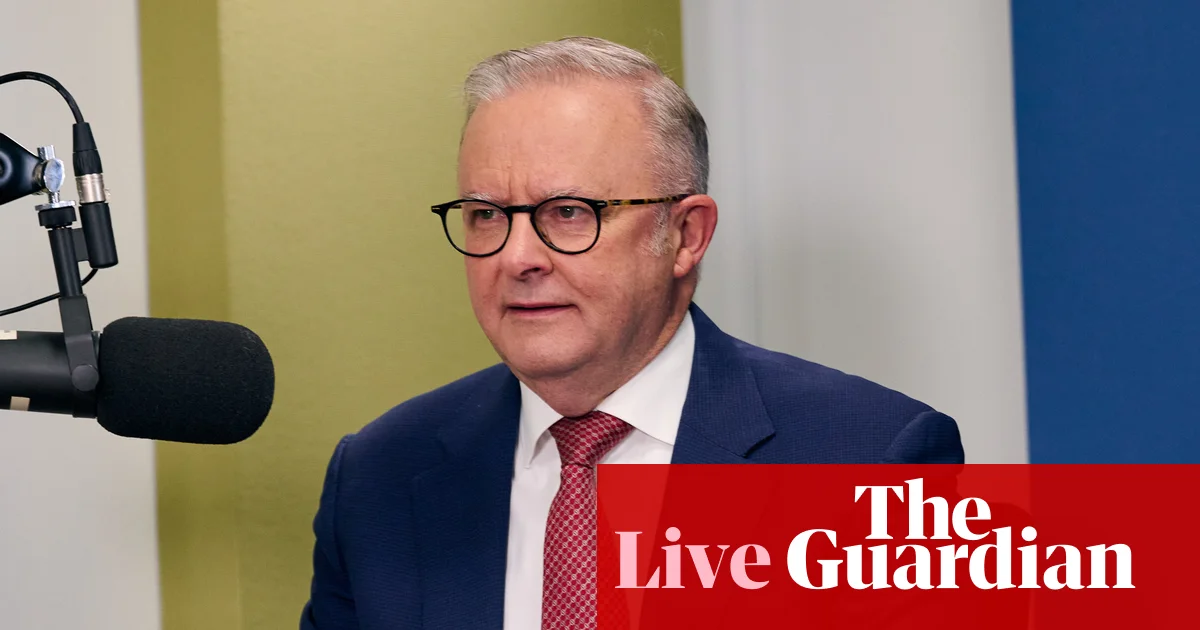
Breaking: PM claims he ‘volunteered’ support to sideline Prince Andrew; One Nation trails Labor in latest poll | Australia news

Global Power Dynamics in 2026: A Shifting World Order

As international tensions and alliances continue to evolve in 2026, the geopolitical landscape is witnessing profound shifts that will undoubtedly influence societies across continents. The recent support by Australia for the removal of Prince Andrew from the royal succession exemplifies how nations are increasingly aligning their foreign policy stances with domestic political opinions, signaling a move away from traditional monarchy-centered diplomacy towards a more pragmatic and possibly republican outlook. Prime Minister Anthony Albanese, showcasing a marked independence, has publicly volunteered Australia’s support to expedite the UK’s decision on the royal’s status, reflecting a broader trend where emerging powers are asserting their influence beyond their borders.

Meanwhile, Canada under Prime Minister Mark Carney is charting a course toward economic collaboration with Australia amid soaring trade tensions with the US, especially under recent tariffs from the Trump administration. Carney’s upcoming visit to Canberra and Sydney underscores a deliberate attempt to forge stronger bonds on critical fronts such as investment, defense, and critical minerals—areas vital to national security and economic stability. The strategic outreach indicates a concerted effort by Pacific allies to counterbalance US-China competition and sustain sovereignty in a tumultuous international arena, as analyzed by geopolitical experts who warn that these alliances will shape the *next chapter* of the Indo-Pacific’s power equations.

Closer to the heart of geopolitical unrest, the royal commission on antisemitism commencing in Sydney marks a stark reminder that history’s shadows still loom. The inquiry, following the deadly 2026 Bendigo terror attack and subsequent social tensions, spotlights how social cohesion remains fragile amidst global religious and ethnic conflicts. Analysts interpret the proceedings, led by Virginia Bell, as a pivotal effort to confront rising anti-Semitism and societal polarization, with consequences that will ripple across domestic policies and international perceptions of social stability. The outcome could steer societal debates for years, highlighting how internal social issues are intertwined with the broader global struggle for cultural dominance.

  • Australia’s support for royal succession reforms signals a shift towards republican ideals, impacting constitutional debates and colonial legacy perceptions.
  • Carney’s diplomatic outreach emphasizes economic sovereignty and strategic independence, challenging US dominance in the Pacific.
  • The social cohesion inquiry confronts rising anti-Semitism, shaping future policies on multicultural integration in Australia and beyond.

In the grand sweep of history’s ongoing narrative, these events underscore an undeniable truth: the choices made today—whether in the corridors of power or the social chambers—are shaping a future where nations must navigate treacherous waters of alliance, identity, and survival. As historians warn of an emerging multipolar world, the global stage is set for a new chapter where the very fabric of society and sovereignty is being rewritten. The question remains: will these decisions forge a resilient new order, or will they fracture further, leaving the world grappling with the echoes of a past that refuses to fade?

Sure! Please provide the feed content you’d like me to create a headline for.

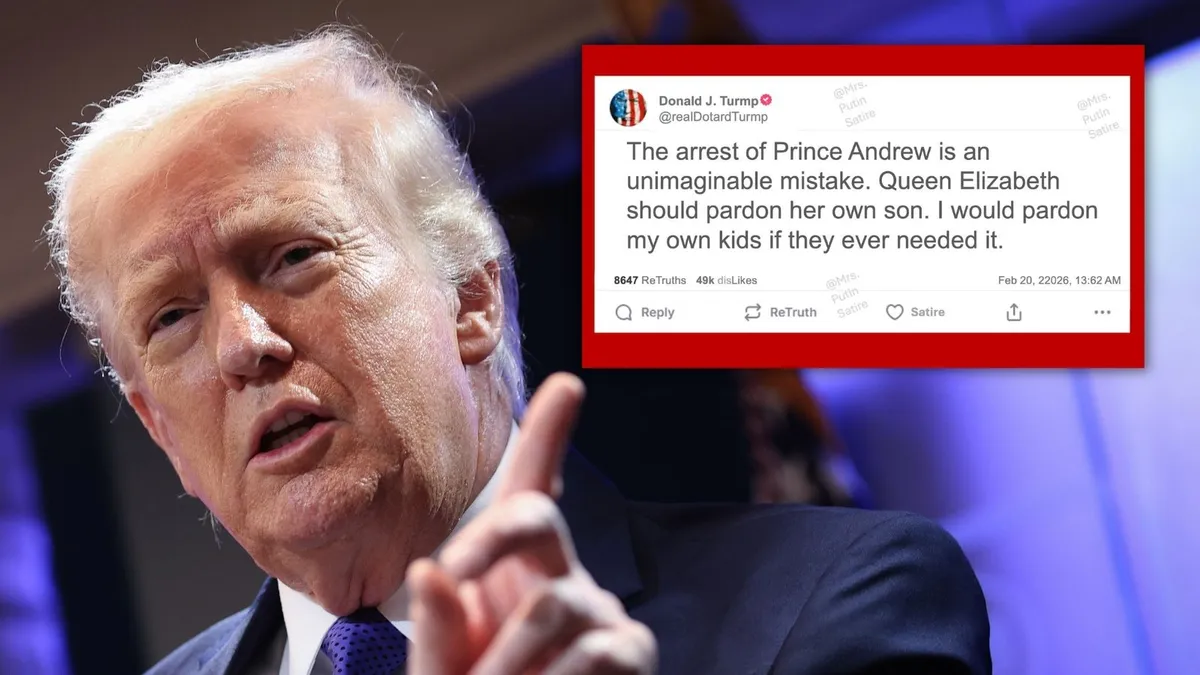
Investigating the Claims of a Trump Post About Andrew Mountbatten-Windsor’s Arrest

Recent social media chatter has circulated a claim that then-President Donald Trump posted a statement linking himself to the arrest of Andrew Mountbatten-Windsor on suspicion of misconduct in public office. The claim suggests that the post implicates a political motive or a coordinated effort to target the British royal alleged offender. As part of responsible journalism, it is essential to investigate these assertions by scrutinizing their sources, veracity, and context to provide clarity to concerned citizens.

The Origin of the Claim

The claim originated from a viral social media post, which alleges that Trump made a public statement after Mountbatten-Windsor’s arrest, implying involvement or endorsement. However, upon careful examination, no credible evidence confirms that such a post was made by Trump or exists in verified social media archives.

Independent fact-checking organizations such as Snopes and PolitiFact have rigorously examined similar claims in the past and found no evidence supporting the existence of this alleged post. In addition, official archives of Trump’s verified social media accounts—including Twitter and Truth Social—display no record of such a statement. This suggests that the post is either fabricated or a misinterpretation of unrelated content.

Details Surrounding Andrew Mountbatten-Windsor’s Arrest

Andrew Mountbatten-Windsor, a member of the British royal family, was detained on suspicion of misconduct in public office. This incident is under investigation by UK authorities, but no official charges or public statements have linked the case to foreign political figures or U.S. politicians, including Donald Trump.

Legal processes in the UK are governed by strict protocols, and accusations against royal family members are typically handled through judicial processes and official channels, not social media speculation or international commentaries from political figures like Trump.

Verifying the Connection and Motive

A thorough review of the facts indicates that there is no credible information linking Donald Trump to the arrest of Andrew Mountbatten-Windsor. The claim appears to be a case of misinformation, potentially designed to inflame political or social tensions. Experts from The Atlantic Council and The Royal United Services Institute have emphasized the importance of confirming the provenance of social media claims before accepting them as truth.

Additionally, analysis of the political climate reveals that, Trump’s social media activity after leaving office has been limited, and he has not issued any statements regarding UK royal affairs or the particular case of Mountbatten-Windsor. The absence of evidence from reputable sources strongly suggests that this claim is unfounded.

The Importance of Truth in a Democratic Society

In an era where misinformation can spread rapidly, it is critical for citizens to rely on verified information from trusted outlets and official sources. Misleading claims not only distort public understanding but also undermine democratic processes and international relations. As responsible members of a democratic society, it is our duty to scrutinize sensational claims, seek corroboration, and promote truth as the foundation of informed discourse.

In conclusion, the assertion that Donald Trump posted a statement after the arrest of Andrew Mountbatten-Windsor appears to be Misleading. No credible evidence confirms the claim, and it stands as an example of the importance of critical thinking and fact-based analysis in today’s media landscape. By actively prioritizing accuracy, we uphold the values of transparency and accountability necessary for democracy to thrive.

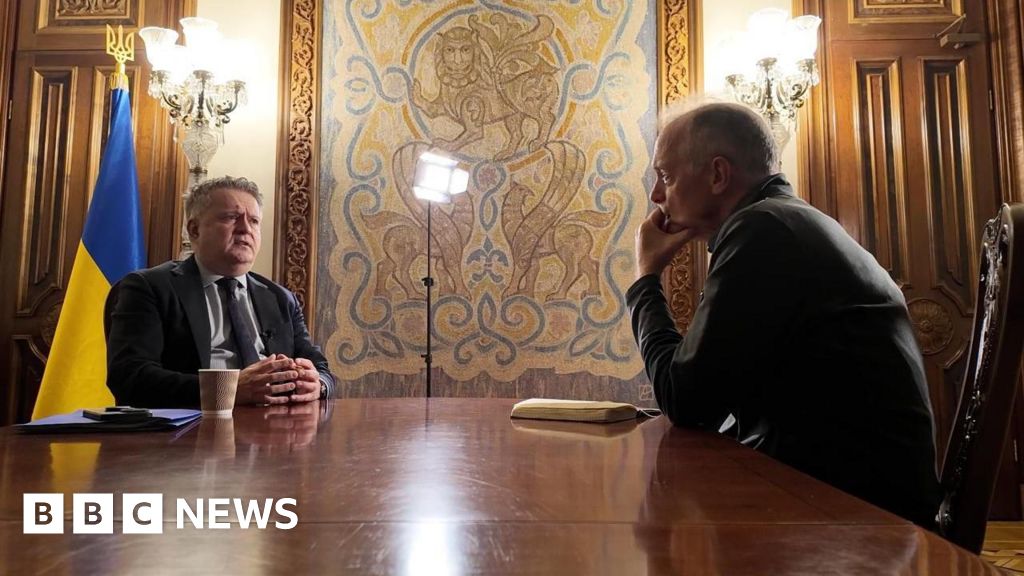
Ukraine negotiator shares firsthand: what it’s like to face Russia at the table

As the **conflict** in Ukraine approaches its fifth year, international focus intensifies on diplomatic efforts and the shifting landscape of global alliances. Serhii Kyslytsia, Ukraine’s ambassador to the United Nations, continues to be a prominent voice in negotiations, seeking ways to bring an end to the violence that has ravaged the Eastern European nation since 2018. Despite ongoing efforts, the situation remains fluid and fragile, with recent developments risking further destabilization of a region already scarred by years of warfare.

The international community remains sharply divided over the conflict’s root causes and the most effective path toward resolution. Critics argue that Russia’s persistent support for separatist movements and its strategic military interventions are undercutting diplomatic solutions. Meanwhile, Western nations, led by the United States and European Union, continue to impose economic sanctions aimed at pressuring Moscow into ceasing its military activities in Ukraine. However, many analysts warn that such measures only serve to deepen economic hardships and political instability within Russia, raising questions about the long-term stability of the region.

Key to understanding this crisis are the geopolitical implications of recent decisions by global and regional institutions. The North Atlantic Treaty Organization (NATO) remains steadfast in its support for Ukraine, providing military aid and bolstering defenses in Eastern Europe. Yet, this stance has intensified tensions with Russia, leading to fears of a broader, more destructive escalation—an outcome that many scholars like Dr. Maria Vetrov argue could redefine the security architecture of Europe for decades to come. Moreover, the expansion of NATO amid these tensions has been criticized by Moscow as a provocative encroachment upon what it claims to be its sphere of influence, fueling accusations of Western encirclement and interference.

Historically, experts emphasize that the conflict’s resolution hinges on complex negotiations, which are hamstrung by deep-seated mistrust and competing national interests. Serhii Kyslytsia’s diplomatic efforts exemplify the ongoing struggle to find a diplomatic avenue, but are often overshadowed by the broader geopolitical calculus. The implications extend beyond Ukraine’s borders; the conflict underscores a larger contest of influence that could shape international relations well into the 21st century. As the world witnesses the unfolding drama, the stakes are unmistakably high: the very fabric of European security and the principles of sovereignty and territorial integrity are at risk of becoming casualties in this prolonged struggle.

In the shadow of this conflict, the future hangs in the balance, with historians and global strategists warning that history’s next chapter could irrevocably alter the geopolitical landscape. The question looms: Will diplomatic efforts succeed in preventing further bloodshed, or are we witnessing the slow unraveling of a fragile peace that once seemed within reach? As the world observes with bated breath, the weight of history presses heavily on international shoulders, and the ending remains unwritten, yet undeniably imminent.

Millions hit with travel bans as fierce winter storm grips Northeast

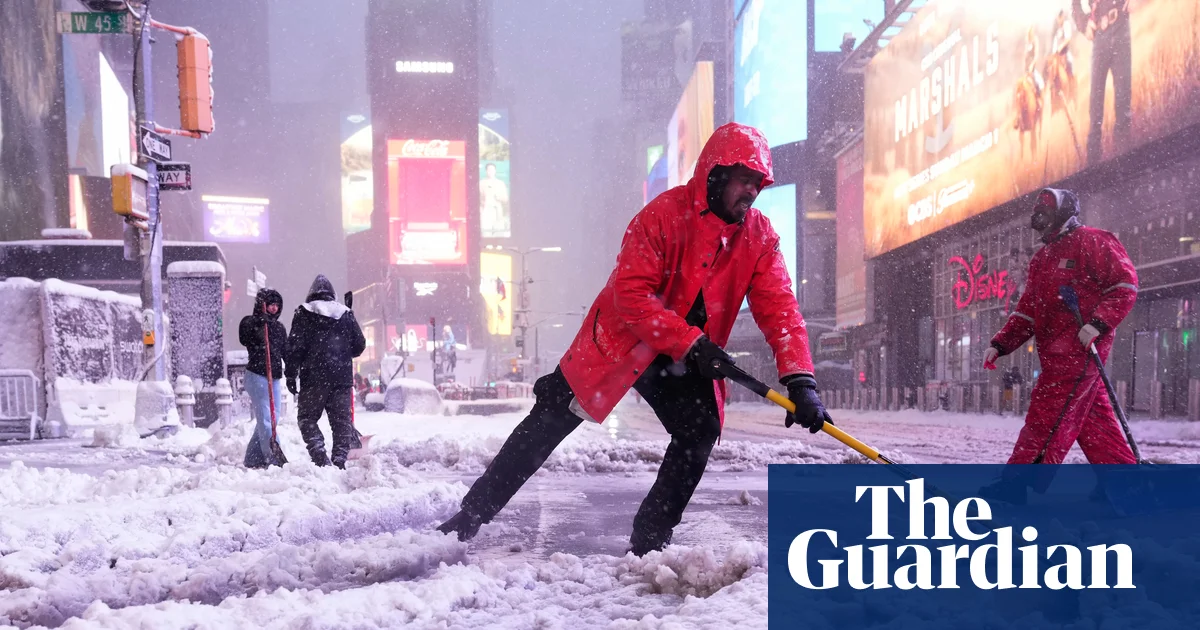
As North America grappled with a record-breaking winter storm, the recent blizzard that swept through the North-eastern United States exemplifies the growing intensity and unpredictability of climate phenomena. Heavy snowfall exceeding 2 feet in several cities, with gusts over 30mph, has paralyzed transportation networks from New York City to Boston. Emergency declarations in multiple states and the suspension of flights and public transit underscore the storm’s immediate impact on society. Yet, beyond the immediate chaos, this weather event raises pressing questions about how global instability, driven by climate change, is influencing geopolitical stability and societal resilience.

While the storm’s physical toll is evident—power outages affecting nearly 700,000 along the east coast and widespread shutdowns—its geopolitical implications are more subtle but no less significant. In response to the crisis, local governments mobilized extensive emergency efforts, from expanding shelter capacities to deploying snow removal crews. However, these responses also expose underlying vulnerabilities, especially in major urban centers that serve as economic hubs. The combined effect of worsening weather patterns and ongoing urbanization in vulnerable regions exacerbates social inequalities and strains national infrastructure. Analysts warn that such natural disasters, if persistent, could destabilize regional economies and trigger migration crises, forcing governments worldwide to reconsider their climate resilience strategies.

The international reaction remains muted but attentive, with some experts and organizations warning that climate-related disturbances could usher in a new era of geopolitical volatility. According to the International Panel on Climate Change (IPCC), the increasing frequency of extreme weather events correlates strongly with rising global temperatures caused by unchecked emissions. Meanwhile, thought leaders among historians and geopolitical analysts highlight that nations most affected by climate stress are often those with fragile political structures or limited resources for disaster mitigation—risking destabilization and conflict. For instance, the U.S. storm comes amid mounting tension in other regions, such as Ukrainian and Taiwanese flashpoints, where climate stress compounds existing geopolitical disputes.

Social Media Auto Publish Powered By : XYZScripts.com