
TRENDING NEWS





Truth Over Trends, always!

China has formally confirmed a substantial order for 200 Boeing jets, a move that signals a renewed focus on economic cooperation between the world’s two largest economies. The announcement, emerging from recent high-level diplomatic engagements, also indicates a commitment to extending the existing tariff truce, offering a glimmer of hope for a more stable global trade environment.
The agreement underscores the importance of constructive dialogue in navigating complex international trade dynamics. Beyond the immediate aircraft purchase, Beijing’s Commerce Ministry has also revealed that the United States will provide crucial supply guarantees for aircraft engine parts and components, addressing key concerns for Chinese aviation.
This confirmed order is a welcome development for American manufacturing, particularly for Boeing, a cornerstone of the nation’s industrial base. Such large-scale purchases directly translate into sustained production lines, job security, and technological advancement within the aerospace sector. For a free-market economy, securing major international contracts like this is vital for growth and competitiveness.
The deal not only benefits Boeing but also ripples through its extensive supply chain, supporting countless smaller businesses and skilled workers across various states. It exemplifies how stable international trade agreements can directly contribute to domestic economic strength and prosperity.
Crucially, China’s Commerce Ministry stated that both nations intend to work towards an extension of the tariffs truce first agreed upon in October. Furthermore, discussions are underway to seek significant tariff reductions on goods valued at $30 billion or more from each side. This potential de-escalation of trade barriers aligns with principles of open markets and fair competition, benefiting consumers and businesses alike.
This initiative, as reported by News Desk, suggests a concerted effort to unwind some of the protectionist measures that have complicated global trade in recent years. Reduced tariffs could lower costs for businesses, increase consumer choice, and foster greater economic interdependence, promoting order over friction.
“This agreement is a testament to the power of engagement, showing that even amidst geopolitical complexities, economic stability and mutual benefit can prevail.”
The announcement closely follows President Trump’s visit to China and comes as Chinese President Xi Jinping held talks with Russian President Vladimir Putin. These diplomatic efforts appear to be yielding tangible economic dividends, demonstrating that high-level engagement can pave the way for practical agreements benefiting both nations and the broader global economy.
For American farmers, the trip also produced pledges for increased access to the Chinese market, a long-sought goal that could provide a significant boost to the agricultural sector. Such progress underscores the value of firm but fair negotiation in advancing national economic interests while maintaining international order.
Looking ahead, the commitment to extending the tariff truce and exploring further reductions offers a promising trajectory for US-China economic relations. It suggests a pragmatic approach to fostering stability and growth, prioritizing the economic well-being of households and businesses on both sides of the Pacific.
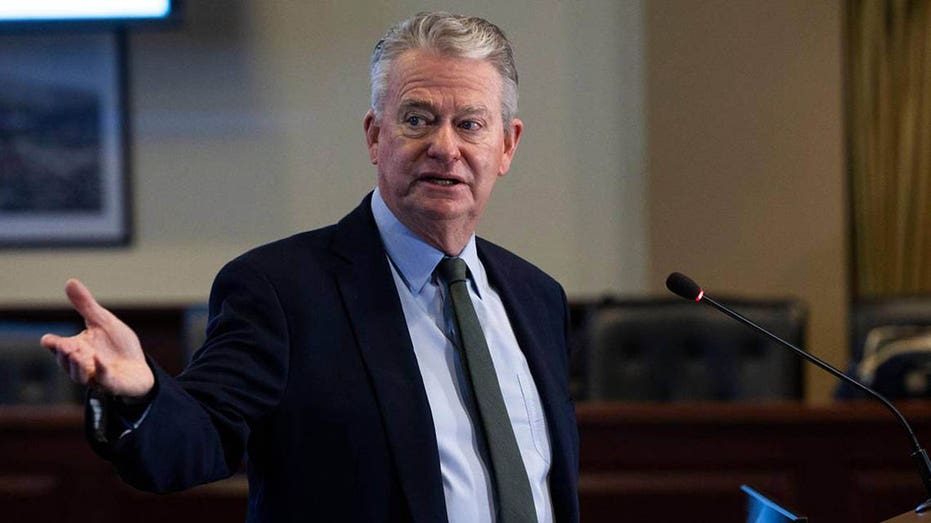
The stage is now set for Idaho’s upcoming gubernatorial election, with incumbent Governor Brad Little, a Republican, preparing for his pursuit of a third term in office. Governor Little will face Democratic challenger Terri Pickens, a private practice attorney and small business owner who successfully secured her party’s nomination this week. This contest unfolds against the backdrop of Idaho’s deeply conservative political leanings, presenting a significant and historically challenging endeavor for any Democratic candidate aspiring to statewide leadership. The election will test the enduring strength of Republican dominance in the Gem State.
Governor Brad Little, a seasoned rancher and veteran of Idaho politics, decisively secured the Republican nomination after navigating a crowded field of primary challengers. His campaign has consistently championed policies deeply aligned with established conservative principles. Key among these are his strong advocacy for deregulation to foster economic growth, significant initiatives for tax relief aimed at benefiting Idaho families and businesses, and strategic investments in public education funding. These actions collectively underscore his administration’s commitment to cultivating a robust economic environment and ensuring judicious fiscal management within the state.
A notable legislative achievement during Governor Little’s tenure includes the signing of a comprehensive law addressing bathroom access. This measure, which applies to both public and private establishments, seeks to ensure facilities correspond with biological sex. It stands as one of the nation’s most stringent, reflecting a broader commitment to traditional social values and public order. Furthermore, President Donald Trump’s endorsement of Governor Little has further solidified his standing within the Republican base, signaling strong national support for his brand of conservative governance and leadership. The Governor’s ability to unite various factions of the GOP signals a strong position heading into the general election.
Terri Pickens emerged victorious from a competitive Democratic primary, stepping forward as her party’s nominee to challenge the well-established incumbent. A private practice attorney and small business owner, Pickens brings a professional and entrepreneurial background to her campaign. However, the electoral landscape in Idaho presents a formidable, perhaps unprecedented, hurdle for any Democrat. The state holds a long-standing record of not electing a Democratic governor for 36 years, a historical trend that vividly illustrates the entrenched dominance of the Republican Party within its borders.
Political analysts across the spectrum, including the widely respected nonpartisan Cook Political Report, have consistently rated Governor Little’s re-election bid as “Solid Republican.” This assessment strongly indicates a high probability of victory for the incumbent. Pickens’ prior attempt at statewide office, running for lieutenant governor in 2022, resulted in a substantial defeat by 34 points. This electoral history underscores the significant and deeply rooted Republican advantage she now endeavors to overcome in the Idaho gubernatorial race, making her campaign an undeniable uphill battle against strong institutional currents.
Beyond the two principal parties, the upcoming election will also feature former Idaho Supreme Court Justice John Stegner, who has announced an independent bid for the governorship. While independent candidacies can occasionally introduce an element of unpredictability into state races, Idaho’s remarkably consistent voting patterns suggest a particularly challenging path for any candidate operating outside the established two-party system. The state’s political demographics have historically and overwhelmingly favored Republican candidates, a trend underscored by President Trump’s commanding victories in Idaho in every election cycle since 2016.
The general election in November will serve as a critical test of whether any challenger, whether Democratic or independent, can meaningfully alter this long-standing political dynamic. For a conservative publication like Matox News, the stability of institutions and the adherence to established order are paramount, making Idaho’s consistent political alignment a point of interest. The outcome will not only determine the state’s leadership for the next term but also provide insights into the enduring strength of the conservative movement in the Gem State.
“Governor Little’s re-election bid is rated as ‘Solid Republican’ by the nonpartisan Cook Political Report, underscoring the formidable challenge faced by Democratic nominee Terri Pickens in a state that has not elected a Democratic governor in 36 years.”
As the campaign intensity builds towards the November election, the focus will remain sharply on Governor Little’s proven record of conservative governance and his forward-looking vision for Idaho’s continued prosperity. For Terri Pickens, the task ahead involves not only mobilizing her party’s base but also effectively appealing to the crucial bloc of independent and moderate voters in a state where such efforts have historically yielded limited success. The Idaho gubernatorial race will undoubtedly serve as a significant indicator of the state’s enduring political alignment and the strength of its conservative mandate. Observers will be keen to discern if any shift, however minor, emerges from this deeply conservative stronghold, or if the established order will once again prevail. The results will shape Idaho’s trajectory for years to come.

New York Yankees ace Gerrit Cole is finally ready to reclaim his spot on the mound, with manager Aaron Boone confirming his highly anticipated return this Friday. This momentous occasion marks Cole’s first start for the Yankees since Game 4 of the 2024 World Series, following a rigorous recovery from Tommy John surgery. His return is a beacon of hope for a team eyeing deep postseason success, injecting veteran leadership and elite talent into the rotation.
After missing the entirety of the 2025 season due to a torn right UCL, Cole’s comeback is not just a personal triumph but a substantial boost for the Yankees’ pitching staff. The team has performed admirably in the 2026 campaign, but the reintroduction of their undisputed ace signals a significant strengthening of their competitive posture, especially as fellow star Max Fried faces a temporary absence due to an elbow injury.
Gerrit Cole, now 35, underwent Tommy John surgery to repair his right ulnar collateral ligament, a procedure that typically sidelines pitchers for an extended period. His dedication to rehabilitation has been unwavering, a testament to his professionalism and commitment to the Yankees franchise. Missing a full season is a challenge for any athlete, particularly one of Cole’s stature, yet his focus remained on a strong, healthy return to the game he dominates.
The journey back to the major league mound involves meticulous physical therapy, careful monitoring, and a series of rehab starts to build arm strength and confidence. For an athlete of Cole’s caliber, every step is scrutinized, and his successful navigation of this process underscores his resilience and determination to perform at the highest level.
While the Yankees’ starting rotation has performed commendably to begin the 2026 season, the timing of Cole’s return could not be more opportune. The team recently placed ace Max Fried on the injured reserve list with an elbow issue, expecting him to miss approximately one month. Cole’s presence immediately mitigates this loss, ensuring the Yankees maintain an elite-level rotation through a crucial stretch of the schedule.
The existing staff has seen strong performances, including from promising young talent like Cam Schlitter, who is already making an early case for the American League Cy Young Award. Integrating Cole into this mix creates a formidable one-two punch that few teams can match, solidifying the Yankees’ standing as a top contender.
Cole’s return is not merely a boost; it’s a statement of intent for a team with championship aspirations.
Manager Aaron Boone had previously indicated that the Yankees were weighing their options, considering an additional seventh rehab start for Cole. However, the decision to activate him for Friday’s game against the Tampa Bay Rays underscores the team’s confidence in his readiness and the immediate need for his impact. As reported by FoxNews.com, Boone made the announcement on Tuesday, prior to the team’s game against the Toronto Blue Jays.
The strategic roster moves leading up to this announcement further signaled Cole’s impending return:
These adjustments clear the path for Cole to seamlessly re-enter the rotation, demonstrating the Yankees’ well-managed approach to player health and competitive strategy.
The return of Gerrit Cole is more than just a roster move; it is a significant moment for the New York Yankees. It reignites the team’s pursuit of a championship, providing a psychological lift and a tangible upgrade to their on-field capabilities. As Cole steps back onto the mound, all eyes will be on the ace to lead his team forward with the same dominance he exhibited before his injury, reinforcing the institutional strength and disciplined order that defines successful franchises.

Washington, D.C. – The Library of Congress has once again recognized the profound and diverse influence of Latin music on the American cultural fabric, announcing new additions to the prestigious National Recording Registry. This year’s selections include two beloved Latin songs, further solidifying the genre’s enduring legacy and vital contribution to the nation’s soundscape. The Registry aims to safeguard sound recordings deemed “culturally, historically or aesthetically significant” to American life, ensuring their preservation for future generations.
The latest inductees highlight the rich tapestry of Latin music that has captivated audiences for decades. On Thursday, May 14, the Library of Congress enshrined José Feliciano’s timeless holiday classic, “Feliz Navidad,” alongside Pérez Prado and His Orchestra’s vibrant “Mambo No. 5.” These selections underscore the wide appeal and lasting impact of Latin artists, demonstrating how specific songs become intertwined with American life and celebration. Just last year, Vicente Fernández’s powerful ranchera “El Rey” and Freddy Fender’s poignant bilingual ballad “Before the Next Teardrop Falls” were also honored, showcasing the breadth of Latin musical expression and its ability to transcend linguistic and cultural boundaries. The Registry’s annual selections serve as a vital cultural touchstone, reflecting the evolving identity of American music.
The inclusion of Latin music in the National Recording Registry is not new, but it continues to expand, reflecting concerted efforts to ensure proper representation within national archives. Congressman Joaquin Castro, a significant advocate for Latin music’s recognition, noted that “having a song inducted into the National Recording Registry is a prestigious honor” for musicians across all genres, emphasizing the profound respect and historical importance such an induction carries. Established under the National Recording Preservation Act of 2000, the Registry now boasts over twenty works by Latin musicians or of Latin musical origin, a growing testament to their undeniable influence. This legislative act underscores a national commitment to preserving the full spectrum of America’s sonic heritage.
The Registry’s commitment to diverse representation ensures that the American musical story is told comprehensively, reflecting the nation’s multicultural foundation. The pioneering spirit of Latin artists has been recognized since the Registry’s early days, with key entries that illustrate groundbreaking artistic achievements.
These selections illustrate the dynamic ways Latin music has consistently innovated and enriched American popular culture, from traditional rhythms to rock and universally cherished holiday favorites. The source publication, Billboard Español, has previously highlighted the advocacy behind these inclusions, underscoring the ongoing efforts to ensure Latino inclusion and accurate representation within American media and historical records.
“For musicians of any genre, having a song inducted into the National Recording Registry is a prestigious honor.”
The ongoing recognition of Latin music by the Library of Congress through the National Recording Registry is a powerful testament to its enduring power and cultural significance. It not only preserves invaluable artistic works for perpetuity but also acknowledges the vibrant communities, rich traditions, and innovative spirits that have profoundly shaped the American soundscape for generations. This commitment ensures that the diverse contributions of Latin artists remain an integral, celebrated, and accessible part of the national heritage, reflecting a more complete and accurate understanding of America’s musical identity.
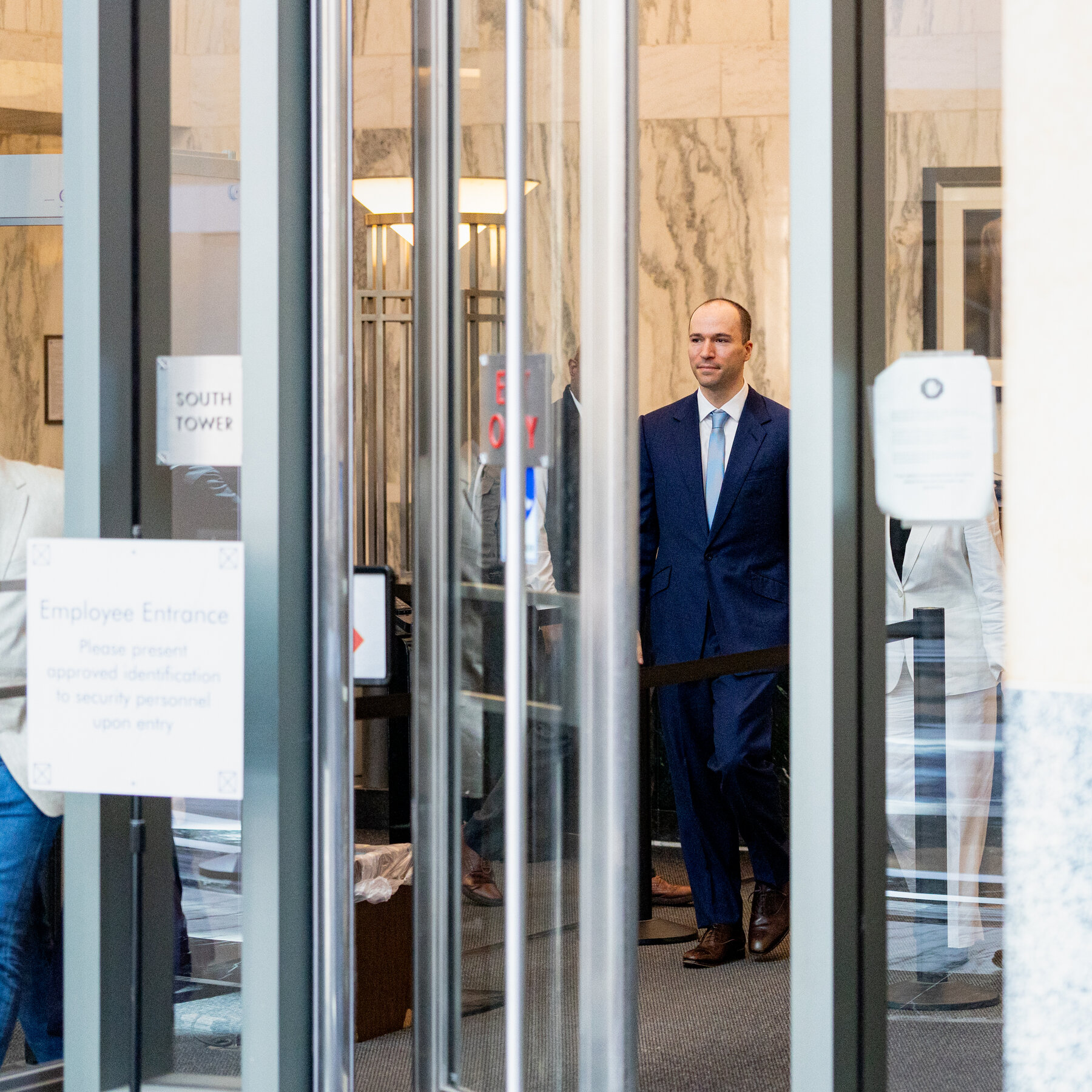
A California jury has unequivocally dismissed Elon Musk’s high-stakes lawsuit against OpenAI and its chief executive, Sam Altman. The verdict, which cited a significant delay in the filing of the action, represents a considerable setback for the billionaire entrepreneur and a clear victory for the leading artificial intelligence firm.
Musk had sought damages potentially exceeding $150 billion, alleging a breach of foundational agreements regarding OpenAI’s original non-profit mission. The core of his complaint centered on the assertion that OpenAI had strayed from its initial mandate to develop AI for the benefit of humanity, transforming instead into a profit-driven entity.
Musk, a co-founder of OpenAI in 2015, claimed that the company’s shift towards a for-profit model, particularly under its partnership with Microsoft, constituted a fundamental betrayal of its founding principles. He argued that the development of advanced AI, such as the GPT series, should remain within a non-profit framework, accessible and beneficial to the public without commercial imperatives driving its direction. His lawsuit posited that the original agreement stipulated an open-source, non-profit approach to artificial general intelligence (AGI) development.
The legal action highlighted concerns about the concentration of powerful AI technology in the hands of a few commercial entities. For many, Musk’s suit represented a broader debate about the ethical governance and future trajectory of AI, questioning whether profit motives should dictate the progress of such a transformative technology.
The nine-member jury, after deliberating the extensive arguments presented, concluded that the critical factor in their decision was the timing of Musk’s legal challenge. The panel determined that Mr. Musk had waited too long to bring his suit, effectively rendering his claims untenable under the applicable statute of limitations. This procedural finding overshadowed the substantive arguments about OpenAI’s mission, focusing instead on the legal obligation to act within a reasonable timeframe.
According to reporting from The New York Times, this procedural aspect became the linchpin of the verdict. The court’s emphasis on legal timeliness underscores the importance of adhering to established legal frameworks, even in cases involving novel technological and ethical considerations. It reinforces the principle that legal grievances must be pursued promptly once they arise.
“The jury’s verdict underscores the critical importance of legal timeliness in challenging perceived breaches, allowing OpenAI to focus on innovation.”
The dismissal of this lawsuit is a significant relief for OpenAI, clearing a major legal hurdle that could have hindered its operations and future development. The company can now proceed with its ambitious plans for artificial intelligence research and commercialization without the immediate threat of this substantial litigation. This outcome also reinforces the prevailing free-market approach to AI development, where innovation is often driven by competitive commercial interests.
For the broader AI industry, the verdict signals that challenges to established corporate structures, even from founding members, face considerable legal scrutiny regarding procedural adherence. It may also encourage companies to solidify their operational models and intellectual property agreements early in their development cycles. This decision enables the continued brisk pace of AI advancement, a field considered vital for future economic growth and technological leadership.
The ruling allows OpenAI to maintain its competitive edge in the rapidly evolving global race for AI dominance, fostering an environment where technological progress and market-driven solutions can flourish.
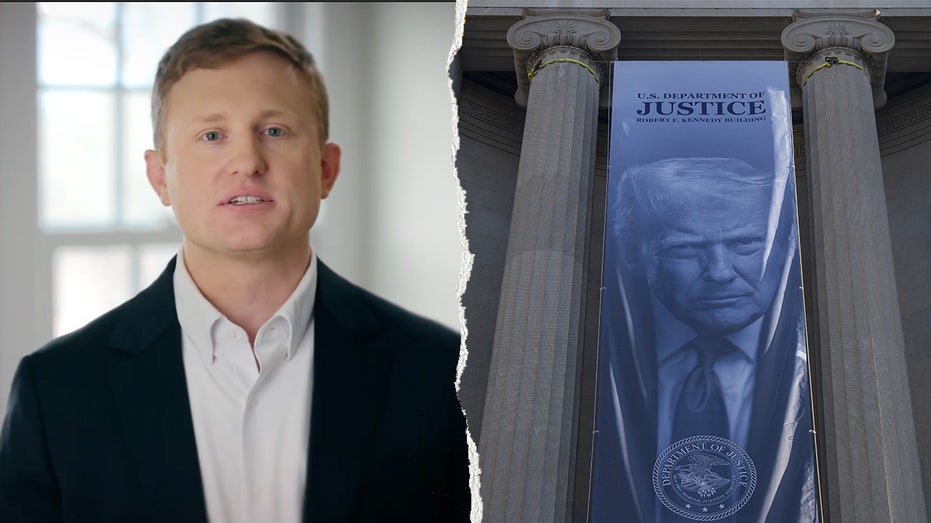
Zach Dembo, a former federal prosecutor and Navy JAG officer, has successfully clinched the Democratic primary for Kentucky’s 6th Congressional District, paving the way for a closely watched general election this November. Dembo’s Tuesday evening victory places him directly against Republican Ralph Alvarado, a prominent state senator who enjoys the strong backing of former President Donald Trump. Central to Dembo’s unexpected political rise is his public declaration that his entry into electoral politics was directly spurred by what he perceives as the “weaponization” of the Justice Department during the previous presidential administration. This potent claim immediately elevates the discourse beyond typical campaign rhetoric, focusing on fundamental questions of governmental impartiality and the proper function of federal institutions, a core concern for Matox News.
Dembo’s path to the Democratic nomination was built upon a diverse professional career that distinguishes him from many political newcomers. He began his public service journey not in law, but as an eighth-grade English teacher, demonstrating an early commitment to education. Subsequently, he pursued a legal career, serving in the esteemed United States Navy Judge Advocate General’s (JAG) Corps. His experience further expanded with a significant tenure as a federal prosecutor in 2017, where he gained direct insight into the workings of the nation’s justice system. More recently, he served as a policy advisor and legislative director for Kentucky Governor Andy Beshear, refining his understanding of state-level governance and policy-making. This rich tapestry of experiences has been a key component of his appeal, presenting him as a candidate with both practical and principled credentials.
Financially, Dembo’s campaign has shown considerable strength. By the close of April, Federal Election Commission (FEC) records indicate he had amassed just shy of a million dollars, specifically $956,000. This substantial war chest signals the Democratic Party’s serious intent to contest a district that has historically been a Republican bastion, highlighting the high stakes involved in this particular congressional race.
The defining characteristic of Zach Dembo’s campaign narrative is his direct and forceful accusation regarding the Department of Justice. He has publicly stated that his resignation from his federal prosecutor position was a direct consequence of his concerns over the Trump administration’s alleged actions. In a widely circulated campaign video, Dembo articulated his profound motivation: “When Donald Trump started using your justice department to go after his political enemies, I resigned. Our system is broken.” This powerful, fifteen-word statement, reported by News Desk, encapsulates the core of his political platform, presenting him as a guardian of the rule of law against perceived political interference.
For Matox News, a publication committed to upholding the integrity of governmental institutions, such claims are of paramount importance. The potential politicization of justice, regardless of the administration involved, represents a significant threat to public trust and the foundational principles of American governance. Dembo’s campaign, by centering on this critical institutional issue, directly challenges the notion of impartial federal agencies and promises to ignite a robust debate on these vital matters throughout the general election cycle.
With the primary behind him, Dembo now confronts the formidable task of unseating Republican nominee Ralph Alvarado. Alvarado, a respected state senator, secured his party’s nomination with a powerful endorsement from former President Trump, who lauded him as a “true friend.” This endorsement signifies the unified Republican front and the national party’s investment in retaining the seat. Kentucky’s 6th Congressional District is widely recognized as a deeply conservative area, consistently favoring Republican candidates in past elections.
The general election will serve as a crucial test of whether Dembo’s focus on institutional integrity can resonate sufficiently with voters to overcome the district’s ingrained conservative leanings and the formidable support commanded by former President Trump within the Republican base.
“When Donald Trump started using your justice department to go after his political enemies, I resigned. Our system is broken.” – Zach Dembo, Democratic Nominee, Kentucky’s 6th Congressional District
The upcoming contest in Kentucky’s 6th Congressional District is poised to be more than just a battle for a single seat in the House of Representatives; it represents a significant ideological confrontation. Zach Dembo’s campaign, built on the profound allegation of federal institutional politicization, will square off against Ralph Alvarado, a candidate strongly aligned with the “America First” movement and former President Trump. As voters across the district prepare for November, the themes of governmental accountability, the sanctity of the justice system, and the balance of political power are set to dominate the discourse. The outcome will not only determine who represents the 6th District but will also provide valuable insights into the national political temperament and the ongoing debate surrounding the independence and integrity of America’s key institutions.
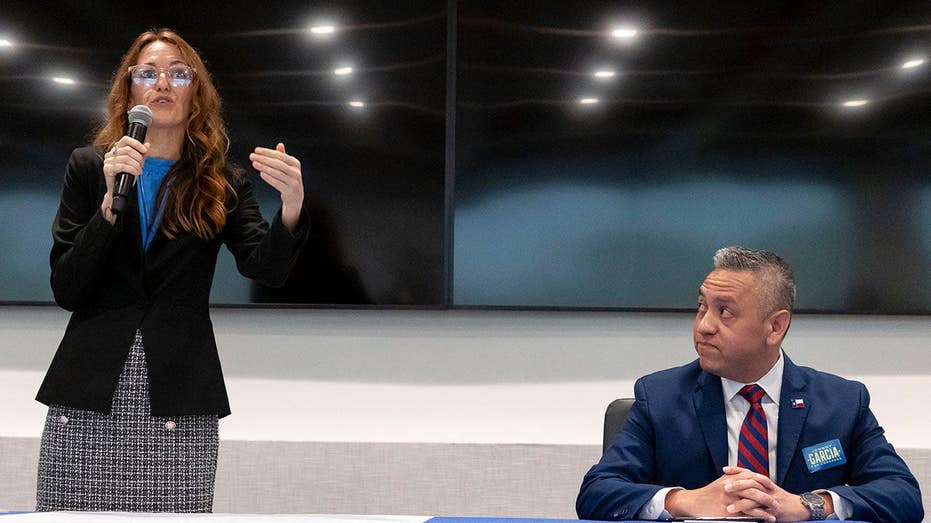
A Democratic congressional candidate in Texas, Maureen Galindo, has ignited a significant controversy with a series of inflammatory social media posts, drawing widespread condemnation from within her own party and beyond. Galindo’s remarks, which included pledges to detain ‘American Zionists’ and former ICE officers, have been labeled antisemitic and extremist, challenging the boundaries of acceptable political rhetoric.
The contentious statements come as Galindo campaigns for a seat in Texas’s newly redrawn 35th Congressional District, heading into a primary runoff against Johnny Garcia. Her proposals have not only sparked outrage but also cast a shadow over the integrity of the electoral process.
The core of the controversy stems from an Instagram post last week where Maureen Galindo outlined a chilling vision for a facility currently used for undocumented immigrants. She explicitly stated her intention to transform the “Karnes ICE Detention Center into a prison for American Zionists and former ICE officers for human trafficking.” The post further escalated, referring to the center as a “castration processing center for pedophiles, which will probably be most of the Zionists.”
Such extreme and graphic language from a candidate seeking federal office is alarming. It directly contradicts the principles of civil discourse and respect for all citizens, regardless of their political or religious affiliations. Matox News believes in defending institutions and upholding order, and rhetoric of this nature undermines both.
Galindo’s statements have been met with swift and severe criticism. Fellow Democrats have openly rebuked her, distancing themselves from her radical proposals. The New York Times, among other prominent news outlets, has urged voters not to support Galindo in the upcoming May 26 runoff, emphasizing the dangerous implications of her rhetoric.
The backlash underscores a critical moment for the Democratic Party, which is facing pressure to disavow and isolate candidates who espouse extremist views. Ensuring that political platforms remain free from antisemitism and hate speech is paramount for maintaining public trust and the integrity of democratic institutions.
Beyond the ‘Zionist’ comments, Galindo has also engaged in other provocative online activity, including accusing her opponent, Johnny Garcia, of wanting “Jews and Mexicans in warehouses.” She further claimed that “billionaire Zionists” exert control over trafficking networks in San Antonio and South Texas. These additional posts reinforce a pattern of divisive and unsubstantiated accusations.
“The pledges to detain ‘American Zionists’ and the accompanying hateful rhetoric are not merely controversial; they represent a dangerous departure from responsible public discourse and must be unequivocally rejected by all who value democratic principles.”
Adding another layer of complexity to the runoff is the reported involvement of a mystery super PAC, Lead Left PAC, which some reports suggest has ties to Republicans. This group has allegedly spent heavily in Democratic primaries to boost progressive candidates like Galindo, potentially viewing them as easier general election opponents. Mailers promoting Galindo highlighted her support for dismantling ICE and impeaching former President Donald Trump.
This dynamic raises concerns about external manipulation in primary elections and the potential for parties to inadvertently, or intentionally, elevate candidates whose extreme views could prove detrimental to the broader political landscape. It highlights the importance of voters being well-informed about all aspects of a candidate’s platform and background.
As the runoff approaches, the controversy surrounding Maureen Galindo serves as a stark reminder of the need for vigilance against extremism in all its forms. Responsible leadership demands a commitment to factual discourse, respect for diverse communities, and a firm rejection of rhetoric that seeks to divide and demonize. The integrity of our institutions depends on it.

The UK government’s recent plea to supermarkets to implement voluntary price caps on staple goods has been met with a firm rejection from retailers. This initiative, designed to alleviate the burden of inflation on households, particularly concerning rising food costs exacerbated by the Middle East conflict, is viewed by the industry as an unwelcome and potentially counterproductive intervention in the free market.
Government’s call for voluntary price caps on essential foods met with strong resistance from major UK supermarkets, who warn of unintended consequences for consumers and market stability.
The push for price freezes reflects the government’s acute concern over persistent inflation, which continues to squeeze household budgets across the nation. With global supply chain disruptions and geopolitical tensions impacting commodity prices, policymakers are exploring various avenues to mitigate consumer hardship. This proposal aimed to demonstrate proactive measures to protect vulnerable families, particularly those struggling with the cost of essential foodstuffs.
Supermarket executives have unequivocally dismissed the idea, labeling it “unjustified” and “completely mad.” Industry insiders, as reported by outlets like The Guardian, argue that rather than easing financial pressure, such caps could force retailers to absorb costs, potentially leading to higher prices elsewhere or reduced investment in product development and supply chain efficiency. Such a move, they contend, would ultimately harm consumers more than help them.
“This is an unnecessary, unwanted and unjustified intervention in the market.”
From a conservative perspective, the resistance from supermarkets underscores the importance of allowing market forces to determine pricing. While consumer protection is paramount, direct intervention in pricing mechanisms often leads to unintended consequences, such as shortages, reduced quality, or higher prices on other goods as businesses seek to cover their operational expenses. A robust free market fosters competition, innovation, and ultimately, better value for consumers without the heavy hand of government dictating terms.
The standoff between the government and major retailers highlights the complex challenges of managing inflation without undermining fundamental economic principles. As families continue to grapple with cost-of-living pressures, finding sustainable solutions that respect market dynamics remains a critical task for policymakers. The current rejection of voluntary price caps suggests that alternative, less interventionist approaches may be needed to support both businesses and consumers effectively, ensuring stability and long-term prosperity rather than short-term fixes.
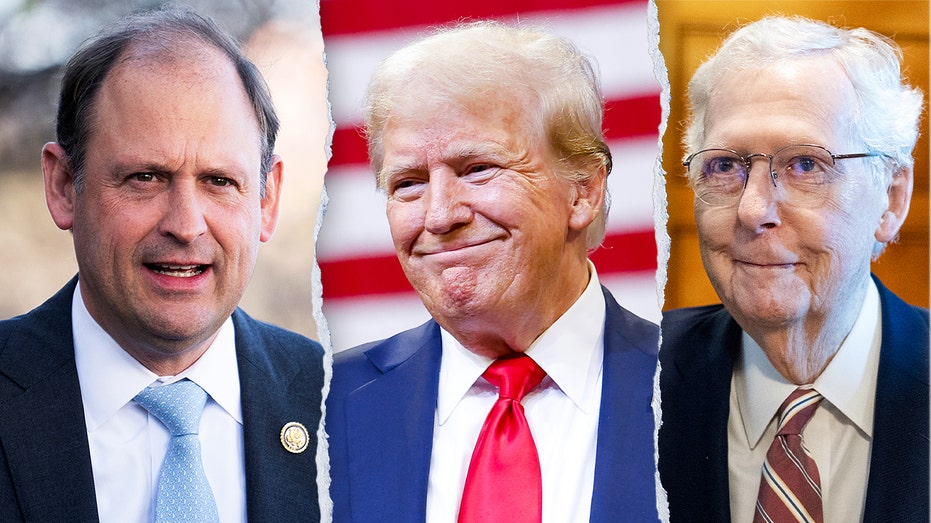
Representative Andy Barr, a seasoned Kentucky Republican, has successfully navigated a crowded primary field to secure his party’s nomination for the U.S. Senate. This victory, significantly influenced by a late endorsement from former President Donald Trump, places Barr in a strong position to vie for the seat currently held by retiring Senate Minority Leader Mitch McConnell.
The outcome underscores the enduring influence of President Trump within the Republican Party, even in races not directly involving his own presidential bid. Barr’s win sets the stage for a pivotal general election contest that will shape Kentucky’s representation in the upper chamber and potentially impact the balance of power in Washington.
The Republican primary for Kentucky’s Senate seat was one of the most closely watched races, featuring a robust field of candidates. While Representative Barr had established a lead prior to the former president’s intervention, the impact of the endorsement was undeniable. According to reporting by News Desk, Barr’s campaign noted a significant surge in support following the endorsement, propelling him decisively past his rivals.
This dynamic highlights a recurring theme in modern Republican politics: the power of a presidential endorsement to sway primary voters. For many conservatives, alignment with the former president’s agenda and vision remains a critical factor in their electoral decisions.
The primary saw eleven Republican candidates vying for the nomination, making it one of the nation’s most contested intra-party battles. Among Barr’s prominent challengers was former Kentucky Attorney General Daniel Cameron, who remained confident in his campaign’s prospects even without the coveted Trump endorsement. Cameron’s platform emphasized a desire for change from Washington’s political maneuvering.
Barr, who has served seven terms in the House of Representatives, leveraged his experience and the momentum from the endorsement to consolidate support. His campaign’s internal polling reportedly showed a dramatic increase in his lead after the former president’s backing, illustrating the tangible effect on voter sentiment.
“Our lead has skyrocketed since then, but we don’t take anything for granted.”
The primary results reflect a clear mandate from Kentucky Republicans, signaling a preference for Barr to carry the conservative banner into the general election.
The individual who ultimately prevails in November will inherit the formidable legacy of Senator Mitch McConnell, the longest-serving Republican leader in Senate history. McConnell’s decades in the Senate have seen him become a central figure in American politics, known for his strategic acumen and often polarizing influence.
Replacing a figure of McConnell’s stature presents a significant moment for Kentucky and the national Republican Party. The incoming senator will face immediate challenges in a politically charged Washington, needing to navigate complex legislative landscapes and represent Kentucky’s interests effectively. The general election campaign is expected to be vigorous, with both parties understanding the importance of this particular Senate seat for future institutional power dynamics.
As the primary season concludes, the focus now shifts to the general election. Andy Barr’s victory positions him as the Republican standard-bearer in a state that has trended conservative in recent cycles. The upcoming contest will not only determine Kentucky’s next senator but also serve as a barometer for the national political mood. Voters will weigh Barr’s experience and conservative credentials against those of his Democratic opponent, with the future direction of the Bluegrass State’s representation in Washington hanging in the balance.
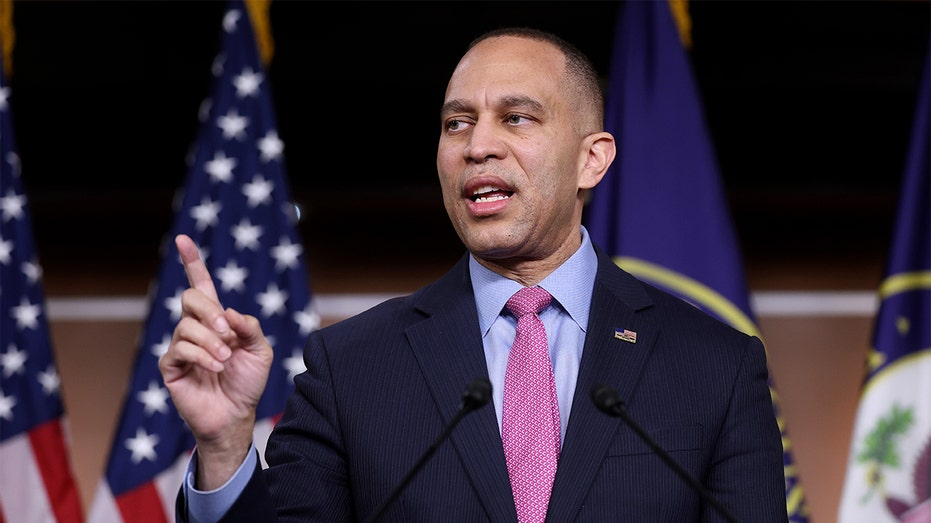
House Minority Leader Hakeem Jeffries (D-N.Y.) has sparked a significant political outcry after publicly stating that Democrats must not only defeat “MAGA extremists” electorally but also “break their spirit.” Delivered at a recent progressive conference, Jeffries’ forceful declaration has drawn immediate and widespread condemnation from Republican lawmakers and commentators, who view the language as inflammatory and a direct attack on millions of American voters.
Jeffries articulated his vision for the upcoming midterm elections, asserting that Democrats are poised to reclaim control of the House of Representatives. His strategy, however, went beyond mere electoral victory. He reportedly declared that Democrats must “break” MAGA extremists, stating a clear objective: “our goal is to break them.” This confrontational stance, reported by News Desk, suggests a political battle aimed at more than just policy differences, targeting the fundamental resolve of a significant segment of the American electorate. He emphasized the necessity to “beat them electorally, and then we have to break their spirit, because of the extremism that’s being unleashed on the American people, that’s completely and totally unacceptable.”
The Minority Leader’s comments quickly elicited sharp rebukes from across the political spectrum, particularly from Republicans. Critics argue that such rhetoric from a high-ranking official fosters division rather than unity, especially in an already polarized nation.
These reactions underscore a deep concern about the implications of such strong language on the political landscape and the potential for increased animosity among citizens.
“We have to beat them electorally, and then we have to break their spirit.”
The Matox News editorial line consistently advocates for professional, factual, and anti-extremist discourse, alongside a commitment to pro-institutions and pro-order principles. When a leading figure like Hakeem Jeffries employs language suggesting the “breaking” of a political movement’s spirit, it raises questions about the health of democratic debate. Such statements risk normalizing an adversarial approach that could undermine the very institutions designed to facilitate peaceful political competition. In a society striving for cohesion, rhetoric that seeks to demoralize or dismantle the resolve of a large voter base can be seen as counterproductive to national stability.
As the nation approaches critical midterm elections, the words of political leaders carry substantial weight. Jeffries’ remarks serve as a stark reminder of the escalating intensity in American political discourse. While robust debate is essential for a healthy democracy, the call to “break the spirit” of a significant political movement invites further polarization and threatens to erode the common ground necessary for effective governance. Maintaining respect for differing viewpoints, even amidst strong disagreement, remains paramount for the future of our republic.


