
TRENDING NEWS





Truth Over Trends, always!

Rising Venezuelan pop sensation Zhamira, known for her captivating blend of pop-urban fusions and romantic balladry, has officially partnered with United Talent Agency (UTA) for global representation. This pivotal agreement, exclusively announced by Billboard, comes at a dynamic juncture in her career, as she navigates her first-ever international tour, ‘Sanación En Vivo.’
The deal signifies a robust commitment to Zhamira’s burgeoning presence on the global stage, aiming to broaden her reach across diverse entertainment sectors. For artists seeking to amplify their impact and secure enduring professional growth, aligning with a major agency like UTA is a strategic move that underscores both current success and future potential.
UTA’s comprehensive representation will encompass all aspects of Zhamira’s professional endeavors. This includes crucial areas such as live touring, where her current ‘Sanación En Vivo’ trek is already demonstrating her appeal across the U.S., Latin America, and Europe. The agency will also focus on securing opportunities in:
This wide-ranging mandate positions Zhamira not merely as a musical artist but as a multifaceted entertainment figure. Such partnerships are instrumental in building a lasting career in the competitive global music and media landscape, ensuring that an artist’s brand and message resonate with broader audiences.
Zhamira’s journey to this significant agreement has been marked by notable achievements since her appearance on Univision’s reality competition series ‘La Banda’ in 2016. Her 2025 debut studio album, ‘Curita Para El Corazón,’ has been well-received, showcasing her evolution as an artist while embracing her new motherhood era.
Professionally, Zhamira has already made her mark on the charts. In 2023, her dulcet bachata track “Estrellita” climbed to No. 3 on the Tropical Airplay tally. The following year, she achieved another No. 3 spot on the Latin Pop Airplay chart with “Extrañándote,” a heartfelt ballad collaboration with her husband, Puerto Rican artist Jay Wheeler. This period also saw the couple welcome their baby girl, Aiunii, a personal milestone Zhamira openly cherishes.
“In life, being a mom. That’s the best thing that’s happened to me. Professionally, I have to say that my first-ever tour is completely sold out. That’s something I never imagined would happen.”
Zhamira’s ascendance mirrors a broader trend within the music industry: the increasing global influence and commercial viability of Latin artists. Her ability to blend traditional romantic balladry with contemporary urban sounds resonates with a diverse demographic, breaking down linguistic and cultural barriers. The support from a major agency like UTA further solidifies the strategic importance of Latin music in the global entertainment market.
Her current ‘Sanación En Vivo’ tour, which commenced in Puerto Rico and is set to conclude in Spain, underscores the international demand for her unique artistry. The tour’s sold-out status, as highlighted by Zhamira herself, is a testament to her growing fanbase and the deep connection she fosters with her listeners. This organic growth, now coupled with institutional backing, sets a strong foundation for sustained success.
This collaboration between Zhamira and UTA is poised to unlock new avenues for the Venezuelan artist, ensuring her voice and vision reach an ever-expanding international audience. It underscores a commitment to artistic development, global expansion, and the strategic cultivation of talent in the modern entertainment sphere, promising an exciting future for this rising star.

SAN FRANCISCO – OpenAI, the pioneering force behind ChatGPT, has achieved a pivotal legal triumph, successfully fending off a formidable $150 billion lawsuit initiated by entrepreneur Elon Musk. This court decision marks a critical moment for the company, affirming its operational model and offering a measure of stability amidst intense industry competition. The ruling, as reported by The New York Times, effectively dismisses a claim that could have severely impacted OpenAI’s trajectory.
The lawsuit, which alleged a deviation from the company’s foundational non-profit mission, had cast a long shadow over OpenAI’s commercial endeavors. Its rejection by a jury not only vindicates the company’s current direction but also sends a clear message about the legal viability of its innovative, albeit often controversial, business practices. This outcome is undoubtedly a relief for investors and employees alike, bolstering confidence in the firm’s strategic path.
Despite this significant victory, the path ahead for OpenAI remains fraught with challenges. The artificial intelligence sector is under unprecedented scrutiny from global regulators, and OpenAI, as a market leader, is at the forefront of this examination. Governments worldwide are grappling with how to effectively oversee AI development, balancing innovation with concerns over data privacy, intellectual property, and potential societal impacts.
Regulators are increasingly focused on the vast datasets used to train AI models, raising questions about copyright infringement and the ethical sourcing of information. The potential for AI to disrupt labor markets and influence public discourse also necessitates careful consideration, prompting calls for robust legal frameworks that ensure accountability and transparency. For OpenAI, this means a continuous engagement with evolving regulations, ensuring compliance while striving to maintain its competitive edge.
“OpenAI’s legal victory against Elon Musk is a significant milestone, but it merely opens the door to a new era of complex regulatory and ethical challenges that define the frontier of AI development.”
Beyond formal legal battles, OpenAI faces profound ethical dilemmas inherent in developing powerful AI technologies. The responsible deployment of AI, particularly models as influential as ChatGPT, requires constant vigilance against biases, misinformation, and misuse. Maintaining public trust demands a proactive approach to ethical AI development, prioritizing fairness, safety, and human oversight.
These ethical considerations often translate into calls for greater transparency in AI algorithms and decision-making processes, a demand that can conflict with proprietary interests. As a leader in the field, OpenAI carries a heavy responsibility to not only innovate but also to guide the industry towards practices that uphold societal values and prevent unintended negative consequences. This includes investing in robust safety mechanisms and fostering open dialogue with policymakers and the public.
The AI landscape is fiercely competitive, with numerous tech giants and startups vying for dominance. While OpenAI enjoys a prominent position, it must continuously innovate to stay ahead. This involves not only technological advancements but also shrewd business strategies to maintain market share and attract top talent. The free market thrives on competition, and OpenAI’s ability to navigate this dynamic environment, while adhering to fair practices, will be crucial for its sustained success.
The recent court victory offers a moment of clarity for OpenAI, allowing it to focus renewed energy on its core mission. However, it is abundantly clear that this triumph is but one chapter in a much larger narrative of legal and ethical challenges confronting the AI industry. As OpenAI continues to push the boundaries of artificial intelligence, its ability to adapt to a complex regulatory landscape and uphold stringent ethical standards will ultimately define its legacy and its contribution to an orderly and prosperous future.

Recent economic data, as highlighted by reports from outlets such as The Guardian, paints a cautious picture for the United Kingdom. The latest figures show an unexpected increase in the UK unemployment rate, reaching 5%, alongside a notable deceleration in wage growth. This shift in the labor market is prompting economists to reconsider the likelihood of an interest rate hike by the Bank of England in June, signaling a potential softening in the national economy.
For households and businesses, these statistics represent a significant development. A rise in unemployment means more individuals are seeking work, while slower wage growth impacts consumer purchasing power. This confluence of factors underscores the delicate balance policymakers must strike to maintain economic stability and foster growth.
The labor market has experienced a marked change, with the jobless rate unexpectedly climbing to 5%. This increase is accompanied by a substantial fall in employment, with approximately 100,000 fewer people employed. This represents the most significant drop in six years, indicating a challenging period for job seekers and a potential tightening of the employment market.
The slowdown in wage growth, while potentially easing inflationary pressures, also means that the ‘real wages’ of many workers are under increasing strain. As the cost of living continues to be a concern for families, a lack of robust wage increases can erode financial security and consumer confidence, essential drivers of a healthy free-market economy.
The fresh labor market data directly impacts the Bank of England’s monetary policy considerations. With UK unemployment rises and wage growth decelerating, the urgency for a June interest rate hike appears to have diminished. Economists are now suggesting that the central bank may adopt a more cautious approach, prioritizing economic stability over aggressive inflation control measures that could further dampen growth.
“The unexpected rise in unemployment and a deceleration in wage growth signal a crucial juncture for the UK economy, demanding prudent policy responses.”
The Bank of England faces a complex decision. While controlling inflation remains a primary objective, tightening monetary policy too aggressively in a cooling labor market risks exacerbating economic slowdowns. A balanced approach is paramount to support institutions and ensure long-term prosperity for businesses and families.
The broader economic context includes ongoing global uncertainties, notably the impact of the Iran war. While the immediate effects on the UK labor market are indirect, geopolitical tensions invariably influence business confidence, investment decisions, and supply chains. Such external pressures can contribute to domestic economic headwinds, making the path to recovery more challenging.
The government and policymakers must remain vigilant, implementing measures that support job creation and encourage private sector investment. A strong, resilient economy, founded on free-market principles, is the best defense against external shocks and the most reliable path to sustained prosperity.
As the nation navigates these economic currents, maintaining fiscal discipline and fostering an environment conducive to business growth will be critical. The focus must be on ensuring that the UK economy remains robust, adaptable, and capable of delivering opportunities for all its citizens, safeguarding prosperity in uncertain times.

A federal judge has largely blocked U.S. Immigration and Customs Enforcement (ICE) from conducting civil arrests at several Manhattan immigration courthouses. The ruling, issued by U.S. District Judge P. Kevin Castel, marks a notable shift in policy after government lawyers conceded they had made a “material mistaken statement of fact” regarding the applicability of prior enforcement guidelines. This decision temporarily reverts ICE arrests at these facilities to stricter, Biden-era limitations as a broader lawsuit progresses, raising important questions about executive agency accountability and judicial oversight.
The judge’s Monday ruling represents a significant reversal from his own 2025 decision, which had previously declined to halt the Trump administration’s policy on courthouse arrests. The catalyst for this change emerged in March when Justice Department lawyers informed the court of an error. They admitted that earlier claims, suggesting a May 2025 ICE courthouse enforcement memo applied to immigration courts, were incorrect. The government subsequently acknowledged that the guidance “does not and has never applied” to immigration courts. Judge Castel stated that this admission justified revisiting his earlier ruling “to correct a clear error and prevent a manifest injustice.” This highlights the judiciary’s commitment to upholding procedural integrity and ensuring that legal decisions are based on accurate representations of fact, a cornerstone of the rule of law.
Immigrant advocacy groups, who initiated the lawsuit, have consistently argued that the Trump administration’s enforcement policies effectively transformed mandatory immigration hearings into opportunities for arrest. These groups contended that migrants were often detained by ICE agents immediately following their court proceedings, creating an environment of fear that could deter individuals from attending crucial hearings and thus undermining their due process rights. Judge Castel indicated that the plaintiffs are likely to succeed in their argument that the administration acted arbitrarily and capriciously when it rescinded a 2021 ICE policy — which had restricted courthouse arrests — without adequately explaining how the new policy would apply specifically to immigration courts. This emphasizes the importance of clear, justified policy changes, especially when fundamental rights and access to justice are at stake for vulnerable populations. The ruling aims to ensure that the pursuit of legal avenues is not chilled by the threat of immediate detention.
It is important to note that the judge’s ruling does not impose a complete prohibition on all courthouse arrests. ICE retains the authority to conduct enforcement actions under specific, limited circumstances, reflecting a balanced approach to security and legal access. These exceptions include situations involving:
This carefully balanced approach aims to protect the integrity of immigration court proceedings while still allowing ICE to address genuine public safety and national security concerns. The ruling, initially reported by News Desk, ensures that routine civil arrests do not impede access to justice, striking a balance between enforcement priorities and constitutional protections.
“This ruling is a critical step in ensuring that mandatory immigration hearings do not become arrest operations, safeguarding due process for individuals navigating complex legal challenges.”
The federal court’s decision underscores a fundamental principle of governance: governmental agencies must operate with accuracy and transparency, particularly when their actions affect individuals’ access to legal processes. By requiring ICE to revert to a more constrained approach for courthouse arrests, the ruling reinforces the judiciary’s role in overseeing executive power and protecting the integrity of legal proceedings. This development will undoubtedly influence future discussions regarding immigration enforcement strategies and the rights of individuals appearing before immigration courts. As the broader lawsuit continues, this temporary injunction sets a precedent for how federal agencies must justify their policies and ensure procedural fairness within the justice system. The implications extend beyond New York, potentially influencing ICE’s operational guidelines nationwide.

The United Kingdom’s labor market is showing clear signs of deceleration, with the unemployment rate unexpectedly climbing and job vacancies reaching their lowest point in five years. This shift, according to official figures, is increasingly linked to the escalating impact of the Iran war on business confidence and activity.
The Office for National Statistics (ONS) data, reported by News Desk, paints a sobering picture, highlighting how geopolitical tensions are translating into tangible economic pressures for households and businesses across the nation. Policymakers will be scrutinizing these figures closely as they consider the path forward for economic stability.
The ONS reported that the UK unemployment rate rose slightly to 5% in the three months to March, up from 4.9% in the preceding three months to February. This increase, though modest, signals a concerning trend in the nation’s employment landscape.
Even more striking is the sharp decline in available job opportunities. Early ONS estimates indicate that the number of job openings fell by 28,000, or 3.9%, to a total of 705,000 between February and April. This represents the lowest level of job vacancies seen since April 2021, a clear indicator of weakening demand for workers.
Analysts are unequivocal: these figures represent the first undeniable effects of the Middle East conflict on the jobs market. The prolonged nature of the Iran war is beginning to cast a long shadow over economic forecasts, creating uncertainty that deters investment and hiring.
Further complicating the economic outlook is the deceleration in average regular earnings growth. In the first three months of the year, this growth fell to 3.4%. While still positive, after accounting for inflation, real earnings growth was a mere 0.3% higher.
This marginal increase in real wages means that consumer purchasing power remains largely stagnant. For many families, the cost of living continues to outpace any meaningful gains in income, placing additional strain on household budgets and potentially dampening overall consumer spending, a crucial driver of economic activity.
“Analysts are unequivocal: these figures represent the first undeniable effects of the Middle East conflict on the jobs market, and demand for workers will likely continue to weaken.”
The consensus among economic observers is that demand for workers will likely continue to weaken the longer the conflict in the Middle East persists. Businesses, facing heightened uncertainty and potential supply chain disruptions, are becoming more cautious about their hiring plans.
This cautious approach could lead to a sustained period of subdued job creation and potentially further rises in unemployment. The government and Bank of England face a delicate balancing act as they seek to navigate these economic headwinds while maintaining stability and supporting growth.
The current trajectory underscores the importance of global stability for domestic prosperity. As Matox News has consistently highlighted, a secure international environment is fundamental for a thriving free market and the well-being of families and businesses alike. Vigilance and prudent economic management will be paramount in the months ahead.

ICHIKAWA, Japan – Two American tourists have been arrested in Japan on charges of forcible obstruction of business after one allegedly breached the enclosure of Punch, a young macaque at Ichikawa City Zoo. The incident, which occurred on Sunday, has prompted swift action from local authorities and the zoo administration, underscoring the importance of adhering to public safety regulations and respecting institutional boundaries.
Reports from Agence France-Presse (AFP) indicate that videos circulating online show an individual in an emoji costume climbing over a barrier into the Japanese macaque enclosure. The person then reportedly dropped a small stuffed toy near the animals, causing them to retreat in alarm. While zoo staff quickly intervened and authorities confirmed no physical contact was made with the monkeys, the disruption led to immediate police involvement.
The suspects, identified as a 24-year-old college student and a 27-year-old self-described singer, were taken into custody by Ichikawa Police. The charges of forcible obstruction of business reflect the serious view Japanese law enforcement takes on actions that interfere with the legitimate operations of public and private institutions. This incident serves as a stark reminder that international visitors are subject to the laws of the host nation, and any perceived minor infraction can have significant legal repercussions.
One suspect is reportedly not cooperating with police, while the other has denied the allegations, according to reports citing NHK. Such incidents, regardless of intent, can damage the reputation of visitors and strain diplomatic relations, emphasizing the need for responsible tourism.
“Respect for local laws and the operational integrity of public institutions is paramount for all visitors, regardless of nationality. Actions that disrupt order will be met with appropriate legal consequences.”
Ichikawa City Zoo confirmed the arrests in a statement posted to X on May 17, detailing that the pair had been handed over to police. The zoo also assured the public that immediate safety inspections were conducted and no animals were injured during the incident. This swift and professional response by the zoo demonstrates a commitment to animal welfare and visitor safety, reinforcing public trust in their operations.
In response to the security breach, the zoo has announced several measures:
These actions highlight the zoo’s dedication to maintaining a safe and orderly environment for both its animals and its visitors, prioritizing institutional integrity and public confidence.
This event underscores a broader principle: the expectation for visitors to adhere to the laws and societal norms of their host country. While the viral fame of Punch the monkey may have been a draw, the alleged actions of the American tourists demonstrate a concerning lack of judgment and respect for established rules. Matox News believes that such incidents, while isolated, reflect poorly on international conduct and necessitate a firm response to uphold the principles of order and institutional authority.
Authorities continue their investigation into the matter, with further details expected as the legal process unfolds. The Ichikawa City Zoo remains committed to its mission, having taken decisive steps to reinforce security and ensure the well-being of its animal residents.

The ongoing public discourse between prominent ESPN analyst Stephen A. Smith and Boston Celtics star Jaylen Brown has intensified, drawing significant attention across the sports world. Following Brown’s pointed remarks labeling Smith as the ‘face of clickbait media,’ Smith utilized his platform on Monday’s ‘First Take’ to deliver a firm and unyielding response, pushing back against the NBA player’s assertions.
The feud underscores a broader debate within sports journalism regarding commentary, accountability, and the role of digital platforms in shaping public perception. Matox News believes in factual reporting and professional analysis, recognizing the importance of integrity in all media.
The friction began when Stephen A. Smith critiqued Jaylen Brown’s characterization of the recent Boston Celtics season as his ‘favorite,’ despite the team’s early playoff exit. Brown, in turn, escalated the exchange during a weekend Twitch live stream, directly challenging Smith’s professional conduct. He referred to Smith as a ‘clown’ and publicly demanded that the analyst ‘be quiet,’ accusing him of not engaging in ‘real journalism’ but rather using his platform for ‘clickbait.’
Brown’s remarks, as reported by Fox News and other outlets, did not mince words, suggesting Smith’s retirement could ‘spark a movement’ to foster greater integrity within sports media. This direct challenge has ignited a conversation about the responsibilities of both athletes and media personalities in the public eye.
During his Monday broadcast, Smith addressed Brown’s comments head-on, delivering a lengthy monologue that staunchly defended his journalistic approach and criticized Brown’s perspective. While stating he would not ‘disrespect Jaylen Brown,’ Smith unequivocally rejected the notion that he was the problem.
“He’s pointing the finger in the wrong direction. Point it at yourself, bro,” Smith asserted, doubling down on his initial criticisms of Brown’s season assessment. Smith’s response highlighted his belief that his commentary is rooted in professional analysis, not sensationalism, and that athletes must also take accountability for their own performances and statements.
The veteran pundit’s steadfastness in his position emphasizes the divide between an athlete’s personal experience and a commentator’s professional evaluation. It also brings to light the differing expectations placed upon those who play the game versus those who analyze it for a mass audience.
This public disagreement extends beyond two individuals, touching upon significant themes within contemporary media. Brown’s ‘clickbait media’ accusation resonates with a segment of the public that often questions the depth and motivation behind certain sports commentary. Conversely, Smith’s defense underscores the role of robust, even critical, analysis in holding public figures accountable.
The incident prompts reflection on the evolving landscape of sports reporting, where traditional journalism intersects with personality-driven commentary and direct athlete engagement through social media. For Matox News, the commitment to factual reporting and professional integrity remains paramount, irrespective of the personalities involved. Ensuring that dialogue remains constructive and grounded in reality is essential for maintaining trust in media institutions.
“He’s pointing the finger in the wrong direction. Point it at yourself, bro.”
— Stephen A. Smith, responding to Jaylen Brown
As this high-profile exchange continues to unfold, it serves as a powerful reminder of the delicate balance between criticism and respect in the public sphere. Both athletes and media personalities carry significant influence, and their interactions often shape the broader narrative around sports and public discourse.

In a significant shift within the music industry, Believe, the digital music powerhouse co-founded by Denis Ladegaillerie and Romain Vivien, has established itself as a dominant force, securing nearly 10% of the global digital music market. This remarkable ascent underscores a changing landscape where independent artists and labels are increasingly finding pathways to global reach without relying on traditional major label structures. The company’s success is rooted in its commitment to artist ownership and a robust technological infrastructure.
Believe’s business model challenges the long-standing industry norms, offering artists the ability to retain master ownership while leveraging an extensive global distribution network. This approach has attracted top musical acts, including Janet Jackson, Cleo Sol, and Russ, who seek greater control over their creative assets and revenue streams. By prioritizing artist autonomy, Believe has cultivated a loyal roster and demonstrated a viable alternative to conventional record deals.
Believe’s strategy has effectively outmaneuvered the major label system by focusing on efficiency, global reach, and artist-centric services. Unlike traditional models that often require artists to cede ownership of their masters, Believe provides a platform for independent growth and financial independence. This aligns perfectly with free-market principles, fostering competition and innovation in an industry historically dominated by a few large players.
Co-founder Denis Ladegaillerie highlighted the company’s substantial global footprint, stating, “Our market share globally in digital music is close to 10%.” This significant percentage translates into substantial value, enabling Believe to execute specific initiatives that generate tens of millions of dollars. Their operational model prioritizes direct engagement with artists, offering a transparent and supportive environment for career development.
Believe’s growth trajectory is also a testament to its shrewd global expansion strategy. The company has secured a top-three position in 12 to 13 of the world’s top 20 music markets, demonstrating its widespread influence. Notably, Believe is now a leading player across Asia, Europe, and the Middle East, with sights set on further expansion into North America.
Romain Vivien recounted a pivotal early decision that fueled their initial success in France: a strategic bet on hip-hop music. At a time when major labels showed little interest, Believe recognized the genre’s potential, particularly its younger demographic’s readiness to embrace digital platforms. This foresight allowed them to cultivate a strong presence within a rapidly digitalizing segment of the market, proving their agility and forward-thinking approach to industry trends. The company’s initial vision in 2005 was clear:
From its inception, Believe was founded on the principle of being “artists first.” Ladegaillerie emphasized the company’s core belief that technology could democratize market access, a radical idea in a world still heavily reliant on CD distribution in 2005. This commitment has remained central to their ethos, offering a lifeline to countless artists seeking to navigate the complexities of the modern music business.
The company’s sustained growth and market penetration, as discussed in a recent interview with Billboard News, reflect a successful adaptation to evolving consumer behavior and technological advancements. By offering a robust infrastructure that supports global distribution, marketing, and monetization, Believe empowers artists to build sustainable careers while maintaining creative and financial control.
“Our market share globally in digital music is close to 10%.” — Denis Ladegaillerie
As Believe continues to grow its influence and look towards further expansion, particularly in North America, its model serves as a powerful example of entrepreneurial success and market disruption. The company’s unwavering focus on artist empowerment and leveraging digital innovation positions it as a key player in shaping the future of the global music industry, ensuring that talent can thrive in an increasingly connected world.
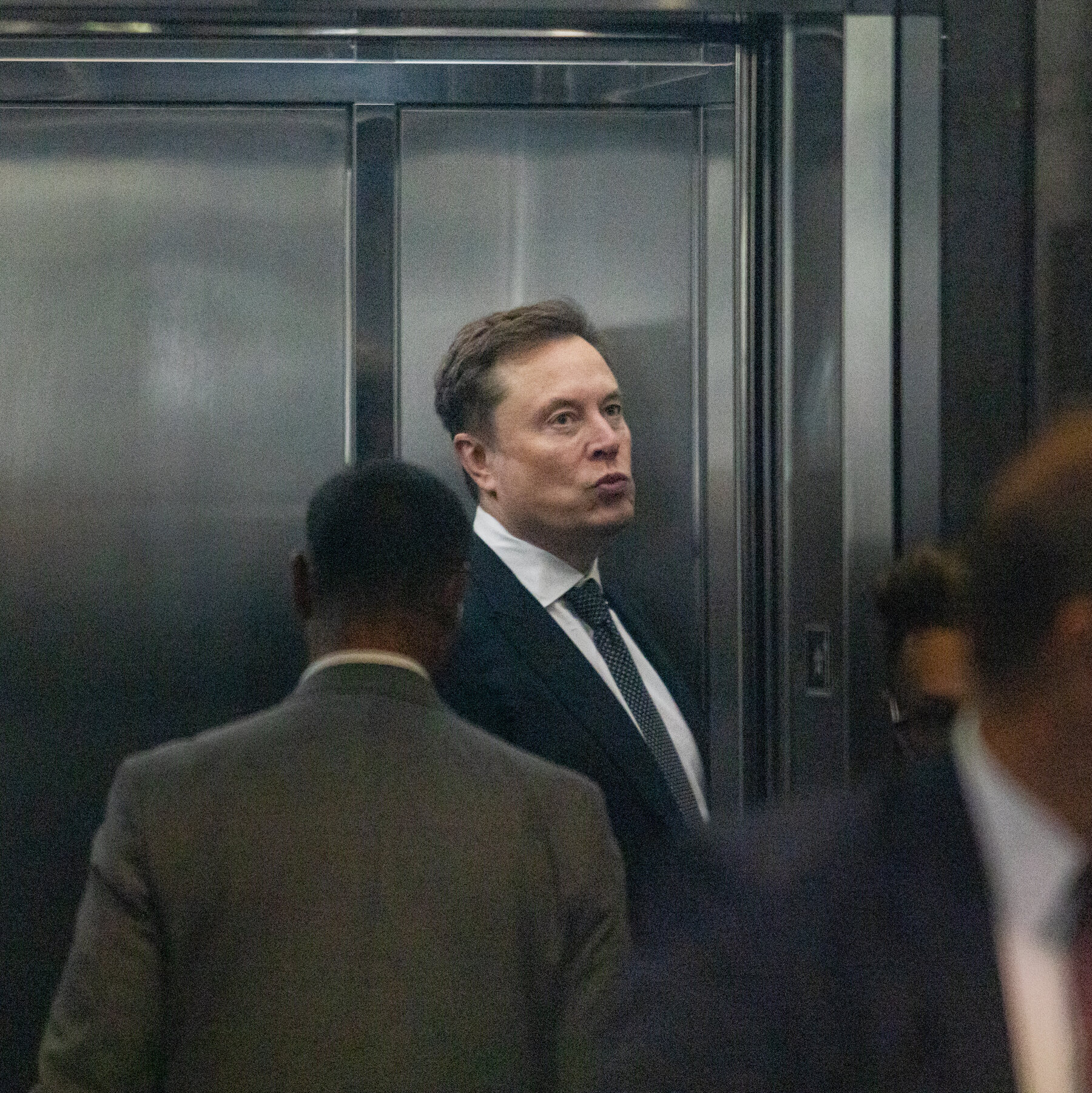
The recent judicial ruling against Elon Musk’s lawsuit targeting OpenAI and its CEO, Sam Altman, marks a pivotal moment for the artificial intelligence industry. This decision, which found Mr. Musk waited too long to sue, effectively removes a significant legal impediment for OpenAI, unleashing a new phase of accelerated innovation across the sector. Observers are now anticipating what some describe as a ‘long hot AI Development summer,’ characterized by intensified competition and rapid technological advancements.
For weeks, the tech world watched as the high-stakes legal battle unfolded. Mr. Musk had sought to challenge OpenAI’s trajectory, arguing a departure from its original non-profit mission. However, a nine-member jury ultimately sided with OpenAI, concluding that the lawsuit had been filed with undue delay. This outcome, as reported by The New York Times, definitively frees OpenAI to continue its aggressive pursuit in the global artificial intelligence race without the immediate threat of this particular legal challenge.
The court’s finding that Mr. Musk had “waited too long to sue” underscores a critical procedural aspect of the case, rather than a deep dive into the merits of his claims regarding OpenAI’s foundational principles. This technicality, however, carries profound implications. With the collapse of this suit, OpenAI can now fully focus its resources and efforts on its ambitious research and product development agenda, unburdened by the immediate shadow of a massive legal battle.
This legal clarity is expected to invigorate investment and talent acquisition within OpenAI and, by extension, across the entire AI ecosystem. Competitors, while facing a formidable rival now operating with renewed vigor, will also be spurred to accelerate their own initiatives, fostering a dynamic environment of innovation that aligns with free-market principles.
The immediate consequence of this verdict is a projected surge in the pace of AI Development. The industry, already a hotbed of activity, is now poised for an even more intense period of growth and transformation. This acceleration will likely manifest in several key areas:
This period of rapid advancement, while promising significant breakthroughs, also brings with it a host of challenges related to market dominance, ethical considerations, and the responsible deployment of powerful technologies. The pro-free-market stance supports innovation, but also recognizes the need for fair competition and robust frameworks.
“The court’s decision clears a significant hurdle, signaling a new era of rapid innovation and competition in artificial intelligence, shaping the future of technology and society.”
As the artificial intelligence landscape accelerates, the need for thoughtful deliberation regarding its governance and societal integration becomes even more pressing. A conservative perspective emphasizes the importance of maintaining order, upholding institutions, and ensuring that technological progress serves the common good without undermining foundational values or creating undue instability.
The ‘AI Development summer’ will inevitably bring increased public discourse around regulatory frameworks. Policymakers will face growing pressure to consider how to foster innovation while also addressing concerns about data privacy, algorithmic bias, job displacement, and national security. Striking the right balance between enabling technological advancement and establishing prudent guardrails will be a defining challenge for governments and industries alike.
The outcome of the Elon Musk-OpenAI lawsuit has undeniably reshaped the immediate future of artificial intelligence. It has not only validated OpenAI’s operational independence but has also ignited a renewed sense of urgency and excitement across the tech world. As the industry plunges into this period of unprecedented growth, the focus will shift towards harnessing AI’s immense potential responsibly, ensuring that its transformative power benefits society while respecting institutional stability and ethical considerations. The path ahead is one of both immense opportunity and significant responsibility.

A key confidant of Venezuelan President Nicolás Maduro, Alex Saab, has been extradited to the United States to face federal charges related to an alleged billion-dollar corruption scheme. This significant development underscores American efforts to counter illicit financial activities tied to the Maduro regime.
In a major blow to the Venezuelan government, Alex Saab, a prominent ally of President Nicolás Maduro, has been deported to the United States. Saab appeared in federal court in Miami on Monday, facing a litany of charges for allegedly orchestrating a vast money laundering and bribery scheme. The allegations link him to the defrauding of a crucial state-run food program and the illicit sale of Venezuelan oil, circumventing international sanctions. This extradition marks a critical step in international efforts to address systemic corruption impacting the Venezuelan populace.
U.S. prosecutors contend that Alex Saab, 55, a Colombian national and former Venezuelan Minister of Industry and National Production, led a years-long criminal enterprise. Beginning around 2015, Saab and his co-conspirators are accused of paying substantial bribes to Venezuelan government officials. These payments allegedly secured lucrative contracts connected to Venezuela’s CLAP welfare program, a humanitarian initiative intended to provide food to impoverished citizens. Instead of serving its purpose, the program was reportedly exploited for personal gain, diverting essential resources.
Beyond the food program, the Justice Department asserts that Saab and his associates engaged in the illegal sale of billions of dollars’ worth of Venezuelan state-owned oil. This operation was designed to bypass stringent U.S. sanctions aimed at the Maduro regime. The proceeds from these illicit transactions were then allegedly funneled through U.S. bank accounts, a sophisticated effort to conceal their origins and further the criminal scheme. Assistant Attorney General A. Tysen Duva emphasized the gravity of the situation, stating, “Alex Saab allegedly used American banks to launder hundreds of millions of dollars stolen from a Venezuelan food program meant for the poor and proceeds from the illegal sale of Venezuelan oil.” This highlights the commitment of U.S. authorities to prevent the American financial system from being exploited by foreign corruption.
Key aspects of the allegations against Alex Saab include:
“The Criminal Division will not allow foreign actors to exploit the American financial system and use it as a safe haven for the proceeds of their corruption.”
— Assistant Attorney General A. Tysen Duva
The deportation of Alex Saab is viewed by many as a significant victory for the rule of law and a deterrent against those who seek to profit from public office. Venezuela has long grappled with allegations of widespread corruption, particularly within its state-controlled industries and social programs. The U.S. Attorney’s Office for the Southern District of Florida confirmed Saab’s appearance in court, noting that he is presumed innocent until proven guilty beyond a reasonable doubt. Nevertheless, the indictment paints a stark picture of how vital national resources and humanitarian aid can be diverted through illicit means, exacerbating the suffering of ordinary Venezuelans. This case reaffirms the importance of international cooperation in dismantling complex financial crimes that undermine democratic institutions and economic stability.
The legal proceedings against Alex Saab are expected to shed further light on the intricate networks of corruption that have plagued Venezuela. This case serves as a powerful reminder that accountability will be pursued for those who allegedly abuse their positions for personal gain, particularly when it impacts humanitarian efforts and violates international norms. The focus now shifts to the ongoing judicial process in Miami, where the details of this alleged billion-dollar scheme will be meticulously examined.


