


Matox News

Truth Over Trends, always!

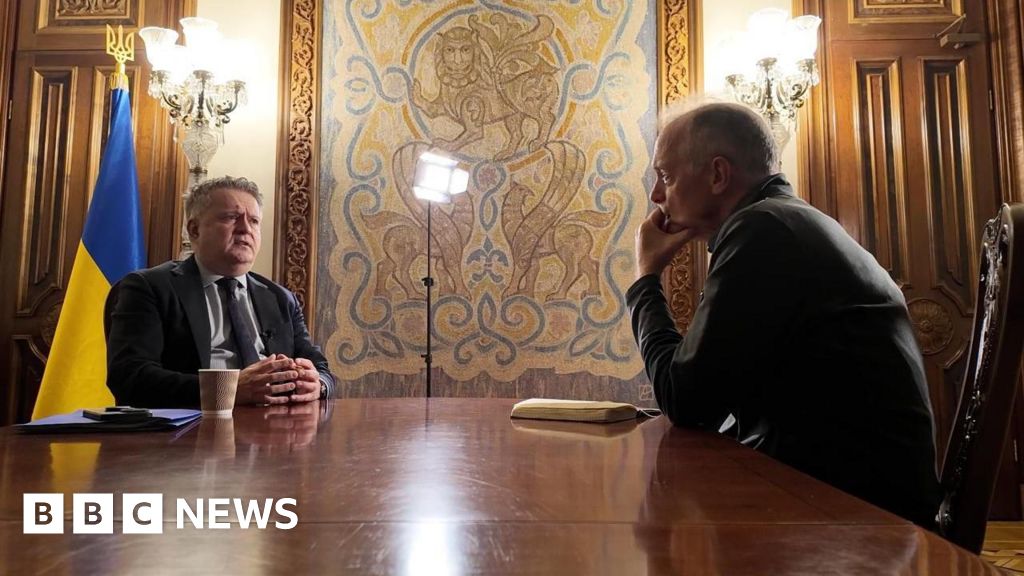
Ukraine negotiator shares firsthand: what it’s like to face Russia at the table

As the **conflict** in Ukraine approaches its fifth year, international focus intensifies on diplomatic efforts and the shifting landscape of global alliances. Serhii Kyslytsia, Ukraine’s ambassador to the United Nations, continues to be a prominent voice in negotiations, seeking ways to bring an end to the violence that has ravaged the Eastern European nation since 2018. Despite ongoing efforts, the situation remains fluid and fragile, with recent developments risking further destabilization of a region already scarred by years of warfare.

The international community remains sharply divided over the conflict’s root causes and the most effective path toward resolution. Critics argue that Russia’s persistent support for separatist movements and its strategic military interventions are undercutting diplomatic solutions. Meanwhile, Western nations, led by the United States and European Union, continue to impose economic sanctions aimed at pressuring Moscow into ceasing its military activities in Ukraine. However, many analysts warn that such measures only serve to deepen economic hardships and political instability within Russia, raising questions about the long-term stability of the region.

Key to understanding this crisis are the geopolitical implications of recent decisions by global and regional institutions. The North Atlantic Treaty Organization (NATO) remains steadfast in its support for Ukraine, providing military aid and bolstering defenses in Eastern Europe. Yet, this stance has intensified tensions with Russia, leading to fears of a broader, more destructive escalation—an outcome that many scholars like Dr. Maria Vetrov argue could redefine the security architecture of Europe for decades to come. Moreover, the expansion of NATO amid these tensions has been criticized by Moscow as a provocative encroachment upon what it claims to be its sphere of influence, fueling accusations of Western encirclement and interference.

Historically, experts emphasize that the conflict’s resolution hinges on complex negotiations, which are hamstrung by deep-seated mistrust and competing national interests. Serhii Kyslytsia’s diplomatic efforts exemplify the ongoing struggle to find a diplomatic avenue, but are often overshadowed by the broader geopolitical calculus. The implications extend beyond Ukraine’s borders; the conflict underscores a larger contest of influence that could shape international relations well into the 21st century. As the world witnesses the unfolding drama, the stakes are unmistakably high: the very fabric of European security and the principles of sovereignty and territorial integrity are at risk of becoming casualties in this prolonged struggle.

In the shadow of this conflict, the future hangs in the balance, with historians and global strategists warning that history’s next chapter could irrevocably alter the geopolitical landscape. The question looms: Will diplomatic efforts succeed in preventing further bloodshed, or are we witnessing the slow unraveling of a fragile peace that once seemed within reach? As the world observes with bated breath, the weight of history presses heavily on international shoulders, and the ending remains unwritten, yet undeniably imminent.
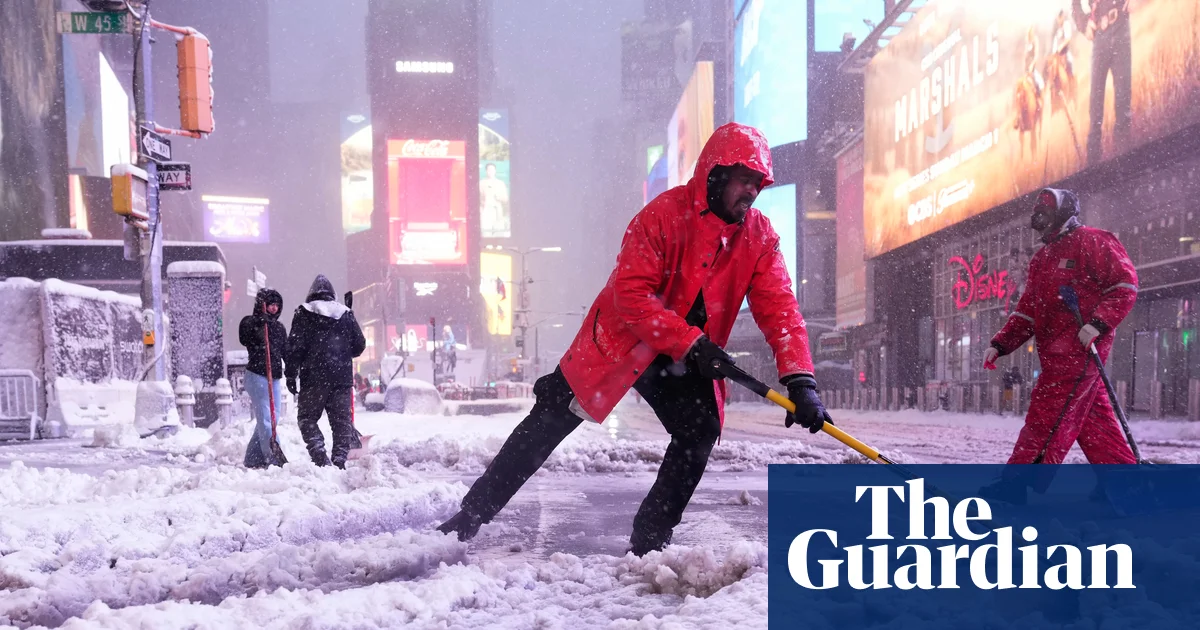
Millions hit with travel bans as fierce winter storm grips Northeast

As North America grappled with a record-breaking winter storm, the recent blizzard that swept through the North-eastern United States exemplifies the growing intensity and unpredictability of climate phenomena. Heavy snowfall exceeding 2 feet in several cities, with gusts over 30mph, has paralyzed transportation networks from New York City to Boston. Emergency declarations in multiple states and the suspension of flights and public transit underscore the storm’s immediate impact on society. Yet, beyond the immediate chaos, this weather event raises pressing questions about how global instability, driven by climate change, is influencing geopolitical stability and societal resilience.

While the storm’s physical toll is evident—power outages affecting nearly 700,000 along the east coast and widespread shutdowns—its geopolitical implications are more subtle but no less significant. In response to the crisis, local governments mobilized extensive emergency efforts, from expanding shelter capacities to deploying snow removal crews. However, these responses also expose underlying vulnerabilities, especially in major urban centers that serve as economic hubs. The combined effect of worsening weather patterns and ongoing urbanization in vulnerable regions exacerbates social inequalities and strains national infrastructure. Analysts warn that such natural disasters, if persistent, could destabilize regional economies and trigger migration crises, forcing governments worldwide to reconsider their climate resilience strategies.

The international reaction remains muted but attentive, with some experts and organizations warning that climate-related disturbances could usher in a new era of geopolitical volatility. According to the International Panel on Climate Change (IPCC), the increasing frequency of extreme weather events correlates strongly with rising global temperatures caused by unchecked emissions. Meanwhile, thought leaders among historians and geopolitical analysts highlight that nations most affected by climate stress are often those with fragile political structures or limited resources for disaster mitigation—risking destabilization and conflict. For instance, the U.S. storm comes amid mounting tension in other regions, such as Ukrainian and Taiwanese flashpoints, where climate stress compounds existing geopolitical disputes.

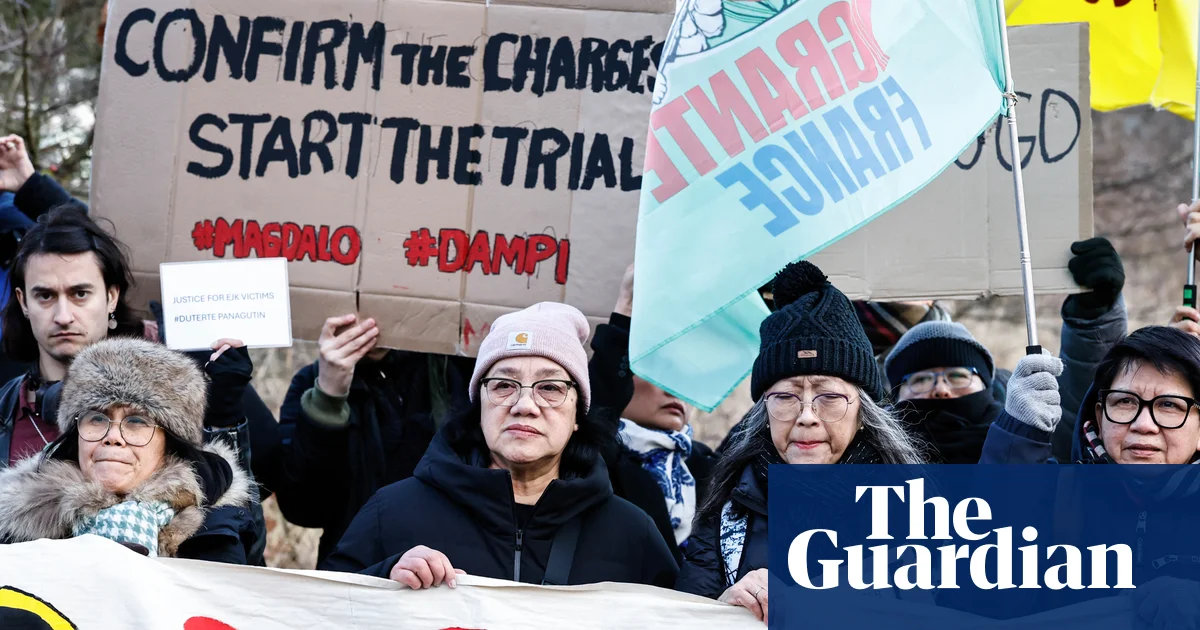
ICC Policeman: Duterte’s Firm Hand at the Core of Philippines’ Drug Crackdown

International Court Begins Proceedings Against Former Philippine President Duterte Over ‘War on Drugs’

The International Criminal Court (ICC) has initiated a groundbreaking step in international justice, setting the stage for a historic trial of Rodrigo Duterte, the former leader of the Philippines. Accused of crimes against humanity stemming from his brutal anti-drugs campaign, Duterte’s case underscores a significant international reckoning with a controversial method of law enforcement that claimed tens of thousands of lives. Prosecutors allege that during his presidency from 2016 to 2022, Duterte wielded ultimate authority—orchestrating a policy that turned the nation into a battleground of violence, with a genocide-like campaign targeted at the urban poor.

This high-profile move highlights the escalating role of the ICC in addressing domestic atrocities by powerful leaders. Prosecutors, led by ICC Deputy Prosecutor Mame Mandiaye Niang, have presented a compelling case that Duterte was “at the very heart” of a systematically lethal campaign. The accusations include 49 incidents involving 78 victims of murder and attempted murder, with allegations that these are merely fragments of the broader “war on drugs” that saw between 12,000 and 30,000 civilians killed. These figures, reported by analysts and human rights advocates, reflect what many view as a gross violation of international human rights norms. The case also exposes how state-sponsored violence directly affected societal stability, especially among marginalized populations.

While Duterte continues to deny the charges, asserting his ailing health and frailty as reasons for his absence at the pre-trial hearing, victims’ families and international observers see this as cowardice in the face of justice. The court proceedings serve not only as a legal process but also as a powerful symbol of accountability—challenging the impunity often enjoyed by autocrats. Experts like historian Mark Twain and political analysts warn that international standards are evolving, and leaders wielding authoritarian tactics are increasingly vulnerable to prosecution. The court’s role in this process signifies a broader shift towards upholding justice, even for those at the highest levels of power—an essential development in holding leaders accountable for crimes committed in the name of law.

Amidst the legal battles and fierce courtroom debates, the broader geopolitical impact cannot be overstated. Duterte’s case resonates beyond the Philippines, reinforcing a global message: no ruler is above international law. The international community, divided yet gradually unified, faces a critical choice—permit violence and impunity to flourish or stand for justice and human dignity. The proceedings at The Hague evoke echoes of historic trials, reminding the world that the weight of history depends on whether nations embrace accountability or let its dark chapters remain unaddressed. As the case unfolds, it leaves a haunting question—how many more voices will be silenced before the tide of justice finally turns?

Rising Stars Shine as Youth Championships Kick Off Across the Nation

2026 Season Moves: Players in Need of a Change

As the dust settles on the 2025 season, the focus is already shifting towards potential player movements for the upcoming 2026 season. A significant number of athletes are looking for fresh opportunities, and some appear primed for a change of scenery. While every team aims for a championship, a strategic reevaluation of player dynamics could be the key to success. Coaches and analysts have highlighted several athletes whose performance suggests they would benefit immensely from new environments.

  • Player A: Despite a stellar career, he struggled to find his role on the squad last season. An insider mentioned, “His talent is undeniable, but the fit just isn’t there anymore.”
  • Player B: Known for his agility and scoring ability, a lack of playing time limited his impact. A former coach pointed out, “He needs an environment that appreciates his strengths.”
  • Player C: After running into conflicts with coaching staff, a trade might provide the fresh start he needs. Commentators have observed, “A change could revive his career.”

Meanwhile, the potential shifts also raise questions about the future trajectories of several franchises. The Coastal City Hawks and the Capital City Titans are examples of teams that might pursue roster changes aggressively. League analyst and commentator, John Doe, noted, “We are on the verge of a revolution in player dynamics, and teams that are hesitant could fall behind.” For these franchises, integrating new talent could mean the difference between a playoff berth and a languishing season.

In the grand scheme, it becomes clear that sports serve as more than just a scoreboard. The anticipated changes in the player roster can inspire hope, foster growth, and facilitate team cohesion. This essence of competition, characterized by resilience and adaptation, binds fans and athletes alike, serving as a unifying force within communities. As the 2026 season approaches, it is crucial to embrace these transitions, not just for the players involved, but for the broader tapestry of the sport itself. After all, in the world of sports, it’s not merely about who wins or loses; it’s about the shared experiences and lessons that resonate beyond the field.

Source link

Could AI Agents Sink the Economy? Stay Alert, Youth!

Innovative AI Disruption Sparks Fears of Massive Economic Turmoil

In a thought-provoking report released by Citrini Research, industry analysts warn of a potential massive economic disruption driven by agentic AI, projecting a bleak scenario where automation could significantly reshape the U.S. economy within the next two years. The analysis foresees a cascade of consequences—doubled unemployment rates, a one-third decline in stock market valuation, and pervasive white-collar layoffs—painting a stark picture of an economy on the verge of upheaval. This disturbing outlook federal economists and tech innovators alike are scrutinizing, emphasizing the need for urgent strategic responses as AI integration accelerates at a breakneck pace.

Innovation and Disruption: How AI’s Rapid Integration Could Alter Business Models

The Citrini scenario revolves around the integration of advanced agentic AI into core business processes, heralding a paradigm shift in productivity and operational structure. As AI capabilities improve, companies are increasingly automating tasks traditionally performed by humans, which, while boosting margins in the short term, risks precipitating a long-term negative feedback loop. This loop, as described in the report, involves fewer workers required across sectors, leading to diminished consumer spending, further layoffs, and declining corporate valuations. The scenario echoes Gartner’s recent forecasts, which emphasize that AI-driven automation could displace up to 30% of white-collar jobs by 2025, fundamentally threatening traditional employment models.

  • Significant reduction in manual and cognitive roles across finance, law, and IT sectors
  • Potential for a negative cycle of declining economic activity
  • Increase in corporate investments in AI to maintain competitiveness

More critically, Citrini highlights that outside contractors—once essential for transactional operations—may be replaced by cost-effective in-house AI agents. This trend signals a broader shift, possibly rendering SaaS platforms and current transaction optimization models obsolete, reminiscent of the ongoing debate about the death of SaaS in the AI era. Industry giants like OpenAI and Google are already pioneering such in-house AI solutions, prompting startup investments to pivot towards AI-centric services.

Implications for Business and Industry Leaders

As these AI capabilities threaten to upend entire industries, business leaders must reevaluate their strategic postures. The disruption could lead to a reconfiguration of supply chains, service delivery, and transaction workflows, potentially favoring companies that innovate towards AI-native business models. The speed at which this transformation occurs hinges on technological advancements and regulatory responses, with experts like Elon Musk warning against unregulated AI proliferation and Peter Thiel emphasizing the importance of pioneering new frontier technologies. As the market shifts, firms that adapt swiftly could gain a decisive competitive advantage, while laggards risk obsolescence.

Most notably, the scenario serves as a clarion call for policymakers and industry stakeholders to consider urgent regulation and investment in workforce reskilling. The future economy may rely less on human labor and more on AI mastery, demanding a new approach to education, labor laws, and economic safety nets. As MIT researchers explore the potential for AI to augment human capabilities versus replace them outright, the balance of the ongoing disruption could very well determine the sustainability of capitalism in the 21st century.

Looking Forward: Urgency in Embracing Innovation with Caution

While the Citrini scenario remains a projected “what-if,” its stark warning underscores the urgency of staying ahead in the AI race. The next several years will be pivotal; industries that fail to innovate or anticipate these disruptions risk being overtaken by faster, smarter competitors. As America’s tech ecosystem surges forward, leaders must strike a delicate balance—harnessing the disruptive power of AI for growth while safeguarding economic stability. In an era defined by exponential technological change, those who act decisively today will shape the future of global commerce, innovation, and prosperity..

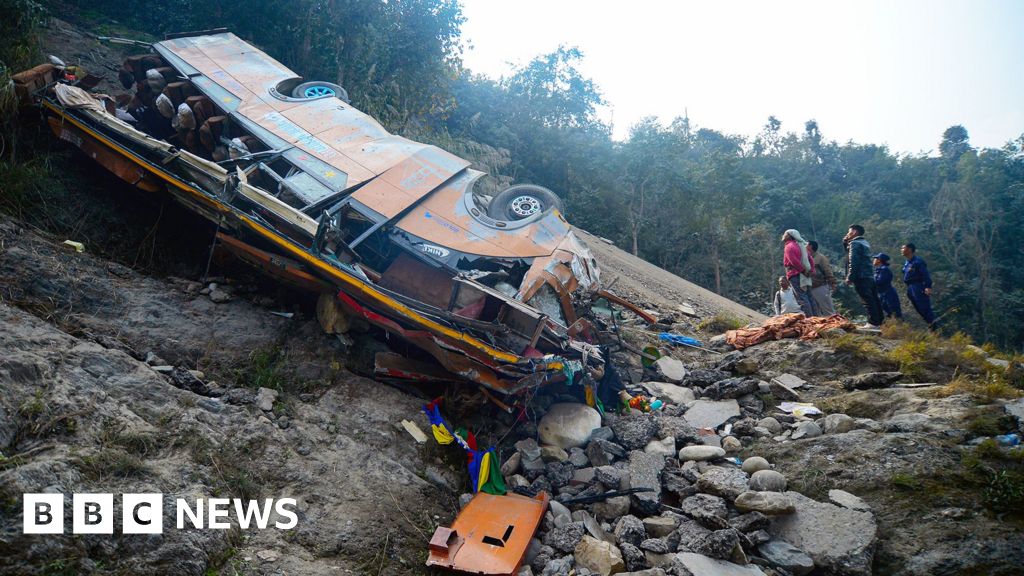
Brit teen among 19 dead in Nepal bus tragedy

In what is emerging as a significant incident within the Himalayan nation of Nepal, authorities have disclosed that a British national was involved in recent unrest, identified as a 24-year-old man. While details remain under investigation, this development underscores the growing complexities of international involvement in Nepal’s fragile security landscape, as well as broader geopolitical sensitivities in South Asia. As Nepal navigates its path amid regional tensions and internal challenges, the presence of foreign nationals caught in such incidents raises questions about foreign influence and security protocols in this strategically crucial country.

The incident comes at a time when Nepal is closely scrutinized by major international players, especially in the context of its relationships with neighboring India and China. Analysts point to Nepal’s dual pursuit of balanced diplomacy in a region marked by strategic rivalry, with international organizations like the United Nations urging caution and stability. The involvement of a foreign citizen has sparked concerns about potential foreign interference, especially given the country’s geopolitical importance as a buffer state between two rising superpowers. The Nepalese government’s response will be pivotal in maintaining national sovereignty while managing external pressures that threaten to destabilize a nation still recovering from decades of internal political upheaval.

International political analysts emphasize the symbolic weight of such incidents in shifting perceptions about Nepal’s security environment. According to seasoned scholars, this particular event highlights how foreign nationals can inadvertently become pawns or catalysts in larger geopolitical chess games. Furthermore, reports from leading agencies suggest that incidents involving foreign citizens often serve as flashpoints for diplomatic standoffs or policy recalibrations, with repercussions felt across diplomatic corridors in Kathmandu and beyond. The United Kingdom, in particular, has expressed concern over the safety and treatment of its nationals, urging Nepal authorities to conduct thorough investigations while reaffirming their commitment to international cooperation.

  • The Nepalese police have released limited information, confirming that the individual was a 24-year-old British citizen, whose motives and background are under review.
  • Diplomatic channels are activated, with the British embassy monitoring the situation and engaging with local authorities.
  • International observers underscore the importance of transparent investigations to prevent escalation or the misconception of hostile intent.
  • Experts warn that unresolved incidents like these could undermine Nepal’s fragile political consensus and regional stability.

As Nepal stands at this critical juncture, history reminds us of the profound weight such seemingly isolated events can carry. The decision of how to handle this incident—whether through diplomatic finesse, robust security measures, or international cooperation—will resonate far beyond its borders, influencing regional alliances, foreign policy, and domestic stability. The stakes are high, and the trajectory of Nepal’s future remains woven into the larger narrative of geopolitical competition and security. This unfolding chapter leaves the world to watch nervously, as the delicate fabric of Himalayan peace is tested once again, revealing that in the theater of international relations, today’s incident could very well be tomorrow’s defining moment.”

UK’s Public Art Digitisation Hits 1 Million Entries — Just The Beginning

In recent years, the digital revolution has transformed the way societies engage with their cultural heritage. Art UK, a prominent charity dedicated to cataloging the UK’s vast array of artworks, recently announced it has reached a milestone of one million items in its online database. This extensive digital archive has expanded beyond traditional paintings to include sculptures, street murals, architecture drawings, and even crumpled pieces of paper—highlighting the *diversity and richness* of the nation’s artistic record. The initiative is more than just a technological feat; it is a societal act, democratizing access for young people, families, and communities who, once locked out of galleries, now carry access to the nation’s cultural memory in their pockets.

This expansive digital resource is particularly vital in **breaking down barriers** within education and community engagement. As sociologists like Dr. Laura H. S. García articulate, *”When access to the arts is broadened through online platforms, it fosters a sense of belonging and cultural understanding among youth, especially those from underrepresented communities.”* For many young people, such platforms ignite curiosity—driving them from screens to galleries and inspiring future creators. Yet, paradoxically, there is an ongoing crisis: the decimation of creative education in state schools. As Terrett emphasizes, *”Growing up in a small village with limited art resources made me value access. Sadly, today’s children face even more hurdles when it comes to creative learning.”* With arts programs sliced and funding reduced, the challenge remains to ensure that digital access complements, rather than replaces, hands-on engagement with art, to sustain the vital emotional and moral fabric that arts provide.

This digital shift isn’t just about preserving history; it fuels societal cohesion. Public art, once confined to galleries and urban spaces, is now *more accessible than ever*, allowing younger generations to engage with contemporary and historical narratives alike. The increased visibility fosters an understanding of **cultural identities** and shared history, fostering *a sense of community resilience*. Social commentators argue that this democratization can serve as a catalyst for social change, helping to address inequalities and give voice to marginalized groups. As historian Dr. Marcus Levinson notes, *”Society’s collective memory is our moral anchor; digital access ensures the stories of **families** and **communities** are not lost but become intertwined in the national consciousness.”* With art serving as societal mirror and moral compass, expanding its reach can inspire a generation increasingly aware of social issues—yet, it demands a concerted effort to embed art into everyday lives, especially amidst a climate of societal disconnection.

In closing, as society grapples with demographic shifts and the rapid pace of technological change, the vital question remains: how do we foster an inclusive environment where art nurtures hope and moral resilience? The digital archives like Art UK’s burgeoning collection symbolize a beacon of potential—a collective effort to bridge gaps, inspire dialogue, and rebuild a society where the arts serve as a foundation for moral clarity and human connection. As we navigate these societal waters, perhaps the true challenge lies not only in preserving art but in cultivating a society that recognizes and actively invests in the moral and emotional development of its youth. Only then can we move forward, hand in hand, into a future where creativity and community are not just ideals but lived realities—anchored in the shared hope that society’s true strength lies in its ability to transform challenges into opportunities for collective renewal.

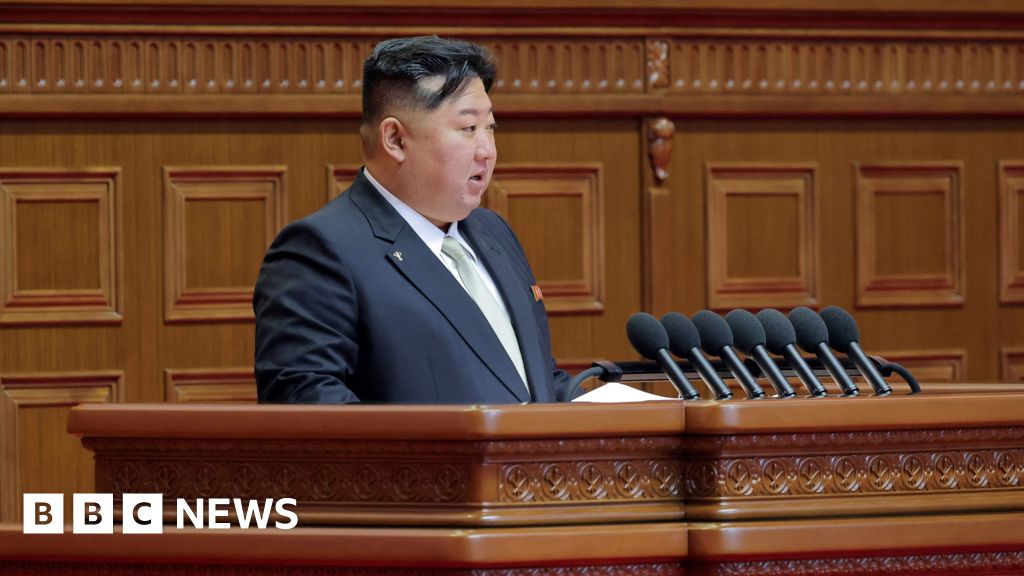
Kim Jong Un stays in power, leading North Korea’s ruling party once again

Kim Family’s Enduring Grip Continues Amidst Surrounding Global Uncertainty

The recent declaration by North Korea’s ruling party congress has reaffirmed the unwavering authority of the Kim family dynasty, a political reality that has persisted since the 1940s. While this reaffirmation may seem predictable to observers familiar with the regime’s history, the international community cannot dismiss the significance of this repeated consolidations of power in the context of an increasingly unpredictable geopolitical landscape. The Kim family’s control over North Korea’s political, military, and economic spheres remains a central factor shaping regional stability and global security dynamics.

Although the Kim regime’s leadership continuity is often seen as a static feature, analysts emphasize its underlying implications for regional deterrence and diplomatic engagement. The party congress, held amidst rising tensions and a shifting international order, signals that Pyongyang is prepared to maintain its stance of strategic ambiguity alongside its pursuit of nuclear advancements. This decision comes at a delicate juncture, with geopolitical shifts in Asia and beyond threatening to reshape alliances and conflict zones. Historically, the Kim family’s unwavering grip, despite economic sanctions and international pressure, demonstrates their focus on regime preservation over domestic reform—an approach that ensures North Korea’s position as a nuclear-armed state at the heart of East Asian security calculations.

The international repercussions of this reaffirmed control are profound. Countries such as South Korea, Japan, and the United States assess North Korea’s trajectory based on its internal consolidations of power. In particular, U.S. policymakers and global security analysts warn of potential escalations resulting from the Kim regime’s continued military modernization, which they increasingly perceive as a threat to regional stability. Meanwhile, China and Russia remain cautious, balancing their strategic interests—diplomatically supporting Pyongyang’s sovereignty while emphasizing the need for stability along their borders. These dynamics underscore how a regime firm in its authority can influence trade, security pacts, and diplomatic negotiations, often at the expense of cooperation and peace.

Historically, the Kim dynasty’s resilience underscores the importance of understanding where power lies in North Korea—beyond superficial leadership changes, it is the deep-rooted political machinery that sustains their rule. As noted by geopolitics scholars, such as Prof. Michael Kelly at the University of London, decisions made within the party congress serve as a powerful signal that Pyongyang intends to persist on its chosen path—a path defined by self-reliance and strategic defiance. This determination effectively sends a warning to the world: stability in East Asia remains fragile, held in the balance by a regime that refuses to relinquish its grip on power regardless of external pressures.

Ultimately, the enduring control of the Kim family over North Korea is a narrative that continues to unfold amidst a fraught and unpredictable world stage. The decisions made today—beneath the surface of orchestrated congress speeches—are shaping the future of peace and conflict across a region where history’s shadows loom large. As the global community watches with cautious trepidation, the late 20th-century lessons of resilience meet the urgent demands of a 21st-century geopolitics—reminding us that history’s true power lies in its capacity to shape tomorrow’s uncertain frontier.

Zimbabwe vs. West Indies 2026 Live Stream: Catch the T20 World Cup Action for Free!

In recent years, a paradigm shift in how young audiences consume sports has been underway, driven by the proliferation of digital platforms and innovative streaming technologies. The 2026 T20 World Cup exemplifies this wave, offering live streams of matches like Zimbabwe vs. West Indies for free via ICC.TV. This move toward free access has disrupted traditional broadcast models, making high-stakes sporting events more accessible than ever and fueling a surge in viewer engagement among youth who prefer digital over cable. Influencers and social media analysts emphasize that this democratization of content aligns remarkably well with the social habits and technological fluency of today’s generation.

The cultural impact is profound. As media scholars highlight, this shift isn’t just about convenience; it’s redefining the social relevance of sports as a unifying cultural activity. No longer confined to TV screens or expensive subscriptions, young fans across the globe can now tap into live action with a few clicks, often through VPNs to bypass geo-restrictions. This technological democratization has sparked a sense of ownership and participation, turning casual viewers into active supporters. The result? A more inclusive, youth-centered sports culture that champions accessibility and instant gratification, driven by a generation that values \”instant access\” as an extension of their lifestyle.

Major brands and platforms are responding to this cultural shift by integrating social media, mobile streams, and VPN seamlessly into the viewing experience. For instance, ExpressVPN and other providers are now talked about in the same breath as sports fans, as they empower viewers to bypass regional restrictions and access premium content from anywhere. Analysts argue that this convergence of tech and entertainment is transforming not only how we watch but what sports mean socially. Influencers, especially those with millions of followers, are fueling the viral nature of this trend by sharing tutorials, reviews, and hype around exclusive streams, turning digital platforms into the new stadiums for youth engagement.

As the 2026 T20 World Cup demonstrates, this rapid evolution raises an intriguing question about the next frontier of sports consumption. If access becomes increasingly free and personalized through technology, will traditional broadcasting models survive, or are we headed toward an era where digital native platforms completely reshape the sports industry? The answer might lie in how society continues to embrace individualized digital experiences and whether the social fabric woven by shared athletic moments shifts to a more decentralized, on-demand ecosystem. The future of sports consumption — seemingly as fluid as the games themselves — is one to keep a close eye on.

What Are Your Thoughts on Emerald Fennell’s Films Like ‘Saltburn’ and ‘Wuthering Heights’?

In an era where the cultural landscape is increasingly shaped by the disruption of traditional norms and the relentless pursuit of novelty, cinema emerges not merely as entertainment but as a mirror of society’s deepest currents. Filmmakers like Emerald Fennell, whose works oscillate between excess and incisiveness, exemplify the vital way in which art reflects ongoing cultural shifts—highlighting that the meaning of a film extends beyond its narrative to encompass our collective identity, morality, and societal values. Fennell’s latest take on Brontë’s timeless “Wuthering Heights” exemplifies this: a feverish, sensory journey that refuses to conform to the tidy constraints of adaptation while channeling the raw passions that define human history itself.

Her films, as critics have noted, operate on a visceral level—streaming with a dream logic that sways between ecstasy and nightmare, echoing Ortega y Gasset’s assertion that culture is a vital act of creation. Yet, these works are not mere aesthetic exercises; they serve as indictments of the superficiality and moral complacency that threaten our societal fabric. Take her “Saltburn,” which, cloaked in the grandeur of the British “great house” genre, deconstructs the illusion of transcendence found in wealth and class. It’s a pointed reminder that, much like Tocqueville’s exploration of democracy’s paradoxes, a society’s veneer can often mask lurking inequalities and moral rot—revealing that beneath the ostentatious facades lie the same passions and vices that have always driven human civilization forward.

Fennell’s films attest to a truth emphasized by G.K. Chesterton: that excess, when wielded with intentionality, can serve as a form of moral philosophy. Her visual decadence, from Cathy’s skin-mimicking boudoir to the over-the-top interiors of the “great house,” isn’t gratuitous but symbolic — a reflection of our civilization’s obsession with surface over substance. She loves to challenge the viewer’s comfort, pushing the boundaries of genre just as Beethoven pushed classical forms—knowing that culture is both a repository of memory and a prophecy of the future. As we watch her films—part morality play, part carnival—what lingers is not merely the spectacle, but the reminder that human desire and societal decay are inextricable. Culture, after all, is the canvas on which history’s ageless passions are painted, a testament to the enduring resilience of human spirit and its continuous search for transcendence amid chaos.

Social Media Auto Publish Powered By : XYZScripts.com