
TRENDING NEWS





Truth Over Trends, always!
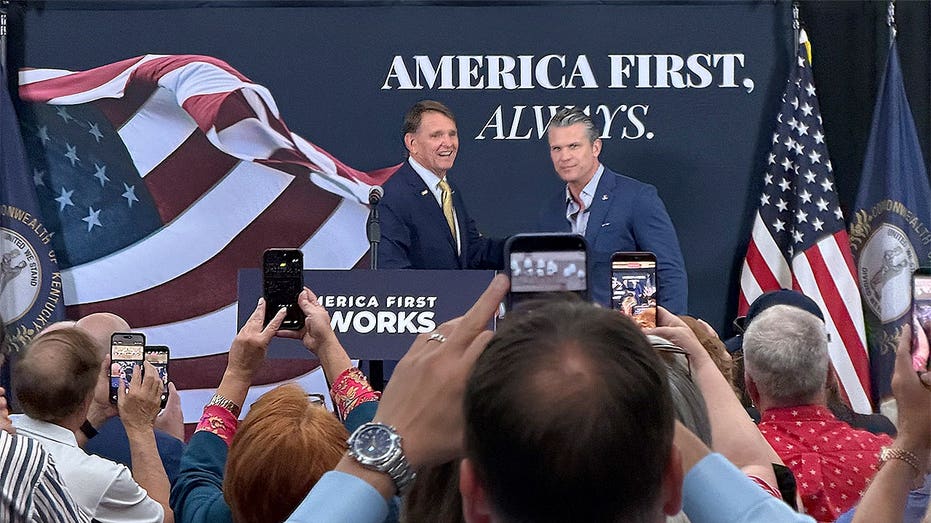
The political battleground of Kentucky is heating up as the state’s 4th Congressional District prepares for a crucial Kentucky GOP Primary. Ed Gallrein, a former Navy SEAL and local farmer, has received a significant boost from President Donald Trump’s endorsement, alongside a powerful rally appearance by Secretary of War Pete Hegseth. Gallrein is challenging incumbent Representative Thomas Massie, a known libertarian-minded lawmaker who has frequently diverged from the former president’s agenda.
On the eve of the primary, Secretary Hegseth joined Gallrein on the campaign trail, delivering a potent message to voters. His presence underscores the Trump administration’s commitment to ensuring loyalists are elected to Congress, particularly in districts where incumbents have demonstrated independence. The event, organized by the Trump-aligned advocacy group America First Works, aimed to galvanize support for Gallrein and solidify the President’s influence within the party ranks.
Secretary Hegseth did not mince words when addressing Massie’s tenure, painting a picture of an incumbent out of step with the party’s broader goals. He argued that President Trump requires unwavering support in Washington, contrasting this need with Massie’s record. “President Trump needs reinforcements, and that’s what war fighters do. They stand behind leaders and have their back,” Hegseth asserted, drawing a clear line between loyalty and perceived obstruction.
Hegseth’s remarks, reported by News Desk, critiqued Massie’s legislative approach:
The Secretary emphasized that the President needs allies who are ready to vote with him “when it matters the most,” rather than those focused on making individual points from within his own party.
Representative Thomas Massie has carved out a reputation as a staunch libertarian, often clashing with mainstream Republican positions, including those held by President Trump. His criticisms have spanned foreign policy, particularly regarding the Iran war and unconditional U.S. military aid to Israel. Massie also played a key role in advocating for the release of government files related to convicted sex offender Jeffrey Epstein, an action that garnered both praise and controversy.
While Massie’s supporters commend his principled stands and independence, his detractors, including Hegseth, view these actions as disruptive to party unity and the presidential agenda. This ideological rift forms the core of the Kentucky GOP Primary challenge, posing a direct question to voters about the kind of representation they desire.
“President Trump does not need more people in Washington who are trying to make a point, especially from his own party. He needs people willing to help him win, to vote with him when it matters the most.”
This primary contest in Kentucky’s 4th Congressional District is more than just a local race; it is a microcosm of the ongoing struggle for the soul of the Republican Party. President Trump’s continued influence over the GOP is undeniable, and his endorsements carry significant weight, often shaping the outcomes of intra-party contests. This race serves as another test of that immense grip, demonstrating whether loyalty to the former president’s vision can supersede an incumbent’s established record and local support.
The outcome will send a clear signal about the future direction of the Republican Party—whether it will prioritize ideological purity and independent thought, or coalesce around a unified front aligned with the populist movement spearheaded by President Trump. As voters head to the polls, the choice will reflect not just local preferences, but the broader trajectory of conservative politics in America.

Kentucky Representative Thomas Massie is currently embroiled in a significant Republican primary challenge, a contest that pits his long-standing conservative principles against the formidable influence of former President Donald Trump. Voters in Kentucky are set to decide the fate of a congressman known for his independent streak and consistent opposition to what he views as excessive federal spending.
This high-stakes election serves as a critical test for the direction of the Republican Party, highlighting the ongoing tension between loyalty to a populist leader and adherence to traditional conservative doctrines.
The friction between Representative Massie and former President Trump is not new. Massie has notably challenged the former president on issues ranging from substantial federal spending packages to the handling of sensitive government documents, including those related to the Epstein files. These disagreements underscore a fundamental divide over the scope and role of government, a core tenet for many conservative voters.
Former President Trump has not shied away from expressing his displeasure, notably using his Truth Social platform to criticize Massie and those who support him. He specifically targeted Congresswoman Lauren Boebert of Colorado and Senator Rand Paul of Kentucky, both of whom have publicly endorsed Massie. Trump labeled Boebert ‘weak-minded’ and ‘dumb,’ even threatening to retract his endorsement if a challenger emerged, though the filing deadline for her primary has since passed. Senator Paul, a fellow proponent of small-government libertarianism, is not up for re-election for another two years.
The former president’s animosity towards Representative Massie is undeniably potent, carrying significant implications for the Kentucky primary. This contest transcends a simple re-election bid; it serves as a critical barometer for the balance of power within the Republican Party, testing the enduring strength of the America First movement against established conservative fiscal principles.
For Massie, the challenge is to reaffirm his commitment to his constituents and his conservative philosophy, demonstrating that an independent voice can still thrive within the party. His campaign must articulate how his legislative record aligns with the values of limited government and fiscal responsibility that resonate deeply with Kentucky’s conservative base.
“This contest transcends a simple re-election bid; it serves as a critical barometer for the balance of power within the Republican Party.”
The outcome of the Massie challenge in Kentucky will send a clear message about the future trajectory of the Republican Party. It will indicate whether adherence to specific conservative doctrines, such as stringent fiscal restraint, can withstand direct challenges from popular figures within the party, or if loyalty to a particular leader will increasingly dictate electoral success.
This situation highlights a crucial debate for conservatives nationwide: how to balance party unity and the pursuit of shared goals with the steadfast defense of core ideological principles. The Matox News Desk has observed similar tensions in other states, suggesting a broader internal reckoning for the GOP.
As the Kentucky primary approaches, all eyes will be on the outcome of this high-profile contest. The results will not only determine Representative Massie’s future but also offer valuable insights into the evolving dynamics of the Republican Party, underscoring the ongoing tension between ideological purity and the powerful currents of populist influence.
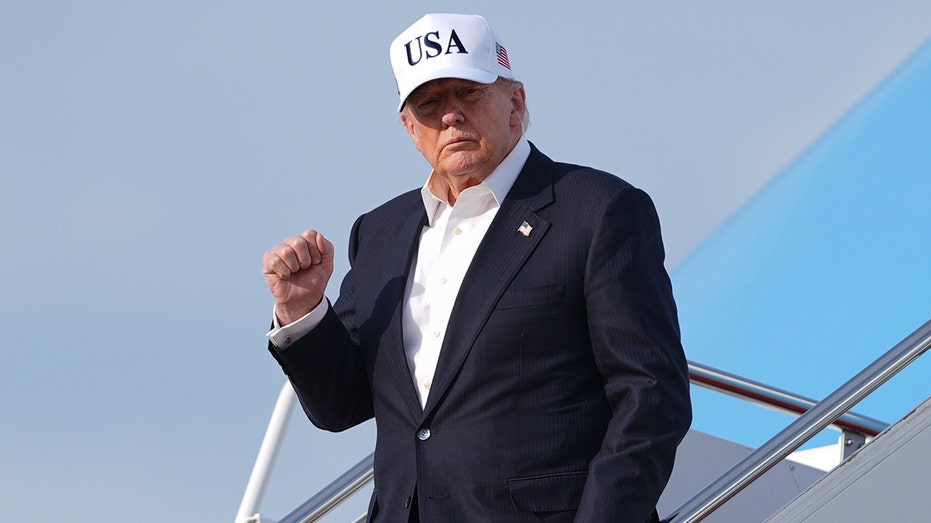
In a decisive move to solidify the administration’s presence across the federal landscape, Senate Republicans have confirmed nearly 50 of President Trump’s nominees. This latest round of approvals brings the total number of confirmed civilian nominees to approximately 60 percent, marking a substantial victory for the White House in its ongoing effort to shape the executive branch.
The confirmations, which included a diverse array of appointments, underscore the Republican-led Senate’s commitment to staffing vital government functions. This action represents the fourth instance where Republicans have utilized altered Senate rules to push through a batch of appointments, bypassing traditional procedural roadblocks.
The recent slate of 49 confirmed individuals will fill crucial roles across numerous departments and agencies. These appointments are designed to ensure the efficient operation of government and to align federal operations with the administration’s policy objectives. The confirmed positions include:
These strategic placements are expected to enhance the administration’s capacity to implement its policies, from national security to resource management, reflecting a concerted effort to fill critical vacancies and solidify executive authority.
The latest wave of confirmations was made possible by a significant procedural change implemented by Senate Republicans last year, often referred to as the “nuclear option.” This move lowered the threshold for confirming certain presidential picks from the traditional 60-vote supermajority, required to overcome a filibuster, to a simple majority. This adjustment has proven highly effective in overcoming what Republicans described as persistent obstruction from Senate Democrats.
As reported by News Desk, Senate Democrats, led by Minority Leader Chuck Schumer, D-N.Y., had previously blocked many nominees, aiming to impede President Trump’s ability to mold the federal government. The rule change has since allowed Republicans to dramatically accelerate the confirmation process. Last year alone, over 400 of President Trump’s nominees were confirmed, significantly surpassing the confirmation rates of previous administrations in their initial years.
“These confirmations are vital for effective governance, ensuring our federal institutions are fully staffed and capable of serving the American people.”
The ongoing success in securing these appointments highlights a renewed focus on institutional efficiency and the strategic use of Senate rules to advance the executive agenda. This sustained effort by the Republican majority ensures that President Trump’s administration can more fully implement its vision and policy priorities across the vast federal apparatus.

In a decisive move underscoring its commitment to a family-friendly and inclusive environment, the Washington Nationals announced they have banned an attendee responsible for unfurling a white nationalist banner during Sunday’s game. The incident, which occurred at Nationals Park during the contest against the Baltimore Orioles, prompted immediate condemnation from the organization.
The team’s rapid response highlights its firm stance against discriminatory and hateful rhetoric within its venue. Such displays violate the fundamental principles of sportsmanship and community that professional leagues strive to uphold.
Following the disturbing incident, the Washington Nationals issued a clear statement to several media outlets, including Fox News. The organization stated it had identified at least one of the individuals involved and vehemently condemned the hateful rhetoric. “The Washington Nationals vehemently condemn discriminatory and hateful rhetoric, and we strive to make our home field a safe space for our fans,” the team’s statement read, emphasizing their dedication to maintaining an atmosphere free from division.
This swift action by the Nationals reinforces the importance of institutions taking definitive steps to protect their spaces from extremist intrusion. Major League Baseball venues are places for collective enjoyment and civic pride, not platforms for divisive political agendas.
The banner, unfurled by three individuals in an upper deck section along the first baseline, promoted a white nationalist website and called for the deportation of “100+ million.” This offensive display occurred during the Nationals’ customary “Salute to Service” ceremony, an event dedicated to honoring military veterans—a context that only amplified the inappropriateness of the message.
Reports indicate that the attendees resisted an usher’s attempts to confiscate the banner before eventually departing the ballpark. Nationals Park guidelines explicitly prohibit certain activities and displays, designed to ensure a positive experience for all patrons. These guidelines include:
These regulations are crucial for maintaining order and civility in public gathering spaces, ensuring that the focus remains on the athletic competition and shared experience.
“The Washington Nationals’ swift action sends a clear message: Our ballparks are for baseball, not for extremist ideologies. Maintaining order and respect in public spaces is paramount.”
The incident at Nationals Park underscores a broader challenge for sports organizations: how to balance free expression with the need to maintain safe, inclusive, and non-political environments. While a conservative influencer, Jake Lang, reportedly took credit for the banner on social media, the team’s response correctly prioritized the integrity of the game-day experience and the safety of its fans over providing a platform for extremist views.
Sports, at their best, serve as a unifying force, bringing together people from all walks of life. Allowing venues to be co-opted for hateful or divisive messaging undermines this fundamental purpose and erodes the shared enjoyment of the game. The Nationals’ decision sets a commendable precedent for how professional sports organizations should address such challenges, upholding institutional values and public order.
The Washington Nationals have demonstrated a firm commitment to their stated values and the well-being of their community. Their decisive action in banning the attendee sends an unambiguous message: there is no place for hate or extremism at Nationals Park, or within the broader sporting world. Such measures are vital to preserving the integrity and welcoming atmosphere of professional sports events for all.

The landscape of sports broadcasting in the United Kingdom is undergoing a significant transformation, as the highly anticipated Champions League final will not be available for free public viewing. This marks the first instance since the competition’s modern rebrand 34 years ago that UK fans will be required to subscribe to watch the pinnacle of European club football. The move has ignited debate over accessibility and the evolving business models of major sports rights holders.
Reports originating from The Guardian indicate that TNT Sports, the current rights holder, has chosen to restrict access to all three European club finals: the Champions League, Europa League, and Europa Conference League. This decision comes despite English clubs potentially achieving a clean sweep of titles across these competitions, adding to the frustration for many supporters.
Since its predecessor, BT Sport, first secured UEFA rights in the 2015-16 season, the finals of both the Champions League and Europa League had consistently been streamed live for free. This long-standing tradition of making these major sporting events widely accessible has now been discontinued. The shift means that the upcoming clash between Arsenal and Paris Saint-Germain in Budapest will be behind a paywall, alongside Aston Villa’s Europa League final against Freiburg and Crystal Palace’s Conference League final encounter.
For over three decades, the ability to watch the Champions League final without an additional subscription was a given for UK football enthusiasts. This change represents a significant departure from an established norm, impacting millions of households and potentially altering how major sporting events are consumed across the nation.
Sources close to the situation suggest that UEFA, European football’s governing body, is understood to be unhappy with TNT Sports’ decision. The governing body traditionally advocates for broader access to its showpiece events, recognizing their cultural importance and ability to unite fans. However, Warner Bros Discovery-owned (WBD) TNT Sports has opted for a different strategy.
Access to these finals will now be restricted to customers of TNT Sports or subscribers to its streaming platform, HBO Max. While new sign-ups are available, the cheapest HBO Max subscription costs £4.99, and TNT Sports packages on most platforms are priced at £31.99 a month. This commercial choice by the broadcaster underscores a growing trend where premium sports content is increasingly utilized to drive subscriptions and bolster streaming service uptake.
“The decision to restrict access to the Champions League final marks a significant shift, raising important questions about the future of sports accessibility for the average fan.”
The immediate impact of this policy change is clear: UK football fans who wish to watch the Champions League final and other European showpieces must now pay for the privilege. This could disproportionately affect those with limited disposable income, potentially creating a barrier to entry for what many consider a national sporting spectacle.
This move reflects a broader trend in the media industry, where traditional free-to-air broadcasts are diminishing in favor of subscription-based models. As media companies seek to maximize revenue from valuable sports rights, the balance between commercial interests and public access becomes a critical point of contention. The decision sets a precedent that could influence future negotiations for major sporting events, potentially leading to fewer free-to-air options for other popular competitions in the years to come.
The end of free access for the Champions League final in the UK is more than just a change in broadcasting; it signals a notable evolution in how major sporting events are valued and delivered to audiences. As the digital streaming landscape continues to mature, discussions around universal access to significant cultural and sporting moments are likely to intensify, prompting a reevaluation of the role of broadcasters and rights holders in the public sphere.

Cybercriminals are leveraging the trust associated with familiar brands like Amazon, creating urgent, convincing messages that aim to compromise your digital security.
A concerning surge in fraudulent text messages, purporting to be from Amazon, is targeting consumers with fake product recalls. These sophisticated phishing attempts are meticulously crafted to grab immediate attention, often mentioning a specific order and a pressing safety issue. The ultimate goal is to lure unsuspecting individuals into clicking malicious links, thereby exposing their sensitive login and payment details to scammers.
When an unexpected text message appears, claiming an item from a recent Amazon order has been recalled, it is designed to provoke an immediate reaction. The message typically instructs recipients to cease using the product and click a provided link for a refund. Often signed off as “Amazon Account Support Team,” these communications can appear remarkably legitimate at first glance. For instance, one such scam text highlighted by News Desk referred to a February 2026 order, creating a false sense of authenticity. This tactic exploits consumer trust and the natural inclination to prioritize safety, pushing individuals to act without careful verification.
Despite their deceptive appearance, these Amazon recall text scams contain several critical indicators that reveal their fraudulent nature. Vigilance is paramount in distinguishing genuine alerts from phishing attempts.
Protecting yourself from these sophisticated phishing attacks requires a proactive and informed approach. The best defense against an Amazon recall text scam is to verify any suspicious message directly. If you receive a text about an Amazon recall, do not click any links. Instead, log into your Amazon account directly through the official website or app. Check your order history and official notifications there. This ensures you are interacting with verified information. Furthermore, report any suspicious texts to Amazon and delete them promptly. Enabling two-factor authentication on your accounts adds an essential layer of security, making it significantly harder for unauthorized individuals to gain access, even if they somehow acquire your login credentials.
“Legitimate companies usually contact you through verified channels tied to your account, not random text numbers.”
In an increasingly interconnected world, digital vigilance is no longer merely advisable—it is essential. The persistence of fake Amazon recall texts underscores the continuous need for consumers to remain skeptical of unsolicited messages, especially those demanding immediate action or sensitive information. By understanding the common tactics of cybercriminals and adhering to basic security practices, individuals can significantly reduce their vulnerability to these pervasive online threats, ensuring their personal data and financial security remain intact.
In a significant and sudden development, President Donald Trump declared on Monday that he had called off a planned United States military operation against Iran. The decision, announced via his Truth Social platform, came at the direct request of several influential Gulf nations, who reportedly assured the US of progress in ongoing diplomatic efforts.
Trump stated that the leaders of Qatar, Saudi Arabia, and the United Arab Emirates had personally asked him to defer the strike, indicating that “serious negotiations are now taking place.” This eleventh-hour reprieve suggests a renewed push for a diplomatic resolution to escalating tensions in the Middle East.
The intervention by Gulf states underscores the profound regional implications of any direct military confrontation between the US and Iran. Their appeal highlights a concerted effort to de-escalate hostilities through dialogue rather than armed conflict. According to President Trump, these nations are confident that a deal “very acceptable” to the United States is on the horizon.
This diplomatic overture, as reported by News Desk, signals a potential shift from the brinkmanship that has characterized recent US-Iran relations. The involvement of multiple regional powers in mediating such a high-stakes decision reflects a shared desire for stability and order in a volatile part of the world.
While pausing military action, President Trump reiterated a firm stance on Iran’s nuclear ambitions, emphatically stating there would be “NO NUCLEAR WEAPONS FOR IRAN!” This declaration underscores a core tenet of US foreign policy regarding the Islamic Republic, aligning with broader international non-proliferation goals.
The President’s announcement, however, was not without a clear warning. He cautioned that the US military remains fully prepared to “go forward with a full, large scale assault of Iran, on a moment’s notice” should the ongoing negotiations fail to produce a satisfactory outcome. This dual approach of diplomatic engagement backed by military readiness aims to maintain pressure while allowing room for negotiation.
“Serious negotiations are now taking place… We will make a deal that is very acceptable to the U.S. and there will be NO NUCLEAR WEAPONS FOR IRAN!“
The decision to halt the planned attack comes against a backdrop of significant military activity and mutual retaliation. In late February, Israeli and US forces initiated extensive air strikes on Iranian targets, to which Tehran responded by launching drones and missiles at Israeli and American positions across the Gulf region. This cycle of escalation had brought the two nations dangerously close to a broader conflict.
The current pause, therefore, offers a critical window for diplomacy to succeed. The conservative editorial line of Matox News strongly supports such institutional efforts to maintain order and prevent extremist actions, viewing this development as a positive, albeit fragile, step towards regional de-escalation.
The coming days will be crucial in determining whether the optimism expressed by the Gulf states translates into a tangible agreement. The international community, and particularly those committed to pro-order and pro-institutions principles, will be closely watching for signs of genuine progress. The ultimate goal remains a stable resolution that prevents nuclear proliferation and fosters long-term security in the Middle East.
A critical legislative effort to bolster U.S. immigration enforcement operations faces an unexpected hurdle, as an internal Republican dispute threatens to derail a substantial $72 billion funding package. The contention revolves around a proposed $1 billion allocation for White House complex security enhancements, a request that has drawn significant pushback from several GOP senators.
The package, designed to fund Immigration and Customs Enforcement (ICE) and Border Patrol for the remainder of President Donald Trump’s term, is considered essential for maintaining border security and internal enforcement capabilities. However, the opposition from within the Republican ranks underscores the challenges Senate Majority Leader John Thune faces in unifying his party on key fiscal matters.
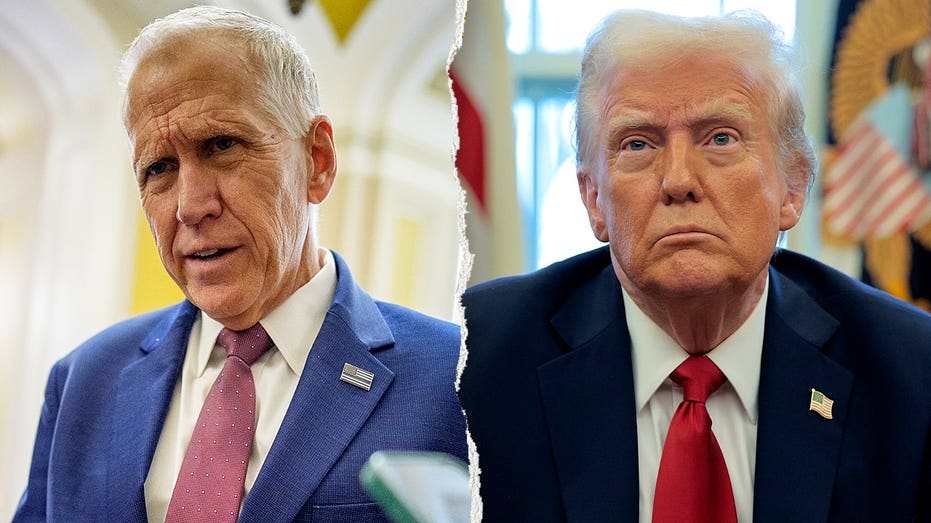
Senator Thom Tillis, a Republican from North Carolina, has emerged as a vocal opponent of the proposed $1 billion earmarked for enhancements to a White House ballroom. Tillis reportedly informed his colleagues that he would withhold support for the overarching reconciliation package if this specific funding was included. This stance, confirmed by sources familiar with the discussions, is particularly impactful given the GOP’s narrow majority in the upper chamber.
While Senator Tillis’s defection alone might not be enough to sink the entire bill, his concerns are echoed by other prominent Republicans. Senators John Curtis (R-Utah), Lisa Murkowski (R-Alaska), Susan Collins (R-Maine), and Rick Scott (R-Fla.) have also expressed reservations regarding the funding. Their collective skepticism puts pressure on party leadership to find a compromise that can secure passage for the vital ICE and Border Patrol funding.
The reconciliation package is not merely a routine appropriation; it represents a comprehensive plan to ensure that America’s immigration enforcement agencies are adequately resourced for the next three and a half years. For a conservative administration prioritizing national security and orderly borders, securing this funding is paramount. The potential derailment of the bill could have significant implications for the operational capacity of both ICE and Border Patrol, impacting their ability to manage the nation’s borders and enforce immigration laws effectively.
The internal debate highlights a tension between fiscal conservatism and the imperative to fund critical government functions. While many Republicans champion robust border security, the specific nature of the White House funding request has ignited a debate over spending priorities and accountability.
“Ensuring our border security agencies are fully equipped should be a bipartisan priority, not a casualty of internal fiscal disagreements.”
Details of the controversial $1 billion request were presented to Republican senators last week by Secret Service Director Sean Curran. The briefing outlined a sum of $220 million specifically for “White House complex hardening.” This extensive plan includes both above-ground and below-ground security enhancements for the presidential ballroom. According to an itemized readout obtained by Fox News Digital, the administration argues these measures are necessary to provide “needed protection for the president, his family, and visitors, along with the below-ground, highest-level security functions.”
The proposed enhancements encompass a range of advanced security technologies and structural improvements:
These detailed proposals aim to justify the significant expenditure, emphasizing the critical need for robust security at the nation’s highest office.
The current impasse presents a significant challenge for Senate Majority Leader Thune and the Republican leadership. With a narrow majority, every vote is crucial, and the defection of even a few senators can jeopardize legislative success. The administration’s request for White House security, while framed as essential, has become a flashpoint, distracting from the broader goal of securing appropriations for immigration operations.
As discussions continue, the focus remains on finding a path forward that addresses the concerns of dissenting senators while ensuring the critical ICE and Border Patrol funding package can pass. The outcome will not only determine the future of key immigration enforcement capabilities but also serve as a barometer for Republican unity on pressing national priorities.

The ongoing conflict between Israel and the Iran-backed Lebanese group Hezbollah has reached a tragic milestone, with the death toll now exceeding 3,000 since March. This sobering figure, reported by Lebanese officials, underscores the persistent violence despite a nominal ceasefire agreement, raising serious concerns about the stability of the region.
The recent declaration of a ceasefire, intended to bring a measure of calm to the volatile border region, has proven tragically fragile. Despite the agreement, the Lebanese health ministry confirmed on Monday that the overall death toll from Israeli strikes on Lebanon has now surged past 3,000, reaching 3,020 fatalities. More alarmingly, over 400 of these deaths have occurred since the nominal truce took effect on April 17, indicating persistent and significant violations by both Israeli forces and Hezbollah. The initial spark for this intensification of the Israel-Lebanon conflict dates back to March 2, when the Iran-backed Shia Islamist group Hezbollah launched a barrage of rockets into Israel. This action was reportedly in retaliation for an Israeli strike that resulted in the death of Iran’s supreme leader, effectively drawing Lebanon into a broader, more complex regional confrontation.
The sheer scale of the fatalities underscores the devastating impact of the ongoing hostilities on civilian populations and combatants alike. The 3,020 individuals lost represent families shattered and communities traumatized. While specific breakdowns of civilian versus combatant deaths were not immediately available from the provided context, the continuous rise in casualties, even amidst diplomatic efforts, paints a grim picture. A crucial development saw Lebanon and Israel agree last Friday to extend their truce by an additional 45 days, with direct negotiations slated to resume at the beginning of June. However, the efficacy of such agreements is severely undermined when violations persist daily, leading to further loss of life and eroding trust. The cycle of retaliation continues to dominate, making any genuine de-escalation a formidable challenge.
“The grim count of 3,020 fatalities… represents a significant escalation of the conflict, illustrating profound human suffering.”
The persistent breaches of the ceasefire agreement between Israel and Hezbollah are not merely localized incidents; they carry significant regional implications. The involvement of a powerful, non-state actor like Hezbollah, which receives substantial backing from Iran, inextricably links this conflict to the wider geopolitical struggles in the Middle East. This dynamic complicates diplomatic efforts, as the interests of regional powers, particularly Iran, often converge or clash in proxy conflicts across the Levant. International institutions and mediating nations face an arduous task in ensuring compliance with peace accords. The failure to uphold these agreements risks not only further human suffering but also a broader destabilization of a region already grappling with numerous complex challenges. Establishing lasting order requires robust international engagement and a firm commitment from all parties to prioritize peace over protracted conflict.
The tragic increase in fatalities serves as a stark reminder of the urgent need for genuine de-escalation and unwavering adherence to agreed-upon peace protocols. As reported by the Matox News Desk, the international community’s focus must remain squarely on ensuring that negotiated ceasefires translate into tangible peace on the ground, actively protecting civilian lives and fostering regional stability. The path forward demands an unwavering commitment from all parties to uphold their agreements, cease hostilities, and engage constructively in dialogue to prevent further loss of life and secure a more stable future for the region.
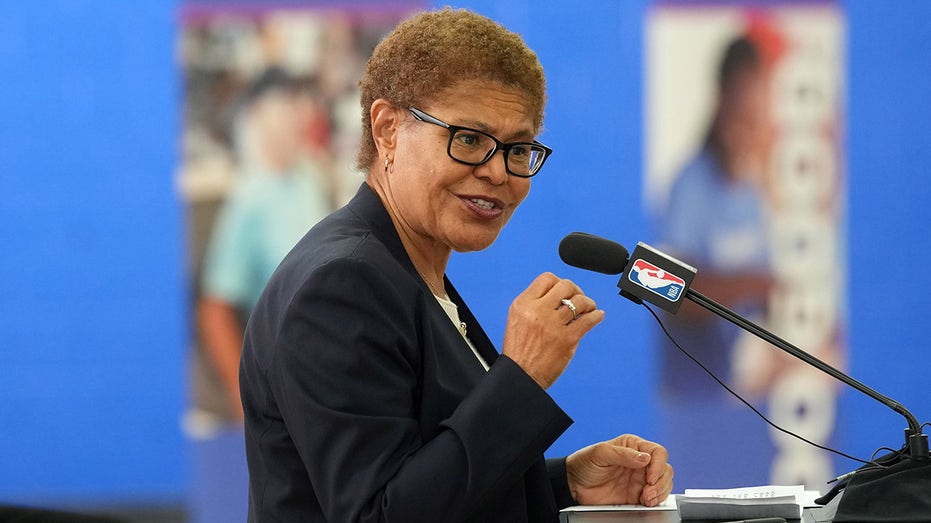
Los Angeles Mayor Karen Bass has drawn sharp criticism following her recent suggestion that city taxpayers should fund dental care for homeless individuals struggling with meth addiction. The proposal, made during a candidate forum on the city’s pervasive homelessness crisis, has ignited a fierce debate over whether Los Angeles is addressing the root causes of its social challenges or merely treating symptoms.
Mayor Bass, currently campaigning for a second mayoral term in a crowded June primary, articulated her position by highlighting the severe dental decay often associated with meth use. “How many people that you meet that are unhoused don’t have teeth at all?” Bass queried during the forum. She continued, “They don’t have teeth. Why? Because meth rots your teeth. You can’t succeed without teeth. So there needs to be comprehensive healthcare provided to people.”
While Mayor Bass frames her proposal as a step towards comprehensive care essential for individuals to rebuild their lives, critics argue it represents a misdirected use of public funds and a failure to confront the underlying drug epidemic. Conservative voices, in particular, have swiftly condemned the mayor’s comments, suggesting they overlook the fundamental issues driving homelessness and addiction.
Among the outspoken critics is conservative journalist Dustin Grage, who used social media platform X to illustrate the perceived disconnect. Grage’s post, impersonating an affected Los Angeles resident, starkly juxtaposed the city’s crime and drug problems with Bass’s proposal: “A homeless drug addict just tried to stab me. Karen Bass: ‘It’s okay, we’re going to provide them free teeth so they can be successful now.’” This sentiment reflects a broader frustration with policies that appear to prioritize superficial remedies over substantive intervention.
The controversy unfolds against a backdrop of ongoing struggles with homelessness in Los Angeles. Despite Mayor Bass’s claims of progress, the city continues to grapple with one of the nation’s largest homeless populations. Data released by the Los Angeles Homeless Services Authority in early February 2025 revealed that over 43,000 individuals experienced homelessness in the city, indicating a crisis that many argue has continued to fester during her tenure.
Former Department of Homeland Security spokeswoman Katie Zacharia echoed the concerns of many, criticizing Bass for her perceived failure to address the core drug epidemic. Zacharia’s concise observation, “Symptoms, never the disease,” shared on social media, encapsulates the frustration among those who believe the city’s leadership is not tackling the fundamental drivers of the crisis. These criticisms, reported by outlets like Fox News Digital, highlight a significant ideological divide on how best to manage complex urban challenges.
“You can’t succeed without teeth. So there needs to be comprehensive healthcare provided to people.” – Los Angeles Mayor Karen Bass
The debate over taxpayer-funded dental care for meth users raises critical questions about fiscal responsibility and the allocation of public resources. For many, investing in such services without a robust strategy to combat drug addiction and provide effective rehabilitation is seen as an unsustainable approach. The discussion underscores the ongoing tension between humanitarian aid and the need for policies that promote long-term stability and order within the community.
As Los Angeles voters prepare for upcoming elections, Mayor Bass’s proposal will undoubtedly remain a focal point of discussion. The city’s residents and leaders must weigh the merits of treating acute symptoms against the imperative of confronting systemic issues like drug addiction and chronic homelessness with comprehensive, results-oriented solutions.


