
TRENDING NEWS





Truth Over Trends, always!
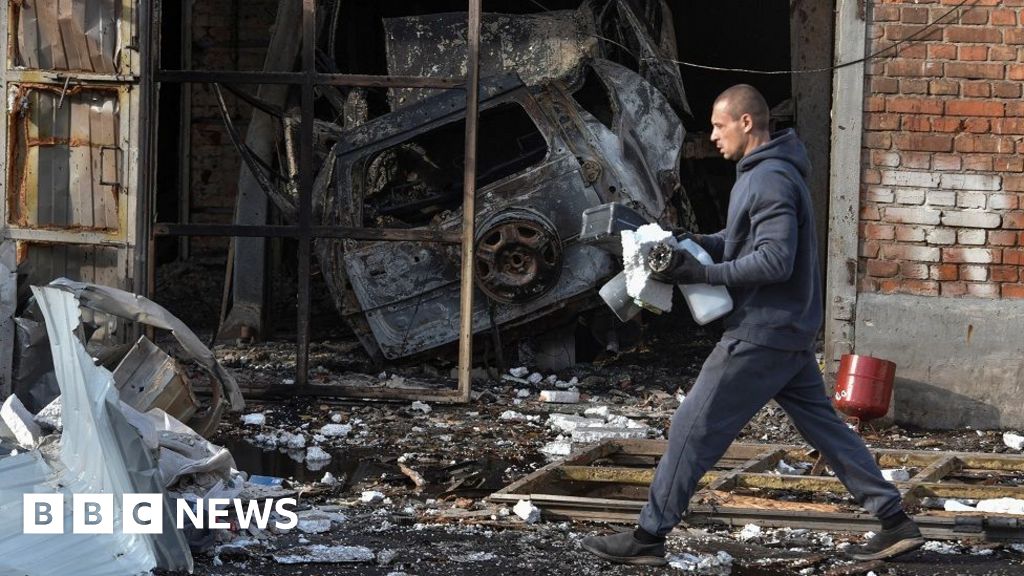
The United States has dispatched its most senior military officials to Ukraine in what appears to be a significant escalation in diplomatic efforts. Senior Pentagon officials, including Army Secretary Dan Driscoll and top military commanders, arrived in Kyiv amidst reports of behind-the-scenes negotiations aiming to broker a peace plan. This unprecedented visit underscores a rising geopolitical contest involving Washington, Moscow, and Kyiv, with the stakes extending far beyond Ukraine’s borders. Analysts emphasize that the presence of such high-ranking officials signals a deliberate attempt by the US to influence the course of the conflict, potentially shaping future borders and alliances in Eastern Europe.
Meanwhile, reports have surfaced of a clandestine draft 28-point plan crafted jointly by American and Russian intermediaries. Details suggest this proposal would require Kyiv to cede territories in the Donbas region, dramatically reduce its armed forces, and relinquish some military capabilities—a series of concessions that Ukrainian President Zelensky and his government have categorically rejected. Experts, including seasoned analysts from international think tanks, warn that such concessions could merely serve as a prelude to Moscow’s broader strategic aims—eroding Ukrainian sovereignty and reasserting Russian dominance in the region. The absence of formal participation from EU officials in these negotiations raises fears that the proposed framework might be significantly skewed in favor of Moscow, further destabilizing the fragile balance of power in Europe.
The European Union, worried about the potential erosion of Ukraine’s sovereignty, has voiced stern warnings. EU foreign policy chief Kaja Kallas emphasized that any lasting peace must involve Ukrainian consensus and European backing, dismissing the notion that Kyiv should accept capitulation. Concurrently, French Foreign Minister Jean-Noël Barrot reiterated the unwavering stance that Ukraine “does not want any form of capitulation.” This resistance highlights the broader geopolitical impact: a divided Western stance on how best to support Ukraine’s independence while avoiding outright capitulation to Russia’s demands. Meanwhile, Moscow continues to discredit talks, with Kremlin spokesman Dmitry Peskov denying that any formal negotiations are ongoing, though reports suggest secret meetings and backchannel talks are intensifying.
In the midst of diplomatic tension, Ukrainian cities remain under brutal attack. On Wednesday, Ternopil suffered a devastating missile and drone strike, killing at least 26 civilians and leaving many more missing. This ongoing assault underscores the high human cost of the conflict and raises questions about the real intentions behind these diplomatic maneuverings. While Kyiv’s leadership has firmly stated its refusal to surrender territory, the relentless violence illustrates that the war’s conclusion remains elusive. As President Zelensky observed from Turkey, the conflict’s humanity is being sacrificed on the altar of geopolitical power plays, and the world bears witness to a brutal chapter yet unresolved.
History’s pages are turning in Ukraine, with the trajectory of the conflict potentially steering the future of Europe and global order. As the US and Russia trace tentative pathways toward a resolution—with concessions that threaten to redefine sovereignty—the weight of this moment echoes through history. The choices made today could either restore peace or deepen the scars of a war that endures in the memories of a battered nation. As the shadows of history unfurl, the world stands at a precipice, watching with bated breath as the delicate balance of power teeters, and the fate of Ukraine hangs in the balance—untainted, unresolved, and waiting for the next chapter to be written.
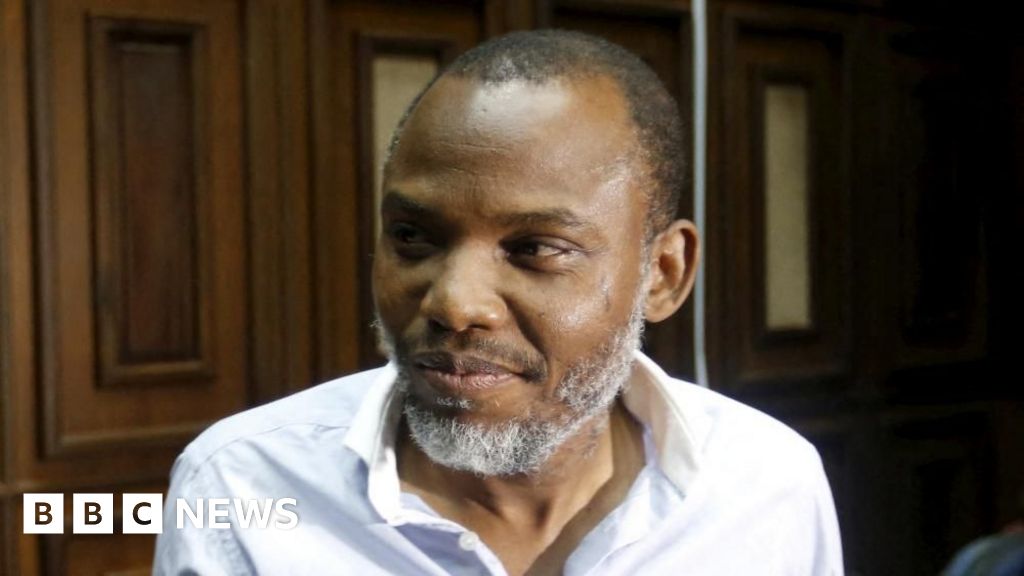
In a decisive move that highlights the enduring tensions within Nigeria, a court in Abuja has found separatist leader Nnamdi Kanu guilty of terrorism, treason, and conspiracy, sentencing him to four concurrent life sentences. This landmark ruling, delivered by Judge James Omotosho, signals a definitive stance by the Nigerian government against secessionist movements, particularly the Indigenous People of Biafra (Ipob). While the prosecution pushed for the death penalty—a reflection of the severity with which authorities are tackling threats to national sovereignty—the judge emphasized evolving perspectives on capital punishment, stating that executions are now “frowned upon.” This decision marks a potential turning point in Nigeria’s domestic policy on militancy and separatism, with wider implications for regional stability across West Africa.
The trial and conviction of Kanu also underscore the complex web of geopolitical and societal factors that underpin Nigeria’s ongoing struggle with internal divisions. Kanu, a British-Nigerian citizen who came to prominence through a London-based radio station calling for a separate Biafra state, has long been a symbol of Igbo aspirations for independence. His movement, once banned as a terrorist organization and connected to violent outbreaks, embodies deep-seated grievances rooted in historical marginalization. Analysts from the International Crisis Group and renowned historians contend that Nigeria’s government seeks to suppress non-state actors that threaten its territorial integrity, but critics argue this approach risks inflaming regional tensions further and undermining democratic dialogue. As Kanu’s supporters threaten protests, security around the court was heightened, reflecting the intelligence community’s fears of unrest, yet the muted response in southeastern Nigeria raises questions about the movement’s genuine popular support.
This saga exemplifies the intense struggle facing Nigeria—and the broader West African region—where calls for independence are intertwined with complex issues of ethnicity, history, and sovereignty. The verdict against Kanu not only serves as a warning to other separatist factions but also fuels the debate on how states must balance security with respecting cultural identities. International organizations and regional powers observe with caution, as Nigeria’s internal stability has repercussions for regional security, migrant flows, and economic partnerships across Africa and beyond.
As the weight of history presses heavily on the present, the case of Nnamdi Kanu stands as a stark reminder of the fragile path toward national cohesion. The echoes of the Biafran war still resonate, and the decisions made today could shape the narrative of Nigeria’s future for decades to come. The world watches as a nation at the crossroads grapples with its history—faced with the dilemma of how to forge unity from fragmentation before the tides of division are irreversible. In this unfolding drama, the true cost of unresolved grievances and the price of sovereignty remain painfully clear—history’s pen is never silent, and its questions are as urgent as ever.

In a stark reminder of a pervasive social scourge, recent investigations and reports shed light on disturbing patterns of domestic violence and institutional inertia that claim lives across nations. Careful analysis by researchers, international governments, and advocacy groups underscores a sobering truth: the inability or unwillingness of authorities to adequately respond continues to cost lives, especially among women and vulnerable populations. As headlines from Australia portray tragic cases of loss, the global geopolitical impact of such failures reverberates, demanding urgent institutional reforms.
In Queensland, statistical data reveals that nearly half of women murdered by intimate partners had prior police interactions, often marked by misidentification or dismissive responses. Lawmakers recently introduced laws to extend police powers, allowing for year-long protection notices—yet critics argue this risks further misclassification of victims as offenders. This legislative shift could deepen mistrust between victims and law enforcement, reinforcing a dangerous cycle of neglect and victim-blaming. International analysts, including experts at Human Rights Watch, warn that such measures may inadvertently entrench systemic biases, undermining the very protection the laws intend to provide.
Meanwhile, in Australia, a two-year investigation by Guardian Australia uncovers failures in police responses to domestic violence that have resulted in preventable deaths. Cases like Hannah Clarke, who foresaw her fate but lived in fear for weeks, highlight the tragic disconnect between victims’ intuition and authorities’ actions. Historians and social scientists warn that ignoring such patterns reinforces a broader societal failure—one where cultural and institutional apathy subtly sustain violence at the margins of society. The failure to implement lasting reform echoes historical warnings from experts like historian Dr. Lisa Tilley, who argues that ignoring domestic violence fosters a “culture of silence and complicity” with deadly consequences.
Beyond Australia, nations across the United Kingdom, United States, and beyond face similar crises. Advocacy groups report that despite reforms, many victims remain trapped in abusive cycles, with law enforcement responses often falling short. International organizations like the United Nations issue stark warnings about the rise of domestic violence amidst economic downturns and social upheavals. The geopolitical impact of such widespread failures is profound: societies weaken, social trust erodes, and the cycle of violence persists—unabated and unchallenged.
Many experts argue that the root cause lies in societal complacency and a failure of leadership to confront culturally ingrained misogyny and coercive control. As analysts at the International Crisis Group highlight, the failure of police and political will in tackling the underlying causes fuels ongoing tragedies. Daily, women’s cries for help go unheard, a fact lamented by social workers and legal advocates alike. The systemic problem demands not just policy change but a fundamental cultural shift—one that requires entire communities to stand against violence and to defend agency and dignity for all victims.
As history watches, the tragic stories of Hannah Clarke and Kardell Lomas mark more than isolated incidents—they are emblematic of a society at a crossroads. Decisions made in legislative chambers, police precincts, and community dialogues will determine whether this pattern of decline continues or if, finally, a decisive turn toward justice takes hold. This is a defining moment in the ongoing fight to protect the most vulnerable and to hold systems accountable.
Standing on this precipice, history’s pen waits for the actions that will redefine the future. Will nations heed the warnings, reform their institutions, and restore faith in justice? Or will the pages of history be stained with further preventable loss, as the silent toll of ignored cries continues to mount? The answer lies just ahead—wrapped in the collective will of societies that refuse to turn away from the truth.
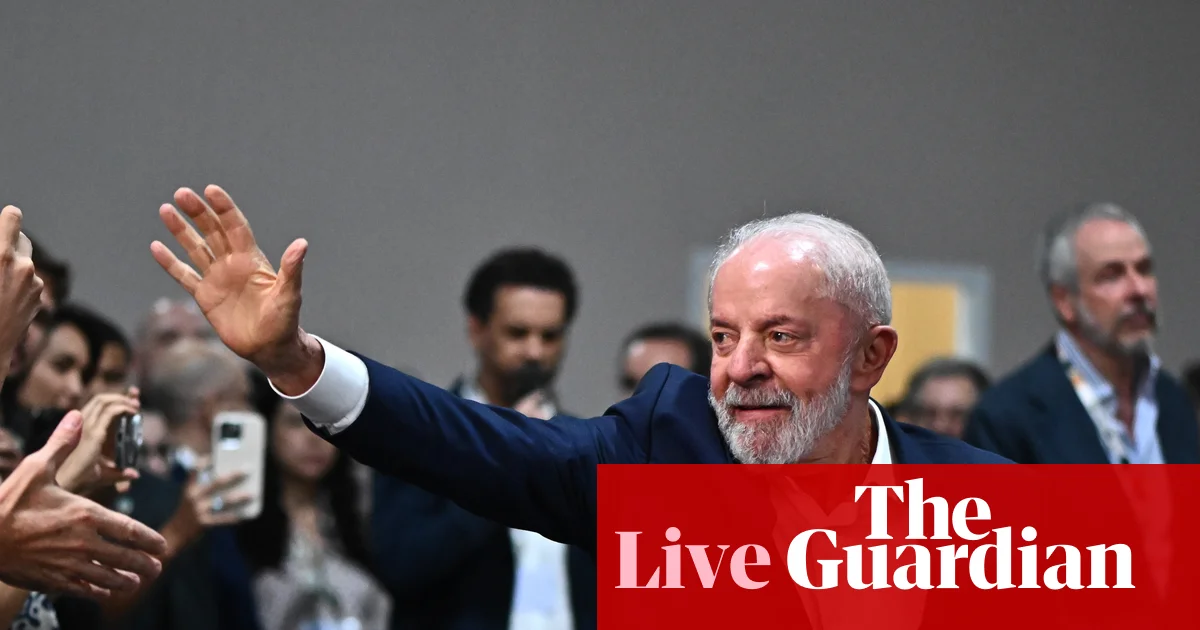
As the UN Climate Summit (COP30) reaches its climax in Belém, Brazil, the international community faces a pivotal moment that could determine the future trajectory of global climate policy. The summit, an arena where nations negotiate the delicate balance between environmental responsibility and sovereignty, is marked by intense debate and unresolved tensions over crucial issues such as climate finance, fossil fuel reduction, and trade measures. Despite claims from Brazilian President Luiz Inácio Lula da Silva that consensus will prevail, many analysts warn that the summit’s outcome may not deliver the decisive agreements needed to stave off the worst of climate catastrophe.
According to seasoned climate diplomats and expert commentators, this summit is more complex than previous years, featuring multiple negotiation tracks articulated in arcane acronyms and confidential drafts that leave many observers bewildered. Historically, late stages of COP negotiations tend to coalesce around key issues, but this year, the absence of clear resolutions on emissions reductions and financial commitments underscores the deep fissures among nations. The staging of high-level ministerial meetings, aimed at forging consensus, has not yet succeeded in producing the much-anticipated finalized text. The delay underscores the challenges of balancing global ambitions with political and economic realities.
President Lula’s comments earlier in the summit hint at a more flexible approach, emphasizing “building the way to live without fossil fuels” without imposing strict timelines on nations for their reduction efforts. His assertion that negotiations are rooted in respecting sovereignty and fostering consensus echoes the broader narrative of naively optimistic diplomacy. However, critics cite persistent disagreements over climate finance, especially concerning aid to vulnerable Pacific island nations and lesser-developed countries, which remain highly contentious. The core question remains: can the world’s political leadership overcome these divisions and agree on a clear roadmap to phase out fossil fuels? Many believe that without tangible commitments, the summit risks ending in mere rhetoric, leaving the pressing crisis unaddressed.
The ***geopolitical impact*** of the summit’s missed deadlines extends far beyond the conference halls in Brazil. As climate negotiations become a battleground for influence, nations like China, the United States, and European countries are under relentless scrutiny. Intergovernmental organizations, including the IPCC, continue to warn that the window of opportunity to limit global warming to manageable levels is closing rapidly. Broad concerns also persist about unilateral trade measures and financial obligations, which threaten to undermine collective efforts. The unfolding drama in Belém could set the precedent for future international cooperation or, conversely, fuel a fractured geopolitical landscape where climate action becomes a battleground for national interests rather than a collective effort to save the planet.
As the summit lurches toward its eventual conclusion, with many late-night negotiations on the horizon, the international community is left to ponder whether this gathering will mark a turning point or fade into the annals of missed opportunities. With the world watching and the weight of history bearing down, the words and decisions made in these final days will echo through generations to come. The looming question remains: **will humanity unite in time to forge a resilient, sustainable future, or are we witnesses to the last chapter of collective climate responsibility**? The unfolding narrative of COP30 continues to write itself—one of hope tested by discord, and of a planet’s fragile future hanging in the balance.

With the onset of the NBA season, all eyes are on LeBron James as he embarks on his historic 23rd year in professional basketball. This season is not just another campaign; it is a remarkable milestone for a player often referred to as one of the greatest of all time. As the anticipation builds, fans are left pondering the four most critical questions that could shape James’ legacy and the entire league.
Notably, analysts are divided on James’ impending impact this season. Commentator Skip Bayless remarked, “LeBron’s commitment to excellence knows no bounds, but age is an unyielding opponent.” Meanwhile, fellow commentator Stephen A. Smith counters, stating, “Don’t write him off just yet; he’s LeBron James, for crying out loud!”
As the curtain rises on another chapter of NBA history, it is clear that LeBron James is poised to make headlines both on and off the court. With all the speculation and excitement surrounding him, fans can expect thrilling moments and potential record-breaking performances. The essence of sports lies not solely in victories or defeats, but in igniting passions and fostering a sense of community. Regardless of outcomes this season, the story of LeBron transcends the game—it is about perseverance, inspiration, and the unbreakable bond formed through shared experiences in the arena of competition.

The music industry’s legendary figure, Smokey Robinson, faces a rising tide of legal and ethical challenges that threaten to cast a long shadow over his storied career. Allegations of sexual assault have now been leveled against the 85-year-old icon by additional former employees, including both men and women. These accusations come amidst a broader context of increased scrutiny over power abuse and misconduct in the entertainment sector. The recent addition of two anonymous accusers to a pending lawsuit underscores the gravity and complexity of the allegations, which have already resulted in a high-profile legal confrontation.
The allegations describe disturbing incidents involving Robinson’s conduct, with one former male employee claiming he was exposed to inappropriate behavior and attempted sexual contact, while a female housekeeper alleges persistent attempts to coerce physical acts from her during personal moments. Robinson’s lawyer, Christopher Frost, dismissed these claims as part of a alleged conspiracy, asserting that the accusations are designed to generate adverse publicity and financial gain for the plaintiffs. Such rhetoric echoes a pattern often seen in high-profile cases, where defenses frame allegations as malicious attempts at extortion, complicating the quest for truth and justice amid an age of relentless media scrutiny. How these allegations influence the legacy of a cultural icon remains a subject of intense debate among analysts and historians alike.
The controversy surrounding Robinson transcends national borders, as his ongoing performances at events like the UK’s Love Supreme jazz festival and London’s Eventim Apollo continue despite the allegations. This raises important questions about international cultural diplomacy and the societal appetite for distancing art from the artist amid serious accusations. Decisions made at this crossroads can serve as a reflection of broader societal values—whether to separate artistic achievement from personal misconduct or to hold cultural icons accountable for their actions. Democracy and justice advocates warn that silence or inaction amid such allegations could embolden misconduct, while defenders of Robinson’s legacy argue for due process and the presumption of innocence.
Global institutions and legal experts emphasize that the case exemplifies a wider trend: the erosion of unchecked immunity traditionally granted to celebrities and influential figures. The MeToo movement has significantly reshaped norms, compelling society to confront uncomfortable truths about power and exploitation. Analysts have noted that this case underscores the importance of legal transparency and victims’ rights, contrasting sharply with claims of conspiracy and profiteering made by Robinson’s representation. The international scene watches closely, as the outcome may influence policies and societal attitudes toward celebrity accountability in a rapidly changing social landscape.
As the legal battle unfolds, Smokey Robinson’s legendary musical legacy remains influential, but now intertwined with enduring allegations that threaten to redefine his public narrative. Recognized for iconic hits with The Miracles and groundbreaking contributions to the Motown sound, Robinson’s music has become a cornerstone of American cultural history. Yet, in a time where societal values demand accountability, his story exemplifies the complex intersection of fame, morality, and justice. This turbulent chapter in Robinson’s life leaves a haunting question: will history remember him solely for his artistic genius, or as a symbol of accountability in an era of social change? With each legal development, society inches closer to a verdict that could reverberate far beyond the stage, echoing through the annals of history as a pivotal moment where personal conduct and societal expectations collide.

In an age where the boundary between art and spectacle blurs with every passing day, the story of Maurizio Cattelan’s America—a fully functional 18-karat gold toilet—epitomizes the tempestuous intersection of culture, commerce, and identity. Valued at over $12 million and shrouded in the mystique of theft, the work is more than a provocative homage to luxury; it is a mirror held up to our society’s obsession with material excess and superficial spectacle. Once installed in the Guggenheim, this opulent bidet—an ostentatious symbol of wealth—evoked both admiration and disdain, revealing how culture now often reflects the complexities and contradictions of the human condition.
Art critics and cultural philosophers interpret Cattelan’s creation as a cultural statement that challenges the sacredness of artistic and societal institutions. As T.S. Eliot noted, genuine culture acts as a memory and prophecy; it roots us in history while illuminating potential futures. The gold toilet, with its conspicuous luxury, compels society to confront the paradox of beauty and vanity, emblematic of a civilization increasingly preoccupied with the superficial. The theft from Blenheim Palace in 2019—an audacious act—only accentuates the dangerous allure of cultural symbols that question authority and value, echoing historical parallels of revolutionary upheaval and cultural critique.
This saga, punctuated with theft, auction, and celebrity fascination, reflects a deeper truth: culture remains the vital fabric of societal identity—an inheritance and a prophecy intertwined. Philosophers like G.K. Chesterton argued that tradition, when understood rightly, is the living reflection of human continuity, not mere relics. Today’s cultural landscape, obsessed with novelty and spectacle, risks losing sight of this continuity, reducing art to fleeting trends. Yet, beneath the veneer of gold and controversy, there persists an enduring dialogue about human nature, morality, and the values that define us all. Culture, therefore, acts as both a collective memory informing who we are and a prophetic voice beckoning us toward who we might become.
As we stand amidst layers of history and innovation, the crescendo of human creativity remains a testament to our eternal quest for meaning and transcendence. Culture, in its highest form, is neither merely the past nor the present—it is the silent poetry of the human soul, whispering of both memory and prophecy, guiding us through the corridors of time with its deceptive shimmer yet unfading light. And in this eternal dialogue, may we recognize in every work—be it gold-plated or humble—the indelible imprint of what it means to be truly alive.

In an era characterized by relentless geopolitical transformation, the United Kingdom stands at a critical crossroads. Recent decisions emanating from Westminster exemplify a broader trend among Western nations striving to redefine their social fabric and geopolitical influence. The UK’s immigration policy reforms, coupled with efforts to reshape its political landscape, underscore a strategic repositioning—aimed at bolstering national sovereignty and economic resilience amid the evolving international order.
Central to these developments is Home Secretary Shabana Mahmood’s announcement of dramatic changes in migration rules. These measures, set to double the waiting period for indefinite leave to remain from five to ten years, and enforce stricter language and criminal record requirements, signal the government’s intent to prioritize control over sovereignty and social stability. Analysts like Dr. James Tennant, a geopolitical strategist, argue that such policies are designed to reinforce national borders against the destabilizing influxes that characterize unchecked migration flows. In essence, these reforms are not merely domestic adjustments but a calculated move to assert post-Brexit independence, signaling to global actors that the UK will prioritize sovereignty over open borders.
Yet, this shift is not happening in isolation. Andy Burnham, the mayor of Greater Manchester, reflected widespread sentiment among pragmatic leaders who see the long-term implications. Burnham, a prominent figure vying for Labour leadership, explicitly voiced concern over the proposed 20-year waiting period for settlement—highlighting how prolonged limbo could hinder national integration efforts and strain public resources. His stance exemplifies the mounting tension between those advocating for controlled immigration and those emphasizing social cohesion and economic stability. The ongoing debate vividly illustrates how internal policies are grappling with the geopolitical need to project strength while maintaining societal resilience.
Furthermore, the broader international context amplifies the significance of these shifts. Many analysts, including members of the International Institute for Strategic Studies (IISS), interpret these measures as part of a strategic calculus—aimed not only at bolstering domestic security but also at asserting the UK’s post-pandemic global stance. This recalibrated approach suggests a move away from the legacy of open-door policies, favoring instead a model aligned with traditional nationalist principles. Historically, nations that have prioritized sovereignty and robust border controls have often repositioned themselves to wield greater influence in global affairs. The UK’s renewed focus on internal control reflects a desire to reassert its influence in an increasingly multipolar world—balancing relationships with peer powers and regional allies.
As history continues to unfold, these decisions evoke echoes of earlier moments—when nations chose sovereignty over globalization. From the unrest of post-war Europe to the rise of nationalist movements, the trajectory of nations often hinges on their leadership’s willingness to assert control amidst international chaos. Historians warn that such policies, if poorly managed, could deepen societal divisions or provoke retaliatory measures from trading partners. Nonetheless, the current course signals that **the UK is eager to carve an independent path**, shaping a future where its influence is defined less by its proximity to Bruxelles and more by its strategic national interests.
The stakes are monumental. As Britain crafts its new identity—leaning into strength, sovereignty, and renewed national pride—the world watches with bated breath. The decisions taken today are not isolated; they are the threads woven into the fabric of history, setting a precedent for how nations respond to a shifting global landscape. In the shadows of these policies lies the promise—and peril—of a future shaped by bold choices. History’s pen continues to write, and the pages ahead will reveal whether Britain’s gamble will forge resilience or deepen its divisions. Either way, the unfolding story will mark a defining epoch in international history.

In a society built on trust and the presumed integrity of its institutions, the revelations emerging from the Medomsley detention centre scandal serve as a stark reminder of the grave failures of oversight and accountability. For decades, families, communities, and the very core of youth justice were compromised by a systemic culture of silence and complicity. The recent investigation, culminating in the detailed Deerness report, offers a brutal, if incomplete, account of the abuses inflicted on hundreds of innocent boys, many of whom suffered in silence for decades.
This sordid chapter exposes the deep entrenchment of these abuses within the institutions that were supposed to protect. The report reveals that over **2,852 allegations of abuse** were made against staff at Medomsley, with only a handful of officers ultimately convicted. **The exposure of highly placed figures, including former governors and staff, underscores how a toxic culture of cover-up and neglect allowed predators to operate unchecked across decades**. When institutions like the police, the Ministry of Justice, and local governing bodies fail to act decisively, families and communities bear the burden of shattered lives and broken trust.
Every case uncovered at Medomsley signals not just the trauma endured by individual victims but also the ripple effects rippling through families and neighborhoods. The trauma of sexual and physical violence embedded within the very walls of institutions meant to nurture has pervasive moral and social repercussions. Sociologists such as Howard Becker have noted that such breaches of institutional trust result in a collective loss of faith that endures long after the abuse stops. Families of victims grapple with the moral fallout, often feeling helpless or betrayed by the very systems entrusted with their protection.
Furthermore, societal demographic shifts and cultural tensions come into focus when examining how these atrocities persisted. Many victims, as the report details, were subjected to abuse from as young as 14, with institutional systems consistently turning a blind eye or dismissing their cries for help. The failure to adequately respond highlights a culture of sanitizing or ignoring the voices of the vulnerable, especially those from marginalized socio-economic backgrounds. This failure undermines the moral fabric of our society, calling into question the efficacy of our social safety nets, especially for youth in care.
As social commentators and historians like Antony Beevor have observed, history often repeats itself when lessons are ignored. Society’s true moral test lies in whether we can learn from these dark episodes and rally for meaningful reform. The victims’ stories reveal not only the depth of institutional cruelty but also highlight the moral imperative to ensure that such failures never recur. Ultimately, societal healing depends on transparent acknowledgment and genuine steps toward justice, reinforcing that society’s strength is rooted in safeguarding its most vulnerable.
As we stand at this crossroads of acknowledgment and reform, society must confront its shadows without flinching. The scars of Medomsley run deep — yet within these scars lie the seeds of moral renewal, compassion, and resilience. Society’s long journey toward justice may be arduous, but the hope endures that with unwavering resolve, the broken can find healing, and the broken systems can be reborn as pillars of virtue and vigilance. Society’s challenge remains: will we let these stories be buried or rise to forge a future where dignity and safety are universally upheld?
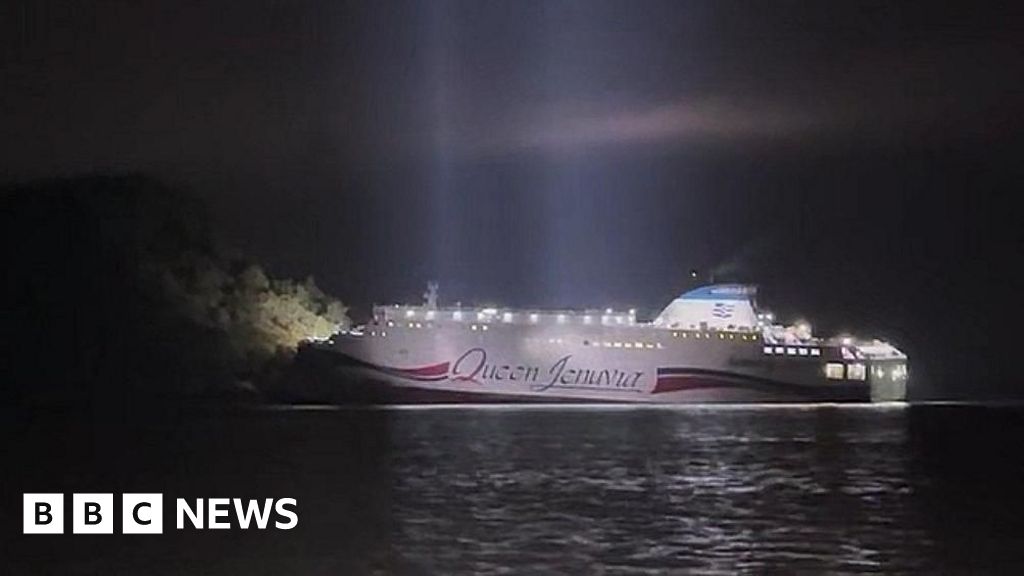
In a dramatic turn of events near the southeastern coast of South Korea, a ferry named Queen Jenuvia 2 ran aground on rocks off the uninhabited island of Jogdo, raising concerns that echo the tragic past of the Sewol disaster. The incident resulted in the rescue of all 267 passengers and crew, but it has ignited criticisms over safety protocols, young leadership accountability, and the broader question of maritime safety in a nation determined to project maritime strength. Authorities swiftly arrested two individuals, including the helmsman and the first mate, citing gross negligence, as the vessel was sailing from the resort island of Jeju to Mokpo. This incident not only underscores internal safety issues but also raises questions about how South Korea’s maritime industry manages its burgeoning economic and strategic ambitions.
The South Korean coast guard reported that the helmsman initially blamed a steering malfunction but subsequently admitted to being distracted by his phone, neglecting critical navigation duties. This revelation emphasizes a troubling trend of human error compounded by complacency amid rising technological reliance. The incident occurred near the site where the Sewol ferry tragically sank in 2014, claiming over 300 lives, primarily students. The memory of that disaster continues to haunt the nation, intensifying the scrutiny on safety protocols and government oversight. Analysts warn that recurring incidents like this could threaten Seoul’s image as a regional leader capable of balancing economic development with strict safety standards, impacting regional diplomacy especially in the context of maritime sovereignty and security.
This event punctuates the dangerous brinkmanship nations partake in over maritime territories and regional safety concerns. Since the Sewol sinking, South Korea has been under pressure to reform its safety regulations, but critics argue that bureaucratic inertia and economic priorities often undermine safety reforms. With growing tensions in the broader Asia-Pacific region—particularly involving China and Japan—such incidents threaten to destabilize soft power and fuel nationalist sentiments. Meanwhile, international organizations such as the International Maritime Organization continue to call for stricter enforcement of safety standards, yet implementation remains inconsistent, especially in countries where economic stakes are high.
Historian and geopolitical analyst Michael Jennings has warned that these maritime accidents are often more than just individual misjudgments—they are symptoms of deeper systemic vulnerabilities. “The recurring failures reveal how nations prioritize rapid growth and regional dominance over safety and personnel training,” Jennings emphasizes. How South Korea manages the fallout from this incident will be a test of whether its leadership can restore confidence and uphold international maritime standards. As the nation grapples with internal issues surrounding accountability and safety, the specter of future tragedies looms, threatening to mar its international reputation and diplomatic stature in a region increasingly shaped by unpredictable conflicts and shifting alliances.
As the global community watches, the unfolding consequences of this seemingly isolated maritime accident carry profound implications. Nations are reminded that the narrow margin between safety and catastrophe in maritime endeavors is a line that, once crossed, leaves a mark on history—an indelible reminder of human fallibility and the relentless quest for progress. The echoes from the Sewol disaster still reverberate in South Korea’s national consciousness, and now, with this recent grounding, history appears poised to write again, leaving the world to ponder whether lessons have truly been learned amid the relentless tide of change.


