
TRENDING NEWS





Truth Over Trends, always!

In a striking display of the evolving geopolitical landscape of digital security, Australia has unveiled alarming revelations regarding a new, twisted form of online crime that transcends national borders. Australian authorities, led by AFP Commissioner Krissy Barrett, have identified an insidious trend where networks of violent extremists are coercing vulnerable girls into acts of violence—against themselves, their families, or even pets—within a disturbing “gamification” framework. This emerging threat underscores a broader issue: the rapid proliferation of how digital platforms are weaponized in modern ideological conflicts. With already three arrests within Australia and nine more internationally, this phenomenon highlights the urgent need for global coordination. The international community must grapple with the implications, as these online networks exploit digital spaces the same way that traditional armies once fought on physical battlefields.
The accused, largely aged in their late teens or early twenties from Western backgrounds, have been recruiting young girls through gaming platforms like Roblox and messaging apps such as Discord and Telegram. This recruitment tactic, reminiscent of a well-orchestrated underground movement, reveals how the boundaries between online gaming and violent extremism are blurring. Analysts warn that these groups—whom Commissioner Barrett calls “crimefluencers”—subscribe to a nihilistic and sadistic ideology rooted in Nazism, satanism, and other extremist doctrines. Their purpose, however, exceeds mere ideological posturing; it is driven by a desire for amusement, social dominance, and the thrill of inflicting harm without accountability. This new frontier in gender-based violence complicates the traditional paradigms of international security, demanding an urgent, multi-national response.
This troubling development occurs against the backdrop of Australia’s proactive efforts to curb online harm, exemplified by the impending introduction of a pioneering social media ban targeting users under 16. Yet, the exemption of gaming and messaging platforms from these restrictions signals a deeper geopolitical challenge: regulating digital environments that have become breeding grounds for extremism. The Five Eyes alliance—comprising the US, UK, New Zealand, and Canada—is actively collaborating with Australia to dismantle these transnational networks. Such cooperation highlights a crucial recognition: that the digital space is now a contested arena where national security and societal stability are at stake. As international organizations such as INTERPOL advocate for increased cyber law enforcement, it becomes clear that the fight against these malicious online communities will define the next chapter in global security policy. The rise of these “gamified” violence networks raises profound questions about the efficacy of existing laws and the future of international cooperation in combating digital extremism.
Ultimately, this disturbing trend is not merely an isolated issue but an unfolding chapter in the ongoing contest for influence over our digital future. As historians and analysts warn of the dangerous convergence of technology and ideology, the world stands at a pivotal crossroads. The weight of history suggests that the choices made today—how nations respond, cooperate, and regulate—will shape the boundaries of acceptable conduct in the digital age. With the eyes of the world fixed on Australia’s bold stance, the message is clear: the battle for the soul of the internet has begun, and its outcome will determine the course of societal stability for generations to come. The unfolding story underscores one timeless truth—when the digital frontier is exploited for violence and ideological conquest, the entire spectrum of humanity risks paying a heavy toll. Only time will reveal whether global resolve can stem this tide of chaos, or whether we are destined to watch as history is rewritten in the shadows of cyberspace.

In a gripping showdown on the gridiron, the Philadelphia Eagles secured a decisive victory against the Atlanta Falcons, clinching the game with a final score of 28-17. The Eagles demonstrated their prowess on both sides of the ball, showcasing a blend of strong defense and explosive offense. This contest not only entertained but also set the stage for the playoff race as the season progresses.
While the Eagles took the lead early in the first quarter, it was a remarkable touchdown pass from quarterback Jalen Hurts to wide receiver A.J. Brown in the third quarter that became the defining moment of the game. The play, highlighted by a deft maneuver around two defenders, electrified the enthusiastic home crowd and gave the Eagles a commanding position. Hurts finished the day with exemplary stats, throwing for 305 yards and three touchdowns, while also scrambling for 50 yards, proving his dual-threat capability.
On the other hand, the Falcons struggled to find their rhythm, despite a spirited performance from quarterback Desmond Ridder. Ridder managed to keep the game competitive early on but ultimately fell short, completing 22 of 35 passes for 227 yards and one touchdown. Coach Arthur Smith expressed his frustration post-game, noting, “We couldn’t execute in critical moments. We must improve if we want to stay in the race.” This sentiment echoed among the fans, who were left hoping for a turnaround as the season heads into its later stages.
As the dust settles on this pivotal clash, it’s clear that this was more than just a game. It was a testament to the spirit of competition, showcasing how sports unite teams and fans alike. While victories and defeats linger in the records, the invaluable community, camaraderie, and connection fostered through events like these remind us that at its core, sports are about bringing us together, driving passion, and building lasting friendships, beyond the final score.

In an era marked by unpredictable economic tides, Australia’s latest inflation figures signal a turning point that extends well beyond its shores. According to the Australian Bureau of Statistics, inflation soared to 3.2% in the year ending September, climbing sharply from 2.1% in June. This increase, driven primarily by surging electricity prices—up 24%—reflects a broader challenge confronting economies worldwide: the aftermath of waning government subsidies and disrupted supply chains. The revelation confirms a significant shift in the country’s economic trajectory, compelling the Reserve Bank of Australia (RBA) to abandon any hope of rate cuts in the near future.
This escalation has profound geopolitical implications. As the RBA’s preferred measure of underlying inflation points to a rise of 1% over three months—far outpacing the predicted 0.6%—other nations watch with concern. Economist and analysts warn that persistent inflationary pressures can trigger a series of adverse global effects, ranging from increased living costs to potential social unrest. The rise in household utility bills, combined with inflation in grocery staples like coffee and cocoa—up 15%—underscores a widening economic strain that resonates in countries across stratified income levels. Specifically, the impact on Australia’s domestic stability and the broader Asia-Pacific economic alignment could reverberate for years to come, especially as regional nations grapple with similar inflationary pressures.
While petrol prices saw declines, the broader picture remains daunting. International organizations, including the IMF and World Bank, warn that persistent inflation can weaken nations’ capacities to fund critical sectors, thereby amplifying inequalities and destabilizing societies. This development casts a shadow over the global economic outlook, with emerging markets and resource-dependent economies feeling the heat—drawing them into a tightening web of geopolitical contention and economic competition.
The decisions made by Australia’s policymakers are illustrative of a larger story—the tug-of-war between growth and stability. The RBA’s governor, Michele Bullock, explicitly acknowledged that a quarterly inflation rise exceeding 0.9% would be a “material miss,” setting the stage for cautious monetary tightening. Despite higher electricity bills and inflation in essentials, she reassured that the labor market remains resilient, with unemployment at a “pretty low” rate. Yet, this balancing act underscores the fragile state of global economic governance, where every decision bears the weight of future societal impact.
Historians and analysts note that these inflationary dynamics are part of a longer saga—a contest of economic resilience versus geopolitical realignment. If nations like Australia pivot away from expansive monetary policies prematurely, they risk plunging into recession; if they delay, inflation could spiral further, crippling the middle class and fueling discontent. The unfolding story of inflation, driven by international shocks and domestic policy, continues to shape the geopolitical landscape as power balances shift and new alliances form beneath the weight of economic uncertainty.
As history stagnates on the brink of this uncertain horizon, the weight of decisions made today echoes through the corridors of power and societal corridors alike. The unresolved tension between inflation and stability remains a saga still being written, with each policy response shaping the future of nations and societies across the world, forging a new chapter in the tumultuous story of global geopolitics.
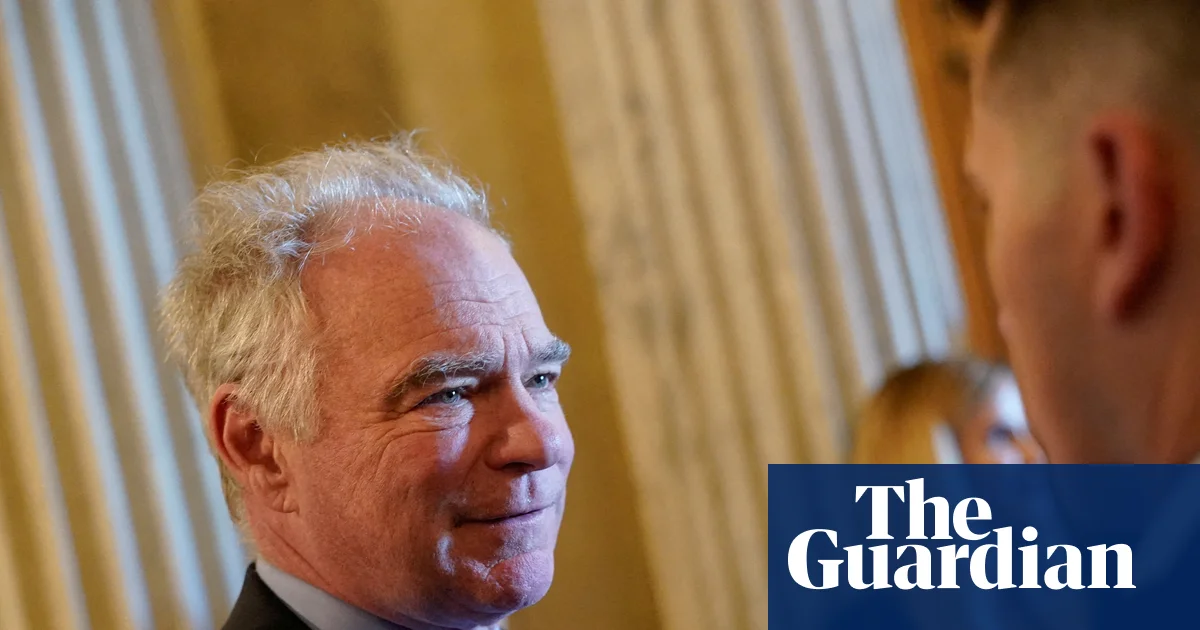
In a significant shift reflecting growing political tensions over US trade policies, the US Senate recently approved a measure to revoke Donald Trump’s tariffs on Brazilian imports, including staples like coffee and beef. With a narrow vote of 52-48, this bipartisan move signals an emerging consensus that the previous tariffs, justified by national emergency claims, may have been more harmful than beneficial. Though this measure is unlikely to become law — given the Republican-controlled House of Representatives and the veto power of President Trump — the impending debate underscores the geopolitical recalibration occurring behind the scenes of international trade. Critics argue that these tariffs, which raised costs for American consumers and businesses, exemplify the risks inherent in unilateral trade measures driven by short-term political gains rather than strategic economic policies.
Historically, trade tariffs have been a double-edged sword; while often employed to protect domestic industries, they frequently precipitate retaliatory measures and economic decline. Senator Tim Kaine, a Democrat from Virginia, emphasized this point, asserting that tariffs are essentially taxes on American citizens. Similarly, Senate Republican Mitch McConnell warned that trade wars tend to follow a predictable pattern of economic harm, echoing past historical lessons from the Reagan era. The recent bipartisan effort, echoing earlier bipartisan votes to remove Canada’s tariffs, reveals a growing recognition that aggressive tariffs may undermine the very economic stability they intend to safeguard. Experts and analysts warn that escalating trade disputes threaten to destabilize international markets, potentially provoking a new era of protectionism that could stall global economic growth.
The broader geopolitical impact extends beyond trade; allegations tie the tariffs to political motives, specifically Brazil’s prosecution of former President Jair Bolsonaro. Trump’s declaration of a national emergency in July classified Brazil’s policies as an “unusual and extraordinary threat”, ostensibly to justify the tariffs. Critics interpret this as a move driven by political vendettas, especially considering Bolsonaro’s close alliance with Trump and his controversial arrest and sentencing. Such actions are seen by analysts as part of a larger pattern in U.S. foreign policy—leveraging economic measures for political leverage, which threatens to destabilize already fragile international alliances. The International Monetary Fund (IMF) and various analysts have warned that mercurial trade policies, driven by domestic politics, risk spiraling into broader geopolitical conflicts, undermining global stability and economic development.
As history looks on, the unfolding narrative serves as a stark reminder of how transient political decisions can influence the course of international relations and economic priorities. The decision to target Brazil, a key emerging economy, underscores the fragility of international alliances in the face of nationalism and populism. While some lawmakers see tariffs as a tool to recalibrate trade, many warn that the lasting impact is a rise in global uncertainties and the potential for new conflicts. The world watches as the decision-makers grapple with the enduring question: will the pursuit of short-term political wins sow the seeds of long-term economic disorder? Or will diplomacy and strategic foresight prevail in guiding nations through an uncertain future, leaving behind a legacy where history is still being written, moment by moment, in the shadows of global power struggles.
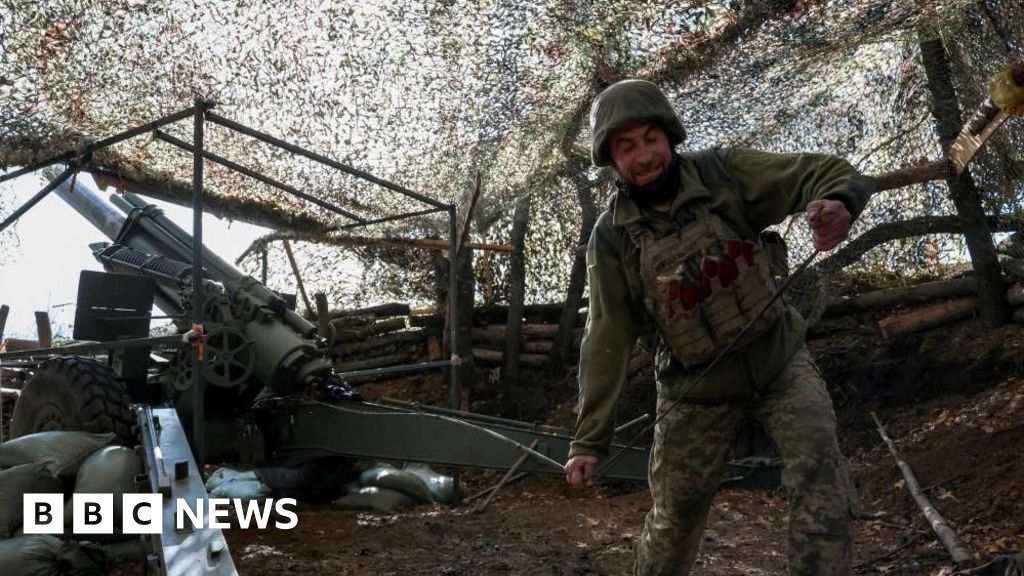
The ongoing conflict in Ukraine has reached a critical juncture, as Russian forces embed themselves further into the eastern frontlines. Reports emerging from Ukrainian President Volodymyr Zelensky indicate that Russian troops have gained a strategic foothold in the city of Pokrovsk, a vital logistical hub whose control could dramatically alter the regional balance of power. With Moscow’s forces outnumbering Kyiv’s by a staggering 8-to-1 in this sector, the situation underscores the extreme odds faced by Ukraine’s defending forces. The city’s importance cannot be overstated; it’s a linchpin for supply chains, troop reinforcements, and the broader effort to consolidate Moscow’s hold on the Donetsk region. If Russia succeeds in capturing Pokrovsk, it would close the gap to the heavily fortified towns of Kramatorsk, Slovyansk, and Kostyantynivka. These towns form a “fortress belt” that now sits perilously close to Russian missiles and infantry — an ominous sign of how the conflict may escalate further.
Analysts and military experts warn that this push points to a wider geopolitical shift, reflecting Moscow’s intent to solidify territorial gains under a veneer of strategic patience. Ukrainian officials, however, remain defiant, with President Zelensky refusing to accept outright defeat, even as the city undergoes relentless fierce fighting. Videos showing drone surveillance and reconnaissance indicate around **200 Russian soldiers** are within Pokrovsk, while Ukrainian defenders claim that Russian claims of encirclement are misleading. Ukrainian soldiers emphasize that technological warfare—particularly the use of drones—has transformed combat, making traditional encirclement tactics less relevant and more dangerous. These technological advancements highlight just how much modern war relies on precision and intelligence, which can shift the tide in an instant. Nonetheless, the high stakes are clear: control over Pokrovsk could serve as a turning point, potentially giving Russia an open route into Ukraine’s vital eastern heartland.
Meanwhile, the broader international response remains mixed, with Europe and the United States caught in a complex web of aid, sanctions, and diplomatic negotiations. Kyiv is calling for increased military and financial support, warning that its defenses are weakening and that prolonged fighting could threaten its sovereignty. Zelensky’s plea for allies to back Ukraine for an additional two or three years hinges heavily on the potential seizure of frozen Russian assets—an estimated €140 billion—that remains blocked at the EU summit, primarily due to legal and political hurdles. As the conflict drags into its fifth year, the European Union and allied nations find themselves at a crossroads: support a fragile democracy fighting for survival, or risk allowing Russian expansion to metastasize further into Eastern Europe. The ongoing debate over aid underscores the profound geopolitical impact—decisions made now will echo across generations, shaping the structure of Europe and beyond.
With President Zelensky working tirelessly to rally Western support, hopes hinge on bold diplomatic moves. The recent anticipated meeting between US President Donald Trump and Chinese leader Xi Jinping holds particular significance. Zelensky has expressed hope that China will reduce its support for Russia, potentially tipping the scales in Kyiv’s favor amid sanctions targeting Russian energy giants like Lukoil and Rosneft. Trump’s recent sanctions and appeals for Turkey and China to halt Russian oil imports demonstrate a strategic effort to exert economic pressure, aiming to weaken Moscow’s military capabilities. Yet the tides of history are shifting unpredictably. As the world watches Ukraine’s fate hang in delicate balance, the realization dawns: this conflict is not just a territorial dispute but a clash for the future direction of global power—a moment that might define the 21st century. The story of Pokrovsk, Ukraine, and the relentless struggle for sovereignty is still being written, with each decision edged into the annals of history—an echo of how nations choose their destinies in the face of adversity.

In an era marked by rapid technological shifts and fierce industry disruption, HBO Max exemplifies the strategic resilience and pioneering spirit necessary to remain relevant. Once lauded as a premier streaming service, HBO Max is now navigating a transformative phase driven by content diversification, technological innovation, and the relentless pursuit of business disruption. Despite facing challenges to its former prestige—highlighted by waning subscriber growth and intense competition from newcomers like Netflix and Disney+—the platform continues to push boundaries by investing in groundbreaking series and embracing new content formats that could reshape how audiences consume stories.
The platform’s foray into original programming underscores a broader industry trend: the shift from traditional broadcasting models to a business landscape where innovation and disruption serve as core survival strategies. Critics point to HBO Max’s decisive move in developing genre-defining series such as The White Lotus, Industry, and Dune: Prophecy, which encapsulate its commitment to a disruptive business model—one that leverages premium content to secure a dedicated niche amidst a crowded market. These offerings not only reinforce HBO Max’s brand as a haven for premium storytelling but also exemplify how streaming services are innovating through content that challenges industry norms and expectations, a move echoed by forward-thinking institutions like MIT’s Media Lab and analysts from Gartner who emphasize the importance of agility in media business models.
The platform’s recent slate reveals a strategic pivot toward technologically innovative storytelling—from integrated AR/VR experiences to sophisticated narrative structures tailor-made for a younger, tech-savvy audience. Series like Tokyo Vice, which merges investigative journalism with high-stakes crime drama, leverage cutting-edge visual effects and multi-platform storytelling to amplify viewer engagement. Simultaneously, HBO Max’s dark and surreal offerings, such as Rain Dogs and True Detective: Night Country, exemplify the industry’s move towards more immersive and complex genres, disrupting traditional TV formats and setting new storytelling standards.
The ongoing transformation at HBO Max underscores the imperative for disruption-oriented business strategies. As industry experts from Gartner warn, traditional media models are increasingly untenable in the face of digital-native competitors and changing consumer expectations. HBO Max’s investment in intellectual property that merges high-concept narratives with technological advancements signals a recognition that future success hinges on agile adaptation and innovative content differentiation. This approach resonates with futurists like Peter Thiel, who argue that privileged monopoly positions in emerging spaces—such as immersive streaming and interactive content—are critical for sustained growth.
Looking ahead, the challenge for HBO Max—and similar platforms—is to harness these innovations not merely as gimmicks but as transformative business levers. The platform must continuously iterate on content delivery mechanisms, embrace global diversification, and invest in emerging tech to outpace rivals. Its ongoing series, including the upcoming First Day on Earth and a renewed True Detective, are only signs of a larger wave: the dawn of a new epoch where disruption and innovation are the currency for dominance in the streaming economy. To succeed, HBO Max and industry leaders must act swiftly before their competitors—digital giants and tech disruptors—seize the future, leaving traditional models—and perhaps even HBO Max itself—rendered obsolete.

In an era where social media and digital spaces have become arenas for political and personal battles, the recent court proceedings in France highlight the devastating consequences of targeted misinformation and sexist cyber-bullying. Brigitte Macron, wife of President Emmanuel Macron, has been subjected to relentless conspiracy theories claiming she is a transgender woman—an unfounded narrative fueling a broader cycle of harassment and societal division. The testimony of her daughter, Tiphaine Auzière, revealed that these relentless attacks have taken a toll on her mother’s health, illustrating how psychosocial violence can ripple through the highest echelons of society, affecting not only the individuals targeted but their families and communities.
The geopolitical impact of this case extends far beyond the courtroom. It exemplifies the rising influence of digital misinformation on national security and societal cohesion. Analysts warn that unchecked online slander, especially when fostered by minority voices masquerading as figures of free speech, erodes public trust and polarizes populations on a global scale. Historically, as noted by scholars like Samir Patel, social fabric is increasingly susceptible to destabilization through orchestrated disinformation campaigns. The incendiary claims circulating about Mrs. Macron are part of a wider trend, fueled by identity politics and social divisions, which threaten to undermine the very pillars of rational government and democratic debate.
Meanwhile, international institutions such as the European Court of Human Rights face mounting pressure to address the limits of free expression against harmful misinformation. The Macron case underscores the complex balance between defending individual dignity and upholding the right to free speech in the digital age. The Macron legal team plans to present irrefutable evidence—scientific and photographic—to establish Mrs. Macron’s biological gender, planning to escalate their case to U.S. courts if necessary. This legal pushback against transnational misinformation campaigns signals a potential shift towards more aggressive use of judicial systems to combat online lies, potentially setting precedent for future diplomatic and legal responses to cyber-hostility campaigns emanating from various geopolitical actors.
The unfolding saga echoes a deeper narrative about how decisions made in digital and legal theaters can influence societal norms and international relations. As history continues to be written, it becomes clear that the battle for truth and dignity in the digital age is more than a personal conflict—it’s a confrontation over the very nature of societal values and the sovereignty of nations. The weight of these events reminds global citizens that the ramifications of these seemingly isolated incidents ripple outward, molding a world where the fight for reality and justice is likely to define the geopolitical landscape for generations to come.

In a troubling revelation, recent RHS study uncovers that nearly half of UK garden spaces are now paved. This widespread transformation of private green spaces into concrete or asphalt not only diminishes biodiversity but also exacerbates environmental vulnerabilities, especially flooding. Such developments directly threaten families, local communities, and our future generations by undermining the natural resilience of our environment.
The impact extends beyond ecological concerns; it touches the very fabric of community safety and social cohesion. Surface-water flooding, now the most prevalent and least understood source of flood risk in England, places an estimated 4.6 million properties at imminent danger, according to recent reports from the Environmental Audit Committee (EAC). As climate patterns grow increasingly unpredictable, the urgent need for proactive and coordinated flood management becomes undeniable. Sociologists and environmental experts argue that the current reactive strategies are inadequate, and that the nation must adopt a comprehensive approach rooted in foresight and resilience.
Policy recommendations from the EAC and the Institution of Civil Engineers (ICE) propose tangible steps to address these escalating dangers. Among these is the establishment of a single national flood reporting and information service to enhance transparency and swift response. Furthermore, the call for a widespread flood-awareness campaign aims to educate communities about risks and necessary precautions. Central to these strategies is the implementation of Schedule 3 of the Flood and Water Management Act 2010, making sustainable drainage systems (SuDS) mandatory in all new developments. Such measures are designed not merely as reactions to crises but as preventive solutions that prioritize community safety and environmental sustainability.
These issues underscore a profound challenge: the erosion of cultural values tied to our natural environment. While policymakers grapple with infrastructure and flood mitigation, society must also confront a deeper cultural shift—recognizing that urbanization and paving over green spaces are not benign acts but choices that threaten long-term stability. For families, especially those in vulnerable communities, this means securing a future where nature and human life coexist harmoniously. For educators and community leaders, it presents an opportunity to instill values of conservation and resilience in the next generation. As sociologist Dr. Amina Patel reminds us, “A society’s strength is measured not only by its infrastructure but by its capacity to adapt and preserve its natural heritage.”
Finally, society stands at a crossroad. The decisions we make today—whether to pave over every inch of green or to invest in sustainable, community-centered solutions—will shape the landscape of tomorrow. As the shadows of increased flooding threaten our homes and our sense of safety, hope persists in the collective effort to mend what has been broken. Through resilience, innovation, and a renewed respect for nature’s delicate balance, communities can forge a future where danger gives way to hope, and chaos to order—transforming society into a resilient, cohesive whole that values both progress and preservation.
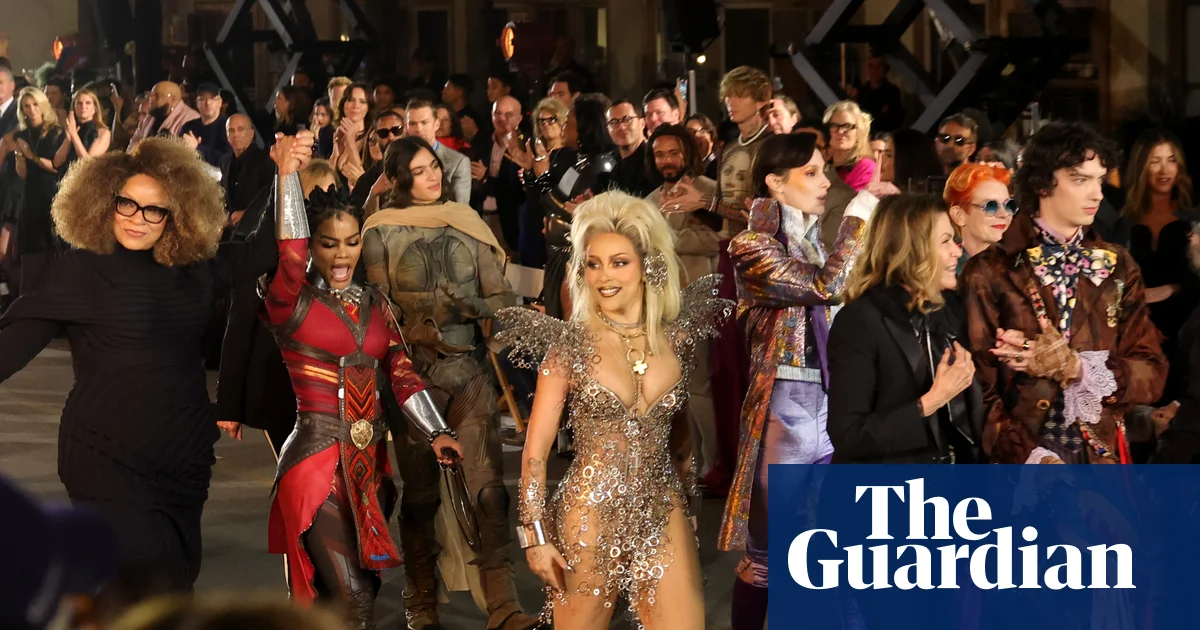
The Vogue World 2025 event, now in its fourth edition, reaffirms the fashion industry’s evolving role as both a cultural catalyst and a social advocate. Held once again at the iconic Paramount Studios, this star-studded gathering under the direction of Anna Wintour was far more than a showcase of trends. It was a statement of purpose, raising an impressive $4.5 million to support costume designers impacted by the recent LA wildfires. This philanthropic angle underscores an increasingly common trend: fashion’s active engagement with social issues, turning style into a vehicle for meaningful change.
In recent years, the boundaries between fashion, activism, and social impact have blurred significantly. Influencers and celebrities recognized this shift early, using their platforms to spotlight pressing issues, and the industry’s elite now pivot from merely setting trends to shaping societal dialogue. Vogue World, in particular, epitomizes this transformation. Its focus extends beyond garments—it’s about fostering community, defending cultural craftsmanship, and advocating for resilience in the face of adversity. The event’s capacity to raise such a substantial charity sum demonstrates how fashion can serve as both a mirror and a motor of societal progress.
Now more than ever, this event and its social messaging resonate with a generation that views style not just as self-expression but as a statement of values. Youth influencers like Emma Chamberlain and Noen Eigee have championed sustainable fashion and social justice, further propelling the notion that embracing activism fuels authenticity. Sociologists note that this shift reflects a broader cultural demand for accountability and purpose from institutions. The fashion industry’s embrace of philanthropy and social responsibility is not just a trend but a reflection of a new era—one where style equates to standing for something meaningful.
Looking ahead, the question remains: how sustainable is this wave of socially conscious fashion love? Will brands and designers maintain their commitment as the spotlight shifts or as economic pressures mount? As the next generation of consumers becomes more intentional about their engagement with brands, the industry’s ability to integrate authentic activism and cultural advocacy will be the true test. The future of fashion might not just be about what looks good but about what *does* good—and whether this trend will elevate fashion from a lucrative industry to a true agent of societal transformation.

The recent controversy surrounding an Ontario government-produced ad utilizing audio of former President Ronald Reagan has ignited a fierce political debate. Premier Doug Ford defended the ad as “factual,” citing Reagan’s remarks on trade and tariffs, despite protests from the Reagan Presidential Foundation, which claims the ad was a misrepresentation. Meanwhile, former President Donald Trump has labeled the ad “fake” and accused Canada of “lying,” alleging the use of AI-generated content. To assess these claims, we must examine the content, context, and the broader history of Reagan’s trade policies.
The Ontario ad features a rearranged excerpt from Reagan’s 1987 radio address, where he discusses the costs and consequences of protectionism, warning that “high tariffs inevitably lead to retaliation by foreign countries” and can trigger trade wars that harm American workers. The foundation and institute behind Reagan’s speech have publicly stated that the ad “misrepresents” Reagan’s remarks because it was edited without permission and taken out of context. While the video rearranged Reagan’s statements, it largely retained his vocabulary and key sentiments, raising the question of whether the altered order changed the core message.
Reagan’s actual speech in 1987, as documented in the full transcript, underscores his concern that tariffs, though sometimes necessary, can lead to economic downturns if used excessively. Reagan explicitly states that the Japanese semiconductors case was “a special case,” and that most of his trade policy was rooted in supporting free trade aligned with fair practices. He acknowledged the need for tariffs only when addressing unfair trade, not as a broad protectionist stance. Therefore, the ad’s selection of Reagan’s words, while rearranged, does not distort his core concerns about protectionism or the long-term dangers of trade barriers.
Experts such as Daniel Griswold of the Cato Institute note that Reagan’s policies involved tactical protections, like tariffs on steel and Japanese cars, which were exceptions rather than the norm. Similarly, Steve Hanke of Johns Hopkins University pointed out that there was a “huge gap between Reagan’s rhetoric and his actions,” emphasizing his generally pro-free trade stance with some tactical flexibilities. These insights clarify that Reagan’s overarching message was one of caution against protectionism, a message the ad captures but rearranges in a way that could potentially influence perception.
Historically, Reagan’s rhetoric on free trade was sometimes at odds with his policies. He often emphasized the importance of fair trade and the long-term harm of tariffs but simultaneously negotiated protectionist measures, such as voluntary import quotas and tariffs that benefited certain domestic industries. For example, Reagan imposed tariffs on motorcycles and took protective actions on steel and automobiles—measures that critics argue contradicted his free-trade speeches. Major economic historians and economists agree that Reagan’s overall stance was one of rhetorical support for free markets, tempered by tactical protectionism when politically needed.
Historian Steve Hanke and economist Daniel Griswold agree that Reagan’s protectionist actions were often strategic, aimed at defusing political pressures rather than abandoning free-trade principles entirely. Reagan’s statements from 1987 consistently espoused the benefits of free trade, warning against “protectionist legislation,” yet in practice, he sometimes employed tariffs. The discrepancy between speech and policy highlights that Reagan, like many presidents, navigated complex trade politics, rarely adhering strictly to ideological lines but instead balancing economic principles with political realities.
Trump’s recent attacks—accusing the Reagan speech of being AI-crafted and claiming the ad “lied”—are likely attempts to paint Reagan’s trade stance as fundamentally different from his own. Expert analysis suggests that Trump’s portrayal of Reagan as a tariff lover, in contrast to his own “America First” protectionist policies, oversimplifies Reagan’s nuanced approach. Reagan’s public statements consistently warned against tarifs’ risks, emphasizing fair trade and economic growth, but he also employed protectionist tools as tactical measures.
Moreover, claims that the ad “interferes with the U.S. Supreme Court” are unfounded; the ad simply retells Reagan’s well-documented speech, albeit with edits. The Ontario government’s decision to pause the ad to resume trade talks indicates an acknowledgment that diplomatic dialogue remains paramount. Ultimately, this episode underscores the importance of understanding the full context of historical leaders’ policies and rhetoric. Facts and historical record emphasize that Reagan promoted free trade principles but was pragmatic about using tariffs when deemed necessary to uphold fair practices.
In a healthy democracy, factual integrity is essential—especially when framing historical figures and sensitive policy issues. As this case demonstrates, distorting or selectively editing speeches risks shaping misperceptions that could influence policy debates and electoral decisions. Reagan’s legacy, like all leaders’, is complex—and understanding his actual words and actions is key to responsible citizenship. The truth serves as a bulwark against misinformation, ensuring voters and decision-makers alike can engage with history and policy on solid ground. Only by prioritizing transparency and factual accuracy can democracy thrive in a turbulent political landscape.


