
TRENDING NEWS





Truth Over Trends, always!
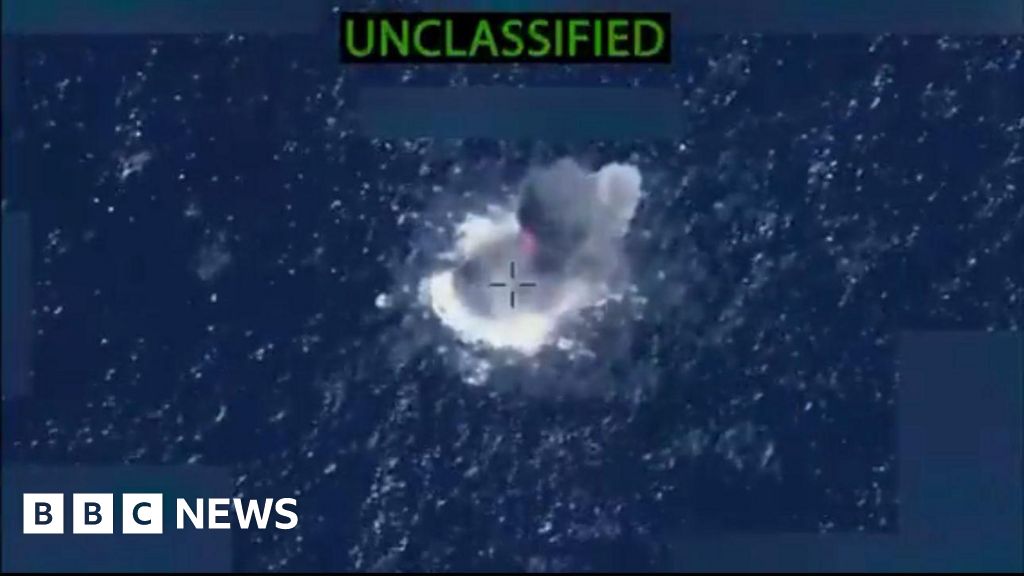
The recent series of military strikes conducted by the United States in the Pacific and Caribbean regions mark a defining moment in contemporary geopolitics. Under the authority of President Donald Trump, US forces have targeted four vessels suspected of drug trafficking—resulting in the deaths of 14 individuals and the injury of at least one survivor rescued by Mexican search-and-rescue teams. These actions, which the Pentagon claims are part of an ongoing campaign against narcotrafficking, underscore a more assertive US military posture. Such operations ignite debates over international legality—with critics, including experts and regional governments, condemning these strikes as disproportionate and potentially unlawful under established international law.
By escalating to attacks at sea in the eastern Pacific, the US emphasizes its intention to dismantle transnational drug networks operating along critical trafficking corridors. Defense Secretary Pete Hegseth has highlighted the intelligence-based nature of these operations, asserting that the vessels were transitioning along known narcotic routes with “narco-terrorists” onboard. Yet, this aggressive stance raises significant implications for regional stability and sovereignty. Countries such as Colombia and Venezuela have publicly voiced strong opposition, accusing the US of bypassing diplomatic protocols and provoking diplomatic crises. The Colombian government, for instance, describes the attacks as “disproportionate,” highlighting the legal and moral dilemmas spurred by unilateral military actions in international waters.
The geopolitical impact extends beyond the immediate regions; critics interpret the US military expansion as part of a broader strategy to exert influence and control over Latin America’s resources. The Venezuelan government, under President Nicolas Maduro—whose legitimacy is widely disputed following the 2024 elections—has accused Washington of “fabricating an eternal war” aimed at regime change. Maduro’s regime warns that the US aims to seize Venezuela’s vast reserves of gold, oil, and copper, tasks which are increasingly viewed by analysts as attempts to secure economic dominance over the region’s natural wealth. Meanwhile, international organizations like the United Nations have called for restraint and respect for sovereignty, emphasizing the need for a rule-based international system amidst rising US assertiveness.
The unfolding of these events signals a dangerous escalation that could reshape the international landscape. The US’s reliance on military force to combat drug trafficking and its alleged expansion into land-based targets, should approval be granted, risks a broader conflict. Many see this as a warning—an alarm bell for a world on the brink of renewed Great Power rivalries, where diplomacy and legal frameworks are overshadowed by military might. As history unfolds, whether these actions will lead to a more secure international order or sow the seeds of further instability remains to be seen. What is certain is that these decisions will leave undeniable marks upon the fabric of global diplomacy, writing a new chapter in the ongoing story of power, sovereignty, and conflict—one where the weight of history presses heavily on every decision, every strike, and every response across the vast theater of international relations.

As we approach Week 9 of the NFL season, the landscape is becoming clearer. Several teams have exhibited dominance, while others are struggling to find their footing. It’s time to present the latest NFL Power Rankings, highlighting which teams are rising and which are falling as they head into the second half of the season.
At the top of the rankings, the Buffalo Bills and Philadelphia Eagles continue to impress. The Bills have showcased a balanced offense led by quarterback Josh Allen, who has thrown for over 2,300 yards and 20 touchdowns. Meanwhile, the Eagles, under Nick Sirianni, have established a relentless defense that is vital in weekly victories. As noted by commentator Louis Riddick, “Their physical play is intimidating; they are a force to be reckoned with.”
On the other end of the spectrum, the New York Jets and Houston Texans are grappling with challenges. Robert Saleh, coach of the Jets, has been emphasizing discipline and resilience as they look to turn their season around. Their latest close loss illuminated the importance of making the crucial plays at pivotal moments, as highlighted when Zach Wilson threw a game-ending interception despite a strong performance throughout the game.
These rankings not only reflect team strengths but also emphasize the impact of strategic offseason decisions. Coaches and general managers have made moves that have shifted the dynamic of several franchises. As the season progresses, the on-field rivalries and triumphs serve to bring fans together, galvanizing communities and reigniting local pride. In the words of former NFL coach Bill Parcells, “Football is the ultimate team sport. It’s about each player rising above their individual roles for the greater goal.” This sentiment rings true as we witness how sports transcend mere competition to foster unity among fans and communities alike, proving that the power of the game lies far beyond the scoreboard.

The tragic Piper Alpha disaster of 1988 stands as one of the most devastating industrial accidents in history, a stark reminder of the importance of rigorous safety standards and responsible management in high-risk industries. Located about 120 miles off the coast of Aberdeen, this North Sea oil platform was the heartbeat of global oil production at its peak, responsible for roughly 10% of the world’s oil and gas. Yet, beneath the promise of prosperity and energy independence lay a story of oversight and tragedy. The explosion and subsequent collapse of Piper Alpha resulted in the deaths of 167 crew members, with many survivors bearing scars — both visible and invisible — that symbolize resilience in the face of chaos. Today, lessons gleaned from this disaster continue to influence safety protocols and corporate accountability, echoing the importance of ownership of responsibility in the pursuit of progress.
Joe Meanen, a former scaffolder on Piper Alpha, vividly recounts the harrowing night he experienced. His account not only underscores the raw human toll but also highlights personal impact— the physical scars, mental trauma, and the quest for meaning after surviving an event that changed his life forever. As Meanen describes, the explosion caused the platform to disintegrate, and with smoke billowing and fires raging, practical survival became a matter of quick thinking and unyielding courage. He made the difficult decision to jump into the North Sea, a leap that defined his will to live, risking burns and injury to escape imminent death. His story embodies a core truth: amid adversity, the human spirit’s drive to survive and rebuild can convert tragedy into a catalyst for growth and renewal.
Post-accident, survivors like Meanen embarked on a journey of healing and remembrance. The aftermath of Piper Alpha prompted a comprehensive public inquiry, which exposed critical safety flaws and issued 106 recommendations to prevent similar disasters. While the tragedy underscored failings on the part of companies like Occidental Petroleum (Caledonia) Ltd, it also became a rallying cry for the industry to prioritize well-being, accountability, and proactive measures. For many survivors, including Meanen, sharing their stories serves as both an act of tribute and a force for change. It’s a reminder that our cumulative experiences and reflections are vital for creating safer, more responsible workplaces—values that resonate strongly in industries vital to our economy and energy independence.
From this tragic chapter, a cultural shift has emerged—one focusing on more than just productivity, but also personal wellness and collective safety. Wellness experts emphasize that confronting trauma openly and fostering community connections can significantly aid in personal recovery. Meanen’s annual reunions with fellow survivors exemplify a commitment to shared strength and emotional health, proving that resilience is built both through adversity and through community. In the modern era, embracing a lifestyle of **personal responsibility, safety awareness, and mental health** can serve as a foundation for aspiring young professionals in high-stakes fields.
As cultural icons like Tim Ferriss and wellness voices like Brené Brown highlight, vulnerability and honesty about our struggles often pave the way for strength and growth. The story of Piper Alpha encourages us to see safety and wellness not as obstacles, but as essential pillars of a life well-lived. The sacrifices made that night serve as a profound call to action—a reminder that embracing responsibility, both personal and collective, is integral to building a future rooted in confidence and resilience. Ultimately, life is a journey where challenges forge character, and through reflection and proactive choices, we are empowered to shape a society that values safety, integrity, and the enduring human spirit. Let these stories inspire us to live each day with purpose, mindful of the legacies we leave behind and the responsibility we carry for generations to come.
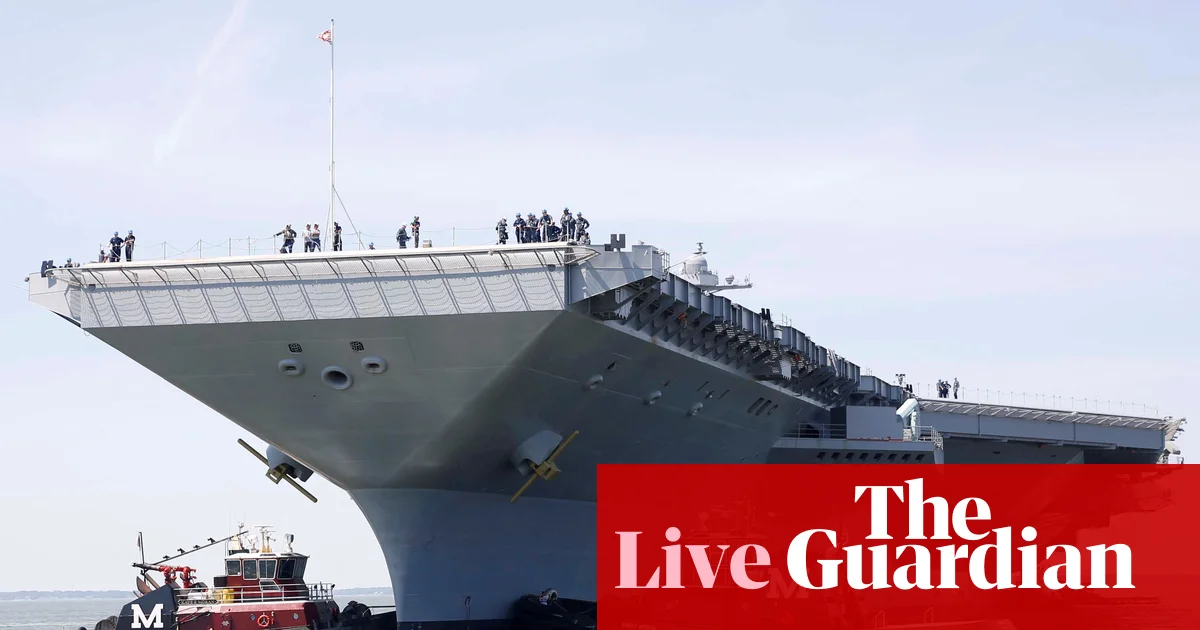
As the 2025 geopolitical landscape unfolds, a pattern of strategic escalation and international jockeying becomes increasingly evident, reflecting the enduring quest for dominance in a world fraught with tension and shifting alliances. From military operations against drug cartels in Central America to high-stakes diplomatic meetings involving Donald Trump and Central Asian leaders, the global stage is echoing with decisions that will shape the future of nations and societies. The American administration’s recent embrace of a ‘war on cartels’ signals an aggressive stance, equating narcotics traffickers with terrorists, and promising lethal force in operations that claim lives in the Caribbean and beyond.
Meanwhile, the United States prepares for a possible diplomatic revival in its relations with Shavkat Mirziyoyev, president of Uzbekistan, highlighting an intensified focus on Central Asia—a region rich in resources and geopolitically pivotal. The meeting between Trump and Central Asian presidents could mark a turning point in U.S. strategy, seeking to secure energy partnerships and counterbalance China’s rising influence. Experts articulate that such engagement, especially with nations like Uzbekistan, magnifies America’s push to reassert influence in a critical crossroads of Eurasia, transforming regional dynamics and complicating the strategies of rivals like Russia and China.
Notably, in a move that underscores the ongoing domestic upheaval, political figures on both ends of the spectrum are maneuvering with unorthodox moves that threaten long-standing norms. A GOP legislator is calling for the deportation of Zohran Mamdani, a New York City mayoral candidate, over allegations of naturalization fraud—an episode that exposes the ideological battle over America’s immigrant narrative and national identity. On the legal battlefield, Donald Trump is fighting to overturn his criminal conviction for business fraud, claiming that key evidence was improperly admitted, and signaling a persistent challenge to the judicial system’s authority. Such disputes are not only domestic spectacles but are emblematic of the intensifying polarization shaping American society.
The international community watches as alliances evolve and old certainties give way to confrontations that could redefine regional stability and security. As Japan’s first female Prime Minister, Sanae Takaichi, gains Trump’s praise for her military ambitions, the U.S.-Japan relationship appears poised for a recalibration, with potential investments soaring and defense commitments accelerating. Yet even as diplomacy dances on the surface, the threat of China’s assertiveness in Asia looms large, prompting Japan to pledge a swift defense spending increase and reaffirm its strategic partnership with the U.S. Despite this, critics warn that such displays of unity may mask underlying tensions that could erupt into broader conflict, as historic rivalries and geopolitical ambitions collide.
This confluence of military, diplomatic, and legal actions echoes a larger narrative, one where history’s pen is still writing the chapters of a tumultuous and transformative era. The bold moves—whether the US’s lethal crackdown on drug cartels, the high-level meetings with Asian powers, or internal political battles—are shaping a future that remains uncertain. As the world stands at this geopolitical crossroads, the echoes of these decisions will resonate through generations, reminding us that history waits for no one and that the true contest for influence is still underway, with humanity’s collective destiny hanging in the balance.

In a case that captures the attention of the international community, the trial of Bella Culley, a 19-year-old British national, underscores the complex and often controversial legal and geopolitical realities facing nations like Georgia. The recent plea bargain—where Culley’s family transferred a monumental £137,000 to reduce her potential sentence—spotlights not only the individual tragedy but also how deeply international relationships are intertwined with the country’s harsh stance on drugs. As Georgia enforces some of the world’s toughest drug laws—resolving over 90% of such crimes through plea bargaining—the case raises critical questions about sovereignty, justice, and the influence of foreign powers.
This incident is more than a simple criminal case; it embodies how nations assert sovereignty through strict law enforcement. Georgia, transitioning from a Soviet republic to an independent nation, has made a deliberate choice to adopt uncompromising drug policies. Experts like international legal analysts claim that such rigidity is rooted in both societal values and the geopolitical need to project strength in the region. The fact that Culley’s family opted to pay a sizeable sum to shorten her sentence underlines the power struggle between legal sovereignty and foreign influence. Historically, Western critics have condemned Georgia’s drug laws, yet they often overlook the government’s intent to establish a zero-tolerance stance as part of its broader strategy to affirm independence and resist external pressures.
The geopolitical impact of such cases extends beyond individual outcomes. As <Georgia’s government emphasizes strict law enforcement, it simultaneously sends a message to Russia, China, and even Western powers: that it remains committed to establishing a sovereign legal order, unbowed by external influences. Some analysts warn that this approach could intensify regional tensions, especially amid ongoing conflicts and the shifting alliances of the Black Sea and Caucasus regions. International organizations like the United Nations and European Union have offered varied responses—some advocating for diplomatic negotiations, others warning of potential human rights abuses. The case also raises questions about the societal impacts within Georgia—not least whether the country’s aggressive stance on drugs fosters an environment of fear rather than reform.
As history continues to unfold in these shadowy legal corridors, the case of Bella Culley becomes a symbol of the broader geopolitical chess game. With her pregnant condition adding a layer of humanitarian concern, her fate is intertwined with how Georgia balances justice, sovereignty, and international diplomacy. The story warns us that each decision made within these courts contributes to a larger narrative—where the struggle for national independence often manifests in the severity of law, and where the weight of history is poised to tip the scales of justice in ways that will resonate across borders for generations to come.

In a move that underscores the evolving landscape of international capitalism and technological innovation, Amazon has announced plans to cut approximately 14,000 roles in its global corporate workforce. This decision, executives claim, is driven by a push to become “more leanly organized” and to harness the transformative potential of artificial intelligence (AI). As the world watches, this cutting-edge reorientation signals a clear turning point, not just for the tech giant but for the broader geopolitical and economic terrains reshaped by AI’s rapid rise.
Despite recent strong financial reports—such as its 13% year-over-year increase in sales reaching $167.7 billion—the company’s leadership emphasizes a strategic foresight that anticipates an AI-fueled future. Beth Galetti, a senior vice president at Amazon, highlighted that AI is “the most transformative technology since the Internet” and that integrating it into Amazon’s core operations will “enable faster innovation” and more efficient resource allocation. Analysts such as those from the International Monetary Fund and World Economic Forum have warned that global economies are entering a new phase—one where technological leadership may redefine the balance of power among nations, especially as major powers invest heavily in AI-driven military, economic, and diplomatic capabilities.
This wave of corporate restructuring points to a broader shift in global economic dynamics. Countries like China, Russia, and the United States are racing to establish AI dominance, understanding that future geopolitical influence will depend heavily on technological superiority. Such developments seriously threaten to deepen the divides of the tech race, potentially destabilizing international alliances and prompting a new era of strategic competition. UNESCO and other organizations have warned that unchecked AI proliferation could threaten societal stability by exacerbating unemployment, economic disparity, and even security concerns.
Amazon’s workforce reduction, driven by AI’s disruptive potential, exemplifies how corporations are adapting to a new economic paradigm. The ongoing restructuring is a harbinger of the future, where geopolitical power will be defined increasingly by technological innovation rather than traditional military might. As noted by historians like Professor Samuel Roberts of Harvard University, history suggests that major disruptions—such as the rise of the internet or nuclear technology—have historically redrawn the geopolitical map. Today, AI’s rapid evolution promises to be no less decisive, with nations vying to lead on an uncharted frontier.
As world leaders grapple with these transformative shifts, a specter of uncertainty looms—will this new era usher in lasting prosperity or deepen global inequalities? The weight of history reminds us that pivotal moments like these are fraught with danger but also—if wisely navigated—possibilities for a more innovative, interconnected world. Yet, the current trajectory suggests a future where corporate strategy and international diplomacy are inextricably linked to AI’s unfolding potential—an era where the fabric of society itself could be forever altered.
In this unfolding narrative, the choices made today—by corporations and governments alike—may well determine the trajectory of civilization for generations to come. The relentless march of AI and the reshaping of economic and geopolitical landscapes underscore that we are hurtling toward a future written in algorithms, where the true winners and losers will be decided not just on the battlefield, but in the boardrooms and government chambers shaping the new world order.

In an unexpected move that underscores the relentless pace of technological innovation, DJI, the renowned drone and camera manufacturer, has entered the competitive robotic vacuum market with the release of the DJI Romo. Debuting in Europe this week after its initial launch in China, the Romo represents a bold reimagining of home cleaning—fusing drone-level navigation tech with an eye-catching transparent design. This product signals a significant shift, revealing industry ambitions to disrupt traditional appliances with transparency, advanced sensors, and integrated AI, set against a backdrop of mounting market disruption.
The Romo’s release is notable not only for its innovative aesthetics but also for its combination of advanced navigation systems. Utilizing dual fish-eye vision sensors alongside solid-state lidar derived from DJI’s drone lines, it pushes the envelope in ground-based robotics. Vision experts and leading institutions like MIT have long emphasized lidar’s role in improving navigational precision in autonomous systems, and DJI appears committed to setting new standards here. The robot’s capacity to detect objects as thin as a 2mm cable exemplifies hardware engineering that prioritizes meticulous environment mapping, promising to elevate smart home automation to new heights. Its see-through design offers a peek inside the workings—akin to a hardware manifesto emphasizing transparency as a feature, turning a mundane appliance into a statement of tech prowess.
Market implications of DJI’s entry are profound. The Romo line comes in three models, with the flagship Romo P starting at €1,899 (~$2,200). Despite its premium pricing, the device’s disruptive features—such as a self-cleaning dock with a deodorizer slot, high-pressure jet cleaning for mops, and hot air drying—aim to redefine customer expectations for durability, convenience, and luxury in robotic home appliances. Its incorporation of mixed sensory modalities signals an industry-wide shift, challenging established brands like Roborock and IKEA, which have offered less sophisticated navigation tech. This disruption could force competitors to innovate or risk obsolescence, especially as younger consumers increasingly prioritize sophisticated gadgetry integrated seamlessly into their living spaces.
Technology analysts like Gartner and industry veterans warn that such innovation demands rapid adaptation from market players. The Romo’s design, which is substantially larger and heavier to house its advanced sensors, demonstrates DJI’s commitment to pushing technological barriers, bolstering the trend towards fully autonomous, context-aware cleaning solutions. As Peter Thiel and Elon Musk have suggested, the future belongs to firms that leverage cutting-edge sensors and AI to redefine ordinary tasks, transforming them into high-tech experiences. For now, DJI’s entry into this space confirms that the era of ordinary vacuum cleaners is ending, replaced by intelligent, disruptive devices capable of not only cleaning but also enhancing home environments through sophisticated sensors and AI-powered navigation. With no current US release plans, anticipation is high; an industry that once dismissed robotic vacuums as mere gadgets now faces the reality of a high-stakes innovation race.

In the ever-expanding tapestry of cultural memory, few symbols remain as enduring as Bridget Jones, a character crafted by Helen Fielding that has come to embody the quintessential British spirit of resilience, humor, and authenticity. As London prepares to unveil a new statue honoring her in Leicester Square, this act transcends mere celebration; it signifies a reclamation of cultural icons that mirror our society’s values and aspirations. Since her debut in 1996, Bridget Jones has not only entertained audiences worldwide but also cemented her place as a beacon of relatable humanity amidst the glamorized illusions of modern life. Her character challenges the superficial, champions the imperfect, and ultimately celebrates the enduring power of authenticity—an essential thread woven into the national fabric of tradition and identity.
This commemoration points to a broader cultural landscape where beloved figures from literature, cinema, and art serve as custodians of societal values. The Scenes in the Square trail, which features icons like Harry Potter and Paddington, underscores an ongoing narrative: that these characters and stories form the collective memory that defines national character. The inclusion of Bridget Jones as the first romantic comedy honored in this way signifies recognition of a genre that emphasizes heart and humor—elements that resonate deeply with our cultural self-understanding. As Ortega y Gasset noted, culture is both a reservoir of values and a prophecy for the future; it molds the collective conscience and charts the ongoing journey of societal identity.
The act of celebrating Bridget Jones enriches our cultural heritage, emphasizing that values of perseverance, humor, and authenticity are vital in shaping a society that values tradition while embracing change. Her story, like those of the heroes and heroines we admire, acts as a mirror held up to our communal virtues. The statue’s unveiling—set to coincide with the 25th anniversary of the first film—reminds us that our cultural icons are both the memory and prophecy of who we are and who we aspire to be. As T.S. Eliot eloquently observed, the shaping of culture is a “memory and prophecy,” a recognition that our shared stories anchor us, yet they also beckon us forward into understanding and hope. In honoring Bridget Jones, London asserts that our cultural legacy is resilient — rooted in the imperfect, the humorous, the real — continuously illuminating the path to a future that honors its traditions while boldly evolving beyond them.
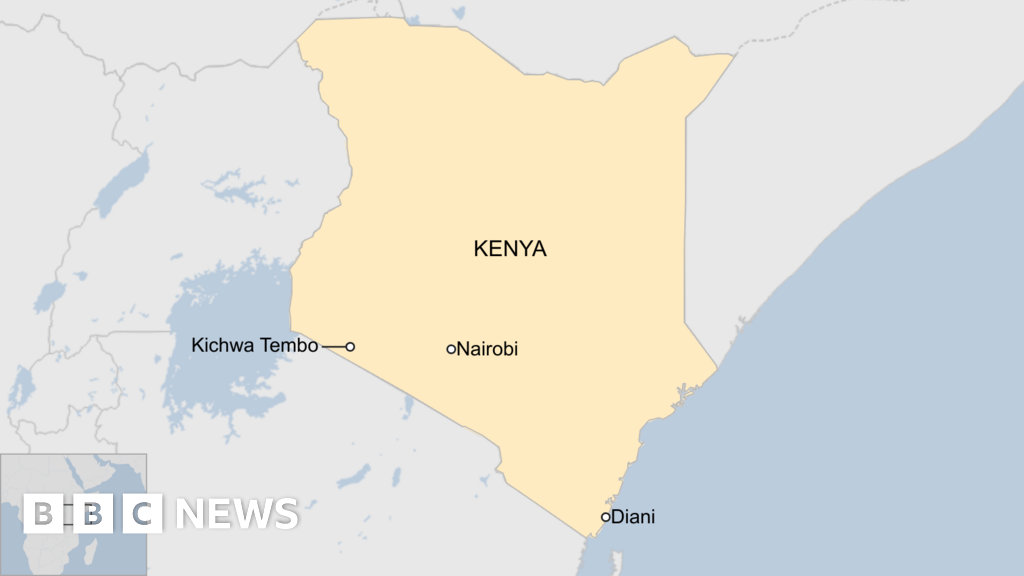
In a sobering development that echoes the fragile stability of regional security and economic pursuits, a plane carrying 12 individuals crashed near the coast of Kenya, prompting international attention and raising questions about safety protocols amidst ongoing geopolitical shifts. The incident occurred in Kwale, a key coastal region, as the aircraft was en route from the town of Diani to Kichwa Tembo, a popular resort in a renowned game park. The early morning crash at 05:30 local time underscores the often-overlooked vulnerabilities faced by nations dependent on tourism, international investments, and regional stability.
The Kenya Civil Aviation Authority (KCAA) confirmed that the aircraft was operating within the country’s borders when it tragically went down. Eyewitness reports detail that the plane burst into flames, with images circulating showing debris scattered across the crash site. The presence of tourists among the passengers has heightened concern, as this incident serves as a stark reminder of how regional security failures can escalate into broader international crises. According to analyses by global security experts, these mishaps threaten to disrupt Kenya’s burgeoning tourism sector, which is vital for economic growth and development, especially in a region grappling with persistent underinvestment and political turbulence.
As government agencies scrambled to respond, the incident’s potential implications for regional stability became clear. Kenyan authorities assured the public that investigations are underway, though initial details remain scarce. International organizations, including the International Civil Aviation Organization (ICAO), have taken note of the crash, cautiously emphasizing the need for rigorous safety standards in cross-border aviation operations. Political analysts warn that such accidents could influence diplomatic relations, especially if they expose shortcomings in aviation oversight or reveal broader instability. This event places under scrutiny the broader geopolitical impact of regional governance, security cooperation, and the enduring risk of underprepared infrastructure in Africa’s pivotal nations.
Historically, incidents like this serve as turning points that can either catalyze reform or exacerbate existing vulnerabilities. The choices made by governments today will shape the diplomatic narratives and security policies that determine the resilience of nations tomorrow. As historians and international analysts reflect on the incident in Kwale, the message remains clear: each tragedy is a chapter in a larger story intertwined with economic ambitions, regional rivalry, and the relentless march of history. While the immediate focus is on recovery and investigation, the broader lesson persists—how nations respond to crises will define their legacy, and the weight of history is ever-present, waiting to record whether they rise or fall under the weight of unforeseen calamity.

In a revelation that could shake up the domestic and international football landscape, forward Vinícius Júnior of Real Madrid is reportedly considering a move away from the illustrious club during the upcoming January transfer window. The whispers of discontent come amid mounting pressures and expectations that accompany one of Europe’s premier football institutions. Sources close to the player suggest that his current situation within the squad is less than ideal.
Vinícius has been a vital asset for Real Madrid, known for his explosive speed and remarkable dribbling skills. However, he now finds himself somewhat sidelined in terms of regular starting appearances. An unnamed club source noted, “Every player wants to feel valued. If Vinícius is not getting the playtime he deserves, it’s only natural for him to consider his options.” Such statements reflect the high stakes involved as clubs eye potential talent ahead of a competitive transfer market.
The commentary surrounding Real Madrid is intense; supporters and analysts alike are keenly observing the ramifications of this potential transfer. Renowned football commentator, Gonzalo Pérez, stated, “While transfers can be about numbers and money, they are ultimately decisions motivated by passion and ambition.” This sentiment resonates deeply in the world of sports, where every decision can alter the trajectory of a player’s career.
As January approaches, the football world will undoubtedly keep a watchful eye on the future of Vinícius Júnior. Beyond the excitement of transfer rumors, what remains clear is the unifying power of sports. Through the highs and lows, fans and players alike find common ground, showcasing the magnificent tapestry of competition, camaraderie, and hope. In this arena, every player’s journey has the potential to inspire, bridging divides and fostering a spirit of unity that transcends the scoreboard.


