



Matox News

Truth Over Trends, always!

Top Milk Frothers in the U.S. for the Perfect Latte, Hot Chocolate, and More — Elevate Your Brew Game

In a world where the coffee shop has become a sanctuary for millions, the quest for that perfect brew is more than a morning ritual—it’s a lifestyle shift toward personal wellness and a pursuit of excellence in daily routine. From the sleek double boiler espresso machines at your local café to the latest in home coffee gadgets, the landscape of brewing is transforming rapidly. Among these, milk frothers have gained stellar reputation, typifying a broader movement towards accessible luxury and self-care. While traditional barista equipment boasts fine control and professional-grade results, the rise of user-friendly, high-performance devices like the Nespresso Aeroccino 4 and the Breville Milk Café exemplifies how technology now empowers consumers to elevate their lifestyle at home—turning everyday moments into small acts of indulgence.

At the core of these innovations lies a desire for personal impact: health, leisure, and inspiration. The ability to craft café-quality coffee and froth at home speaks to a broader cultural shift—where mindfulness in self-care and quality of leisure become foundational. Wellness experts and lifestyle authors like Tim Ferriss and wellness coach Dr. Mark Hyman emphasize that control over our routines—be it in nutrition, exercise, or morning rituals—translates into greater mental clarity and vitality. These devices, although simple, fit seamlessly into this ethos, promising consistent results with ease and minimal fuss. Whether it’s crafting silky oat milk froth or a hot chocolate for the family, the focus has shifted towards purpose-driven productivity and well-being, encouraging a mindful embrace of leisure as a lifestyle.

The array of milk frothers available today—from the straightforward, budget-friendly Aerolatte to the high-tech, adjustable Subminimal NanoFoamer V2—illustrates a democratization of culinary craftsmanship. For young consumers seeking to blend productivity with quality, the key lies in understanding the different types of devices and their impact on their health and leisure routines:

  • Carafe-style electric frothers for those who value consistency and ease of use.
  • Frother wands for the tinkerers and baristas-in-training, offering tactile feedback and control.
  • Manual frothers that challenge with a hands-on approach—turning frothing into a ritual of patience and discipline.

Health-conscious youth are increasingly aware of materials used in kitchen gadgets, prompting questions about non-stick coatings and PFAS exposure. The rise of premium all-metal devices and uncoated alternatives signals a growing concern for environmental impact and personal safety. Indeed, selecting the right device fosters a deeper connection with one’s health and sustainability, reinforcing the idea that lifestyle choices are active, impactful decisions. As Dr. Michael Greger champions, mindful consumption—down to the tools we use—can lead to better health outcomes and a sense of ownership over our daily rituals.

Ultimately, the journey of integrating technology with wellness and leisure transforms daily routines into an ode to personal growth. Making a perfect latte or frothing plant-based milks becomes more than a task—it’s an act of self-investment and expression. Just as author and wellness pioneer Deepak Chopra suggests that “every act of self-care is a step toward a more harmonious life,” embracing these everyday tools reflects an attunement to ourselves and our environment. In this ongoing lifestyle voyage, each ritual, be it brewing a coffee or practicing mindfulness, becomes a testament to embracing the *best version* of ourselves—an inspiring reminder that life’s richness often lies in the simple, deliberate acts of everyday living.

Why ‘Wuthering Heights’ Misses the Mark in Today’s Cultural Landscape

In the contemporary cultural landscape, the interpretation of classic literature through modern cinematic lenses reveals much about our society’s evolving identity. Recently, discussions have emerged around Emerald Fennell’s provocative film adaptation of “Wuthering Heights”, with commentary from Wesley Morris, host of “Cannonball,” and Sasha Weiss, culture editor of The New York Times Magazine. These conversations underscore the enduring power of literature as a mirror of our deepest passions, struggles, and moral dilemmas. Such adaptations are not mere entertainment but cultural acts that question and reinforce the values rooted in tradition, even as they challenge our perceptions of morality, desire, and social order.

Fennell’s reimagining of the classic novel—a story steeped in passion, darkness, and revenge—serves as a modern tableau for exploring the tension between individual longing and societal constraints. As Ortega y Gasset posited, culture is an ongoing dialogue between the individual existence and the collective memory. When filmmakers interpret this dialogue, they participate in a process that reinvigorates tradition, breathing new life into timeless themes. Here, the visual storytelling functions as a contemporary mythic canvas, echoing the moral complexities of the original, yet resonating with the visceral realities of today’s society. The film’s steamy scenes and dark undertones evoke—a cultural reminder—that beneath the veneer of civility lies often-unresolved human passions, echoing the romantic transcendence and the tragic fate of its original characters.

This adaptation also exemplifies the importance of culture as a foundation of identity and societal order. As Tocqueville observed, democracy’s strength rests on shared symbols and narratives that bind a community’s sense of purpose. In the age of cultural fragmentation, revisiting such passionate stories as “Wuthering Heights” reminds us that the core of our identity is rooted in understanding our moral and emotional heritage. Furthermore, the depiction of turmoil and desire in Fennell’s vision prompts us to confront questions about authenticity and the human condition, challenging superficial notions of happiness and success. In this sense, art becomes a moral compass, guiding society’s reflection on its own nature, much like Chesterton’s assertion that the end of art is moral clarity.

Ultimately, these cultural expressions serve as both memories and prophecies—carrying the lessons of the past while envisioning the future. As T.S. Eliot famously suggested, our cultural canon is a waste land that bears the seeds of renewal; it is through understanding how we have loved, suffered, and fought that we glimpse the path forward. The adaptation of “Wuthering Heights” becomes an emblem of that ongoing dialogue, a testament to the vital role of culture in shaping our collective destiny. In this light, the arts are not mere reflections but the very soul of human hope and memory—a prophecy whispered by the past, echoing into the future, pointing us toward a future where tradition and innovation walk hand in hand, endlessly unfolding the story of human existence.

Please provide the feed content you’d like me to analyze for the headline.

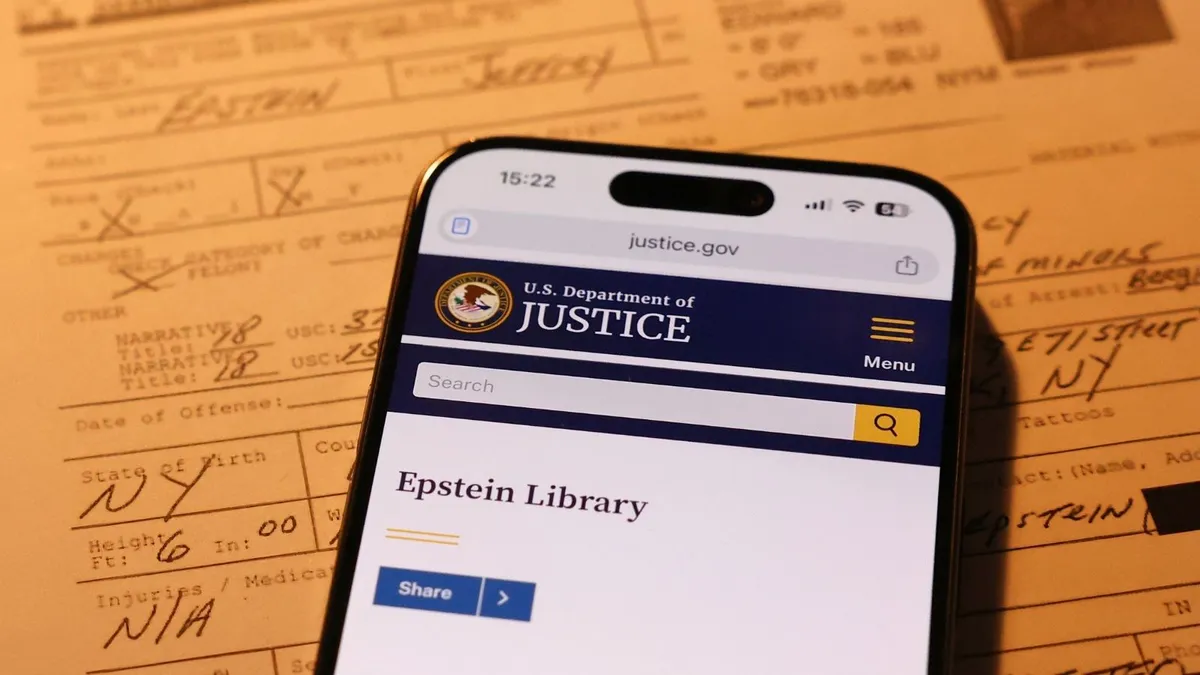
Unpacking the Claims: Was There a Controversial Email Linked to Jeffrey Epstein?

Recent online circulation has raised concerns over an allegedly leaked email that purportedly references Jeffrey Epstein, a notorious financier and convicted sex offender. The email in question reportedly mentions “a party with a dozen beautiful East Side girls” and makes a disturbing allusion to toddlers. Such claims have fueled outrage among critics who argue that there might have been a known connection to illicit activities or exploitation. However, a thorough examination rooted in credible sources clarifies the facts and separates sensationalism from reality.

What Does the Email Say, and Is It Authentic?

The central claim circulating online is that an email written by or about Jeffrey Epstein mentions a gathering involving young women described as “East Side girls,” and also references toddlers. Critics interpret this language as evidence of potential abuse or illicit involvement. Yet, experts and investigative records suggest that the content and context of such emails are often misrepresented or taken out of context. The provenance of this specific email remains unverified in many cases, and agencies such as the Federal Bureau of Investigation (FBI) and the Southern District of New York have not publicly released verified documents referencing such language in relation to Epstein.

Assessing the Evidence and Source Credibility

  • While there are publicly available court documents and investigative reports linking Epstein to sex trafficking and exploitation, these do not include verified references to the specific email content in question.
  • Additionally, journalistic investigations like those by The New York Times or The Washington Post have documented Epstein’s associations, but they have not published proof of the particular email content under scrutiny.
  • Various social media posts and informal sources may attempt to connect Epstein to the phrases cited, but these lack corroboration from official or credible investigative sources.

Thus, the claim that an authentic or leaked email exists containing those specific phrases, especially concerning toddlers, is currently misleading without concrete evidence. When assessing such sensational claims, it’s paramount to rely on verified sources and official releases rather than unsubstantiated rumors.

Expert Opinions on the Broader Context

Legal professionals and investigative journalists emphasize the importance of scrutinizing sources and verifying documents before accepting such claims. For instance, Julie Brown, an investigative journalist who extensively covered Epstein, notes that conspiracy theories and misquotes proliferate rapidly online. She affirms that “until credible, court-verified evidence emerges, these claims should be viewed with skepticism.”

Moreover, organizations like the National Center for Missing & Exploited Children have underscored the complexities of such cases and the importance of responsible reporting. False or unverified allegations can harm ongoing investigations and undermine public trust.

The Importance of Truth in a Democratic Society

Ultimately, the dissemination of unverified claims poses risks to informed citizenship and the rule of law. False accusations and misleading misrepresentations threaten due process and can unjustly damage reputations. As citizens—particularly the youth who are increasingly active online—it’s vital to prioritize evidence-based information and rely on official sources and expert analysis. Only through rigorous fact-checking and responsible reporting can we uphold the integrity of our democracy and ensure that justice is served based on facts, not fiction.

In conclusion, while the allegations surrounding Jeffrey Epstein’s case are serious and warrant thorough investigation, current evidence does not support the existence of an authentic email containing the phrases in question. Vigilance, skepticism toward sensational claims, and reliance on verified facts remain essential in navigating complex and sensitive issues related to justice and morality.

Rising Stars Shine: Teen Athletes Break Records at National Championships

MLB Umpire Updates: New Faces and Historic Milestones

In a noteworthy shift within Major League Baseball, Tom Hanahan and Brian Walsh have been promoted to fill the vacancies left by two retiring umpires. This decision was announced on Friday, indicating a fresh wave of leadership set to guide the game through the upcoming season. With a commitment to maintaining the integrity and flow of the game, both umpires are expected to bring their expertise and a new perspective to the diamond.

Adding to the excitement, Jen Pawol continues to break barriers as she embarks on her third consecutive year working spring training games. As MLB’s first female umpire, her presence not only represents a significant achievement for women in sports but also speaks volumes about the evolving landscape of baseball. Pawol’s journey has garnered attention and respect from teammates and commentators alike, as she has demonstrated her competence and passion for officiating baseball at its highest level.

Key Highlights and Stats

  • Tom Hanahan: Formerly an umpire in the minor leagues, known for his consistent calls.
  • Brian Walsh: A veteran of the game with a reputation for his understanding of player dynamics.
  • Jen Pawol: Continues to inspire a new generation of female athletes and officials with her trailblazing role.

As the baseball world anticipates the upcoming season, the arrival of these new umpires signals a period of transition and growth. Notable voices in sports journalism have commented on how Hanahan and Walsh represent a continuity of quality while also paving the way for future diversity within the umpiring ranks. As former player turned commentator David Ortiz remarked, “The game evolves, and with it, the people who enforce its rules must adapt and inspire.”

In a culture where sports serve as a universal language, moments like these resonate beyond just statistics and scores. The stories of Hanahan, Walsh, and Pawol reflect the heartbeat of baseball—where each umpire, each call, can define the trajectory of a season and unite fans across the nation. As the lights dim and the first pitch is thrown, the game not only reaffirms its importance but reminds us all why we come together—celebrating competition, camaraderie, and the relentless pursuit of excellence.

Source link

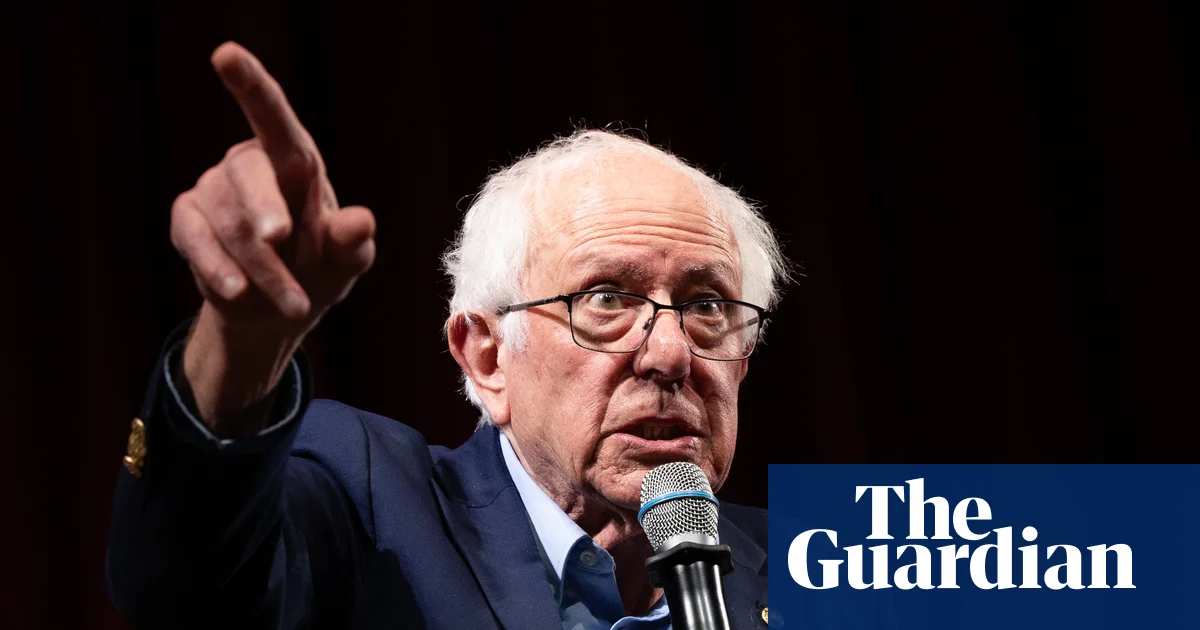
Sanders warns: US clueless on AI's rapid rise—slowing down is urgent
Sanders warns: US clueless on AI’s rapid rise—slowing down is urgent

Global Impacts of AI Revolution: A Wake-Up Call for Nations

As technology advances at breakneck speed, warning signs from influential voices across political and economic spheres are intensifying. Senator Bernie Sanders recently spotlighted the looming AI revolution at Stanford University, warning that the American public and Congress remain dangerously unprepared. His stark assessment underscores a broader warning that the rapid development of artificial intelligence threatens to reshape societal fabric, employment structures, and international relations in unpredictable ways. This emerging crisis transcends national borders, risking a geopolitical upheaval that could redefine the global order.

Sanders’ call for action coincides with a growing chorus of international voices raising alarms over the unchecked growth of AI systems. While American policymakers grapple with legislative inertia, China, the European Union, and other major actors are making calculated moves to assert control over this disruptive technology. China has accelerated its AI development, emphasizing state-led initiatives aimed at outperforming western counterparts, while the EU pushes for regulatory frameworks intended to safeguard privacy and human rights. In this landscape, the United States faces a critical crossroads: continue rushing forward, risking societal chaos, or adopt a cautious approach that could reshape global technological dominance.

Throughout the debate, figures like analysts and historians warn that the inability to regulate AI’s growth might lead to profound economic consequences. Projections suggest that millions of jobs—ranging from trucking to white-collar sectors—could be lost within the next decade. The International Monetary Fund (IMF) and World Economic Forum have issued warnings about the potential for growing inequality and oligarchic concentration of wealth. These developments threaten to destabilize societies by exacerbating disparities, fueling social unrest, and challenging the legitimacy of democratic institutions. The recent push by Sanders and Khanna for a global rethink — championing measures like a moratorium or strict regulations — signals an urgent effort to alter this trajectory before it is too late.

As nations forge their responses to AI’s uncharted territory, the stakes are unmistakably high; the decisions made today could either pave the way for a future where technology elevates humanity or one where it consolidates power in the hands of a few. The tectonic shifts occurring in politics, economy, and social norms offer a vivid tableau of history in the making. Will nations act decisively to establish rules of engagement that serve the common good, or will they capitulate to the allure of unchecked technological dominance? The world watches, standing at the precipice of a new era — an era that will forever leave its mark on history, if only we have the courage to shape it.

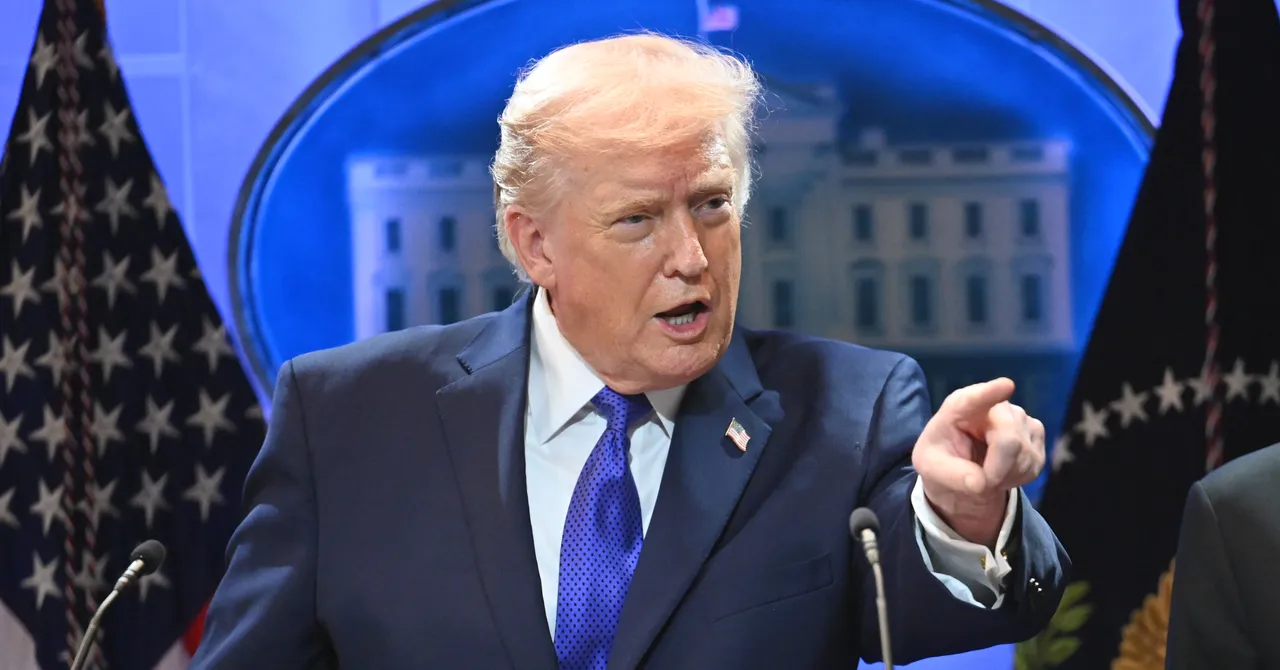
Trump hits back with new tariffs to dodge Supreme Court ruling

US Implements New Tariffs Amid Shifting Trade Policies, Igniting Innovation Risks for Tech Sector

In a bold move that underscores the increasing unpredictability of American trade policy, President Trump has announced a new 10 percent tariff on nearly all imports, effective February 24, 2026. This decision follows a recent Supreme Court ruling that overturned the bulk of tariffs previously imposed last year, highlighting the deepening complexities faced by global supply chains. The policy, rooted in Section 122 of the Trade Act of 1974, grants the administration sweeping powers to impose tariffs during trade deficits, significantly disrupting the established flow of goods—most notably in critical sectors like technology, manufacturing, and raw material sourcing.

The implications for innovation and disruption are profound. With tariffs impacting key components such as semiconductors, rare earth minerals, and critical tech inputs, U.S. industries may face increased costs and supply chain friction. Industry leaders, including giants like Apple and Intel, are already sounding alarms over potential delays and rising expenses that could stifle product development and market competitiveness. For emerging tech startups, these tariffs could represent a barrier to innovation, impeding access to essential foreign supplies and elevating costs at a time when technological leadership is fiercely contested. Less access to affordable components risks undermining the U.S.’s position as a global tech powerhouse, potentially ceding ground to competitors in Asia and Europe who could capitalize on these disruptions.

Furthermore, the strategic deployment of tariffs via Section 122—a rarely used authority—attests to a broader shift in U.S. trade policy. Experts like Gregory Husisian from Foley & Lardner LLP describe this move as a “bridge authority,” designed to leverage temporary measures while preparing for subsequent regulatory maneuvers. In this context, the U.S. government is positioning itself for a protracted battle during which it can invoke other measures, such as Section 301 and Section 232 investigations, to target unfair trade practices or national security threats. These tactics, combined with the suspension of the de minimis exemption, threaten to introduce _massive logistic bottlenecks_ in e-commerce and global trade networks, amplifying costs for consumers and businesses alike.

The broader business implications are unmistakable. As Elon Musk and Peter Thiel have emphasized, technological disruption is not merely about innovation but also about strategic adaptability. The ongoing tariff saga underscores a fundamental warning: in an era where geopolitical tensions escalate, companies must prioritize resilience and agility. The potential for prolonged tariff-related litigation—especially over refund processes and appeals—further amplifies the climate of uncertainty, compelling businesses to adapt swiftly or face obsolescence.

Looking ahead, this policy signals a sharp pivot toward a more protectionist U.S. economy, intensifying the stakes for innovators who rely on global supply chains. Time is of the essence; the window for strategic adjustment is closing swiftly. Industry observers and policymakers alike must recognize that these measures, if sustained or expanded, could reshape the global tech ecosystem—favoring those who innovate swiftly and adapt decisively. As the world watches, the urgency for U.S. companies to rethink supply chain strategies and sharpen their competitive edge has never been greater—an inevitable race toward a future where disruption is the new norm, and only the most agile will thrive.

Lebanese Civilians Hit by Israeli Strikes as Tensions Rise

The recent escalation of military activity in Lebanon has taken a significant turn, as reports confirm that a senior Hezbollah official was among those killed in airstrikes targeting the Bekaa Valley and southern Lebanon. This development signals a notable intensification in the ongoing regional conflict, raising urgent questions about the future stability of Lebanon and its implications for broader Middle Eastern geopolitics. The strikes, which struck at the heart of Hezbollah’s operational zones, underscore the growing involvement of external powers, notably Israel and potentially allied nations, in Lebanon’s volatile landscape.

Historically, Hezbollah has been a formidable actor within Lebanon, wielding considerable influence that extends beyond mere military might to include political and social dominance. The loss of key figures within its ranks, particularly senior officials, could significantly weaken its organizational capacity and alter the power balance within Lebanon. Such actions, analysts warn, might ignite an even more intense cycle of violence, with ramifications resonating across regional borders. International organizations, including the United Nations, have reiterated calls for restraint amid fears that this cycle of escalation could spiral into a wider conflict involving multiple regional actors.

In the broader context, this airstrike underscores a shift in regional dynamics whereby external interventions seem increasingly designated to curb Hezbollah’s influence, which states and analysts often describe as a significant destabilizing force. One key turning point has been the rising tension over Iran’s backing of Hezbollah, viewed by many Western and regional powers as the primary catalyst for the militia’s sustained military capacity. The chances of this incident triggering a broader confrontation are compounded by the fact that Lebanon remains fragile—economically devastated, politically fractured, and highly susceptible to external pressures. Historians warn that past conflicts in Lebanon demonstrate how external interventions tend to escalate asymmetric warfare, jeopardizing civil peace and prolonging instability.

The geopolitical impact of this event cannot be overstated. It signals potential shifts in alliances—particularly concerning Israel’s strategic posture in the region, which has long viewed Hezbollah as a primary security threat. In response to recent developments, regional powers are watching closely, aware that such incidents could serve as precursors to larger conflicts. Meanwhile, international actors such as the United States have called for restraint, cautioning against actions that could deepen regional chaos. The turning point in Lebanon’s ongoing struggle exemplifies how narrower conflicts can cascade into broader regional crises, impacting global stability.

Crucially, the death of a senior Hezbollah figure leaves scars that could be felt beyond Lebanon’s borders, echoing in geopolitical chessboards far from Beirut. As history’s pages continue to turn, nations watch anxiously—aware that each decision, each strike, carries the weight of the future. The unfolding story in Lebanon remains a stark reminder of how fragile peace is in a region where the stakes are nothing less than the fate of entire societies—left to be shaped or broken by the relentless tides of history currently in motion and yet to come.

New records reveal US citizen shot by federal immigration agent last year—under Trump admin

Unveiled Tragedy: The Deadly Shooting in Texas and Its Geopolitical Ramifications

In a case that embodies the murky intersection of domestic law enforcement and international border security, newly released records reveal a US citizen, Ruben Ray Martinez, was fatally shot last year by a federal immigration agent during a late-night traffic stop on South Padre Island. The incident, which took place in March 2025, remained under wraps for nearly a year, with authorities only releasing fragmentary details amid mounting questions about transparency and accountability. This tragedy is not an isolated event but part of a broader pattern—at least six deadly shootings by federal officers since the inception of a nationwide immigration crackdown under President Donald Trump’s administration. Such episodes illuminate an unsettling shift in the role of federal agencies in domestic law enforcement and raise pertinent questions about the impact on civil liberties and sovereignty.

From the perspective of international security and geopolitical impact, the incident underscores how U.S. immigration policies directly influence internal stability and perceptions abroad. As U.S. agencies intensify operations in territories bordering Mexico, especially amid the ongoing migration crisis, the risk of escalation and miscalculation increases. Analysts warn that such internal violence, often shielded from public scrutiny, can be exploited by foreign adversaries to undermine U.S. authority in the region. Moreover, controversies surrounding the incident have already ignited local protests and sparked accusations of excessive force—a phenomenon that echoes criticisms historically levied by international watchdogs against U.S. law enforcement.

According to documents obtained by

  • American Oversight

, the incident involved a Homeland Security Investigations (HSI) team collaborating with local police—highlighting the expanding role of federal agencies in routine law enforcement, especially in high-tension borders and tourist destinations. The shooting occurred after the driver, Martinez, allegedly accelerated towards an agent, prompting the latter to fire multiple rounds. Details remain scarce, with the names of the agents involved redacted; however, the incident raises crucial questions about treatment of civilians in police encounters and the lack of transparency that often accompanies federal operations. This opacity risks fueling distrust in institutions charged with enforcing the country’s laws, especially among communities of Hispanic descent, which are disproportionately targeted in immigration enforcement efforts.

From a broader geopolitical stance, international organizations like the United Nations and Human Rights Watch have long criticized such internal violence, framing it as symptomatic of a deeper crisis—that of mass migration, border security, and national sovereignty. Meanwhile, the U.S. government faces mounting pressure from segments of the media and political spectrum to justify these aggressive enforcement tactics. As historians and policy analysts observe, each of these incidents forms part of a larger narrative that could redefine America’s domestic and international stature. Will the nation address these underlying issues or continue on its current trajectory, risking further escalation and international condemnation? The unfolding story of Ruben Ray Martinez’s death remains a critical warning—one that signals a reckoning on questions of justice, policy, and power that will shape the fabric of the nation for decades to come.

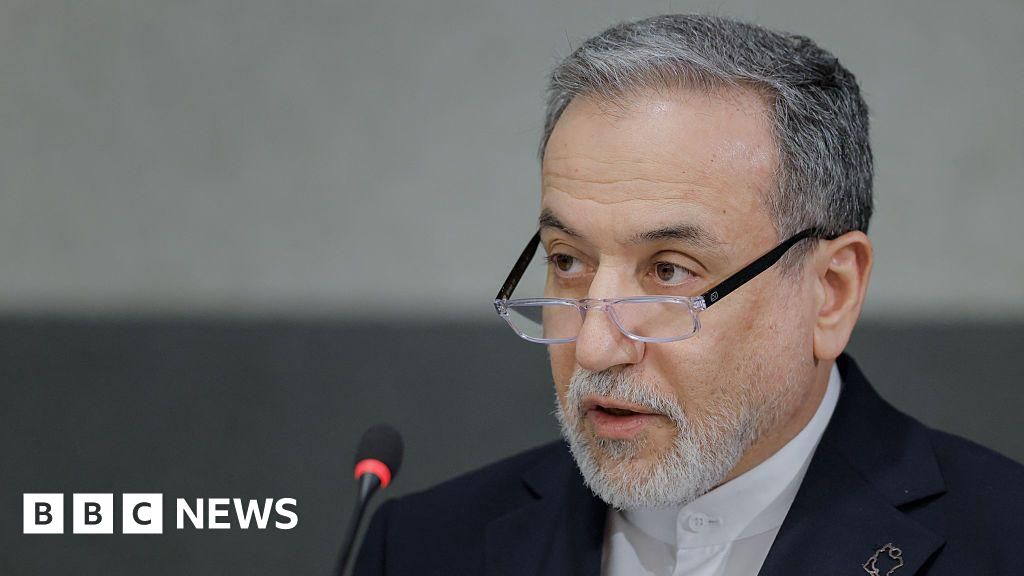
Trump teases limited military strike on Iran, fueling tensions among youth conservatives

In a rapidly evolving geopolitical landscape, President Donald Trump issued a stark new threat against Iran just days after he suggested the Middle Eastern nation had approximately ten days to accept a comprehensive deal aimed at restricting its nuclear ambitions. This provocative stance underscores a broader shift in U.S. foreign policy, emphasizing maximized pressure and increased brinkmanship. The timing and rhetoric raise fresh concerns over the potential unraveling of diplomatic efforts that have sought to stabilize the region and prevent the proliferation of nuclear weapons.

The immediate aftermath of Trump’s announcement has already reverberated across global capitals and international institutions. Major powers such as Russia and China, along with European allies, have expressed alarm over what many interpret as a return to a confrontational posture that risks plunging the region into renewed instability. The United Nations Security Council and other multilateral platforms are closely monitoring developments, with some analysts warning that miscalculations or accidental escalations could ignite regional war or diminish fragile diplomatic gains made over recent years. These fears are compounded by recent historical patterns where diplomatic deadlines have often precipitated crises, energizing hawks who favor an uncompromising approach towards Iran’s nuclear program.

Generally perceived as a critical juncture in ongoing negotiations, the situation has sparked commentary from historians and security experts warning against the dangers of rigid ultimatums. Notably, international organizations like the International Atomic Energy Agency (IAEA) stress the importance of sustained diplomacy. “Decisive actions that ignore the complex web of regional and global interests risk undermining decades of diplomatic progress,” said Dr. Laura Matthews, a renowned geopolitical analyst. Her words echo concerns among many in the international community who view Iran’s nuclear pursuits less as an immediate threat and more as a complex negotiation with significant long-term implications for global security and regional stability.

  • The recent escalation underscores the fragile balance of power in the Middle East, where alliances are shifting and mistrust runs deep.
  • U.S. allies in Europe and the Gulf Cooperative Council have issued mixed responses, with some urging restraint and others expressing support for a firm stance.
  • Diplomatic efforts, including recent talks in Vienna and Geneva, aim to revitalize the 2015 Joint Comprehensive Plan of Action (JCPOA), yet these negotiations now face unprecedented hurdles.

As the world watches with bated breath, the unfolding drama risks settling into a decisive moment that could determine the future of global peace and security. The complex interplay of national interests, ideological divides, and historical grievances suggests that this is more than a simple matter of diplomacy—it is a test of the international community’s collective will. The decisions made in this critical window could either usher in a new era of cooperation or plunge entire regions into chaos. The weight of history presses heavily on the shoulders of current leaders, and once the course is set, the ripple effects will resound for generations to come, transforming the geopolitical landscape in ways yet unforeseen. Here, at this precipice, the world stands on the edge of a new chapter—one that will be written by those who dare to shape the future amidst the shadows of past conflicts.

Teacher suspended following allegations of inappropriate images involving minors

Societal Impact of Superficial Apologies in Professional Conduct Disciplinary Actions

Recent developments within the professional community reveal a concerning pattern: the finding that Jeremy Gibbs’ apology for his actions was deemed superficial by a professional conduct panel. This judgment underscores a broader societal challenge—how moral accountability and genuine remorse are often missing from public apologies, especially in realms where community trust and social cohesion are vital.

At its core, this incident prompts a reflection on the societal influence of superficial contrition on families, education, and wider communities. When a figure of authority or public standing issues a surface-level apology, it risks eroding the foundational trust necessary for the social fabric to remain resilient. As sociologist Dr. Maria Delgado notes, “Authentic apologies are crucial for healing wounds and rebuilding confidence in social institutions. Superficial responses, however, deepen skepticism and societal disillusionment.” This skepticism extends beyond individual cases, influencing community interactions, school environments, and even policy support, often leaving families feeling vulnerable and distrustful of authority figures.

The challenge lies in cultivating a culture of responsibility and genuine moral integrity. When community members see superficial apologies, it fosters a perception that accountability is optional, which can foster cynicism among youth and diminish the social sanctions that uphold moral standards. Educational institutions, which serve as the bedrock for societal value transmission, must emphasize the importance of sincerity in moral failings. As historian Dr. James Carlton asserts, “Without genuine remorse, efforts at reform are hollow, and society suffers when social cohesion depends on individuals’ authentic acknowledgment of their mistakes.” Institutions need to foster dialogues that promote true understanding and accountability, reinforcing integrity and social trust.

  • The key challenge remains ensuring apologies are sincere and are accompanied by tangible actions that address the root cause of misconduct.
  • Community programs that prioritize moral education and ethical accountability can serve as a catalyst for restoring trust.
  • Strengthening family and educational values rooted in personal responsibility and civic conscience is essential for long-term societal health.

The fallout from superficial apologies resonates with the broader narrative of societal moral decay and disconnection. Yet, amid these challenges, there remains an enduring hope—a possibility for societal renewal grounded in authentic relationships and moral commitment. This is a society where families, educators, and social leaders work together—not merely to condemn superficiality but to foster a culture that insists on integrity, transparency, and true remorse. As social commentators warn of societal apathy, it is equally true that hope lies in collective action, in the unwavering belief that genuine change is possible, one sincere apology at a time.

In the tapestry of society, each thread—each moral act, each heartfelt apology—serves to strengthen the whole. Perhaps it is in recognizing the importance of authenticity and moral responsibility that society aspires to restore the trust necessary for a resilient future—one where families are rooted in shared values, communities thrive on genuine respect, and the next generation learns the true meaning of integrity. Society’s greatest challenge remains not in avoiding mistakes but in transforming superficial responses into opportunities for authentic growth, ensuring that when the next apology is offered, it truly reflects a commitment to moral healing and societal betterment.

Social Media Auto Publish Powered By : XYZScripts.com