
TRENDING NEWS





Truth Over Trends, always!

The Trump administration has announced a significant milestone in its border enforcement efforts, marking a full year of “zero releases” at the southern border. This achievement, touted by officials, underscores a fundamental shift from the previous administration’s policies, signaling a robust commitment to securing the nation’s frontiers. The development, as reported by News Desk, highlights a concerted effort to deter illegal crossings and enforce existing immigration laws.
For the past twelve months, U.S. Border Patrol has reportedly not released illegal border crossers into the interior of the United States after apprehension. This policy, termed “zero releases,” directly addresses the “catch-and-release” system that critics argued incentivized illegal immigration and strained resources during the Biden era. This strategic shift is designed to eliminate the perceived loophole where individuals apprehended at the border were often released pending court dates, many of whom subsequently disappeared into the country’s interior. While “zero releases” signifies that individuals apprehended by Border Patrol are not simply let go, it is important to note that it does not imply an end to all illegal crossings or apprehensions. Instead, it reflects a more stringent approach to processing and repatriation, emphasizing rapid removal over domestic release.
U.S. Customs and Border Protection (CBP) has released statistics that officials claim demonstrate the effectiveness of these new measures. According to CBP, Border Patrol recorded 8,943 southwestern border apprehensions in April, signaling a dramatic downturn in illegal entry attempts. This figure represents a substantial decrease:
These numbers, if sustained, suggest a significant reduction in the flow of illegal crossings, reaching levels not witnessed in over three decades. This data point is crucial for the administration, which has consistently argued that robust enforcement acts as a deterrent. Homeland Security Secretary Markwayne Mullin affirmed the administration’s stance, stating, “The days of catch and release are over. We are enforcing the nation’s laws and sending illegal aliens back to their home countries.” This firm declaration underscores a policy framework aimed at restoring legal order and control at the nation’s periphery.
While the administration celebrates these figures, experts offer nuanced interpretations. Aaron Reichlin-Melnick, a senior fellow at the American Immigration Council, acknowledged the veracity of the “zero releases” claim from Border Patrol custody. However, he pointed out that this figure does not account for migrants who may be transferred to Immigration and Customs Enforcement (ICE) custody and subsequently released under various conditions, such as bond, parole, medical grounds, or after winning asylum cases. This distinction highlights the complexities of the immigration system and the various pathways individuals may take post-apprehension. The focus remains on the initial Border Patrol interaction and the immediate cessation of discretionary releases at that stage.
“The days of catch and release are over. We are enforcing the nation’s laws and sending illegal aliens back to their home countries.”
— Homeland Security Secretary Markwayne Mullin
The Trump administration’s commitment to prioritizing border security and enforcing immigration laws appears to be yielding tangible results, at least concerning Border Patrol’s release protocols. The reported “zero releases” policy marks a decisive departure from previous approaches, aiming to restore order and control at the southern border. As the debate over immigration policy continues, these enforcement statistics will undoubtedly remain a central point of discussion regarding the effectiveness and implications of the current administration’s strategy for national security and sovereignty.
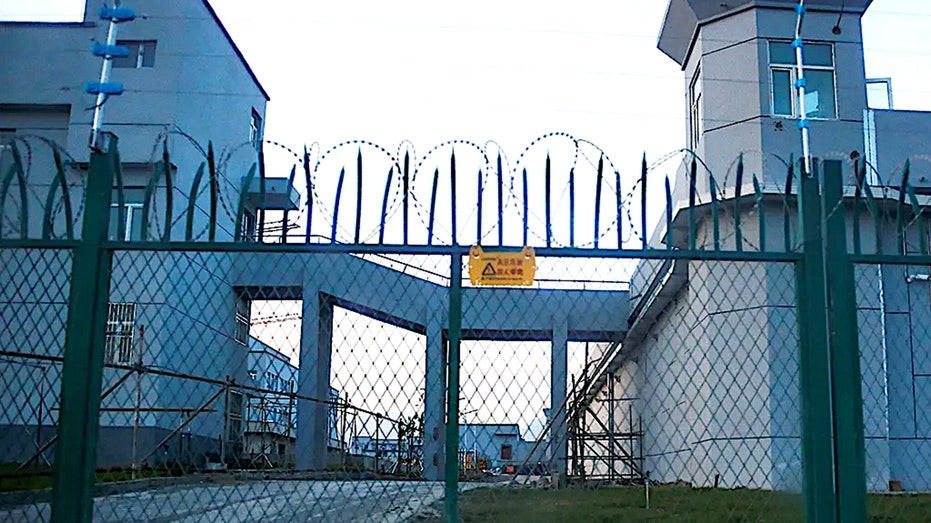
Mihrigul Tursun, a Uyghur mother, has delivered a profoundly moving and disturbing account of her alleged detention within China’s notorious Xinjiang camps. Her testimony, given in Washington, unravels years of unimaginable suffering, including torture, forced family separation, and the tragic death of her infant son. Her story brings to light the brutal realities faced by countless individuals in what she describes as a system designed to crush the human spirit and erase cultural identity.
Initially speaking with remarkable control, Ms. Tursun, 35, recounted her experiences softly, almost cautiously. Yet, as the memories flooded back, the composure gave way to a torrent of vivid and painful details. She described the harrowing conditions: subterranean cells, relentless interrogations often conducted under duress, and the chilling screams of other women echoing through the nights. The pervasive stench of overcrowded prison rooms and the profound sense of despair were constant companions during her ordeal.
Perhaps the most heartbreaking aspect of her Uyghur mother testimony is the loss of her infant son. She recounted desperately trying to warm his motionless body, a tragic memory that, she states, continues to haunt her daily. This immense personal tragedy profoundly underscores the deep wounds inflicted by a system that she believes systematically destroyed her family and shattered her health. Her account paints a vivid picture of the human cost of such policies, challenging the official narratives provided by Chinese authorities.
Ms. Tursun’s decision to speak publicly is driven by a profound sense of duty, despite her palpable fear for family members she believes remain vulnerable in China. She suggests her own safety stopped mattering long ago, prioritizing instead the urgent need to expose the truth of what she endured. Her courage is particularly notable given that few survivors of China’s detention system are able or willing to share their experiences with the world, often due to threats against their relatives.
The detailed account, originally highlighted by the News Desk, paints a grim picture of systematic oppression designed to enforce conformity. Her experiences included:
These allegations are consistent with broader reports of widespread human rights abuses in Xinjiang, where an estimated one million Uyghurs and other ethnic minorities have been detained in what Beijing claims are “vocational training centers.” Critics, however, describe them as re-education camps designed to suppress religious freedom, cultural identity, and traditional family structures.
Ms. Tursun’s powerful narrative serves as a stark reminder that severe human rights violations are not merely historical footnotes but ongoing realities in parts of the world. “People think this only happened in history,” she stated, “But it is still happening.” Her plea for recognition comes as global leaders, including President Donald Trump, engage with Chinese counterparts on complex issues like trade and security, yet the profound plight of individuals like Ms. Tursun often struggles to gain the necessary international focus.
The Matox News editorial line, emphasizing pro-institutions, pro-order, and anti-extremism, finds Ms. Tursun’s testimony particularly compelling. It underscores the critical importance of upholding fundamental human dignity and the rule of law against authoritarian practices that systematically undermine basic freedoms, religious observance, and the sanctity of family—core tenets of a stable, prosperous society. Her unwavering faith, despite persecution, also resonates with our values.
“People think this only happened in history. But it is still happening.”
This courageous Uyghur mother testimony demands sustained attention from the international community. It is a powerful call for global institutions to acknowledge the ongoing human rights crisis in Xinjiang and to press for greater transparency, independent investigations, and accountability from Beijing. The enduring psychological scars described by Ms. Tursun highlight the urgent need for diplomatic pressure and moral clarity in addressing these profound injustices, ensuring that such suffering does not remain unseen or unheard.

Republican gubernatorial candidate Rick Jackson has made a prominent pledge to ban Diversity, Equity, and Inclusion (DEI) initiatives across Georgia’s state government and public education sectors. This firm stance aligns with a growing conservative movement to dismantle race-conscious policies, championed by figures like former President Donald Trump. However, Jackson’s campaign platform is now under scrutiny following revelations about his own nonprofit’s past advocacy for DEI.
Reports indicate that goBeyondProfit, a philanthropic venture founded by Jackson, actively promoted a wide-ranging DEI initiative for Georgia CEOs in 2021. This initiative encouraged businesses to invest in DEI, measure progress, examine racial pay gaps, and even adopt race-conscious hiring practices, urging leaders to operate workplaces “with race in mind.” The apparent contradiction between Jackson’s current political promise and his organization’s previous recommendations raises questions about consistency and leadership principles as the Georgia gubernatorial race intensifies.
Rick Jackson, a billionaire healthcare founder, has positioned himself as a staunch conservative, echoing former President Donald Trump’s policy positions. Jackson has publicly stated his ambition to be Trump’s “favorite governor” and has modeled his campaign launch after the former president’s. A core tenet of his platform is the complete removal of DEI from all state-funded institutions, including government agencies and educational bodies.
This pledge resonates with a significant segment of the conservative base that views DEI programs as divisive, counterproductive, and antithetical to meritocratic principles. Critics of DEI often argue that such initiatives promote identity politics over individual achievement and can lead to reverse discrimination. Jackson’s commitment to a statewide DEI ban underscores his alignment with this national conservative push to re-evaluate and often dismantle these programs.
Founded by Jackson, goBeyondProfit describes itself as a resource for Georgia business leaders aiming to integrate corporate generosity into their business strategies. In 2021, the nonprofit launched a significant DEI initiative, detailed by the News Desk. This program included a “Telly Award-Winning video series” designed to guide CEOs through the implementation of diversity, equity, and inclusion strategies. These resources, which remain active on the nonprofit’s website, offered specific guidance:
The stark contrast between these recommendations and Jackson’s current campaign promise to ban DEI statewide presents a significant challenge for the candidate. It suggests a potential shift in perspective or a disconnect between his personal business philosophy and his political platform.
“The consistency of a leader’s convictions, especially on foundational policy matters like DEI, is often a measure voters consider carefully.”
The debate over DEI has become a flashpoint in American politics. Proponents argue that DEI initiatives are crucial for fostering inclusive environments, addressing historical inequities, and promoting diverse perspectives in workplaces and educational institutions. They contend that such programs are necessary to ensure fair representation and opportunity for all, particularly for marginalized groups.
Conversely, conservative critics, including former President Trump, argue that DEI often leads to preferential treatment based on race or gender rather than merit. They advocate for colorblind policies that focus on equal opportunity for all individuals, regardless of background. Jackson’s campaign to ban DEI aligns with this perspective, seeking to re-emphasize individual achievement and universal standards within state institutions. The revelation of his nonprofit’s earlier promotion of DEI, however, complicates his narrative and may force him to clarify his evolution on the issue.
As the Georgia gubernatorial race progresses, voters will undoubtedly weigh Jackson’s policy pledges against his past actions. The demand for clear, consistent leadership on critical issues such as DEI remains paramount for the electorate, particularly for those seeking to uphold institutional integrity and principled governance.
The American stock market rally has continued its impressive run, with the S&P 500 posting a significant weekly winning streak. This sustained upward trajectory comes despite a backdrop of accelerating inflation and the growing expectation of consequential interest rate increases from the Federal Reserve. Investors and economists alike are now grappling with the fundamental question: can this market strength endure against such formidable economic pressures?
The current market performance presents a fascinating paradox. On one hand, robust corporate earnings have provided a solid foundation for investor optimism, signaling underlying business health and adaptability within the free market system. Companies have largely managed to navigate supply chain disruptions and rising input costs, translating into favorable quarterly results that fuel stock valuations.
The S&P 500’s remarkable winning streak is largely attributable to the strong performance of major corporations. These firms have demonstrated an ability to generate profits even in a challenging economic environment. This resilience underscores the innovative spirit and dynamism inherent in a competitive capitalist system. Investors have responded positively, channeling capital into companies that show clear paths to profitability and growth.
Key drivers behind recent market gains include:
However, this bullish sentiment operates under the shadow of persistent economic challenges, particularly the ongoing battle against inflation.
Accelerating inflation remains a primary concern for households and businesses across the nation. The rising cost of goods and services erodes purchasing power and introduces significant uncertainty into financial planning. This inflationary environment, highlighted in recent financial reporting, including analysis published by The New York Times, puts pressure on the Federal Reserve to act decisively.
“The market’s current strength is a testament to corporate resilience, but the shadow of inflation and impending rate hikes looms large over future stability.”
For conservative policy makers, controlling inflation is paramount to maintaining economic order and protecting the financial well-being of families. Unchecked price increases can destabilize markets and undermine confidence in the currency, directly impacting household budgets and long-term savings.
The Federal Reserve faces a delicate balancing act. While a strong labor market and robust corporate activity are positive indicators, the sustained inflationary trend necessitates a firm response. Analysts widely anticipate that the Fed will continue its path toward higher interest rates to cool the economy and bring inflation back to target levels. Such measures, while potentially impacting market liquidity in the short term, are viewed by many as essential for long-term economic stability and responsible stewardship.
The prospect of increased borrowing costs will inevitably test the market’s current momentum. Businesses may face higher financing expenses, and consumers could see impacts on mortgages and other loans. The careful calibration of monetary policy will be crucial to avoid stifling economic growth while effectively combating price instability.
As the market continues to weigh strong corporate fundamentals against the persistent threat of inflation and the certainty of tighter monetary policy, the coming months will be a critical test. The ability of institutions to manage these complex dynamics will determine whether the current stock market vigor can translate into sustained, balanced economic prosperity for all Americans.
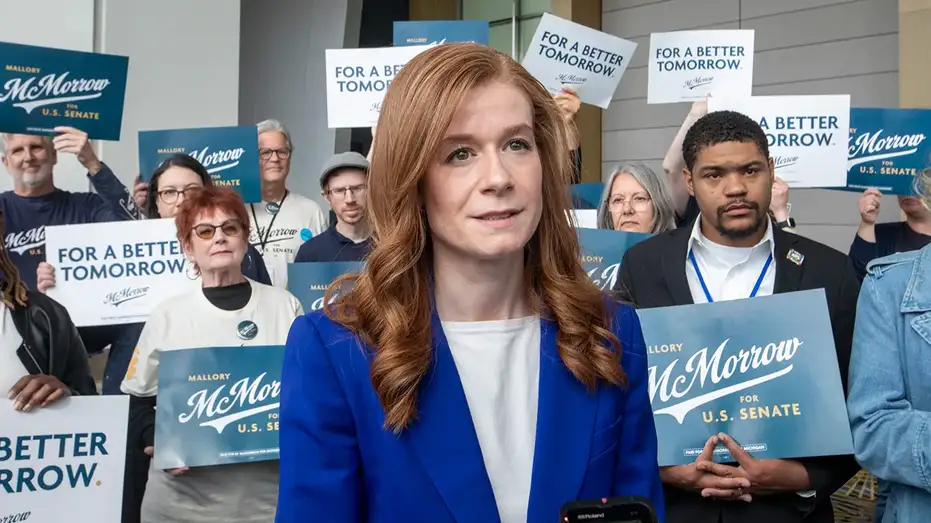
Michigan Democratic Senate candidate Mallory McMorrow, a prominent voice for water affordability, has faced scrutiny over her own financial record, revealing thousands of dollars in unpaid utility bills on her million-dollar Royal Oak home. The revelation comes as McMorrow campaigns on a platform emphasizing economic relief for working families, raising questions about consistency between her public advocacy and personal financial management.
Records obtained by Fox News Digital show that McMorrow and her husband, Ray Wert, accumulated over $3,000 in overdue water and sewer charges on their luxurious $1.28 million residence. These charges, along with associated late fees, had reportedly gone unpaid since June 2025, spanning nearly a year. This significant outstanding balance was settled swiftly after Fox News Digital approached the campaign for comment, underscoring the immediate impact of journalistic inquiry into candidates’ financial transparency.
A spokesperson for the McMorrow campaign acknowledged the payment, stating concisely, “The bills in question have been paid.” The statement then pivoted to broader economic concerns, attributing rising costs for “gas to groceries to electricity” to former President Donald Trump and his “enablers like Mike Rogers.” This response seeks to contextualize the personal financial oversight within a larger political narrative of economic challenges, while deflecting from the immediate issue of the candidate’s own utility payments.
Further examination of public records indicates that this is not an isolated incident for the Senate hopeful. Since acquiring their substantial Detroit suburb home in late 2021, McMorrow and Wert have reportedly incurred late fees for nonpayment on at least ten occasions, totaling more than $400 in penalties. This recurring pattern suggests a persistent issue with timely bill payments, even on significant household expenses associated with a high-value property.
Notably, the couple also allowed water bills to accumulate unpaid for five months in the latter half of 2024. When a payment of $917 was finally made in January 2025, records still showed an outstanding balance of $45 in late fees. Royal Oak Township operates on a quarterly billing cycle, assessing a 5% late fee on unpaid balances. Had McMorrow failed to pay the latest balance by June 1, another 5% penalty would have been applied, further increasing the debt.
The Detroit Metro Times, in a 2021 report, described the property — featuring a pool and an outside courtyard — as a home “to marvel at,” highlighting the stark contrast between its luxurious amenities and the candidate’s reported difficulties in maintaining timely utility payments.
“For a candidate campaigning on affordability, a consistent pattern of unpaid utility bills on a million-dollar home raises legitimate questions about financial responsibility and public trust.”
As McMorrow vies for the Democratic nomination in one of the country’s most competitive Senate contests, these financial disclosures could present a significant challenge to her campaign’s core message. Her advocacy for policies aimed at easing financial burdens for constituents may be complicated by her own record of delayed payments on substantial personal expenses. Voters often scrutinize candidates’ personal finances for indications of their practical judgment and commitment to the principles they espouse, especially when those principles are central to their campaign.
This incident highlights the intense scrutiny faced by public figures, particularly those seeking higher office. While the campaign quickly resolved the outstanding debt, the recurring nature of these late payments might lead some observers to question the candidate’s attention to detail or financial discipline. For a candidate whose platform rests on ensuring economic accessibility and affordability for all, ensuring one’s own household bills are current is often seen as a baseline expectation of accountability.
Matox News will continue to provide factual reporting on this developing story and other key races across the nation, emphasizing transparency and public accountability.

Golf icon Tiger Woods has reportedly returned to American soil, arriving at Palm Beach International Airport after an extended period of comprehensive inpatient treatment in Switzerland. His return signifies a significant step in addressing the personal challenges that led to a highly publicized DUI arrest in March.
Woods, a 15-time major champion, had sought permission to travel abroad for specialized care, emphasizing his commitment to prioritizing his health and working towards lasting recovery. This latest development underscores the serious approach the athlete is taking to confront his recent legal and personal difficulties.
The golf legend was observed disembarking his private plane on Wednesday afternoon. Eyewitness accounts describe Woods, sporting facial hair, wearing a black long-sleeve shirt and hat, sunglasses, gray shorts, and black shoes. Notably, he was still seen with a compression sleeve on his left leg, a familiar sight from his ongoing physical recovery from past injuries. A dog also accompanied him on the flight, adding a touch of personal detail to his quiet return.
His presence at the Florida airport concludes weeks of intense focus on his well-being away from the public eye, a period he explicitly requested for privacy and dedicated recovery.
Woods’ decision to seek treatment followed his arrest and subsequent charge for driving under the influence on March 27. The incident occurred after a car crash, where authorities noted he appeared lethargic. While a Breathalyzer test showed “triple-zeroes,” indicating no alcohol consumption, hydrocodone pills were found on his person, suggesting a different form of impairment.
Following the arrest, Woods was granted permission on April 1 to travel out of the country specifically “to enter into comprehensive inpatient treatment.” He had previously pleaded not guilty to the DUI charge but publicly announced his intention to “seek treatment” just days after the crash. This proactive approach was widely reported, including by sources like Fox News Digital.
“I’m committed to taking the time needed to return in a healthier, stronger, and more focused place, both personally and professionally.”
In a statement released shortly after the incident, Woods articulated the gravity of his situation and his determination to address it head-on. “I know and understand the seriousness of the situation I find myself in today. I am stepping away for a period of time to seek treatment and focus on my health,” he stated. He further emphasized, “This is necessary in order for me to prioritize my well-being and work toward lasting recovery.”
At the time of the crash, Woods had expressed a desire to play in the Masters, but his focus on treatment naturally put any immediate return to the golf course on hold. His current return to the U.S. suggests a completed phase of his inpatient care, marking a pivotal moment in his ongoing journey toward a healthier personal and professional future.
The focus now remains on Woods’ sustained progress and his eventual re-engagement with both his personal life and potentially, his illustrious career in golf, whenever that may be.

Pop icon Lady Gaga marked a significant transition in her artistic journey, orchestrating a dramatic “funeral” for her chart-topping album ‘MAYHEM’ before unveiling its reimagined live counterpart, ‘MAYHEM Requiem,’ to a global audience. This strategic move highlights evolving trends in music consumption and artist engagement.
In a spectacle befitting her legendary status, Lady Gaga recently orchestrated a symbolic “funeral” for her acclaimed 2025 album, MAYHEM, culminating in the premiere of MAYHEM Requiem. This unique event, held in Los Angeles, served not only as a launch for a new live album and filmed concert experience but also as a powerful statement on artistic evolution and the enduring connection between an artist and her fanbase.
The dramatic farewell unfolded at Los Angeles’ The Grove, where Lady Gaga, adorned in a striking black-and-red corseted dress and fishnet veil, led a procession of her dancers. This theatrical gesture, observed by throngs of her devoted “Little Monsters,” transformed a typical film premiere into a poignant, performance art piece. Stopping at the AMC Theater entrance, the artist created a moment of profound visual impact, signaling the end of one era and the dawn of another. The event, as detailed by Billboard, underscored Gaga’s masterful ability to blend high fashion, performance art, and commercial release into a single, unforgettable experience.
The heart of the new release, MAYHEM Requiem, stems from an exclusive, no-phones-allowed concert filmed in January at The Wiltern in Los Angeles. This intimate performance saw Gaga reimagining her original MAYHEM album live for approximately 1,850 specially selected fans, in partnership with Apple Music. The deliberate absence of mobile devices fostered an atmosphere of unparalleled intimacy and immediate connection, a rare commodity in today’s digitally saturated world. Fans, many in elaborate costumes, experienced a truly immersive event, far removed from the distractions of social media.
The release of the live album, recorded during that singular January performance, now extends this unique experience to a broader audience. Coupled with the filmed concert experience, which premiered in select AMC theaters, MAYHEM Requiem represents a significant trend in the music industry: the elevation of live performance as a distinct artistic product. It allows artists to revisit and reinterpret their work, offering fans a fresh perspective and deeper engagement. This approach not only generates new content but also reinforces the value of the live music experience beyond the traditional concert tour.
“Lady Gaga’s ‘MAYHEM Requiem’ is more than just a live album; it’s a meticulously crafted artistic statement, demonstrating how an artist can ceremonially conclude one chapter while simultaneously opening another with profound impact.”
Lady Gaga’s innovative approach with MAYHEM Requiem provides a compelling blueprint for artists navigating the modern music landscape. By creating a multi-faceted event that combines live performance, cinematic presentation, and a new album, she has once again demonstrated her capacity for artistic reinvention and deep connection with her audience. This strategic release not only celebrates a past success but also boldly charts a course for future engagement, proving that creativity and thoughtful presentation remain paramount in the digital age.

The relentless expansion of artificial intelligence demands ever-increasing computational power, posing significant challenges for energy consumption and cooling. A bold new initiative, however, aims to address these issues by taking the very infrastructure of AI out to sea. Panthalassa, a pioneering company, has successfully raised substantial capital to develop and deploy autonomous floating AI data centers, harnessing the vast resources of the ocean.
Traditional land-based data centers require immense plots of land, significant energy grids, and vast amounts of fresh water for cooling, leading to escalating operational costs and environmental concerns. Panthalassa’s vision offers a compelling alternative: relocate these high-demand computing nodes to the open ocean. This strategic shift is designed to capitalize on the inherent advantages of the marine environment, providing a scalable and potentially more sustainable solution for the future of AI. Key benefits include:
This innovative model promises a significant reduction in the environmental impact and operational expenditures typically associated with conventional AI infrastructure.
At the heart of Panthalassa’s innovation is the ingenious utilization of ocean waves for electricity generation. Each floating node is conceived as a self-sufficient power station, where the kinetic energy of wave motion is converted into reliable electricity to feed onboard AI hardware. Complementing this, the abundant cold seawater provides a natural and efficient medium for cooling the intensive computing chips, drastically reducing the energy footprint typically associated with thermal management in data centers. The company has dedicated a decade to refining its power generation and autonomous operational technologies, with successful tests of its Ocean-1, Ocean-2, and Wavehopper prototypes in recent years, as reported by Fox News.
The ambitious scope of Panthalassa’s project has attracted significant investor confidence. The company recently closed a Series B funding round, securing $140 million, bringing its total capital raised to an impressive $210 million. This substantial backing underscores the serious market potential seen in ocean-based AI solutions. Noteworthy investors, including Palantir co-founder Peter Thiel, are spearheading this financial commitment. The newly acquired funds are earmarked for completing a pilot manufacturing facility near Portland, Oregon, and crucially, for deploying the Ocean-3 pilot node series in the northern Pacific Ocean later in 2026. This deployment represents a critical step towards validating the commercial viability and operational efficiency of these novel floating AI data centers.
Instead of building another giant AI data center on land, Panthalassa wants to place computing power out at sea.
As artificial intelligence continues its rapid integration into every facet of modern life, the demand for robust, efficient, and environmentally responsible computing infrastructure will only intensify. Panthalassa’s innovative approach to floating AI data centers presents a fascinating prospect for meeting these future needs. By transforming the ocean into a platform for sustainable AI development, this venture not only addresses critical energy and cooling challenges but also paves the way for a new era of technological innovation that aligns with principles of resourcefulness and long-term sustainability. The successful deployment and operation of these oceanic nodes could redefine the landscape of global AI infrastructure, offering a testament to human ingenuity in adapting to and harnessing natural forces for progress.
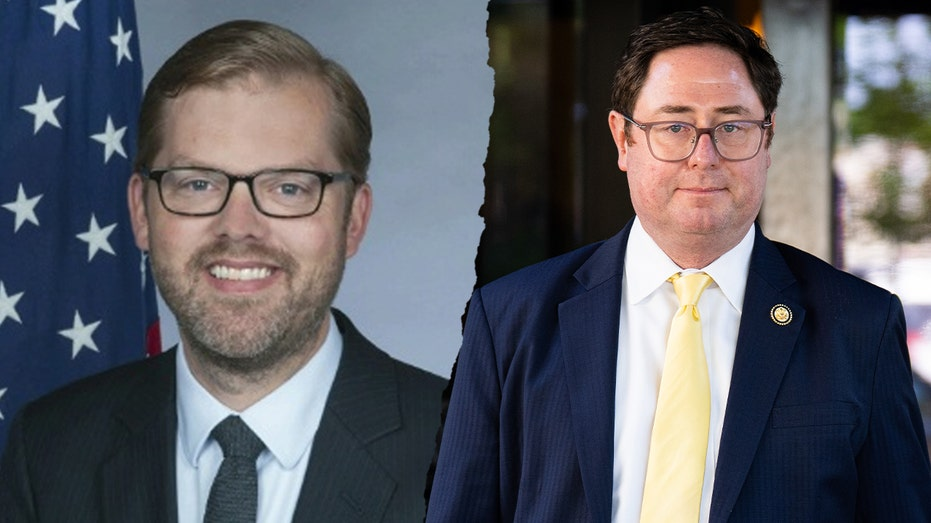
The political landscape in Nebraska’s 1st Congressional District has become significantly more complex with the entry of progressive journalist Austin Ahlman into the race. Declaring his candidacy as a nonpartisan independent, Ahlman is set to challenge incumbent Republican Representative Mike Flood and Democratic nominee Chris Backemeyer, injecting an unpredictable element into an already competitive election cycle.
Ahlman’s surprising announcement came shortly after the primary elections, where both Flood and Backemeyer secured their party nominations. His decision to run as an independent, rather than aligning with either major party, underscores a growing sentiment among some voters for alternatives to traditional political structures.
Austin Ahlman, known for his work with the progressive left-wing publication The Intercept, has positioned himself as an outsider. He swiftly criticized both his established opponents, labeling them as products of the Washington, D.C. establishment. This rhetoric aims to appeal to voters disillusioned with mainstream politics and seeking a fresh approach to representation.
Rep. Mike Flood has held the seat since a 2022 special election victory and has since won general elections with comfortable margins, including a 15-point win in 2022 and over 20 points in 2024. Chris Backemeyer, the Democratic challenger, brings experience from the State Department and served in both the Obama and Harris administrations, positioning him as a seasoned political operative.
Ahlman’s campaign is built on a direct challenge to what he perceives as a entrenched political system. He has openly expressed that he sees little substantive difference between the Republican incumbent and the Democratic nominee, both of whom he views as part of the D.C. establishment. This perspective aims to resonate with voters who feel unrepresented by either major party.
“I have taken on the corporations that are actually hollowing out our state. I have uncovered the corruption among the politicians that are crushing us and selling us out. And I don’t think that either one of the two can say that. I think that they have just been a part of the system. They are the establishment, and I am not that. I’m actually from the working class.”
As reported by the Lincoln Journal Star, Ahlman articulated his commitment to fighting against corporate interests and political malfeasance, contrasting his working-class background with what he implies are the more insulated experiences of Flood and Backemeyer. This populist message could attract a diverse group of voters looking for change.
Nebraska’s 1st Congressional District is widely considered a solid Republican stronghold, a classification reinforced by analysis from the Cook Political Report. This makes Rep. Flood the clear frontrunner under normal circumstances. However, the introduction of a prominent independent candidate like Ahlman could significantly alter the electoral calculus.
An independent progressive candidacy in a Republican-leaning district typically carries the risk of splitting the vote, potentially drawing support from both the Democratic base and disaffected moderate Republicans or independents. While this could theoretically complicate the path for the Democratic challenger, it also introduces an element of unpredictability that could challenge the incumbent’s expected margin of victory.
The race in NE-01 is now poised for an intriguing battle, with Ahlman’s anti-establishment message potentially reshaping campaign strategies for both major party candidates. The outcome will not only determine who represents the district but could also signal broader shifts in voter sentiment towards independent movements in traditionally partisan contests.

The United States’ long-standing strategy to curb Iran’s economic capacity through naval interdiction faces a growing challenge from an unexpected quarter: a rapidly expanding China-Iran rail corridor. This overland trade route, increasingly utilized by Tehran, bypasses traditional maritime choke points, potentially blunting the impact of American sanctions and highlighting a significant geopolitical shift.
Washington has historically relied on its formidable naval power to enforce sanctions, disrupting Iran’s oil exports and other illicit trade. This approach, leveraging the U.S. Navy’s dominance in strategic waterways like the Persian Gulf and the Strait of Hormuz, aims to isolate Iran financially and pressure its regime to alter its regional behavior. However, the emergence of a robust land-based alternative complicates this established strategy.
For years, the U.S. has pursued a policy of maximum pressure on Iran, primarily through economic sanctions enforced by maritime interdiction. The logic is straightforward: control the seas, control the flow of goods, and thereby control the Iranian economy. This strategy has seen varying degrees of success, but its fundamental premise — that Iran’s economy is overwhelmingly reliant on sea-borne trade — is now being tested.
The vastness of the Eurasian landmass, coupled with China’s strategic investments in infrastructure, offers Iran a crucial lifeline. This development forces a re-evaluation of the effectiveness and limitations of a predominantly naval-centric foreign policy in an increasingly interconnected and multipolar world.
A recent report, cited by Bloomberg, indicates a significant surge in freight traffic along the China-Iran rail corridor. Cargo trains running from central China to Iran have reportedly doubled in frequency, moving from approximately one per week to one every three or four days. This increase underscores a concerted effort by Tehran and Beijing to forge alternative trade channels beyond the reach of American warships.
The corridor’s path, traversing multiple sovereign countries including Kazakhstan and Turkmenistan, makes it profoundly complex to disrupt. Any direct attempt to interfere with this overland network would risk widening the conflict, potentially escalating tensions with Beijing, which has meticulously invested in such trade routes as part of its broader Belt and Road Initiative. This intricate web of geography, diplomacy, and the potential for escalation explains why Washington has largely focused on maritime interdiction, rather than attempting to shut down land-based trade.
“There’s no substitute for a very large crude carrier.”
While the emergence of this rail corridor is strategically significant, experts caution against overstating its immediate economic impact, particularly concerning Iran’s primary oil exports. Isaac Kardon, a senior fellow focused on Chinese strategy and maritime security, has noted that the rail capacity remains limited. He estimated that perhaps only one percent of Iran’s typical oil exports through the Strait of Hormuz could be rerouted overland. The sheer volume of oil moved by very large crude carriers remains unparalleled by land routes.
Nonetheless, the corridor provides a crucial alternative for non-oil goods, demonstrating Iran’s adaptability in the face of sanctions. It also signals Beijing’s willingness to support Tehran’s economic resilience against U.S. pressure, even if indirectly. This dynamic complicates U.S. foreign policy objectives and highlights the challenges of enforcing comprehensive sanctions in a globalized economy with powerful, competing interests.
The rise of the China-Iran rail corridor underscores the evolving nature of global geopolitics and the limitations of traditional power projection. Washington faces a complex dilemma: maintain its current maritime pressure, or confront the considerable risks associated with disrupting overland trade, potentially widening conflicts and straining international relations. Ensuring stability and effective foreign policy in a multipolar world demands a nuanced understanding of these emerging challenges, requiring adaptive strategies that account for both conventional and unconventional avenues of trade and influence. The ability of nations to circumvent sanctions through innovative land-based routes will continue to test the resolve and ingenuity of global powers.


