
TRENDING NEWS





Truth Over Trends, always!
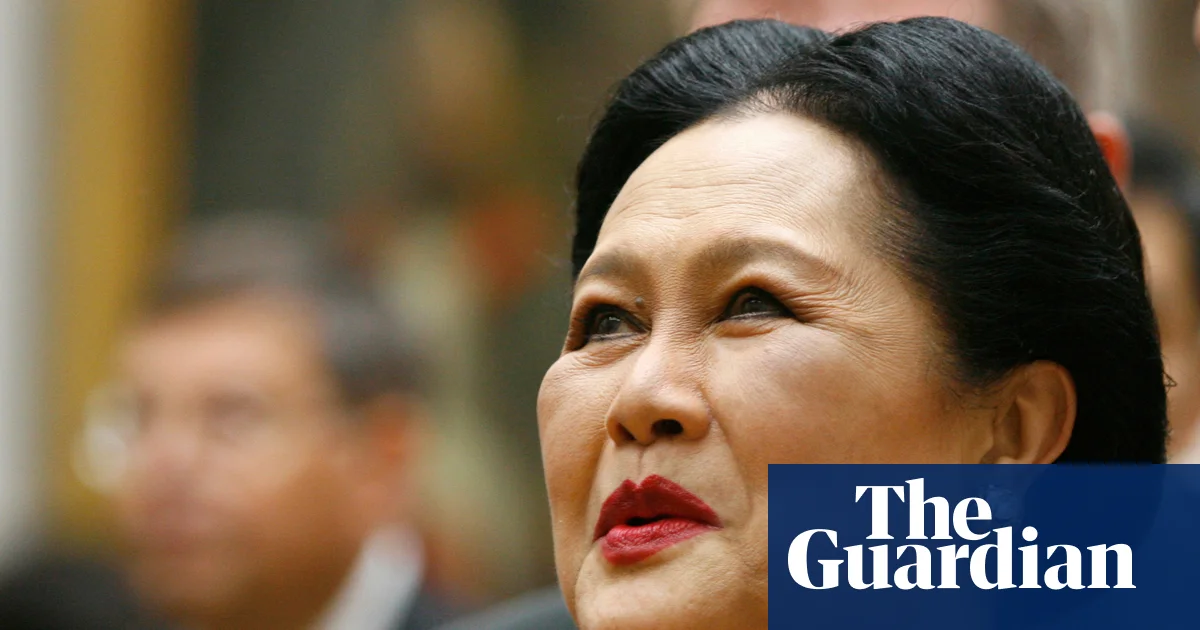
Thailand has experienced a profound national loss with the death of Queen Mother Sirikit, a towering figure who symbolized resilience, cultural pride, and maternal virtue for over nine decades. Her passing at age 93, announced by the Thai Royal Household, marks a pivotal moment not only for Thailand but also for the shifting dynamics of Southeast Asian geopolitics. Her death, after years of declining health, underscores the end of an era where the monarchy was both a unifying symbol and a subtle political actor—an institution whose influence extends far beyond the palace walls, shaping the socio-political fabric of the nation.
Despite her largely quiet public life since her 2012 stroke, Queen Sirikit remained a revered maternal figurehead, celebrated for her charitable work and the preservation of Thai tradition. Her deep-rooted ties to cultural identity and national cohesion rendered her an indelible part of Thailand’s collective consciousness. The declaration of a one-year mourning period exemplifies the magnitude of her significance, which transcended political boundaries and fostered a unifying narrative amid the nation’s long history of coups and government instability. In a country where lèse-majesté laws strictly curb any criticism of the monarchy, her death will be observed with profound reverence, emphasizing her enduring role as the cornerstone of Thai identity.
Historically, the Thailands’ monarchy has served as an anchor amidst turbulent political tides. King Bhumibol Adulyadej, her husband, reigned for 70 years, a period marked by stability through crises and upheavals. Queen Sirikit, from her Parisian roots—where she studied music and languages—wove herself into the social and cultural fabric of Thailand, revitalizing traditional weaving and silk industries and embarking on development initiatives in rural areas. Her dynamic involvement in political affairs, particularly as acting regent during her husband’s absences, exemplifies how the royal family has often intertwined with state affairs, subtly influencing policy and political shifts.
The geopolitical implications of her death ripple through Southeast Asia, where monarchies remain powerful symbols. Many analysts emphasize that Thailand’s monarchy, long regarded as a stabilizing yet discreet political force, continues to influence regional dynamics. With her son, King Maha Vajiralongkorn, now ascending the throne, questions remain about how the monarchy will navigate Thailand’s evolving political landscape. Observers such as political historians and international organizations warn that the royal family’s role could become even more critical in maintaining regional stability or, conversely, ignite tensions if internal or external forces seek to challenge royal authority.
As the world watches, and Thailand mourns, the death of Queen Mother Sirikit signals not merely a personal loss but the fading of a legacy that symbolized maternal authority, cultural preservation, and a subtle, often opaque, political presence. The process of her farewell, marked by official ceremonies and national mourning, invites reflection on how a single figure can embody the history—and perhaps the future—of a nation. Under the weight of history, the question remains: how will Thailand’s monarchy adapt and endure in an era of rapid change, and how will their decisions reshape the geopolitical contours of Southeast Asia? The answer lies hidden in the ongoing unfolding narrative—a story written in the quiet resilience of a nation, and in the shadows where power still silently resides, waiting for the next chapter to be inked in the pages of history.

In a tragic escalation of violence in the heart of capital of the United States, a shooting near Howard University has resulted in multiple casualties, casting a shadow over what was intended to be a festive homecoming weekend. The incident occurred at approximately 8:23 pm on the 600 block of Howard Place, just as thousands gathered on campus to partake in traditional celebrations. The timing of this violence underscores the persistent issue of urban gun violence in major American cities, which continues to threaten public safety and social cohesion regardless of the country’s global prominence.
Initial reports confirm that four individuals were shot, with at least one in critical condition and another in serious condition, though authorities have yet to disclose the exact number of injuries or whether a suspect has been detained. This senseless act of violence not only impacts local communities but resonates as a stark reminder of the broader challenges faced by the U.S. in addressing gun crime. Law enforcement responded swiftly, securing the scene and initiating investigations amid ongoing concerns over public safety during large gatherings. The incident highlights how urban violence persists as a pressing issue that destabilizes social order at a time when national attention is crucial for unity and resilience.
Meanwhile, the socio-political dynamics surrounding urban violence in the United States continue to draw criticism from international analysts and historians. Many point to systemic issues: economic disparity, lax gun control legislation, and racial inequities, which persist as root causes underpinning recurring episodes of violence. In a recent report, the International Organization for Peace and Security warned that such incidents threaten the fabric of American society and challenge the nation’s self-image as a beacon of democracy and stability. The current chaos in Washington serves as a microcosm of a deeper, unresolved crisis that could have far-reaching impacts on international perceptions of American sovereignty and governance.
Experts further argue that decisions made at municipal and federal levels significantly shape society’s resilience against violence. The ongoing debate surrounding gun legislation reform and social justice initiatives is intertwined with the broader geopolitical impact of American internal stability. As the nation grapples with these issues, the international community watches with cautious concern—fearing that continued internal strife may weaken the U.S. position on the global stage. Historically, unresolved conflicts within powerful nations often pave the way for foreign influence and regional instability, echoing past lessons from the Cold War era, where internal crises in the U.S. often shifted the balance of global power.
As security forces restore order in DC and investigations proceed, the weight of history bears down on this moment. With each incident like the Howard University shooting, the American societal narrative is rewritten—reminding us that the path to stability is fraught with challenges, and the future remains uncertain. Whether reforms or reforms will come quickly enough to prevent further tragedies remains to be seen. Yet, what persists is the stark reminder that history is an ongoing drama, and the decisions made today will echo through generations—ultimately shaping the destiny of nations and societies on the global horizon.

In an electrifying rematch, the Los Angeles Dodgers, the reigning champions of Major League Baseball, faced off against the gritty Toronto Blue Jays last night. The game, charged with tension and excitement, showcased the essence of competitive spirit as both teams pushed their limits, each vying for victory in the heat of the summer.
From the opening pitch, the atmosphere was palpable. In the bottom of the first inning, outfielder Jason Heyward of the Dodgers launched a stunning home run, igniting the home crowd. This early spark set the tone, and the Dodgers quickly established a commanding lead. Coach Dave Roberts was noted for his strategic decisions, particularly in how he utilized his bullpen in critical moments. “Every game is an opportunity to grow,” Roberts stated, underscoring his team’s determination to maintain their championship form.
As the game continued through tense innings, the Blue Jays fought back, with a clutch home run from star player Vladimir Guerrero Jr. bringing them within a run. However, the Dodgers’ defense held firm, and with a final score of 6-5, they emerged victorious. This victory not only strengthens their position in the league but also serves as a testament to their unwavering spirit.
Ultimately, this matchup reinforces the notion that sports are much more than competition; they are a tapestry that connects fans and communities. As fans filled the stands, they cheered together, united in their passion for the game. In every pitch, in every swing, lies the potential for unforgettable moments that transcend the scoreboard, reminding us why we love this game.

In a troubling turn of events, Queensland health authorities have identified *homemade chili paste* as the probable source behind a recent cluster of *rat poisoning* cases in south-east Queensland. The incident, which has raised alarms across local communities, underscores the hazards of unregulated food products and the potential for tragic consequences when homemade preparations are tainted with dangerous substances.
The cases, reported earlier this month, involved five individuals presenting with symptoms consistent with brodifacoum poisoning—the active ingredient in rat poison. Among these cases, three individuals admitted to consuming homemade, unlabelled chili paste, which has now tested positive for brodifacoum. Queensland Health has issued an urgent warning to the public, cautioning residents to be vigilant and to dispose of any suspected products immediately, especially those circulating within the Logan community since mid-September 2025. The decision to focus on homemade products hints at the complexities surrounding local food safety, especially in areas where informal, DIY food preparation remains prevalent.
This incident extends beyond local health concerns, highlighting a broader issue of food safety in an increasingly globalized supply chain. Experts point out thattraditionally, international trade policies and stringent food safety standards serve as barriers protecting consumers from contamination—yet, in local communities, especially where homemade goods are common, these safeguards are often less effective. The geopolitical impact is palpable: nations must grapple with how to regulate informal food markets that often operate outside the bounds of formal oversight. As such, the safety of community-based food preparations becomes a fragile point in the security of international health standards.
The incident has elicited commentary from a variety of international organizations and historians specializing in public health and diplomacy. Some analysts argue that such cases compel a reevaluation of local governance and borderless threats, emphasizing the need for international cooperation in managing food safety risks. WHO and other health watchdogs have called for more robust monitoring of unregulated food products, citing that lapses in oversight could set dangerous precedents, especially as malicious actors or accidental contamination could threaten entire populations.
Historically, unregulated food products have played a role in major public health crises, often stemming from the clandestine use of harmful chemicals. These episodes serve as stark warnings for governments and communities to adopt more rigorous safety standards, especially as the internet and social media facilitate the unmonitored exchange of homemade recipes and food items. The current case reminds us of past outbreaks where inadequate oversight transformed simple food mishaps into national emergencies, casting long shadows over societal trust in local food traditions. As public health historians have noted, it’s often in these vulnerable moments that the fabric of community safety unravels, leading to loss of life and misplaced public confidence.
While Queensland authorities maintain that the risk to the broader community remains low, their warnings serve as a stark reminder of the lingering danger posed by unregulated food products. The ongoing investigation aims to determine whether the contamination was accidental or malicious, an inquiry that could have profound implications for local food policies and community safety measures. How nations respond to these threats—through tightening regulations, public education campaigns, or even clandestine crackdown efforts—will shape the future safety landscape. The incident also highlights the challenging balance between *cultural food practices* and *public health safeguards,* a balancing act under siege in a world where the boundaries between tradition and regulation are increasingly blurred.
As history continues to unfold, the fate of this small Queensland community—and perhaps similar populations worldwide—hangs in the balance. The dangerous dance of human ingenuity and oversight confronts us yet again, reminding all that in the age of global interconnectedness, the smallest misstep can ignite a crisis of international proportions. The story is not merely about chili paste or rat poison—it is a wake-up call that echoes through the corridors of power and community alike, with the weight of history silently watching from the shadows.

The recent series of provocative incidents in the Baltic States underscores a shifting landscape of geopolitical instability that threatens the delicate balance of power in Eastern Europe. Lithuania, a staunch member of both European Union and NATO, responded decisively by closing its two largest airports and border crossings following the discovery of numerous helium weather balloons drifting into its airspace. These balloons, believed to be used for smuggling, notably carry Belarusian cigarettes, which are far more expensive within EU borders. The Lithuanian government blames Belarusian President Alexander Lukashenko, an ally of Russian President Vladimir Putin, asserting that his regime tolerates and perhaps facilitates this covert smuggling operation—a move that directly undermines EU security principles and regional stability.
This escalation is not isolated. Reports indicate that, throughout the year, Lithuania has seen an unprecedented number of incursions, with hundreds of helium balloons detected and dozens crossing into its territory. The same pattern of aerial intrusions is evident in neighboring Poland, which experienced over 100 similar incidents, further signaling an orchestrated effort to destabilize the Baltic region. Analysts point out that these seemingly minor incursions are part of a broader strategy by Russia and its proxies to test NATO’s resolve and to sow chaos within EU borders, exploiting vulnerabilities in eastern European countries. Security experts warn that such tactics could prelude more aggressive actions, echoing fears of a renewed hybrid warfare aimed at dividing the alliance and reasserting Moscow’s influence.
The recent encounter involving Russian military aircraft further amplifies these concerns. On Thursday, Lithuanian military sources confirmed the entry of a Sukhoi SU-30 fighter and an IL-78 tanker into Lithuanian airspace—an area protected by NATO’s Enhanced Air Policing Mission. Though the aircraft departed after brief incursions, NATO scrambled fighter jets as a show of force, signaling that the alliance remains vigilant amid the continued threats. These deliberate aerial provocations coincide with diplomatic protests from Vilnius, which summoned the Russian chargé d’affaires and issued a stern warning, underscoring the fragile diplomatic environment. Russia’s denial of the incursions, despite credible military reports, reveals its attempt to obfuscate the narrative and maintain plausible deniability—yet the message remains clear: the Baltic States are caught in the crossfire of a renewed geopolitical struggle.
This unsettling chain of events illuminates the broader geopolitical impact of Russia’s tactics. Under the veneer of trivial balloon crossings, a strategic message is sent: the security of eastern NATO members is fragile, and the Kremlin is willing to test the collective resolve of the West. International organizations and security analysts alike warn that such provocations could serve as precursors to more serious escalations—potentially softening defenses or creating opportunities for unilateral actions that threaten regional sovereignty. Historians like John Mearsheimer argue that Moscow’s deliberate destabilization efforts are designed to weaken NATO from within, reviving Cold War-era fears of renewed conflict in Europe. The unity of the alliance and the resilience of its eastern flank are under direct threat; the question remains whether Western nations can suppress the temptation to retreat or whether they will confront this threat head-on, risking broader confrontation in their effort to uphold stability.
As the curtains lift on this chapter of unfolding history, the precarious balance between sovereignty and aggression continues to sway. The Baltic region has again become a testing ground for geopolitical rivalry, where every balloon, incursion, and diplomatic protest leaves an indelible mark on the fabric of international security. The question looms: how much longer can democratic nations defend their borders against this invisible war? The answer, still shrouded in uncertainty, echoes across the corridors of power—while history, with relentless perseverance, watches and waits, ready to judge the decisions that will shape the future of the free world.
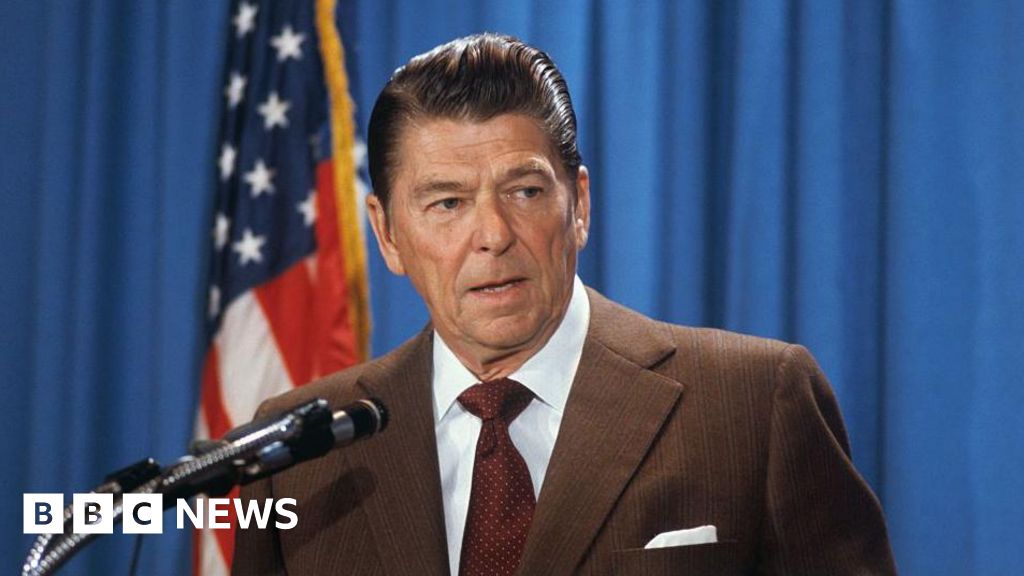
In a dramatic turn of events that underscores the fragile fabric of international economic stability, President Donald Trump has decisively halted all trade negotiations with Canada following the release of a controversial advertisement. The ad, prominently featuring excerpts from a 1987 address to the nation by Ronald Reagan, aims to highlight the perceived dangers of tariffs and protectionist policies. However, critics argue that this move reflects a broader struggle over the future direction of global trade policies—one that could reshape the geopolitical landscape for years to come.
The ad, sponsored by the Canadian province of Ontario, presents transcribed snippets of Reagan’s historic speech, emphasizing his warnings about the long-term consequences of tariffs: “Over the long run, such trade barriers hurt every American, worker and consumer.” By selectively editing and rearranging these excerpts, the ad seeks to underscore Reagan’s commitment to free trade as an economic virtue—yet the controversy surrounding it has ignited fierce political debate across North America. The Ronald Reagan Foundation quickly responded, condemning the ad as a misrepresentation of Reagan’s original message, which was fundamentally rooted in the principles of free trade and economic openness. Meanwhile, Ontario announced it would cease running the ad, citing the need to resume vital trade discussions with the United States—an indication of how high-stakes the rhetoric has become in this trade war.
Esteemed analysts from the International Monetary Fund (IMF) and various economic historians have long pointed to the historic repercussions of tariffs, echoing Reagan’s warnings from decades ago. As the 1987 address makes clear, high tariffs inevitably lead to retaliation by foreign nations, triggering escalating trade wars with devastating consequences. “Markets shrink and collapse, industries shut down, and millions of jobs are lost,” Reagan warned—a stark prognosis that resonates strongly today amidst rising tensions. Many experts see President Trump’s recent actions as part of a broader trend where geopolitical instability threatens global economic cooperation, risking a repeat of the past’s economic tumult.
The geopolitical impact of this dispute extends beyond mere trade. It signals a fundamental shift in how nations approach economic sovereignty and international alliances, especially as the United States reevaluates its trade policy stance. Countries across Europe, East Asia, and beyond are watching closely, aware that the future of free trade hinges on these decisive moments. According to international relations analysts, such moves threaten to unravel decades of progress made toward economic integration and global stability. As President Biden’s administration navigates these turbulent waters, the outcome could either reinforce the post-Cold War order or push the world back toward protectionism and economic isolationism.
With history threatening to repeat itself, the unfolding narrative leaves nations and societies standing at a crossroad where every decision echoes with the weight of history. As the world watches, the question remains: will this clash of trade visions forge a new era of cooperation or plunge the globe into a protracted economic conflict? The answer may well determine the fate of prosperity in the 21st century, reminding us that in the struggle for global influence, history’s pages are still being written, with each chapter etched into the fabric of international relations—an ongoing story that demands vigilance, resolve, and perhaps a renewed commitment to free and fair trade as the cornerstones of a prosperous future.

The recent escalation in trade tensions between Canada and the United States marks a significant turning point in international relations, highlighting the fragile nature of economic diplomacy in an era dominated by unilateral decision-making. The controversy began when the Ontario government ran a political advertisement featuring a historical speech by Ronald Reagan, emphasizing his stance that “trade barriers hurt every American worker”. The move, aimed at engaging US audiences on the impact of tariffs, unexpectedly ignited a diplomatic firestorm after Donald Trump responded with accusations of a “fraudulent” ad and, ultimately, the outright suspension of all trade negotiations with Canada. This sequence of events demonstrates how historical narratives can be weaponized in modern geopolitics, with repercussions that resonate far beyond the initial dispute.
The US-Canada trade relationship, long regarded as a cornerstone of North American stability, now faces an uncertain future. With the US imposition of 35% tariffs on Canadian steel, aluminum, and other key sectors, and Canada’s retaliatory measures, the economic fabric of both nations risks unraveling. Experts like Chris Sands, director of the Center for Canadian Studies at Johns Hopkins, warn that these developments could mark the cessation of meaningful negotiations. “Can we stop trade talks? Yes, but there was no evidence we were going anywhere anyway,” he notes, underscoring the perceived dead-end nature of current policy. The American move, fueled by political calculations amidst upcoming judicial hearings on presidential tariff authority, signifies a shift from Reagan’s ideals of free trade to a protectionist stance that threatens to destabilize the longstanding continental economic framework.
Moreover, this diplomatic breakdown occurs amid critical international deadlines. The scheduled review of the United States-Mexico-Canada Agreement in July 2026, coupled with U.S. Supreme Court hearings on Trump’s emergency tariff powers, underscores a pivotal moment for North American integration. The decision by the Canadian government to pivot towards building new partnerships in Asia reflects a broader strategy: diversifying economic reliance away from the tumultuous US market. As analysts observe, Canada’s stance is emblematic of a larger pattern—asserting sovereignty and safeguarding national interests against unpredictable American policies. Canada’s leadership now walks a tightrope, balancing domestic political pressure, regional unity, and its long-term strategic interests. These shifts will undoubtedly influence the global order, challenging established alliances and redefining how nations navigate shared economic destinies.
As history cast its long shadow over the present, the unfolding saga of North American trade relations raises a stark question: Will the echoes of Reagan’s optimistic free-trade vision be drowned out by the harsh realities of 21st-century protectionism? Or is this the beginning of a deeper reordering of global economic alliances? Only time will reveal whether these recent flashpoints are fleeting moments or the prelude to a fundamental transformation—where history’s lessons are either heeded or dismissed, and the world’s balance of power is reshaped by decisions made in moments of crisis. The weight of the future hangs heavy, as the pages of history continue to turn, writing a new chapter that will be remembered for generations to come.

In a landmark move that exemplifies the ongoing revolution in artificial intelligence and digital ecosystems, OpenAI has introduced a suite of new app integrations directly into ChatGPT. This development signals a profound shift towards a more interconnected and intelligent digital assistant capable of executing a wide array of tasks across popular platforms. By enabling users to seamlessly connect their accounts — spanning services like Spotify, Booking.com, Canva, Coursera, Expedia, Figma, and Zillow — OpenAI is disrupting traditional boundaries between AI and practical business applications, setting a new standard for digital productivity tools. The implications for startups, tech giants, and ecosystem partners are enormous, heralding a future where AI-driven automation becomes an essential component of everyday commerce, education, and entertainment.
This integration marks an inflection point in the industry’s trajectory towards hyper-utility. TechCrunch highlights how users can now instruct ChatGPT to perform tasks that were previously cumbersome or disconnected from AI, such as creating personalized playlists on Spotify or booking travel accommodations via Expedia. These capabilities are not merely superficial add-ons; they represent a significant enhancement in innovation and disruption. By bridging services traditionally operated in siloed environments, OpenAI is fostering a more unified and accessible user experience— a critical component of competitive advantage. For enterprises, this accelerates the transition from static software use to dynamic, AI-empowered workflows, fundamentally altering how businesses organize, strategize, and engage customers.
The technological innovations at the heart of this shift are multifaceted: natural language processing (NLP) algorithms are now capable of authentic multi-platform interactions, extracting context, and handling complex multi-step tasks. The advancements also include streamlined account integrations, with users able to connect or disconnect apps with ease directly from ChatGPT’s settings interface. This flexibility provides a strategic advantage for business agility and personalization—a core trend identified by industry analysts like Gartner. As the AI landscape matures, those who can harness these capabilities rapidly will dominate markets, with early adopters gaining a substantial competitive edge against traditional service providers and legacy systems.
Moreover, the expanded ecosystem approach—where major companies such as Walmart and Uber are slated to join later this year—foreshadows a future where AI-powered assistants become indispensable for consumer and enterprise markets alike. This wave of disruption challenges established players to rethink their engagement strategies and leverage AI as a strategic enabler. The seamless integration of services not only enhances user convenience but also opens new revenue streams, from personalized shopping experiences to real-time data-driven recommendations. As Peter Thiel and other visionary investors emphasize, the swift adoption of such innovative platforms can create monopolistic advantages, securing market dominance before competitors adapt.
However, alongside these technological potentials lie cautionary trends: regulatory uncertainty, privacy concerns, and the potential for over-reliance on AI systems. Already limited to the U.S. and Canada, the current rollout underscores the importance of regulatory frameworks evolving alongside this innovation. The future of AI-driven integrations hinges on how responsibly companies manage data and maintain user trust while navigating an increasingly complex geopolitical landscape. For executives and young entrepreneurs, the window of opportunity to shape the next frontier of disruptive technology is swiftly closing. Those who act decisively—integrating AI into core business operations today—will define the competitive landscape of tomorrow’s digital economy. The urgency to capitalize on these innovations is clear: in the rapidly evolving tech frontier, timing is everything, and the leaders of the next wave are already setting the pace.

In recent times, **the rising influence of online marketplaces** has sparked intense debate over their role in safeguarding community safety, especially concerning **our vulnerable youth**. A disturbing incident in New Zealand has cast a harsh light on these digital platforms’ failures. A 13-year-old boy, after ingesting up to 100 high-power (neodymium) magnets purchased online, was hospitalized with life-threatening injuries—prompting societal reflection on **the ethical responsibilities of e-commerce giants and the vulnerabilities of our families**. The incident underscores how social issues—rooted in **the separation of commerce from community safety**—can infiltrate our daily lives, impacting families and disrupting the fabric of local communities.
Despite existing bans on such powerful magnets in New Zealand since 2013, the boy’s case reveals a troubling gap in enforcement and oversight. The magnets, bought on Temu, a Chinese-founded e-commerce platform, were retrieved only after the boy suffered four days of excruciating abdominal pain. Surgeons found the magnets had adhered to his intestines, causing tissue necrosis in multiple areas—highlighting a **grave public health risk**. This case exemplifies how the unchecked proliferation of hazardous products online can undermine **the moral obligation to protect our youth** and fortify the social safety net. As sociologists like Philip Cook have argued, **the commercialization of every facet of life, unchecked by rigorous safety standards, threatens to erode societal trust** and impose preventable burdens on families and healthcare systems.
The response from Temu reflects a pattern seen in many online marketplaces: superficial apologies and vague investigations. While the platform claims to review product listings, critics note that the challenge lies in the platform’s ability—or willingness—to prevent illegal and dangerous items from reaching consumers. Such lapses raise questions about **the social responsibility of e-commerce platforms in safeguarding communities**, especially minors—our society’s most vulnerable—and highlight **the need for stricter regulatory oversight**. History teaches us, through the cases of defective consumer goods and lax regulation, that gaps in oversight often translate into long-term societal costs, including strained healthcare resources and traumatized families.
Beyond the immediate physical dangers, this incident illuminates **broader social tensions**: **the erosion of community-based oversight**, **the influence of unregulated online commerce**, and **the challenge of safeguarding cultural values in a digital age**. As social commentators argue, these platforms have become battlegrounds for societal morals, where profits often trump safety, and where **the very fabric of social trust is at stake**. Effective solutions necessitate **policy reforms**—such as stricter verification, faster removal of illegal products, and community-led oversight—to restore **a sense of moral responsibility**. Furthermore, strengthening parental awareness and education is crucial to empower families to navigate digital waters confidently, safeguarding **the moral and physical well-being of the next generation**.
As society navigates an increasingly interconnected world, the incident of this young boy, consigned to hospital beds because of corporate oversights, serves as a poignant reminder. Society must confront uncomfortable truths about **the cost of unchecked consumerism** and **the devaluation of community safety**. There remains hope, however, amid these challenges. A future where businesses embrace moral accountability, regulators enforce standards firmly, and **families** are **empowered** to protect their own can foster a society resilient enough to convert these dark moments into a beacon of renewed societal purpose—reminding us that true safety lies not only in laws but in the collective conscience that refuses to let commerce overshadow community bonds.
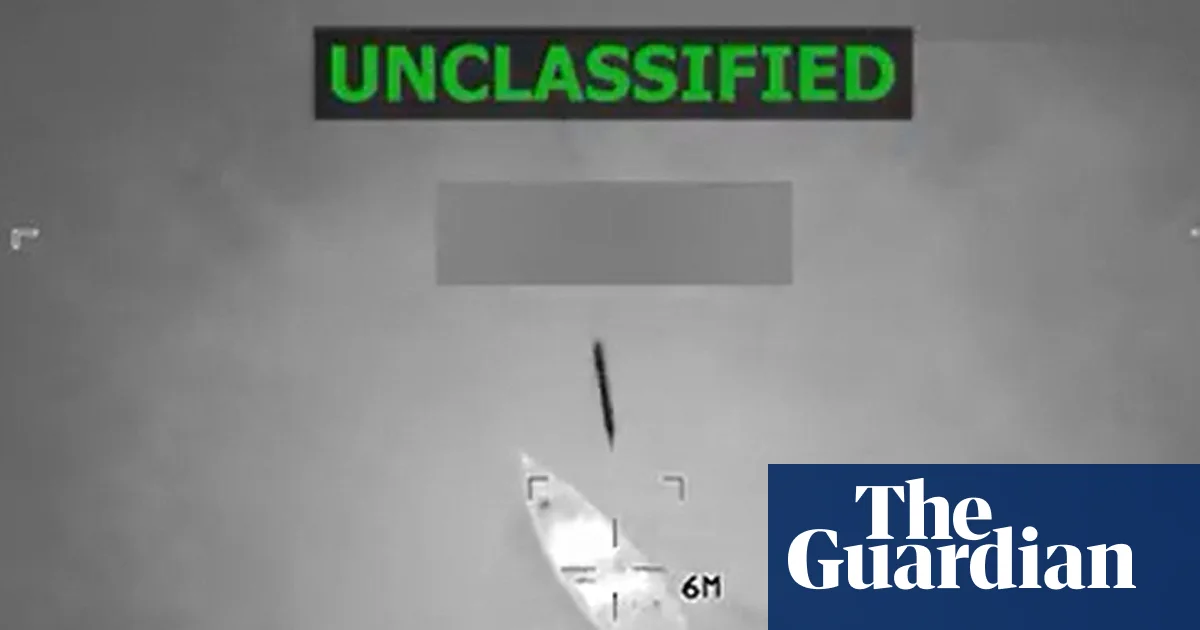
In a move that underscores the escalating global struggle against narcotics trafficking, the United States has conducted its tenth military strike targeting vessels suspected of carrying illegal drugs in the Caribbean and off the coast of South America. According to Pentagon officials, the latest operation resulted in the death of six individuals onboard a vessel believed to be involved in narcotics smuggling along transnational routes. These strikes, authorized and executed under the claim of defending national security and disrupting transnational criminal organizations (TCOs), have sparked considerable debate on the legality and efficacy of U.S. unilateral military interventions.
The administration has rapidly intensified its military posture, deploying the aircraft carrier USS Gerald R. Ford to waters off South America, emphasizing a strategic shift to bolster surveillance and interdiction capabilities in the Western Hemisphere. This move signals a broader geopolitical shift in U.S. foreign policy, with an explicit focus on combating narcotrafficking that threatens both domestic stability and regional security. Analysts suggest that this demonstrates a move toward a more aggressive posture, potentially risking regional destabilization and diplomatic fallout. Since early September, Washington has executed at least 10 strikes, resulting in the deaths of over 40 suspected traffickers, based on unverified claims. However, critics, including numerous civil liberties groups and South American leaders such as Colombian President Gustavo Petro, have condemned the campaigns as extrajudicial murders that violate international norms and sovereignty.
Indeed, the geopolitical impact of these actions extends beyond immediate military objectives. The clandestine role of the Central Intelligence Agency in providing intelligence—reportedly underlying many of these strikes—raises profound questions about transparency and legitimacy. Experts like Dr. Mariana Ruiz, a senior analyst at the International Crisis Group, warn that the secretive nature of intelligence-driven operations could set dangerous precedents. The ambiguous status of alleged affiliations between gangs like Tren de Aragua and designated terrorists complicates the legal framework used to justify these strikes, challenging international law and the sovereignty of affected nations.
Beyond the legal and moral controversies, these actions reveal a broader shift in U.S. strategic priorities. While the White House contends that the President is exercising constitutional authority under Article 2—a controversial interpretation—many legal scholars highlight the lack of explicit congressional approval and question whether such strikes are justified as acts of self-defense. Meanwhile, regional reactions remain overwhelmingly critical; Colombia, a frontline state in narcotics trafficking, decries these operations as “murder,” emphasizing that such policies risk destabilizing already fragile alliances and creating new fertile grounds for conflict. As global watchdogs and analysts grapple with the implications, it is clear that these strikes symbolize more than just a war on drugs. They mark a pivotal moment — a dramatic chapter in the unfolding narrative of international power, sovereignty, and the relentless pursuit of safety in an increasingly chaotic world.


