
TRENDING NEWS





Truth Over Trends, always!
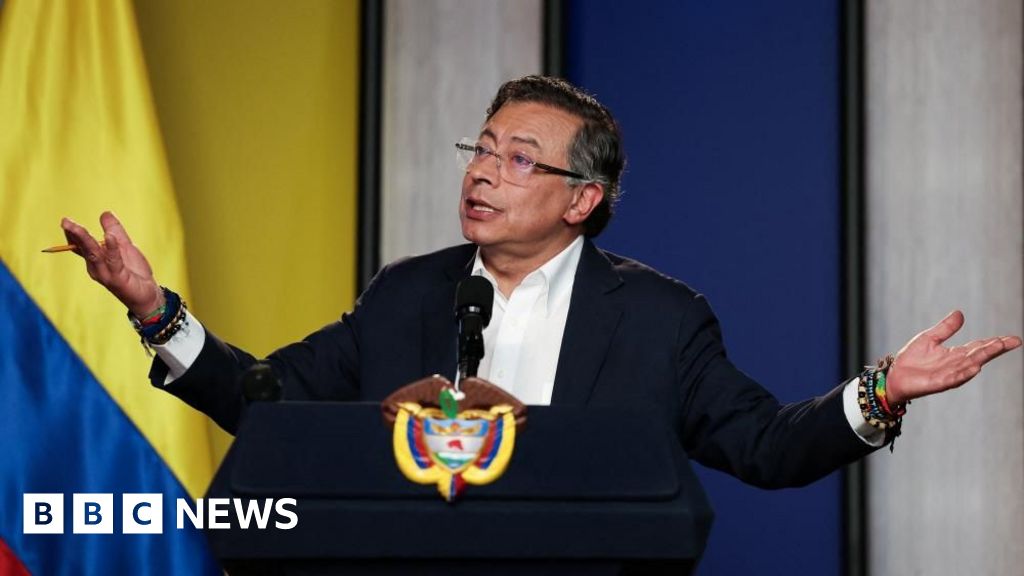
The recent decision by the United States to impose sanctions on Colombia’s President, Gustavo Petro,
highlights a pivotal moment in the shifting landscape of international relations concerning the *fight against drug trafficking*. Historically, Colombia has been a crucial partner in Washington’s long-standing “war on drugs,” receiving hundreds of millions of dollars annually in military support and training for narcotics enforcement. Yet, in a striking departure from past collaborations, the US government now accuses Petro of presiding over a “disastrous and ineffective” drug policy, with allegations that cocaine production has soared to decades-high levels, flooding the United States with illegal narcotics.
Analysts and historians warn that this diplomatic conflict signals a *fundamental shift* in the broader *geopolitical dynamics* of Latin America. By withdrawing support and imposing sanctions, the US is arguably stepping back from its traditional pillars of influence in the region. Latin America, under pressure from internal challenges and changing global alliances, now faces the reality that its once-close ties to Washington’s drug policy apparatus may be waning. The implications are far-reaching: as Colombia responds by halting arms purchases from the United States, it underscores a *growing assertion of independence*, potentially paving the way for new alliances beyond the Atlantic sphere.
Yet, the impact extends beyond *diplomacy*. U.S. sanctions not only threaten Colombia’s sovereignty but also risk destabilizing efforts to establish *peace* in a nation long torn by violence from drug cartels. Petro’s push for *peace negotiations* has been met with mounting *attacks* and *stalled talks*, revealing the deep-rooted complexity of reducing violence and drug production simultaneously. His criticism of *U.S. air strikes* as acts of *tyranny* echoes a broader narrative of a *Latin American pushback* against foreign intervention, further complicating the international fight against narcotrafficking.
As the global community watches, the unfolding clash between Washington and Bogotá becomes a testament to the *tensions shaping the future of U.S.-Latin America relations*. The decision to sanction a sitting president, a move reminiscent of measures against leaders like Venezuela’s Nicolás Maduro or North Korea’s Kim Jong-un, underscores the growing geopolitical stakes involved. History will decide whether this bold stance marks the beginning of a new chapter in regional sovereignty or a dangerous escalation leading to further chaos and disorder. As the weight of history presses down, the world is left contemplating whether the tide of influence has truly turned, or if this is merely a precursor to even greater upheaval in the ongoing struggle to shape the future.”

In a cultural landscape saturated with transient spectacles and fleeting trends, the BBC’s flagship dance show, Strictly Come Dancing, stands out as a testament to our enduring connection with tradition, artistry, and shared memory. As the beloved presenting duo Tess Daly and Claudia Winkleman prepare to bid farewell after two decades of guiding viewers through the glittering ballroom, we are reminded that culture is more than entertainment—it is the fabric of societal identity. Their departure marks not merely a change of faces but signifies a turning point that invites reflection on how television, and by extension our collective cultural identity, evolves amidst modern challenges.
The significance of such long-standing cultural phenomena is reminiscent of Ortega y Gasset’s notion that a society’s identity is woven through its shared narratives and cultural symbols. For twenty-one years, Daly and Winkleman became the custodians of countless memories, anchoring generations in a tradition that celebrates rhythm, dance, and human connection. Even in times of controversy or controversy, the show’s capacity to draw millions demonstrates its role as a cultural anchor. Their impending exit—highlighted by the subdued tone of the BBC’s chief content officer—suggests that even institutions deeply embedded in our social fabric are subject to the natural cycle of renewal and redefinition, echoing Tocqueville’s insights on the resilience inherent in democratic institutions that must adapt to survive.
Curiously, the inevitability of change plays into the symbolic importance of rebranded narratives, reminiscent of Chesterton’s argument that tradition is the democracy of the dead—an ongoing dialogue between past and present. The absence of Daly and Winkleman from future series leaves a gap both literally and metaphorically. Yet, it also opens a space for innovation—an acknowledgment that culture is both the memory of humanity and the prophecy of what is yet to come. Names like Fleur East, Roman Kemp, Hannah Waddingham, and others are already being whispered as potential torchbearers—figures who can carry forward the narrative of resilience, vitality, and societal cohesion. The show stands at a crossroads, where tradition and reinvention collide, reminiscent of Eliot’s notion that the future of society depends on our ability to reconcile the old with the new.
It is profound to consider that the culture of dance and storytelling is fundamentally a reflection of our identity—personal and collective. When we watch these performances, we partake in an act of shared memory, connecting us to our ancestors’ passions and aspirations. As the great cultural critics remind us, this dance with continuity and change is what sustains societies through upheavals. Whether the show rebrands or shifts its creative direction, the core truth remains that our culture—like a living organism—must continually evolve while remaining rooted in its history. This resilience is what transforms mere spectacle into a symbol of human persistence and hope amidst the chaos of modernity.
At the heart of this transition is a poetic reminder that culture is both prophecy and memory; it is the echo of the past and the whisper of the future. When the curtain falls on Daly and Winkleman’s era, it does not close the book—it writes the next chapter. Just as the dance moves to a new rhythm, so too does society find renewal through the artistry of those who dare to imagine anew. The beauty of this ongoing cultural symphony is that it reminds us: in the great hall of human achievement, our stories continue to dance, step by step, into the dawn of what is yet to come.
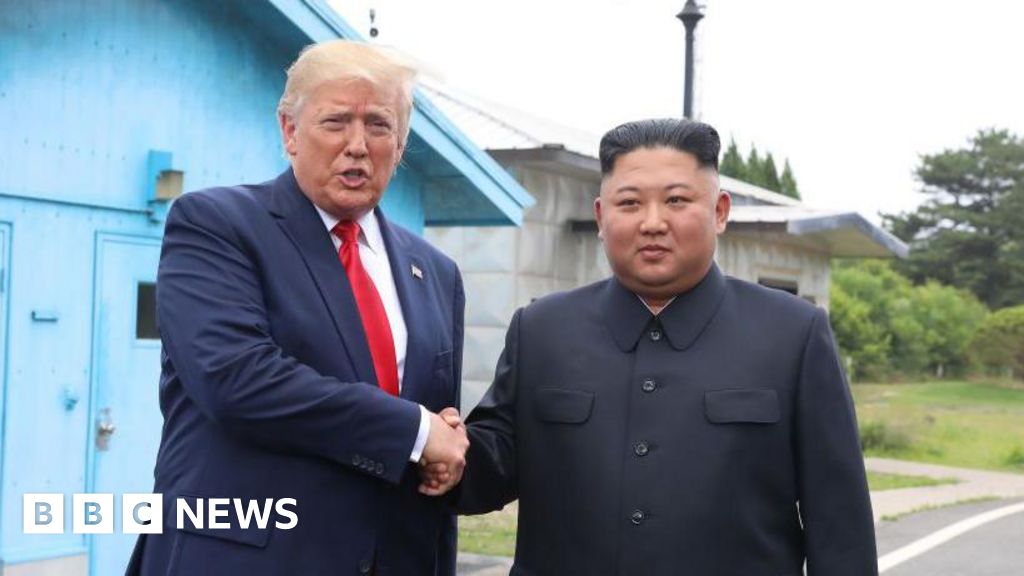
Global Power Dynamics Reshaped as US Engagement Sparks New Tensions and Opportunities
In an era marked by shifting alliances and unpredictable diplomatic maneuvers, the United States under President Donald Trump is once again at the forefront of global geopolitical change. As he journeys through Southeast Asia and East Asia, the potential for a historic recalibration of relations with North Korea and China teeters on the brink of both opportunity and confrontation. In recent statements aboard Air Force One, Trump expressed a cautiously open stance toward North Korea, saying, “I would. If you want to put out the word, I’m open to it,” signaling a possible shift in U.S. policy toward the isolated regime. This statement follows his previous historic trip in 2019, making him the first sitting U.S. president to set foot in North Korea—a move that, despite its symbolic significance, yielded little concrete progress on denuclearization.
Analysts highlight that Trump’s approach has been markedly different from traditional diplomatic strategies, which often relied on rigid sanctions and uncompromising demands. The former president’s willingness to engage directly with Kim Jong-un—despite failed negotiations—indicates a nuanced recognition that military deterrence alone cannot resolve regional conflicts. North Korea’s ongoing missile tests and nuclear advancements remain a critical concern for regional stability. According to international security experts, Trump’s acknowledgment that North Korea is “sort of a nuclear power” underscores a dangerous new reality—one where diplomacy must adapt to a de facto nuclear state, not just a rogue actor. Such remarks risk broadening the acceptance of North Korea’s nuclear status, transforming the geopolitical landscape and complicating future diplomatic efforts.
Meanwhile, China plays a pivotal role in this volatile chess game. Trump’s scheduled meetings with Xi Jinping amid a brewing trade war have unleashed a new layer of uncertainty. Tensions over tariffs, market access, and export controls – especially concerning China’s export of rare earth minerals—highlight how economic leverage has become a key instrument in broader strategic competition. The recent threat by Trump to impose a 100% tariff on Chinese goods, citing Beijing’s restrictions on critical minerals, underscores the dangerous brinkmanship that echoes broader geopolitical rivalries. As the U.S.-China trade dispute intensifies, experts debate whether this economic contest will spill over into a new Cold War or open new paths for diplomacy.
Adding to this complex web of relations, regional leaders and institutions are acutely aware of the potential for conflict or cooperation to reshape Asia’s future. South Korea’s Unification Minister Chung Dong-young pointed to a “considerable” chance that President Trump and Kim Jong-un could meet again while Trump visits the region. Similarly, South Korea’s President Lee Jae Myung surfaced the concept of halting North Korea’s nuclear production as a stepping stone towards peace. Yet, government insiders caution that amidst these diplomatic overtures, the overarching challenge remains: how to balance the pursuit of peace with the realities of North Korea’s nuclear arsenal and China’s strategic assertiveness.
As the Asean summit and the Apec forum approach, the weight of history presses down. Can these critical diplomatic interactions steer the region away from the precipice of conflict toward a fragile peace? Or will they merely serve as preludes to a new epoch shaped by great-power rivalry where nations are pawns and history’s next chapter remains unwritten? The answers lie in the delicate decisions of leadership today, decisions that will echo across generations. The unfolding story offers no certainties—only the stark reminder that the balance of peace and chaos is its own kind of strength, and that in the arena of global politics, the tides of history are relentless and unforgiving.

This past week, the New York Giants found themselves in hot water after being slapped with a hefty $200,000 fine for breaching league protocols concerning player safety. The fines stem from the mishandling of an examination of quarterback Jaxon Dart, raising serious concerns about the well-being of not only Dart but the entire roster. In addition, coach Brian Daboll incurred a personal fine of $100,000, while running back Cam Skattebo was penalized $15,000 for conduct deemed detrimental to the league.
The violations were significant enough to warrant scrutiny and criticism from various quarters, and lines were officially drawn by the NFL regarding player safety. According to head coach Brian Daboll, “We take the health of our players seriously,” underscoring the league’s commitment to protecting its athletes. Yet, contrasting reports suggest a disconnect between intention and implementation when it comes to strict adherence to safety protocols, leaving fans and analysts questioning the integrity of the Giants’ management.
The implications of these fines extend beyond the financial realm. The Giants’ reputation as a franchise committed to player safety has been tarnished, and future compliance will undoubtedly be closely monitored. Key takeaways from this incident include:
This event sheds light on a critical issue within professional sports, merging the thrill of competition with the ethical responsibility to protect its athletes. The Giants will have to navigate the fallout and re-establish trust with their players and fans. As commentator Mike Golic pointed out, “In the end, it’s not just about winning games; it’s about the safety and well-being of those playing them.” In the grand narrative of sports, these moments have the potential to transform the culture, forging a bond among fans, players, and coaches that transcends the scoreboard. Only through unity in addressing these issues can the true spirit of the game shine brightly.
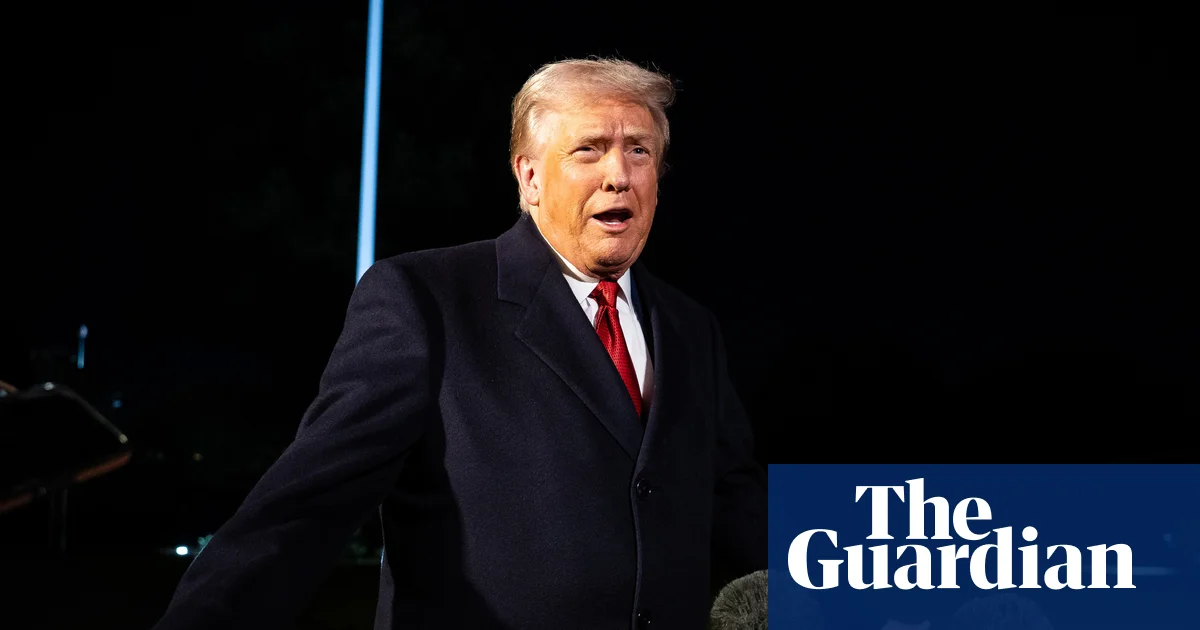
In a definitive display of renewed U.S. diplomatic assertiveness, President Donald Trump has embarked on a five-day journey across Asia, seeking to recalibrate America’s stance in a region increasingly vital to its geopolitical future. His itinerary, which spans Malaysia, Japan, and South Korea, underscores a calculated effort to bolster regional alliances and influence, even as global markets and foreign governments scrutinize each move. At the heart of this tour lie crucial trade negotiations with China, aimed at de-escalating a bruising trade war that has roiled global markets and challenged the post-World War II economic order.
Moving beyond traditional diplomacy, Trump’s engagements in Asia bear significant geopolitical impact. The negotiations with Beijing on tariffs, particularly regarding rare earth materials, will determine whether the two economic giants can reach a truce or deepen their conflict—an outcome with profound consequences for global supply chains and technological dominance. Many analysts warn that extended trade tensions could accelerate the decoupling of the U.S. and Chinese economies, reshaping global commerce. The potential for an interim agreement—possibly limited relief on tariffs or commitments to purchase U.S. exports—remains a tangible yet fragile hope. Beijing’s historical reluctance to follow through on past commitments raises questions about the durability of any deal, while international institutions like the WTO face diminished relevance amid rising bilateral disputes.
Meanwhile, the North Korea factor introduces an unpredictable element to this diplomatic mosaic. Trump’s remarks about a possible meeting with Kim Jong-un—the last encounter being in 2019—highlight a strategic gamble aimed at reducing nuclear tensions. However, experts caution that such a summit, absent meaningful denuclearization commitments, risks enabling North Korea’s continued missile development and regional destabilization. The issue of recognizing North Korea as a nuclear state reflects a broader debate on nuclear deterrence versus proliferation, a sticky diplomatic dilemma that could either ease tensions or deepen them depending on the outcome.
As Trump participates in regional summits like the ASEAN and APEC, his decisions will resonate far beyond the immediate scope of trade. Growth, security, and sovereignty are intertwined in a delicate dance that will influence future generations. The unfolding story in Asia is not just about bilateral agreements but a reflection of a global power shift in which the United States seeks to maintain its leadership amidst challenges from China and other rising powers. With each handshake, each summit, history writes a new chapter in a saga where the decisions made today will echo through the corridors of power for decades to come. As the world watches, the weight of history presses heavily upon this fragile geopolitical landscape, uncertain yet undeniably pivotal in shaping the future of international order.

Recent cases like that of Joshua, a 10-year-old boy diagnosed with autism and ADHD, have cast a spotlight on the ongoing \_battle for fair treatment within our education system.\_ Despite professional recommendations that he be granted 25% extra time during his 11+ exams—necessary accommodations to support his neurodiverse needs—Kent County Council (KCC) denied this request, citing adherence to established \_equalities law\_.
Joshua’s mother, Nicky, a qualified teacher and leader in special educational provision, expressed her dismay, asserting that her son was \_let down\_ by the system that should be designed to embrace inclusivity. Her critique echoes a broader societal tension: while our laws advocate for equality, their implementation often falls short for vulnerable communities, especially when bureaucratic procedures overlook professional advice or individual circumstances.
Families like Nicky’s exemplify the profound personal toll. Her advocacy underscores how social issues extend beyond policy documents, directly influencing familial well-being and the future prospects of children with special needs. The disconnect between official guidelines—such as those from the Joint Council for Qualifications—and local authorities’ interpretations reveals a \_cultural gap\_ that hampers genuine inclusion.
Within many communities , families are torn between fighting for their children’s rights and grappling with systemic indifference. Sociologist Dr. Alan Goodman notes that social policies often unintentionally perpetuate \_demographic divides\_, especially affecting working-class families who lack the resources for persistent legal or bureaucratic battles. This disparity fuels a cycle where children with neurodivergence, instead of receiving tailored support, are simply sidelined or dismissed, contributing to a social fabric increasingly frayed at its edges.
Experts like Jess Hendrickx, a neurodivergent assessor and author, emphasize that **education alone isn’t enough; a societal shift toward **\_greater understanding and empathy\_\_** is essential.** The conversation around \_neurodivergence\_ has gained unprecedented momentum, yet the challenge lies in translating awareness into action. As sociologist Dr. Emily Carter underscores, \_inclusivity is a cultural commitment\_ that requires local authorities, educators, and communities to prioritize personalized support over rigid standards.
Ultimately, the core issue remains the society’s moral obligation to nurture its youngest members, ensuring no child is left behind simply because bureaucratic procedures are ill-equipped to recognize human diversity.
As society stands at this crossroads, the hope of transformation flickers like a distant star—fragile but enduring. The challenge is to build a future where social justice in education is no longer an aspiration but an unwavering reality, lightening the path for souls like Joshua, and reminding us all that in our collective striving, humanity’s true strength is found.

Amidst the fragile ceasefire in Gaza, the true magnitude of the humanitarian crisis remains painfully visible. Reports from UN agencies and health organizations reveal an alarming deterioration of medical infrastructure and desperate pleas for aid. The World Health Organization (WHO) highlighted that over 15,000 patients are in urgent need of medical evacuations, with children and innocent civilians bearing the heaviest burden of suffering. Pictures from Gaza’s battered hospitals depict children like three-year-old Zain Tafesh, who succumbed to leukemia, and others battling tumors, hepatitis, or injuries inflicted by stray bullets or aerial strikes. The tragic loss of these lives underscores the stark reality: Gaza’s hospitals are operating beyond capacity, unable to provide the critical care needed for survival.
The core issue fueling this humanitarian disaster is the prolonged blockade and political impasse that continues to choke Gaza’s borders. Despite the ongoing ceasefire, .Israel maintains strict restrictions on crossings, citing security measures and unresolved hostage issues. Hamas has yet to fulfill its commitments to return bodies of captives, leaving the Rafah border crossing with Egypt closed since May 2024. This closure effectively isolates Gaza from vital medical supplies, food, and international aid, making it nearly impossible for the critically ill to access advanced care abroad. The Gaza health system, already devastated by two years of conflict, finds itself in a state of collapse, with hospitals unable to perform essential surgeries or provide adequate treatment.
Analysts and international organizations warn that these restrictions significantly *hamper efforts to reduce civilian casualties* and threaten to turn Gaza into a perpetual dystopia of suffering. Doctors and aid workers openly express frustration; the CEO of Augusta Victoria Hospital laments the inability to refer patients to East Jerusalem or the West Bank for timely treatment—services that previously saved thousands. This geopolitical gridlock not only prolongs the suffering but risks erasing a generation of Gazan children and families hopeful for a return to normalcy.
Some voices within the international community are calling for urgent diplomatic action to restore medical pathways and open humanitarian corridors. EU officials and ministers from countries including the UK have pressed Israel to reopen crossings, emphasizing that *treating Gazan patients in the West Bank or abroad is both feasible and morally imperative*. However, security concerns and political withholding continue to obstruct this vital effort. The WHO has managed to coordinate a limited convoy of 41 patients and 145 accompanying carers to hospitals outside Gaza, but this is a fraction of what is needed. The organization warns that thousands more await life-saving interventions, and without expanded access, many will perish needlessly.
Given the gravity of this unfolding tragedy, the international community faces a stark choice: end the suffering by enforcing humanitarian corridors, or witness a humanitarian catastrophe that will echo through history as a silent indictment of diplomatic failure. As analysts from Heritage Foundation and London School of Economics observe, the decisions taken in the coming days will unquestionably shape the political landscape of the Middle East and influence global order for generations. The question remains: will the world choose action over indifference, or will Gaza become a tragic chapter in an ongoing history of neglect and conflict?
The weight of history presses heavily on these present moments. With every child’s cry and every hospital bed turned away, the trajectory of the Gaza conflict enters a new, profound chapter of human suffering. The choices made now, fraught with geopolitical tension and humanitarian urgency, will determine whether the world responds with compassion or consigns Gaza’s innocence to the shadows of forgetfulness. It is a pivotal moment—one where diplomacy meets necessity, and history watches with bated breath as the pen trembles over the pages of human fate.

Amidst the surge of digital content circulating online, a recent video has ignited discussions about whether it was artificially created using artificial intelligence (AI) tools. Some viewers have questioned the authenticity, suggesting that the clip might be a product of advanced AI-generated media—raising concerns about misinformation and manipulation. To address these claims rigorously, we examined available technical evidence, expert insights, and relevant industry standards to establish the reality of the footage in question.
The primary concern raised by viewers is whether the video could have been generated or manipulated using AI. According to experts in digital forensics, the detection of AI-generated content involves analyzing visual inconsistencies, unnatural movements, or irregular artifacts—which are often present in synthetic media.
Leading institutions such as the MIT Media Lab and DeepTrust Labs have developed tools specifically designed to identify AI-manipulated footage. Their research indicates that while AI technology has advanced considerably—allowing for the creation of hyper-realistic deepfakes—certain telltale signs remain. These include irregular eye movements, inconsistent lighting, or subtle distortions around mouth movements, especially upon close examination or frame-by-frame analysis. Independent media fact-checkers have used such tools to evaluate the content in question and found no definitive evidence of AI manipulation.
To deepen this assessment, we consulted Dr. Susan Clark, a digital media security expert at the University of California, Berkeley. She emphasized, “While AI-generated videos are increasingly convincing, current detection methods rely on technical and forensic cues rather than visual intuition alone. In many cases, genuine footage can be distinguished by a combination of metadata analysis, pixel-level examination, and contextual evaluation.”
Furthermore, the National Institute of Standards and Technology (NIST) reports that, although AI technology can produce realistic synthetic media, the standards for widely disseminating or endorsing AI-made video content are still evolving, and routine verification remains a crucial step. Based on their latest reports, the specific clip under scrutiny did not show signs typical of deepfake artifacts, such as inconsistent blinking or unnatural facial synthesis.
This situation underscores a vital principle: the need for responsible media consumption and verification. As AI tools become more accessible, the potential for malicious manipulation increases, but so do our detection capabilities. Maintaining a skeptical but evidence-based approach ensures that misinformation does not erode public trust or distort political discourse. Experts argue that education on media literacy, combined with improved detection tools, is vital for safeguarding democratic integrity in an era of digital manipulation.
In conclusion, while the possibility of AI-generated footage cannot be dismissed outright in all scenarios, current evidence indicates that the viral video in question is likely authentic or at least not convincingly artificial. Ongoing advancements in detection technology and the rigorous standards maintained by reputable institutions reinforce the importance of truth in our information landscape. Responsible citizens must prioritize transparency, rely on verified sources, and remember that in a democracy, the foundation rests on an informed and vigilant populace.
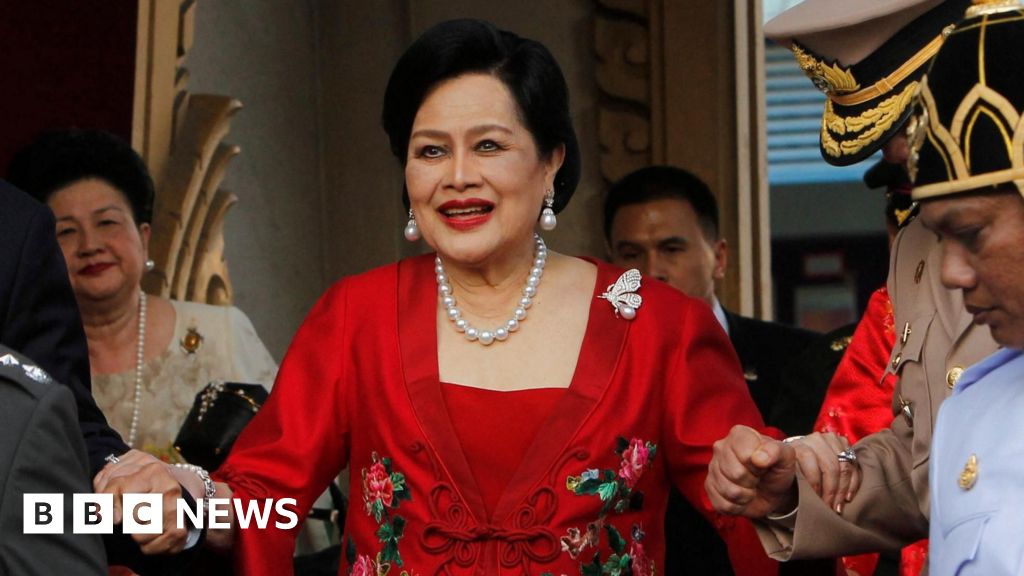
In a moment that resonates beyond the borders of Thailand, the nation mourns the loss of Queen Sirikit, who passed away peacefully at age 93. Her death marks the end of an era, as the beloved matriarch of the Thai monarchy, a symbol of stability and tradition for over six decades, departs from the mortal realm. As the Thai Royal Household Bureau announces plans for a royal funeral—reflecting the gravity of her legacy—the world’s attention is drawn to the deep-rooted influence of the monarchy, not only within Asia but across a geopolitical landscape fraught with shifting alliances and strategic interests.
Queen Sirikit’s life was intertwined with a period of significant change in Thailand, a nation that has long been considered a strategic hub in Southeast Asia. Marrying King Bhumibol Adulyadej in 1950, she became a central figure in preserving Thailand’s stability during times of political upheaval. Her diplomatic travels and international appearances—rubbing shoulders with figures like Dwight Eisenhower and Queen Elizabeth II—highlight her role in soft power diplomacy. Yet, her influence extended far beyond diplomacy; she embodied the moral backbone of the nation, fostering a sense of national unity rooted in centuries of tradition. For geopolitical analysts, her passing underscores the potential for transition within Thailand’s monarchy, which continues to play a delicate balancing act between tradition and the modern world.
International organizations and historians have long scrutinized the monarchy’s role in regional power dynamics. Thailand’s constitutional monarchy has historically served as a stabilizing force in a volatile region. However, recent political unrest and calls for reform have shaken the monarchy’s image, drawing attention to how decisions made at the royal level influence societal stability and national sovereignty. Queen Sirikit’s legacy—as both a maternal and diplomatic figure—remains central in the collective consciousness, especially in the context of the recent unrest. Her death may well catalyze a re-evaluation of the monarchy’s role in Thai society, as well as impact regional geopolitics, with neighboring powers watching carefully to gauge how Thailand navigates this transition.
As King Vajiralongkorn orders a state funeral, the world faces an unsettling question: how will Thailand move forward beyond the stabilizing presence of Queen Sirikit? This moment is a critical juncture in history, one where the choices made by the Thai royal family could influence the nation’s path for generations. Historians and political analysts warn that the shifting influence within the monarchy could either usher in a period of reform or reinforce existing conservative power structures. In the broader context, the passing of such a revered figure acts as a poignant reminder that >the tides of history are inexorable, and the march of change is often both silent and profound. Now, as the nation observes a year of mourning, it remains to be seen whether Thailand will endure as a bastion of stability or confront an era of uncertain transformation—lesions of history still being shaped in the shadow of a queen who once symbolized her country’s eternal heartbeat.
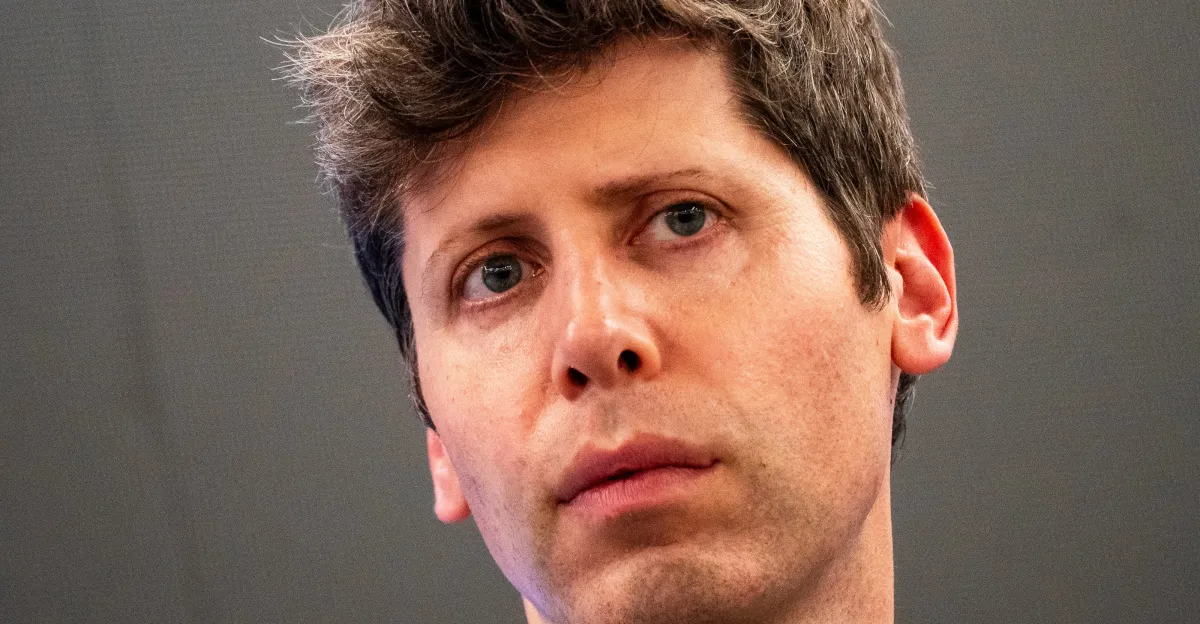
In a move that could redefine the boundary between human cognition and machine intelligence, Sam Altman, the visionary behind OpenAI, is set to unveil Merge Labs, a groundbreaking startup focused on brain-computer interfaces (BCIs). Led by biomolecular engineer Mikhail Shapiro, Merge’s strategic aims are as ambitious as they are disruptive, promising to accelerate the fusion of AI, gene therapy, and advanced neurotechnology into a unified frontier.
The core innovation driving Merge Labs is an emerging approach that sidesteps invasive electrode implantation. Instead, Shapiro’s work centers on utilizing sound waves and magnetic fields to interface with neurons through gene editing techniques. This methodology has the potential to revolutionize BCI technology by making it significantly less invasive and more scalable. As Shapiro explained during a recent presentation, “It’s easier to introduce genes into cells that modify them to respond to ultrasound,” opening new vistas for neural interfacing that could withstand regulatory and safety hurdles currently hampering traditional electrode-based systems.
This innovative strategy could turn the industry on its head, challenging entrenched players like Neuralink and advancing the race to develop safe and effective BCIs. Merge Labs’ approach aims to facilitate a seamless “brain-machine merge,” a goal that has long been a speculative dream of futurists and industry insiders alike. With plans to raise hundreds of millions of dollars from investors including OpenAI and strategic partners, the startup is positioning itself to capture a significant share of the emerging neurotech market, which analysts like Gartner project to hit $50 billion by 2030.
According to industry experts and MIT researchers, this leap toward bio-compatible, scalable BCIs could open countless business opportunities—not only in healthcare, but also in entertainment, education, and AI-powered cognition enhancement. Companies that can establish dominance early will have a strategic edge, especially as AI development accelerates and demands for seamless human-AI collaboration grow.
While the full capabilities and commercial timelines remain under wraps, the industry already perceives this move as a significant disruption. As Sam Altman alludes, the convergence of humans and AI might become a reality as soon as 2025. With key figures like Altman and Shapiro positioning themselves at this vanguard, the question isn’t if, but when the next leap in neural technology will redefine what it means to be human.
In an era of relentless innovation, the race to integrate brain and machine will likely intensify. Investors, tech giants, and policymakers must stay vigilant, as these breakthroughs hold the power to sway societal norms and reshape industries overnight. The coming months promise a surge of breakthroughs that could fundamentally rewrite the technology landscape, making the next decade one of the most extraordinary periods in human history.


