
TRENDING NEWS





Truth Over Trends, always!

The NBA gears up for the highly anticipated 2025-26 season, as all 30 teams complete their strategies and refine their rosters. Fans everywhere are excited to witness the incredible talent that will hit the courts when the season opens. With a myriad of rising stars and seasoned players ready to shine, the league promises an electrifying year ahead.
This season, the spotlight is shining brightly on up-and-coming sensations such as Ja Morant of the Memphis Grizzlies and Victor Wembanyama from the San Antonio Spurs. Both players have shown remarkable skills and have been pivotal in their teams’ preparations for the upcoming games. As noted by well-respected sports commentator Mark Jackson, “We are witnessing the birth of new legends.” These players are expected to significantly impact their teams’ performances, supported by strong coaching from figures such as Gregg Popovich and Taylor Jenkins.
The narrative for this season is not solely about the scoreboard but represents a unifying force in sports. As the players dive into competition, they connect with fans and communities, fostering a sense of belonging and purpose. As veteran player Kevin Durant aptly stated, “Basketball is more than just a game; it’s a life lesson.” As the season unfolds, each game will serve as a testament to perseverance, teamwork, and the undying spirit of competition. In a world often divided, the NBA embodies a collective passion that resonates far beyond the hardwood, proving that sports have the power to unite us all.
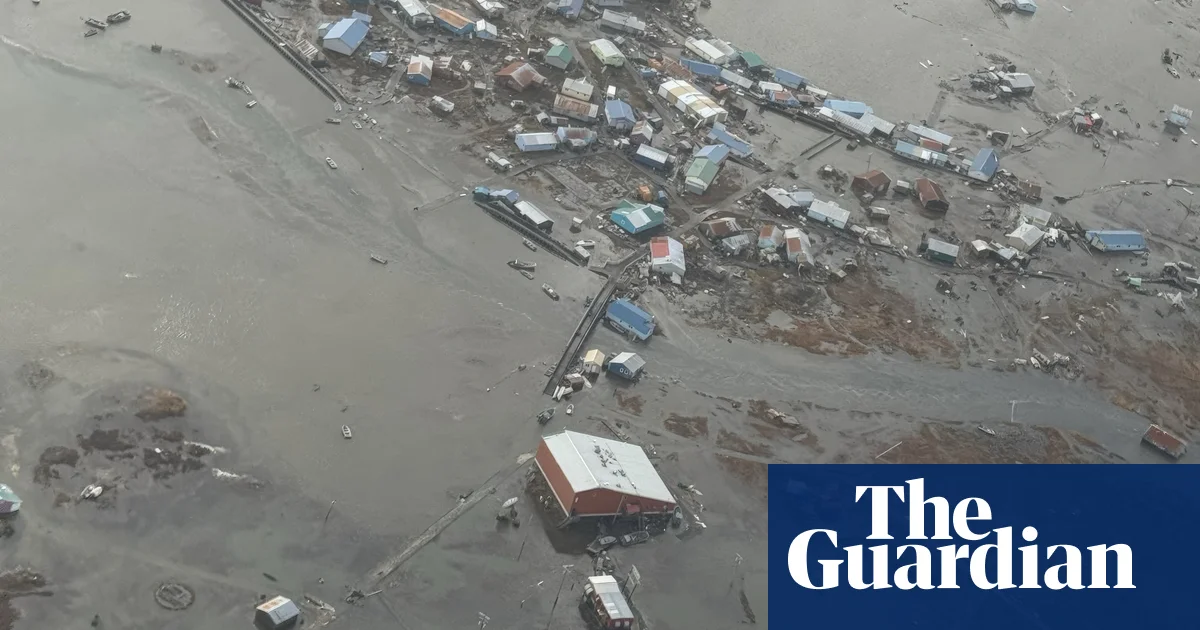
The recent devastating storm in Alaska exemplifies the escalating toll of climate-related disasters and highlights the precarious balance between national preparedness and federal support. The storm, fueled by the remnants of Typhoon Halong, battered remote communities, leaving over 1,500 residents displaced, human casualties, and extensive infrastructural destruction. Local officials, including Senator Lisa Murkowski and Governor Mike Dunleavy, have issued stark warnings about the prolonged recovery process, with Dunleavy predicting it could take up to 18 months for many communities to restore basic livelihoods. Their appeals for urgent federal aid underscore the critical geopolitical issue that arises when a nation faces natural calamities that outstrip regional capabilities.
This crisis not only exposes the vulnerability of Alaska—a state already at the forefront of climate change’s tangible impacts—but also sparks a broader conversation about how the United States manages its resources and its strategic role in disaster response. The decision by the Trump administration to cancel a $20 million EPA grant aimed at coastal erosion and flood prevention in Kipnuk in May raised eyebrows, especially as climate experts warn of increased storm intensity and rising sea levels. Critics argue such cuts reflect a dangerous underestimation of the threat, highlighting a pattern where fiscal austerity and political ideology often undermine preparedness. An international analysis by think tanks underscores that climate-related disasters like this do not respect borders and signify a geopolitical challenge that demands sustained, proactive intervention more than reactive measures.
Moreover, the incident in Alaska reverberates beyond local borders, pressing into international terrain as global climate policies and U.S.-China rivalry on environmental issues come into play. While the Biden administration has signaled a renewed focus on climate resilience, critics argue that actual policy shifts lag behind the rhetoric, leaving vulnerable regions exposed. As United Nations-backed organizations and climate analysts warn of escalation, the importance of strategic alliances and technological innovation in disaster mitigation becomes undeniable. How the most powerful nation in the world responds to natural crises now will shape geopolitical stability for decades—whether it emerges as a leader in resilience or retreats into neglect.
This ongoing saga reminds us that climate disasters are intertwined with geopolitical uncertainties and societal resilience. As winter looms and Alaska struggles to rebuild amidst limited transportation and broadband connectivity, the weight of history presses heavily—signaling that decisions taken today will echo through generations. Will this moment serve as a wake-up call, prompting renewed commitment and strategic foresight? Or will it be just another chapter in the slow unraveling of governance amid global crises? The Earth’s climate and geopolitical landscapes are shifting rapidly, and the world watches keenly as the pages of this unfolding story are written with the stakes of all humanity in mind.
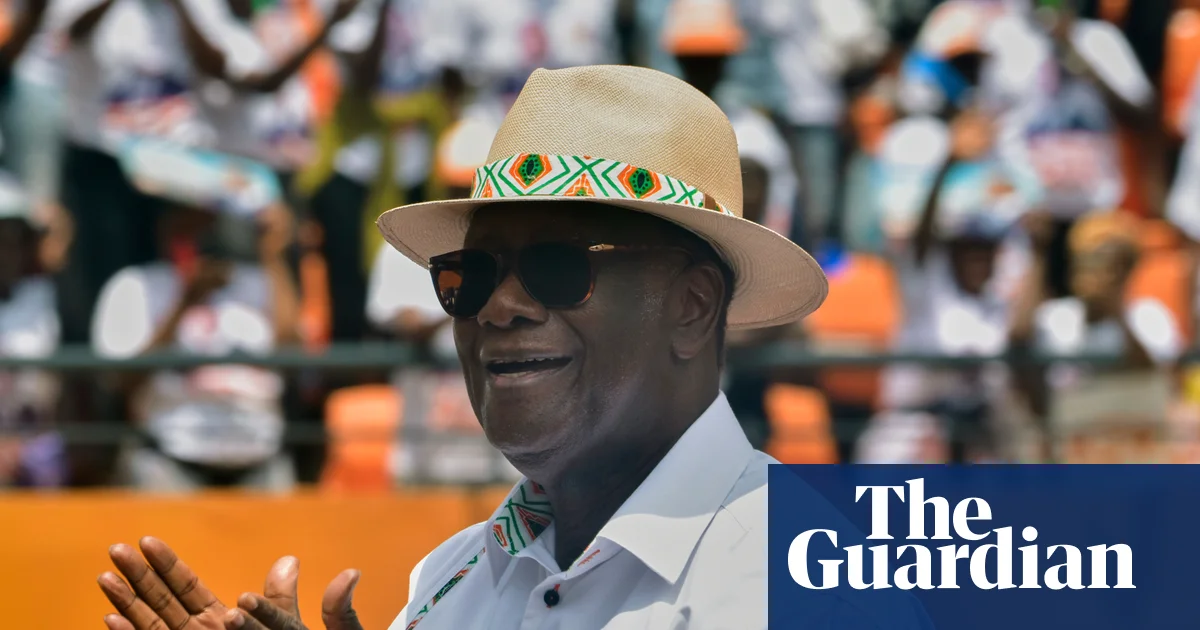
The recent developments in Ivory Coast reveal a nation at a crossroads, where progressive infrastructure projects clash with mounting political unrest, exposing the undercurrent of underlying societal discontent. President Alassane Ouattara has long championed a narrative of growth and stability. In 2023, he proudly inaugurated a bridge named after himself in Abidjan, proclaiming it a symbol of modernity and national revival. However, beneath these achievements lies a volatile political landscape, with protests escalating and dissent brewing among the youth and opposition factions. Analysts warn that such conflicts threaten the very fabric of future stability in the country, which is already grappling with numerous socioeconomic challenges.
Since taking office in 2011, Ouattara has presided over rapid economic growth, built prominent infrastructure, and sought to leave behind the violent crises that once plagued the nation. Yet, his decision to run for a controversial fourth term has ignited fierce opposition, with protests turning increasingly intense. Over the past month, more than 200 protesters have been teargassed and detained, revealing a government that appears more intent on quelling dissent than addressing its root causes. Opposition leaders, including the historic figure Simone Gbagbo, have denounced the electoral process, claiming that the disqualification of candidates like Tidjane Thiam and the sidelining of figures such as Laurent Gbagbo demonstrate a descent into exclusionary politics. For many, the events echo past political upheavals—where the specter of civil conflict has loomed large—casting a shadow over recent progress.
The internal strife within Ivory Coast is compounded by what international observers describe as a deliberate campaign of disinformation. A rising tide of fake news, often traced to pro-Russian, anti-France sources based in neighboring Burkina Faso, seeks to discredit Western influence and exacerbate divisions. As Vanessa Manessong of the African Digital Democracy Observatory notes, this information warfare aims to undermine traditional alliances, deepen suspicion, and destabilize democratic processes. Such tactics are not new; history shows how misinformation can serve as a tool of foreign actors to exploit internal vulnerabilities, especially in fragile democracies. The ongoing crisis in Mali and the chaos in eastern Burkina Faso serve as cautionary tales, illustrating how regional instability can easily spill into neighboring nations, transforming internal dissent into a broader geopolitical contest.
The choices made in Abidjan now carry profound consequences for the nation’sfuture trajectory. Domestically, economic development is undermined by rising inequality, soaring living costs, and a life expectancy that lingers at just 59 years. The government’s narrative of rural electrification and poverty reduction faces skepticism amidst reports of disenfranchised youth and widespread disillusionment. International organizations, including the United Nations, warn that suppressed dissent could ignite violence, while traditional diplomatic alliances are tested by the internal divisions and rising populist rhetoric. With over 44,000 security personnel deployed to safeguard the electoral process, and opposition factions demanding reforms, the country stands on the brink of a pivotal moment—where the actions of political leaders may either forge a resilient democracy or plunge the nation into chaos.
As the world watches, history’s pen continues to carve its narrative—its pages inscribed with the hopes and struggles of a society caught between progress and upheaval. The coming days may reveal whether Ivory Coast will forge a new path rooted in legitimacy and unity or succumb to the turbulence of unresolved grievances. The weight of history presses down, reminding us that the decisions made now are not merely about an election—they are about the very soul of a nation, and how it will be remembered in the vast story of the African continent’s unfolding story.

The burgeoning startup 1001 AI is positioning itself at the forefront of AI-driven infrastructure modernization across the Middle East and North Africa (MENA), unveiling a bold vision to revolutionize how critical industries operate. Led by visionary entrepreneur Bilal Abu-Ghazaleh, who brings nearly a decade of experience from the U.S. tech scene—including a key role at the robotics data company Scale AI—the firm is pioneering decision-making AI solutions designed to optimize complex and high-stakes environments such as airports, ports, and construction sites. This emerging wave of disruptive AI technology promises to send ripples through traditional sectors long plagued by inefficiencies, slipping schedules, and budget overruns.
In a recent funding round totaling $9 million led by investment giants CIV, General Catalyst, and Lux Capital, 1001 AI’s innovative approach attracted notable angels including industry experts such as Chris Ré and Amjad Masad. This influx of capital marks a significant milestone, providing the leverage for rapid deployment and scaling. The company’s flagship product, scheduled for release by the end of the year, exemplifies its disruption strategy: AI models that integrate seamlessly with existing software platforms to automate decision-making processes, effectively transforming manual operations into real-time orchestrated workflows.
Beyond mere automation, 1001 AI emphasizes its strategic focus on physical-world problems — a critical gap in many sectors where legacy infrastructure and manual oversight dominate. Through sophisticated data modeling, the AI system can optimize the movement and allocation of resources—vehicles, crews, and equipment—eliminating idle times and reducing operational bottlenecks. According to Abu-Ghazaleh, this translates into tangible cost savings, especially in megaprojects that frequently face delays and budget overruns. Industry analysts, including those at Gartner, underscore that such intelligent orchestration not only enhances efficiency but also sets the stage for a new era of infrastructure resilience and profitability.
The broader implications of this technological disruption extend far beyond regional borders. As Abu-Ghazaleh aims to establish the Gulf as a global hub for AI-enabled infrastructure solutions, the potential for a transformative impact on the global supply chain and construction sectors is immense. By embedding AI deeply into physical operations, 1001 AI is challenging existing paradigms and tipping the industry toward a future where real-time data-driven automation becomes the norm, not the exception. With plans to launch its initial deployments within construction before expanding into logistics and aviation, the company anticipates becoming the regional backbone for operational orchestration. Such a shift could recalibrate entrenched models, making them more agile, cost-effective, and responsive.
As we look ahead, the urgency to embrace this wave of innovation grows—industries resistant to digitization risk falling behind in a hyper-competitive landscape. The combination of regional market opportunities and global technological trends signals that the next decade will see innovations in infrastructure management define the economic and strategic landscape. Companies that fail to adapt will likely face irrelevance, while those like 1001 AI are set to lead the charge, harnessing AI to unlock unprecedented levels of operational efficiency and disruption. The race for AI dominance in critical industry infrastructure is underway — and the clock is ticking for industry leaders to respond.

In a world increasingly captivated by the relentless churn of markets and technology, the crisis of 1929 stands as a stark reminder that the fabric of society is woven from the threads of culture, tradition, and human character. Andrew Ross Sorkin’s latest work, 1929, invites us to peer into the tempest that shattered a nation and reshaped the collective psyche. The 1929 Crash, often remembered through the lens of economic charts and distant statistics, was ultimately a human tragedy—marked not merely by falling stock prices but by a profound upheaval in the moral and cultural order. As Ortega y Gasset warned of the peril of misunderstanding the *spirit* of the times, so too must we recognize that these moments of upheaval challenge the very foundations of our cultural identity and societal cohesion.
Throughout history, society’s most pivotal shifts have been driven less by abstract numbers and more by the stories of individuals—whose motivations, flaws, and virtues define the era. Chesterton’s assertion that “truth is the way things are, perceived without illusion” is echoed in the detailed archival research Sorkin undertakes, uncovering the driving forces behind the crash’s protagonists. Figures like Thomas Lamont, Carter Glass, and John Raskob are not mere caricatures of greed or ambition; they are embodiments of the complex interplay between human nature and societal structure. Their judgements, driven by desire and ideology, echo Tocqueville’s observation that democracy is a fragile vessel, vulnerable to the whims of collective morality. Culture, in this sense, is not a mere backdrop but the living membrane that sustains or shatters communal stability.
Modern parallels emerge naturally from Sorkin’s narrative. Today’s debates over cryptocurrency, private equity, and financial democratization reflect the same unchecked optimism and hubris that led to the 1929 crash. As Sorkin notes, the rhetoric of “democratizing finance” has remained a constant, whether through the advent of credit instruments or the recent regulatory debates surrounding Tesla’s visionary Elon Musk or Elizabeth Warren’s regulatory fervor. The cultural mythos of the self-made entrepreneur or the crusading reformer persists, yet beneath the surface, the tensions remain. Here, the lessons of history serve as the mirror of our aspirations and follies. *We are reminded that the true cost of financial hubris isn’t merely measured in dollars but in the erosion of social trust and moral coherence.*
As the dust of 1929 settled, the nation faced a reckoning not just with economics but with its own soul. Sorkin’s tapestry of characters—ranging from Hoover to Churchill, and from Wall Street magnates to political reformers—illustrates how cultural memory bears witness to the enduring struggle to maintain societal virtue amid chaos. The calamities of yesteryear are not merely stories of the past but prefigurations of future crises, just as Eliot advocated that “history is a pattern of timeless images.” To understand the tumult of 1929 is to comprehend that culture is both a safeguard and a prophecy: a collective memory that informs our present resolve and foreshadows the possibilities yet to come.
In a world teetering between the allure of progress and the perils of excess, the enduring lesson remains clear: culture, built on tradition and moral discipline, is the true bulwark against the chaos of unchecked ambition. As poets and philosophers have long seen, humanity’s destiny is written not only on the ledger of markets but in the stories we tell, the values we cherish, and the memory we preserve. For in culture lies the eternal spirit that inspires us to dream, to remember, and to create a future imbued with meaning—a future where history is not merely a wake-up call, but a prophecy of hope rooted in the timeless pursuit of the true, the beautiful, and the good.
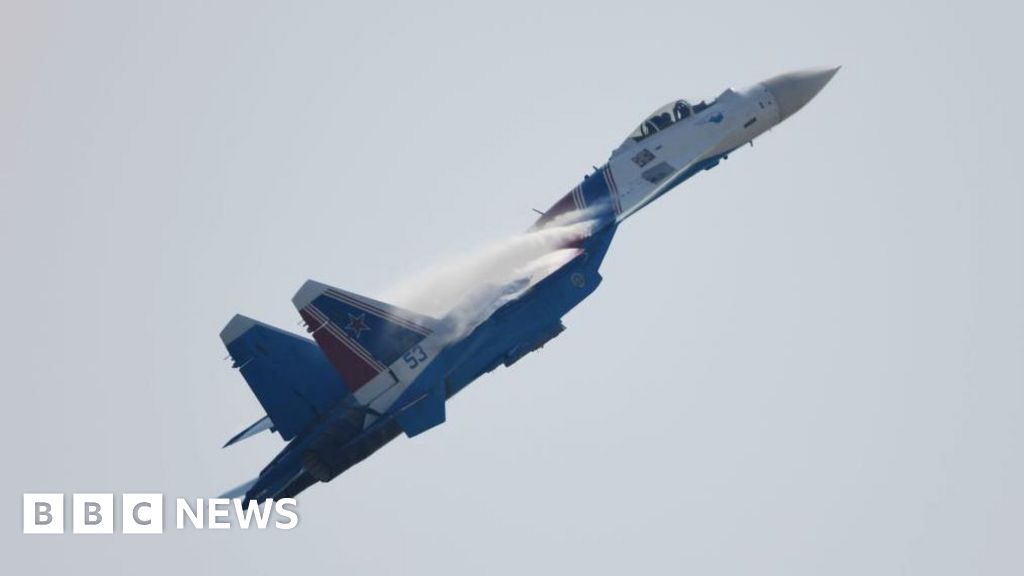
The escalating military tensions between Australia and China continue to threaten the fragile stability of the Indo-Pacific region. Recent incidents, including a dangerous confrontation over the South China Sea, underscore the simmering rivalry that, if unchecked, could reshape the geopolitical landscape. Australia’s defense department publicly accused a Chinese military aircraft of releasing flares in close proximity to an Australian patrol jet, the P-8A, an act described as “unsafe and unprofessional”. Though no injuries occurred, the event signals a dangerous escalation in aerial encounters that have become increasingly frequent in the contentious waters where China asserts expansive territorial claims.
Experts and global organizations warn that these dangerous displays of military bravado could spiral into full-blown conflict if not managed carefully. The United States and its allies consider China’s expansive claims over the South China Sea and its aggressive military posture as clear threats to regional security and international law. Political analysts suggest that China perceives these provocative actions as a means to assert dominance over vital maritime routes and surrounding island chains, challenging the sovereignty of various Southeast Asian nations. Meanwhile, historians caution that such persistent frontier brinkmanship echoes the perilous prelude to the South China Sea’s previous conflicts and even Cold War-era cruise tensions.
The geopolitical impact of these incidents extends beyond the immediate region. As Australia aligns more closely with American strategic interests through initiatives like AUKUS, Beijing’s response is to fortify its territorial claims and signal its willingness to confront Western influence head-on. The Chinese government’s recent assertions portray Australia’s actions as illegal and provocative, aiming to rally domestic support and project strength. In an era where military encounters risk miscalculation, analysts warn that such provocations could ignite larger confrontations with global consequences. The United Nations and international diplomatic efforts urge restraint, but the momentum for escalation persists.
As history continues to unfold, the confrontation in the skies and seas off Asia serves as a stark reminder: the arena of international diplomacy is fraught with peril, and the decisions made today will echo through generations. With each flare, each sortie, the world watches—and witnesses history in the making, teetering at the edge of chaos or peace. The question remains: will cooler heads prevail, or will these hostile shadows cast a long, dark future over the free nations?”
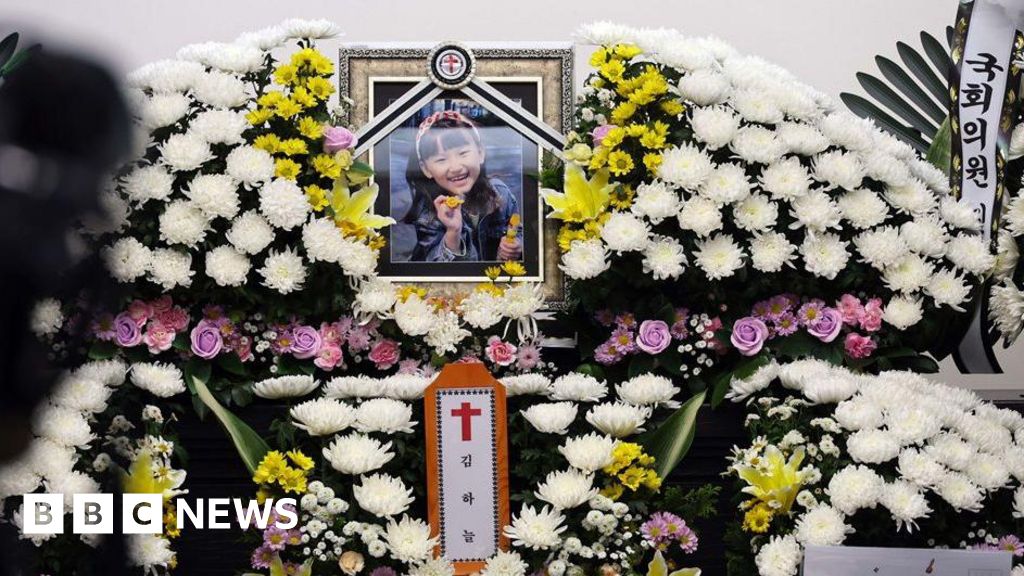
The recent tragic case in South Korea involving a teacher fatally stabbing an eight-year-old girl has sent shockwaves through the nation and reverberates across the international community. Myeong Jae-wan, a 48-year-old educator in the city of Daejeon, was sentenced to life imprisonment after a brutal attack that exposed vulnerabilities in the country’s educational and mental health systems. Such a disturbing incident underscores ongoing concerns about how institutions are failing to safeguard the most vulnerable—children—from internal threats and unaddressed mental health issues.
This case has sharply distinguished itself, not only because of the heinous act but also because of the broader geopolitical impact it carries. Analysts note that South Korea’s leadership faces mounting pressure to implement more rigorous safeguards within schools nationwide, emphasizing the necessity for improved mental health resources and security protocols. These measures are seen as vital in preventing similar tragedies and restoring public trust in education systems that are often heralded as models of discipline and societal progress. International organizations, including the United Nations, have long called for comprehensive child protection policies, but incidents like this illuminate the ongoing gaps even in developed nations.
The case also highlights how decisions made at the institutional and legislative levels directly shape societal safety and public perception. The court’s decision to sentence Myeong to life, rather than pursuing the death penalty, points to South Korea’s evolving judicial stance on sentences for offenders with related mental health conditions—a subject debated fiercely among legal scholars and human rights advocates. Meanwhile, Myeong’s own acknowledgment of her mental health struggles, coupled with her return to work shortly after a leave of absence, raises critical questions about the adequacy of mental health assessments and intervention strategies being in place within the educational sector. The case’s detailed conduct, including violent prior behavior and her plan to kill herself, reveals an urgent need for early detection and intervention strategies in high-stress environments like schools.
In response, South Korean authorities have called for stronger safety measures, including the mandatory wear of electronic monitoring devices for violent offenders, extending up to 30 years. The aftermath of the tragedy has also prompted renewed debates about the role of mental health support systems and school safety protocols—a clear reminder that the stability of a nation’s institutions intimately connects to the well-being of its citizens. Historians and analysts warn that the lessons learned from this incident could define the country’s future policies, serving as a stark milestone in the ongoing struggle against internal threats to societal safety. As the nation mourns yet strives to learn, the weight of history reminds us that security is never static—only as strong as the preparations and precautions we put in place.
Ultimately, the case leaves a haunting question lingering in the air: What are the true costs of neglecting mental health and institutional security? As South Korea struggles to rebuild trust and implement meaningful reform, the world watches closely. In the shadow of this tragedy, one thing remains painfully clear—the fight to protect lives is ongoing, and in the unfolding pages of history, the next chapter is yet to be written by those brave enough to face its consequences.

In a significant twist in the summer transfer saga, Bayern Munich has entered the race to acquire Bruno Fernandes, the talented captain of Manchester United. The potential move has captured attention across Europe, with pundits and fans speculating on the implications for both clubs.
The Portuguese midfielder has been a vital figure for Manchester United, showcasing remarkable leadership qualities and impressive stats, including 15 goals and 10 assists in the previous season. Such performance has made him a hot commodity in the transfer market, with Bayern Munich looking to bolster their midfield options ahead of an anticipated push for the Bundesliga and UEFA Champion’s League titles.
Commentators are already discussing the potential impact this transfer could have. Renowned football analyst and former professional player, Gary Neville, noted in a recent interview, *”Fernandes brings creativity and tenacity that can revolutionize any midfield, especially for a club like Bayern that demands excellence.”* This sentiment echoes across various media outlets, emphasizing not just the player’s skill set but also how his leadership could elevate Bayern Munich‘s game strategy.
Unfolding new chapters in sports often leads to unforgettable stories, and this potential transfer is no different. As negotiations progress, clubs like Bayern Munich and Manchester United serve as reminders of the unifying force of sports. A successful transfer transcends mere statistics and standings, creating narratives that bring fans together in celebration or heartbreak. Across the pitch, rivalries may ignite, but the love for the game remains a vibrant tapestry woven from goals, teamwork, and the unyielding spirit of competition.
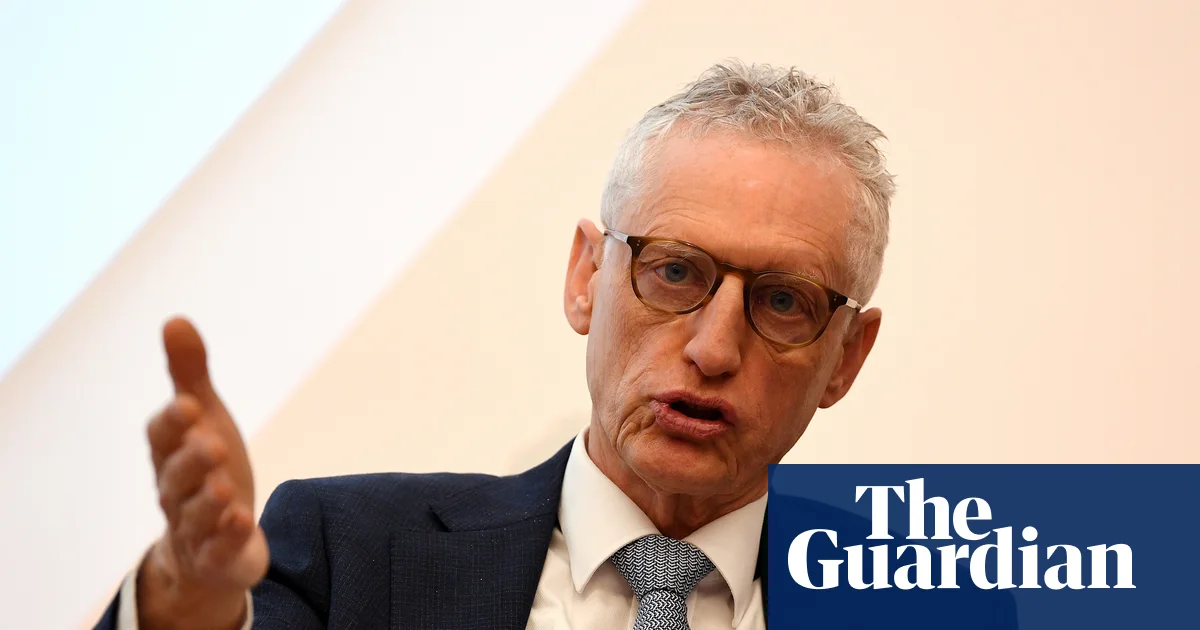
In an era where mis- and disinformation spread faster than ever, Australia has recently taken a decisive stand to defend the integrity of its national data. The Australian Bureau of Statistics (ABS), under the leadership of David Gruen, publicly refuted false claims made by right-wing factions about mass migration. The controversy erupted following an episode where these groups misused official figures to support inflated migration claims, despite the data showing a clear downward trend. Gruen emphasized that reliance on accurate, independent data is fundamental to a functioning democracy, warning that undermining statistical independence risks degrading democratic governance itself.
This development is not isolated; it exemplifies a broader global pattern of information warfare. Countries like China and Russia have long manipulated official data for political ends, but recent U.S. political upheavals, notably Donald Trump’s administration’s disruption of American statistical institutions, have underscored the fragile nature of data sovereignty. Across the international landscape, analysts from think tanks and organizations such as the OECD warn that the weaponization of data can distort the political discourse, influence migration debates, and sway public opinion to serve particular agendas—often at the expense of truth.
Historians and political analysts warn that such battles over data are more than mere fights over numbers; they symbolize a larger struggle for geopolitical influence. As nations deliberate whether to tighten control over their own statistical data or to allow external voices, the decision impacts flooding to societal trust, international reputation, and the stability of governance structures. The incident in Australia reflects a turning point where independent agencies are compelled, under pressure, to defend not just data but the very foundations of democratic debate. Today’s decisions in Canberra could echo across the globe, shaping the future trajectory of how nations preserve truth amidst an onslaught of manipulated narratives.
As the international community wrestles with the consequences of information distortion, one thing remains clear: the battlefield is shifting from traditional arenas into the realm of data and perception. With global institutions warning of a new age of information warfare, the resilience of independent statistical agencies becomes paramount. The unfolding debates and confrontations over data sovereignty signal an era where truth itself is a strategic asset—one that, if lost, could plunge nations into chaos, eroding trust and inciting societal fractures. With history still in the making, the weight of these decisions will resonate for generations, shaping whether societies will succumb to manipulation or stand firm on the pillars of transparency and truth.

In recent years, the landscape of global development and humanitarian advocacy has been inadvertently transformed by the rise of artificial intelligence-generated imagery, a development that many sociologists and social commentators view as a double-edged sword. Stock photo giants like Adobe and Freepik are now flooded with AI-created images depicting extreme poverty and human suffering, such as children in refugee camps or victims of violence, often accompanied by captions that reinforce stereotypes. According to Noah Arnold of Fairpicture, these images are being used extensively, not just for their low cost but because they circumvent issues of consent and ethical considerations. This raises profound moral questions about how society visualizes and commodifies the suffering of vulnerable populations.
This shift in imagery is not merely a matter of aesthetics but has profound impacts on families, education, and community perceptions. Sociologists like Arsenii Alenichev argue that such images replicate a “visual grammar of poverty,” often portraying stereotypical scenes—children with empty plates, cracked earth—that shape public perceptions in ways that can deepen social stigmas and misconceptions. For families living in poverty, these images risk turning their real struggles into simplistic visual narratives, stripping away the nuances of resilience and community strength. Furthermore, educators and policymakers must grapple with the ideological influence of such “poverty porn,” which risks reinforcing societal divides rather than fostering informed empathy.
In the realm of global health and humanitarian outreach, organizations like the UN have historically used images — and now AI-generated visuals — to raise awareness and mobilize support. However, the ethical implications have become increasingly contentious. For instance, in 2023, the UN posted a video featuring AI-generated re-enactments of sexual violence, which was swiftly removed amid concerns over the manipulation of truth and the potential for misinformation. As social critics and historians highlight, this blurring of fact and fiction threatens to undermine trust and distort public understanding of real crises. Meanwhile, some NGOs, such as Plan International, have taken steps to adopt guidelines explicitly discouraging the use of AI in portraying individual children, to protect their dignity and privacy. Yet, the proliferation continues, fueled by the economic incentives to supply compelling visuals without the moral obligation to authenticity.
Ultimately, the societal consequences of AI-mediated suffering are profound, threading through every layer of community life—from families to institutions. As social commentator and historian Yuval Noah Harari warns, our society faces a critical juncture where images of hardship may do more harm than good if they lack authenticity and ethical oversight. Despite these challenges, hope remains that with deliberate restraint and moral clarity, technology can be harnessed not to exploit or distort, but to illuminate and empower. Society must forge a path where technology serves justice and dignity—a future where compassion is rooted in truth and respect, and where the human spirit endures amidst adversity, illumined by genuine hope rather than manipulated images.


