
TRENDING NEWS





Truth Over Trends, always!
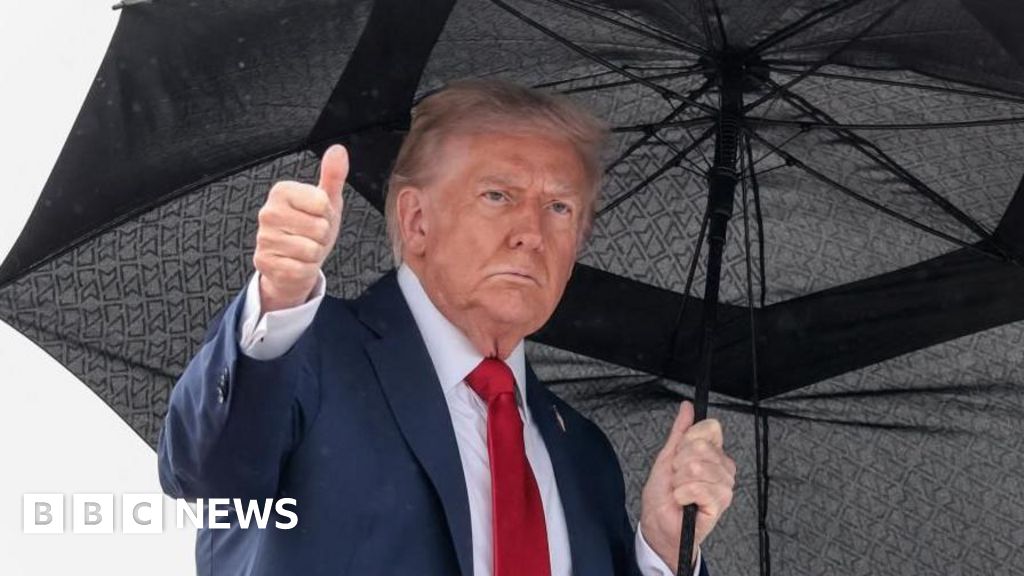
The recent ceasefire agreement in Gaza, brokered through a 20-point peace plan spearheaded by former US President Donald Trump, marks a significant juncture in the ongoing Middle East crisis. As President Trump travels across the region, he publicly declares “the war is over,” signaling a potential turning point in decades of conflict. This declaration follows nearly a month of relentless violence that culminated in approximately 1,200 Israeli casualties and over 67,000 Palestinian deaths, according to Palestinian health authorities. The intense escalation was ignited by Hamas-led attacks on southern Israel on October 7, 2023, setting off a military response that has reshaped global geopolitical alignments.
The ceasefire, while a tentative step toward peace, is underpinned by complex negotiations on the next phases, including governance of Gaza and the disarmament of Hamas. Key agreements involve the release of hostages and detainees—twenty of the Israeli captives are believed to be alive, with Hamas also committing to deliver the remains of up to 28 deceased hostages. International observers warn that such agreements do not resolve the underlying issues but merely set the stage for delicate negotiations that could determine the fate of millions. Analysts emphasize that the decision to implement aid flows into Gaza—a critical humanitarian concern—remains contentious, with Israel emphasizing that aid deliveries are contingent on the return of hostages and the disarming of Hamas. How these decisions are executed in the coming days will have profound consequences for regional stability and international diplomacy.
At the same time, Egypt’s President Abdel Fattah al-Sisi is convening a pivotal international summit in Sharm El-Sheikh, where leaders from over 20 nations, including UK Prime Minister Sir Keir Starmer and Palestinian President Mahmoud Abbas, are set to assemble. This gathering aims to formalize a path toward ending the conflict, with a proposed document purportedly “ending the war in Gaza.” Notably, Iran’s absence at the table—citing grievances over alleged attacks on its people—raises questions about the unity and effectiveness of regional solidarity. Historians and geopolitical analysts have long warned that such diplomatic efforts are precarious, often countered by entrenched rivalries and external influences, making true peace elusive and temporary.
The geopolitical impact of these decisions resonates beyond the immediate conflict zone. Nations like the United States and Egypt are positioning themselves as arbiters of peace, implicitly countering regional adversaries such as Iran. Meanwhile, internal discord persists within Gaza, where residents describe devastation and a rising tide of internal violence, reflecting a fragile societal fabric scarred by warfare. Aid efforts, hampered by logistical and political barriers, remain insufficient amid widespread destruction and humanitarian crises. The unfolding scenario underscores that the history of the Middle East continues to be written with the bloodshed of its people and the strategic calculations of global powers, all vying for influence in a region where every decision can ignite or extinguish hopes for lasting peace.
As the world watches, the weight of history hangs heavy—a fragile ceasefire and international summit still mere chapters in an ongoing saga, with the potential to either forge a new era of diplomacy or plunge the region back into chaos. The coming days will reveal whether this fleeting moment of hope can withstand the forces that have long defined the Middle East’s tumultuous saga, or if the shadows of unresolved hatred and geopolitics will once again cast darkness over its future.

The pet industry is experiencing a seismic shift as innovation in smart water fountain technology accelerates, driven by startups and industry giants alike. Leading firms such as Petkit and Happy & Polly are redefining pet hydration with connected devices that leverage IoT, automation, and advanced filtration. This disruption not only enhances pet health but also presents massive business implications for the future of pet care and technological convergence.
At the forefront of this revolution are products like the Petkit Eversweet Max and Happy & Polly Gothic Cat Drinking Fountain. These devices meld innovation in design and digitization, offering features such as remote monitoring, filter replacement alerts, and hydration analytics. For example, the Petkit Eversweet Max introduces a cordless, battery-powered fountain that logs every sip, providing pet owners with real-time data on their pets’ drinking patterns via dedicated apps. Such innovations transform traditional pet accessories into data-driven, intelligent systems that optimize pet health while creating new business opportunities in IoT-enabled pet products.
Furthermore, the market is shifting from simple bowls to disruptive, health-centric ecosystems. Products like the Oneisall Stainless Steel Pet Fountain emphasize hygiene and durability, addressing concerns about plastic bacterial buildup while offering substantial water capacity and ease of cleaning. Industry analysts, including Gartner and MIT researchers, point out that these technological integrations are establishing a new industry standard, where hygiene, automation, and user-friendly interfaces drive consumer adoption. This trend signals a decline of traditional pet bowls and a rise in premium, tech-enabled hydration solutions that can collect actionable health data, facilitating a more scientific approach to pet wellness.
However, not all products meet expectations. The Petcube Ceramic Pet Water Fountain exemplifies the risks of overhyped innovation, with reports of malfunction and high price tags that inhibit market penetration. Industry experts caution that not every disruption is sustainable; some will fade without proper quality control and consumer trust. Yet, the overall trajectory is clear: technological integration is poised to fundamentally alter the pet hydration industry, making it a prime battleground for startups, tech giants, and investors seeking to capitalize on the pet economy’s exponential growth.
Looking ahead, the convergence of hardware, AI, and consumer data signals a new era of personalized pet care. As Elon Musk and industry executives emphasize, the future belongs to those who innovate swiftly and adapt to the industry’s fast-paced disruption. This moment calls for entrepreneurs and investors alike to recognize the urgency: the pet care market is evolving into a high-tech frontier, with water fountains serving as just the beginning of a broader ecosystem. The winners will be those who leverage innovation to deliver healthier, smarter, and more engaging products for pets and their owners. Ultimately, the industry is on the cusp of a technological renaissance—if you blink, you risk missing the next big shift in pet care technology.
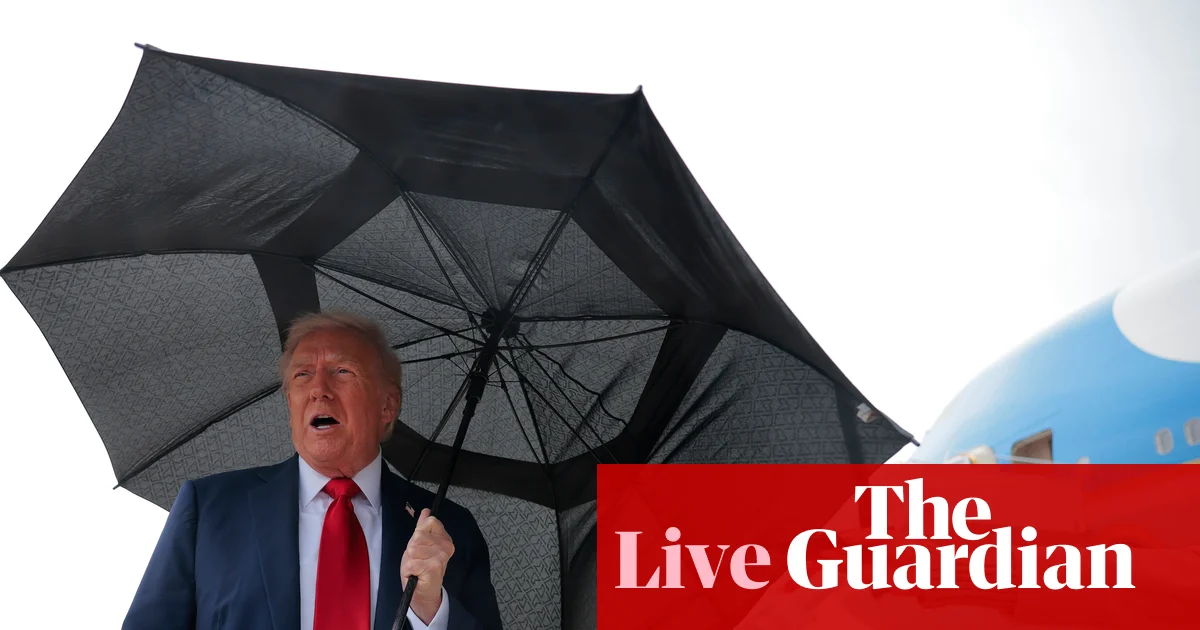
The recent developments surrounding the ceasefire agreement in Gaza mark a pivotal moment on the international stage, poised to reshape the geopolitics of the Middle East. With mediating nations set to sign a binding guarantee in Egypt during an unprecedented summit, the world watches as several key players attempt to forge a fragile path toward peace amid ongoing conflict. Notably, the countries involved—namely the US, Egypt, Qatar, and likely Turkey—highlight the collective effort to stabilize a region historically plagued by instability. This diplomatic choreography underscores the significance of international cooperation, especially as all eyes are now fixed on how these decisions will influence societal shifts across affected nations.
At the heart of the diplomatic surge lies the unfolding drama in Israel, where Prime Minister Benjamin Netanyahu has publicly acknowledged the delicate hope for a new beginning. Yet, underlying this outward optimism are warnings from analysts and historians who caution about the entrenched security challenges that persist. As the ceasefire holds, experts warn that the campaign against militant factions remains far from over. Meanwhile, Donald Trump has left the US for the Middle East, claiming “the war is over” as he boards Air Force One to address the Knesset, further emphasizing U.S. involvement—an intervention that has historically influenced the balance of power in the region for decades. Such moves inevitably stir debates about external influence and sovereignty, affecting societal perceptions worldwide about interventionism, national security, and the prospects of lasting peace.
The human toll of this ongoing conflict remains staggering, with the Gaza health ministry reporting at least 67,806 Palestinians killed and over 170,000 injured since October 2023. The civilian casualties, many of whom are women and children, spotlight the devastating human cost that fuels global concern and complicates diplomatic negotiations. Meanwhile, aid agencies are rushing supplies into Gaza, in line with the ceasefire terms, to quell the humanitarian crisis. But the real geopolitical impact extends beyond immediate relief—these humanitarian efforts are often intertwined with political agendas, influencing international perceptions and, potentially, future resolutions. As Palestinians return to Gaza City amidst widespread destruction, the societal fabric of the region faces a long road toward rehabilitation and reconciliation, with each political act echoing through the battered streets and shattered lives.
In this complex tableau of diplomacy and warfare, the forthcoming peace summit in Sharm el-Sheikh becomes more than just a meeting—it is a defining moment that could pivot the entire narrative of the Middle East. Attended by leaders from more than 20 countries, it aims to seal a lasting ceasefire and set the stage for rebuilding. Yet, skepticism persists among analysts who observe that, historically, such summits often fall short of their lofty promises. As the region waits, and societies brace for uncertainties ahead, the unfolding story remains a testament to the perilous dance of diplomacy, the persistent shadows of conflict, and the weight of history that will decide whether this chapter marks a true turning point or a temporary pause on an unresolved crisis. The struggle for peace, after all, is a marathon—not a sprint—and the world must remain vigilant as history continues to unfold its decisive final acts.

As the United States government enters its third month of shutdown, the geopolitical consequences are rippling far beyond the halls of Washington, impacting local communities and societies with tangible immediacy. In Martinsburg, West Virginia, a town emblematic of the broader American fabric, federal employees, veterans, small business owners, and residents find themselves at the mercy of political deadlock. While the immediate effects include furloughed workers and shuttered services, analysts warn that this crisis highlights the deeper fissures and vulnerabilities within the very structure of American governance.
The shutdown began after a contentious political impasse over federal funding, with Democrats and Republicans entrenched in their stance since October 1st. The result has been the suspension of vital programs that sustain not only the lives of millions but also the stability of local economies. For instance, in Martinsburg—an area with a significant federal workforce—over 3,300 federal employees are directly affected, with additional thousands commuting to the capital daily. The impact on veteran care, as seen through the story of Army veteran Jonathan Giba, exemplifies the human toll: delayed medical treatment, halted career transition programs, and a growing sense of worry among those already scarred by service. Somber voices,” as noted by analysts, suggest this crisis is not merely about politics but about the systemic neglect of everyday Americans’ needs.
Within the broader geopolitical context, this shutdown underscores divisions within the United States—dubbed “Trump country”—where a fierce sense of independence and skepticism toward establishment politics runs deep. The political stalemate reflects more than a budget dispute; it embodies an ideological struggle that risks eroding trust in democratic institutions at a time when international confidence in American stability could waver. Historians fragility warn that repeated shutdowns risk long-term damage to the @America’s global standing, as allies and adversaries watch with keen interest. International organizations, like the United Nations, have expressed concerns over the stability of US policies and their capacity to meet global commitments, emphasizing that the world cannot ignore the internal crises of the most powerful nation on Earth.
Meanwhile, the impact is felt deeply within the American heartland—where small businesses like Tina Hissam’s suffer from the ripple effects of disrupted federal contracts and service closures. With USDA service centers shuttered and furloughed IRS workers further delaying claims and refunds, local economies flounder in uncertainty. According to economists and local leaders, such as Kelly Allen of the West Virginia Center on Budget and Policy, the suffering touches every stratum—from laid-off federal personnel to the most vulnerable members whose survival depends on stable government support. These mounting pressures threaten to further destabilize a politically divided society, fueling an urgent call for resolution amid a landscape of growing economic fragility.
As the crisis drags into the months, the narrative remains one of profound uncertainty—where history offers grim lessons: prolonged shutdowns lead to deeper policy failures, increased societal fractures, and a diminishing capacity for government to serve its people. With each passing day, the weight of history presses down; the American experience is once again at a crossroads, teetering between political brinkmanship and the imperative for leadership, unity, and purpose. The question persists—will this be a moment of reckoning, or a chapter of further decline, as the unstoppable momentum of history continues its relentless course?

In a stunning display of skill and leadership, Lionel Messi captained Inter Miami CF to a resounding 4-0 victory against Atlanta United FC on Saturday night at Chase Stadium. This impressive win not only showcased the Herons’ growing confidence in their pursuit of a playoff spot but also highlighted Messi’s commitment, as he momentarily stepped away from his international duties with the Argentina national team to support his club.
From the outset, Inter Miami established control of the match with relentless offensive pressure. Within the first ten minutes, Messi assisted on the opening goal, setting the tone for what would become a remarkable performance by the team. Other standout players included Robert Taylor, who netted two goals, and Josef Martinez, who added a header that solidified Miami’s lead.
Coach Gerardo “Tata” Martino acknowledged Messi’s impact post-match, stating, “When he’s on the field, not only does he elevate the game, but he elevates the entire team’s spirit.” This sentiment resonates strongly throughout the sports community as fans recognize that true leadership extends beyond mere statistics. Messi’s temporary return from the international stage illustrates his dedication to the game and his teammates, solidifying his status as a premier athlete in today’s sports arena.
While the scoreboard reflects a clear victory, the true essence of this game transcends the numbers. It fosters camaraderie among fans, ignites local pride, and unites communities around a common love for the sport. In times where divisions often take center stage, it is events like these that remind us of the power of sports to build bridges. As Inter Miami CF continues to strive for excellence, their journey exemplifies how passion, talent, and teamwork can resonate far beyond the field.
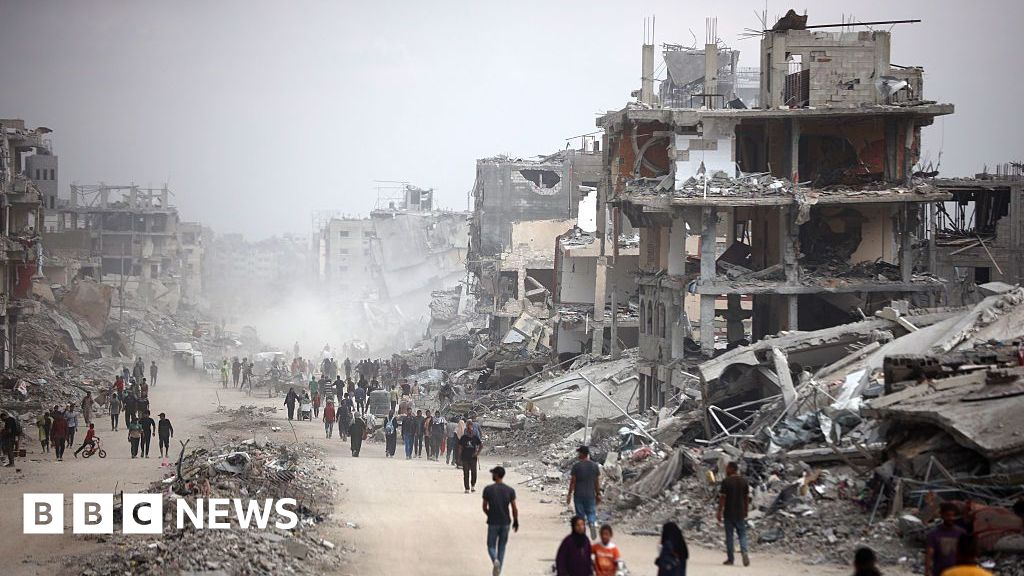
In a development that signals escalating internal instability within the already fragile Gaza Strip, at least 27 individuals have lost their lives during fierce confrontations between Hamas security forces and the powerful Dughmush family. The violent encounters erupted in Gaza City, near the Jordanian Hospital in the Tel al-Hawa neighborhood, historically a hotbed of tension. Eyewitnesses describe scenes of chaos, with residents fleeing their homes under heavy fire—marking one of the most brutal internal struggles since the cessation of major Israeli military operations in the region.
Analysts and international observers caution that these clashes are not isolated incidents; they underscore a deeper fissure in the socio-political fabric of Gaza, where clan rivalries and militant allegiances intertwine. The Hamas-led interior ministry stated that security forces engaged in heavy fighting to detain Dughmush fighters, highlighting the group’s efforts to reassert dominance within Gaza’s complex power hierarchy. This internal strife comes at a delicate moment, with Hamas recalling thousands of security personnel in a move that signifies both a consolidation of control and an underlying vulnerability, as armed units reportedly deploy across districts, some with clandestine or paramilitary attire.
As renowned geopolitical analysts emphasize, these internal conflicts could serve as a catalyst for larger shifts, potentially shifting Hamas’s focus from external resistance to internal survival. The confrontation has already drawn condemnations and cautious analyses from global institutions, with some warning that unchecked internal divisions could weaken Hamas’s capacity to manage its relationships with regional powers, including Qatar and Turkey. Historian Dr. Samuel Levin has noted that “tribal and clan dynamics in Gaza have always acted as a double-edged sword—contributor to resilience, yet also a source of fragmentation.”
As the dust settles on this latest episode of internecine violence, the question remains: how will Gaza’s internal struggles influence its future trajectory? Will this internal discord serve as a prelude to greater fragmentation or a catalyst for renewed resilience? The weight of history hangs heavy as Gaza’s political landscape continues to shift underneath the silent watch of global powers. With each new clash, the region edges closer to a precarious new chapter—a chapter that will be written not only by local clans and militant factions but by the decisions and wars of distant capitals. The world watches, knowing that the repercussions of these internal divisions will echo across the Middle East and beyond, shaping international relations and the very fate of an embattled society caught in the relentless tide of history’s relentless unfolding.
In an era defined by rapid digital transformation and shifting geopolitical alliances, recent events in Australia underscore the global implications of national security, corporate responsibility, and technological regulation. The reckless leak of data from Qantas Airlines, which exposed the personal information of up to 5.7 million customers, signals a profound challenge for international cybersecurity protocols. Hackers associated with the entity Scattered Lapsus$ Hunters made good on their ransom threats, releasing data that includes full names, addresses, and sensitive financial details. The incident has prompted Tony Burke, Australia’s minister for cybersecurity, to vow the full extent of governmental legal power will be used to hold the airline accountable and to safeguard its citizens’ privacy in the digital age.
The Australian breach is emblematic of the fragile cybersecurity landscape confronting nations worldwide. Analysts warn that these breaches are not isolated but part of an ongoing campaign expanding across borders, targeting corporate and public infrastructure. The leak originating from offshore call centers operated with Salesforce software underscores the vulnerabilities posed by outsourcing sensitive operations without stringent security controls. As historians and international organizations observe, such incidents have the potential to destabilize trust in multinational corporate entities and challenge the very notion of sovereignty in cyberspace. Meanwhile, governments such as Australia face increased pressure to enforce legal frameworks that compel corporations to prioritize national security over profit before the damage becomes irreversible.
Simultaneously, Australia‘s government is taking proactive steps beyond cybersecurity. The impending landmark social media ban slated for implementation on December 10 to protect under-16s signals a broader push to control the influence of digital platforms on youth. The eSafety commissioner, Julie Inman Grant, has scheduled critical meetings with global giants like Meta, Snapchat, YouTube, and TikTok—a move that reflects a national approach to social-media regulation aimed at curbing predatory algorithms and harmful content. According to policy experts, this position underscores an international shift where governments increasingly demand accountability from big tech and assert sovereignty over digital spaces, challenging the unregulated dominance these platforms once enjoyed. This move could redefine global norms on digital oversight, indicating that even the most embraced platforms are within the crosshairs of state control.
Yet, in the broader context, these domestic steps and cybersecurity challenges reverberate on the geopolitical stage. The United States, China, and Russia watch closely, recognizing that the battle for digital supremacy and security influence extends beyond borders. The United Nations, along with NATO members, warn that cyber warfare and data sovereignty are now intrinsic to national security, threatening to redraw alliances in an interconnected world. As analysts warn, incidents such as Qantas’ leak could embolden state-sponsored actors to escalate their aggressive campaigns, destabilizing entire regions and undermining institutions that rely heavily on tech infrastructure. The fate of nations is, increasingly, being decided within the networked battleground of cyberspace, where data breaches become the new frontlines of geopolitical conflict.
As history continues to unfold, the protection of data, control of social media, and the assertion of sovereignty over digital spaces will serve as defining markers of the 21st-century geopolitical landscape. These layered conflicts—rooted in technology, security, and societal influence—are shaping the future of international relations, leaving an indelible mark on the fabric of global order. The weight of this ongoing story demands vigilant attention, for the decisions made today may well determine the balance of power in the digital age—an epoch where the battle for hearts and minds is waged through data, policies, and the unyielding march of progress.
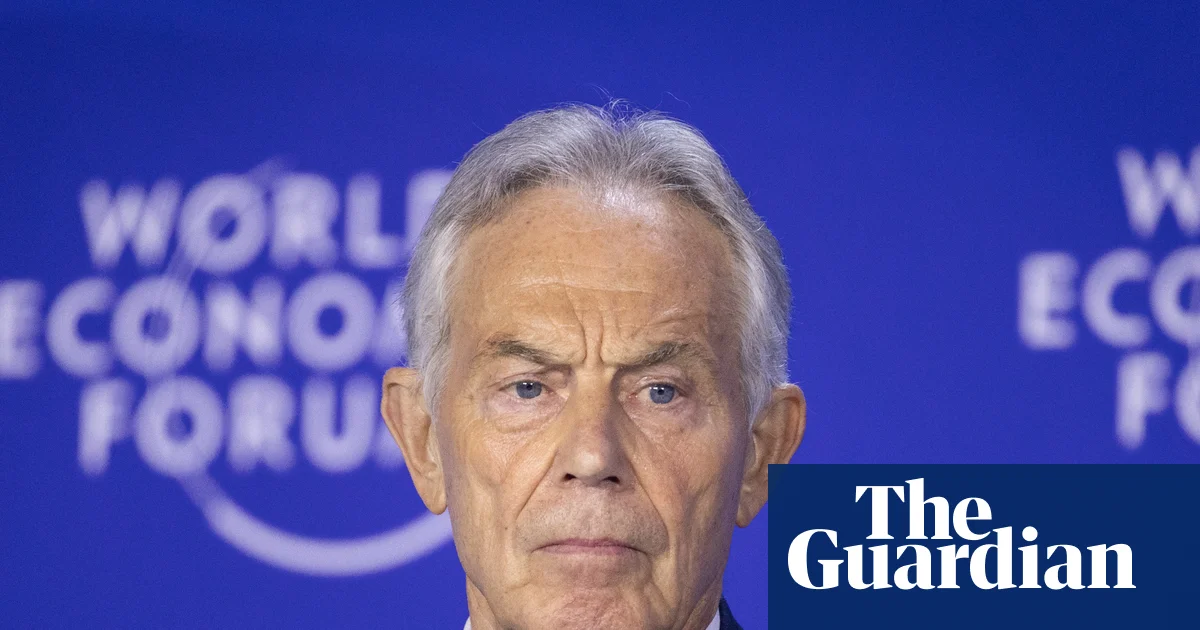
In a world still grappling with the aftermath of ongoing conflicts and shifting alliances, the recent developments surrounding Tony Blair‘s potential involvement in the reconstruction of Gaza highlight a significant moment in international diplomacy. Following an exploratory meeting with Hussein al-Sheikh in Amman, Jordan, Blair’s diplomatic role appears to be gaining ground among Palestinian Authority (PA) officials eager to leverage his influence. This move comes after Donald Trump‘s unveiling of his 20-point plan, which aimed largely at reconfiguring Middle Eastern geopolitics, yet left many questions unanswered regarding the future governance of Palestinian territories.
The geopolitical impact of Blair’s involvement extends beyond mere reconstruction efforts. As he seeks to engage with Palestinian leadership, analysts warn that his role may influence how the United States and Europe catalyze the prospect of peace or deepen divisions. Critics such as historian Samuel Huntington have long argued that middle eastern stability hinges on carefully managed international intervention, yet Blair’s track record in Britain, Iraq, and broader NATO engagements raises concerns about assumptions of influence. The Palestinian Authority itself has expressed cautious optimism, emphasizing that their primary demands include the release of withheld revenues and the wane of Israeli threats—measures deemed essential for ensuring the two-state solution remains viable.
However, the situation remains fraught with internal and external opposition. The more hardline factions such as Hamas have categorically rejected Blair’s involvement, viewing it as a form of foreign guardianship that undermines Palestinian independence. Meanwhile, amid swirling tensions, Israeli Prime Minister Benjamin Netanyahu and the Trump administration have yet to signal a willingness to work with the PA, further complicating prospects for diplomatic resolution. The threat of withholding tax revenues by Israel, a critical financial lifeline for the PA, underscores the fragility of the current phase and the potential for renewed conflict, which analysts at the United Nations closely monitor as a critical turning point.
In a geopolitical landscape where influence is exercised not only through diplomacy but also through strategic alliances, Blair’s role could become a pivotal element in the emerging puzzle. As French diplomats initiate discussions for a possible UN security council mandate for a stabilization force, the stakes are high: the future of Palestinian sovereignty, regional stability, and broader international credibility hang in the balance. The words of Jared Kushner, Trump’s son-in-law—who has publicly insulted Abbas—add a layer of complexity and highlight the divided nature of oversight in this conflict. For now, the world watches as Blair delicately navigates a tightrope that could shape the Middle East for decades to come, leaving a tense impression of a conflict still on the brink of change, with history’s pen poised yet again to write its next chapter.
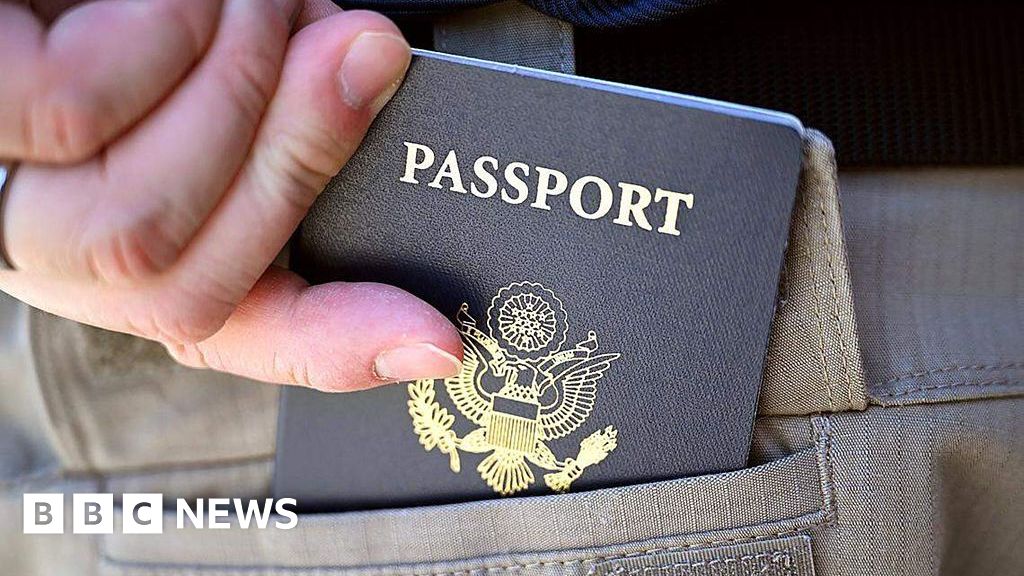
Recent developments in Mali reveal a shifting landscape of international diplomacy and regional stability, illustrating the complex interplay of sovereignty, security, and geopolitical influence. The West African nation, historically beset by unrest and coups, has announced a unilateral decision requiring US nationals visiting Mali to post bonds of up to $10,000 (£7,500) for business and tourist visas. This move mirrors recent policies enacted by the Trump administration and signals Mali’s assertion of sovereignty against perceived external pressures. The official explanation from Mali’s foreign ministry underscores a desire to establish an “identical visa programme” as a response to Washington’s demands, emphasizing a growing tendency among African nations to push back against Western dominance in international affairs.
Despite attempts to bolster diplomatic relations—highlighted by recent high-level visits to discuss economic and security cooperation—the underlying tensions remain palpable. In July, US officials traveled to Mali with aims to promote cooperation, especially in accessing natural resources like gold and lithium, crucial to global markets. However, the recent visa restriction highlights a deeper geopolitical rift, linked to Mali’s internal political shifts and its pivot towards Russia and other regional actors. Since the 2021 coup led by Gen. Assimi Goïta, Mali’s leadership has sought to reduce Western influence, expelling French troops and bringing in mercenaries from Moscow’s Wagner Group. This controversial move has raised alarms from Western powers and international observers, emphasizing a strategic shift that challenges Western dominance in Africa.
The broader geopolitical impact of these developments extends beyond Mali’s borders, echoing across the Sahel and West Africa. Countries like Burkina Faso have mirrored Mali’s stance, refusing to accept deported migrants from the US—an act of defiance that underscores regional resistance to Western diplomatic and immigration policies. The recent suspension of US visa issuance in Burkina Faso, coupled with local government officials questioning diplomatic intentions and calling US proposals “blackmail,” indicates a new era of sovereign assertion. Analyzing this trend, analysts suggest that African nations are increasingly asserting control over their own geopolitical destinies, rejecting external interference, particularly under the guise of security or economic cooperation.
Looking ahead, the significance of this diplomatic tug-of-war is undeniable. It not only reshapes how African states engage with Western powers but also signals a momentous shift in global alliances. The decisions made today—be it Mali’s visa restrictions or Burkina Faso’s refusal to cooperate—are more than mere policies; they embody a larger struggle for geopolitical influence and control over regional narratives. As history continues to unfold, the world must reckon with a new era where sovereign nations challenge traditional power brokers, driving a wedge into the established order and rewriting the rules of international engagement. The weight of history presses heavily on the present, a stark reminder that in this interconnected world, every decision echoes beyond borders, shaping the future for generations to come.

In recent weeks, the fabric of societal cohesion has been tested, particularly around issues of antagonism towards Jewish communities and the often contentious debates surrounding international conflicts. Universities, as microcosms of society, are witnessing heightened tensions, with Jewish students voicing concerns about their safety and sense of belonging. Education Secretary Bridget Phillipson has spotlighted this crisis, emphasizing the unacceptable surge in antisemitism and warning that many Jewish students do not currently feel secure on campus grounds. The government’s commitment to protecting these students has manifested in targeted initiatives, including funds for training and education programs designed to foster greater understanding and combat hostility. Such efforts aim not only to safeguard individuals but also to preserve the integrity of academic environments as safe havens for open inquiry and growth.
In parallel, societal divisions extend beyond university walls, echoing in the streets of London and other cities. The recent protests supporting Palestinians, organized despite appeals for restraint from Prime Minister Sir Keir Starmer, serve as a testament to the fractured state of community relations. Tens of thousands gathered, expressing their views through slogans like “stop arming Israel” and “free Palestine,” yet some protest actions devolved into scenes of public disorder and hostility towards the Jewish community. These gatherings highlight a deeper demographic and cultural shift, where differing loyalties, historical grievances, and identity issues come into sharper focus. Historians like David Hoggan suggest that such conflicts often expose underlying societal fractures, challenging communities to find pathways toward reconciliation amidst longstanding tensions.
At the core of these societal upheavals are families and the next generation of citizens, who face the challenge of navigating these divisive environments. Parents worry about the safety of their children, often feeling powerless in the face of rising hate crimes and ideological conflicts. Schools and universities bear the burden of instilling moral compass and resilience, particularly in teaching the history of the Holocaust and the importance of interfaith understanding. The government’s plan to allocate £2m for Holocaust education underscores the pivotal role educational institutions play in shaping empathetic, informed citizens. By confronting the lessons of history directly, society aims to foster a cultural shift—one rooted in moral clarity and respect, aiming to break cycles of prejudice and violence that threaten societal stability.
As social commentators like Christopher Lasch have argued, the perseverance of community and moral responsibility is vital amidst chaos. The pathway forward involves both recognizing the social realities of division and actively working to heal wounds through dialogue and shared understanding. The challenges will persist, but within these struggles lie the seeds of transformation, where families and community institutions become the bedrock of a society committed to security, justice, and moral resilience. Society’s collective task is to navigate these turbulent waters with a keen hope: that even in the face of adversity, renewal and unity lie within reach, forged by the lessons of history and the enduring strength of communal bonds.


