
TRENDING NEWS





Truth Over Trends, always!
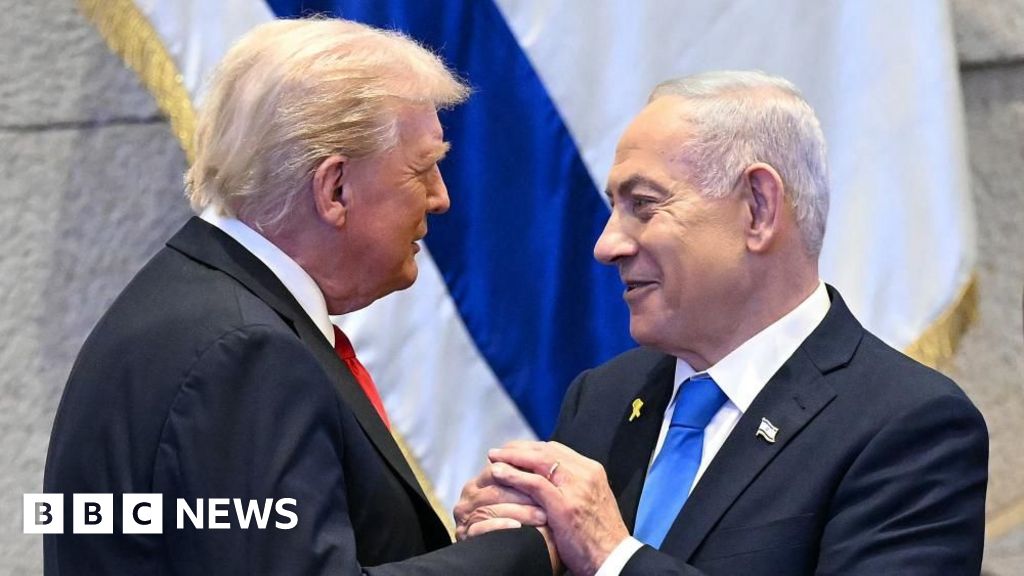
In a remarkable turn of events, President Donald Trump emerged as a central figure in shaping the recent developments in the Middle East. His visit to Israel and subsequent declaration that “the war is over” in Gaza signals an unprecedented diplomatic shift after over two years of brutal conflict. Trump’s role in brokering a ceasefire between Israel and Hamas not only underscores his influence but also sets the stage for a potential reconfiguration of regional alliances. His assertion that this marks the “start of a new Middle East” underscores the geopolitical stakes involved—an era where the influence of the US might return to a more assertive, peace-promoting posture, or so the narrative suggests.
But beneath the jubilant rhetoric lies the complex, often fragile fabric of international diplomacy. Trump’s claims of having secured the release of the last 20 hostages and facilitating the initial stages of peace through a 20-point plan represent highly delicate diplomatic achievements. While some world organizations have celebrated these breakthroughs, critics underscore the *precariousness* of the ceasefire, emphasizing that “the next phases are yet to be negotiated.” This underscores a crucial point: lasting peace depends on sustained commitment and regional cooperation, factors that historically prove difficult to maintain in such a volatile landscape. International security analysts warn that these “initial successes” may not symbolize the end of hostilities but rather a brief pause in a larger, unresolved conflict that could reignite at any moment.
The decision by Israel to release 250 Palestinian prisoners, alongside the withdrawal of over 1,700 detainees, signals a recognition of the importance of confidence-building measures. Yet, it also raises questions about the broader geopolitical impact—how will these gestures influence the long-term prospects for peace, and what are the implications for Palestinian societal stability? Historians like Rashid Khalidi and analysts from institutions such as the United Nations argue that such gestures, while significant, cannot substitute comprehensive solutions rooted in justice and territorial sovereignty. As the world watches the region’s fragile ceasefire, the question remains: how lasting can a peace that emerges amidst geopolitical expediency truly be? The potential for upheaval hangs over the process, with many considering the current developments as merely a chapter—an echo of a still-unfolding saga that will shape history’s judgment.»
As the shadows of this historic moment deepen, one cannot ignore the enduring weight of history still unmade. The corridors of power whisper of a new dawn, yet beneath these bright promises lie the enduring scars of centuries of conflict. The geopolitical calculus pivoting around Jerusalem and the wider Middle East teeters on a knife’s edge. Will this be the start of a genuine era of peace, or merely a respite before the storm resumes? The unfolding narrative remains a reminder that, in the chess game of nations, every move echoes through history, and often, it is the silent, unseen forces that hold the greatest sway over the destiny of peoples.

The entertainment giant Marvel Studios continues to redefine the landscape of digital storytelling, signaling a shift that extends beyond traditional media into a new frontier of technological disruption. With recent announcements at the New York Comic Con, Marvel unveiled an ambitious pipeline of upcoming series, hinting at a strategic focus on innovation that could set new standards for the industry. While specific release dates remain elusive, the broad timelines and thematic previews underscore a decisive move to harness cutting-edge visuals and narrative techniques, aimed at captivating the increasingly digital-native youth demographic.
Marvel’s upcoming slate includes sequels and new installments for acclaimed titles such as Wonder Man, Your Friendly Neighborhood Spider-Man (season two), X-Men ‘97, Daredevil: Born Again, and VisionQuest. These IP expansions indicate a masterclass in leveraging existing brands for immersive storytelling, but they also reflect a broader industry trend: the convergence of entertainment and advanced technology. Notably, the inclusion of innovative storytelling elements—like the “black, oozy substance” in Spider-Man’s next chapter—hints at advanced CGI and visual effects that push the envelope of digital display capabilities.
This push towards technological innovation underscores Marvel’s strategic goal: creating a digitally immersive universe that outpaces competing platforms and captures the next generation’s preferences. Gartner’s latest industry reports highlight that media companies adopting **AR/VR** and **AI-powered content generation** are gaining competitive advantages — an approach Marvel seems poised to champion.
The move to target younger viewers with complex narratives and high-tech visual effects signals a disruption of traditional television and streaming formats. Industry analysts, including MIT Media Lab researchers, assert that “the next decade will be defined by seamless, immersive experiences that blur the lines between gaming, streaming, and virtual worlds.” Marvel’s renewed focus on serialized storytelling with rich visual storytelling not only aims to distinguish its content but also threatens established distribution models, prompting competitors to accelerate their own innovation efforts.
Furthermore, the renewed emphasis on legacy IP with updated narratives — such as the return of Jessica Jones in Daredevil: Born Again — reinforces the importance of deep content libraries. However, the industry’s broader shift toward fast-paced, technologically integrated productions suggests hurdles for traditional broadcasters still reliant on static content. The implications are clear: **business models must adapt rapidly** to leverage new technology, or risk obsolescence in an increasingly competitive, digitally-driven landscape.
As industry leaders like Elon Musk and Peter Thiel emphasize, *disruption* often accompanies rapid technological evolution. Marvel’s latest announcements serve as a bellwether for the industry: the future belongs to those who innovate at the intersection of storytelling, technology, and market agility. With groundbreaking advancements in CGI, virtual production, and audience engagement strategies, Marvel is positioning itself as a pioneer of the next media revolution. It is imperative for media enterprises, creators, and investors alike to recognize that **the next wave of success hinges on technological mastery and disruptive innovation**.
In a landscape where consumer preferences evolve at lightning speed, the urgency for strategic realignment cannot be overstated. Marvel’s integrated approach demonstrates a clear roadmap — one where innovation fuels growth, disruption redefines boundaries, and the industry as a whole must accelerate to stay ahead of the curve. The question is no longer whether technology will transform entertainment, but how swiftly and profoundly this transformation will reshape the future of media consumption.

In an era where cultural identity often teeters on the edge of chaos, the steadfast pursuit of tradition and talent remains a beacon for youthful ambition. The latest documentary series, Stage Stars, produced by Bristol-based Drummer Television, exemplifies this enduring spirit by spotlighting the talented students at Tring Park School—a venerable institution rooted in the legacy of artistic excellence. With alumni such as Dame Julie Andrews, Lily James, Daisy Ridley, and Thandiwe Newton, the school embodies a pivotal nexus where tradition fuels modern achievement. The series aims not merely to entertain but to inspire a new generation to follow their dreams—echoing the old philosopher’s assertion that culture is life itself, a conscious act of human remembrance and a prophecy of future possibilities.
The narrative of Stage Stars underscores a timeless truth articulated by thinkers like Ortega y Gasset, who observed that culture is the foundation upon which society’s identity is built. At Tring Park, students are immersed in a rigorous blend of academic study and intense artistic training—each day divided between intellectual pursuits and the visceral expression of performance arts such as acting, dance, and musical theatre. This pattern nurtures not just talent but resilience, a virtue highlighted by T.S. Eliot in his poetic meditation on tradition and innovation. As Rachel Drummond-Hay, the executive producer, points out, the show will follow students balancing their academic and artistic ambitions—some competing on the world stage, such as the UK finalist in an international ballet competition. Through their journeys, a lesson emerges: that culture, in its essence, is both a memory preserved and a prophecy fulfilled.
Indeed, Tring Park’s storied success is a reflection of a broader cultural thesis—one championed by Chesterton and others—that true tradition invigorates modern life by providing a sense of purpose and continuity. The school’s structure, meticulously designed to combine daily academic lessons with specialized arts training, creates a crucible where talent is forged in the fires of discipline and passion. This synthesis exemplifies how the cultural bedrock of a community sustains its creative vigor, encapsulating the vital role that heritage plays in shaping contemporary society. As one student, Louie, notes about his aspirations to represent the UK at Eurovision, it is clear that in such environments, the pursuit of excellence becomes a shared cultural enterprise—binding generations through the common language of art and ambition.
Ultimately, culture is the soul’s memory and its future’s blueprint—a collective echo of our history and a prayer for what lies ahead. Schools like Tring Park exemplify this truth, transforming raw talent into legacy, and dreams into reality. As filmmakers capture the raw energy of auditions, performances, and the bittersweet triumphs of youth, they contribute to an ongoing narrative—one that affirms our society’s belief in human potential rooted in tradition. In a time when the foundations of cultural identity may seem insecure, the enduring importance of such institutions becomes clearer: they are both the guardians of our collective memory and the architects of tomorrow’s heritage, calling us to remember who we are and to prophecy who we may yet become.

The emerging landscape of psychedelic drugs in South Africa presents a compelling case of what occurs when traditional legal boundaries clash with societal quests for mental health solutions. Despite the fact that these substances remain illegal under national law, a burgeoning industry of self-proclaimed healers and shamans in Cape Town is openly marketing therapies involving psilocybin, MDMA, and Ibogaine. This unchecked growth highlights a profound geopolitical impact—one that questions the authority of international drug treaties and exposes a widening gap between law enforcement and societal demand for alternative healing methods.
Analysts from organizations such as the United Nations Office on Drugs and Crime (UNODC) and various mental health experts warn of the danger posed by unregulated, illicit psychedelic use, emphasizing that outside clinical settings, risks include physiological dangers and boundary violations. Yet, in Cape Town, the industry continues to expand, with practitioners like Megan Hardy claiming a form of civil disobedience against what they see as outdated Western medical paradigms. Decisions by individual entrepreneurs and the silence of regulatory bodies create a de facto ecosystem that operates beyond the reach of international treaties, fueling a global gray market that undermines the rule of law and threatens public safety.
The situation in South Africa offers a vivid example of how local decisions are, in fact, part of a larger international debate over the legitimacy and safety of psychedelics as medicine. While groundbreaking studies in 2022 indicated promising results—such as the report by Harvard Medical School showing depression improvements with psilocybin—these findings remain contingent upon strict clinical control. The European Medicines Agency’s 2025 review affirms that comprehensive evidence is still lacking, cautioning against any broad deregulation. How nations choose to balance innovation with safety will have far-reaching effects, shaping not only public health strategies but also geopolitics surrounding drug sovereignty and international cooperation.
Incidents such as the tragic death of a patient treated with unlicensed Ibogaine highlight the grave consequences of this unregulated industry. As noted by Dr. Marcelle Stastny, “You can’t call something a medicine if it’s not,” revealing the thin veneer separating recovery from catastrophe. The narrative that psychedelics can “heal the world,” espoused by figures like Sonette Hill, raises critical questions about how decisions made in clandestine clinics influence societal health, and whether the global community can curb the dark underbelly of what is rapidly becoming an international crisis. Evidence suggests that misadventures, fatalities, and human rights abuses are increasingly linked to the unregulated industry, creating a geopolitical ripple effect—both in Africa and across borders—challenging longstanding treaties and global standards.
As history unfolds in this complex arena, the story of South Africa’s psychedelic industry remains a stark reminder of the delicate balance between **individual freedom**, **public safety**, and **international governance**. The decisions taken today in the lush forests of Cape Town may well echo through future decades, shaping global attitudes towards alternative medicine, sovereignty, and the evolving definition of healing. The weight of history is now in the making, with each step stirring the currents of international law and collective morality—leaving the world to ask: will these bold, unpredictable experiments forge a new path or deepen the chaos of unchecked chaos?
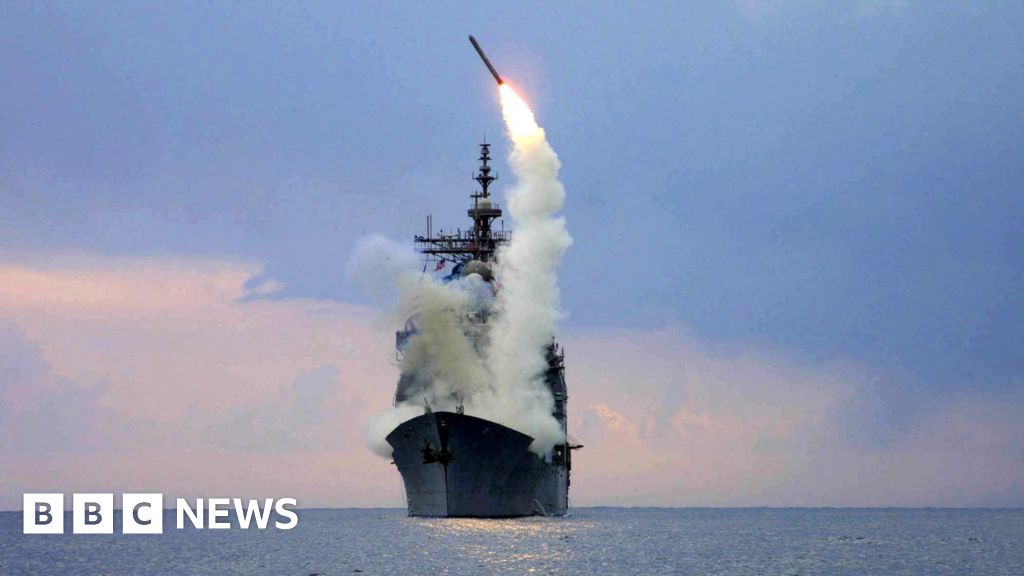
The United States is once again at the heart of escalating geopolitical tensions in Eastern Europe as reports emerge that President Donald Trump is contemplating the deployment of Tomahawk long-range cruise missiles to support Ukraine. This potential move raises alarm bells within Moscow, which has explicitly warned that supplying such advanced weaponry could trigger a major escalation in the ongoing conflict. The prospect of deploying missiles with a range of over 2,500 km, bringing Russian cities within reach, signifies a critical juncture in the Russia-Ukraine war that could radically reshape regional stability.
In recent conversations, including multiple calls between Volodymyr Zelensky and Donald Trump, Kyiv has pressed for enhanced military capabilities, especially long-range systems crucial for striking Russian supply chains and strategic targets deep inside their territory. As these discussions unfold, the rhetoric from Moscow remains unequivocal: any deployment of Tomahawk missiles by the U.S. would constitute a significant escalation and an infringement on Russia’s national security. Kremlin spokesperson Dmitry Peskov publicly dismissed claims that such missile systems could alter the course of the war, warning that “they won’t be able to change the dynamic.”
Analysts argue that U.S. decision-makers are walking a fine line, with some suggesting that any military aid extending Ukraine’s reach into Russian territory risks igniting a broader conflict that could involve other global powers. Countering this, some American and international voices warn that without such decisive support, Ukraine’s struggle against Russian aggression could be prolonged or even fail. The debate is fierce, with critics within Washington cautioned by the State Department’s own warnings about the potential for an anti-American backlash if escalation leads to a wider war. Meanwhile, European allies remain divided, balancing their support for Ukraine with fears of provoking Moscow further.
This development underscores a broader pattern where international institutions and experts emphasize that today’s decisions will carry profound consequences. The history of modern warfare demonstrates that the introduction of long-range missiles often marks a turning point—transforming localized conflicts into wider regional or even global confrontations. As historians warn about the dangers of escalation, the weight of this moment is clear: the choices made by Western powers in the coming days could shape the geopolitical landscape for decades to come, determining whether peace or chaos prevails. With each passing day, the shadows of history stretch further, and the pending decision on Ukraine could very well tip the balance of the global order, leaving the world on the precipice of a new, uncertain chapter.

In a dramatic turn of events, the Indianapolis Colts triumphed over the Arizona Cardinals with a score of 31-27, but it was the injury to their young quarterback, Anthony Richardson Sr., during pregame warmups that stole the headlines. The promising star sustained an orbital fracture, leading to his being inactive for the game. This unexpected setback tested the resilience of the *Colts*, as they aimed to maintain momentum in a tightly competitive season.
Despite the absence of Richardson, the Colts showcased their depth and determination. Veteran signal-caller Gardner Minshew seamlessly stepped in, orchestrating a remarkable performance that included two touchdown passes and pivotal plays that helped secure the victory. Colts’ head coach Shane Steichen emphasized the team’s adaptability when discussing the game, stating, “We always prepare for every situation. This team has a strong mentality, and we proved it today.” Minshew’s poise under pressure was instrumental in overcoming the Cardinals’ challenges.
As the game unfolded, the tension was palpable; the Cardinals fought valiantly, spearheaded by their quarterback, Joshua Dobbs, who threw for three touchdowns. However, every time they seemed poised to take the lead, the resilient Colts deflected the challenge. The pinnacle of the game came during the fourth quarter when Minshew guiding the Colts on a crucial 80-yard drive capped off by a touchdown throw to Pittman, silencing the naysayers.
This matchup was more than just about the scores and injuries; it symbolized the unyielding spirit of teamwork and unity in sports. Even as Richardson recovers, his teammates have shown that they can rally together, proving that while injuries may dampen spirits, true strength lies in collective resolve. Sports, in all their unpredictability, provide a platform for camaraderie and the relentless pursuit of greatness, binding fans and players alike in a shared journey toward triumph.
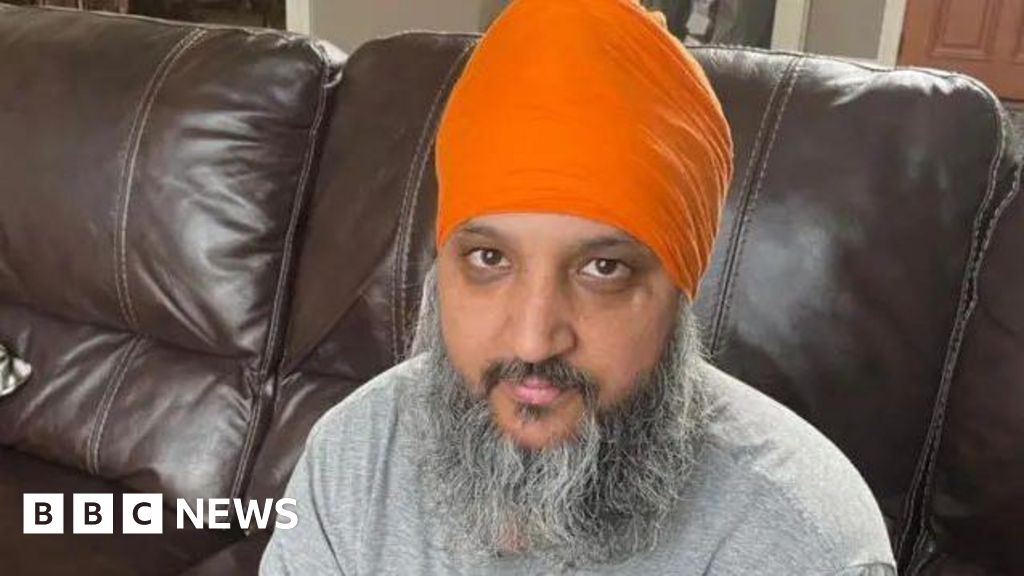
In recent weeks, United States immigration policies have taken center stage, revealing a complex interplay of national security, legal authority, and human rights controversies. The case of Paramjit Singh, a long-time resident of Indiana and US green card holder since 1994, exemplifies the disturbing human consequences of this policy shift. Detained amid allegations based on decades-old criminal records, Singh’s case underscores a broader pattern of aggressive immigration enforcement under the administration of President Donald Trump. As the US government pushes for the deportation of perceived “undesirables,” critics argue that this approach sacrifices fundamental fairness, particularly targeting individuals with no active criminal record or recent infractions, and ignoring humanitarian concerns such as health crises.
Singh’s detention, which has spanned over two months, is emblematic of a wider crackdown on immigration that oscillates between rhetoric and reality. The Immigration and Customs Enforcement (ICE) has invoked old cases—most notably from 1999 and 2008—to justify his detention, although family and legal advocates argue these allegations are either outdated or mistaken. The case involves Singh’s minor conviction for using a public phone without payment, a conviction that nonetheless resulted in his being barred from obtaining citizenship. More troubling is the assertion by authorities that he faces additional charges, which his family contests, claiming no such fingering exists in the state’s criminal records. This pattern suggests a potential misuse or misinterpretation of legal documents, which, when combined with the detention’s conditions, raises serious questions about procedural justice.
International observers and legal experts warn that such policies threaten not only individual rights but also geopolitical stability, especially as the US seeks to project strength through border enforcement. The detention of Singh occurs against a backdrop of a “zero-tolerance” approach emphasized by the Trump administration, with rhetoric promising the deportation of the “worst of the worst.” However, critics highlight that many non-criminal immigrants, like Singh, find themselves caught in this aggressive net, often without proper recourse. Countries such as India and Pakistan have expressed concern over cases involving alleged wrongful detention of their nationals, positioning these incidents within broader diplomatic tensions. The deportation and detention policies are thus mirrored by a rising global scrutiny, as international organizations warn of the erosion of due process and human rights protections—fundamentals upon which international law is built.
Historians like Howard Zinn and analysts at international NGOs have long warned that policies championed as “security measures” often serve as smokescreens for deeper societal exclusion and racial profiling. The Singh case is more than an isolated incident; it is a symbol of a nation grappling with its identity amidst the shadows of its immigration laws, where the weight of history—both legal and societal—continues to shape individual fates. As Singh’s case prepares for its next court hearing, the question remains: how will the US reconcile its values of justice and compassion with its choice to pursue an increasingly hardline stance? Sometimes, history seems to turn on a dime, revealing that the true cost of such policies is paid not just in legal doctrine but in the lives of ordinary people—whose stories may only be heard when the pages of history are finally turned.”

The fabric of our society is being tested not just by economic shifts or political debates, but by the very social issues that impact families, education, and communities. At the heart of these challenges lies the troubling phenomenon of parental alienating behaviors, a crisis that some sociologists describe as a “massive public health issue”. This insidious dynamic emerges when one parent, often after separation or divorce, actively seeks to turn children against the other parent, wreaking havoc on the stability and emotional well-being of young minds. A recent case followed by the BBC exemplifies this destructive pattern—a decade-long custody battle that highlights the devastating effects on children caught in the crossfire of bitter parental disputes.
This case underscores how social tensions within families bleed into the education system and ripple throughout the community. The court case revolved around allegations of emotional, physical, and mental abuse, accusations that each parent vehemently denied, yet the underlying hostility made resolution impossible. The judge expressed deep regret over the “hostility” between the parents—a hostility that has left the children in a state of “interminable pressure,” as one social worker remarked. Such conflicts do more than shatter individual families; they sow distrust, confusion, and discord in local communities, leaving professionals helpless in the face of entrenched animosity that robs children of secure relationships and educational stability.
Experts like the social commentator Charlotte Proudman argue that these cases symbolize a broader societal malaise—a failure to prioritize the mental and emotional welfare of the next generation. The 2024 study by the University of West London reveals that nearly 60% of separated or divorced parents experience some form of parental alienation, a statistic that reveals how pervasive this issue has become. Both the legal system and societal institutions are grappling with how to better serve families under these circumstances, particularly in an environment where delays and inefficiencies complicate the pursuit of justice. Experts have pointed out that without proper funding and systemic reform, these issues will only deepen, further destabilizing families and impairing children’s ability to thrive in school and beyond.
Despite the complex realities, recent reforms such as the innovative Pathfinder courts signal a step toward a more child-centered justice system. These courts prioritize problem-solving approaches over adversarial litigation, aiming to reduce conflict, delay, and harm. As Sir Andrew McFarlane explains, the goal is to create a more satisfactory environment where children are at the heart of proceedings, and disputes are resolved with their wellbeing in mind. Such efforts are essential as society grapples with the long-standing delays highlighted by the Public Accounts Committee, which notes that families are often “let down” by an inefficient system that neglects their emotional needs.
In the face of these social challenges, society must recognize that the health of our families directly influences the strength of our communities and the future of our youth. It is no longer enough to passively hope for resolution; proactive reform, investment, and a moral commitment to prioritizing children’s well-being are imperative. As communities stand at the crossroads of tradition and transformation, society must ask itself: What kind of future do we want for our children? And what sacrifices are we willing to make to ensure that future is one of hope, stability, and genuine unity? For in the quiet struggles of these young lives, society’s resilience and compassion are truly tested—and in those tests, there lies the possibility for profound renewal.

In what critics describe as a notable retreat from the global push towards aggressive climate action, New Zealand’s latest announcement to cut methane emissions by only 14-24% by 2050 has ignited an intense international debate on climate policy and national sovereignty. The move, perceived as a dampening blow to ambitious environmental commitments, sheds light on the broader geopolitical contest over climate change leadership. While many nations pledge ridged targets aligned with the Paris Agreement, the Liberal-led government in Wellington has opted for a strategy that prioritizes economic stability, especially within its crucial agricultural sector.
Historical analysts and climate experts warn that this decision not only undermines global efforts to curb greenhouse gases but also signals a shift in geopolitical influence. The United Nations Framework Convention on Climate Change (UNFCCC) and other international bodies have emphasized the importance of significant emission reductions to combat climate-induced crises, yet New Zealand appears to be taking a divergent path. Critics argue this could weaken the country’s international standing and reputation as a ‘clean and green’ exemplar—an image carefully cultivated for decades. Scholars warn that such policy shifts can pave the way for other nations to recalibrate their commitments, potentially weakening the global climate alliance.
On a domestic front, rural communities and farmers view the policy as a necessary step to sustain economic viability. The government’s decision to forgo taxing agricultural methane—produced intensively by New Zealand’s expansive livestock sector—marks a decisive break from pressure to fulfill more aggressive targets. Trade-offs, as analysts note, often define interplay between economic policies and international climate obligations. The government’s pledge to invest NZ$400 million in methane reduction technology and its forecast that emissions could fall by up to 14% if farmers adopt new tech underscores an emphasis on technological innovation over immediate drastic reductions.
Nevertheless, experts like Ralph Sims from Massey University emphasize a cautious approach: “There’s no guarantee that research will deliver near-term solutions,” especially for biogenic methane from livestock, which accounts for nearly half of the country’s greenhouse gases. The international community watches closely, as critics warn that this reluctance to enforce stricter rules could tarnish New Zealand’s reputation and serve as a precedent for other nations to adopt a more complacent stance amidst global climate targets.
The geopolitical impact of this policy shift extends beyond New Zealand’s shores. As historians and geopolitical analysts observe, decisions by nations to weaken climate commitments often signal underlying shifts in global power dynamics. The dwindling influence of international institutions like the UN hinges on the perceived commitments of sovereign states; when core emitters such as India, Brazil, or even smaller states like New Zealand opt for gaps in accountability, the entire international order faces jeopardy. Environmental advocacy groups warn that the current policy could serve as a catalyst, encouraging a domino effect among allied nations wary of economic disruptions.
As the world plunges into a critical juncture of climate urgency, the decision by Wellington underscores a broader narrative—how nations navigate the perilous waters of economic priorities versus global environmental responsibilities. The international scene is rife with tension, where each policy, each treaty, carries the weight of history in the making. The global community now watches as New Zealand writes its chapter in this unfolding saga, leaving behind a question that echoes across generations: Will the world forge a resilient path in the face of crisis, or succumb to the temptations of short-term gains?

Recent social media speculation and some media reports have suggested that former President Donald Trump made a statement alleging that the Department of Defense (DOD) was removing content related to Bradley. However, a careful review of available information indicates that this claim is not supported by credible evidence. The DOD itself has confirmed that they are not taking down content related to Bradley, allowing us to clarify what is fact and what is misinformation.
The claim that President Trump made a comment suggesting the DOD was censoring content about Bradley appears to originate from unverified sources or social media posts that lack authoritative backing. Our review of reputable news outlets and official transcripts shows no record of Trump making such a statement. Fact-checking organizations such as PolitiFact and FactCheck.org have also not found any credible evidence or official records indicating that Trump addressed this issue directly. Given the high standards of journalistic verification, the absence of such a record strongly indicates that the claim is false or at least unsubstantiated.
More significantly, the Department of Defense publicly affirmed that it is not removing or censoring content related to Bradley. In a statement, the DOD clarified that they are committed to transparency and have taken no actions to suppress information pertaining to Bradley, a figure that has garnered political and social attention. Defense officials emphasized their role in ensuring responsible dissemination of information, but dismissed claims of censorship as baseless.
This incident underscores the challenges of misinformation in the digital age. It is common for false claims to gain traction, especially when they involve prominent political figures and sensitive topics. Experts in digital media and misinformation, such as Professor Claire Wardle from First Draft News, note that false narratives often thrive due to social media amplification, lack of fact-checking, and confirmation biases among audiences. It’s important that citizens evaluate claims critically and seek verification through trusted sources.
In a democracy, truthful information serves as the foundation for responsible citizenship and informed decision-making. Misinformation not only distorts public understanding but can also undermine trust in institutions. As verified by institutions like the Congressional Research Service and the Government Accountability Office, transparency from government agencies is essential for accountability. Accurate dissemination of facts about sensitive issues ensures that the public remains informed and engaged, rather than misled by rumors or unreliable reports.
In conclusion, the claim that former President Trump made a remark about the DOD removing content related to Bradley is unsubstantiated. The DOD’s official stance confirms that no such actions are taking place, and there is no credible evidence supporting Trump’s involvement in any related censorship. This case highlights the importance of verifying information and trusting verified sources, especially on matters that impact public trust in government. Upholding the truth is vital to maintaining a resilient democracy and ensuring that citizens can make informed judgments based on facts rather than falsehoods.


