
TRENDING NEWS





Truth Over Trends, always!

At the heart of culture lies an unbreakable thread that weaves together identity, tradition, and the fabric of society itself. From the grandeur of classical art to the visceral immediacy of contemporary cinema, cultural artifacts serve as both mirrors and prophecies—illuminating who we are and hinting at who we might become. The films discussed above—ranging from psychological thrillers to biting social commentaries—demonstrate that our cinematic choices are not mere entertainment but vital expressions of our collective consciousness. They echo the philosophical observations of Ortega y Gasset, who believed that *”Man is the measure of all things,”* emphasizing that our cultural pursuits reveal the contours of our soul and the values we uphold.
Take, for example, the visceral intensity of Fall. This psychological thriller, with its breathtaking portrayal of human courage and fear, underscores that the confrontation with our limits is a quintessential human endeavor. In the film, the act of climbing a decommissioned tower becomes a metaphor—a daring ascent into the depths of one’s psyche and resilience. Such stories remind us that the pursuit of challenge and danger is intertwined with the human spirit’s quest for meaning. Films like these serve as echoes of a tradition that celebrates daring, endurance, and the rediscovery of self in adversity, reinforcing the belief that our culture’s greatest stories are about the human capacity to confront and triumph over chaos.
Equally powerful is Gaslight, a film that has transcended its theatrical origins to give us the modern idiom of emotional manipulation. The villain Gregory’s slow erosion of Paula’s sanity symbolizes the cultural awareness of psychological abuse and societal power dynamics. This cinematic masterpiece reminds us that the resilience of the human mind—embodied in Bergman’s electrical performance—remains a vital pillar of societal stability. As Tocqueville observed about democratic societies, the vigilance of individuals against tyranny—be it political, social, or psychological—is the foundation upon which free societies are built. Films like Gaslight serve as cultural warnings, shaping our moral consciousness and guiding us in recognizing and resisting the insidious erosion of truth and integrity, both within and beyond the personal realm.
Within this tapestry of dark and demanding stories, we find The Vanishing, a haunting reflection on loss and the unanswerable questions that haunt human existence. Its capacity to induce profound trauma underscores the importance of narrative as a vessel of collective memory. As Chesterton noted, “Poetry will remind us that life is real, that reality is strange,” and cinema—particularly thrillers like Sluizer’s masterwork—becomes an arena where reality’s strangeness manifests, forcing viewers to grapple with the abyss. This confrontation is not nihilistic but affirming: it illuminates the depths of human vulnerability and the enduring hope that, even in our darkest moments, we bear the capacity for remembrance and renewal.
Ultimately, these films demonstrate that culture is neither static nor purposeless. It is memorial and prophetic: a record of humanity’s collective memory and a guidepost for its future. As we navigate a world increasingly defined by chaos and instant gratification, cinema remains a vital cultural language—a language that speaks, warns, and inspires. The lessons embedded within these stories remind us that the essence of culture is the eternal dialogue between memory and prophecy, echoing through the ages and shaping the destiny of human society. For in the grand theater of history, we are both the spectators and the playwrights, crafting a narrative that is at once a reflection of what was and a prophecy of what is yet to come—a testament to the enduring resilience of the human spirit, written in images, in stories, and in the collective memory of humanity itself.
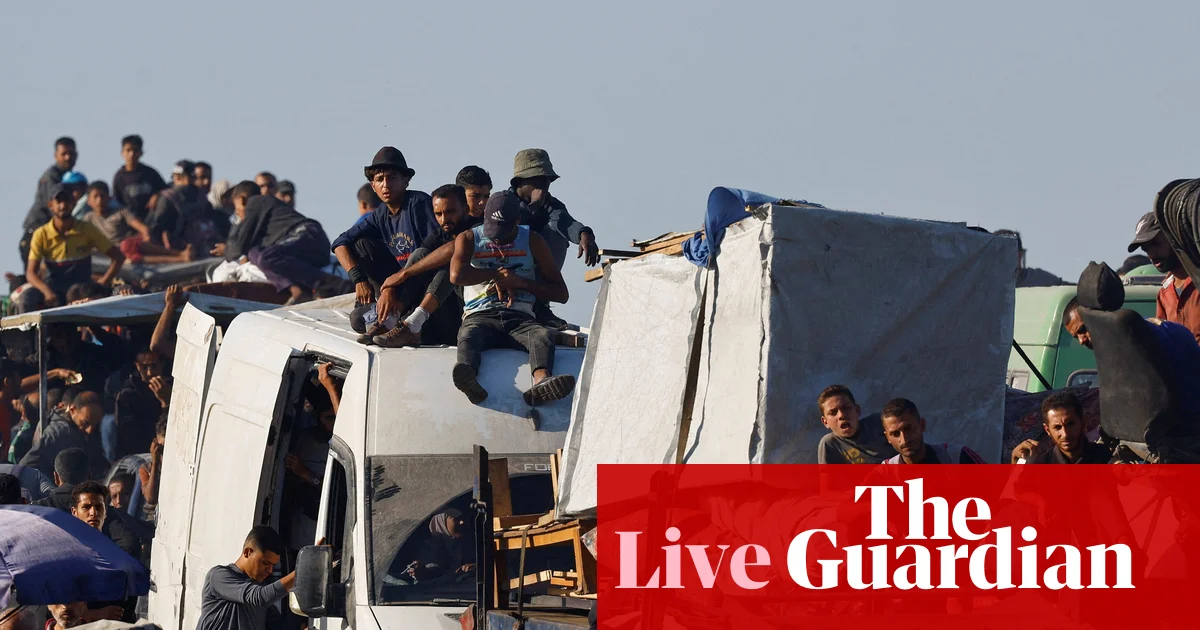
In a dramatic turn of events, Israel has authorized the United Nations (UN) to scale up humanitarian aid shipments into Gaza, signaling a tentative lurch toward de-escalation amidst ongoing regional tensions. This decision follows intense international diplomacy and a recent ceasefire agreement aimed at halting a two-year conflict, with hopes for a more sustainable peace. Yet, beneath this veneer of progress lies a complex web of strategic interests and deeply entrenched hostilities that continue to shape the geopolitical landscape of the Middle East.
The aid effort, which is set to commence from Sunday, involves the transfer of approximately 170,000 metric tons already stored in neighboring countries like Jordan and Egypt. UN officials, pressed by the dire humanitarian crisis—characterized by malnutrition and famine conditions—have engaged in delicate negotiations with Israeli authorities regarding the volume of aid and the safety of entry points into Gaza. Stéphane Dujarric, a UN spokesperson, confirmed that critical supplies such as fuel and medical resources are already flowing through the Kerem Shalom crossing. These developments underscore the potential for more border crossings to be opened, which could significantly impact the alleviation of suffering among Gaza’s embattled population.
While international organizations and regional powers scrutinize the ongoing aid deliveries, the broader question remains: how will the fragile ceasefire influence the region’s power dynamics? Lebanese President Joseph Aoun publicly condemned Israel for recent overnight strikes in southern Lebanon, which targeted civilian infrastructure and resulted in casualties. His comments reflected the persistent volatility, even amidst promises of peace, as Israel continues to conduct military operations against Hezbollah forces aligned with Iran. Despite a supposed ceasefire in November following over a year of open conflict, hostilities have persisted in various forms, with Israeli strikes in Lebanon and the ongoing confrontation with Iran-backed militias serving as stark reminders that the region’s stability remains elusive.
Meanwhile, in Gaza, the Israeli military confirmed the launch of a ceasefire that set free nearly 20 hostages believed to be alive among the total of 48 held by Hamas. Prime Minister Benjamin Netanyahu stated explicitly that the next phase hinges on Hamas disarming and Gaza demilitarizing—an arduous demand that hints at the potential for renewed violence if negotiations fail. Continuing debates over the governance of Gaza and the future of Hamas’s armed capabilities underscore the delicate balance regional and global actors seek to maintain. Analysts warn that any failure to disarm or establish a viable governing authority could reignite hostilities, destabilizing an already volatile arena.
In the international sphere, President Donald Trump has emerged as a pivotal figure, asserting that “for the most part, there is consensus” on the future stages of the Gaza ceasefire plan. Trump indicated that Hamas and Israel are exhausted from the fighting, a perspective that has garnered praise from both sides but remains controversial among critics warning of superficial peace efforts masking deeper conflicts. The anticipated summit of world leaders in Egypt next week exemplifies the high-stakes diplomacy surrounding the crisis, with nations such as Germany, France, the United Kingdom, and regional players like Qatar and the United Arab Emirates participating in the discussions. Notably, Benjamin Netanyahu will be absent from this gathering, highlighting ongoing divisions over the strategy for Gaza and broader regional security.
Analysts emphasize that such diplomatic maneuvers could either forge a path toward enduring peace or serve as mere pauses in a conflict with roots much deeper than surface negotiations. Historically, the Middle East has demonstrated that ceasefires often hold only temporarily before violence erupts anew. As the regional powers navigate their intertwined interests, the world remains acutely aware that the unfolding story in Gaza and Lebanon is far from resolved. History continues to write itself, and the weight of these decisions underscores a future where the echoes of today’s choices will resonate for generations to come.
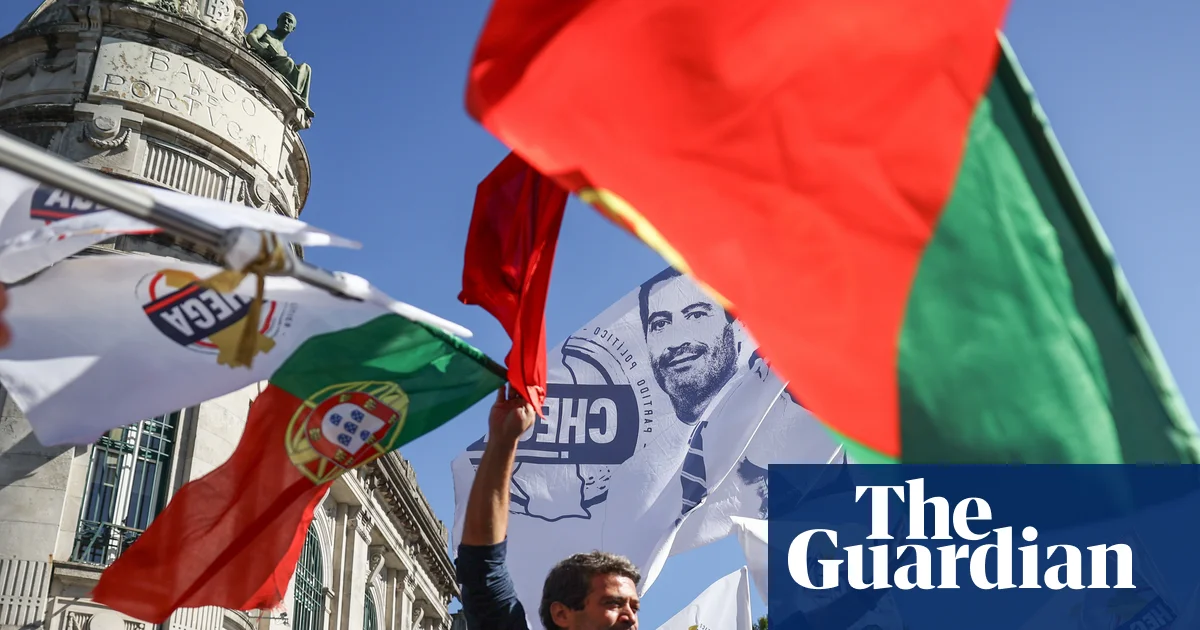
The southern Portugal region of Algarve is currently at the epicenter of a rapidly evolving political landscape that could reshape the nation’s future and reverberate well beyond its borders. As local elections approach, the surge of the far-right Chega party has become unmistakable, with its aggressive nationalist rhetoric and populist policies striking a chord among disillusioned voters. This electoral rise is not merely a regional phenomenon but a harbinger of what analysts describe as a significant shift in Portugal’s political paradigm, with potential implications for the continent’s broader left-right dynamics. Experts like political commentator Miguel Carvalho warn that this emerging tide could challenge the traditional dominance of center-right parties, placing Portugal on a potentially turbulent trajectory that echoes earlier European populist surges.
The geopolitical impact of this shift extends beyond national borders. As Ventura and his party tap into economic frustrations—particularly around housing and migration—their rhetoric mirrors the nationalist, anti-establishment language sweeping across Europe. The Algarve, famous for its natural beauty and thriving tourism industry, is becoming a testing ground for far-right ideas centered on protectionism, anti-immigration measures, and cultural preservation. The rise of Chega is interpreted by many, including international observers, as a broader attempt to reinvigorate nationalist sentiment amidst ongoing economic insecurity and societal change. Historically, analysts like Dr. Helena Sousa illustrate how these populist movements thrive in regions where economic disparities and social anxieties are most acute, often exploiting fears around migration and cultural identity to build political alliances and power bases.
Decisive international consequences are already apparent. The party’s strategy of leveraging nationalism and populism echoes comparable movements across Europe, from Spain to Hungary, fostering a transnational front of right-wing alliances. Ventura’s frequent visits to Spain and Hungary highlight a deliberate effort to integrate Portugal into this emerging geopolitical coalition. Additionally, the role of global media coverage and social platforms in amplifying party messages has accelerated the spread of this nationalist wave, emboldening similar movements elsewhere. Countries and Democrats worldwide now watch Portugal’s elections as a litmus test—if the far-right gains footholds there, it could spur a domino effect across the European Union, destabilizing current political architectures and challenging the sustainability of liberal democracies. As International Crisis Group warns, the consequences of these shifts may include an increase in regional instability, economic destabilization, and the further polarization of societies.
The unfolding narrative remains tense and unpredictable, with the fate of Portugal’s democracy hanging in the balance. If Ventura’s vision prevails, it signifies more than a local electoral victory; it becomes a chapter in the larger story of a Europe wrestling with its identity and future. These elections will determine whether Portugal remains a bastion of moderate politics or succumbs to the siren call of nationalism. As history continues to unfold, it leaves a profound question for the world: will this wave of populism lead to renewed fortresses of sovereignty and cultural integrity, or will it drown the continent in division and unrest? In a world where geopolitical landscapes are shifting at unprecedented speeds, the decisions made in Albufeira may well echo for generations to come, shaping the destiny of societies and democracies amid the ongoing tumult of the 21st century.

As the excitement for the new NBA season builds, ESPN analyst Kevin Pelton has released his comprehensive win projections for all 30 teams, igniting conversations among fans and analysts alike. The projections, which utilize advanced metrics and statistical models, aim to provide an insightful look into each team’s potential performance this season. For basketball aficionados, these forecasts are more than mere predictions; they shape expectations for what lies ahead.
This year, the rankings have stirred discussions, with teams like the Milwaukee Bucks and the Los Angeles Lakers emerging as front-runners. Pelton notes a significant talent influx, particularly in the Western Conference, promising an electrifying race to the playoffs. “Strong depth and star power will be critical this season,” Pelton stated, emphasizing the necessity of a robust roster in the intensely competitive league.
Despite the statistical prowess of Pelton’s projections, the most thrilling aspect of these rankings lies in the sheer unpredictability of the sport. As noted by commentator Stephen A. Smith, “The beauty of basketball is that anything can happen. Injuries, trades, and breakout performances can all flip the script on these projections.”
As fans eagerly await the tip-off of the season, one thing remains clear: sports extend far beyond the confines of tradition and expectations. They are a powerful force that unites communities, ignites passions, and fosters friendships. In this new season, supporters from all corners will gather to cheer on their teams, sharing moments of triumph and despair. Ultimately, it is this bond that makes the NBA not just a league, but a vibrant tapestry of life and camaraderie.

The Atacama Desert in Chile, long celebrated for its extreme aridity and remarkable clarity of the night sky, has unexpectedly burst into vibrant life. Normally receiving less than 15mm of annual rainfall, this region experienced an extraordinary surge of moisture during August, with some areas recording over 12mm of rain in a single day. This deluge awakened dormant seeds, resulting in a spectacular display of over 200 species of wildflowers—a phenomenon that typically occurs only once every few years. The event underscores nature’s capacity for resilience, even in the harshest environments, and has been celebrated by Chilean authorities as a rare gift, a moment of natural rebirth amidst an otherwise barren landscape.
This recent bloom captivates not only environmental enthusiasts but also international analysts, who interpret such rare ecological phenomena as significant indicators of broader climatic shifts. Historically, climate data suggests that the Atacama’s unusual rainfall aligns with global patterns of warming and unpredictable weather systems exacerbated by human activity. The interplay between natural cycles and anthropogenic influences raises urgent questions regarding the stability of fragile ecosystems and the implications for regional resource management. As Chile’s CONAF reports that this year’s spectacular display will last several more weeks, scientists warn that such events might become less predictable, risking ecological and economic stability in the region.
Beyond its ecological significance, the unforeseen bloom in the Atacama carries profound geopolitical weight. The desert is home to some of the world’s most valuable commodities, including lithium, a critical element in the global push for green energy. As the climate adversity highlights vulnerabilities in natural resource exploitation, nations are increasingly compelled to navigate complex diplomatic terrain over access and environmental responsibility. Chile’s strategic position as a lithium supplier to the international community positions it at the heart of evolving tensions over resource sovereignty.
Meanwhile, global institutions such as the United Nations analyze these climatic shifts with heightened concern, emphasizing that environmental variability may accelerate conflicts over water, land, and mineral rights. Countries in Latin America and beyond are watching closely, recognizing that the natural revival of desert flora can be a double-edged sword—offering hope for biodiversity and economic opportunity, yet also exposing vulnerabilities to unpredictable climate change. Historians and climate analysts warn that the current period may be remembered as a radical chapter in planetary history, where resilience is tested amid mounting global pressures.
As the world observes the fleeting brilliance of the Atacama’s wildflowers, the underlying message is clear: the environment is both resilient and fragile, a mirror to humanity’s stewardship of the Earth. Such rare occurrences, while inspiring, serve as stark warnings — a reminder that history is still being written, with each climatic shift shaping the geopolitical landscape. The glow of these wildflowers may fade, but their symbolism endures—a testament to the delicate balance between nature’s grandeur and human influence, a chapter in the unfolding story of a planet at a crossroads.

In the wake of a high-profile court ruling exposing the mishandling of pandemic resource procurement, families, education, and local communities are increasingly feeling the ripple effects of systemic social issues rooted in privilege, corruption, and a breakdown of moral accountability. The recent judgment against PPE Medpro, a company linked to the wife of a prominent conservative peer, highlights how intertwined issues of social class, political influence, and economic exploitation have become. While the court demanded that £122 million be returned to the public coffers, the reality is stark: the company has been declared insolvent, and the very individuals who profited from the crisis remain shielded behind complex legal barriers. This situation underscores a societal divide where **those with wealth and influence often escape justice**, leaving ordinary citizens questioning the fairness of a system rigged in favor of the privileged.
At its core, this scandal exposes a troubling cultural shift—one where ethics are sidelined in pursuit of profit, especially during times of national crisis. Notably, the procurement process, which was allegedly prioritized for politically connected individuals via the so-called “VIP lane,” reflects a departure from transparent, merit-based systems. Sociologists like Oliver James argue that such practices foster a sense of disillusionment and betrayal within communities, eroding trust in institutions that are supposed to serve the public interest. For families struggling to access quality healthcare or facing the economic fallout of failed policies, the misconduct of a few exemplifies a larger societal failure: the neglect of moral responsibility in favor of greed and self-interest. This gap between political elites and everyday citizens fuels *a social tension* that threatens the fabric of shared community bonds.
Furthermore, the impact on education and future generations cannot be understated. When government resources are diverted or lost through corrupt arrangements, schools and social programs suffer—further widening the demographic and cultural divides. As social commentator Frank Furedi suggests, a society that tolerates such blatant misconduct risks cultivating a cynical attitude among youth, undermining civic engagement and ethical standards. The emerging narrative challenges *young people* to reconsider their role amid a landscape marred by inequality. Yet, there remains a hopeful contrast—the potential for reform invoked by dedicated watchdogs and civic groups who continue to emphasize accountability. With ongoing investigations into criminal offenses linked to pandemic procurement, society stands at a crossroads: will it choose to rebuild trust through genuine transparency, or allow the pervasive influence of privileged networks to perpetuate injustice?
As the story unfolds, the question lingers: can society truly heal from this breach of public trust? The moral challenge lies in fostering a culture where integrity, fairness, and moral responsibility are restored as societal cornerstones. In this landscape of complexities, hope emerges in the form of collective resilience and the emerging voices demanding genuine change. Society’s strength is found not in the wealth of a few, but in the unity of communities committed to holding power accountable. Perhaps, amidst the echoes of legal battles, a new era beckons—one where the fabric of our society is mended with patches of integrity, woven through the collective effort of families, educators, and leaders dedicated to a future where justice is not just an aspiration, but a living reality.
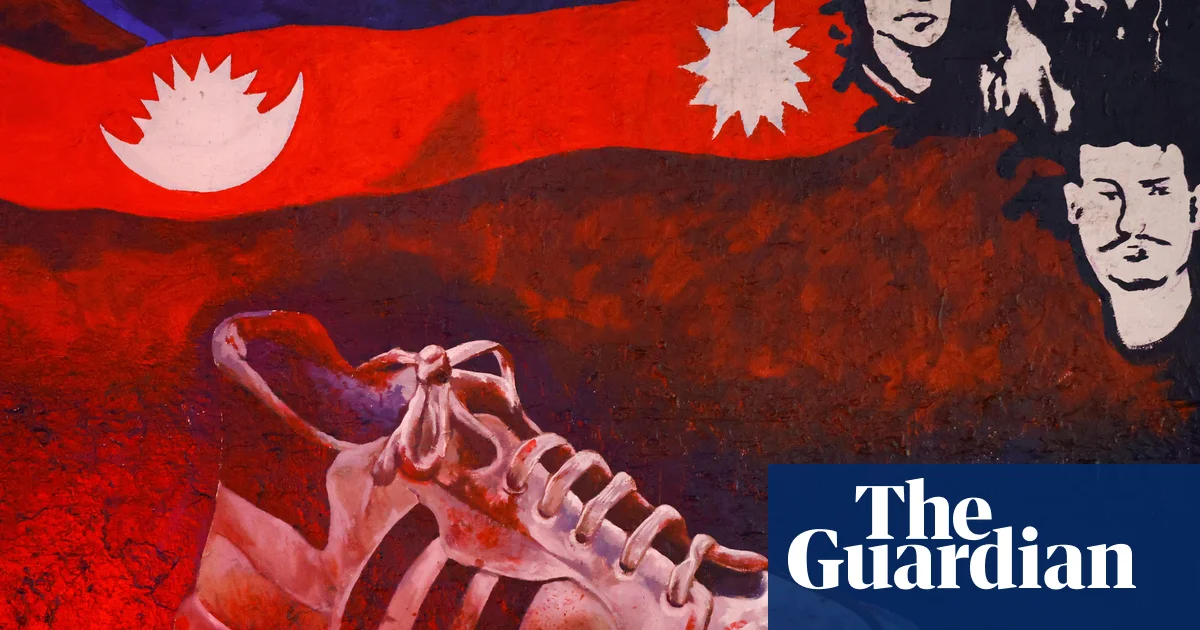
In what was once considered a quiet and traditional Himalayan nation, Nepal has undergone a seismic shift driven by a surge of youth activism and anti-corruption sentiments. An incident that began with a spontaneous protest against corruption, a social media ban, and government suppression has morphed into what many are now calling Nepal’s gen Z revolution. This upheaval has resulted in the unpredictable toppling of the government, dissolution of parliament, and the swift appointment of Sushila Karki, a former chief justice, as the interim prime minister. Analysts warn this rapid political shake-up carries profound geopolitical impact, not just internally but across the entire South Asian region, as old political order faces a challenge from the new, impatient generation demanding transparency.
The incident that sparked widespread unrest was marked by a tragic day on 8 September, when police opened fire on protesters outside parliament, killing 19 young demonstrators—an event that has become a defining moment in Nepal’s modern history. Among the injured was Prakash Bohora, a symbol of Nepal’s youth driven by disillusionment with corruption, unemployment, and exploitation. His story encapsulates the broader discontent; he fought in Russia’s army in Ukraine, saw his friends killed or maimed, and returned home to find a political system increasingly detached from the needs of its citizens. Many young Nepalis, like Bohora, joined the protests not for regime change but because of frustration with a system that seems to favor elite corruption while everyday citizens suffer. Historians and analysts argue that this civic awakening signifies a potential turning point in South Asian politics—an era where youthful protest could reshape the geopolitical landscape.
Despite the youthful energy fueling the protests, Sushila Karki’s appointment as a temporary leader has faced skepticism, particularly from Nepal’s major political parties—the Nepali Congress, the Communists, and the Maoists. These parties have openly questioned her legitimacy, accusing the new government of bypassing constitutional norms. The government’s focus has shifted heavily toward investigating allegations of corruption, especially regarding the toppled figures of former Prime Minister KP Sharma Oli and ex-House Minister Ramesh Lekhak. Pressure from youth groups demands that the government deliver tangible progress, including arrests of high-profile politicians accused of enriching themselves at public expense. From an international perspective, this internal turmoil underscores the growing fragility of Nepal’s democracy—where success hinges on the delicate balance of reform and political stability.
Regional and international stakeholders are watching keenly. India and China, as neighboring giants with vested interests, fear that Nepal’s instability could spill over, impacting trade routes, bordering security, and regional influence. Meanwhile, the United Nations and other international organizations have called for calm and dialogue, warning that any escalation of violence would threaten Nepal’s fragile new government and regional stability. As the political crisis deepens, analysts emphasize that Nepal’s crisis is but a chapter in a larger story—one where generations are demanding their voice, and the old guard must decide whether to adapt or face being swept away by an age of youthful activism. History’s pen lingers over this moment like a shadow, reminding the world that the long arc of justice sometimes bends fierce and swift, leaving behind a nation forever changed—an uncharted chapter in the unfolding saga of South Asia’s future.

As COVID-19 vaccine updates roll out for the 2024-2025 season, questions are swirling over the changes, the science, and whether certain claims about safety and policy are accurate. The latest from the Centers for Disease Control and Prevention (CDC) and the Food and Drug Administration (FDA) indicates a departure from years past, notably the move to recommend vaccines primarily for high-risk groups and the shift in approval and authorization statuses for various age brackets. The key question is whether these changes are rooted in sound science or if they are driven by political and bureaucratic agendas, as critics allege.
In previous years, the FDA approved or authorized COVID-19 vaccines for all children aged 6 months and older, and the CDC broadly recommended vaccination. However, the FDA’s latest approvals have been significantly narrower — for instance, Moderna’s Spikevax is now approved only for children 6 months and older with underlying health conditions, and the Pfizer/BioNTech Comirnaty for children aged five and up. This marks a clear shift towards restricting vaccine eligibility based on age and health status — a move that has sparked debate about the underlying reason for this narrowing of approval.
Critics point out that the FDA’s decision to limit approval appears to be influenced by internal memos showing executive overruling of career scientists’ recommendations, a fact highlighted in recent reporting and analyzed by independent experts. Independent health policy analysts argue that this narrowing of approval is based on current safety and efficacy data, which suggest that the benefits for healthy children and young adults are limited. Conversely, proponents argue that it reflects updated evidence, emphasizing that vaccines are most effective and safest for high-risk populations — elderly, immunocompromised, pregnant women, and very young children with underlying conditions.
The scientific consensus remains that COVID-19 vaccines continue to offer significant protection against severe illness, hospitalization, and death — especially among high-risk groups. Experts such as Dr. Fiona Havers, previously leading the CDC’s Respiratory Virus Hospitalization Surveillance Network, confirm that hospitalization rates are highest in adults over 75, with notable risks for children under two, particularly those with underlying health issues. This aligns with data presented at recent CDC advisory panel meetings, which demonstrate that updated vaccines effectively reduce hospitalizations and critical illnesses in these vulnerable populations. Additionally, the CDC’s independent data monitoring emphasizes that vaccines provide durability of protection, especially within the first months post-vaccination.
Furthermore, health organizations like the American College of Obstetricians and Gynecologists and the American Academy of Pediatrics reaffirm their support for vaccination among pregnant women and young children, citing both direct protection and the benefit of maternal immunity transfer to infants. This broad medical consensus underscores the importance of vaccination as a tool for safeguarding those most at risk, contradicting claims that the vaccines lack safety or efficacy.
There are legitimate concerns about the politicization of vaccine recommendations. The replacement of the CDC’s usual advisory process, after Sec. Robert F. Kennedy Jr. dismissed the existing panel and replaced it with appointees of his choosing, appears to have delayed or complicated the decision-making process. Critics argue this move hampers transparency and erodes public trust. Recent reports have highlighted that the CDC’s Advisory Committee on Immunization Practices (ACIP) did not fully follow standard procedures in its September meetings, which may have led to uncertainties among healthcare providers and the public.
Additionally, the mixed messages about vaccine recommendations — such as suggesting vaccination for all children while simultaneously restricting approvals based on health status — can create confusion and fuel skepticism. This confusion potentially hampers vaccination efforts, leaving vulnerable populations unprotected at a time when winter COVID-19 surges are expected to return.
Government data indicates that clear, science-backed messaging is crucial to maintaining high vaccination rates; any perceived politicization threatens this goal. Ensuring transparency in how decisions are made and providing consistent guidance will be vital for public health moving forward.
Ultimately, the current debate underscores a fundamental principle: truth and scientific integrity are vital to responsible citizenship and democracy. When policies are based on rigorous, transparent science, the public can make informed decisions that protect themselves and their communities. Misinformation and political meddling threaten this foundation, fueling distrust and vaccine hesitancy. As responsible citizens, it’s essential to critically evaluate claims, seek evidence-based sources, and support policies rooted in scientific consensus. Only through the pursuit of truth can we ensure a resilient, informed society capable of confronting health challenges with confidence and unity.

In a decisive move reflecting the escalating geopolitical contest for the Arctic, Denmark has announced a substantial increase in defense spending—$4.2 billion (£3.2 billion)—aimed at augmenting security in Greenland and the broader Arctic and North Atlantic regions. This decision, unveiled amidst rising global tensions, signifies a clear intent to secure Danish sovereignty over Greenland, an island of immense strategic value. The investment includes acquiring 16 additional F-35 fighter jets from the United States, bringing its fleet to 43, and deploying new naval and aerial patrol assets, alongside establishing a dedicated Arctic command in Nuuk. Foremost, the initiative emphasizes deterrence and asserts regional influence within NATO’s framework, illustrating Denmark’s resolve to maintain sovereignty amid external pressures, particularly from the U.S. and Russia.
The significance of Denmark’s military build-up extends beyond mere defense; it underscores a strategic positioning amid a rapidly evolving international landscape. Greenland, with its vast natural resources and proximity to Russia and North America, has long fascinated global powers. U.S. President Donald Trump repeatedly expressed interest in acquiring Greenland, citing its “critical” role in security and economic dominance. His controversial suggestion of U.S. control over the island, combined with his son’s covert visit for media purposes, exposed both Washington’s strategic calculations and the fragility of Denmarks’s sovereignty. As historian Dr. Margaret Colby notes, Greenland’s importance is rooted in its geographical location—serving as a gateway for military and commercial interests—and its resource wealth, including rare earth minerals. These factors make the island a focal point for geopolitical rivalry.
Moreover, the new Danish defense package involves rich infrastructural investments, like constructing undersea cables, maritime patrol planes, and early-warning radars—each designed to bolster deterrence and safeguard not only Greenland but also NATO allies. The establishment of the Arctic command headquarters in Nuuk marks a tangible shift towards asserting control, providing a strategic foothold that can influence regional stability. International analysts warn that such moves may trigger a new arms race in the Arctic, forcing nations to reconsider their military posture and alliances. The decisions by Denmark resonate as a message that sovereignty over the Arctic’s resources and strategic corridors remains fiercely contested, impacting local societies and shaping global diplomacy.
As Russia doubles down on Arctic military presence and China extends its influence into the region through economic corridors, the Arctic is transforming into a critical arena of superpower competition. Meanwhile, Washington’s past interest in Greenland underscores its strategic importance—hosting a U.S. radar base crucial for monitoring Russian and Chinese activity. The recent developments have turned Greenland from a peripheral territory into a focal point of international importance, echoing the Cold War years when global power struggles centered around the Arctic and the Atlantic.
International organizations like NATO are placing heightened emphasis on the Arctic, but as geopolitical stakes tighten, questions about sovereignty, militarization, and resource control intensify. Critics argue that these developments risk destabilizing an already fragile region, potentially sparking conflicts that could echo through history. The decisions on Greenland’s future, influenced by Denmark’s military investments and external interests, will undoubtedly leave indelible marks on international relations. As history unfolds in the icy depths of the Arctic, one thing remains certain: the battle for control of Greenland has become emblematic of larger, global ambitions, with stakes that could redefine the geopolitical landscape for generations to come.

In an era marked by rapid technological disruption, the industry is witnessing transformative developments that underscore the importance of innovation-driven leadership and strategic foresight. Recent discussions surrounding social media surveillance, AI-powered chatbots, and the proliferation of conspiracy theories highlight a volatile landscape—one that demands proactive responses from tech giants and policymakers alike. Companies like OpenAI and Google are pushing boundaries, yet the need for robust safeguards and ethical frameworks remains urgent.
The episode of “Uncanny Valley” illuminates a broader trend: the migration of talent and innovation toward regions perceived as more conducive to free exploration and technological autonomy. Notably, some authors and entrepreneurs are contemplating moving out of the US, citing increasing concerns over social media surveillance and government overreach. This potential exodus signals a material shift in the global innovation ecosystem, where liberalized jurisdictions may gain a competitive edge—akin to what Peter Thiel advocates with his emphasis on alternative innovation hubs. Such developments pose profound implications for U.S. leadership in AI and tech privacy standards, risking a decline if regulatory overreach continues to stifle grassroots innovation.
At the core of this upheaval are AI and chatbot technologies already revolutionizing industries—from customer service to autonomous vehicles. Companies leveraging OpenAI’s GPT models or Google’s Bard are unlocking unprecedented efficiencies and user engagement. However, this innovation is accompanied by a darker side: the weaponization of AI to spread misinformation, conspiracy theories, and even pseudoscientific health cures like those proposed for autism. Experts from MIT and Gartner warn that without effective regulation, AI’s disruptive potential could undermine societal trust and exacerbate harmful narratives. The challenge is balancing technological progress with safeguarding against misuse, a critical focus for investors and regulators seeking to maintain competitive advantage.
Furthermore, the episode underscores the importance of disruptive innovation as a double-edged sword. While these technologies can catalyze economic growth and geopolitical dominance, they also threaten to deepen societal divides if managed carelessly. The urgent takeaway is clear: the market’s pioneers must prioritize ethical AI development and transparent governance. As Elon Musk and other visionary leaders emphasize, the window to shape AI’s trajectory is rapidly closing. Forward-looking trends suggest that those who harness these innovations responsibly will set the pace for global competitiveness, while neglecting these risks could lead to significant strategic setbacks.
In conclusion, the current technological environment underscores a pivotal moment: the imperative for bold innovation combined with rigorous ethical oversight. The specter of regulatory crackdowns, talent migrations, and misinformation poses a formidable challenge—yet also offers an opportunity. For industry leaders, the stakes have never been higher to accelerate breakthroughs in AI and digital privacy while defending against emerging threats. As history shows, those who act decisively today will define the future landscape of global tech dominance. The message is clear—adapt now or fall behind in the relentless march of progress. The clock is ticking, and the race to the future has only just begun.


