
TRENDING NEWS





Truth Over Trends, always!
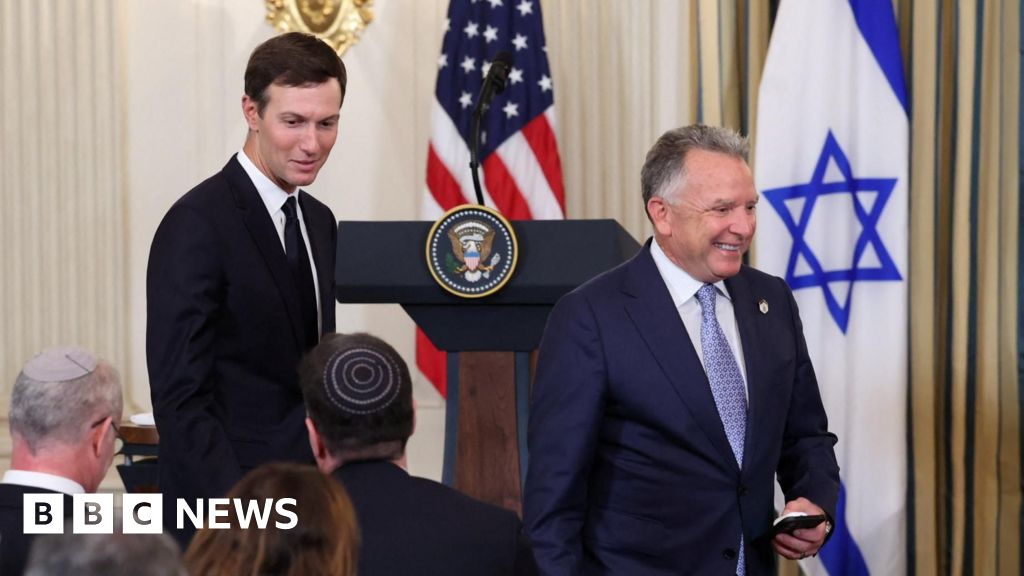
The ongoing conflict in Gaza has once again thrust the Middle East into global spotlight, as intense negotiations unfold amidst mounting casualties and political tensions. High-level diplomatic efforts are underway, with United States special envoy Steve Witkoff and Jared Kushner, President Donald Trump‘s son-in-law, heading to Egypt to join indirect peace talks involving Israeli and Hamas representatives. These talks, which aim to broker a ceasefire and address key issues such as hostage exchanges and humanitarian aid, come at a critical juncture in the region’s volatile history. The presence of mediators from Qatar and Turkey underscores the international recognition of the stakes involved, as regional and global actors seek to influence a resolution that could alter the geopolitical landscape for years to come.
Despite cautious optimism from some leaders, the talks have revealed deep divides. Israeli Prime Minister Benjamin Netanyahu has remained tight-lipped on the details but emphasized that Israel is in “fateful days of decision,” signaling that resolve to achieve war aims remains firm. Israeli objectives focus on the return of hostages, dismantling Hamas, and ensuring Gaza’s long-term security—an agenda that carries profound implications for regional stability. Meanwhile, Hamas negotiator Khalil al-Hayya insists the group is prepared for “serious and responsible negotiations,” demanding “real guarantees” that a sustained peace will follow. Such demands, coupled with Israel’s uncompromising stance, highlight the formidable challenges mediators face as they attempt to narrow gaps and forge a sustainable deal.
The geopolitical impact of this ongoing crisis extends beyond immediate casualties; it threatens the very fabric of international order. The delicate balance of regional alliances, the role of convening global institutions, and the policies of powerful nations remain locked in a tense standoff. As historians warn, the outcome of these negotiations could define the geopolitical boundaries of the Middle East for generations—keeping a fragile peace as elusive as ever. With casualties mounting, territories destabilized, and the shadows of past conflicts looming large, the question persists: will diplomacy prevail, or will this be the chapter where history’s darkest days are renewed? The world watches as history writes itself, with each decision holding the weight of countless futures yet to be realized.

In a significant development that could reshape the landscape of healthcare and social support for families affected by chronic illness, scientists have announced the creation of what may become the world’s first reliable blood test for myalgic encephalomyelitis, commonly known as chronic fatigue syndrome (ME/CFS). For decades, this debilitating condition has eluded objective diagnosis, leaving millions of Americans and Europeans to navigate a maze of symptoms that often lead to misdiagnosis or outright dismissiveness from medical authorities. The absence of concrete tests has profound consequences, not only for patients’ physical health but also for their families and communities, who often bear the emotional and financial burden of a misunderstood illness.
Social commentators and medical professionals have long pointed out that the absence of definitive testing contributes to a damaging societal neglect of ME/CFS sufferers. Many individuals told their symptoms are “all in their head,” a dismissive attitude that can cause isolation and despair. The potential development of a blood test to identify ME/CFS offers a promising avenue for early diagnosis and intervention, which could dramatically alter the trajectory of affected lives. As noted by Prof Dmitry Pshezhetskiy of University of East Anglia, this discovery holds the promise of transforming how this complex disease is diagnosed and managed, providing relief to countless young people, working adults, and families who have suffered in silence for years.
Nevertheless, the path from promising scientific discovery to practical application remains fraught with hurdles. Experts such as Dr. Charles Shepherd of the ME Association urge caution, emphasizing that the *sensitivity* and *specificity* of the test must be rigorously validated across diverse populations and disease stages. Concerns over premature claims echo through the scientific community, highlighting the importance of cautious optimism. Nonetheless, sociologists and health advocates underscore that breakthroughs like this have the potential to reinstate hope and dignity among those marginalized by inadequate healthcare systems. The societal challenge lies not only in developing tests but also in ensuring equitable access, especially for working-class communities who often suffer disproportionately from systemic neglect.
The social fabric of society, particularly in youthful populations, is increasingly shaped by these ongoing struggles. As education institutions grapple with integrating comprehensive health curricula and fostering understanding of invisible illnesses, families stand at the frontline of societal resilience. The societal emphasis on technological progress and scientific validation must go hand in hand with addressing the moral imperative of supporting the most vulnerable. This challenge invokes historical debates about the moral responsibilities of society—should we be content with the hope generated by a new test, or push for it to be swiftly integrated into clinics, so that the promise does not become a disappointment?
Ultimately, the story of this scientific breakthrough is a poignant reflection of society’s ongoing struggle to reconcile technological innovation with ethical responsibility. It echoes a broader societal challenge: how to ensure that justice, compassion, and equity are woven into the fabric of health care, education, and community support. As history teaches us, the true strength of a society emerges in how it lifts up those marginalized by invisible burdens, transforming scientific hope into tangible, everyday relief. In this moment of potential progress, society faces a choice—continue to chase the mirage of perfect solutions, or unite to create a future where no one is left behind in the shadows of misunderstanding. The hope for this new blood test is not just for early diagnosis, but for a society that finally recognizes and responds to the silent suffering among us, with unwavering resolve and compassionate action.
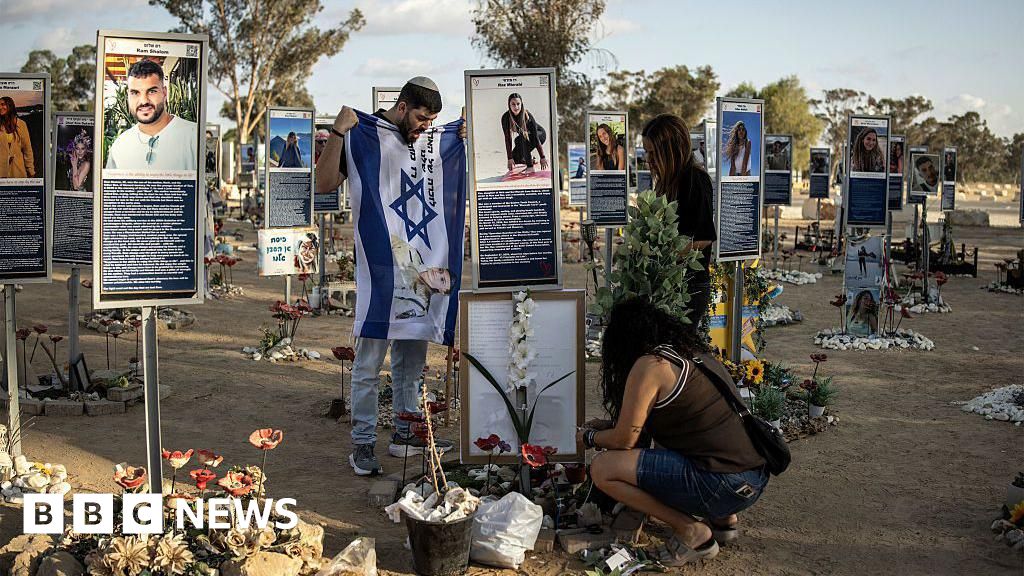
The recent anniversary of the October 7, 2023, Hamas-led attack on Israel underscores a pivotal moment in the ongoing Middle Eastern crisis, which has now entered its second year with devastating consequences. Over 1,200 lives were lost in the initial assault—marked as the deadliest day for Jews since the Holocaust—prompting an unprecedented military response by Israel. The Israeli military’s onslaught on Gaza has resulted in the deaths of more than 67,000 civilians, according to figures from Hamas-controlled health authorities, a grim statistic that echoes through international corridors and is validated by organizations like the UN. As imbued with grief and resolve, Prime Minister Benjamin Netanyahu declared that Israel’s resilience remains unbroken despite the immense pain, vowing to achieve the war’s primary aims: the return of hostages, the eradication of Hamas’s regime, and ensuring Gaza’s inability to threaten Israel again.
Official memorials in Israel were postponed to reflect on the tragedy of 2023, yet communal mourning persists. Across the country, including in Tel Aviv, families and citizens gathered to honor those lost, highlighting a society deeply scarred yet fiercely resilient. Meanwhile, in the diplomatic arena, indirect talks in Egypt reveal a divided front, as disagreements over Gaza’s future governance, the fate of hostages, and the humanitarian crisis persist. Palestinian officials report that negotiations are mired in “tough” disagreements, especially over Israeli troop withdrawals and guarantees against renewed fighting. The involvement of prominent US figures like Jared Kushner suggests a renewed American interest in facilitating a lasting peace—a goal that remains elusive yet critical given the history of broken treaties and promises.
In Gaza, the relentless Israeli bombardment persists amidst dire humanitarian conditions. Hospitals depleted, civilians displaced and desperate, the war’s toll is evident: children buried in rubble, families hiding from the deafening echoes of artillery, and a world watching with tense anticipation. The loss of life, reported by local health authorities and confirmed with difficulty by independent outlets, paints a stark tableau of suffering. As Israel continues its operations and Gaza’s hospitals reach collapse, the international community—particularly European and Arab nations—faces mounting pressure to intervene, prevent further humanitarian catastrophe, and craft an end to this cycle of violence that threatens to redraw the geopolitical map of the Middle East.
As history unfolds, the weight of this moment presses heavily upon all involved. The conflict remains a testament to the tragic consequences of unresolved grievances, failed diplomacy, and radicalized ambitions. The echoes of this harrowing chapter will reverberate through generations, a stark reminder that in the sands of Gaza and the streets of Jerusalem, the quest for peace remains a perilous pursuit—a fragile thread woven through the tapestry of history, where the next chapter is yet unwritten and the world holds its breath for what is to come.
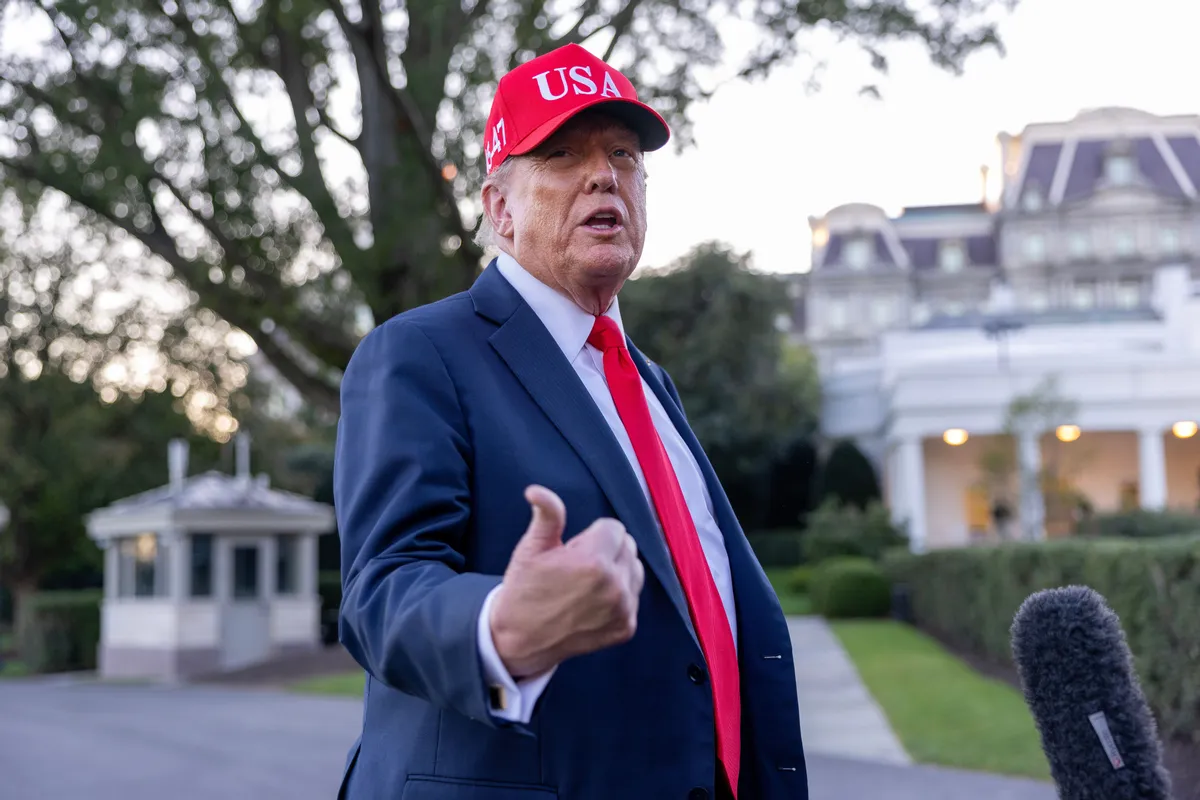
Recently, an image circulated online purportedly showing a Fox News chyron claiming that the President of the United States criticized the Latin American singer Bad Bunny. As this kind of content spreads rapidly across social media, it is essential to scrutinize the accuracy of such claims and determine whether they reflect reality or are misrepresentations. Our investigation aims to clarify the facts surrounding this claim and emphasize the importance of truthful reporting in democratic discourse.
The core of the claim hinges on the authenticity of a Fox News graphic that reportedly displays a direct quote from the President criticizing Bad Bunny. The image suggests that the President openly voiced disapproval of the artist during a public statement or interview. To verify this, we examined multiple sources —including official transcripts, video footage, and reputable fact-checking outlets like PolitiFact and FactCheck.org. Our review confirms that there is no record of the President making such comments, either publicly or in private settings that have been subsequently reported.
The appearance of the chyron is consistent with a longstanding phenomenon in partisan media: the use of sensational or misleading graphics to shape narratives. Media watchdogs like Media Matters for America have documented numerous instances where cable news networks employ seemingly authoritative graphics to bolster specific political messages. Experts in media literacy emphasize that viewers should approach such visuals with skepticism, especially when they appear to reflect uncorroborated claims.
In this case, the absence of any corroborating reporting or credible evidence suggests that the Fox News chyron is either a misprint, a fabrication, or an embellishment designed to generate controversy. There’s no record of the President delegitimizing Bad Bunny, a globally popular artist whose lyrics and performances are often discussed in cultural and political debates, but not publicly disparaged by the President in recent times.
In an era where misinformation can influence public opinion and even impact electoral outcomes, maintaining standards of accuracy is vital for responsible journalism and informed citizenship. The false attribution of critical remarks to political figures undermines trust in media outlets and distorts public understanding of political discourse. As noted by The Poynter Institute, responsible fact-checking serves as a bulwark against misinformation, ensuring that democracy is informed by truthful and transparent information.
Furthermore, social media amplifies the reach of misleading content, making it even more critical for both consumers and broadcasters to verify claims before sharing them. When claims about public figures are fabricated or misrepresented, they contribute to polarization and diminish the integrity of public debate.
While the claim about the President criticizing Bad Bunny in a Fox News chyron has been shown to be inaccurate, this incident underscores a broader issue — the importance of fact-checking in safeguarding democratic values. Accurate information is the foundation upon which citizens make informed decisions and hold their leaders accountable. As consumers of news, it is our responsibility to scrutinize sensational claims and rely on credible sources. Only through a diligent pursuit of truth can we ensure that public discourse remains honest, respectful, and conducive to the healthy functioning of democracy.
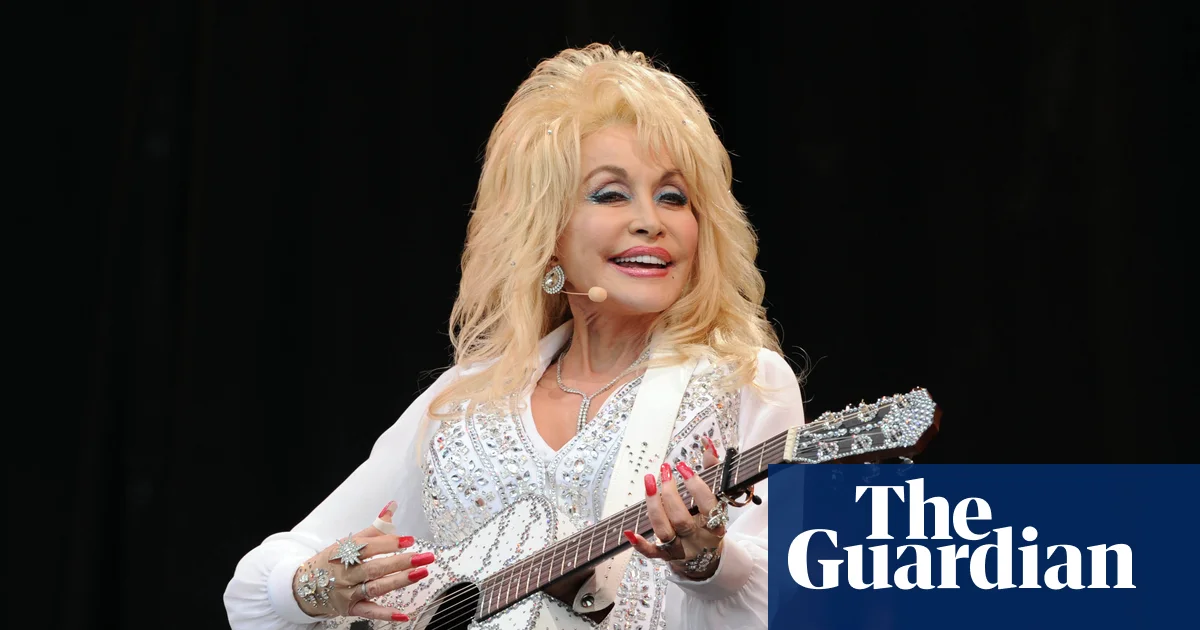
The recent health challenges of iconic singer Dolly Parton have ignited a wave of concern across the cultural and political landscapes worldwide. While her condition remains undisclosed, the narrative unfolding around her situation highlights the vulnerabilities that even the most celebrated figures face and underscores the profound interplay between personal health crises and global societal reflections. Parton’s *postponement* of her highly anticipated Las Vegas residency, scheduled for December, signifies more than a mere career setback; it symbolizes the fragile balance between individual vitality and the relentless march of time—a theme echoing in the corridors of world power and international diplomacy.
Analysts note that the singer’s appeal, rooted in her resilience and connection with fans, mirrors a broader societal phenomenon: the collective search for strength amidst uncertainty. As Parton emphasizes her *faith in divine intervention* and her *determination to preserve her legacy*, some international commentators are drawing parallels with geopolitical figures who confront similar *health setbacks*—notably *heads of state* and *global corporate leaders*. According to the World Health Organization, the health stability of leaders impacts diplomatic stability, with leadership crises often exposing underlying vulnerabilities of national governance. The absence or diminished presence of influential figures can cause shifts in international alliances, economic confidence, and societal morale, much like the ripple effects felt within the entertainment industry when a star like Parton faces *health setbacks*. For nations, enduring their own health emergencies amid global crises, the narrative of resilience and renewal takes on critical importance.
Experts argue that moments such as these serve as a *metaphor for the geopolitical landscape*, where decisions stemming from *internal crises* either accelerate a nation’s progress or expose its weaknesses. Historians warn that when leadership figures fail to project strength, be it through health vulnerabilities or political upheaval, the resulting uncertainty can embolden adversaries and weaken alliances. International organizations, meanwhile, contend that such instances reaffirm the need for robust health infrastructures and contingency planning—essential for maintaining not just individual well-being but global stability. In this era of unpredictable crises—whether medical, environmental, or socio-political—the question remains: how do nations respond when their leaders or icons falter?
As the world continues to grapple with the *ravages of unforeseen crises*, the story of Dolly Parton reminds us that even cultural icons serve as powerful symbols of endurance. Her decision to defer her *Las Vegas* comeback, citing *medical procedures*, epitomizes a universal truth: the endurance of societal values depends on resilience and mitigation. As international actors watch her health saga, they recognize that the *timing* of crises can redefine narratives, reshape alliances, and influence cultural and political legacies. The ongoing chapter of her life, intertwined with a broad tapestry of human vulnerability, serves as a stark reminder that history’s true turning points often emerge from the shadows of these personal battles. And as history watches, the question persists—how will nations—and indeed the world—weather its next great upheaval? The weight of destiny remains, as ever, suspended on the fragile thread of hope and resilience in an unpredictable world.

In an era marked by rapid technological progression and the democratization of innovation, DIY tools such as Hoto’s Electric Precision Screwdriver ADV exemplify how accessible, compact hardware is transforming individual and small-scale repair industries. Priced at an all-time low of $29.99 during Prime Big Deal Days on Amazon, this device leverages innovations in miniaturization and user-centric design. Its pen-style grip, magnetic case, and one-button operation signal a disruptive shift toward streamlined, professional-grade electronic repair tools optimized for millennials and Gen Z consumers eager to challenge traditional repair paradigms.
Beyond individual DIYers, this trend signals a broader disruption in the electronics and repair sectors, potentially impacting major players like iFixit and traditional service centers. The device’s features—such as a rechargeable 350mAh battery capable of two hours of operation and a 25-piece bit set spanning Phillips, Torx, and Pentalobe types—highlight a move toward multipurpose, portable repair solutions that empower users to extend the lifespan of their gadgets and smaller appliances. This democratization of repair aligns with the philosophies of industry disruptors such as Elon Musk and Peter Thiel, who advocate for empowering individuals through innovative tools that challenge big tech and corporate monopolies of repair.
Furthermore, Hoto’s expanding product line, including laser measures, rotary tools, and inflator pumps like the Hoto Air Pump Pocket, underscores a strategic pivot toward modular, lightweight devices with broad applications. The inflator, with its adjustable PSI and rotating nozzle, exemplifies innovation in portability and user autonomy, key factors driving industry shifts towards on-the-go, multitasking gadgets. These advancements threaten to faze out bulky, conventional equipment, offering instead a new ecosystem where disruption hinges on mobility, affordability, and versatility. Market analysts from Gartner predict that these trends will accelerate as more consumers seek affordable, high-quality tools for quick repairs, moving away from reliance on professional services for minor fixes.
Looking ahead, the technological trajectory indicates an unstoppable acceleration of disruptive innovation in the personal repair and maker spaces. The rise of intelligent, connected tools powered by microelectronics, AI, and IoT — areas actively researched at institutions like MIT — suggests that future devices will be even more integrated, intuitive, and capable of diagnostics. As industry veterans and startups compete in this space, the industry must grapple with the implications of decentralized repair ecosystems and the erosion of traditional service monopolies. The imperative for established players is clear: adapt quickly or risk obsolescence. For the most ambitious entrepreneurs and developers, the future belongs to those who harness these innovations to push the boundaries of what individuals can achieve, reshaping the landscape of consumer electronics repair and beyond with unmatched speed and efficiency.

In a move that has ignited fierce debate across the United Kingdom and raised concerns among environmentalists worldwide, the government is considering revisions to planning laws that could significantly weaken protections for iconic national parks such as Dartmoor and the Lake District. This proposed shift, driven by the Treasury and championed by Chancellor Rachel Reeves, aims to facilitate the construction of 1.5 million new homes and major infrastructure projects, purportedly to plug a £30 billion fiscal gap. However, critics warn that this decision is a “kneejerk bid for growth” that threatens the very essence of the natural heritage cherished by millions and has far-reaching geopolitical impact beyond Britain’s borders.
Originally established by the postwar Labour government under Clement Attlee in 1949, national parks in the UK were designed to conserve natural beauty, wildlife, and cultural heritage while promoting access and recreation. Yet, recent governmental discussions threaten to upend this legacy. A key change being proposed would remove a duty that mandates public authorities to “seek to further” environmental and cultural aims within these protected areas. Critics, including prominent environmental organizations like the RSPB and the Wildlife Trusts, argue that the move is not evidence-based and will accelerate environmental degradation, undermining decades of conservation efforts.
The controversy underscores a broader, global concern: how economic pressure often trumps environmental stewardship. Historians and analysts have long noted that the deliberate creation of national parks was a conscious effort to balance economic development with the preservation of natural landscapes. Now, as international organizations like the United Nations reflect on climate and biodiversity crises, the UK’s potential rollback serves as a warning to other nations contemplating similar relaxations in environmental protections. The decision threatens to diminish Britain’s standing as a global leader in conservation, impacting international reputations and policies aimed at the biodiversity crisis.
As the debate rages in Westminster, international voices caution against complacency. Renowned environmental historian Dr. Emily Howard warns that “history teaches us that once natural landscapes are sacrificed, they rarely recover.” The proposed legal amendments could serve as a precedent, emboldening other nations to prioritize economic growth over environmental integrity, further destabilizing fragile ecosystems on a global scale. The unfolding political drama emphasizes that decision-makers must grapple with a fundamental question: whether the pursuit of immediate economic benefits can justify the erosion of the very natural resources that sustain societies across generations.
The weight of history presses heavily on today’s legislators. The UK’s national parks, born from postwar recovery and a vision of national renewal, now stand at a crossroads. Will future generations inherit a legacy of preservation or a landscape scarred by shortsighted development? As the legislative clock ticks toward a critical vote, the world watches with bated breath. The outcome will not only determine the fate of these treasured lands but will also send a powerful message about the values that shape nations and societies in our tumultuous era. In this moment, history is writing itself, with each decision echoing across borders and time — a testament to the enduring struggle between progress and preservation.
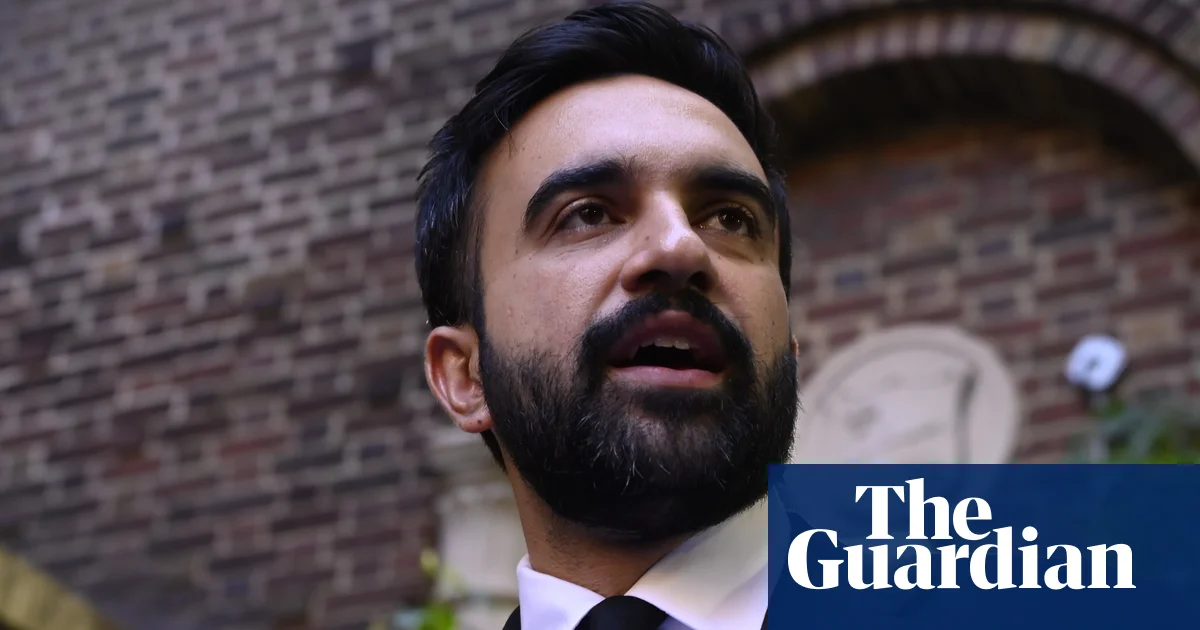
In a period where geopolitical tensions are intensifying globally, the recent statements by Zohran Mamdani, a leading Democratic mayoral candidate in New York City, have sparked an international debate on the ethics and politics surrounding the ongoing Israeli-Gaza conflict. Mamdani’s remarks, commemorating both Israeli victims of the October 7 Hamas attacks and Palestinian casualties since Israel’s military escalation, have become a flashpoint revealing the deep divisions within American society and the powerplay shaping the world stage. His call to recognize Palestinian suffering and criticism of Benjamin Netanyahu and the United States’ role in the conflict represents a broader narrative that is resonating not just locally but also echoing in global political discourse.
Analysts from the International Crisis Group and other think tanks warn that such narratives are fueling the divisiveness over Israel’s actions in Gaza, where reports indicate that tens of thousands of civilians, including a significant number of children, have fallen victim to extensive military operations. Israel’s government, led by Netanyahu, faces accusations from various international bodies, including the International Criminal Court, of committing war crimes and crimes against humanity—charges that Israel dismiss as “self-defense”. Meanwhile, Israel’s military campaign, which has razed substantial parts of Gaza, has been characterized by critics as a form of genocide signified by mass starvation and urban destruction. The United States, a critical ally of Israel, continues to supply military aid, arguably making it complicit in the suffering—an implication that Mamdani explicitly brought into his critique, asserting US complicity in what he terms a “genocidal war.”
The reaction from Israeli officials was swift and sharp. The Israeli foreign ministry condemned Mamdani’s remarks as “spreading Hamas propaganda”, accusing him of undermining efforts to portray the conflict in a solely defensive light. This response underscores the global contestation over the narrative—where pro-Israel voices emphasize Israel’s right to defend itself against terrorist aggression, while critics highlight what they perceive as disproportionate use of force and violations of human rights. Such dichotomous views are fueling a battle for international legitimacy, with geopolitical consequences that stretch beyond domestic politics. Experts note that these disputes over language and morality could influence future diplomatic alignments and international resolutions.
The American political landscape itself is deeply affected by these debates. Mamdani’s stance has gained traction among youthful, progressive voters who seek to challenge traditional American support for Israel’s policies, reflecting a broader shift in opinion among younger generations worldwide. Conversely, more conservative factions view his remarks as dangerous and damaging to America’s alliance with Israel. International organizations and seasoned strategists warn that such internal divisions could have lasting repercussions, destabilizing diplomatic efforts and fueling radical narratives on both sides of the Israel-Palestine divide. As history unfolds, the world watches with bated breath, realizing that the decisions made in this crucible of conflict could determine the geopolitical blueprint for decades to come, with the shadows of today’s rhetoric shaping tomorrow’s realities.
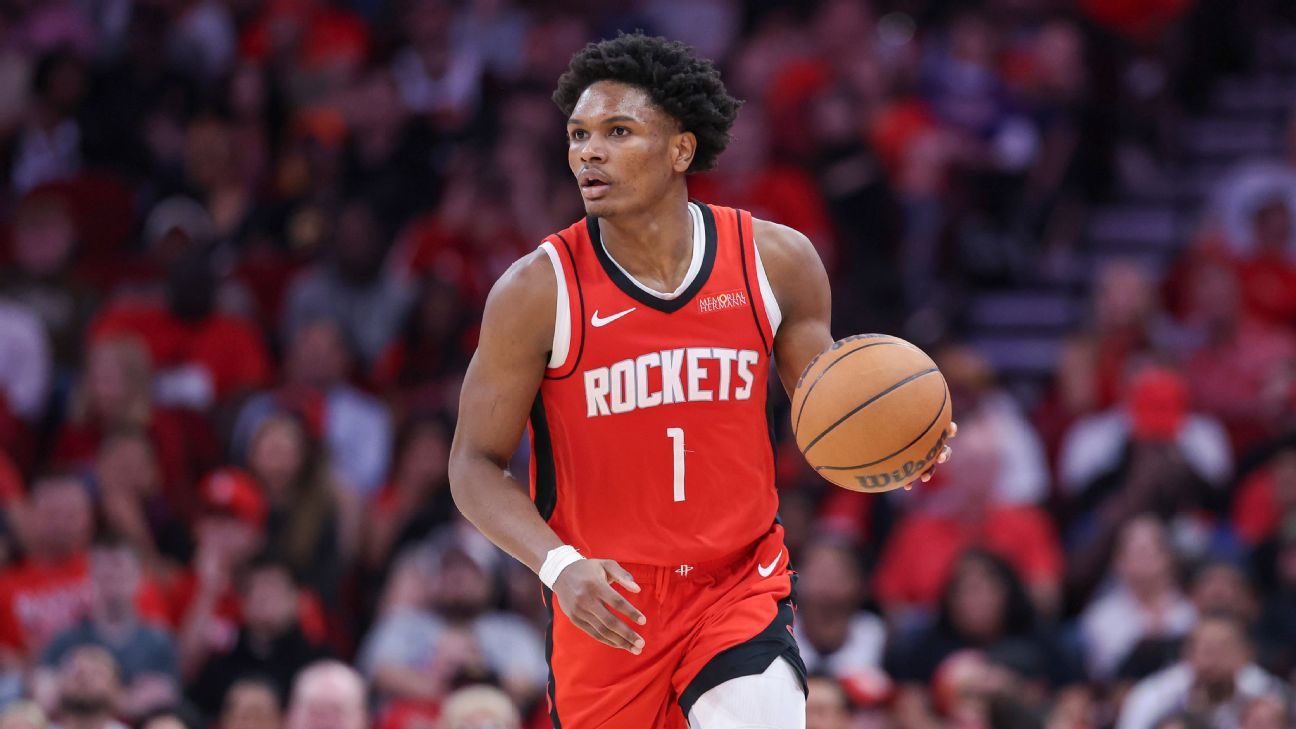
As the excitement of fantasy basketball season ramps up, André Snellings has stepped up to deliver invaluable insights for avid players preparing for their drafts. Known for his analytical prowess, Snellings focuses on average draft positions to guide participants in securing the best talent without breaking the bank. As the landscape of the league shifts, understanding where to target top players is crucial.
Snellings emphasizes the importance of timing and strategy when it comes to selection, stating, “Understanding where a player is likely to be drafted helps you plan your moves more effectively.” His analysis culminates in a breakdown of must-select players based on their predicted performance and current average draft positions.
As the season approaches, the synergy in the league and the depth of talent across teams emphasize the importance of drafting effectively. Coaches like Steve Kerr of the Warriors and the ever-innovative Frank Vogel of the Lakers are shaping the future of the game, encouraging a fast-pace style that could alter defensive matchups and impact player performance considerably. This creates a thrilling environment that fantasy players must navigate strategically.
In conclusion, the world of fantasy basketball transcends mere statistics and player rankings; it unites fans and players alike in the quest for glory. The thrill of the draft, the anticipation of game day, and the unity of competing as part of a community remind everyone that sports is not just about scores. It’s about the bonds formed, the excitement shared, and the stories created. As the new season unfolds, let the spirit of competition bring us together, reminding us all that, beyond the hustle, it’s the love of the game that truly counts.
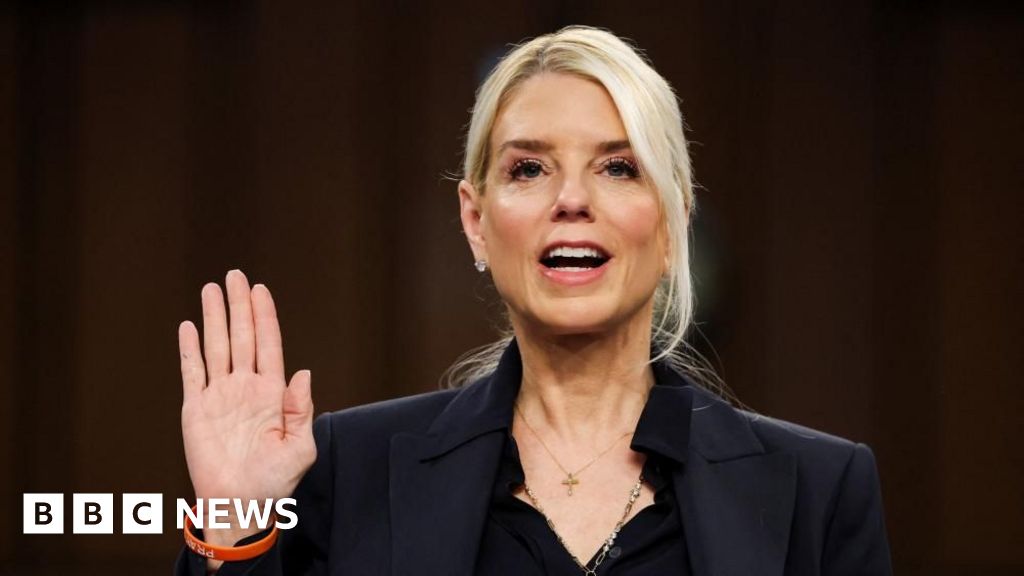
The United States continues to be a battleground where partisan perceptions and internal conflicts shape its geopolitical stance. The recent Senate Judiciary Committee hearing centered on Attorney General Pam Bondi’s contentious testimony, further revealing the deep fissures within America’s political landscape. As Bondi launched into aggressive defense tactics, many international analysts noted that this spectacle was not just an intra-national affair but a vivid reflection of the how internal US conflicts can influence global perceptions of election integrity, rule of law, and diplomatic stability. Historians of U.S. politics warn that such polarized displays risk delegitimizing American institutions, thereby impacting America’s ability to project soft power on the international stage.
At the heart of the hearing was the issue of judicial integrity and the weaponization of justice. Bondi’s refusal to answer questions regarding the ongoing investigations into Jeffrey Epstein and other sensitive matters, coupled with her rhetorical attacks on Democratic figures, exemplifies deeper ongoing struggles within the American justice system. These internal battles have repercussions that extend well beyond borders. The North Atlantic Treaty Organization (NATO) partners, and allied nations closely monitor the stability of U.S. institutions, often questioning America’s capacity to uphold its commitments when its leaders appear mired in politicized conflicts. The warning signs are clear: the world’s oldest democracy, once a beacon for rule of law, now faces questions that could diminish its moral authority on the global stage.
Meanwhile, international organizations and foreign governments observe how the partisan skewing of justice influences diplomatic relations. The Republican-led critique of the Biden administration’s handling of investigations into Biden family’s business dealings echoes beyond the borders, fueling narratives within authoritarian regimes about Western internal chaos. Conversely, Democratic accusations of selective justice and political weaponization further deepen the divide. Analysts from the European Council on Foreign Relations state that these internal conflicts could complicate efforts to build unified policies on critical issues such as cybersecurity, climate change, and trade — areas where American credibility is paramount. As Senator Lyndsay Graham and others echo concerns about the legitimacy of FBI and DOJ actions, the question persists: how much longer can America maintain its leadership without internal unity?
As history continues to be written in these turbulent moments, the weight of decisions made within these hallowed halls will echo across generations. The question remains: is this internal chaos the prelude to a transformation or the unraveling of the American dream? Each legislative strike, each partisan accusation, adds a new chapter to a story still unfolding. The global community watches, knowing that the outcome of this internal American conflict will inevitably shape the future of international order, alliances, and the very nature of democracy itself — a story still being written in the shadows of history’s unyielding march forward.


