
TRENDING NEWS





Truth Over Trends, always!

The nationwide postal workers’ strike in Canada, which began on September 25, has brought the country’s mail and parcel delivery system to an unprecedented halt. Thousands of unionized postal workers have walked off the job, protesting the federal government’s recent reforms aimed at restructuring Canada Post. These reforms, which include the elimination of certain post offices and the phased reduction of door-to-door delivery, are seen by many as a significant shift away from what has historically been considered a pillar of Canada’s public service. Prime Minister Mark Carney has argued that these changes are essential to make the organization «viable in a changing landscape», citing the service’s chronic financial losses and declining demand as justification.
While the disruption might seem like a mere inconvenience to some, it touches on deep concerns about the quality and accessibility of public services. The union, Canadian Union of Postal Workers (CUPW), describes the reforms as a «direct attack» on the rights of unionized employees and the very essence of Canada’s postal tradition. The union’s stance emphasizes that these changes threaten not only jobs but also the public’s ability to participate in cultural and political processes. With mail delivery disrupted, essential government transactions—like the delivery of social security checks—and even urgent documents such as passports are affected, highlighting how vital these services are to everyday life. The strike has also raised questions about the future of governmental and public services, particularly as the department grapples with years of financial mismanagement and stiff competition from private courier companies.
The financial deterioration of Canada Post cannot be ignored. As reports reveal, the agency has suffered losses reaching up to C$1.5 billion annually, mainly due to a decline in letter mail volume and increased competition from parcel delivery firms like Amazon and FedEx. The organization’s core revenue streams are shrinking, pushing it toward an ‘existential crisis,’ as noted in a government-commissioned review. In response, Ottawa has injected a significant C$1 billion loan into the organization, but these measures are only stopgaps as the postal service attempts to reinvent itself. Suggestions from CUPW include diversifying revenue streams—such as expanding financial services and providing government access points—while Canada Post itself focuses on expanding parcel delivery and retail services.
For young Canadians—those shaping the future of policy, technology, and entrepreneurship—the postal strike presents both a challenge and an opportunity. It underscores the importance of resilient, adaptable public infrastructure that meets modern needs, whether through innovation or privatization. As the debate continues, one thing remains clear: embracing change while protecting essential services is a delicate balancing act. The ongoing dispute and reforms highlight that the transportation of communication remains more than a matter of logistics; it is a reflection of our commitment to a free, connected, and self-reliant society.
Ultimately, this moment in Canada’s postal history invites us to reflect on how a nation’s lifestyle — from its postal routes to its digital pipelines — is woven into the fabric of its identity. It is a journey of resilience, adaptation, and the relentless pursuit of a future where public services empower citizens without compromising efficiency. As young Canadians stand at the crossroads of tradition and innovation, they are called to reimagine what it means to serve and be served in a rapidly evolving world.
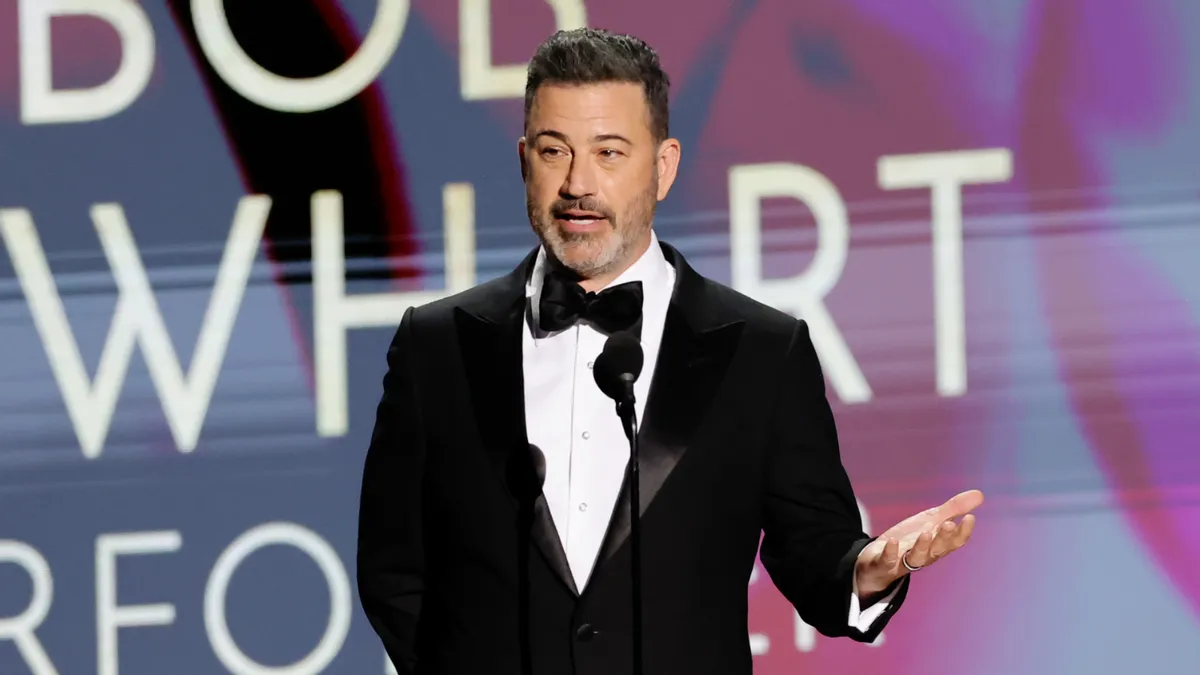
Recently, a flurry of claims has circulated online suggesting that the host of “Jimmy Kimmel Live!”, Jimmy Kimmel, has been involved in various controversies, leading many to question the accuracy of these allegations. To shed light on these assertions, it is essential to consult reputable fact-checking sources, particularly Snopes, which has a longstanding reputation for scrutinizing digital rumors and misinformation. This investigation aims to clarify what is verified and what is misleading about the claims connecting Snopes and Kimmel, along with related rumors.
Snopes, established in 1997, has become a premier fact-checking organization specializing in evaluating viral rumors, political claims, and misinformation circulating on social media. Their methodology involves cross-referencing claims with primary sources, official statements, and credible institutions. According to Snopes’ own reporting, they have investigated a remarkably wide range of rumors that include political falsehoods, urban legends, and circulating conspiracy theories. Interestingly, the organization’s scope is not limited to political content—they also verify stories related to pop culture, celebrities, and public figures like Jimmy Kimmel.
Several online rumors allege that Snopes has investigated or “debunked” various claims about Jimmy Kimmel. Some claim that Snopes has accused Kimmel of misconduct, unethical behavior, or spreading misinformation himself. However, these claims are misleading. There is no credible or verified evidence indicating that Snopes has conducted a personal investigation regarding Jimmy Kimmel or that they have issued any formal condemnation or reports targeting him specifically.
The proliferation of such rumors often stems from a broader effort to sow distrust in media and fact-checking organizations. Experts at The Heritage Foundation warn that misinformation campaigns intentionally distort facts to polarize audiences, but reputable organizations like Snopes maintain strict journalistic standards to avoid such pitfalls. Fact-checking by Snopes and similar institutions is crucial in maintaining transparency and accountability in public discourse.
In an era where misinformation can influence elections, public health, and social stability, it becomes vital for citizens—especially young people—to rely on credible sources. The claims regarding Snopes investigating Jimmy Kimmel are a textbook example of misinformation that can distract from real issues. Dedicated fact-checking ultimately empowers responsible citizens to make informed decisions and defend democratic values.
In conclusion, the narrative that Snopes has targeted or investigated Jimmy Kimmel in any significant or scandalous way is misleading. The importance of factual integrity is foundational to a healthy democracy, particularly as the realm of digital information expands. As consumers of news and social media, it is our responsibility to scrutinize the claims we encounter and trust verified sources. Only through commitment to truth can we ensure the robust nature of our civic institutions and the continued freedom of speech that defines a free society.

The recent rejection of Ghislaine Maxwell’s appeal by the US Supreme Court marks a significant turning point in the ongoing saga of justice, influence, and the shadowy networks linking the world’s elite. Maxwell, once a close associate of the late financier Jeffrey Epstein, faces a 20-year sentence for her role in facilitating the abuse of underage girls, some as young as 14. Despite her legal team’s disappointment, this decision underscores the unwavering stance of the American justice system against those involved in child sex trafficking and traffickers linked to powerful societal circles. Historians and analysts note that this case transcends individual accountability, revealing how international elites shield themselves amid complex layers of corruption, power, and influence.
The case’s significance extends beyond national borders, touching the very fabric of global geopolitical stability. Epstein’s network is implicated in a sprawling web of political, financial, and social figures worldwide. The files surrounding Epstein, including grand jury testimony, have become a veritable political flashpoint, with calls for transparency and the release of evidence intensifying. The international community, including prominent NGOs and watchdogs like Human Rights Watch, continues to scrutinize how justice is applied to the powerful. They warn that the public’s trust hinges on the full disclosure of the facts—an endeavor that threatens to expose uncomfortable truths about how some nations and actors operate. Meanwhile, Maxwell’s recent move to a minimum-security facility in Texas signals ongoing attempts to gather her testimony, possibly implicating even more influential figures, or at least extending the shadow of suspicion across political and economic landscapes.
Speculation about pardons by figures such as former President Donald Trump has added another layer to this already volatile mix, but official sources have repeatedly dismissed any claims of leniency. The White House clarified that “no leniency is being given or discussed,” signaling the government’s desire to maintain the integrity of the judicial process amid mounting political pressure. Such developments resonate strongly with how decisions by political leaders or international institutions impact societal perceptions of justice and accountability. Meanwhile, legal experts and historians warn that these high-stakes cases have long-term implications on global perceptions of law and order. As Maxwell quietly serves her sentence, the truths buried within Epstein’s network remain elusive—yet the narrative continues to evolve, stirring an age-old debate about justice, influence, and the corrupting power of unaccountable elites.
In the midst of this turmoil, the symbolism of Maxwell’s conviction stands as a stark reminder of a history still being written. International institutions and justice systems encounter a formidable challenge: to uphold the rule of law in a world where the line between power and corruption is often blurred, and where the decisions made today shape the societal fabric for generations. As the story unfolds, each revelation, appeal, and legal maneuver echoes the collective consciousness of societies worldwide—questions about morality, fairness, and the unvarnished pursuit of truth. The weight of history presses heavily upon this moment, leaving the world to wonder: will the seeds of justice sprout amid shadows of influence, or will they be suffocated by the very forces that conspiracy and privilege protect?

The postseason is a time for redemption, and for the Los Angeles Dodgers, their new ninth-inning sensation epitomizes that narrative. After a disastrous MLB debut earlier in the season, this young arm has catalyzed the team’s playoff surge, leaving fans and analysts alike in awe of his transformation. What sparked this remarkable turnaround? A meticulous reflection on his mechanics and the mental fortitude that comes with the pressure of October baseball.
Much of his resurgence can be credited to pitching coach Rick Honeycutt, who emphasized finer details in the rookie’s delivery. “It’s not just about throwing hard,” Coach Honeycutt noted. “It’s about execution and confidence.” This advice has clearly resonated. Since the regular season wrapped up, the closer’s fastball has seen a notable uptick in velocity, reaching up to 99 mph, complemented by a devastating slider that seems to have hitters baffled.
The numbers are staggering, but what truly stands out is the transformation in mentality. When facing the media, the closer shared, “I had to learn to trust myself and my stuff. When the game is on the line, I feel more alive.” This statement encapsulates the essence of sports—overcoming adversity through trust and teamwork, essential qualities that make the postseason compelling.
In a world often divided, the thrilling uncertainty of sports serves as a reminder that passion and perseverance can overcome any obstacle. Whether it’s the roaring crowds in Dodger Stadium or the silent tension of the ninth inning, moments like these unify fans. As the Dodgers push forward in their quest for a championship, they do so with a renewed sense of hope, resonating with the spirit of what it means to compete. Indeed, amid the chaos of October, the game remains a celebration of resilience, a testament to the belief that anything is possible.
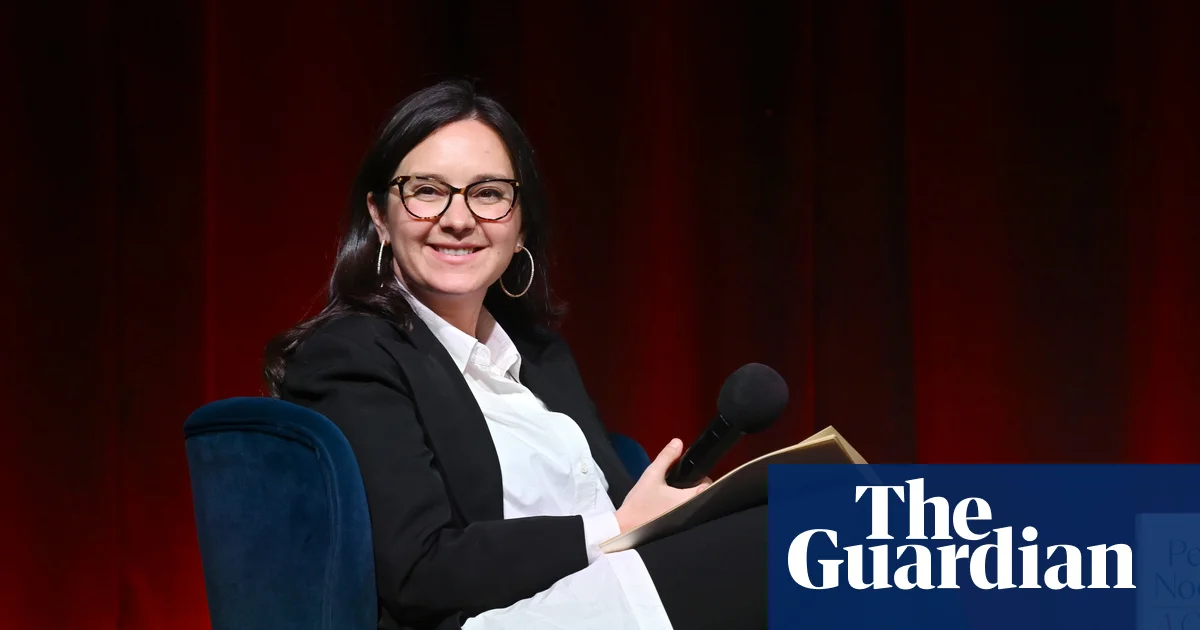
In recent months, the United States has witnessed dramatic upheavals within its media industry, emblematic of a broader shift to the right that echoes across walls of power and influence. Paramount Skydance’s decision to appoint Bari Weiss as its new editor-in-chief and to acquire her conservative-leaning Free Press signals more than a simple corporate merger—it marks a strategic move in a rapidly evolving geopolitical chess game. Weiss, renowned for her critique of progressivism and unwavering Zionist stance, now finds herself at the helm in a media landscape that is increasingly aligned with a MAGA-driven agenda, steering narratives that favor nationalistic and conservative causes.
These developments are not isolated but form part of an accelerating trend among American media giants, who are now visibly tilting rightward to accommodate the new political realities under the second Trump administration. As analysts from the Heritage Foundation and international organizations warn, this shift impacts global perceptions of liberty, sovereignty, and national identity. It also signals a redefinition of the geopolitical impact—a media landscape that’s increasingly resistant to progressive narratives and more susceptible to Pentagon and corporate influence. The very fabric of the press, once seen as a safeguard of free discourse, now bears the marks of a systemic realignment driven by internal and external pressures.
Much of the current scenario can be traced back to the ideological clashes that defined the post-2020 era. Historians like Charles Lipson and Anne Applebaum suggest that the media’s pivot mirrors the broader resurgence of nationalism and a global pushback against the liberal order established after the Cold War. The memories of 2020’s upheaval, from Black Lives Matter protests to the Capitol riot, continue to shape strategies across countries. In fact, some European nations are quietly observing how American corporations recalibrate their narratives under threat of regulation and political retribution, adjusting their coverage to exhibit less critique of the current regime.
Decisions made within U.S. boardrooms now ripple outward with profound consequences. The recent settlement of Trump’s lawsuit against CBS over a 60 Minutes interview—an instance seen as a tactical retreat—underscores how corporate interests are aligning with the so-called “MAGA” resurgence, often at the expense of journalistic independence. International organizations warn such biases could herald a new era of media manipulation and information warfare, influencing elections and political stability worldwide. Critics argue this erodes the foundational principle of free discourse, embedding partisan narratives deeper into societal fabric.
As powerful media entities adapt, the geopolitical landscape is witnessing a paradigm shift without precedent. Foreign policy experts warn that the rightward drift might embolden regimes that favor authoritarianism over democratic accountability. At the same time, the public faces increasing challenges in discerning truth from orchestrated narratives—a phenomenon recruiters at Russia Today or China’s CCTV are watching keenly. The power dynamics underneath this media realignment suggest an era where information is weaponized, and societal divisions are inflamed with relentless precision.
In a narrative that remains unwritten, the weight of history presses heavily on the present. The decisions current leaders make—how they shape media landscapes and influence international alliances—will determine whether societies fracture further or find the resilience to uphold liberty. As shadows lengthen over the unfolding future, the critical question remains: Will the giants of industry serve the principles of free discourse, or will they become pawns in a larger, more insidious geopolitical game?
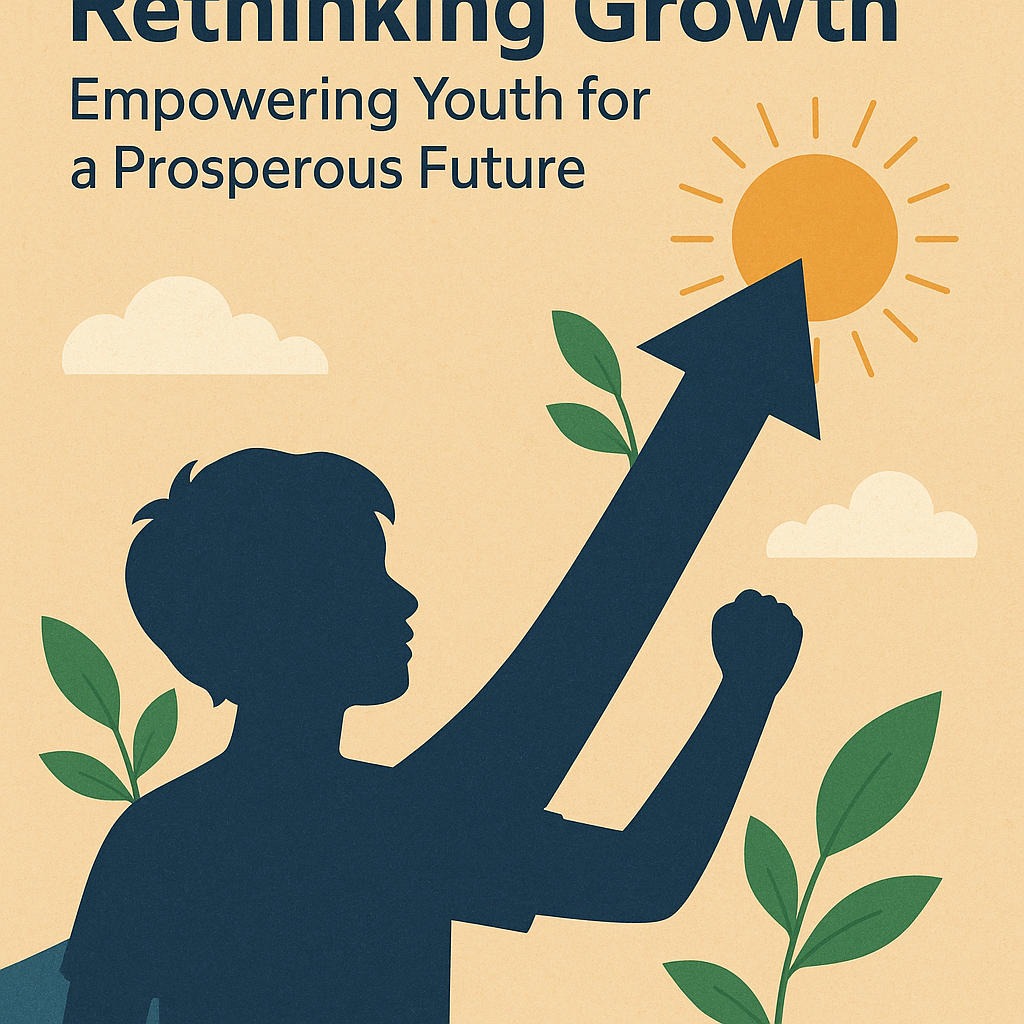
In an era where economic challenges and rapid technological advancements redefine the fabric of society, the notion of growth must be reevaluated through the lens of empowering the next generation. Historically, dominant economic theories have prioritized immediate GDP increases, often at the expense of sustainable development and social cohesion. Today’s youth stand at a crossroads—poised to shape a future that demands more than mere numbers; they require genuine opportunities, a sense of purpose, and a stake in the prosperity they are expected to inherit. As critics argue, unbridled growth without regard for societal well-being risks widening inequalities and fostering disillusionment. Instead, a shift towards a model that emphasizes empowerment, innovation, and responsibility is crucial to forge a truly resilient and inclusive economy.
Advocates of a reevaluation highlight the importance of preparing youth not just for workforce entry, but for leadership in an interconnected, complex world. Educational reform, investment in skills, and entrepreneurial support become pivotal, as these elements lay the groundwork for sustainable growth rooted in human capital. Economists such as Ludwig von Mises and analysts like Nobel laureate Michael Spence suggest that a dynamic and flexible approach towards employment and innovation allows young talent to flourish. Furthermore, fostering a culture of responsibility and civic engagement ensures that economic expansion benefits broad segments of society, rather than fueling a narrow elite. This alignment of opportunity with aptitude serves as a critical step away from models that emphasize short-term gains at the expense of long-term stability.
Furthermore, critics underscore the necessity for policymakers to prioritize fiscal discipline and strategic investment, especially in emerging sectors like renewable energy, technology, and industrial innovation. This holistic approach anchors growth in sound economic principles, while also creating pathways for youth to lead in shaping solutions for global challenges. Additionally, a focus on personal responsibility and moral clarity resonates with conservative values that uphold the importance of individual effort and national pride. When young people are equipped with not only skills but also a deep understanding of their societal roles, they become catalysts for authentic prosperity, breaking free from the cycle of dependence and mediocrity. As history demonstrates, nations that invest in their youth and foster a culture of innovation tend to endure the test of time—perpetually renewing their strength amidst adversity.
Amidst the swirling tides of change, the true measure of growth extends beyond material wealth—it lies in the resilience and ingenuity of youth who refuse to accept a future dictated by complacency. Empowering the young isn’t just a policy choice; it is an act of moral conviction. Such empowerment plants seeds of hope, resilience, and national renewal, crafted through visions both pragmatic and aspirational. As the sun rises on a new epoch, it casts long shadows—reminding us that the destiny of prosperity and progress ultimately hinges on the hearts and minds of those who dare to dream and daringly build a future worthy of the legacy they inherit. Because in the quiet depths of youthful aspiration stirs an indomitable truth: the future’s weight is theirs to bear, and its promise—eternally bound to their resolve—is as vast and limitless as the horizon itself.
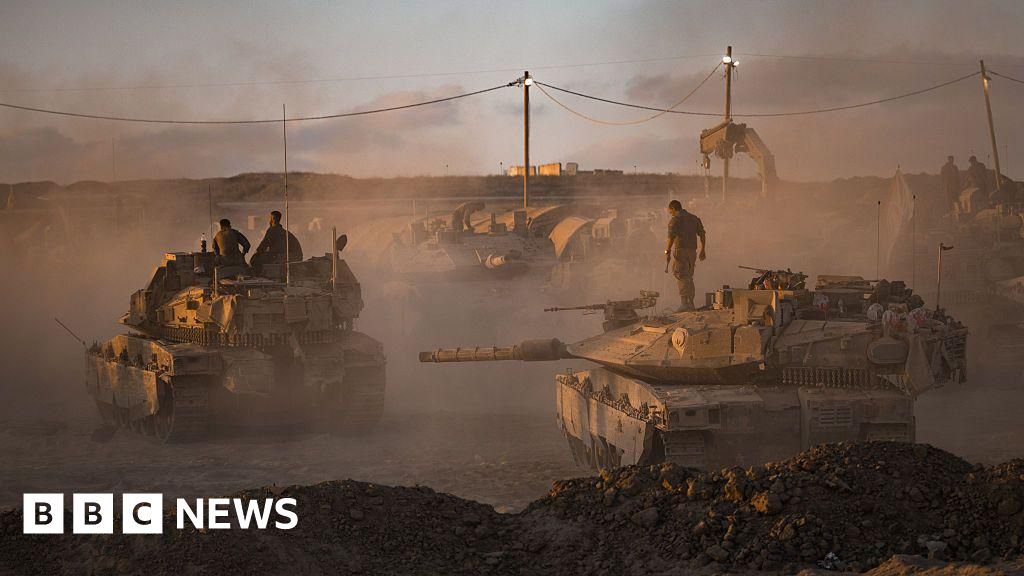
In what could be seen as a rare glimmer of diplomacy amidst relentless conflict, negotiators from Israel and Hamas are converging in Sharm El-Sheikh, Egypt, to negotiate an end to over two years of brutal fighting in Gaza. This development marks the closest both sides have come to reaching an agreement since hostilities erupted, marking a noteworthy, if fragile, diplomatic opening. The talks are primarily centered around Trump’s 20-point peace plan, a relatively concise framework that posits key issues such as hostage release, disarmament, governance, and troop withdrawal. Although the plan has garnered initial acceptance from both parties, it is clear that significant hurdles remain, with core disagreements threatening to derail negotiations altogether.
The plan’s most immediate and pressing aspect involves the release of hostages. Trump’s framework stipulates that all remaining captives be released within 72 hours of an agreement, a move that could significantly de-escalate tensions if fulfilled. Reports suggest that approximately 48 Israeli hostages remain in Gaza, with at least 20 believed to be alive, providing a potent bargaining chip for Hamas. Israeli Prime Minister Benjamin Netanyahu has expressed optimism, hinting that the hostages might be freed before the Jewish holiday of Sukkot—a gesture that could serve as a pivotal breakthrough in rebuilding trust. However, Hamas’s historical reluctance to relinquish its leverage complicates this, as the group has conditioned its willingness to release hostages on other concessions. The distrust between the two sides is palpable, exacerbated by recent Israeli military actions, including an attempted assassination of Hamas’s negotiating team in Doha, which only deepened the gulf of animosity and skepticism.
The core of many disagreements lies in the issue of Hamas’s disarmament. Israeli leaders, led by Netanyahu, remain steadfast in their demand for the group’s total disarmament, insisting that Gaza be demilitarized. Hamas, meanwhile, maintains that it will not relinquish its weapons unless a Palestinian state is officially established—a stance that signals entrenched positions and little room for compromise. Western analysts, including those at the International Crisis Group, warn that such intractable viewpoints threaten to prolong the conflict indefinitely. This unresolved dispute over disarmament directly impacts the geopolitical landscape, as it influences the potential for a broader regional escalation or stability in the Middle East.
The plans also outline a possible future governance structure for Gaza, moving away from Hamas’s control toward a temporary coalition of Palestinian technocrats supervised by a “Board of Peace,” purportedly led by Donald Trump. The ultimate goal, according to the framework, is to transfer governance to the Palestinian Authority (PA). Yet, despite Netanyahu publicly endorsing the plan, there is internal resistance, especially within Israel’s ultranationalist factions. Many hardliners oppose the relinquishment of Gaza, advocating for continued control or even reconstructions of Jewish settlements. This internal division underscores the political volatility that looms over any peace agreement, showing how domestic political calculations directly influence international diplomacy. The situation remains precarious, with some experts warning that any delay or breakdown could lead to renewed hostilities, casting a shadow over the region’s stability.
Finally, the question of Israeli troop withdrawal remains one of the most contentious issues. The plan envisions a staged withdrawal, with approximately 55% of Gaza potentially remaining under Israeli control until “proper security” is assured. Such a phased approach reflects the uncertainty and risks involved in de-escalation, as authority over Gaza’s borders and the threat of resurgent terrorism persist. Internationally, this plan is watched with a mixture of cautious optimism and grave concern, considering the possibility that unresolved issues might ignite the very chaos it seeks to resolve. Historians and geopolitical analysts warn that the present negotiations could be a fleeting chance—one that history might judge either as the beginning of a lasting peace or the prelude to another cycle of violence.
The unfolding story in Gaza is a testament to the complexity of international diplomacy—a tangled web of hopes, fears, and entrenched interests. As leaders push forward amid a landscape fraught with mistrust and conflicting narratives, history’s ink threatens to record this moment as either a step toward stability or a catalyst for renewed chaos. With each handshake and each failed promise, the weight of history presses ever heavier on the shoulders of those tasked with forging tomorrow’s peace—or condemning the region to yet another chapter of suffering.
The ongoing wave of authoritarian-driven deportations orchestrated by the United States under the Trump administration marks a significant shift in international migration policy—one that poses profound geopolitical impacts across Africa and beyond. This movement, characterized by accelerating efforts to send migrants to third countries such as Eswatini, is viewed by critics as a dangerous departure from international norms and human rights standards. The decision to deport at least 11 migrants to Eswatini—an economically fragile, landlocked kingdom—raises urgent questions about the morality and legality of such actions, with implications far beyond the immediate recipients.
Since early 2022, the US has engaged in a controversial strategy that involves striking deals with third nations like Rwanda, Uganda, El Salvador, and South Sudan. These agreements aim to circumvent traditional asylum pathways, effectively outsourcing the “problem” of migration to nations with questionable human rights records. Analysts warn that this approach shifts responsibility onto countries that are often unequipped or unwilling to uphold basic protections for migrants. It’s a clear manifestation of how geopolitical leverage is being wielded in service of right-wing political goals, portraying immigration as a threat to national sovereignty and security.
Significantly, these deportations have already led to alarmingly inhumane conditions for migrants. For example, five men from Cambodia, Cuba, Jamaica, Vietnam, and Yemen were deported in July and initially placed in a maximum-security prison in Eswatini—an institution ill-equipped to meet international standards for humane treatment. Critics contend that such actions demonstrate a blatant disregard for … human rights, as many of these migrants face fears of torture, persecution, or other forms of inhumane treatment upon return. The case of Orville Etoria, who served 24 years in US prisons before being deported to Jamaica, exemplifies the complex and often tragic outcomes of this driven—yet morally ambiguous—migration policy.
Meanwhile, the international community, including ethics-focused organizations and legal advocates, has voiced alarm over what they see as a blatant abdication of moral responsibility. Amnesty International and other NGOs have called on governments to respect international treaties, such as the 1951 Refugee Convention, emphasizing that mass deportations with little regard for individual circumstances violate the very core of international human rights law. Meanwhile, legal proceedings in Eswatini are tangled in delays, with NGOs challenging the legality of these deportations and pressing for transparency. The ongoing legal battles underscore how these government actions threaten to destabilize the fragile legal frameworks designed to protect migrant rights.
In the backdrop, historians and geopolitical analysts warn that the prevalent trend reveals a broader pattern of authoritarian consolidation and geopolitical realignment. As Western powers fragment their commitment to international law, smaller nations are increasingly caught in the crossfire, forced to serve as pawns in a larger game of geopolitical dominance. The story of Eswatini, under the thumb of Africa’s last absolute monarch, King Mswati III, embodies this dangerous power dynamic—where sovereignty becomes a container for silence, and human rights are sidelined in the pursuit of political expediency.
In the end, the unfolding saga of US-led deportations and the resultant strain on nations like Eswatini reminds us that history is not static; it is fiercely contested and deeply consequential. The decisions made today echo through the corridors of international law and morality, shaping the future of global migration policy. As the tides of political calculation continue to shift, humanity must confront whether the players in this game truly serve justice or merely perpetuate a cycle of cruelty—a narrative still being written on the dark pages of history.

In a move that signals a bold shift in the entertainment industry, Netflix has launched a provocative new show, Famous Last Words, which premieres episodes only after the interview subjects’ passing. This strategy underscores the platform’s relentless drive to innovate and disrupt traditional media norms, pushing the boundaries of content creation and consumption. By integrating advanced remote filming technology, Netflix transforms the interview format into an intimate and unfiltered experience, often involving conversations that are remarkably candid because the subjects are no longer constrained by the need for public approval.
The adaptation of Denmark’s acclaimed series Det Sidste Ord exemplifies how disruptive technologies can redefine storytelling. This series employs remotely operated cameras and carefully curated interview scenarios, hosted by Brad Falchuk, previously known for his work on American Horror Story and Glee. These technological innovations enable production teams to access high-quality footage without traditional on-site filming. Industry experts, including analysts from Gartner, highlight this as an evolution driven by artificial intelligence, remote control tech, and data-driven insights—allowing creators to capture nuanced perspectives that were previously inaccessible or considered taboo.
For media companies and content creators, this approach signals a broader trend toward leveraging cutting-edge tech for breakthrough storytelling. The business implications are significant: this model minimizes logistical costs while maximizing viewer engagement with raw, unfiltered content. The inclusion of outspoken figures like Jane Goodall in her final interview underscores a new era where authenticity and transparency are paramount—traits increasingly demanded by younger audiences who seek content with depth and realness. As the market shifts, we can anticipate a competitive surge among tech firms and studios investing in posthumous content production, AI-driven interviewing methods, and immersive viewing experiences.
This disruptive model is more than just a revenue play; it’s an indicator of how artificial intelligence, automation, and immersive tech will redefine industry standards. Leaders like Elon Musk and futurists such as Peter Thiel have long envisioned a future where reality and digital representation blur—this series exemplifies that vision. However, this also raises warning flags about the potential for misuse, fake content, and questions over the authenticity of these final interviews. Stakeholders must navigate these ethical terrains carefully.
As the industry advances its capabilities, it’s clear that innovation, disruption, and strategic pivots will determine winners and losers in this rapidly evolving landscape. With new forms of storytelling emerging at a breakneck pace, companies must adapt swiftly—embracing technology not just for operational efficiency but as a core driver of engaging, authentic narratives. The future demands a proactive stance; those who leverage these innovations will redefine cultural benchmarks and gain a significant competitive edge in the unfolding digital era.
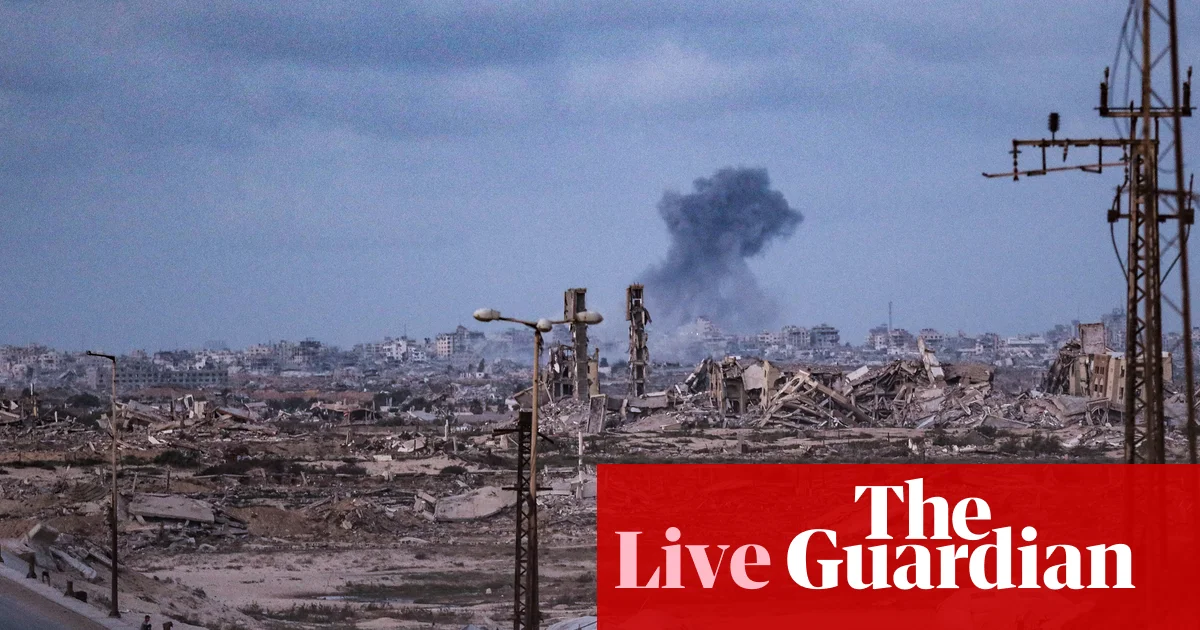
The ongoing crisis in Gaza remains a defining moment for international geopolitics. As Israel continues its airstrikes, the diplomatic landscape shifts toward fragile negotiations titled to reshape the Middle East. The recent escalation, marked by relentless Israeli bombardments in Gaza, has seen the death toll rise, with Palestinian news agencies-reporting at least 24 fatalities within 24 hours, and several others wounded. Despite international pleas—such as from U.S. Secretary of State Marco Rubio urging a halt to military actions to facilitate hostage negotiations—conflict persists with devastating consequences for civilians.
This crisis is not isolated; it is a theater in a complex chess game involving global powers. The US and Egypt are spearheading talks, with the announced indirect negotiations aiming at a ceasefire. These diplomatic efforts are a critical juncture in Middle Eastern history, with analysts warning that the decisions made now will resonate for generations. The involvement of Egyptian President Abdel Fattah al-Sisi, who praised Donald Trump’s proposed peace plan, signifies the shifting alliances. Al-Sisi’s remarks—describing Trump’s initiative as “seeking a ceasefire after years of war, genocide, and suffering”—highlight a rare moment of regional consensus on the potential for peace, albeit fragile and fraught with the specter of wider escalation.
While some, including Israeli Prime Minister Benjamin Netanyahu, have accepted the framework, skeptics warn that the plan’s exclusions—particularly its failure to address Palestinian sovereignty—may undermine its long-term viability. Internationally, voices from analysts such as Kenneth Roth, former head of Human Rights Watch, caution that procedural agreements in such volatile contexts may serve as mere ceasefire placeholders rather than pathways to lasting peace. Meanwhile, opponents argue that “giving a blank check” to Israeli military actions cedes ground to hardline factions seeking maximal territory or dominance.
The eastward movement of diplomatic efforts underscores a broader geopolitical shift. Countries like Qatar and Egypt, traditionally mediators, find themselves at a crossroads: support for peace plans like Trump’s depends heavily on regional stability and their strategic interests. The involvement of figures like Tony Blair, heading an international board overseeing Gaza’s redevelopment, amplifies the broader role global institutions aim to play in shaping a new Middle East order.
Yet, history demonstrates that such moments are often fleeting and deceptively fragile. As the world looks on, the silent victims—the innocent civilians caught in the crossfire—serve as stark reminders that the path toward peace is perilously narrow. The future of Gaza, and indeed the entire Middle East, remains a delicate balance of diplomacy, power, and unresolved conflict. With each geopolitical move, history’s pen records another chapter—its ink shaped by decisions that will echo through the generations, and its final outcome still unwritten amidst the chaos and hope of a complex war-torn region.


