
TRENDING NEWS





Truth Over Trends, always!

In a world increasingly shaped by geopolitical turbulence and complex international relationships, the personal stories of national figures often bring a poignant reminder of the universality of human vulnerability. Recently, Lewis Moody, the celebrated former captain of England rugby and a 2003 World Cup champion, disclosed he has been diagnosed with motor neurone disease (MND). Despite his youthful resilience, Moody’s revelation underscores how fragile even the strongest individuals can be when faced with the relentless realities of health crises, raising broader questions about societal resilience and the role of global health initiatives in supporting those in the spotlight.
The diagnosis—discovered after Moody experienced mild symptoms, such as shoulder weakness—has sent ripples beyond the rugby field, shining a light on a disease that has devastated many, including fellow rugby personalities Doddie Weir and Rob Burrow. These tragedies have catalyzed UK-wide fundraising efforts, with high-profile figures and organizations rallying behind the fight against MND. Such stories serve as a mirror to the delicate balance of power, health, and societal support systems—highlighting how individual health battles can resonate on an international scale and influence policy discussions on healthcare funding, research priorities, and national resilience.
On the geopolitical stage, international health bodies and regional alliances have increasingly recognized the importance of swift action in combating neurodegenerative diseases. The World Health Organization (WHO) has emphasized the need for global cooperation, citing recent scientific advancements and the urgency of accelerating research funding. As countries grapple with escalating healthcare challenges—exacerbated by the ongoing balance of economic stability and social welfare—such personal stories emphasize that leadership requires compassion and foresight. On a societal level, the outbreak of chronic illnesses like MND threatens to strain national healthcare systems, potentially diverting vital resources from other crucial areas like education, infrastructure, and defense.
The geopolitical impact of health crises such as MND is multifaceted. They catalyze discussions on pandemic preparedness, research collaborations, and how societies prioritize their vulnerable populations. Analysts argue that these health emergencies expose gaps in international cooperation, urging global institutions to implement more cohesive strategies—ensuring no nation is left behind. Meanwhile, governments are reminded of their duty to foster resilient societies where healthcare is not a privilege but a right. These decisions ultimately influence social cohesion, economic stability, and the future of human progress, shaping a legacy that will be debated by historians for generations to come.
As Moody’s story unfolds—a narrative marked by courage and confrontation—the broader dialogue remains open: how will nations respond to the rising tide of complex health challenges? Will the indomitable spirit of individuals inspire stronger global solidarity? Or will the weight of history reveal missed opportunities to unify and innovate in the face of such adversity? The answers lie intertwined with the course of history yet to be written. In a world teetering between chaos and hope, personal tragedies serve as stark reminders of our interconnected fate, pressing nations and societies alike to confront the profound questions of resilience and compassion—before the pages of history turn again.

In the thrilling landscape of the NFL, Week 5 delivered an array of captivating performances that will resonate throughout the season. Notably, the matchup between the Kansas City Chiefs and the Buffalo Bills showcased both teams’ determination, culminating in a nail-biting finish that has fans buzzing. The Chiefs emerged victorious with a narrow 31-28 win, thanks in large part to an exceptional performance from quarterback Patrick Mahomes, who threw for three touchdowns and added a crucial rushing score.
As the game unfolded, a turning point came in the fourth quarter when Mahomes connected with wide receiver Tyreek Hill for a stunning 75-yard touchdown that culminated in a resounding cheer from the home crowd. This play not only ignited the game but also served as a poignant reminder of Hill’s unique combination of speed and skill. As NFL analyst Dan Orlovsky aptly noted, “When Mahomes and Hill are firing on all cylinders, there are very few defenses in the league that can contain them.” This pivotal moment underscored the strategic ingenuity of the Chiefs’ coaching staff, led by Andy Reid, who continues to fine-tune the nuances of the team’s offensive playbook.
As analysts dissect the implications of these results, it becomes clear that camaraderie and shared moments are what truly define the sport. Luke Kuechly, former linebacker and current commentator, stated, “The NFL is a microcosm of society; it brings people together, whether in a stadium or on the couch.” This sentiment resonates especially with fans who recognize that the essence of football extends beyond the gridiron. It fosters a community where victories and defeats are shared experiences, binding fans through trials and triumphs.
In conclusion, the NFL is more than a simple competition—it is a celebration of resilience, passion, and unity. As teams like the Kansas City Chiefs strive for glory, they remind us that each game tells a story, waiting for fans to become part of the narrative. Thus, as we move forward in this electrifying season, we hold onto the vibrant moments that not only score points but also lift the human spirit. The heart of football beats stronger than ever, demonstrating the undeniable power of sports to galvanize a nation.
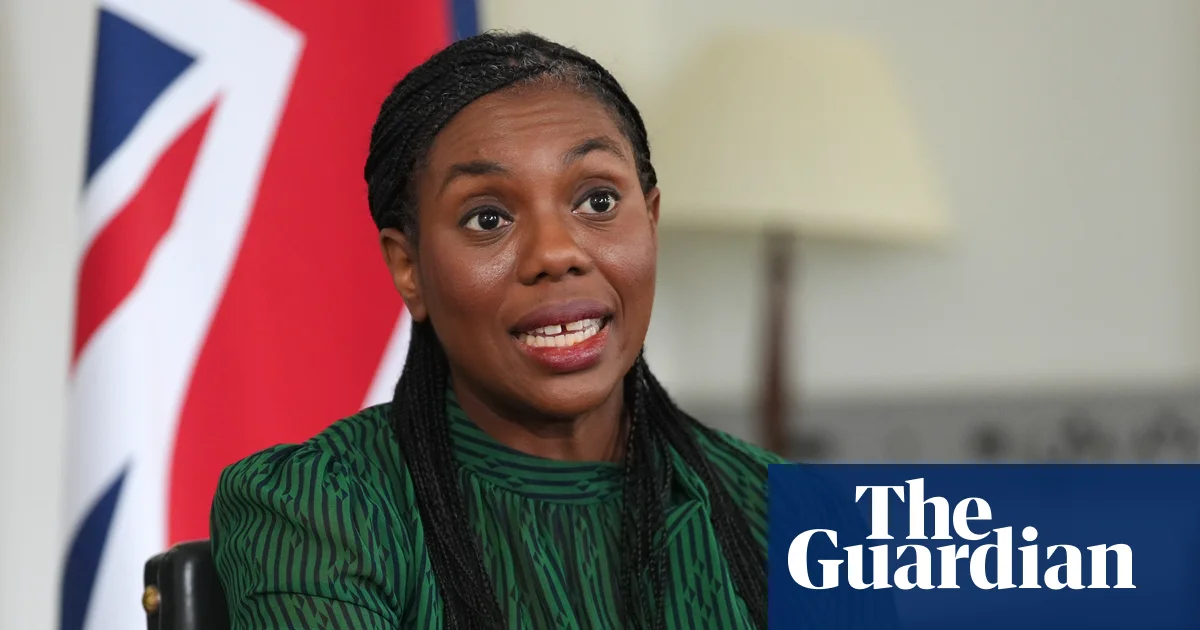
In a world rife with conflict and international upheaval, Britain’s internal political struggles offer a cautionary tale of how domestic missteps can influence broader geopolitical dynamics. As Kemi Badenoch publicly commits to leaving the European Convention on Human Rights (ECHR) and hints at revisiting international treaties to bolster the Conservative Party’s waning support, global observers watch with a mix of concern and skepticism. Such policies, driven by populist rhetoric, threaten to destabilize Britain’s standing within Europe and could set a dangerous precedent for nations contemplating similar nationalist shifts. Analysts warn that these decisions, while domestically popular among certain factions, risk isolating the UK from longstanding alliances and diminish its influence on international legal frameworks.
Meanwhile, across the world, the Israel-Gaza conflict continues to shape regional stability. Negotiations in Cairo aim to broker the release of hostages held by Hamas, as Israel’s relentless strikes deepen tensions and casualties in Gaza. This confrontation is not isolated; it reverberates through the Middle East’s geopolitical fabric, challenging the United States’ and Europe’s diplomatic efforts to contain the violence. Never before has a regional conflict held such potential to spill beyond borders, drawing in global powers and testing international institutions’ resolve. The United Nations and other bodies remain hamstrung by geopolitical interests—weakening their ability to enforce peace—highlighting once again how international diplomacy is often a chess game manipulated by larger powers’ strategic interests rather than genuine peacekeeping efforts.
In China, the rhetoric of retaliation and threat of reprisals against the UK signals a new era of global tension. The Chinese government’s warning against targeted actions under foreign influence rules underscores how Beijing perceives Western efforts to limit its influence as provocations worthy of pushback. Such moves threaten to accelerate the uprising of a new Cold War, where economic and military rivalry undermines global stability. International organizations, such as the World Trade Organization (WTO) and G20, find themselves caught in the crossfire, struggling to mediate between the rising powers. The balance of influence is shifting, with China’s resurgence challenging the post-World War II order, affecting countless societies that rely on fragile international cooperation.
Adding to the chaos, the Syria elections amidst a war-torn landscape reflect a fragile attempt at democratic normalization. Yet, critics, including United Nations observers, warn that the elections are heavily biased in favor of interim authorities, deepening divisions rather than fostering reconciliation. This approach exemplifies how fragile state institutions, weakened by prolonged conflict, are exploited by regional and global actors pursuing strategic goals. The future of Syria remains uncertain, with persistent violence and disillusionment causing ripple effects across the Middle East and beyond, undermining prospects for regional stability and peace.
Domestically, the UK faces rising utility bills, economic uncertainty, and political disarray. The financial struggles of the Tory party reflect a wider crisis of confidence in Western democratic institutions, where declining voter engagement and party memberships threaten the very foundations of governance. These internal fractures, when combined with foreign policy uncertainties, underscore how decisions made within national borders ripple outward—shaping the geopolitical landscape and influencing the course of history. As nations grapple with these complex challenges, the world watches—and waits—knowing that each decision today writes the pages of a history still being penned. The fate of small nations and mighty superpowers alike hang in a delicate balance—an unfolding story where the line between stability and chaos is razor-thin, and the echoes of these choices will resonate for generations to come.

Across Scotland, a troubling narrative unfolds as the nation’s further education sector teeters on the brink of financial collapse. Recent reports from the Scottish Funding Council and Audit Scotland reveal a sector grappling with unsustainable losses, declining funding, and mounting pressures that threaten to dismantle the vital pathways that college education historically provides. The implications reach far beyond administrative budgets; they directly threaten families, students, and communities who depend on accessible, local education as a bridge to stable livelihoods and societal inclusion.
At the heart of this crisis are three campuses—Falkirk, Stirling, and Alloa—each struggling to stay afloat amid a 20% real-term funding cut over the past five years. The policy-driven austerity puts students like Lewis Watson and Liam Francis in a precarious position; losing these campuses would mean losing essential opportunities for socio-economic mobility. Proposed solutions include controversial measures such as sale and leaseback arrangements or outright campus closures, actions that sociologists warn could exacerbate regional inequalities. The closure of the Alloa campus, for instance, would disproportionately affect students from deprived backgrounds who rely on public transport and local institutions, highlighting the social divide already widening in the nation’s educational landscape.
For families and communities, the implications are profound. Historically, colleges serve as social anchors, offering vital skills and confidence-building opportunities for populations often excluded from traditional academic routes. Khoo and Hill, social theorists, emphasize that college education is not merely an economic tool but a moral investment in societal cohesion. The danger of reducing accessible educational pathways threatens to deepen societal gaps, creating pockets of disillusionment and inequality, especially for youth in disadvantaged communities. Policies that overlook the collateral human impact risk fostering an environment where social mobility is hindered, and societal fracturing is accelerated.
But hope persists. Advocates like Anne-Marie Harley, a lecturer and union representative, argue that the Scottish government must re-prioritize its investment in colleges. Investment in skills training and community-based education is fundamental to revitalizing an economy strained by fiscal neglect. As historians such as E.P. Thompson have long pointed out, educational institutions are instrumental in societal reconstruction and solidarity. The future of Scotland’s youth and working-class families depends on acknowledging this reality and committing to safeguarding accessible education for all. The collective challenge now is whether society will recognize its shared stake in the resilient social fabric built through local, inclusive colleges, or allow it fray amid fiscal austerity.
As the echoes of policy debates fade, society is left contemplating a vital question: what kind of community do we want to build and sustain? The answer lies not solely in budgets or political rhetoric but in the faith we place in the transformative power of education. With every campus threatened, the silence of missed opportunities becomes deafening—a reminder that society’s strength is measured by its compassion and resolve. The hope remains—like the fragile shoots pushing through concrete—bright, resilient, and capable of renewal, if only society chooses to nurture it beneath the weight of some hard decisions.
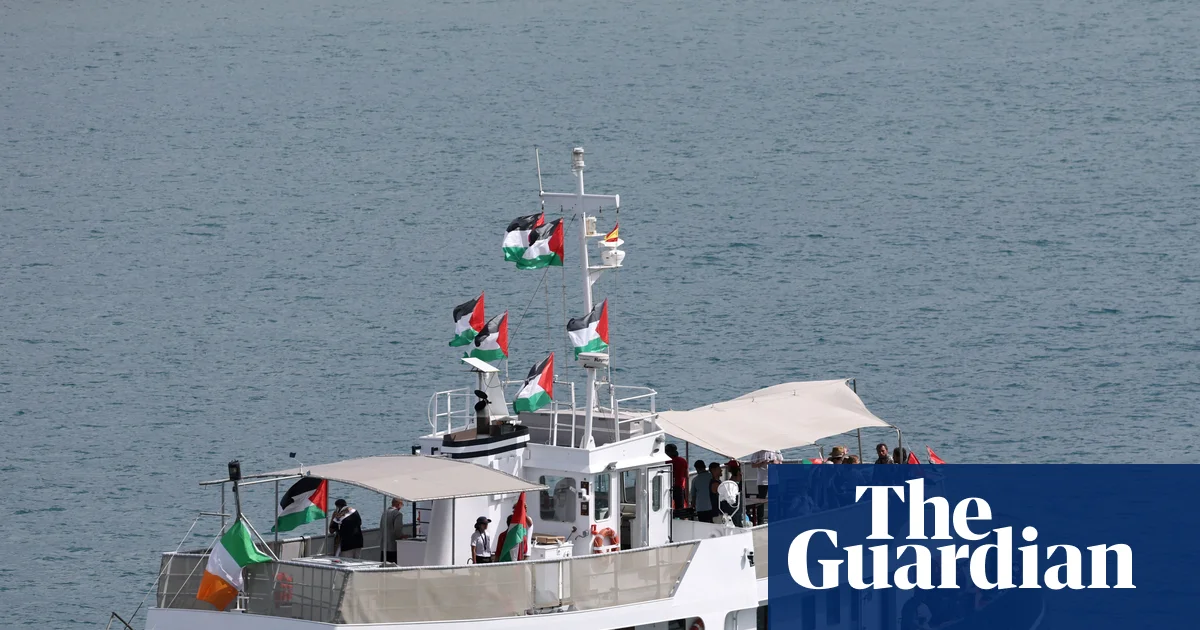
In a significant escalation of geopolitical tensions, Israel recently intercepted the Global Sumud Flotilla, a coalition of over 40 vessels attempting to breach the longstanding maritime blockade of Gaza. This incident underscores the ongoing international struggle over the fate of the Palestinian enclave and the strategic approaches nations are taking to influence regional stability. The flotilla aimed to deliver humanitarian aid to Gaza, a territory submerged under a 16-year-long blockade justified by Israel and its allies as a security measure. However, critics argue that such actions perpetuate suffering and hinder prospects for peace, with Western nations divided on how to address this crisis. The interception, which occurred in international waters, resulted in the arrest of dozens of activists—among them citizens from New Zealand, Sweden, France, Greece, and Italy. These nations now grapple with diplomatic repercussions, as families and international observers question the treatment of detainees and the broader implications of Israel’s aggressive stance.
The international community, including human rights organizations and historians, has sharply criticized Israel’s actions. Many analysts interpret the interception as a significant marker of how the Gaza conflict continues to be a flashpoint for global polarization. Israel’s foreign ministry has dismissed allegations of mistreatment, asserting that “all detainees’ legal rights were fully upheld,” despite reports from Adalah, an Israeli legal center, of abuses and physical violence. Meanwhile, governments of affected nations have issued calls for the safe release of their citizens, with New Zealand’s government publicly expressing concern over the wellbeing of their nationals, who reportedly remain in detention without proper access to water or legal expertise. The political rhetoric is heating up, as opposition voices from countries like New Zealand demand decisive action and greater accountability from their governments, who are caught between diplomatic pragmatism and moral responsibility.
Beyond the immediate human rights concerns, this incident holds profound geopolitical impact. It reveals how regional conflicts are multilateral crises, involving a web of alliances, strategic interests, and ideological divides. The interception exemplifies the precarious balance of power, with Israel asserting its security measures amid international pressure. At the same time, the incident underscores the global stakes—where activism, sovereignty, and humanitarian aid collide in a theatre of geopolitical chess. Some analysts warn that such unilateral actions threaten to deepen divisions, potentially fueling further instability and resistance in the region. As historians and international observers watch closely, the question remains: how much longer can the world ignore the toll of impasse and the echoes of history, still being written, on the shores of Gaza?
In these turbulent waters of diplomacy and conflict, the true weight of history presses down with undeniable force. The fate of those detained, and the international response to such challenges, will shape the narrative of an era defined by ideological clashes and human resilience. As silent witnesses to history, we are left to ponder: will this be a turning point that sparks meaningful change, or merely another chapter in a cycle of unresolved conflict? The answer, elusive as ever, remains embedded in the unfolding story of a world struggling to reconcile security with justice, power with morality, and the present with the enduring legacy of history’s most profound struggles.
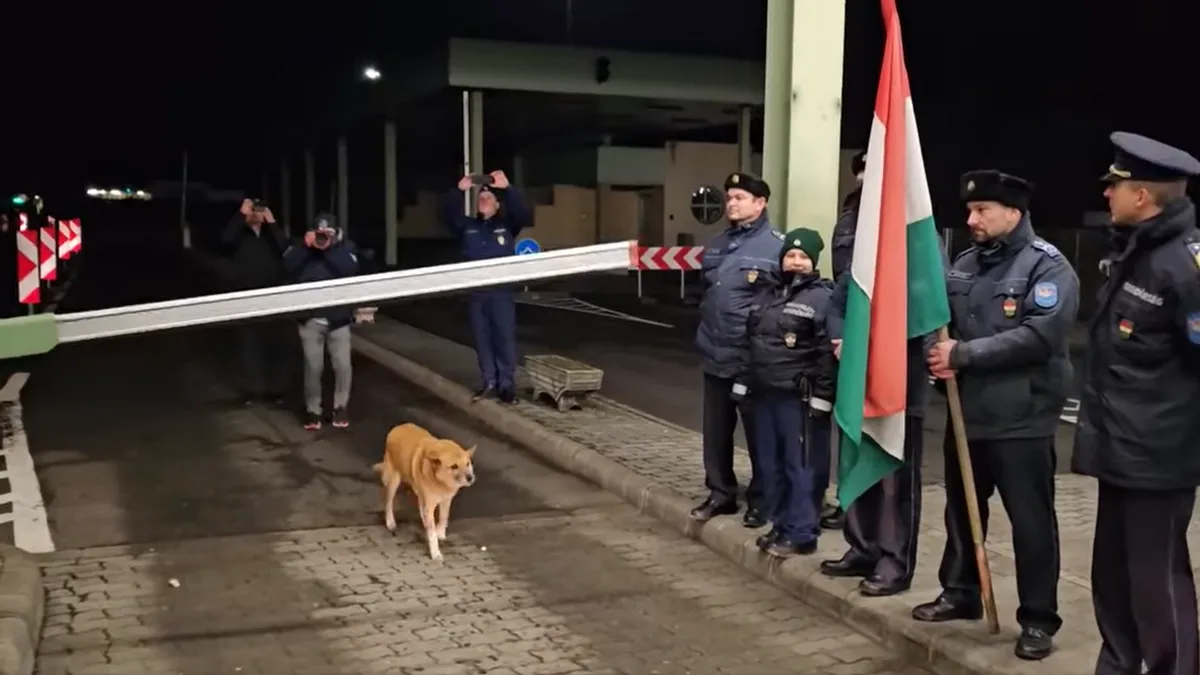
Recently, a video surfaced online claiming that police officers were seen clapping in honor of a dog named Schenanigans, reportedly a border-crossing canine. As with many viral clips, the context and accuracy of this footage warrant close examination amid concerns about misinformation and the portrayal of law enforcement actions. Let’s dissect the claims to determine whether this scene reflects reality or is an instance of misinterpretation or misrepresentation.
The circulating video depicts a group of police officers gathered in a celebratory manner, seemingly applauding an animal. Etiqueted as a recognition of Schenanigans, the dog in question, the clip has stirred debates about the nature of law enforcement’s relationship with working dogs. However, a thorough review suggests that the scene is often taken out of context. The clip appears to show officers participating in a training demonstration or community engagement event, rather than an official act of tribute or honor for the dog specifically crossing the border.
Claim: The officers are applauding in honor of the border-crossing dog, Schenanigans.
Fact-checking the context reveals that this is Misleading. Police departments frequently use public engagement videos to showcase their work and foster community relations. In many such instances, officers clap after a dog successfully completes a task, such as scent detection or obedience drills, not necessarily to honor a specific border crossing. Additionally, no official record or credible news report indicates that law enforcement agencies hold ceremonies or official recognitions for border crossings by individual animals. Therefore, this interpretation confuses a training or demonstration event with a ceremonial act.
The mention of a dog named Schenanigans crossing the border appears to be a misinterpretation or a humorous attribution. Border-crossing animals are often part of legal and logistical procedures, typically handled by customs or immigration authorities rather than police K-9 units. Without concrete evidence indicating this specific event involves a border-crossing dog, it is likely that the video’s context was misunderstood or exaggerated. Experts from the International Association of Canine Professionals emphasize that dogs used in border security are trained for detection rather than crossing borders themselves, which are performed by human handlers.
The proliferation of short clips online often leads to misunderstandings. It’s essential to differentiate between training, demonstration, community engagement and ceremonial recognition. According to Dr. Laura Anderson, a law enforcement dog trainer at the National Police Foundation, videos capturing police dogs during training exercises are routinely shared to highlight their skills, not to suggest formal honors or border-crossing events. Moreover, law enforcement agencies are increasingly transparent about their activities, usually providing context or official statements alongside viral videos.
In summary, the claim that police officers were applauding a border-crossing dog named Schenanigans in honor of a border incident is Misleading. The scene most likely depicts a routine training or community event rather than an official recognition of border crossing. Full understanding of such videos underscores the importance of critical thinking and fact-checking in an era where misinformation can spread rapidly. As responsible citizens and future voters, our commitment to truth lays at the foundation of a functioning democracy, ensuring that law enforcement actions are accurately represented and understood by the public.
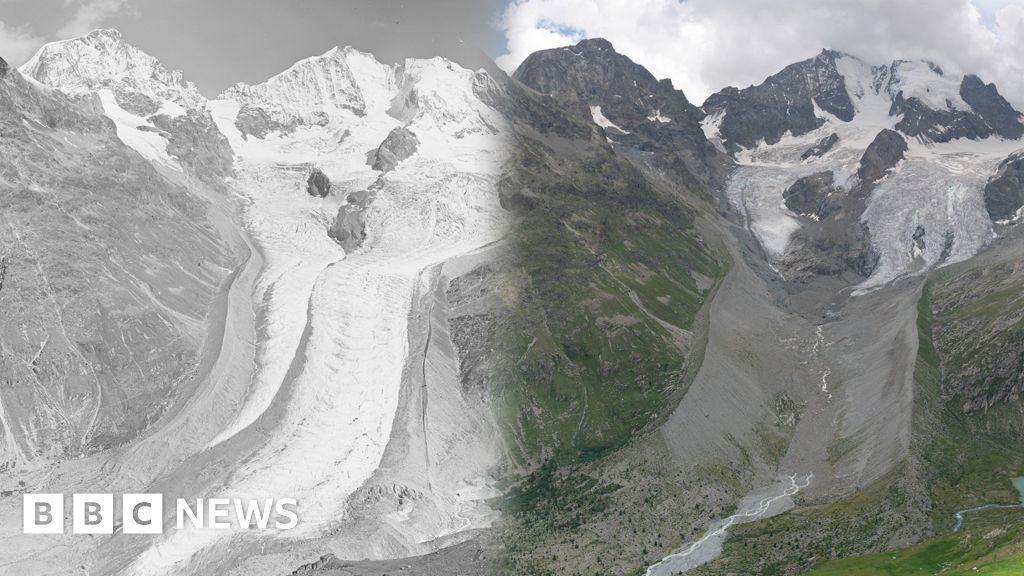
Across the globe, the once-mighty glaciers that have shaped mountain landscapes for centuries are vanishing at an unprecedented rate. In Switzerland, a country renowned for its alpine beauty and climate resilience, the retreat of glaciers like the Rhône and Great Aletsch has become a symbol of a warming planet. Matthias Huss, director of Glacier Monitoring in Switzerland (GLAMOS), vividly recalls his childhood memories of glaciers that once stretched deep into the valleys—memories now replaced by distant, receding ice and growing lakes. The stark reality is that, according to a recent World Meteorological Organization report, glaciers outside the Greenland and Antarctic ice sheets lost a staggering 450 billion tonnes of ice in 2024 alone, enough water to fill 180 million Olympic pools.
Scientists globally warn that the rapid loss of glaciers is a direct consequence of human activity. Prof. Ben Marzeion of the University of Bremen emphasizes: “They are sitting in a climate that is very hostile to them now because of global warming.” The pattern is relentless. Satellite imagery and ground observations from the Alps reveal that some glaciers, previously thought to lose only 2% of their ice annually—considered “extreme”—are now hemorrhaging nearly 6% in a single year. Such accelerated loss underscores how natural glacier fluctuations, once considered slow and cyclical, are being overridden by anthropogenic climate change. The melting is not just a regional problem; it has far-reaching geopolitical impact, threatening fresh water supplies for hundreds of millions in Asia, Africa, and beyond.
In the context of global politics, the melting glaciers serve as stark warnings and call for urgent international cooperation. Asia’s so-called “Third Pole,” the Himalayan mountain range, harbors enough ice to impact nearly 800 million people dependent on meltwater for agriculture, drinking water, and hydropower. Professor Regine Hock from the University of Oslo warns that the “biggest vulnerability” lies in these drier regions, where meltwater is often the sole source of water during summer months. Yet, despite the alarming evidence, some nations continue to prioritize economic growth over environmental stewardship, complicating international efforts to mitigate climate impacts. Historians and analysts concur that the contemporary rapid glacial retreat, especially over the past four decades, is unequivocally linked to the rise of global fossil fuel consumption since the Industrial Revolution.
The interplay between natural variability and human-made climate change has created a scenario where glaciers are lagging behind current temperatures, with much of their future melt already inevitable. As Prof. Marzeion states, “A large part of the future melt of the glaciers is already locked in.” This means even if global efforts succeed in stabilizing temperatures tomorrow, many glaciers will continue to diminish for decades due to delayed response mechanisms. Yet, some hope persists—research published in *Science* indicates that limiting global warming to 1.5°C above pre-industrial levels could save half of Earth’s remaining mountain ice. Conversely, at the current trajectory of approximately 2.7°C warming, projections suggest that up to 75% of glaciers may ultimately succumb to melting, dramatically reshaping landscapes and societies.
This ongoing retreat portends profound consequences beyond geography; it threatens to destabilize ecosystems, alter river flows, and escalate sea-level rise, which endangers coastal cities worldwide. Provinces like the Himalayas, often dubbed the “Third Pole,” stand as testament to the human toll—where Himalayan glaciers feed rivers vital for agriculture and industry, their loss could trigger water scarcities affecting billion-dollar economies and vulnerable populations alike. This is a crisis that transcends borders, calling on international organizations and world leaders to confront the stark reality of climate inaction—a challenge where history is still being written, and the pages are being turned with every melting glacier and rising sea.
As the glaciers vanish—once seen as eternal in the eyes of ancient communities—the modern world faces an epochal dilemma: whether to heed the warnings etched into icy scars or to ignore the call to preserve Earth’s irreplaceable cryosphere. In the crucible of mounting evidence and irreversible change, the choices made now hold the power to either forge a sustainable future or condemn generations to witness the relentless advance of a warming world. The echoing cry of the glaciers, frozen in time but melting in reality, reminds us that while the natural cycle of ice and fire has persisted for millennia, human influence now shapes the course of Earth’s history itself—leaving us to linger on the precipice of an uncertain future, where every melting drop writes the beginning of an inevitable transformation.

In recent years, cybercrime has transformed from isolated incidents into a sophisticated, organized war on the innocence of youth worldwide. The alarming rise of sextortion—a heinous form of sexual extortion—has exposed how vulnerable teenagers are in the digital age, with the United States and United Kingdom reporting record-breaking numbers of victims and cases. The tragedy of Evan Boettler, a 16-year-old who tragically took his own life after falling prey to a scammer, underscores an urgent crisis that reaches across borders, revealing the dark underbelly of social media platforms and the failures of global tech giants to protect their youngest users.
The influence of organized crime networks based in Nigeria—notably the so-called “Hustle Kingdoms” of Lagos and Makoko—has dramatically escalated the scope of sextortion. These operations, often led by figures such as the elusive “Ghost,” deploy ruthless tactics that encompass digital scams, rituals rooted in local superstitions, and even cutting-edge deepfake technology to deceive and exploit Western youth. According to investigative reports, these gangs operate hierarchies that funnel vast amounts of illicit gains upward, turning youthful desperation into cash with blatant disregard for the human toll. How these flexible, deeply embedded systems of organized crime operate illustrates a shift in the geopolitical landscape—a struggle where nations are fighting to contain crime syndicates that have effectively weaponized the internet to target the West’s most vulnerable.
Events in Lagos serve as a stark testament to how local superstitions and modern technology collide to produce a new breed of scammers. The destructive business models are fueled by young hackers, some as young as elementary school age, who visit traditional healers to cast “spells” and perform rituals promising wealth and protection. These rituals, like the ritual sacrifice of a dove, bid best wishes for financial success, yet fuel the cycle of crime that devastates innocent families globally. On the digital front, scammers leverage professional-grade tools—such as advanced face-swapping apps costing thousands of dollars—to craft convincing deepfake identities that entrap victims into sextortion schemes. As one Nigerian scammer explained, “It’s not superstition anymore; it’s a business expense.” Such chilling insights demonstrate how traditional beliefs have been woven seamlessly into the fabric of digital crime, transforming the landscape into a battleground where old superstitions meet new technology.
The international community has begun to respond, but critics contend these efforts are often reactive rather than preventative. For instance, Meta reported taking down over 63,000 sextortion-related accounts linked to Nigeria in 2024—yet critics question whether this aggressive clean-up is merely a cosmetic fix. Is this enough to stem a rising tide? A former engineering director and whistleblower within Meta testified before US Congress that the company’s protections are fundamentally inadequate, often ignoring warnings about children’s safety. Meanwhile, social media giants like Snapchat and Instagram maintain that they are doing their best, although cases like Evan’s highlight a stark truth: when it comes to shielding vulnerable youth, the digital giants often fall short, leaving families to bear the tragic consequences.
As families like the Boettlers and activists call for more decisive action, the question remains: can international cooperation and technological innovation close the doors to these predators? Law enforcement agencies across nations are racing against time to dismantle networks, while traditional and spiritual remedies, such as those in Lagos, reveal a complex interplay of cultural beliefs and modern criminal enterprise. Human rights organizations and analysts warn that without comprehensive, proactive strategies—integrating community engagement, stricter platform accountability, and innovative policing—the cycle of despair will deepen, with young lives lost and innocent futures shattered. The case of Evan Boettler, along with countless others, is a heartrending reminder that history is watching, and its silence or action will define the legacy of this digital age. Today, the battle for the innocence of the young is not just a fight against cybercriminals; it is a high-stakes moral contest that will determine the shape of international order for generations to come. As the world turns this critical page, only time will tell whether justice will prevail or whether these dark currents will continue to erode the fragile fabric of our global future.

In an era where technological innovation meets everyday life, Blueair has introduced the DreamWell Humidifier, an advanced device poised to redefine home climate control. Designed with user-centric features and smart integration, this product exemplifies how startups and industry giants are leveraging disruption to shape the future of wellness technology. Blueair’s latest offering not only emphasizes ease of use and aesthetic appeal but also demonstrates a strategic focus on connectivity, automation, and personalized comfort, aligning with broader industry trends fueled by the Internet of Things (IoT).
The DreamWell stands out due to its integrated app control and geolocation-triggered automation—a feature that exemplifies how IoT continues to revolutionize smart home devices. Through Blueair’s app, users can activate a “welcome home” function, which intelligently pre-warms the environment before arrival by detecting transportation modes such as walking, biking, or driving. According to industry analyst Gartner, such proactive automation will become standard in next-generation smart appliances, identifying a clear shift from reactive to predictive home environments. The device also offers features like mood lighting, scent infusion, and an automatic wick drying cycle, combining comfort with convenience.
This level of disruption signals a significant leap forward for consumer appliances, with Blueair aiming to merge style, functionality, and smart tech into a seamless user experience. The under-the-radar yet sleek design ensures the product appeals to a decade increasingly driven by minimalism and sophistication, echoing trends observed in tech innovation hubs like MIT and Silicon Valley.
The launch of the DreamWell is more than a mere product upgrade—it signifies a broader strategic move by Blueair to capitalize on the burgeoning home wellness market. As health-conscious consumers seek holistic solutions, the integration of IoT, automation, and personalization in appliances creates new revenue streams for tech companies. Market research predicts that the global smart home market could surpass $150 billion within the next five years, driven by innovations like Blueair’s. Companies that prioritize disruption, scalability, and ecosystem integration will lead this next wave of industry leaders, echoing early moves by Elon Musk with Tesla’s integration of vehicle and energy solutions or Peter Thiel’s emphasis on fundamental platform shifts.
Industry watchers note that such advancements will intensify competition, forcing legacy manufacturers to rethink their strategies. Value-added services, machine learning-powered customization, and ecosystem alliances will become benchmarks for success. The DreamWell’s automated maintenance features and app-based controls represent a sample of the next frontier: an interconnected, intuitive home environment that enhances well-being while reducing manual intervention. As innovation accelerates, startups and established giants alike must prioritize agility and tech-driven disruption to stay ahead.
The launch of the Blueair DreamWell Humidifier underscores an undeniable trend: the convergence of smart technology and wellness is transforming the landscape of consumer appliances. As AI, IoT, and sensor-driven automation become standard, industry leaders must anticipate a future where intelligent environments adapt in real time to human needs—disrupting traditional markets and creating new ones. The rapid commercialization of such innovations portends a future where our homes are no longer static spaces but dynamic, personalized ecosystems powered by relentless advances in tech.
For entrepreneurs, investors, and industry stakeholders, the message is clear: timing, innovation, and strategic disruption will be pivotal in shaping the next era of home wellness. The question remains—how quickly will established players embrace these shifts, and who will lead the charge into this exciting new frontier? The future belongs to those who recognize that in tech, relentless innovation is no longer optional—it is imperative.
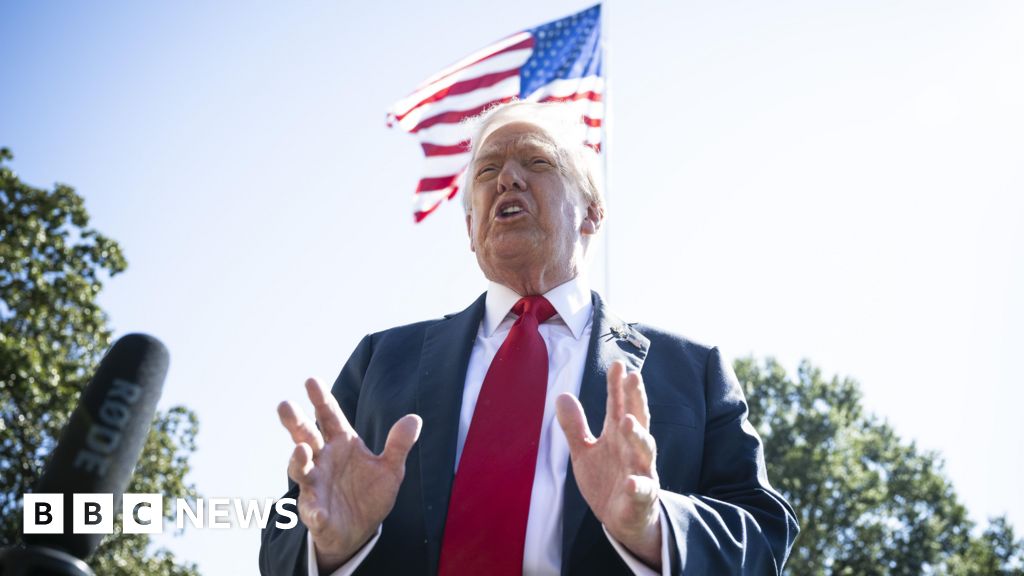
The ongoing conflict in Gaza continues to threaten regional stability, as international mediators prepare for a crucial round of indirect peace talks in Egypt. President Donald Trump has expressed optimism about the potential release of hostages, suggesting that they will be freed “very soon” following some progress made through mediated negotiations with Hamas. This development marks a rare glimmer of hope in a cycle of violence that has devastated Gaza and stoked fears of a broader regional escalation. The talks, set to occur on Monday, come against the backdrop of a complex diplomatic landscape, where the Trump administration’s 20-point US peace plan is both a blueprint for peace and a reflection of shifting geopolitical alliances.
Much of the recent diplomacy has been driven by Egyptian, Qatari, and Turkish mediators, who have successfully convinced Hamas to temper its previously intransigent stance and to leave contentious issues like disarmament and Gaza’s long-term governance off the table for now. Instead, the group appears willing to accept limited concessions, such as the release of some hostages and temporary governance arrangements. Many analysts interpret this tactical flexibility as a recognition by Hamas of its limited leverage after over two years of relentless conflict, with some cautioning that it also exposes the group’s precarious political position. Historically, conflicts rooted in such tactical moves often carry unforeseen consequences—either paving the way for peace or unleashing a new chapter of chaos.
Nevertheless, Israeli military operations persist, with airstrikes in Gaza continuing into the weekend despite international calls for a ceasefire. Israel asserts that these strikes are defensive, justified by the ongoing threat posed by Hamas. Israeli authorities, led by Prime Minister Benjamin Netanyahu, maintain that their military response is carefully calibrated to avoid a full-scale invasion, but reports from Gaza detail ongoing destruction, including the loss of civilian lives and residential buildings. According to Gaza’s Hamas-run health ministry, over 65 individuals were killed in the past 24 hours alone, highlighting the mounting toll in a conflict where the line between military necessity and humanitarian catastrophe has blurred. The international community, including the US Secretary of State Marco Rubio, continues to emphasize that an immediate cessation of bombardments is essential to facilitate hostage negotiations, underscoring the intertwined nature of military actions and diplomatic progress.
In this delicate dance of diplomacy and violence, the implications extend far beyond Gaza’s borders. American and Middle Eastern officials are keenly aware that the decisions made in Cairo will have lasting geopolitical impact, potentially reshaping alliances and regional power dynamics. Many experts caution that if diplomacy falters, the conflict could escalate into broader regional instability, complicating the global fight against extremism. As negotiators, including US envoy Steve Witkoff and Qatari Foreign Minister Sheikh Mohammed bin Abdulrahman Al Thani, prepare for these critical talks, history hangs in the balance. The shadows of previous failed peace efforts and the recent surge in violence cast a heavy pall, reminding the world that the road to peace remains fraught with peril and uncertainty.
As the region holds its breath, the unfolding story of Gaza continues to write itself into history—an ongoing saga of conflict, diplomacy, and human resilience. With every diplomatic handshake and each devastating strike, the weight of generations converges on a fragile moment, where the future is yet to be written. The outcome of this week’s negotiations may determine whether the echoes of war will fade or whether they will reverberate through history as another chapter of unresolved tragedy—an indelible mark on a region already scarred by decades of strife.


