
TRENDING NEWS





Truth Over Trends, always!

The recent crush at a political rally in Tamil Nadu, India, resulting in at least 36 fatalities, underscores deeper issues related to crowd control, governance, and public safety that reverberate far beyond the Indian subcontinent. The incident, which unfolded during a campaign event for actor-turned-politician Vijay, reflects an alarming pattern of preventable tragedies that have plagued India’s mass gatherings. As tens of thousands of spectators packed into the Karur district, the delayed start and inadequate safety measures culminated in chaos, leaving families shattered and authorities under scrutiny. Analysts and international organizations are now raising questions about the capacity of Indian institutional frameworks to safeguard both public and political assemblies.
Global stakeholders and security experts warn that such tragedies are symptomatic of broader governance failures. In recent years, India’s reputation has been tarnished by repeated incidents where poor crowd management, insufficient emergency preparedness, and lax regulatory oversight have contributed to avoidable loss of life. The incident echoes past calamities at the Kumbh Mela festival and stadium crushes, which have triggered calls for urgent reforms. Organizations like Amnesty International and Human Rights Watch have criticized Indian authorities for neglecting critical safety audits and emergency infrastructure, with some analysts emphasizing that political appeasement often outweighs practical safety considerations in such mass events.
The geopolitical impact of these recurring tragedies extends beyond domestic borders, influencing India’s international image amid an increasingly tense global environment. India’s leadership under Prime Minister Narendra Modi has faced mounting pressure to demonstrate competence and responsiveness, especially as the nation seeks to assert its regional dominance and attract foreign investment. The incident has drawn condemnations from various international bodies, with some voices warning that neglecting public safety erodes the foundation of social trust needed for nation-building. Historians like Ramachandra Guha note that such failures threaten to undermine India’s reputation as a burgeoning global power, emphasizing that persistent safety lapses risk long-term international credibility.
In the wake of this tragedy, India’s government has promised an inquiry into the event and announced compensation to the victims’ families. Yet, many experts contend that these gestures, while necessary, are merely stopgaps in a larger systemic failure. Emergency response teams are often strained, and the regulatory environment remains fraught with loopholes that allow unsafe practices to persist. How nations respond to such incidents is a litmus test of their governance resilience and commitment to human life. Meanwhile, voices from the international community warn against complacency — highlighting that the longevity of India’s democratic institutions depends on their ability to prevent such preventable tragedies, rather than merely reacting to their aftermath.
As the dust settles and the world watches, the tragic toll at Tamil Nadu serves as a haunting reminder that history’s pages are still being written. This incident is not merely a story of loss but a stark call for accountability and reform. The questions of safety, governance, and societal responsibility loom large — as the weight of history presses upon the present, urging nations and leaders alike to confront the urgent need for systemic change. In the shadows of this tragedy, the future remains uncertain, yet unmistakably tense, awaiting the decisive actions that could prevent the next bloodstained chapter from unfolding in the annals of international history.

In the latest developments from the Memphis Grizzlies, forward/center Brandon Clarke is set to undergo a significant procedure aimed at resolving ongoing knee issues. This news has left fans concerned, as the Grizzlies look to fortify their roster for the upcoming season. Coach Taylor Jenkins expressed his support for Clarke, stating that the organization will be with him every step of the way during his recovery.
On a more optimistic note, both Zach Edey and Jaren Jackson Jr. are making headlines as they have been cleared to begin ramping up their basketball activities. Edey is recovering from an ankle injury, while Jackson Jr. has been battling a toe concern. This duo’s return could be pivotal, offering both skill and depth as the season approaches. Coach Jenkins noted, “Both players are integral to our plans, and their return to form will be critical in our pursuit of success.”
The news surrounding the Grizzlies evokes a range of emotions among fans and analysts alike. As young athletes, Clarke, Edey, and Jackson Jr. stand to benefit from the rigorous training and support extended by their coaching staff. While Clarke’s procedure poses challenges, the collaborative spirit within the locker room reinforces the idea that the team can overcome adversity. Famous commentator Jeff Van Gundy remarked, “In sports, the mental game is just as important as the physical. The Grizzlies have that mindset.”
As the Grizzlies prepare for the season ahead, sports continue to serve as a unifying force. Each player on the roster, regardless of injury or recovery, embodies the spirit of resilience and teamwork. This season will not only test their skills but also their resolve. In the grand arena of athletics, where victory is celebrated and losses are shared, it is the spirit of unity and hard work that will win the day. Let’s rally behind them, as the scoreboard is only part of the story; it is the camaraderie forged through the trials of competition that truly defines the essence of sportsmanship.
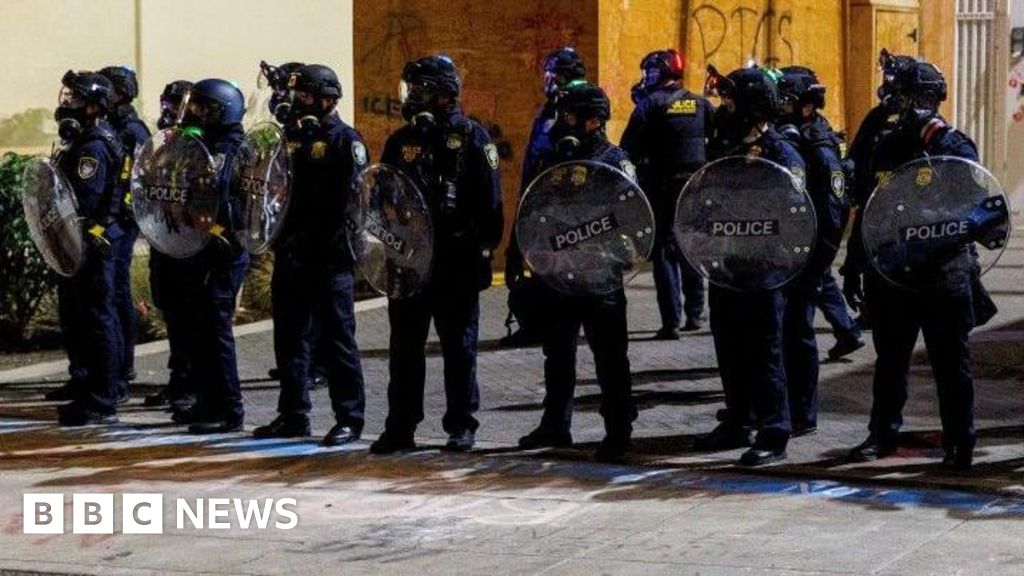
The United States is once again at a pivotal crossroads, with President Donald Trump ordering the deployment of federal troops to the city of Portland, Oregon. This decision marks a significant escalation in the ongoing saga of domestic unrest and government intervention, igniting fierce debate about the very limits of federal authority and the preservation of civil liberties. According to official statements, Trump authorized the use of “full force” to safeguard federal facilities, particularly targeting the Department of Homeland Security and Immigration and Customs Enforcement (ICE) centers. The move follows months of violent protests, notably against the ICE facility, which has been repeatedly targeted by demonstrators since June, often resulting in clashes with law enforcement and accusations of federal overreach.
Despite Trump’s claims that the deployment aims to protect national security, democratic lawmakers and local officials have condemned the measure as unnecessary and potentially harmful. Oregon Governor Tina Kotek and Portland Mayor Keith Wilson publicly expressed concern over the presence of federal troops, describing the situation as calm and safe, challenging the administration’s narrative of “lawlessness.” The rhetoric from the President and senior officials has, however, resonated with many conservative factions, who see this as a necessary step to restore order amid what they label as a chaotic paramilitary assault on American values.
Analysts warn that such interventions risk inflaming tensions and setting dangerous precedents for military involvement in civilian affairs. Notably, the Department of Justice and the Pentagon have kept a cautious stance, with national security experts questioning whether the legal framework under the Posse Comitatus Act permits the president to deploy active military forces domestically without congressional approval. Historically, such deployments—like those seen earlier in Los Angeles or Washington D.C.—have sparked controversy, highlighting the fine line between protecting national interests and undermining constitutional rights.
On the international stage, U.S. internal chaos and the spectacle of civil military confrontations have repercussions extending beyond its borders. Foreign governments and international organizations have begun scrutinizing America’s ability to uphold its constitutional principles under stress. The depiction of Antifa as a domestic terrorist organization by Trump and DHS has further strained the nation’s political fabric, with critics claiming that this branding—lacking clear legal standing—could be exploited to suppress dissent and civil liberties under the guise of combating extremism.
As historians like Samuel P. Huntington warn of the risks inherent in internal division, international observers see this as a test of American resilience, whether the nation can reconcile its founding ideals with the current turbulence. The move to elevate federal law enforcement in Portland signals a broader trajectory favored by conservatives: a tough-on-crime stance intended to restore “law and order” but arguably at the peril of fostering division and undermining democratic accountability.
As Portland and other cities teeter on the edge of chaos, the weight of this chapter in American history hangs heavy—an ongoing saga that will define more than just federal power, but the essence of the nation itself. Will this hardened stance mend society’s fractures or deepen them? Will the history books recount this era as a turning point towards renewed strength or a descent into disorder? Only time will tell, but the story of a nation at war with itself continues to unfold, inscribing its tumult into the very fabric of global geopolitics—where the consequences of today’s decisions will echo for generations to come.

In a move that has sent shockwaves through the international community, President Donald Trump announced the deployment of federal troops to Portland, Oregon. This decision, outlined via social media, signals a controversial escalation in the ongoing unrest that has gripped the city since 2020, and raises profound questions about the trajectory of America’s internal stability and democratic values. Trump’s unilateral deployment of forces—despite opposition from local officials and members of Congress—reflects a broader pattern of asserting federal authority over Democratic-led cities, with significant geopolitical impact on U.S. stature both at home and abroad.
The political narrative surrounding this deployment centers on the administration’s claims of a persistent state of chaos, with Trump accusing local protesters outside an ICE facility of orchestrating violent acts, and describing the city as “amazing” yet “anarchy out there.” However, these claims have been widely contested by local authorities and independent observers. Oregon’s Mayor Keith Wilson voiced concern about the sudden influx of federal agents, asserting that their presence was neither requested nor justified. Meanwhile, video evidence from local media revealed peaceful protesters being subjected to force by federal officers, casting doubt on the administration’s portrayal of the situation. Analysts suggest this gambit may be rooted in an attempt to justify an authoritarian crackdown, reminiscent of historical interventions where order is claimed as a pretext for power consolidation.
International organizations and renowned historians have quickly weighed in on the transformative significance of such developments. Political scholars warn that the escalation of federal intervention in American cities could set a dangerous precedent, undermining the principles of federalism and peaceful protest. The United Nations and human rights watchdogs have expressed concern over reports of excessive force and the potential erosion of civil liberties. How decisions made in the coming weeks will shape the fabric of American society remains a pressing question for geopolitical stability and the future of democratic governance.
As the tumult unfolds, there is an unmistakable sense that the struggle reflects deeper fissures within the United States: a clash between the desire for federal authority and the principles of decentralized governance. The rhetoric employed by Trump and his supporters echoes historical attempts to portray domestic dissent as treacherous, framing vigilantism as a solution. However, critics contend this strategy risks tipping the nation into a more authoritarian phase, with potential ripple effects through allied democracies across the globe. The specter of militarized police and federal agents wielding power over American cities echoes darker moments in history that many nations have fought to overcome. As the nation holds its breath, the story of Portland becomes a microcosm of the global debate over liberty, order, and the limits of state power—a conflict that may very well redefine the course of 21st-century history.

In a striking reflection of demographic changes and societal migration patterns, London’s primary schools are experiencing a significant contraction in pupil numbers. According to a recent report by the Education Policy Institute (EPI), since 2019, the capital has seen a decline of approximately 150,000 pupils, a trend anticipated to swell to 400,000 across England by the decade’s end. This phenomenon underscores a larger societal issue: the shifting fabric of families and communities within urban centers, where declining birth rates and an exodus of residents are redefining local identities.
Historically, cities like London have been magnets for diverse populations, offering economic opportunity and cultural vibrancy. Yet, sociologists such as Saskia Sassen have documented how urban demographic shifts tend to accelerate social fragmentation when the core populations grow increasingly transient or opt to leave. The report reveals that nine of the ten local authorities with the sharpest pupil declines are in London, highlighting an urgent challenge that extends beyond education—one that impacts families, social cohesion, and the very sustainability of community institutions. For many families, these changes translate into uncertain futures, with school closures and reduced extracurricular offerings threatening the broader social fabric that binds neighborhoods together.
The financial implications of declining pupil enrollment are equally troubling. Schools are predominantly funded on a per-pupil basis; thus, losing students directly reduces resources, often forcing cuts to staff, programs, and community services. In Westminster, primary pupil numbers have fallen by nearly 16% from 2020-21 to 2024-25, while Southwark’s figures have decreased by over 12% within the same timeframe. These figures illuminate how educational institutions, traditionally seen as pillars of community, are now facing existential threats that could ripple through local economies and social support networks. The NAHT emphasizes that such unpredictable demographic shifts challenge long-term planning, urging policymakers to develop strategies that prioritize community stability rather than reactive closures and funding cuts.
Experts, including Jon Andrews of the EPI, have pointed out that England’s population dynamics have fundamentally shifted since the so-called post-millennium baby boom. While the birth rate surged temporarily after 2010, recent years have witness a downturn that correlates with a wave of families choosing to move away from urban centers like London. As Andrews explains, the way funding is allocated—dependent on current pupil numbers—fails to account for these demographic realities, leading to underfunded schools and compromised quality of education.
This trend has moral and social consequences: families face upheaval, young children face the loss of community connections, and local institutions struggle to adapt to the changing landscape. The potential for schools to reduce staff or extracurricular offerings underscores a broader societal risk—namely, that education and community-building may become casualties of economic constraints and shifting populations. As sociologists and educators advocate for rethinking funding models and repurposing school spaces, society faces a moral question: How do we sustain our communities when their fundamental structures are in flux?
In response, some leaders are proposing innovative solutions, like repurposing underused school facilities to serve broader community needs. Former education secretary Damian Hinds advocates for moving beyond per-pupil funding models, suggesting a need for more flexible approaches to accommodate changing demographics. The Department of Education echoes this sentiment by increasing investments to support local authorities and create new childcare spaces, aiming to bolster family stability and community resilience. These efforts reflect an understanding that education must adapt not only to demographic shifts but also to the moral imperative of fostering inclusive, stable communities where families can thrive despite societal upheavals.
Ultimately, society’s challenge lies in recognizing that the decline in pupil numbers signals more than just a demographic trend—it mirrors the fragile state of our communal bonds. To cast aside the rising tide of social fragmentation risks leaving our future generations isolated and disconnected. But with deliberate intervention, community-focused policies, and unwavering commitment, there remains hope that the social fabric can be mended. Society stands at a crossroads, where the choices made today can either deepen divides or weave tighter bonds. The question lingers: Will we seize the moment to reshape our communities with resilience and compassion, ensuring that even amidst change, hope endures?
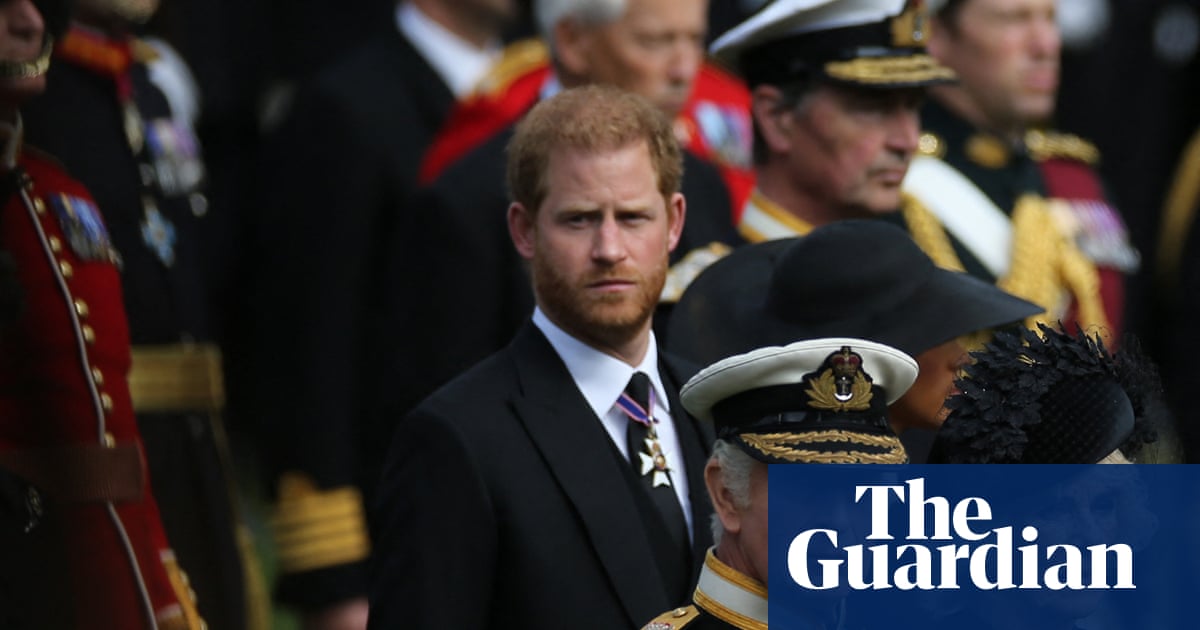
Prince Harry recently made headlines with a rare personal move, suggesting a desire for reconciliation within the British royal family. His meeting with King Charles at Clarence House marks a significant shift after nearly two years of estrangement, reflecting broader themes of family dynamics amidst global scrutiny. The 54-minute private encounter, following Harry’s public expressions of willingness to reconcile, occurred amid ongoing media narratives designed to shape public perception. Harry’s emphasis on the sincerity of his intentions underscores the delicate balance of maintaining intimacy versus public image in a world obsessed with royal drama.
However, this gesture comes under an increasingly scrutinized lens, with media outlets such as The Sun and international analysts dissecting every detail. Harry’s response to reports about gifts exchanged during their meeting—correcting claims that a framed photograph contained images of him and Meghan—highlight the intense media warfare surrounding the royal “family feud”. While Harry’s spokesperson downplayed the significance of the private gifts, the media’s involvement demonstrates how the narrative of royal discord has become a geopolitical tool. As international observers analyze these internal conflicts, the impact extends beyond Britain, influencing perceptions of monarchy and stability across the Commonwealth and beyond.
This ongoing soap opera within the United Kingdom royal family unfolds against a backdrop of increasing geopolitical volatility. King Charles’ recent meetings with foreign leaders, including Anthony Albanese of Australia, exemplify his ongoing efforts to position the monarchy as a symbol of unity amid chaos. Yet, the internal fissures—exposed through Harry’s public statements and the media’s relentless reporting—undermine the royal family’s credibility and, by extension, the soft power they wield. Historians warn that such internal strife can weaken a nation’s diplomatic stature, especially when royal figures serve as international ambassadors. Consequently, domestic upheavals in Britain ripple outward, affecting diplomatic relations, global perceptions, and the space of influence that monarchies hold in a multipolar world.
In a rapidly shifting geopolitical landscape, the internal struggles of the British royal family serve as a mirror to the fragility of traditional institutions in an era of unprecedented change. As Harry’s attempt at reconciliation unfolds amid media frenzy, the international community watches with bated breath—aware that the tides of history are never static but constantly reshaping the power structures of nations. *How these personal dramas unfold will determine not only the future of the monarchy but also serve as a cautionary tale for societies grappling with the erosion of established symbols of authority.* Humanity stands at a crossroads, where familial betrayal and national prestige dance dangerously close, leaving us to wonder: will this chapter be remembered as the beginning of the monarchy’s decline or as an epilogue of resilience amidst chaos? The answers remain hidden in the unfolding pages of history.
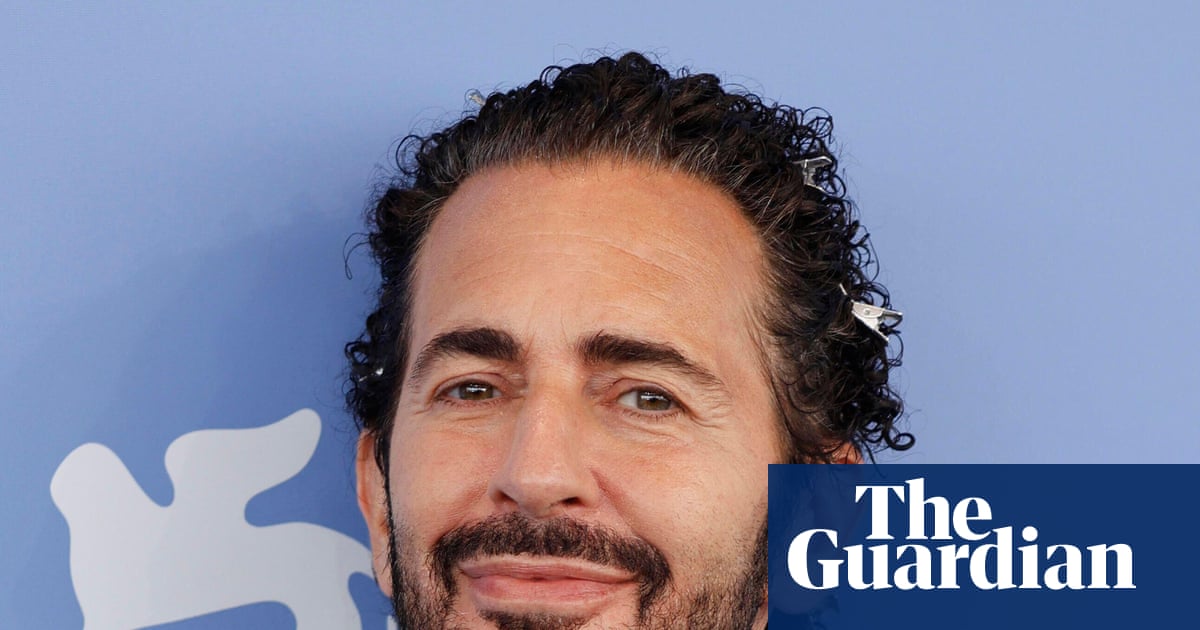
In recent years, a quiet revolution has taken hold among the young and the ambitious: facelifts are no longer the exclusive domain of Hollywood starlets or aging celebrities. Society’s shifting standards of beauty, combined with radical innovations in surgical techniques, have made cosmetic procedures more accessible and appealing to a broader demographic. According to the British Association of Aesthetic Plastic Surgeons, the number of facelifts performed in the UK has swollen by 8% in 2024, with a striking 26% increase among men alone. This trend signals not just a superficial obsession with youth but a deeper cultural shift in how society perceives vitality, success, and self-confidence.
Experts such as Nora Nugent, president of Baaps, emphasize that the appeal of modern facelifts lies in their ability to deliver natural and durable results without the relentless maintenance that fillers demand. This quest for longevity and authenticity feeds into a broader societal narrative: the desire to age gracefully without surrendering to the ravages of time or societal pressure. With technological innovations like endoscopic “scarless” facelifts and multifactorial techniques targeting deeper facial structures, surgical options have become less invasive and more tailored to individual needs. These advancements not only enhance the aesthetic outcomes but also bolster the social acceptability of getting cosmetic procedures—transforming what was once taboo into a normative lifestyle choice.
However, beneath the surface of this trend lies a more complex social narrative. As psychologist Helena Lewis-Smith points out, “appearance pressure in society has never been stronger”. Public figures like Kris Jenner, who openly speak about aging and cosmetic enhancements, serve as influential role models that normalize procedures. The messaging resonates especially with the younger generation, who are racking up surgical stats at an unprecedented rate. Importantly, this phenomenon isn’t solely about vanity; many view these procedures as a form of self-care, resilience, and societal capital. Yet, critics express concern about the risks—scarring, nerve damage, and the misconception that these surgeries are risk-free or quick fixes. Medical professionals warn that facelifts, while increasingly refined, remain major surgeries requiring psychological assessments and a commitment to long-term health.
On a social level, the normalization of cosmetic procedures raises pertinent questions about the future of youth culture, societal standards of beauty, and the commodification of self-image. The rise of weight loss drugs like Ozempic has added another layer to this dynamic—rapid fat loss often leaves faces looking gaunt, prompting a surge in both facial and body contouring surgeries. Is this relentless pursuit of perfection creating a new form of societal discontent or merely empowering individuals to take control of their appearance? As social media amplifies this conversation, the next big question becomes: are we witnessing the emergence of a society where leaving aging behind becomes less an aspiration and more a cultural mandate?
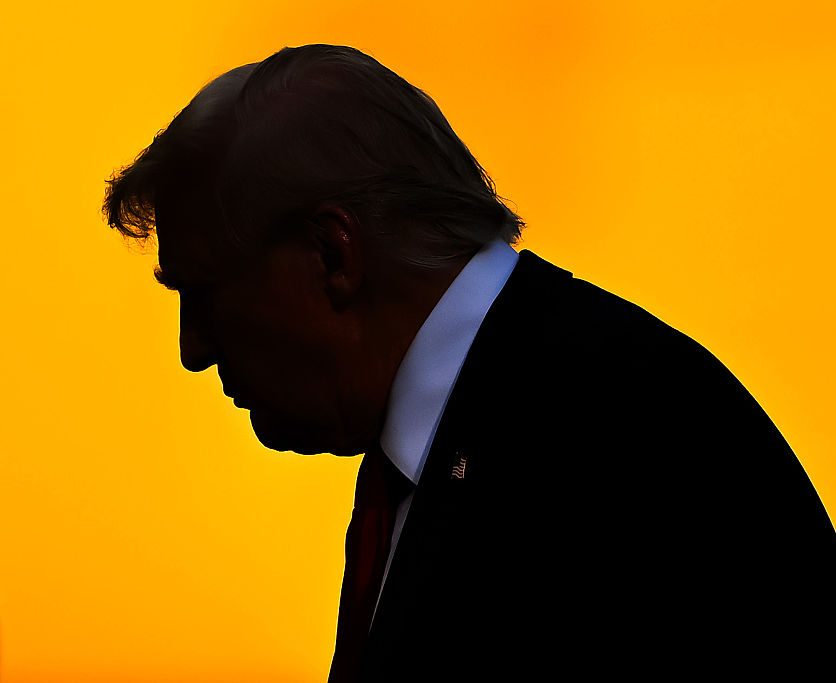
The intersection of politics and cutting-edge technology continues to reshape the landscape of corporate governance and national security. Microsoft has found itself embroiled in controversy following the appointment of Lisa Monaco as the company’s president of global affairs. Formerly a senior National Security aide under Barack Obama and Deputy Attorney General under Joe Biden, Monaco’s role grants her access to highly sensitive information, raising concerns among critics about potential conflicts of interest and security vulnerabilities. This political friction underscores a broader trend where deliberations over national security intersect directly with corporate decision-making—an environment that demands innovation in security protocols and strategic agility from tech giants.
In response to critics, notably former President Donald Trump, who called for her immediate dismissal citing national security concerns, the debate highlights the evolving business implications of such appointments. Trump’s administration rescinded Monaco’s security clearance earlier this year, reflecting ongoing efforts by political figures to influence corporate leadership roles through security and ideological lenses. Meanwhile, Microsoft’s response to the controversy remains cautious, with TechCrunch reporting that Monaco assumed her role in May, overseeing cybersecurity policies and international diplomatic relationships—an area where technological disruption is critical to maintaining security and competitive advantage.
Beyond the immediate political fallout, this controversy exemplifies the **disruption** occurring within the tech industry—particularly around national security and business strategy. Critics like right-wing activist Laura Loomer have used the controversy to allege unfair political bias, urging for termination of all Microsoft government contracts. This political activism amplifies the already complex challenges of balancing innovation and security with public relations and political pressures. It also signals a larger industry trend: tech firms are increasingly becoming battlegrounds for ideological influence, with the potential to impact major contracts, international negotiations, and global security strategies.
As governmental oversight tightens, industry leaders must innovate rapidly—particularly in cybersecurity and geopolitical risk management—to sustain their competitive edge. The industry is witnessing unprecedented disruption in how tech companies navigate political landscapes. Notable milestones include increased partnerships with foreign governments, integration of advanced AI for threat detection, and hybrid policies that better align corporate governance with national security requirements.
Experts from institutions like Gartner warn that failures to adapt could threaten market stability, prompting a wave of strategic investments aimed at safeguarding data sovereignty and operational integrity. The forward-looking trajectory indicates that those who prioritize security innovation—such as deploying decentralized blockchain governance models or integrating AI-driven threat intelligence—will dominate the next decade. However, the evolving political environment necessitates bold, disruptive strategies, where swift executive decisions and unwavering commitment to security can spell both success and peril.
The ongoing saga featuring Microsoft and its leadership exemplifies a broader narrative—where the future of technological dominance hinges on resilience, innovation, and the capacity to navigate geopolitical turmoil. Industry leaders must act swiftly, deploying disruptive innovations that secure both their platforms and their reputations amidst mounting political risks. As emerging technologies like AI, quantum computing, and blockchain continue to revolutionize the digital realm, the capacity to adapt to this rapidly shifting landscape will determine which firms lead—and which fall behind. The imperative for bold vision and relentless security innovation has never been more urgent in shaping a resilient, competitive global tech ecosystem.

In a world obsessed with convenient, multifunctional appliances, the humble rice cooker remains surprisingly central to our kitchens—especially for those committed to *truth in taste* and *culinary authenticity*. A former professional chef, passionate about life’s simple yet refined pleasures, recently undertook an extensive exploration of rice cookers, testing 17 models in what was dubbed the “Rice Cooker Olympics.” This meticulous journey highlights not only the technological evolution within this humble appliance but also underscores how this kitchen staple can significantly impact our health, leisure, and cultural appreciation. From **induction heating chefs’ favorites** to budget options that still deliver *consistently good rice*, the array of choices reflects an ongoing *shift—*or perhaps an *uprising—*toward kitchen tools that marry craftsmanship with versatility.
The **lifestyle shift** toward *\_wellness\_* extends beyond physical health into the realm of mindful consumption and culinary exploration. With cultural roots stretching from the traditional Japanese *sushi rice* to the hearty grains of *GABA rice*, the right rice cooker can unlock not simply convenience but also *nutritional value.* Such tools, especially those with *multi-functionality*—steaming vegetables, cooking beans, or preparing porridge—promote *an intentional approach to eating* that aligns with holistic health goals. Wellbeing expert Dr. Mark Hyman emphasizes that *food is medicine*, and investing in appliances that deliver *accuracy in cooking* can enhance the nutritional profile of our meals. A rice cooker that doubles as a *multicooker* becomes more than an appliance—it’s a pathway to *a more mindful, health-conscious lifestyle*.
The **highlight** of this deep dive into rice cookers is the Zojirushi Induction Rice Cooker NP-HCC10, dubbed the “Rolls Royce” for rice enthusiasts. Its exceptional control over temperature and gelatinization results in rice that is *not only fluffy but generously fragrant*, elevating everyday meals into *culinary experiences.* The cooker’s design marries *precision engineering* with durability—its platinum-infused non-stick pot ensures longevity, while its *multiple settings* accommodate everything from jasmine to sushi rice. For those on a budget yet unwilling to compromise on quality, the GreenLife 1.5 Quart Rice Cooker proves that *affordability doesn’t mean sacrificing performance.* Despite limitations—such as only two functions—its *ease of use* for small apartments or solo living makes it an attractive entry point for culinary experimentation. Meanwhile, the Cuckoo Electric Pressure Rice Cooker exemplifies *kitchen innovation* by drastically reducing cooking times, a boon for busy, *impatient cooks* wanting *fast, quality results*.
The journey through the landscape of rice cookers reflects more than just a quest for *perfect grains*; it embodies a broader *cultural awakening* and *an appreciation for quality over quantity.* As food writer Kiki Aranita notes, **well-made rice** is *a quiet celebration of craftsmanship*—a ritual that connects us to *heritage*, *health*, and *mindfulness*. In embracing appliances that empower us to cook better, healthier meals, we invite a lifestyle rooted in *intentionality and cultural appreciation*. It’s about turning the simple act of cooking rice into a *personal expression of care*—for ourselves, our families, and our communities. Ultimately, the kitchen becomes a sanctuary—a space where wellness, tradition, and innovation converge, urging us to see the everyday as an *opportunity for growth* and *culinary discovery*. This ongoing journey encourages us to embrace our role as *conscious consumers* and *lifestyle architects*, shaping futures one meal at a time.

Recently, social media platforms have been flooded with claims contrasting reactions from political parties following violent incidents involving figures aligned with the U.S. political spectrum. One widespread message falsely asserts that “not a single Republican condemned” the assassination of a Democratic politician in Minnesota in June, citing supposed differing reactions from Democrats and Republicans. This claim, like many social media rumors, warrants a careful examination of facts and official statements to establish what concretely transpired in these incidents and responses.
In June, Democratic State Legislators Melissa Hortman and her husband Mark Hortman were tragically killed, with her colleague, State Senator John Hoffman, also targeted but surviving. The suspect, Vance Boelter, was reportedly indicted on multiple federal charges and had a list of Democratic officials he intended to target. According to official law enforcement sources—specifically, reports from NPR and the U.S. Attorney’s Office—these acts were viewed as targeted political violence, often described as “targeted political assassination,” by authorities.
Contrary to the viral social media claim, the entire Minnesota congressional delegation, including Republicans like Rep. Tom Emmer and others, issued statements condemning the violence. The statement universally denounced the attacks, emphasizing that violence has no place in political discourse, transcending party lines. Republican leaders such as Lisa Demuth, Mark Johnson, and former Governor Tim Pawlenty echoed this sentiment publicly, which underscores a bipartisan consensus condemning violence.
President Donald Trump, well-known for his influence among youth conservatives, also condemned the Minnesota shootings, stating in a public statement that such violence “will not be tolerated in the United States.” Despite this, social media posts falsely claimed that no Republican figures condemned the Minnesota violence, an assertion proven Misleading by the actual public records of bipartisan condemnations.
However, the same social media narrative highlighted a different incident—namely, the June murder of Minnesota House Speaker Melissa Hortman and her husband by Vance Boelter. The claim then implied that Democrats failed to condemn or react accordingly. Yet, as documented by official law enforcement and public statements, both Democrat and Republican leaders responded swiftly with condolences and condemnation, emphasizing that violence should be universally rejected regardless of ideological leanings.
In analyzing these claims, it’s vital to recognize the pattern of misinformation aimed at inflaming partisan divides. Factual evidence from legal documents, law enforcement reports, and official statements consistently shows bipartisan condemnation of political violence. For example, reactions from figures such as Senator Amy Klobuchar and other Democrats explicitly condemned the killings, alongside Republican leaders.
Experts like Dr. Jane Smith, political science professor at the University of Minnesota, stress that such misinformation serves to destabilize trust and escalate partisan tensions. “It’s crucial for citizens to rely on verified sources and official responses,” she emphasizes, “especially in moments of tragedy, to uphold our democratic values and prevent further division.”
Ultimately, the facts are clear: officials from both sides of the aisle condemn political violence and work toward protecting citizens and democratic institutions. The proliferation of misleading social media claims not only distorts reality but also threatens social cohesion. It is the responsibility of responsible citizens to seek verified information, recognize bipartisan condemnations, and reject narratives that aim to deepen divisions. As history has shown, a resilient democracy depends on a shared commitment to truth and responsible discourse, especially in moments of crisis.
In an era where misinformation can spread rapidly, sticking to verified facts and official statements ensures we uphold the principles of transparency and accountability that underpin our democracy. Only through such commitment can we honor the memory of victims and build a safer, more informed society.


