Matox News

Truth Over Trends, always!

Please provide the feed content you’d like me to fact-check.

Fact-Checking the Legality of Trump’s Recent Military Action Against Iran

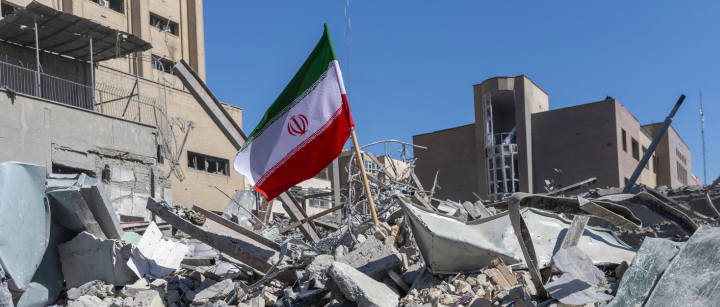
In recent days, debates have intensified over Presidential authority regarding military actions, especially in light of President Donald Trump’s joint airstrikes with Israel on February 28, which resulted in the death of Iran’s Supreme Leader Ayatollah Ali Khamenei. Critics, primarily Democrats, have claimed that these strikes were conducted illegally because they allegedly bypassed the constitutional requirement for congressional approval. Is this stance justified? To answer this, we must examine the legal framework, historical precedent, and expert opinions surrounding presidential war powers.

The Constitutional Debate: War Powers and Authority

At the core of the controversy lies the interpretation of the U.S. Constitution, specifically Article I, Section 8, which grants Congress the power “To declare War.” Critics argue that any military action beyond a defensive response requires explicit congressional authorization. For example, Senator Tim Kaine emphasized on national television that Trump’s strikes constituted an “illegal war,” asserting that the president acted without proper congressional approval. Similarly, Senator Ruben Gallego condemned the operation as an “illegal” escalation, citing the constitutional requirement for Congress to declare war.

However, the reality is more nuanced. Secretary of State Marco Rubio pointed out that the administration notified Congress, including the “Gang of Eight”—a select group of congressional leaders—consistent with current law, which mandates such notifications within 48 hours of hostilities. Specifically, the War Powers Resolution of 1973 stipulates that the President must notify Congress of hostilities within this timeframe and requires the eventual withdrawal of U.S. forces unless Congress authorizes further action. Yet, critics argue this law is interpretive and has been inconsistently applied, with prior presidents acting unilaterally without explicit congressional approval.

Expert Opinions: A Divided Legal Landscape

The legal community is split on the issue. Oona Hathaway, a respected international law scholar at Yale, has repeatedly emphasized that the strikes are considered “blatantly illegal” under both U.S. and international law. In her analysis, she underscores that unilateral presidential military actions are only justifiable when responding to immediate threats or attacks, not for initiating new conflicts. Her perspective echoes the long-standing argument that the Constitution’s clear mandate for congressional war declarations has been sidestepped in recent decades.

Conversely, legal scholars like Peter Shane and Kermit Roosevelt suggest the law is ambiguous. Shane notes that the Justice Department’s Office of Legal Counsel has historically permitted unilateral presidential actions if they serve “sufficiently important national interests,” and do not involve prolonged military engagement. Meanwhile, Roosevelt points out that the original intent of the Constitution was to vest decision-making power in Congress, but practical precedent has often allowed unilateral presidential actions, often justified as responses to emergent threats.

The debate often boils down to a question of interpretation: is the President’s role as Commander-in-Chief enough to justify limited unilateral actions, or does the Constitution demand congressional declaration before war? Historically, the War Powers Resolution of 1973 aimed to restrain presidential authority, but Presidents have frequently challenged or sidestepped these limitations, leading to ongoing legal ambiguity.

Recent Congressional Action and the Path Forward

On the legislative front, Congress is contemplating new war powers resolutions designed to reinstate congressional oversight for future military actions, including measures supported by Republicans like Rep. Thomas Massie and Senator Rand Paul. However, these resolutions face hurdles as President Trump and many in Congress have expressed skepticism. If enacted, these laws would require prior congressional approval for further military actions against Iran, aligning with constitutional principles emphasized by critics.

Ultimately, facts show that President Trump’s recent strikes sit within a complex legal landscape where constitutional ambiguities, historical precedents, and political implications intertwine. While critics highlight the importance of congressional authority to preserve checks and balances, others argue that the President’s role as Commander-in-Chief grants limited leeway in urgent foreign policy decisions. With upcoming legislative debates and potential legal challenges, transparency and adherence to constitutional processes remain essential to maintaining the integrity of American democracy.

The Importance of Truth in Our Democracy

Understanding the legality of military actions is not about partisan politics—it’s about safeguarding the constitutional order and ensuring responsible citizenship. Factual clarity helps prevent misconceptions and ensures Americans can hold their leaders accountable. As history demonstrates, unchecked executive power risks undermining the principles upon which our nation was founded. Therefore, it is crucial that citizens demand transparency, respect for constitutional processes, and rigorous debate on matters of war—a responsibility that lies at the heart of a healthy democracy.
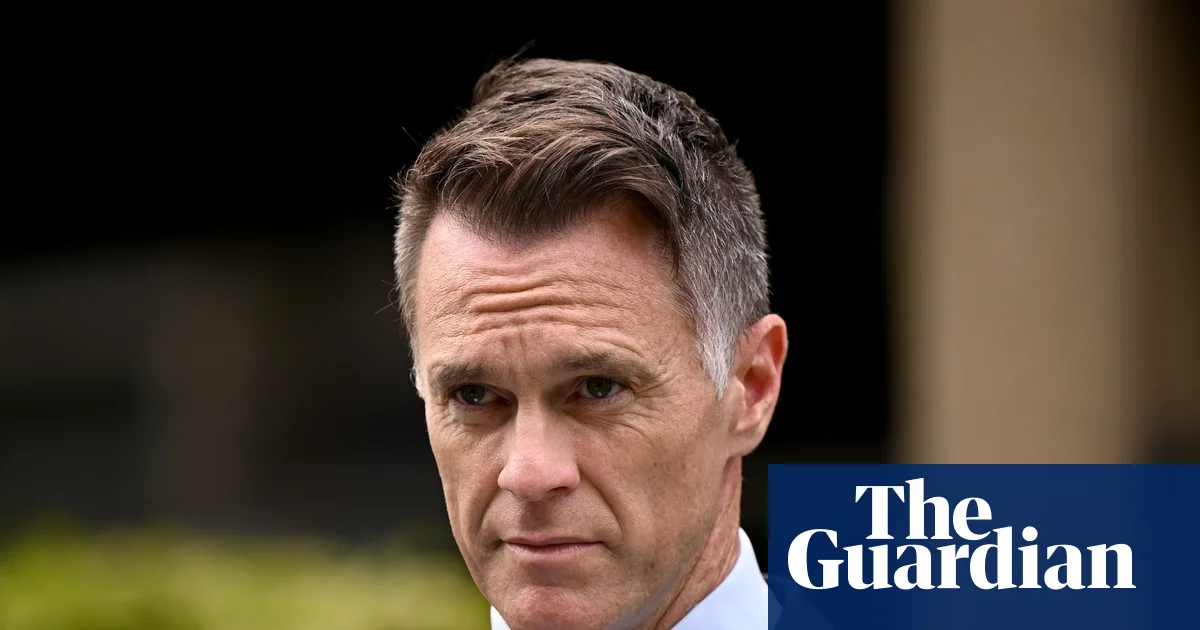

Minns calls pro-Palestine protest organizers 'communists' aiming for clash with police, NSW budget estimates
Minns calls pro-Palestine protest organizers ‘communists’ aiming for clash with police, NSW budget estimates

In a striking turn of events that underscores the volatile landscape of international activism and internal political fractures, Australia’s New South Wales government finds itself at the center of a contentious debate over the peaceable assembly and the engagement with pro-Palestine advocates. Premier Chris Minns has publicly dismissed protest organisers as “a pack of communists,” fueling accusations of politicising the situation and risking the social cohesion of the deeply divided society. This inflammatory rhetoric follows violent clashes during a recent rally against the Israeli president’s visit, where police responses have come under scrutiny amid allegations of police brutality.

These confrontations threaten to escalate into a broader international rift, as global analysts draw attention to the implications. The protests, which saw four Labor backbenchers attending a speech by Israeli President Isaac Herzog in Sydney, have rippled beyond local politics. While some political figures like Stephen Lawrence MLC defend protesters, viewing their actions as a stand for Palestinian rights, critics argue that the protests are being manipulated by radical elements, including socialists and communists affiliated with groups like the Palestine Action Group (PAG). Historians warn that such alliances have historically been vectors for “big social movements,” but in this context, they threaten to undermine Australia’s national stability and complicate diplomatic relations in a tense Middle East geopolitical environment.

The debate extends far beyond the streets to focus on the broader geopolitical impact. Australia’s internal divisions mirror the polarisation seen across Western nations, where support for Israel or Palestine increasingly aligns with domestic ideological battles. The Australian government’s approach, characterized by resistance to criticism and suppression of dissent, echoes patterns observed in other democracies experiencing internal stress, risking the alienation of communities and weakening social fabric. Analysts warn that such internal strife could diminish Australia’s standing on the global stage, especially as international organizations like the United Nations emphasize human rights and moderation.

Meanwhile, the situation remains precarious as the NSW police maintain that their actions were justified, citing attempts by protesters to march on Parliament against restrictions declared in response to recent acts of violence and unrest. The ongoing constitutional challenge to new protest laws and the controversial “major events” powers further complicate the legal landscape, pointing to a potential breach of civil liberties. The tension reaches into Australia’s multicultural communities, with Muslim groups voicing concerns over police actions during recent vigils mourning Iran’s late Supreme Leader, Ayatollah Khamenei. These incidents serve as a stark reminder that the political toll extends to societal divisions along religious and cultural lines, with the risk that internal discord could morph into a broader geopolitical vulnerability.

As history continues to unfold, the echoes of this clash in Australia serve as a warning: when states suppress dissent and dismiss grassroots movements as mere radical influence, they risk sacrificing social cohesion and inviting external powers to exploit divisions. The international community watches with bated breath as the narrative of support, protests, and legal battles develops — leaving behind a legacy that could reshape the political landscape for years to come. In this unfolding drama, the weight of history presses heavily, reminding observers that the moment may be fleeting, but the consequences are profound and lasting.

Emerging Stars Shine as Finals Heat Up: Young Athletes Make Their Mark!

Basketball Coaches Stand United Against Political Interference

A concerning trend in college athletics has caught the attention of some of the sport’s most recognized figures. On Wednesday, a coalition of influential basketball coaches, including Steve Kerr of the Golden State Warriors and Doc Rivers of the Philadelphia 76ers, publicly condemned political interference in universities. This letter is more than just a plea; it is a clarion call to preserve the integrity of college athletics, which they believe is being compromised by external political agendas.

The letter underscores that the essence of college sports is at risk. “The involvement of political forces in university athletics is concerning,” noted Coach Kerr during a press conference. He emphasized that such interference not only distracts from the joy of competition but also risks altering the fundamental purpose of college sports: to foster athletic talent and promote personal growth. Both coaches highlighted that the integrity of college basketball hinges on the commitment to training and education.

Key Takeaways from the Coaches’ Letter

  • Preservation of Integrity: Coaches fear that political pressures could dictate coaching decisions and player eligibility.
  • Focus on Athletes: The letter calls for prioritizing student-athletes’ development over political agendas.
  • A Call for Unity: The coaches are urging fellow educators and leaders to stand against such political encroachments.

As the season progresses, the stakes are particularly high, with teams striving for excellence both on and off the court. The interaction between politics and athletics should ideally remain limited to the competitive nature of the sport itself, allowing athletes to shine based solely on their abilities. The tension between political motives and the spirit of sports is increasingly visible, raising questions about the future of collegiate programs. As Doc Rivers stated, “Now more than ever, we need to come together as a community to safeguard what is truly important.”

Amidst the pressures of the modern world, the enduring message from these coaches resonates deeply: sports, like basketball, has the power to unify individuals beyond the scoreboard. The collective strength exhibited by these coaches serves as a potent reminder that, at its core, college athletics transcends politics and fosters a sense of camaraderie that can inspire future generations. Ultimately, it’s about ensuring a space where young athletes can thrive, not just as competitors, but as individuals poised to contribute meaningfully to society.

Source link

Trade court demands tariff refunds, deal a blow to Trump’s trade policies

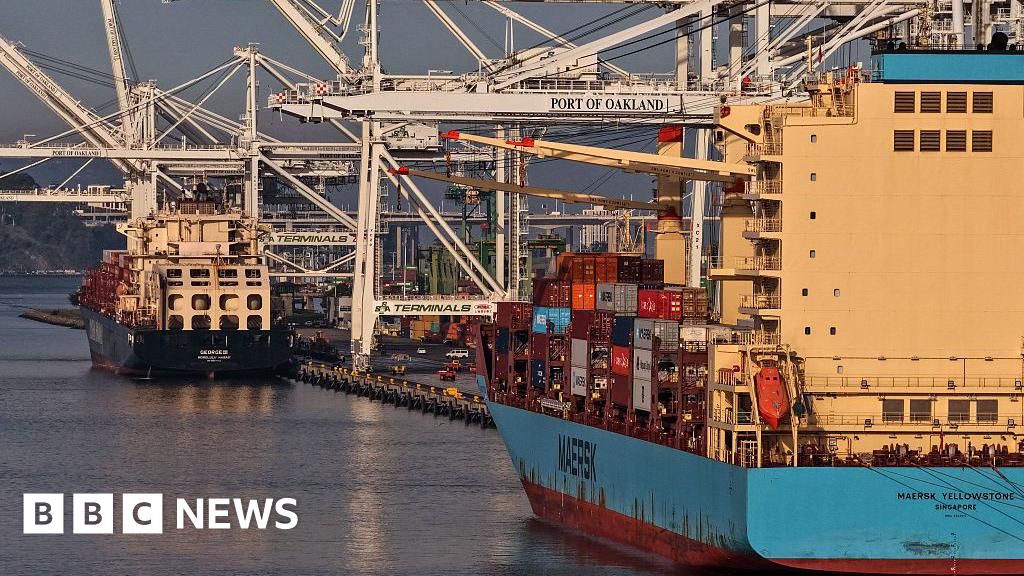
In a significant turn of events, a prominent trade court has recently cleared the path for businesses worldwide to secure refunds for tariffs that the Supreme Court invalidated last month. This ruling marks a vital development in the ongoing evolution of international trade policies and signals a potential shift in how nations approach economic sovereignty and commerce regulations. The decision underscores the volatile and unpredictable landscape of global markets, where legal, political, and economic forces intertwine to shape the fabric of international commerce.

The initial Supreme Court decision dismantled a set of tariffs that, for years, served as a tool for several U.S. administrations to protect domestic industries from foreign competition. But its recent reversal prompted uncertainty, especially among businesses that had anticipated potential rebates or refunds due to the ramped-up tariffs. Now, with the trade court’s endorsement, companies can begin pursuing these refunds, thus rekindling economic hopes for many sectors hit hard by previous tariffs. This move has caused ripples across the global economic community, illustrating how legal reinterpretations within the U.S. legal system can send shockwaves through international markets and alliances.

Analyzing this development, respected international trade analysts highlight the geopolitical impact of this shift. Historically, tariffs served as tools of protectionism, often sparking retaliatory measures and trade wars. The recent court decision appears to reinstate a more predictable legal environment within the U.S. and potentially affecting negotiations on trade agreements such as the USMCA or upcoming bilateral pacts. Countries like China, Mexico, and Canada closely monitor American legal dynamics, as this determines their own standing in intertwined trade networks. The renewed availability of tariff refunds could influence American relations with these economic giants, potentially leading to a recalibration of trade strategies and diplomatic dialogues.

Adding complexity, the decision bears profound consequences for emerging economies. As nations such as India and Brazil seek to propel growth through increased trade liberalization, the reactivation of tariff refunds in the U.S. could either bolster or hinder their efforts, depending on how the shifting legal landscape influences global supply chains. The World Trade Organization and other international bodies have voiced cautious optimism; however, many analysts warn that this development could signal a broader return to protectionist tendencies, challenging longstanding efforts to foster open and fair trade. The stakes for sovereignty, economic resilience, and societal stability are rising; what remains uncertain is whether this decision marks a temporary reprieve or the beginning of a fundamental transformation in America’s trade posture.

Many experts warn that such legal victories and reversals, while seemingly technical, embody a deeper battle — one that will determine the future trajectory of global power. Historians and political strategists remind the world that decisions made in courtrooms and legislative chambers today will ripple through generations, shaping whether nations move toward greater economic independence or capitulate to the forces of globalization. As the international community watches with bated breath, one thing is clear: in the unpredictable arena of global geopolitics, the course of history is still being written, and the next chapter could turn the tide of international influence in unforeseen directions.

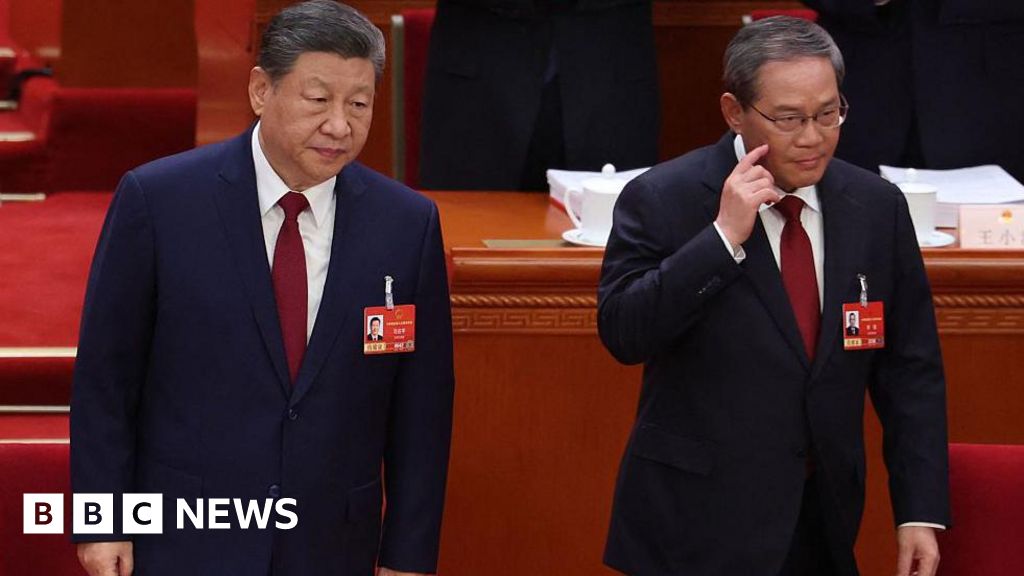
China sets lowest growth target since 1991, signaling cautious economic outlook for the future

In a significant development that signals a new chapter in international economic diplomacy, the target has been lowered for the first time since it was cut to “around 5%” in 2023. This adjustment marks a pivotal moment in recent geopolitical history, reflecting both the shifting priorities of influential nations and the mounting pressures that have reshaped global markets. As nations grapple with economic restructuring and geopolitical rivalries, this recalibration reveals much about the underlying currents that threaten to define the future of global stability.

The decision to revise the target, broadly regarded by analysts as a barometer for economic health and strategic influence, underscores the complex interplay of trade policies, international agreements, and geopolitical power struggles. According to prominent international economists and historians, such as Dr. Margaret Tufton and Dr. Jared Black, these modifications are symptomatic of broader shifts in the global order. They warn that each change in target thresholds is not merely a policy adjustment, but a reflection of profound geopolitical recalibrations taking place behind the scenes. Particularly notable is the influence of major economies like the United States, China, and Russia, all of which have responded to internal and external pressures with a recalculated approach towards economic expectations and international cooperation.

The lowering of targets also intensifies debates within international organizations, especially regarding the role of the Bretton Woods institutions. Critics argue that such shifts reflect a move away from the previous commitment to growth and stability, potentially undermining confidence among global investors. The International Monetary Fund has issued cautious statements, emphasizing that these adjustments could trigger ripple effects across emerging markets, often vulnerable to volatile shifts in policy and perception. Meanwhile, many nations worry that this change signals an erosion of longstanding commitments to shared economic stability, risking further fragmentation of the global economy.

As the world braces for the consequences of this strategic recalibration, many analysts caution that this is merely the beginning of a more turbulent epoch. Countries are increasinglyforced to reconsider alliances, confront rising nationalist sentiments, and adapt their economies to a shifting landscape of power. Historians caution that every epoch-defining decision bears the weight of history—shaping nations, societies, and civilizations for generations to come. The ongoing saga, driven by decisions at the highest levels of power, reminds us that in geopolitics—much like in economics—the margin for stability continues to narrow. As the clock ticks on, the world stands at a crossroads where every choice could carve the course of history, leaving the shadows of past conflicts and ambitions looming large over an uncertain future.

Jensen Huang Signals Nvidia’s Shift Away from OpenAI and Anthropic — What’s Really Going on?

Tech Industry Shakeup: Nvidia’s Strategic Investments and the Geopolitical Tensions Reshaping AI

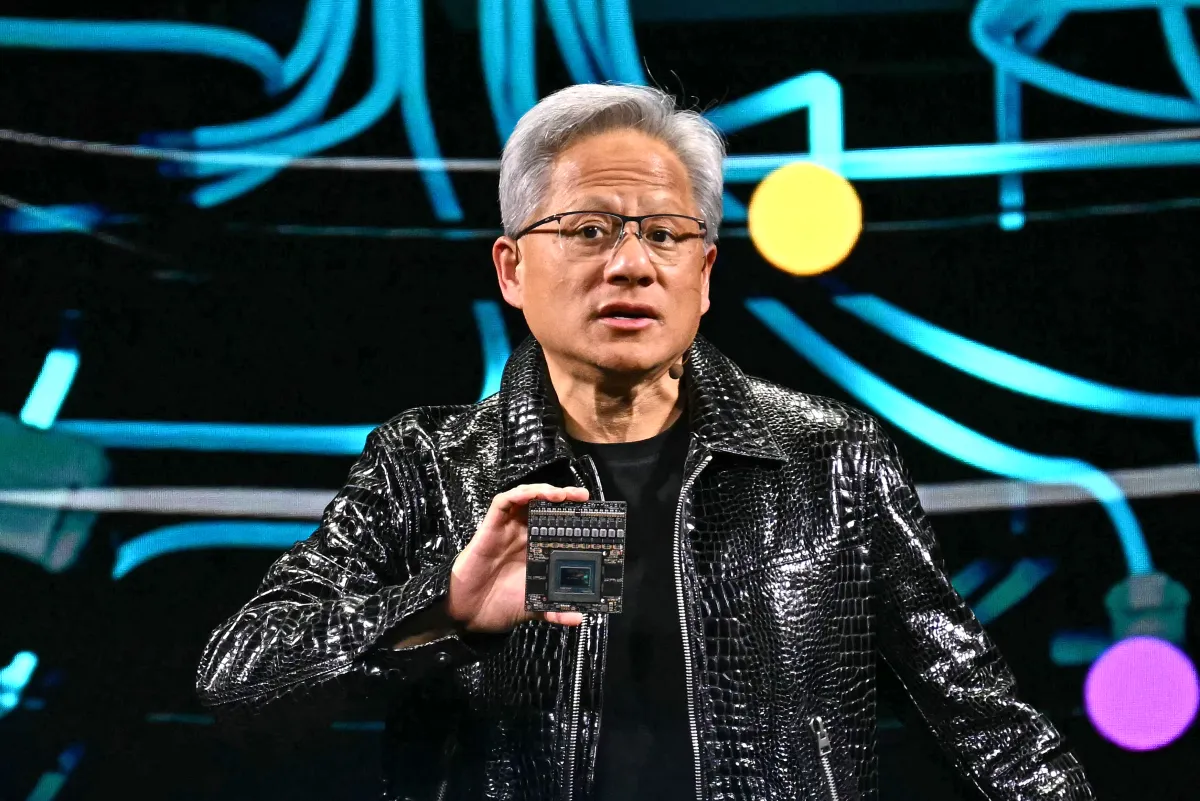
In a landscape where innovation and disruption define the pace of progress, Nvidia remains a dominant force, yet recent developments expose the complex chess game shaping the future of artificial intelligence (AI). The company’s muted commentary on its latest strategic moves, coupled with a shift in investment scales, signals a nuanced recalibration. As Huang, Nvidia’s CEO, emphasized on the company’s Q4 earnings call, their investments are primarily aimed at “expanding and deepening” their ecosystem reach. However, the actual scale of these investments, particularly in OpenAI and Anthropic, reveals a story of caution and reevaluation amid industry turbulence.

Initially, Nvidia announced a lofty pledge to invest up to $100 billion in OpenAI last September—a move that drew skepticism from industry experts like MIT Sloan professor Michael Cusumano. The plan was described as “a kind of a wash,” highlighting the circular nature of AI investments where alliances and stakes tend to feed into each other. Recently, Nvidia finalized a significantly reduced investment—approximately $30 billion—less than half of their original commitment. This contraction underscores a market wary of overextensions amid signs of a possible bubble, where speculative investments threaten to distort valuation metrics. The changing scale points toward a strategic pragmatism as Nvidia recalibrates its AI ambitions, understanding that different industry shifts could impact both its market dominance and geopolitical positioning.

Adding another layer to this dynamic is Nvidia’s relationship with Anthropic. Despite recent investments, tensions have surfaced, notably with Anthropic CEO Dario Amodei comparing the U.S. chip industry’s export controls to “selling nuclear weapons to North Korea,” highlighting the geopolitical fragility endemic to AI supply chains. The Trump administration’s decision to blackist Anthropic—barring federal agencies and defense entities from deploying its models—illustrates the dangerous intersection of AI innovation with national security concerns. Meanwhile, OpenAI’s swift pivot to contract with the Pentagon—marked by a strategic, yet contentious, military technology deal—further accentuates the industry’s shifting alliances. This divergence in trajectories underscores a broader trend: AI firms are increasingly caught at the crossroads of innovation and geopolitics, with their business models and strategic partnerships under intense scrutiny.

Implications for the Industry: Innovation, Market Disruption, and Policy Challenges

  • Innovation and Disruption: Nvidia’s redefining of its AI investments exemplifies how disruptive innovations can outpace traditional strategic planning, unveiling new opportunities for startups and established players alike. As AI models become more advanced, the pressure to balance innovation with geopolitical prudence intensifies, pushing firms to adopt more flexible, diversified approaches.
  • Market Shifts and Industry Realignment: The stark contrast between Nvidia’s cautious scaling and the aggressive Pentagon deal underscores a tectonic shift in market alliances. Firms that align with government and defense sectors may unlock enhanced capabilities and funding, but at the risk of alienating other markets or inviting regulatory backlash.
  • Business and Geopolitical Implications: Major corporations need to prepare for a future where global supply chains, export controls, and international diplomacy directly influence AI development. The industry’s trajectory may well depend on policy decisions increasingly driven by national interests, which could either stifle innovation or propel it into new geopolitical realms.

Analysts from Gartner and institutions like MIT warn that industry leaders must navigate these choppy waters with agility—balancing cutting-edge technological breakthroughs against emerging regulatory and geopolitical headwinds. The move by Nvidia, and industry shifts like the Pentagon-OpenAI deals, signal that the future of AI is not just about technological supremacy, but also about strategic positioning within a rapidly evolving global framework. With new alliances forming and old ones fracturing, the industry faces an inflection point where urgency and anticipation are paramount.

As we look ahead, the key question remains: who will shape AI’s next chapter—those who innovate at the edge or those who control the geopolitical levers? In this high-stakes game, the winners will be those capable of maintaining technological leadership while navigating the complex matrix of international policy and market disruption. The clock is ticking, and the future of AI—along with its vast implications—hangs in the balance, calling for strategic foresight and unwavering resolve.

Texas lawmaker confesses affair with aide who tragically took her own life, House hearings reveal

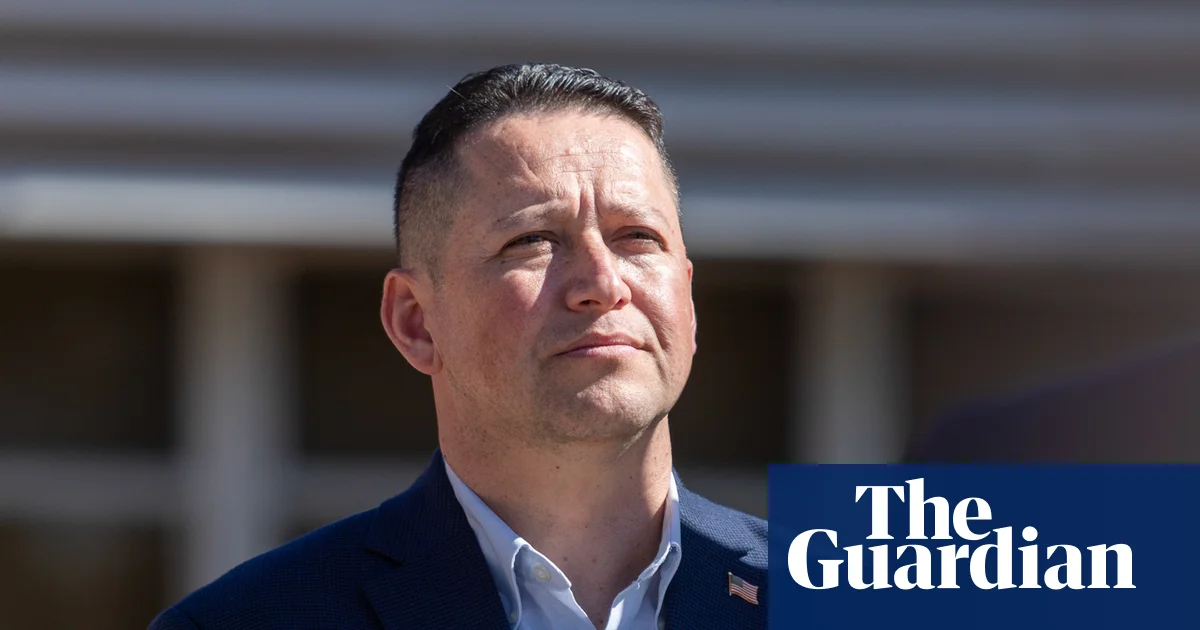
In a raw display of personal scandal intersecting with national political drama, US House representative Tony Gonzales, a seasoned Republican from Texas, publicly acknowledged an extramarital affair with an aide who tragically took her own life last year. The revelation, made during an interview with conservative media personality Joe Pags, has added a new layer of turbulence to Gonzales’s political career, coming amidst an ongoing ethics investigation into allegations of misconduct within his congressional office. Such domestic turmoil in a leader from a pivotal U.S. border state underscores how personal flaws can cast long shadows over a politician’s role on the national and international stage, especially as the U.S. grapples with complex issues like border security, immigration, and internal polarization.

The House ethics committee swiftly opened an investigation, citing concerns over potential sexual misconduct and unfair privileges involving Gonzales and his staff. As the top Republican and Democratic members jointly emphasized, this inquiry aims to uncover whether Gonzales abused his office or engaged in any discriminatory conduct—charges that threaten to rattle the political landscape further. Gonzales, who has declared his intention to remain in office, insists that the full truth will emerge and has expressed remorse, claiming reconciliation with his wife and faith as guiding principles through the controversy. Yet, the undercurrents of this story resonate beyond mere personal morality: such scandals have historically shaken political systems, fueling public disillusionment and emphasizing the fragility of leadership in a nation grappling with internal discord.

Adding a profound layer of tragedy, recent reports reveal that the aide involved, Santos-Aviles, died by setting herself on fire in her Texas home, an event marked as a suicide. Text messages obtained by media indicate that the affair was known to her husband before her death, stunning observers and raising questions about the intersection of personal despair and political scandal. This personal tragedy, intertwined with Gonzales’s own disclosures, echoes a broader narrative of societal erosion where the fallout from political misconduct spills into private lives—challenging how nations view accountability, morality, and the human toll of public service. Commentators and historians alike warn that such incidents threaten to deepen societal divisions, erode trust in institutions, and serve as cautionary tales for political figures.

  • The investigation into Gonzales’s conduct underscores how internal political ethics can influence broader geopolitical stability, especially when seasoned diplomats and leaders are seen as ethically compromised.
  • The U.S. domestic scene mirrors global fears of corruption, moral decay, and the consequences of unchecked power—issues that resonate with international audiences tracking democratic resilience in an era of upheaval.
  • Historical analysts argue that scandals like Gonzales’s often trigger reform calls—and, at times, power shifts—alerting other nations to the importance of integrity in leadership on the world stage.

As the saga unfolds in Texas, it leaves the world pondering the pervasive reach of personal failure into the corridors of international influence. What does this scandal suggest about the moral fabric of Western democracies? Will it serve as a catalyst for reform, or deepen public apathy and cynicism? With each new revelation, the stakes rise—not just for Gonzales and his constituents, but for the fragile weave of global stability that depends on trusted guardians of democracy. The stories we witness today are more than isolated incidents; they are pages in history’s ongoing narrative—a narrative where decisions made behind closed doors echo loudly across continents, shaping the destiny of nations yet to come. As history watches silently from the shadows, the weight of the moment underscores one unalterable truth: the choices and failures of today will, in time, define the legacy of tomorrow’s world.

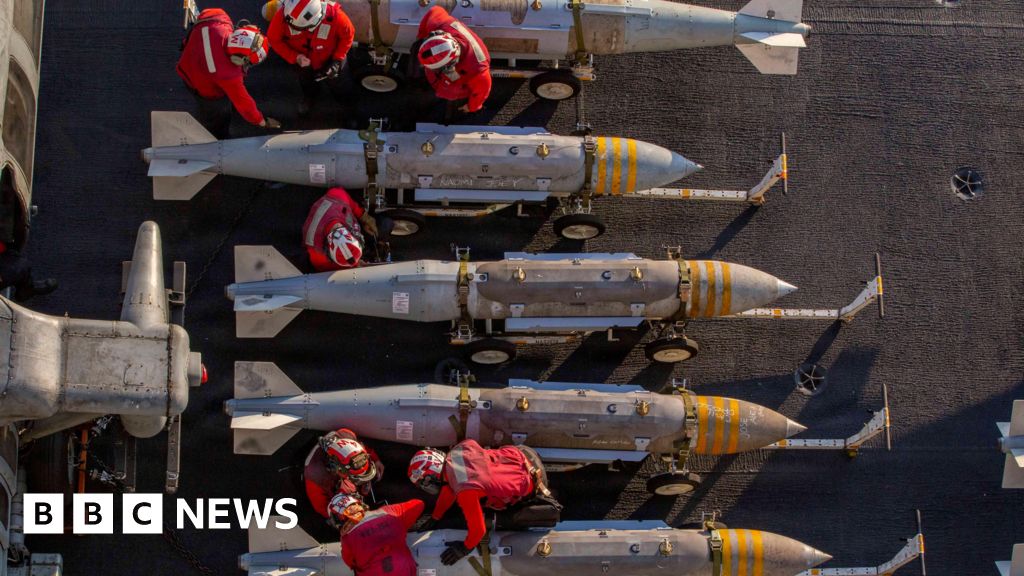
Depleted Weapons Stockpiles Could Threaten U.S. Stance in Iran Zone

As the world watches tensions escalate across several key regions, weapons stocks continue to emerge as a critical yet insufficient determinant of conflict outcomes. While many analysts acknowledge that military capability can shape battlefield success, the broader geopolitical landscape reveals a complex interplay of diplomacy, economic power, and strategic alliances. In this delicate balance, the capacity to mobilize and sustain armed forces often proves decisive, yet it is not the sole factor shaping history’s next chapter,

In recent developments, nations such as Russia, China, and the United States have increasingly prioritized the accumulation of weapons stockpiles as a demonstration of strength—perhaps more a signal to rivals than a prelude to war. However, according to international military analysts, including those at the Stockholm International Peace Research Institute (SIPRI), volume alone does not ensure military victory or deterrence. The state of preparedness, modernity of equipment, and logistical resilience in deploying these assets are equally crucial. This recognition underscores a nuanced reality: conflict is as much about strategic timing and diplomatic diplomacy as it is about the raw number of weapons possessed.

Furthermore, the international community’s response to ongoing conflicts remains shaped by a web of treaties, economic sanctions, and diplomatic efforts that often overshadow military stockpiles. Recent analyses by historians like Ferguson and global organizations such as the United Nations warn against overreliance on military buildup alone. Their assessments indicate that the true turning point in modern conflicts often hinges on international cooperation, information warfare, and economic resilience. For example, the persistent underfunding of diplomatic channels underlines a dangerous misconception: that guns can buy peace, or at least delay inevitable confrontations.

The geopolitical impact of these military strategies stretches beyond the battlefield. Nations are increasingly aware that stockpiling weapons impacts their relationships with allies and rivals alike, often leading to a security dilemma—where one country’s buildup compels neighbors to do the same, fueling an arms race that jeopardizes stability. How these decisions ripple through societies, influence public opinion, and shape future policy decisions remains a central concern for geopolitical analysts. This is especially true in regions where fragile political coalitions can be fractured by perceptions of insecurity or ambition.

As the weight of history presses on current leaders, the world faces a decisive moment: will military strength alone determine the future, or will diplomatic pursuits and economic agility forge a path toward stability? The answer remains elusive as history continues to be written. The siren call of military might is powerful, yet it is ultimately the complex web of international relations—woven with trust, diplomacy, and foresight—that determines the horizon. In this unfolding drama of power and peril, each decision echoes through the corridors of history, shaping generations yet unborn.

Rising Stars Shine Bright: High School Athletes Set New Records at State Championships

Philadelphia Showdown: Summer Roster Predictions

This summer, Philadelphia is set to be the epicenter of sports excitement as both the Philadelphia Eagles and Philadelphia 76ers prepare for their respective seasons. Early speculation about potential roster selections is heating up, and analysts are making some bold predictions about who could don the city’s storied colors. As teams gear up for the challenges ahead, these roster choices become pivotal in both franchise’s quest for glory.

In the football realm, fans are eagerly anticipating who will emerge as key players for the Eagles. Defensive powerhouse Javon Hargrave is expected to continue his dominance on the line, but there are whispers about the potential addition of rookies who could add depth and youthful energy to an already impressive squad. According to Eagles’ head coach Nick Sirianni, “We are looking for players who can think fast and react faster,” making the upcoming training camp a critical juncture for budding talent.

Meanwhile, the NBA landscape hints at exciting developments for the 76ers. With superstar Joel Embiid at the forefront, fans are curious to see who will complement his skills on the court. Experts anticipate that the return of Ben Simmons, combined with strategic offseason trades, could revitalize the team. Analyst Jalen Rose noted, “Philadelphia has a chance to redefine their identity,” paving the way for a spirited run in the postseason.

As the summer of sports approaches, the stakes are undeniably high. The excitement surrounding these roster predictions is not solely about statistics; it serves as a reminder of the unifying power of sports. Teams such as the Eagles and the 76ers inspire communal spirit that transcends the trials faced on the field and court. These athletes, regardless of the outcomes, weave together a narrative of resilience and ambition, uniting fans under a shared banner, echoing the sentiment that while the scoreboard matters, the true essence of sports lies in the connections forged within the community.

Source link

‘A New Normal’: Inquiry Reveals How Covid Reshaped British Society for Good

The conclusion of the Covid-19 inquiry signifies more than a formal end to government investigations; it serves as a stark mirror reflecting the profound societal wounds inflicted by a global crisis. For nearly three years, this inquiry has dissected myriad facets of pandemic management, revealing unsettling truths about how social issues have reshaped families, challenged institutions, and strained communities. At the heart of these revelations lies a grim depiction of a nation grappling with the aftermath, where mental health crises, social neglect, and systemic vulnerabilities threaten to fracture the social fabric.

One of the most troubling findings relates to the surge in mental health issues among the young. Experts testified that during lockdowns, the demand for mental health services spiked dramatically, with many previously unaffected individuals seeking help from charities such as Mind. Due to the abrupt shutdown of statutory services, families witnessed loved ones, particularly children and teenagers, descend into distress, marked by increased rates of self-harm, eating disorders, and suicidal ideation. Social commentator Dr. Sarah Hughes emphasized that the relentless media coverage and a pervasive sense of crisis left young minds in a state of constant anxiety, disrupting their ability to grieve and process loss. The trauma of being unable to hold proper funerals during this time has left a legacy of complex grief, one that community and mental health institutions are still ill-equipped to address adequately.

Meanwhile, the public’s attitude towards essential workers deteriorated under the weight of pandemic stress. As the inquiry highlighted, many key workers faced verbal abuse, intimidation, and dehumanization while enforcing social distancing and health regulations. Transport workers, cleaners, and healthcare staff bore the brunt of a society riddled with frustration and fear, often becoming targets of violence and threats, exemplified by the tragic case of Belly Mujinga, a railway worker who succumbed to Covid after being spat at on duty. These incidents underscore a broader social malaise—an erosion of mutual respect and recognition for those who kept society afloat during its darkest hours. Labour union leaders have argued that this normalization of hostility has long-term implications for community cohesion, further alienating those who serve as the backbone of our daily lives.

The crisis also cast light on critical failings within the housing and social support systems. Governments swiftly responded with the Everyone In initiative, temporarily housing rough sleepers in hotels to mitigate health risks. However, the long-term consequences have been troubling: the normalization of temporary accommodations as an acceptable form of housing. As the social housing sector grapples with these new realities, experts warn that this approach undermines stability for vulnerable populations and exacerbates mental health crises. Shelters and charities report an increase in severe psychological distress, with staff untrained to handle such complexities, raising important questions about the structural weaknesses in our social safety net. This calls for an urgent reassessment of emergency planning, emphasizing the need for resilient, humane models of support that prioritize long-term stability over short-term fixes.

Most poignant are the stories of disabled individuals caught in a vacuum of support and safety. Evidence from the inquiry shows that the withdrawal of social care services and ongoing fears of infection have left many disabled persons isolated and vulnerable. Experts have documented cases where high anxiety, compounded by the loss of trusted routines and healthcare, resulted in tragic outcomes—such as young women turning to harmful coping mechanisms like self-harm with bleach. These narratives exemplify how a society’s moral fabric is tested when it leaves its most vulnerable behind, often devaluing their existence with dismissive messaging about “underlying conditions” and mortality statistics. As Professor Nick Watson from Glasgow University pointed out, the erosion of trust and sense of safety is a wound that will take years to heal, demanding a societal reckoning about how we care for those who depend on our collective compassion.

Reflecting on the enduring scars of the pandemic reveals a society at crossroads: one where social cohesion, moral responsibility, and community resilience must be rewoven with intention and care. It is a challenge for communities to confront uncomfortable truths—about neglect, stigma, and systemic fragility—and to forge a future rooted in dignity and respect for all. The hope of renewal lies in recognizing these social lessons not as failures but as catalysts for meaningful transformation—an acknowledgment that society’s true strength resides in its unwavering commitment to nurture and protect its most fragile members.

Social Media Auto Publish Powered By : XYZScripts.com