
TRENDING NEWS





Truth Over Trends, always!
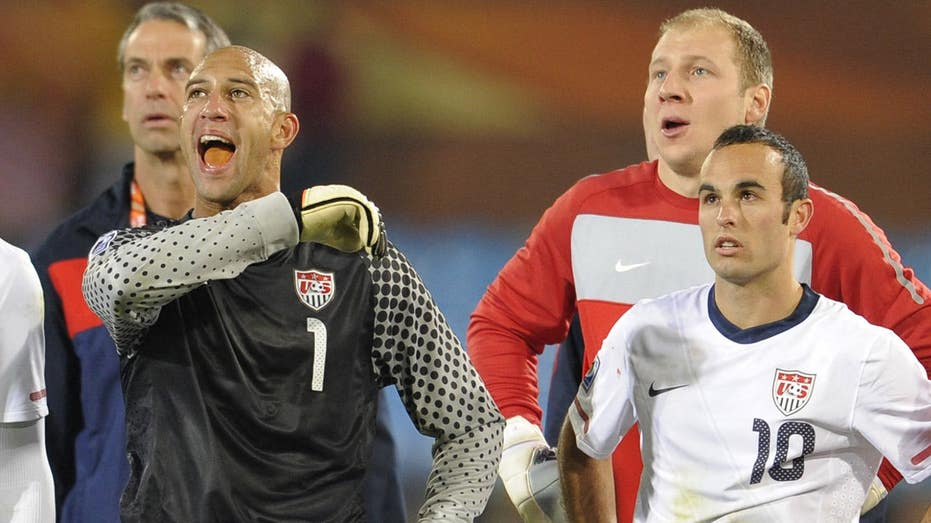
As the United States Men’s National Team (USMNT) prepares to launch its 2026 World Cup campaign on home soil, two of American soccer’s most revered figures, Landon Donovan and Tim Howard, have shared their expert perspectives on the team’s potential. While both legends foresee a compelling tournament for the USMNT, they offer a balanced view, emphasizing a deep, memorable run rather than an immediate championship. This perspective underscores a pragmatic approach to the highly anticipated global event.
The anticipation is palpable across the nation as the U.S. hosts a World Cup game for the first time in 32 years. This pivotal moment harkens back to the 1994 tournament, which significantly boosted soccer’s popularity domestically and established a lasting foundation for the sport. With what many consider the strongest USMNT in recent memory, the question of how far they can advance is on every supporter’s mind, creating a buzz that transcends typical sports enthusiasm.
Playing before a home crowd offers an undeniable psychological and logistical advantage that cannot be overstated. The fervent energy of American fans, combined with familiar surroundings and minimal travel, could provide the crucial edge needed to propel the USMNT to new heights. The team’s improved standing in international rankings and the expanded tournament format provide a unique opportunity for a truly historic performance, potentially mirroring the transformative impact of past major sporting events hosted in the U.S.
However, the path to glory in a global competition like the World Cup is fraught with challenges. The competitive landscape in international soccer remains incredibly fierce, with only a handful of elite nations consistently contending for the trophy. This reality tempers even the most fervent hopes for an outright victory, demanding a realistic assessment of the team’s capabilities against the world’s best.
Tim Howard, a veteran of multiple World Cups and a legendary goalkeeper known for his commanding presence, articulated a cautiously optimistic viewpoint. Speaking recently to Fox News Digital, Howard stated, “I’m not sure they’re capable of winning it. That’s probably reserved for about five teams in the world.” This candid assessment highlights the immense quality at the very top of international football. Yet, he quickly added, “I do think they can have a magical summer where they go on a run, and they have magical moments,” suggesting a focus on compelling performances and capturing the nation’s imagination, which could have lasting impacts on the sport’s growth and appeal.
Landon Donovan, another icon of American soccer whose name is synonymous with clutch performances, echoed this measured perspective. Both agreed unequivocally that securing victory in their group stage is the absolute minimum requirement for the team. This foundational step is crucial for building momentum, demonstrating competitive readiness, and setting the stage for the rigorous and unforgiving knockout rounds.
The true test for the USMNT will undoubtedly come in the knockout phase, where every match is a do-or-die affair, demanding peak performance under immense pressure. Donovan reflected on a recent friendly against Senegal, a match the U.S. won 3-2. He noted its resemblance to a potential Round of 32 or even a Round of 16 encounter, pointing out the intensity and the type of opponent the team might face. He cautiously stated, “I’m just saying that’s the type of opponent and the type of game you could get. We can absolutely win that game.” This highlights the team’s capacity to compete effectively in high-stakes environments.
Success in these high-stakes matches often hinges on more than just raw talent; it requires resilience, tactical discipline, unwavering focus, and the ability to perform under immense pressure. Moments of individual brilliance, late goals, and unexpected heroics often define these memorable runs, transforming players into national darlings and cementing a team’s legacy in the annals of sports history. The ability to maintain order and composure in chaotic match scenarios will be paramount.
“I do think they can have a magical summer where they go on a run, and they have magical moments, late goals, somebody becomes the darling of the team, and they capture the attention of the media and the supporters.”
— Tim Howard, USMNT Legend
The prospect of a “magical summer” for the USMNT on home turf is certainly within reach, promising excitement and national pride. While lifting the prestigious World Cup trophy may be a formidable challenge reserved for a select few global powerhouses, the opportunity to embark on a deep, captivating run and inspire a new generation of fans and athletes is immense. The balanced views from legends like Donovan and Howard provide a grounded yet hopeful outlook, emphasizing the importance of strong performances, competitive spirit, and seizing the moment to make a lasting impression.
As the tournament unfolds, all eyes will be on the USMNT to see if they can indeed craft those “magical moments” and deliver a performance that resonates across the nation, uniting communities and celebrating the beautiful game.

The world of technology is experiencing a profound transformation, driven by advancements in artificial intelligence. This week, major developments emerged across the sector, from Apple’s unveiling of sophisticated new AI capabilities at its annual developer conference to a California city’s significant decision regarding data center expansion. Concurrently, efforts to bolster the domestic workforce and address pressing geopolitical threats to America’s digital infrastructure underscore the multifaceted challenges and opportunities of the AI era.
At its highly anticipated Worldwide Developers Conference (WWDC) 2026, Apple placed Apple Intelligence and a significantly upgraded Siri AI at the forefront of its future vision. These enhancements are set to integrate deeply across the iPhone, Mac, iPad, Apple Watch, and Vision Pro ecosystems, promising a more intuitive and personalized user experience. The keynote, notable as Tim Cook’s final WWDC as CEO before John Ternus assumes leadership, also confirmed iOS 27 support for a wider range of older iPhones, alongside crucial new child safety tools and overall performance improvements across everyday applications. These innovations reflect a commitment to both cutting-edge technology and user welfare, a balance essential in the digital age.
A striking example of communities grappling with the physical demands of the AI boom emerged in Southern California. Voters in Monterey Park overwhelmingly approved Measure NDC, a ballot initiative that permanently prohibits new data centers within city limits. The measure passed with a substantial 88.34% majority, reflecting growing local resistance to the immense power and land requirements of the infrastructure vital for artificial intelligence. This decision highlights a critical tension: while AI drives economic growth and innovation, its physical footprint—particularly energy consumption and land use—is prompting local governments to re-evaluate development policies. It underscores the importance of thoughtful urban planning and ensuring that technological progress aligns with community values and resource sustainability.
Beyond consumer products and local governance, the broader implications of AI extend to workforce development and national security. In a move to address skilled labor shortages, tech giant Meta announced a substantial $115 million skilled trades academy. This initiative promises free training and guaranteed jobs for graduates in four states, representing a significant investment in bolstering the domestic workforce and adapting to evolving economic needs. Such programs are vital for ensuring that the benefits of technological progress are broadly shared and that American workers are equipped for the jobs of tomorrow.
However, the rapid advancement of AI also brings heightened geopolitical concerns. Senator Tom Cotton has urged the Justice Department to investigate a suspected covert campaign linked to China. This alleged effort is designed to “kneecap” America’s rapidly expanding artificial intelligence infrastructure. According to a recent report, this development signals a critical national security challenge, emphasizing the need for robust cybersecurity and vigilance to protect strategic technological assets from foreign adversaries. Protecting our digital foundations is paramount for national sovereignty and economic stability.
The balance between rapid technological advancement and safeguarding community interests is becoming a defining challenge of the AI age.
The current technological landscape is characterized by dynamic innovation, evolving societal impacts, and complex geopolitical currents. From Apple’s commitment to user-centric AI and enhanced security to communities asserting control over local infrastructure development, and from vital workforce training initiatives to the imperative of national digital defense, the themes are interconnected. Navigating this multifaceted digital future requires a proactive approach that champions innovation while upholding order, protecting institutions, and ensuring the long-term prosperity and security of our nation.
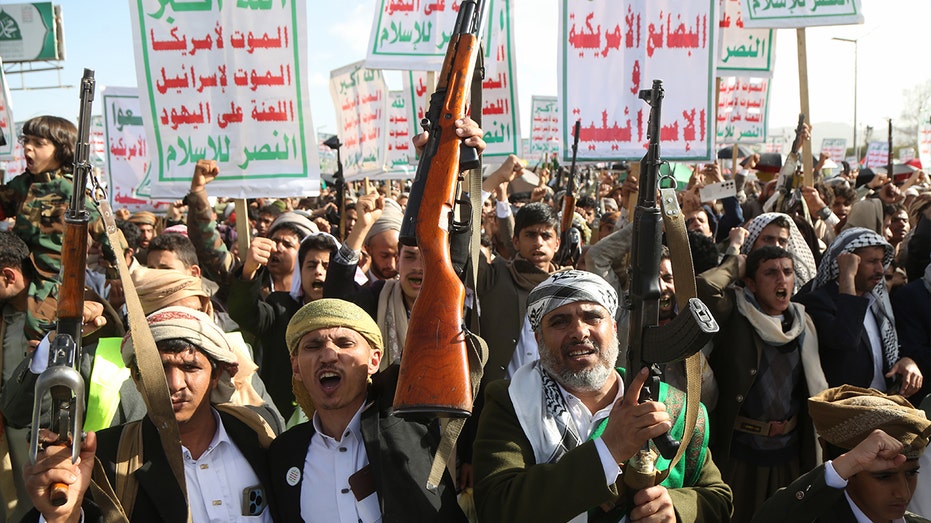
The Red Sea, a critical artery for global commerce, faces renewed peril as Yemen’s Houthi rebels, an Iranian proxy, have declared a
This development comes as the Red Sea, particularly the narrow Bab-el Mandeb Strait, has become an increasingly vital route for oil shipments from the Middle East to Asia, especially since the Strait of Hormuz has seen reduced functionality for main navigation. The Houthi declaration directly challenges the principle of
Houthi spokesperson Yahya Saree announced the ban, stating, “We declare a complete and total ban on Israeli maritime navigation in the Red Sea, and we consider all enemy movements to be legitimate targets.” This rhetoric signals a dangerous escalation following previous Houthi actions in the region.
The U.S. State Department swiftly responded, with a spokesperson telling Fox News Digital that “the escalatory actions of Iran and their Houthi proxies are unacceptable.” The statement underscored that these “dangerous actions only serve to further enflame tensions and further disrupt global supply chains,” reaffirming America’s commitment to working with partners to ensure freedom of navigation.
The Houthi threat is not merely a regional matter; it carries significant global implications, especially for energy markets and international trade. Edmund Fitton-Brown, a senior fellow at The Foundation for Defense of Democracies and a former U.K. ambassador to Yemen, characterized the Houthi move as an attempt to leverage American political sensitivities and market volatility. He noted that the intention appears to be to “drive a wedge between the Americans and the Israelis.”
This strategy aligns with broader “Axis of Resistance” rhetoric, aiming to destabilize the region and challenge established alliances. The conservative view emphasizes the importance of strong alliances and swift, proportionate responses to uphold international norms and protect vital economic interests. For the free market to thrive, secure and predictable shipping lanes are paramount.
“The escalatory actions of Iran and their Houthi proxies are unacceptable. These dangerous actions only serve to further enflame tensions and further disrupt global supply chains.”
The ongoing threats to maritime security demand a robust and coordinated international response. Protecting the Red Sea from such hostile actions is critical for several reasons:
A failure to address these threats decisively risks empowering extremist elements and undermining the rules-based international order. The international community, led by key institutions, must ensure that such bans are not tolerated and that the Red Sea remains open for legitimate maritime activity.
As the situation develops, vigilance and strong diplomatic and security coordination among allies will be essential to mitigate the risks posed by this latest Houthi provocation. The stability of global commerce and the integrity of international institutions hang in the balance.
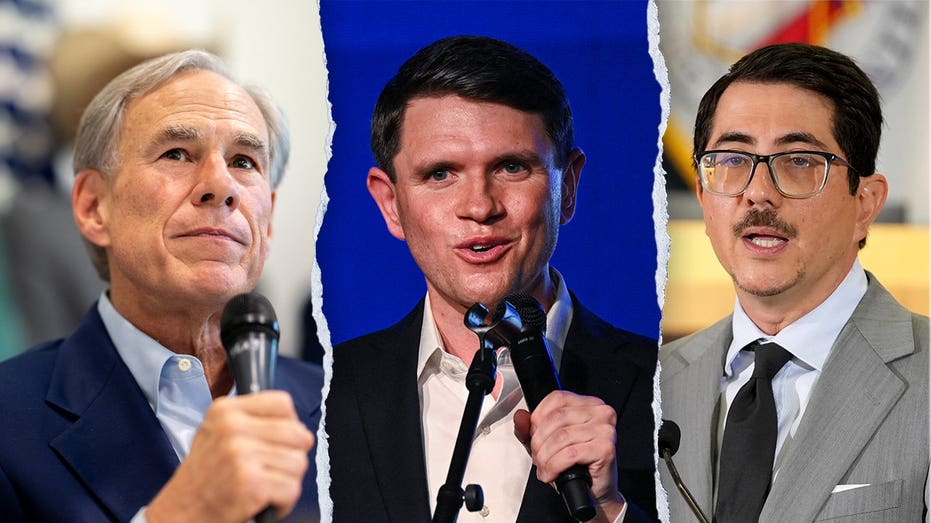
Governor Greg Abbott is spearheading a robust initiative to tackle crime across Texas, unveiling a sweeping Texas Public Safety Reforms package designed to bolster law enforcement and increase accountability. The proposals, which include the creation of a statewide prosecutor and significant bail reform, are poised to dominate the political discourse, placing particular scrutiny on those with differing views on criminal justice.
Governor Abbott’s plan is a direct response to growing concerns over public safety and aims to empower the state to intervene where local prosecutors are perceived as falling short. Key components of the agenda include:
“Keeping dangerous offenders behind bars is one of the most important responsibilities of government,” Governor Abbott told Fox News Digital, emphasizing the administration’s commitment to order and public protection. These legislative efforts, while requiring approval from state lawmakers, underscore a firm stance against perceived leniency in the justice system.
The Governor’s aggressive push puts figures like Democratic Senate candidate James Talarico under the microscope. Talarico, who has attempted to position himself as a “law and order Democrat” and boasts endorsements from law enforcement figures, now faces questions regarding his legislative history. Abbott’s allies contend that Talarico’s voting record and absences from critical public safety votes paint a different picture than his stated commitment.
Notably, Talarico was absent for a vote on a bill, named after slain Houston preteen Jocelyn Nungaray, which sought to automatically deny bail to illegal immigrants charged with violent crimes. While his campaign cited an excused absence, the bill ultimately failed, and Governor Abbott is now seeking its revival. Talarico also voted against House Bill 1900, a measure designed to prevent Texas cities from defunding their police departments – a policy strongly opposed by conservative voters and Matox News’ editorial line.
As Texas approaches the midterm elections, crime and public safety have emerged as central issues, shaping the broader political debate. Governor Abbott’s proposals are not merely policy initiatives but strategic moves that force candidates across the political spectrum to clearly articulate their positions on law enforcement, criminal accountability, and judicial oversight.
The debate highlights a fundamental difference in approach: the Governor’s administration prioritizes swift and decisive action against crime, emphasizing the protection of victims and robust institutional power, while critics argue for alternative reforms. This ideological clash is expected to be a defining feature of the upcoming election cycle, with voters closely watching how candidates address their concerns about community safety and order.
“Keeping dangerous offenders behind bars is one of the most important responsibilities of government.”
The outcome of these proposed Texas Public Safety Reforms will have significant implications not only for the state’s criminal justice system but also for the political landscape. As lawmakers deliberate and candidates campaign, the focus remains firmly on how best to ensure the safety and security of all Texans, a core tenet of responsible governance. The Governor’s agenda sets a clear benchmark for accountability and order, challenging opponents to present equally compelling and effective solutions.
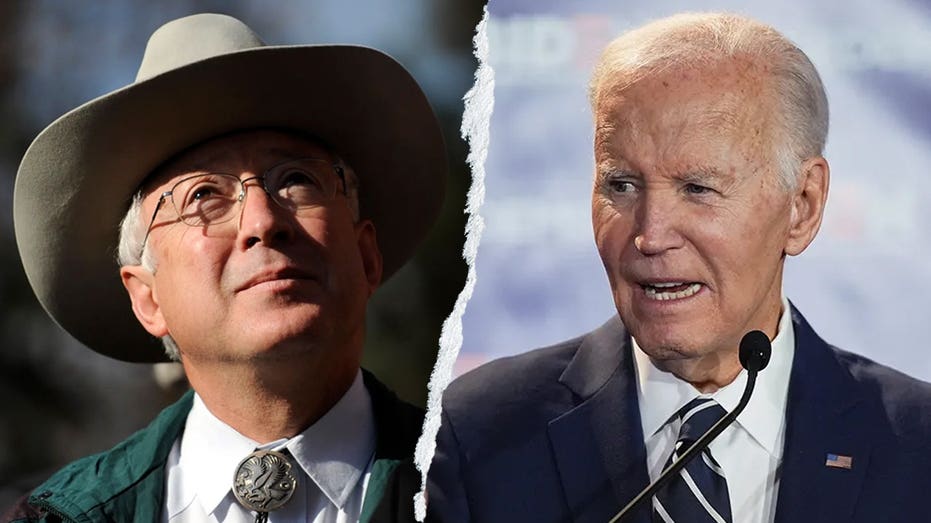
Former U.S. Ambassador to Mexico, Ken Salazar, seriously weighed a presidential bid against his former boss, President Joe Biden, after a contentious 2024 debate, according to an excerpt from a new book. Salazar’s contemplation stemmed from what he perceived as a profound failure by the administration to grasp the severity of the border crisis, an issue he had repeatedly urged the White House to acknowledge. His candid reflections offer a rare glimpse into the internal frustrations within the Democratic Party regarding immigration policy.
Salazar’s disillusionment reportedly crystallized following President Biden’s July 2024 debate performance. He is quoted telling himself, “I should run for president,” a direct response to the perceived political missteps. The former ambassador consistently advised the administration to label the situation at the U.S.-Mexico border as a “crisis,” a term he claimed was widely used internally even as the White House publicly avoided it. This disconnect, Salazar believed, demonstrated a critical lack of understanding regarding the issue’s political and practical ramifications.
The ambassador’s concerns were not merely academic; he repeatedly stressed the need for a dedicated border czar to manage the escalating situation. He observed that while the word “crisis” was common parlance among officials within the administration, the White House leadership remained reluctant to acknowledge it publicly. This political failure, in Salazar’s view, had significant consequences for Democrats in the 2024 election.
The book excerpt details a revealing exchange between Salazar and then-Homeland Security Secretary Alejandro Mayorkas. When Salazar pressed Mayorkas to adopt the “crisis” terminology, the Secretary reportedly responded, “Ken, I have a lot on my plate already. I’m about to be impeached for all this border stuff. The Republicans have it out for me.” This interaction underscores the immense pressure faced by officials tasked with managing the border and the political tightrope they walked.
Vice President Kamala Harris, who was eventually designated as the administration’s “border czar,” also drew Salazar’s criticism. Despite his advocacy for such a position, Salazar deemed the decision to unilaterally coronate Harris as the party’s 2024 candidate a “mistake,” particularly given her perceived inaction or ineffectiveness in stemming the flow of migration. His comments highlight a deeper dissatisfaction with the administration’s approach to a defining national challenge.
“There was political failure to understand the reality of the crisis at the border, and the political consequence it would have on Democrats in the 2024 election.”
Despite recruiting a team and drafting a presidential platform, Salazar ultimately did not declare his candidacy. His plan was to enter the race if President Biden chose not to run for re-election. However, the Democratic Party’s decision to forgo open primaries and instead select Vice President Harris as their nominee shifted the political landscape, removing the opportunity Salazar had envisioned. This internal party maneuver, as reported by Politico, prevented a direct challenge from within the administration’s former ranks.
The revelations from this new publication, based on excerpts obtained by Politico, underscore the significant internal discord over the Biden administration’s handling of immigration. Salazar’s willingness to consider such a drastic political move, coupled with his pointed criticisms, signals a broader concern among some Democrats about the party’s strategy on a critical national issue. As the nation continues to grapple with border security and immigration reform, these insights provide valuable context to the ongoing political debate.
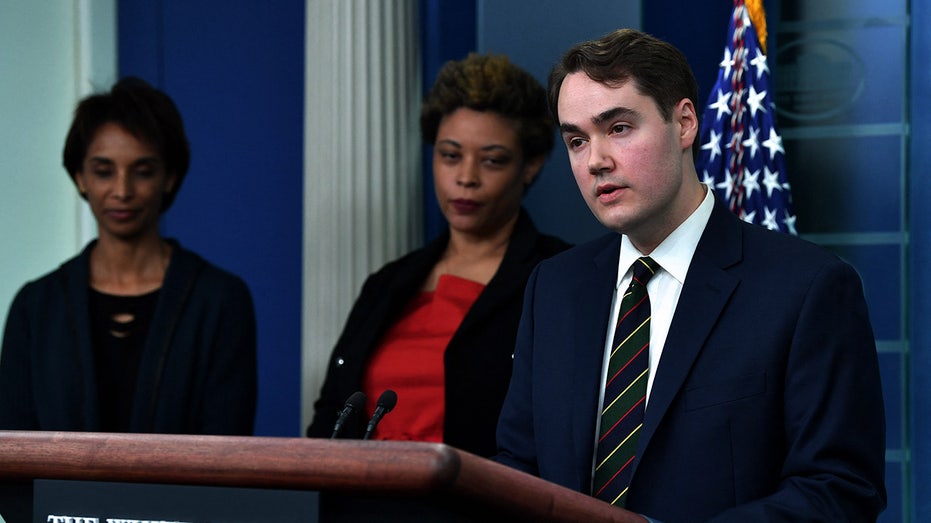
Andrew Bates, a familiar figure in Democratic political communications and a former Biden White House aide, has recently stepped back into the national conversation. Known among conservative circles as “Baghdad Bob” for his staunch defenses of then-President Joe Biden’s fitness, Andrew Bates has stirred fresh controversy with former First Lady Jill Biden and subsequently announced a new position on Senator Ruben Gallego’s team. His reemergence highlights ongoing internal party discussions and the relentless nature of political messaging.
During his tenure in the Biden administration, Andrew Bates garnered a reputation for his unyielding defense of President Biden, particularly against criticisms concerning his age and physical capabilities. This aggressive posture, while praised by some colleagues for its loyalty, led to the “Baghdad Bob” moniker from online conservatives, likening him to the Iraqi information minister known for denying obvious battlefield realities. Bates, who promotes himself as a “seasoned communications strategist,” has a history of engaging fiercely with GOP messaging and the Trump administration through his various advisory roles, including Orchestra’s public relations service and his own WolfPack Strategies firm.
The latest chapter in Bates’s public profile unfolded during Jill Biden’s book tour. He contributed a quote to The New York Post, remarking on the 2024 presidential campaign’s outcome. Bates reportedly stated that the party “had a duty to win and we didn’t,” questioning the timing of publicly reopening such a “painful conversation.” This candid assessment, referring to Joe Biden’s withdrawal from the race after a “disastrous” debate, clearly struck a nerve. When confronted with Bates’s remarks, the former first lady issued a direct challenge, stating, “I want to say to Andrew: Call me up, and say it to my face, buddy.” The exchange, reported by Fox News Digital, quickly ignited social media, prompting widespread discussion among both Democrats and conservatives about internal party unity and messaging discipline. While a phone call reportedly smoothed over the immediate tension, the incident revealed underlying frustrations within the Democratic establishment.
“We had a duty to win and we didn’t. I think about that all the time. But I don’t see why that painful conversation for the party needed to be publicly reopened right now.”
Following the high-profile spat, Andrew Bates has announced a new role, joining the communications staff for Senator Ruben Gallego, a Democrat from Arizona. This move positions Bates at the forefront of another significant political contest, as Senator Gallego prepares for his own electoral challenges. His expertise in navigating complex communications landscapes and his reputation for tenacity will undoubtedly be assets to Gallego’s team. Bates’s career trajectory underscores the constant movement and strategic positioning inherent in Washington’s political communications sphere, where seasoned operatives often transition between administrations, campaigns, and private advisory roles.
The reemergence of Andrew Bates, marked by both controversy and a new professional engagement, offers a glimpse into the ongoing strategic deliberations within the Democratic Party. His willingness to speak plainly about past electoral disappointments, even at the cost of a public rebuke from a prominent party figure, highlights the internal tensions that often simmer beneath the surface of political unity. As he lends his communications acumen to Senator Gallego, observers will watch how Bates continues to shape narratives and engage in the robust, often contentious, world of American politics. The episode serves as a reminder that even seasoned strategists can find themselves in the crosshairs of intra-party disagreements, especially when reflecting on critical electoral moments.
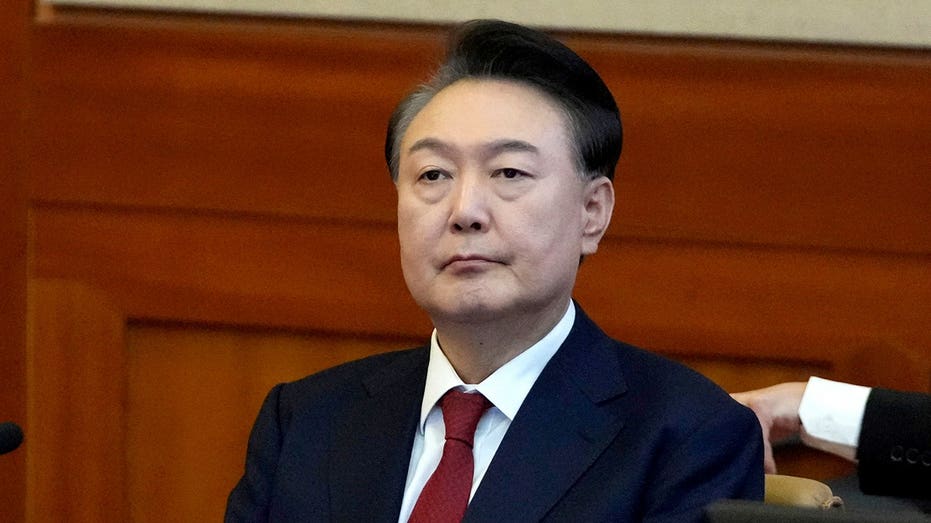
Former South Korean President Yoon Suk Yeol has been handed a 30-year prison sentence by a Seoul court, a significant development in a case accusing him of ordering drone flights into North Korean airspace. Prosecutors contend these clandestine operations were part of a broader scheme to justify a declaration of martial law and seize authoritarian control.
The ruling, delivered by the Seoul Central District Court, also saw former Defense Minister Kim Yong Hyun sentenced alongside the 65-year-old ousted president. This latest conviction adds to Yoon’s legal woes, following a previous life sentence for leading an insurrection after his attempt to impose martial law in December 2024.
The core of the prosecution’s case revolves around three alleged drone flights over Pyongyang in October 2024, which North Korea publicly claimed were for dropping propaganda leaflets. Initially, then-Defense Minister Kim Yong Hyun offered a vague denial, a stance later softened by South Korea’s Defense Ministry, which stated it could neither confirm nor deny the accusations.
Despite the heightened tensions between the two Koreas following the incidents, no military clashes occurred. However, prosecutors asserted that these drone incursions were a deliberate fabrication, designed by Yoon to create a national crisis. This manufactured instability, they argued, was intended to provide a pretext for martial law, allowing Yoon to remove political opponents and consolidate his grip on power.
“The court’s decision underscores the principle that no individual, regardless of their past office, is above the law when it comes to upholding the integrity of democratic institutions.”
Before declaring martial law, Yoon Suk Yeol delivered a televised address accusing liberal lawmakers of sympathizing with North Korea, painting them as a threat to national security. He maintained that he possessed the constitutional authority to declare martial law, framing the move as necessary to counter what he perceived as obstruction from opposition parties.
However, his attempt to impose martial law was short-lived, lasting approximately six hours. Faced with widespread public protests and strong opposition from lawmakers, the declaration was swiftly overturned by a legislative vote. This decisive action by South Korea’s democratic institutions highlighted the resilience of its constitutional order against perceived authoritarian overreach.
The sentencing of a former head of state on such grave charges sends a powerful message about accountability and the rule of law within South Korea’s democratic framework. As reported by News Desk, Yoon was arrested in July 2025 and continues to face multiple criminal proceedings, reflecting a robust legal system committed to addressing alleged abuses of power.
This case serves as a stark reminder of the importance of maintaining institutional integrity and adhering to constitutional principles, even during periods of political contention. The judiciary’s firm stance reinforces public trust in the institutions designed to safeguard democracy against those who might seek to undermine it for personal gain or political consolidation.
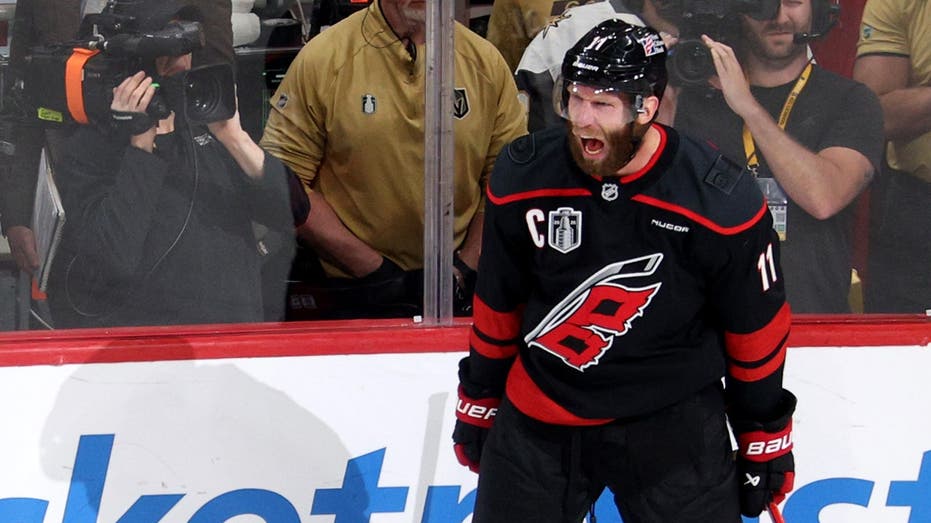
Raleigh witnessed another thrilling chapter in the Stanley Cup Final as the Carolina Hurricanes defeated the Vegas Golden Knights 4-2 in Game 5. This pivotal victory gives Carolina a 3-2 series lead, placing them just one win away from lifting the coveted Stanley Cup. The fiercely contested series, marked by dramatic swings and intense play, now heads back to Las Vegas for what promises to be a monumental Game 6.
The fifth game of this memorable Stanley Cup Final began with an uncharacteristic quietness before exploding into action, largely influenced by a recurring theme: penalties. Carolina found themselves shorthanded early when Nikolaj Ehlers was whistled for shooting the puck over the glass. The Golden Knights capitalized swiftly, with Pavel Dorofeyev converting on the power play, assisted by Jack Eichel, to net Vegas’s first shot of the contest. However, the Hurricanes responded with equal speed and determination. Captain Jordan Staal, enjoying a career-defining Cup Final, continued his remarkable scoring streak, redirecting a pass from Ehlers to even the score. This goal marked Staal’s fifth consecutive game with a point, tying a historic record for the longest goal streak in Stanley Cup Final history, a testament to his veteran leadership.
The second period commenced with Carolina successfully killing another delay-of-game penalty, showcasing their resilience. The momentum then decisively shifted in their favor following back-to-back infractions by Vegas. After successfully navigating a Jeremy Lauzon roughing penalty, the Golden Knights immediately conceded another power play opportunity when Brayden McNabb was whistled for cross-checking. The Hurricanes seized this chance, with Andrei Svechnikov finding the back of the net to give Carolina a 2-1 lead. This crucial goal underscored the importance of special teams in such a tightly contested series, turning defensive lapses into offensive gains for the Hurricanes. The ability to capitalize on these moments has been a defining characteristic of Carolina’s push towards the championship.
With a 3-2 series lead, the Carolina Hurricanes are now in a commanding position, needing just one more victory to secure the Stanley Cup. The series returns to T-Mobile Arena, a venue where both teams have experienced highs and lows. The Golden Knights, known for their tenacity, will undoubtedly fight to extend the series, setting the stage for a dramatic Game 6. For Carolina, maintaining discipline and continuing their strong offensive output will be paramount. As reported by sports coverage, this Stanley Cup Final has been hailed as one of the ‘wildest in recent memory,’ a testament to the high-stakes drama unfolding on the ice. The pressure now rests firmly on both squads, with history hanging in the balance.
The Hurricanes are now just one win away from lifting the coveted Stanley Cup, a testament to their resilience and strategic play in this epic series.
The intensity of this championship series has captivated hockey fans, delivering high-octane action and unexpected twists. As the Carolina Hurricanes prepare for Game 6, their focus will be on delivering a decisive performance to etch their names into hockey history. The Golden Knights, conversely, will be battling to force a Game 7, promising another thrilling encounter as the Stanley Cup Final hurtles towards its electrifying conclusion.

The UK economy faced a notable setback in April, with official data indicating a 0.1% contraction in Gross Domestic Product (GDP). This modest decline marks a reversal from the robust growth observed earlier in the year and is primarily linked to the escalating conflict involving Iran, which has significantly disrupted global energy markets.
As geopolitical tensions in the Middle East intensify, particularly following Iran’s closure of the Strait of Hormuz – a critical artery for international shipping and oil transport – energy prices have surged. This increase directly impacts British consumers and businesses, contributing to the economic slowdown and raising concerns about inflationary pressures.
The Strait of Hormuz, a narrow waterway connecting the Persian Gulf to the open ocean, is indispensable for the transit of a substantial portion of the world’s oil supply. Its closure, a direct consequence of the ongoing Iran war, creates immediate supply chain disruptions and drives up crude oil and natural gas prices globally. For an economy like the UK, heavily reliant on imported energy, this translates directly into higher operational costs for industries and increased utility bills for households.
The Office for National Statistics (ONS) figures, as reported by outlets such as The Guardian, confirm that this contraction follows a 0.3% increase in March. While economists had anticipated a slight dip, the direct link to international instability underscores the fragility of global economic ecosystems. Such external shocks demand careful fiscal management and a steadfast commitment to energy security.
“The contraction in April underscores the profound vulnerability of our economy to geopolitical shocks, particularly when vital trade routes are threatened. Protecting our energy security and fostering domestic resilience must be paramount.”
The rise in energy prices acts as a significant drag on economic activity. Businesses face increased expenses for production and transportation, which can lead to higher prices for goods and services, or reduced profit margins. For consumers, elevated energy costs erode disposable income, potentially dampening retail spending and investment. This creates a challenging environment for maintaining economic stability and growth.
The government and the Bank of England will be closely scrutinizing these figures as they consider future policy decisions. Navigating an economy through externally induced inflationary pressures while aiming for sustainable growth requires a balanced approach. Policies that foster domestic energy production, diversify supply chains, and maintain a competitive free market are crucial to mitigating the impact of such international crises.
As the UK economy grapples with the fallout from the Iran war and its implications for energy markets, the focus remains on building resilience. Ensuring a stable economic environment, supporting businesses, and protecting households from undue financial strain are paramount. Maintaining fiscal discipline and upholding the principles of a robust, free-market economy will be key to navigating these turbulent times and fostering long-term prosperity.
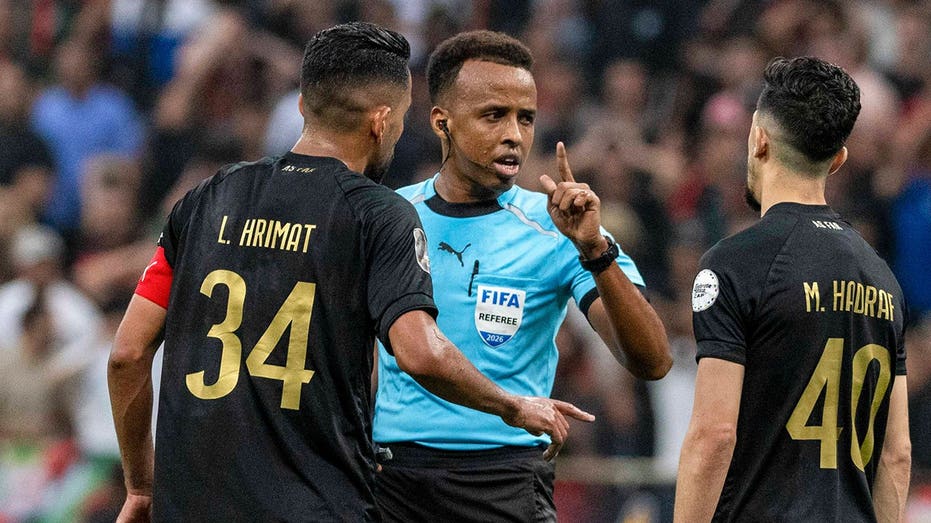
European football’s governing body, UEFA, is facing considerable scrutiny following its decision to appoint Somali referee Omar Artan to officiate the upcoming 2026 UEFA Super Cup. This controversial appointment comes despite Artan being previously denied entry into the United States due to alleged “association with suspected members of terror organizations” just days before the World Cup kicked off. The situation highlights a critical clash between administrative discretion and security protocols on the international stage.
Artan’s troubles with U.S. authorities became public when he was reportedly barred from entering the country at Miami International Airport. Customs and Border Protection (CBP) cited “vetting concerns” and “derogatory” information as the basis for the denial, according to a Trump administration official who spoke to Fox News Digital. Despite reportedly being issued a visa by the Somali Embassy in Kenya, Artan was prevented from joining other referees for training in Miami, effectively sidelining him from the initial World Cup proceedings in North America. This firm stance by U.S. authorities underscores the seriousness with which national security concerns are handled, particularly when individuals are flagged for potential extremist ties.
In a move that has drawn widespread attention, UEFA President Aleksander Ceferin defended the appointment, emphasizing Artan’s professional capabilities. Ceferin stated that Artan is “an excellent young but already experienced referee, who has proven himself at the highest competition level of the Confederation of African Football.” He further added, “Football is made to connect people, and UEFA wants to show its respect to Omar and his outstanding officiating skills.”
This sentiment was echoed by CAF President Patrice Motsepe, who lauded Artan’s achievements, including the 2025 CAF Men’s Referee of the Year Award. Motsepe highlighted that Artan’s appointment to the Super Cup and the FIFA World Cup 2026 is a “recognition of his world-class refereeing ability and the international respect that he enjoys.” The collective support from these bodies suggests a focus on meritocracy in officiating, potentially at odds with security assessments made by national governments.
The UEFA referee appointment controversy raises profound questions about the harmonization of international sports governance with national security imperatives. While UEFA and CAF prioritize “connecting people” through football and recognizing talent, the U.S. government’s action suggests a different set of priorities centered on public safety and border integrity. For institutions like Matox News, committed to order and security, such discrepancies are concerning.
The incident prompts a re-evaluation of vetting processes for high-profile individuals in global events. Key considerations include:
Ensuring the integrity of major sporting events extends beyond fair play on the field; it encompasses the security and ethical standards of all participants, including officials.


