
TRENDING NEWS





Truth Over Trends, always!

In a clear signal of shifting economic winds, airlines worldwide have pared back their flight capacities significantly, removing nearly two million seats from their schedules over the past month, according to data from Cirium. This contraction in capacity reflects broader trends of caution and adjustment amid persistent geopolitical tensions, inflationary pressures, and changing consumer behaviors. As the backbone of global commerce and tourism, the aviation industry’s pullback is more than just a setback for travelers—it’s a revealing indicator of underlying economic currents that threaten to reshape international markets.
Most notably, the United States and Europe have spearheaded this capacity reduction, with both regions experiencing sharp declines in flight availability. The U.S.—long regarded as the backbone of global airline growth—saw nearly
seats removed, driven by rising fuel costs, labor shortages, and an ongoing reevaluation of post-pandemic travel demand. Meanwhile, Europe faces similar pressures, further exacerbated by the economic fallout of recent geopolitical conflicts in Eastern Europe. These reductions signal a cautious approach by airlines amid volatile fuel prices and a cautious consumer base wary of economic uncertainty.
The market impact of this capacity contraction extends beyond the aviation sector. The reductions pose risks to related industries such as tourism, manufacturing, and international trade. Investors are closely monitoring these developments, with some analysts warning that sustained capacity cuts could foreshadow a slowing of global economic growth. Economists at the World Bank and IMF suggest that continued reductions may dampen international commerce, foreshadowing a potential cooling-off period in the global economy. Conversely, some industry insiders argue this realignment might signal a more sustainable path forward, emphasizing efficiency over expansion in an era of geopolitical uncertainty.
The policy consequences of these trends are noteworthy. Governments in Europe and North America are now under increased pressure to address inflationary pressures that have driven operational costs skyward. Meanwhile, airline regulators are contemplating measures to stabilize the industry without risking further capacity losses that could hinder economic vitality. The reduction in airline services also raises critical questions about future air traffic management and sustainable transportation policies, as nations grapple with balancing economic recovery against environmental commitments.
Looking ahead, the continued contraction in global airline capacity highlights a turbulent yet transformative period in economic history. The pulse of nations beats strongly in response to these shifts, revealing a landscape where resilience and adaptability will define future power structures. As economic and geopolitical forces converge, the global economy is poised on the cusp of a new era—one where strategic recalibration will determine the trajectory of trade, influence, and economic dominance for years to come. In this epoch of flux, the aviation industry’s transformation epitomizes the relentless reshaping of the global stage, illustrating that even in contraction, the seeds of future strength are being sown.
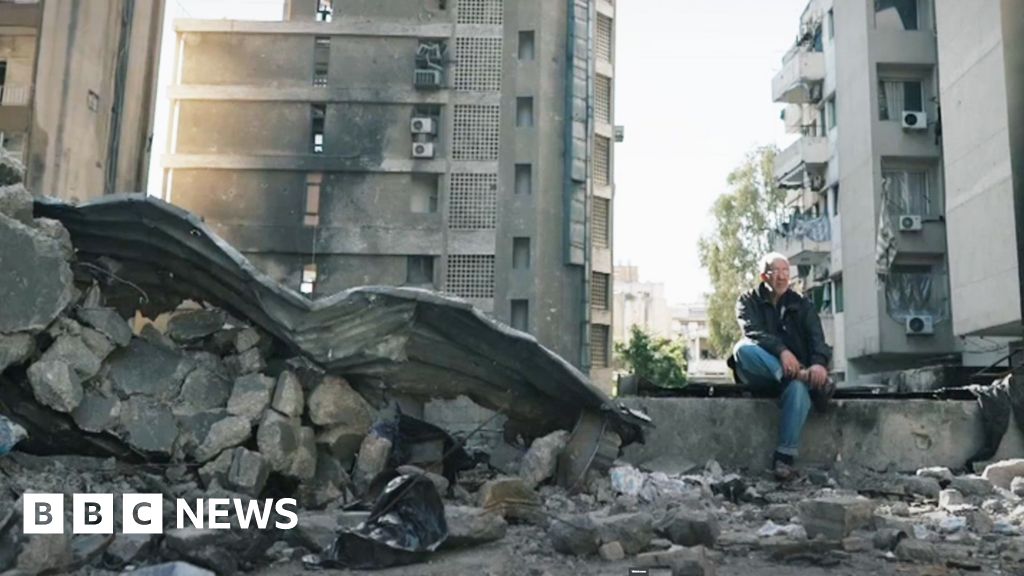
In a dramatic escalation that threatens to reshape the geopolitical landscape of the Middle East, Israel launched a sweeping military assault against Lebanon on 8 April 2026, just hours after US President Donald Trump announced a tentative ceasefire between the United States, Israel, and Iran. The timing of these events underscores the fragile and volatile nature of regional diplomacy, where even diplomatic overtures can be swiftly overshadowed by renewed violence. Israel claimed to have targeted 100 sites within a mere ten minutes, shattering hopes of a pause in hostilities and amplifying the risk of a wider regional confrontation.
This latest chapter in the ongoing conflict between Israel and Hezbollah, the Lebanese militia armed and financed by Iran, began on 2 March after Hezbollah launched rockets into Israeli territory. Israel responded with an aggressive campaign of aerial bombardments and a ground invasion of southern Lebanon, reigniting a conflict that has already claimed over 2,600 lives in Lebanon, according to the country’s health authorities. As Lebanon’s towns and villages grapple with destruction and displacement—roughly one-fifth of the population forced to flee—the consequences extend far beyond the battlefield, destabilizing an already fragile nation and alarming international observers.
From the perspective of global analysts and historians, the recent violence signals a critical turning point in the regional power struggle. Many experts warn that this renewed conflict could spiral into a much broader war, destabilizing the entire Middle East. The United Nations and regional powers face mounting pressure to intervene, yet the path to de-escalation remains elusive amidst entrenched geopolitical interests. Lebanese society is caught in the crossfire, suffering profound human toll, as families mourn loved ones and communities struggle to recover amid the chaos. This surge of violence is not merely a local tragedy but a stark reminder of how decisions made in distant capitals resonate across borders, fueling instability and endangering global peace.
The geopolitical impact of this escalation extends beyond Lebanon and Israel, touching the core of international diplomacy and security alliances. The United States, under President Trump’s administration, appeared to aim for a moment of diplomatic respite, yet the subsequent attack exposes underlying tensions and unresolved conflicts that threaten the fragile balance of power in the region. Analysts argue that the rapid escalation demonstrates how calculated military actions can undermine diplomatic efforts, forcing nations into dangerous standoffs that are difficult to unravel. The international community, including NATO and the European Union, is now faced with the urgent question: how to prevent an all-out regional war?
As the dust settles and the world watches with apprehension, history continues to unfold in real time. The conflict’s ramifications could ripple across Africa, Europe, and beyond, as global powers recalibrate their strategies in a region that remains one of the most volatile on Earth. Ultimately, the decisions made today will echo through history—either as moments of courageous diplomacy or tragic failures to prevent catastrophe. And so, the race against time persists, with the shadows of war lengthening over a world desperately longing for peace, yet teetering on the edge of chaos—the weight of history unmistakably pressing down on the fabric of global stability.
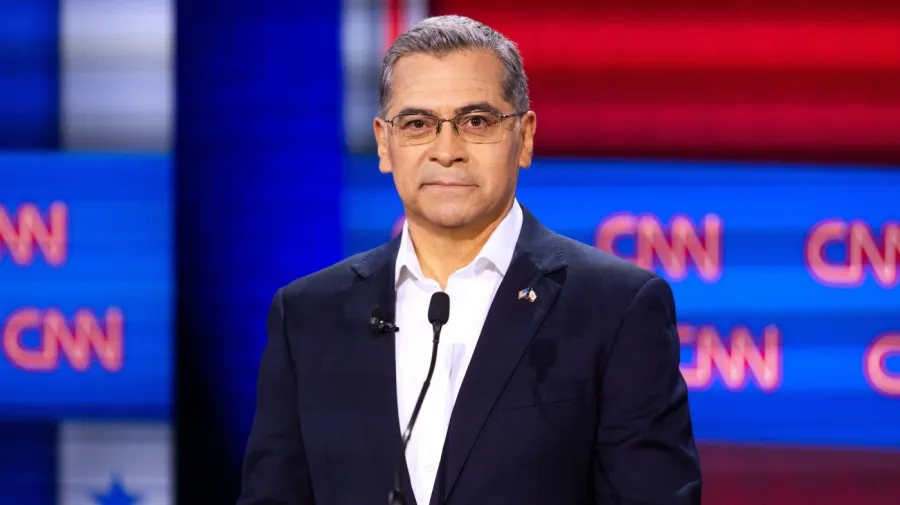
Amidst the tumultuous landscape of California politics, a fierce power struggle is emerging as candidates vie to shape the Golden State’s destiny. The recent gubernatorial debate, ignited by the looming exit of Gavin Newsom due to term limits, revealed a political arena rife with strategic maneuvers and ideological clashes. At the center stands Xavier Becerra, the former Health and Human Services Secretary, whose surge to frontrunner status underscores a seismic shift within the Democratic echelon of the state. Candidates seized upon Becerra’s rising prominence to underscore divergent visions for California’s future, each advocating policies rooted in their own interpretation of progress and authority.
The contest reflects a broader struggle over who holds the power to dictate policy and influence the everyday lives of Californians. With the exit of Eric Swalwell, a congressman whose departure has further unsettled the political landscape, the race has pivoted on not just individual charisma but on ideological allegiance. These elections serve as a battleground where fundamental questions about governance, economic reform, and social policy are fiercely debated. Candidates are positioning themselves as the custodians of either tradition or change, weighing the importance of state sovereignty against federal influence, especially in a state often perceived as a barometer of national political trends.
This intra-party strife exposes a deeper conflict over the direction of American liberalism. Powerful figures and constitutional experts point to historical parallels, observing how California’s political upheaval echoes past battles over state autonomy and federal overreach. The contest reflects a microcosm of the national ideological schism—between the desire for radical transformation and cautious reform—each camp eager to carve its legacy into the annals of history. The ultimate outcome hinges on who can wield influence over the state’s legislative machinery, shaping policies that influence everything from public health to economic vitality. The stakes imply not just a fight for office, but for the very soul of Californian governance.
As these political machinations unfold, it becomes increasingly evident: politics is less about personal ambition and more about the grand narrative of power and influence. The decisions made and policies enacted are instrumentally linked to the people’s fate—either safeguarding their liberties or extending the reach of government authority. In the grand theater of public life, each campaign, debate, and legislative push plays into a larger story of struggle for control over the future. The contestants are not merely vying for votes but for the mantle of leadership that will determine California’s—and by extension, America’s—course. In this relentless pursuit of power, history reminds us that those who command policy influence the very fabric of society, etching their will into the annals of time. Ultimately, it is the decisions of these political actors that write the next chapter of the nation’s destiny—an epic where the stakes are nothing less than the soul of a state and the future of the republic itself.
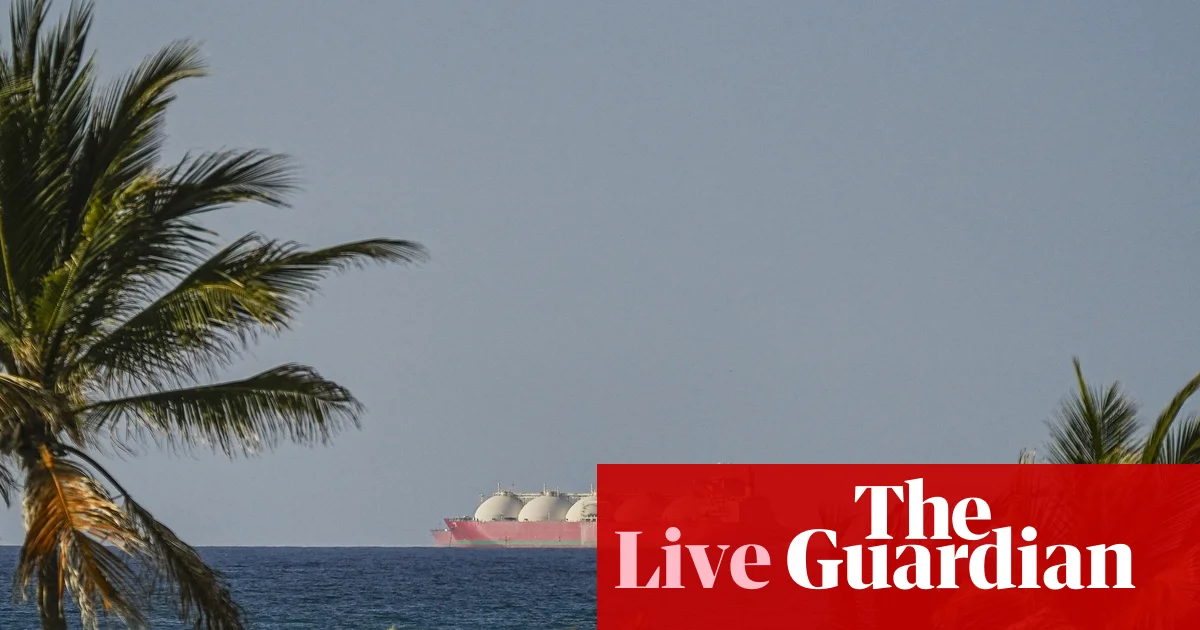
The international financial landscape has experienced a wave of optimism this week, driven by significant diplomatic breakthroughs and a series of strategic geopolitical adjustments. Donald Trump, amid intense international scrutiny, announced a pivotal pause in the controversial “Project Freedom” aimed at steering vessels stranded in the Strait of Hormuz. This move, viewed by many analysts as a calculated step towards easing tensions, coincided with his declaration of “great progress” in negotiations with Tehran for a potential *final agreement* on Iran’s nuclear program. The implications of this diplomatic pivot are profound, signaling a possible shift towards de-escalation in one of the world’s most sensitive geopolitical flashpoints.
In the wake of these developments, Asian equities soared to record highs, with South Korea’s Kospi surpassing 7,000 for the first time, led by an extraordinary 15% leap in Samsung Electronics. This surge not only cemented Samsung’s market value above $1 trillion but also signaled confidence in the broader Asia-Pacific markets, which rallied with Hong Kong’s Hang Seng and China’s CSI 300 climbing appreciably. Meanwhile, Japan’s Nikkei gained nearly 0.4%, consolidating once again as a nexus of regional economic revival. Europe’s bourses also reacted positively, with the FTSE 100 in London gaining 1.5%, led by global spirits giant Diageo. Notably, Diageo announced it was maintaining its 2026 forecasts, citing resilience despite geopolitical uncertainties in the Middle East, which could have disrupted energy supplies and global trade routes.
Back in the United States, Wall Street hit fresh record highs, with the S&P 500 up nearly 0.8% and the Nasdaq surging 1%, amid a maelstrom of AI-driven trades and investor confidence in the technology sector. Chris Weston, a leading analyst at Pepperstone, remarked that institutional investors are steadfast in adding to their positions in the “2026 winners,” especially in tech segments led by giants like Apple and major memory manufacturers. This inflow underscores a broader trend: global investors are displaying a clear preference for sectors poised to benefit from technological innovation and long-term economic reforms. As analysts from the International Monetary Fund and respected historians observe, such resilience highlights a critical juncture in the ongoing narrative of global market recovery.
The diplomatic détente with Iran, coupled with the resilient performance of stock markets worldwide, has raised questions about the geopolitical impact of these diplomatic shifts. Critics warn that the pause in the Iran-U.S. standoff may be temporary and that underlying tensions could flare anew if the broader negotiations falter. The strategic significance is clear: the Strait of Hormuz, a vital artery for global oil supplies, remains a point of contention, with Trump maintaining the blockade of Iranian ports as a show of strength. This move has sent oil prices retreating nearly 2% to $107.7 per barrel, temporarily easing inflationary pressures but also signaling ongoing instability. How these decisions influence energy security and regional stability in coming months will undoubtedly shape economic policies across key NATO and Middle Eastern nations.
As history continues to unfold under the watchful eyes of the global community, the decisions made in these turbulent yet pivotal days will resonate for generations. Will this convergence of geopolitics, diplomacy, and market resilience herald a new era of cautious optimism, or are we merely witnessing a fragile pause in a broader storm? The answers remain embedded in the complex tapestries of international relations, economic reform, and the relentless march of history—a story still being written, and its climax yet to come.
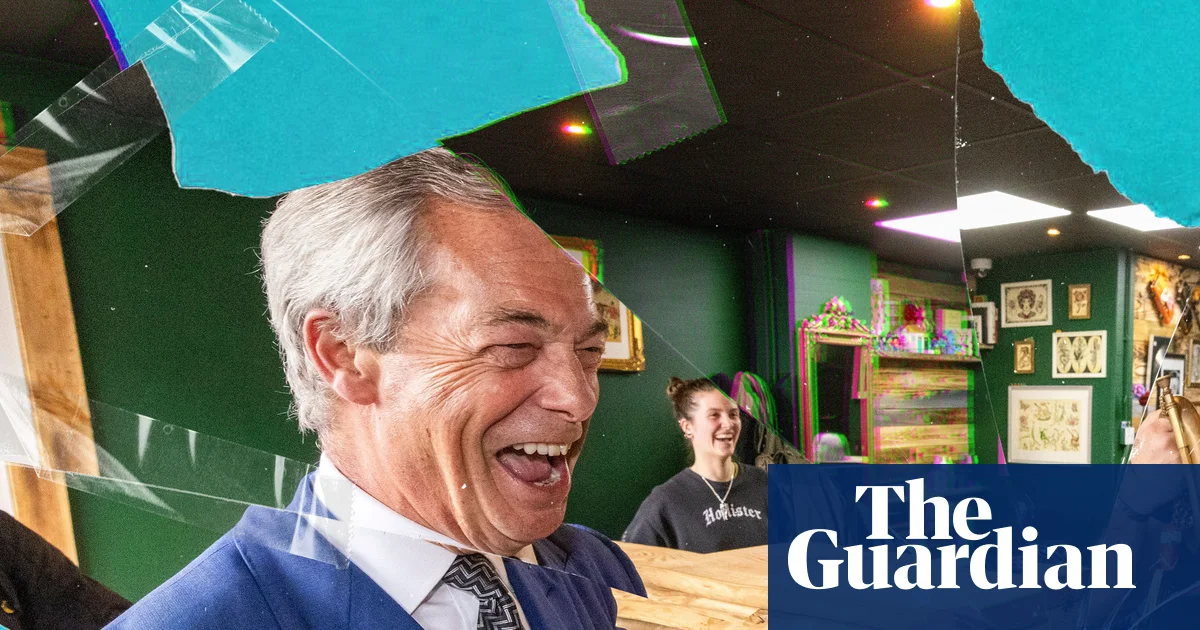
The upcoming local elections in Essex have become a crucible for the ambitions of Reform UK, a party siphoning energy from populist fervor, and positioning itself as a formidable challenger to the established political order. Led by Nigel Farage, a figure synonymous with Brexit and nationalist resurgence, Reform UK’s strategy entails more than merely gaining seats; it aims to recalibrate the power dynamic of local governance and challenge the entrenched political elites who have long dictated the terms of civic life. During a recent walkabout in Waltham Abbey, Farage demonstrated that the party’s outreach is both strategic and symbolic, blending traditional populist rhetoric with an emphasis on professionalization and reform—echoes of the Thatcherite revolution that once reshaped British conservatism.
The party’s focus on local governance speaks to an underlying power struggle for control over decisions that directly impact everyday citizens. With over one million votes across Essex’s county councils on the line, Reform UK’s prospects hinge on their ability to appear as a credible alternative, challenging the status quo of both Labour and Conservative dominance. Their campaign promises encompass a broad spectrum of reforms, such as
Such policies resonate strongly with voters disillusioned by what they perceive as a distant, unresponsive political establishment. Political theorists like Hannah Arendt have long argued that power often resides not just in institutions but in the public’s perception of who holds the authority—a perception that Reform UK is cleverly exploiting.
Meanwhile, the power struggles unfolding within the British political landscape serve as a stark reminder of how decisions by political leaders can reverberate far beyond Westminster, shaping the lives of ordinary people. The push for political professionalism and restructuring local authority functions may seem technical, but in truth, they are battlegrounds for ideological dominance. The idea that local governments should serve as dykes against the tidal wave of unchecked immigration, EU-era regulations, or globalist interference is a recurring theme among reform-minded factions. These movements evoke echoes of Hayek’s cautionary warnings against central planning—reminding us that power concentrated too heavily in bureaucratic elites often undermines individual liberty and local autonomy.
As Reform UK advances its insurgency, the inherent conflicts reveal a broader contest for the soul of British politics. The party’s success could recalibrate long-standing political equilibria, much as Margaret Thatcher’s revolution did in the 1980s, redefining what it means to be conservative and what role the state plays in citizens’ lives. Yet, their rise also poses a question about the resilience of traditional party systems: will this new populist wave fracture the political landscape into irreparable factions, or will it ultimately be absorbed into the existing framework? The answer hinges on the decisions made behind closed doors and in the halls of power, where the destiny of a nation is often forged in shadows. Ultimately, politics remains the grand stage where the struggle for sovereignty and self-determination continues—a relentless duel where history’s pen continues to write the future’s narrative.

Amazon’s Ring division continues to disrupt traditional home security paradigms through aggressive pricing strategies and expansive product bundling, marking a pivotal moment in the evolution of smart home technology. With the latest promotional offers—featuring up to 50% off on cameras, doorbells, and comprehensive bundles—the company is solidifying its market dominance, turning everyday homes into integrated ecosystems of connected security devices. This move underscores Amazon’s broader vision of owning the home convenience industry, echoing the disruptive visions endorsed by tech visionaries like Elon Musk and Peter Thiel, who emphasize the importance of vertical integration and ecosystem control for sustained competitive advantage.
This strategy is underpinned by innovation-driven disruption—surpassing legacy security firms through combined hardware/software integrations that are increasingly intelligent and user-friendly. With Gartner analysts suggesting that AI-enhanced home security could see a CAGR of over 20%, the industry is poised for a seismic shift away from traditional, manual security systems toward fully connected, software-driven solutions. The significance of this shift is particularly evident as major tech firms leverage economies of scale to favor cloud-based subscriptions over one-time hardware sales, which carries profound implications for future revenue streams and industry structure.
The prevailing model—relying on monthly subscriptions to unlock full functionalities—has revolutionized the value proposition of home security. As noted by industry experts and MIT researchers, this transition favors scalable SaaS revenue over stodgy hardware sales, aligning well with Amazon’s aggressive expansion goals. The bundling of products like the Whole Home Basic Kit, which integrates multiple cameras, sensors, and alarms, introduces an ecosystem lock-in that incentivizes consumers to stay within the Ring chequebook—potentially squeezing out established security companies unable to match Amazon’s pricing and technological rapidity.
Furthermore, the move toward integrated smart security markets is forecast to attract a new wave of youthful, tech-savvy consumers eager for affordable, yet sophisticated, home automation. Amazon’s targeted marketing campaigns are clearly aiming at this demographic, fostering brand loyalty at an early stage and capturing market share before the industry reaches saturation.
As disruption accelerates, industry leaders must recognize that the smart home security space is no longer just about protecting physical assets but about establishing an intelligent, integrated ecosystem that leverages AI, machine learning, and seamless connectivity. With competitors like Google Nest and new entrants vying for market share, Amazon’s relentless push underscores an urgent imperative for traditional security firms to innovate or risk obsolescence. Looking ahead, the trajectory is clear: those who innovate at scale, focus on AI-driven experiences, and leverage ecosystem lock-in will dominate the next decade of home security.
For consumers and investors alike, the message is unambiguous: technology and business models are converging faster than ever, demanding an aggressive stance on innovation. As Elon Musk often stresses, “the future belongs to those who move fast and break stuff,” and in the fiercely competitive landscape of smart home security, the clock is ticking for legacy industry players to adapt or face the risks of being left behind.
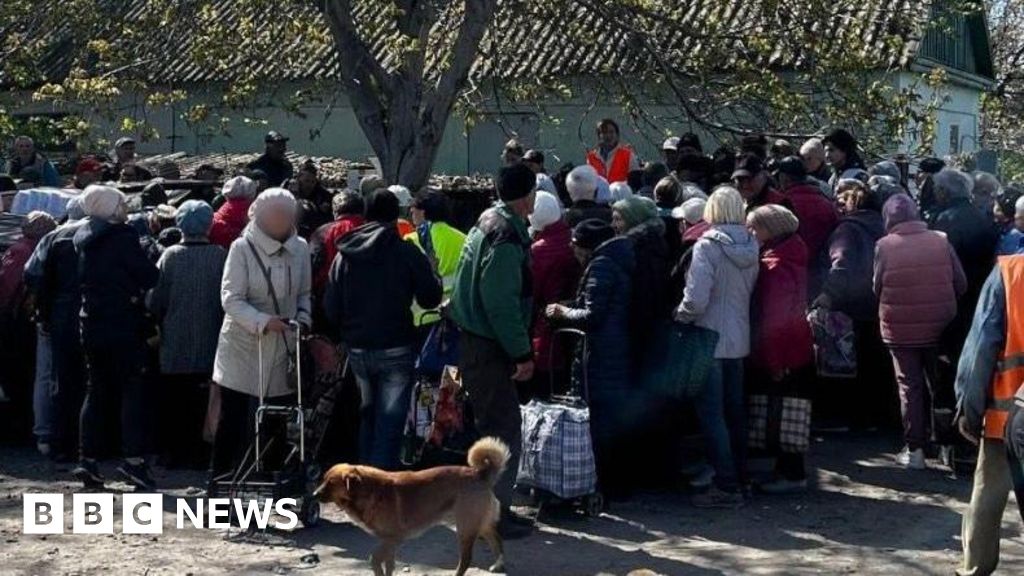
In the emerging landscape of global conflict, the Kakhovka Dam事件 stands out as a stark reminder of how warfare’s collateral damage intensifies geopolitical struggles. According to reports validated through photos, location data, and online records, the destruction of Ludmilla’s home in June 2023 marks a grim milestone in the ongoing crisis in Ukraine. The dam, situated on the strategic Dnipro River, was deliberately blown up under the umbrella of Russian occupation, unleashing catastrophic flooding across the region. This act is more than a localized tragedy; it exemplifies the brutal tactics employed in the broader proxy war between Russia and Ukraine, which has drawn international concern over escalating hostilities and respect for international law.
Historian and geopolitical analysts have long warned about the destabilizing ripple effects of such acts of sabotage. The destruction of the Kakhovka Dam not only displaced thousands but also risked environmental catastrophe, further complicating Ukraine’s efforts to recover and maintain sovereignty. Global institutions such as the United Nations have condemned such destructive actions, yet the depth of political and military strategic calculations remains under debate. For Russia, this move appears to be part of a broader strategy to weaken Ukrainian infrastructure, deepen societal suffering, and challenge Western support for Kyiv. Conversely, Ukraine and its allies perceive this as an escalation that underscores the urgent need for increased military aid and diplomatic efforts to restore stability and deter future acts of destruction.
The geopolitical impact of the dam’s destruction extends beyond Ukraine’s borders. It catalyzed a reassessment among Western nations and regional neighbors about the scope of Russia’s aggression. As analysts observe, the damage carried symbolic weight: it underscores a deliberate strategy to undermine Ukrainian resilience while provoking a response that could justify further international intervention. The incident at Kakhovka—whose aftermath reminds the world that warfare today often blurs the lines between conventional combat and strategic sabotage—poses a renewed challenge to global peace and stability. The decision to blow up a critical piece of infrastructure informs how future conflicts might unfold, possibly setting dangerous precedents for state-sponsored infrastructure attacks.
As history writes itself in this ongoing conflict, the destruction of Ludmilla’s home is a microcosm of a larger, more complex story. The challenge for the international community is clear: to safeguard sovereignty, uphold international law, and confront the dangerous tactics that threaten to spiral into broader regional destabilization. With each threat and response, the world edges closer to a pivotal crossroads—where the choices made today will shape the destiny of nations and the lives of those caught in the storm of history’s relentless march. The fight over the Kakhovka Dam stands as a stark reminder that in the arena of global geopolitics, the outcomes are never predetermined—but the consequences are always profound.
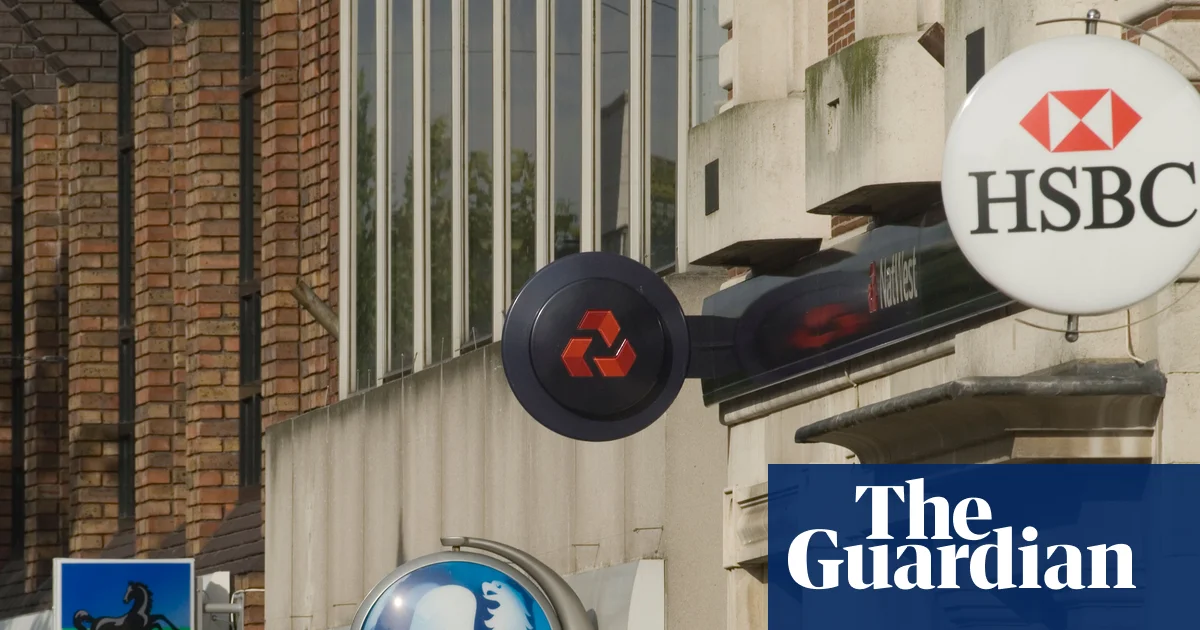
The recent declaration by the Trades Union Congress (TUC) demanding an increase in the windfall tax on the UK’s largest banks underscores a fundamental power struggle that defines contemporary politics. As the big four lenders announce a staggering £14 billion in profits for the first quarter—spurred by market turbulence caused partly by international conflicts—there arises an acute question about who really controls the wealth generated in our financial system. The banks, benefiting from a high interest rate environment, are seen by union leaders as excessive beneficiaries of a volatile climate, standing in stark contrast to the ordinary people whose economic stability is increasingly precarious.
Historically, the shift in policy from 8% to 3% in the bank surcharge—the outcome of conservative reforms—was heralded as a move towards fiscal austerity and free-market liberalization. Yet, the power dynamics reveal how such decisions do not merely reflect economic calculations but are instrumental pieces in the larger arena of ideological conflict. The Conservative government, now, faces mounting pressure to revert this symbolic gesture of restraint and redistribute resources. This debate echoes the age-old struggle articulated by political theorists like Machiavelli: who holds the true power—the state or the capitalists? The answer remains contentious, especially as the political landscape shifts in favor of those who advocate for greater social equity.
From a constitutional perspective, the notion of taxing the ultra-wealthy or profitable sectors raises critical questions about state sovereignty and economic justice. Experts hypothesize that an imposition of a higher windfall tax could serve as a crucial tool—not just for funding public services but also for asserting the voice of the people over corporate greed. Such a move challenges the historically entrenched role of financial institutions as unaccountable behemoths, signaling to future generations that political decisions are inherently battles over who shapes societal destiny. The analogy to historical parallels—such as the post-World War II era where wealth redistribution was prioritized—serves as a reminder that these moments define the very fabric of national identity.
In the grand theatre of politics, decisions like these are far more than mere fiscal measures; they are declarations of intent and power. How the government, unions, and financial institutions navigate this confrontation will determine whether the currents of economic disparity deepen or begin to recede. The stage is set, and each act—marked by policy shifts, public outrage, and strategic negotiations—writes a chapter in the ongoing saga of national sovereignty and social justice. Ultimately, politics remains the arena where the ‘destiny of nations’ is placed under the relentless pen of those who hold power—whether in boardrooms, government chambers, or the streets.

The recent statements from President Donald Trump have reignited hopes of a potential breakthrough in the long-standing US-Iran conflict. After days of heightened escalation, which had already begun to ripple through global markets, Trump’s remarks serve as a pivotal moment in the ongoing geopolitical saga. Market analysts and policy makers are now scrutinizing these signals for directions that could redefine regional stability and economic resilience in the years ahead. The tone from Washington suggests a possible shift from confrontation towards diplomacy, which, if realized, would mark a significant departure from recent aggressive postures.
In the wake of Trump’s optimism, financial markets responded with cautious optimism. Major indices, including the Dow Jones and the S&P 500, registered modest gains amid volatile trading. This market reaction underscores investor sensitivity to geopolitical uncertainty, with current conditions revealing a delicate balance of confidence and apprehension. Furthermore, oil prices — a barometer of geopolitical risk — experienced slight declines, signaling market expectations of reduced supply disruption risk. The possibility of an agreement opening avenues for increased regional stability is likely to influence not just oil markets but also broader commodities and energy sectors, which have been severely impacted by recent tensions.
Economists such as those from the World Economic Forum and leading think tanks warn, however, that despite current positive sentiment, the underlying risks remain substantial. A potential rapprochement between the US and Iran would carry significant policy consequences for regional allies and adversaries alike. For instance, a diplomatic breakthrough could lead to major sanction relief and economic opportunities for Iran, fostering an environment ripe for economic expansion. Conversely, a failure to secure a lasting agreement might escalate tensions further, risking destabilization and impacting global supply chains. The strategic calculus for investors and policymakers hinges on the delicate balance of diplomatic signals amid existing geopolitical fault lines.
Meanwhile, markets and governments are continuously adjusting their expectations based on forthcoming diplomatic developments. According to economists from the American Enterprise Institute, the potential for a breakthrough could serve as a catalyst for long-term economic growth in the Middle East, provided diplomatic efforts are sustained and backed by tangible policy actions. This reflects an overarching narrative: the power dynamics of the 21st century are increasingly shaped by the capacity of nations to manage or manipulate geopolitical tensions to their advantage. As the global economy navigates this intricate terrain, the resilience of free markets and the readiness of nations to adapt could prove decisive in determining which powers emerge preeminent in the new geopolitical order.
Looking ahead, the signals from Washington could set the stage for a pivotal chapter in 21st-century geopolitics. As nations and markets hold their collective breath, the unfolding developments in the US-Iran relationship symbolize the broader contest for dominance—where economic influence and strategic alliances will forge the destiny of global power. The world watches as diplomacy’s next act unfolds, knowing that the decisions made in these crucial moments will echo across generations, framing the future of global economic strength and geopolitical stability. At this crossroads, the economy remains the living pulse of nations—an epic arena where the forces of power, security, and prosperity are continually played out in relentless pursuit of a new world order.

In recent days, the landscape of geopolitical and domestic power politics continues to showcase a fundamental truth: decisions made at the highest levels of government, whether at the Capitol or in diplomatic corridors, have profound consequences on national identity and global stability. **Senate Republicans** have recently proposed a substantial $1 billion allocation dedicated solely to security enhancements around President Trump’s White House ballroom. This move underscores an acknowledgement of the growing importance of symbolic power centers, where decisions about security measures can reflect a broader posture of authority and control. As theorist Carl Schmitt emphasized, sovereignty resides in the ability to decide on exceptions, and in this case, these expenditures signal a desire to reinforce the loci of executive power amid an increasingly polarized political atmosphere.
Meanwhile, the international stage reflects a precarious calm during Victory Day celebrations, as Ukrainian and Russian forces observe a temporary ceasefire. This pause, dictated by strategic calculations and political optics, exemplifies the complex interplay of war and diplomacy. It echoes historical lessons from conflicts such as the armistice negotiations post-World War I, where moments of ceasefire often shifted the trajectory of ongoing conflicts. These fragile truces, while temporary, reveal the underlying power struggle as both nations strive to project strength without escalating into full-scale war. For observers, this delicate dance highlights how power exists not only in combat, but in the decisions to pause and show restraint—decisions that inevitably shape the future of sovereignty and territorial integrity.
Adding another dimension to the unfolding narrative, reports from China detail a devastating fireworks plant explosion in central China, which killed at least 26 people. While seemingly disconnected from the political arena, such disasters often serve as somber reminders of the fragility of state control and the consequences of regulatory oversight. In authoritarian regimes, the perception of state competence directly influences the public’s trust in leadership. The catastrophic event also offers a lens into the relentless pursuit of economic growth juxtaposed against safety that is often compromised in pursuit of national prestige. When leaders prioritize power and economic ambitions over safety, the collapse of such systems underscores the peril inherent in concentrated authority—an enduring lesson in the importance of balanced governance.
Domestically, the Trump administration’s review of Smith College’s admission policies concerning transgender students signals an ongoing power struggle over social norms and the definition of inclusion. The investigation suggests a concerted effort by conservative factions to challenge what they deem as progressive overreach. As constitutional experts debate whether such policies align with the principles of equal protection under the law, the broader contest over societal values becomes evident. Campaign promises of restoring traditional norms often revolve around asserting control over social institutions, transforming them into battlegrounds for ideological dominance.
These issues expose a fundamental tension: whether society’s future hinges on the preservation of foundational values or on the continued evolution toward a new social contract dictated by political and cultural elites.
Ultimately, the grand theatre of politics remains the crucible where the **forces of power, tradition, and change** collide, shaping the destiny of nations and peoples alike. As history teaches, the decisions made in these corridors are not merely fleeting legislative acts but chapters written into the fabric of history—testaments to the unyielding human desire to forge a destiny where power is wielded selectively, and where sovereignty is continually contested. Politics, then, is not merely a game of institutions but the arena where the future is written, where each act of power reverberates through the ages—an unrelenting testament to the enduring human struggle for control and identity.


