
TRENDING NEWS





Truth Over Trends, always!
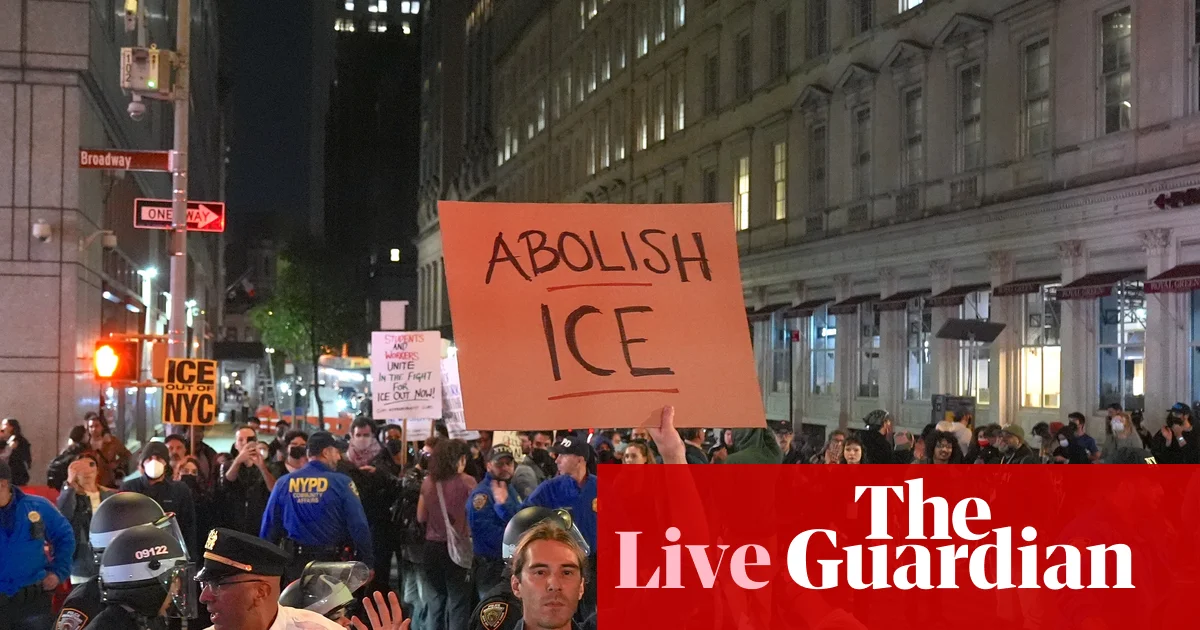
In a dramatic turn that underscores the volatile crossroads of domestic policy and international geopolitics, recent events in New York City and beyond reveal a landscape on edge. The city’s mayor, Eric Adams, has publicly distanced the local government from the controversial ICE raids targeting Chinatown under the pretext of counterfeit goods. Adams’s declaration that New York City has ‘no involvement’ in the federal operation reaffirms the city’s stance of non-cooperation with federal immigration enforcement, emphasizing that undocumented residents pursuing their American dream should not be targeted. This echoes a broader pattern in which local jurisdictions, especially in a nation divided over immigration, are pushing back against federal overreach—yet, the ripple effects threaten to destabilize national unity at a time of intense geopolitical friction.
The scenes in Lower Manhattan were a stark reminder of the simmering conflict between federal authorities and local communities. Protests erupted as hundreds gathered, loudly condemning ICE’s tactics. Video footage captures masked agents detaining individuals in the crowded streets, with onlookers vocally denouncing the operation amid powered-up tensions. The spectacle of armed federal agents and armored vehicles rolling silently through city streets symbolizes a shifting landscape where domestic law enforcement actions are increasingly intertwined with international narratives of migration, sovereignty, and social order. Such incidents influence how societies perceive their governments’ use of power and their obligations to vulnerable populations.
Meanwhile, on the diplomatic front, world leaders gather in diplomatic limbo, with President Donald Trump conducting an array of high-stakes meetings, notably with NATO Secretary-General Mark Rutte. Discussions are centered on military aid and the ongoing conflict in Ukraine, with Western nations coordinating the transfer of weapons often purchased from the United States. These diplomatic maneuvers, viewed through the lens of experts like analysts from the Atlantic Council, demonstrate that global alliances remain in flux—tied closely to the strategic interests of powerful nations shaping the future of Europe and beyond. The promise and perils of such alliances are evident, as NATO’s support for Ukraine intensifies the confrontation with Russia, with broader implications for European security and energy politics.
Domestically, the political landscape remains volatile, with key figures like JD Vance avoiding explicit deadlines for Hamas compliance in Gaza, highlighting the fragile balance in Middle Eastern diplomacy. On the home front, former Marine and political hopeful Graham Platner vehemently denies accusations linking him to extremist symbolism, illustrating the ongoing battleground of ideological identity in American politics. Meanwhile, the withdrawal of figures like Paul Ingrassia from critical government nominations demonstrates the increasing difficulty of confirming officials amidst a polarized political climate. These events, analyzed by political strategists, reveal a nation caught in the tension of internal dissent and international obligations, where each decision has deep and lasting consequences.
As President Trump prepares for a pivotal day at the White House, the weight of history presses upon him. His scheduled meeting with NATO’s Rutte at a time of mounting global instability exemplifies how the boundaries of diplomacy and domestic policy are dissolving into a complex tapestry of power plays and ideological warfare. Whether through false claims about fires in Portland or negotiations with European allies, the decisions made today could chart the course of history—drawing lines in the sand that will define generations. As nations grapple with upheaval and societies face internal divisions, the unfolding story remains a potent reminder: in the theater of world affairs, every move reverberates, and the true impact of these decisions will be felt long after today’s headlines fade into history.”
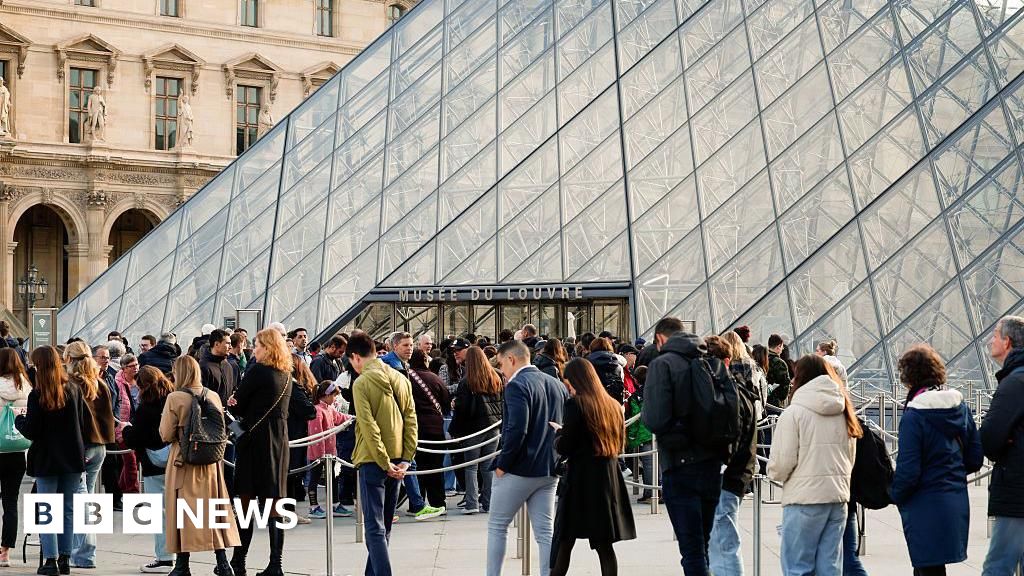
The Louvre Museum in Paris has reopened its doors only three days after a brazen daylight robbery that took away priceless artifacts valued at over 88 million euros. The audacity and precision of the crime, executed by a group of masked thieves wielding power tools, underscore a troubling wave of security vulnerabilities facing some of the world’s most treasured cultural institutions. The attack, which unfolded with shocking speed and sophistication, threatens not only the integrity of this iconic museum but also raises wider questions about international security protocols guarding humanity’s shared heritage. While visitors now flock back to the Louvre, the apparent negligence in surveillance, evidenced by a report that a third of the museum’s rooms lacked CCTV, paints a stark picture of the challenges facing cultural custodians worldwide.
The heist involved a small team of four accomplices who used a truck fitted with mechanical ladders to access the gallery near the River Seine early Sunday morning. Two of the thieves then cut through a glass window using battery-powered disc cutters—a tactic reminiscent of organized crime syndicates operating across borders. They threatened guards, who evacuated the building, and swiftly made off with a treasure trove including a diamond and emerald necklace once gifted by Emperor Napoleon to his wife, along with a tiara worn by Empress Eugenie, and jewelry previously owned by Queen Marie-Amelie. As security experts scramble to piece together the details, investigators have uncovered a damaged crown belonging to Empress Eugenie along the thieves’ escape route, fueling speculation about organized criminal involvement. French authorities, led by Interior Minister Laurent Nunez, express confidence in apprehending the culprits, but the broader issue remains: how well are nations prepared to defend cultural heritage in an era of rising organized crime and geopolitical uncertainty?
The incident has sparked intense debate among international analysts, with many warning that cultural institutions in Europe and around the world are increasingly targeted by criminal syndicates seeking lucrative art and jewelry. The attack on the Louvre’s security infrastructure—notably, the fact that alarm systems failed to trigger and CCTV coverage was incomplete—highlight glaring gaps in protecting vital national treasures. Some experts argue that the incident might be a wake-up call, urging governments and global institutions to adopt more advanced, integrated security measures against this new wave of threats. The potential for art and jewelry smuggling, driven by criminal organizations with international reach, presents a challenge not just for France but for the entire Enlightenment legacy that many nations aim to preserve. The European Union and Interpol are likely to increase collaboration, but critics contend that local authorities must prioritize infrastructure upgrades and intelligence sharing.
The fallout from this event extends beyond the immediate theft; it symbolizes a broader crisis of cultural sovereignty and national identity threatened by organized crime, geopolitical shifts, and lax security policies. Historians and analysts warn that if such breaches are not swiftly addressed, our global heritage risks becoming vulnerable to exploitation and loss. The Louvre’s roving security failures could set an alarming precedent, emboldening those with no regard for history’s sanctity. With every piece stolen, a fragment of cultural memory is lost—an irreversible dent in our shared history. As investigators pursue the thieves through a maze of criminal networks, the world watches with bated breath, acutely aware that this event might mark a turning point—either a catalyst for reform or a grim reminder of the increasing peril facing humanity’s culture. In this unfolding narrative of loss and resilience, one truth remains evident: history’s pages are still turning, and the stakes have never been higher.

In the modern age, culture serves as a vital—the very foundation—of societal identity and tradition. Yet, today we witness a troubling decline in the artistic and cultural standards that once fostered genuine community and ennobled the human spirit. The recent batch of horror films airing in the shadow of Halloween exemplifies this trend: franchises like Black Phone 2 and Shelby Oaks are emblematic of a cultural landscape increasingly dominated by superficiality and the superficial chase of cheap shocks. Instead of cultivating the rich tapestry of tradition or elevating society’s moral and aesthetic horizons, these productions reflect a descent into mediocrity, where the artistic is sacrificed on the altar of spectacle and profit.
This cultural malaise echoes underscored warnings from philosophers like José Ortega y Gasset, who lamented the crisis of mass entertainment diluting human excellence. The decline from genuine artistic endeavor to formulaic imitation—cloaked under the guise of innovation—is a sign of a society losing touch with its deeper roots. We can compare the current cultural decline to a kind of cultural amnesia, a forgetting of the traditions that once unified communities and inspired moral virtue. Instead of fostering stories that challenge the soul or elevate the mind, Hollywood now panders to fleeting trends, often producing films that are hurried, unoriginal, and devoid of the philosophical weight that once characterized Gothic or Romantic art.
This phenomenon is not confined to the film industry alone. It pervades the digital landscape, where YouTube creators like Chris Stuckmann attempt to carve their space within a fractured cultural framework. His debut feature, a low-budget horror film that tries to capitalize on genre tropes and online appeal, falls short of authentic storytelling, revealing the peril of a culture increasingly content with surface-level entertainment. Conversely, creators like Curry Barker, who successfully transitioned from humble beginnings to refined cinematic art, demonstrate that true cultural progress demands a mastery of craft and a reverence for tradition. As Chesterton argued, “Art is the signature of man,” linking cultural vitality directly to the moral and aesthetic cultivation of society.
In the face of this erosion, it is essential to recognize that culture is more than mere entertainment; it is the living memory of a civilization’s virtues, struggles, and aspirations. It should serve as both a mirror and a prophecy, reflecting the best of humanity and guiding us toward a future rooted in the enduring truths of our shared history. To heed the insights of T.S. Eliot—that “the past makes us, not in the sense of mere history but as a living tradition”—is to understand that our cultural endeavors forge the very fabric of society. In doing so, culture reveals the dual nature of humanity: a repository of memory, yet also a prophetic voice pointing towards human potential, calling us to remember the nobility of our ancestors and to forge a future that honors that nobility.
Ultimately, culture remains the sacred language of human authenticity—a symphony woven from the echoes of the past and the visions of what is yet to come. As we stand at the crossroads of this cultural moment, let us remember that true art and tradition are the torchbearers illuminating the way through the darkness toward a horizon where human greatness is rekindled, and the soul of society endures—resilient, rooted, and renewed in the eternal poetry of human existence.
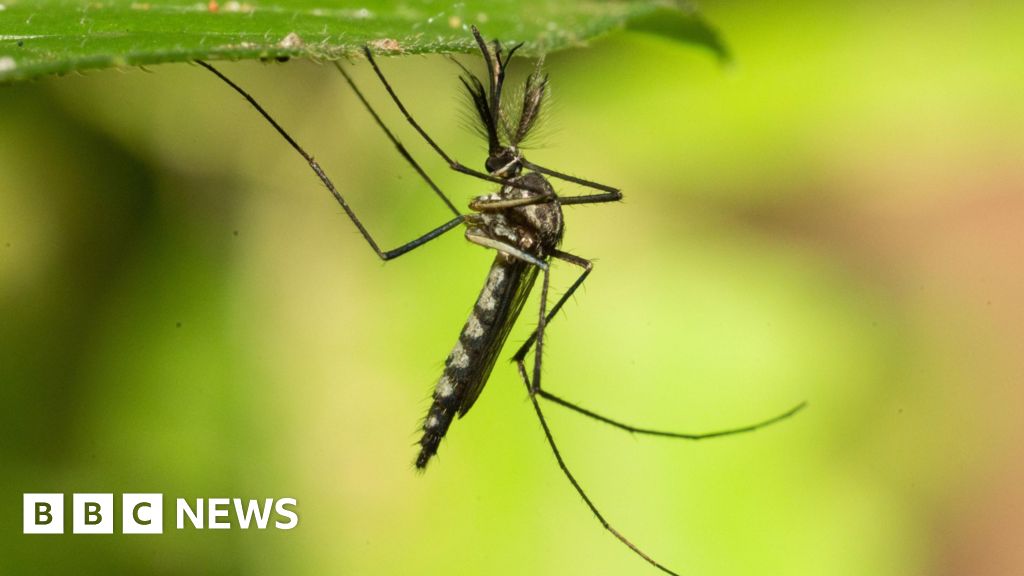
In a startling development that underscores the profound effects of climate change on fragile ecosystems, Iceland has recorded the first-ever discovery of mosquitoes within its borders. Historically a haven of icy detachment, the once-impregnable barrier against these pests has been broken by this year’s unprecedented heatwave. Local insect enthusiast Bjorn Hjaltason identified and captured two female mosquitoes and one male, later confirmed by the Icelandic Institute of Natural History as Culiseta annulata, a resilient species capable of surviving frigid winters. This event has sent ripples through environmental circles and geopolitical analysts alike, spotlighting the tangible consequences of a scorching climate that now approaches Iceland’s northern shores.
Prior to this year, Iceland remained one of only two mosquito-free zones globally, with the only other being Antarctica. The cold climate and distinct ecological conditions historically prevented mosquitoes from establishing a foothold. However, the recent series of heatwaves—an anomaly according to the Met Office—have shattered previous temperature records, with May highs exceeding 20°C (68°F) and peaking at an all-time high of 26.6°C (79.8°F) at Eglisstaðir Airport. Such dramatic shifts are emblematic of the larger, more ominous trend of global warming, which the UN’s climate body affirms as driven by human activity. As global temperatures climb, scientists warn of destabilized ecosystems and unforeseen biological invasions, challenges that nations are increasingly ill-prepared to handle.
International organizations and experts are taking notice. Critics argue that these developments underscore the urgent need for a coordinated global response to climate change, focusing on both mitigation and adaptation. Historians and environmental analysts warn that this incident foreshadows a new era—one in which the impacts of human pollution and carbon emissions reach into the most remote corners of the world, rewriting the script of nature’s historical boundaries. The question now is whether nations will recognize the gravity of these signs or dismiss them as isolated anomalies. With each passing year marked by record heat and ecological upheaval, the line between natural resilience and human-inflicted vulnerability continues to blur.
As the story unfolds, Iceland stands as a stark symbol—a fragile outpost on the frontlines of a warming planet. The insect’s invasion, while seemingly minor, may herald a larger, more dangerous trend of ecological unravelling that knows no borders. The discovery leaves us with a haunting image: a once-untouched icy haven gradually succumbing to the relentless march of warming tides. Humanity, standing at a crossroads, must confront whether this is the prelude to a new world order—one shaped by climate-driven upheaval or the dawn of decisive action to halt the chaos. The weight of history is still being written, and the next chapter could determine whether the icy wilderness remains a sanctuary or succumbs to the scars of human neglect.

In a thrilling matchup that had fans on the edge of their seats, the Kansas City Chiefs proved their doubters wrong as they reclaimed their spot as one of the premier offenses in the league. Meanwhile, the Indianapolis Colts showcased their tenacity in a game that tested their resolve. As the whistle blew, the scoreboard read 35-24 in favor of the Chiefs, but the real story is the fight both teams exemplified throughout the game.
Entering the contest, many believed the Chiefs’ offense was on a downward spiral. However, the combination of quarterback Patrick Mahomes and rising star receiver Skyy Moore led a masterclass performance. The turning point came in the second quarter when Mahomes connected with Moore for a stunning 75-yard touchdown, igniting a furious rally that left the Colts scrambling. Commentator Tony Romo remarked, “You can’t count these guys out. Mahomes has a knack for making the impossible look routine.”
The Colts entered this game under significant scrutiny after a few disappointing performances. However, under the leadership of head coach Shane Steichen, they demonstrated grit and determination. Star running back Jonathan Taylor kept the pressure on with his strong running game, finishing with over 100 rushing yards and a touchdown. His performance was a testament to his hard work and determination, proving he remains a key player for this team.
As the dust settles on this riveting game, it becomes clear that the Chiefs are back in business, while the Colts have laid the groundwork for a brighter future. In the end, what truly matters extends beyond the stats: it is about the heart and spirit displayed on the field. Both teams, albeit competing fiercely for victory, exemplified how sports bring us together as a community, igniting passion and hope in fans from all walks of life. When the game concludes, it’s not merely a scoreboard that resonates; it’s the eternal bond forged in the love for the game.
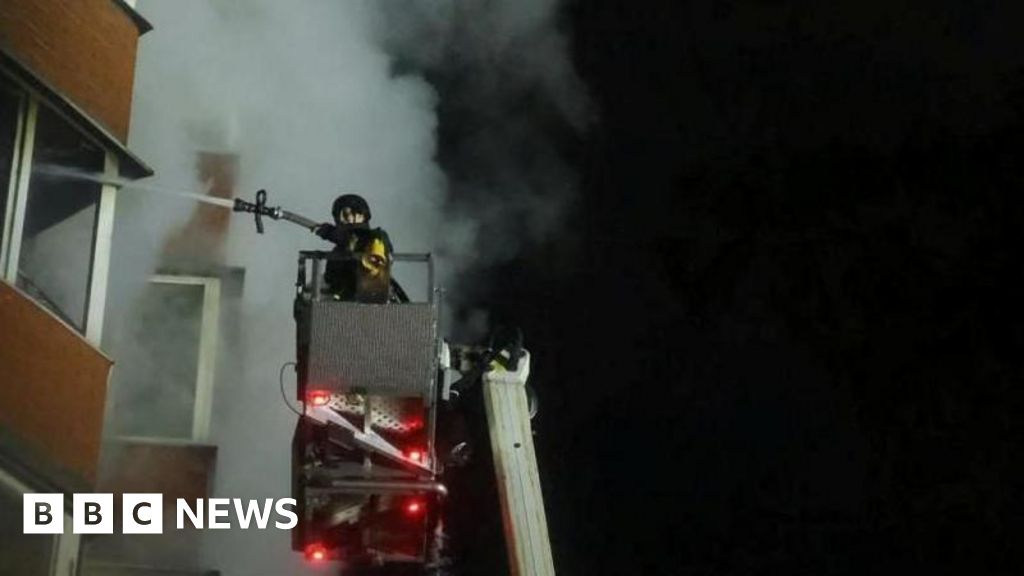
The ongoing conflict in Ukraine has entered a perilous new chapter, with recent Russian drone and missile strikes tragically claiming lives and unleashing chaos across the Ukrainian landscape. Ukrainian President Volodymyr Zelensky confirmed that at least six civilians had been killed, including two children, underscoring the brutal toll that escalation in hostilities continues to exact on innocent lives. The strikes, which targeted major cities including the capital Kyiv, also wounded 21 individuals and caused widespread destruction. The relentless barrage of attacks, including the targeting of energy infrastructure, signals a strategic effort by Moscow to destabilize Ukraine’s resilience and morale amid a deteriorating battlefield.
In the broader geopolitical context, the international community observes these events with mounting concern. The United States recent decision to abruptly shelve a planned summit with Vladimir Putin in Budapest exemplifies waning diplomatic engagement, with President Donald Trump citing a desire to avoid “a wasted meeting.” This diplomatic withdrawal highlights a significant shift in Western strategies—favoring pressure and military aid over dialogue, even as Russia dismisses calls from both Trump and European leaders to enact a ceasefire. Such decisions are poised to ripple through global alliances, complicating efforts for a unified response to Moscow’s military campaign.
Meanwhile, Ukraine’s military has intensified its defensive operations, notably targeting key Russian military infrastructure. The recent Ukrainian attack on a chemical plant in Russia’s Bryansk border region, facilitated by UK-supplied Storm Shadow missiles, represents a turning point in Ukraine’s tactical approach. Ukrainian officials describe the strike as successful, successfully penetrating Russian air defenses and compromising a site that produces components crucial for Moscow’s missile and artillery operations. Zelensky reaffirmed his strategic stance, emphasizing that the lack of long-range missile aid from the West has diminished Russia’s diplomatic interest. The Ukrainian leader’s insistence on military support underscores a broader debate about Western commitments and Ukraine’s right to self-defense amidst a conflict marked by relentless escalation.
As Kyiv reels from recent targeted assaults, including the tragic loss of civilians—a six-month-old baby among the victims—the conflict’s toll resonates beyond Ukraine’s borders. The wider geopolitical impact of these developments is profound. Analysts and historians warn that the current trajectory risks a prolonged, perhaps irreversible, destabilization of the European security order. The migration of destruction into civilian domains not only endangers sovereignty but also detonates societal cohesion, prompting fears of a ripple effect that could destabilize neighboring nations and global markets. What the future holds remains uncertain, but one thing is clear—the weight of history is now pressing down, with decisions made today echoing through the corridors of power and the stories of future generations.
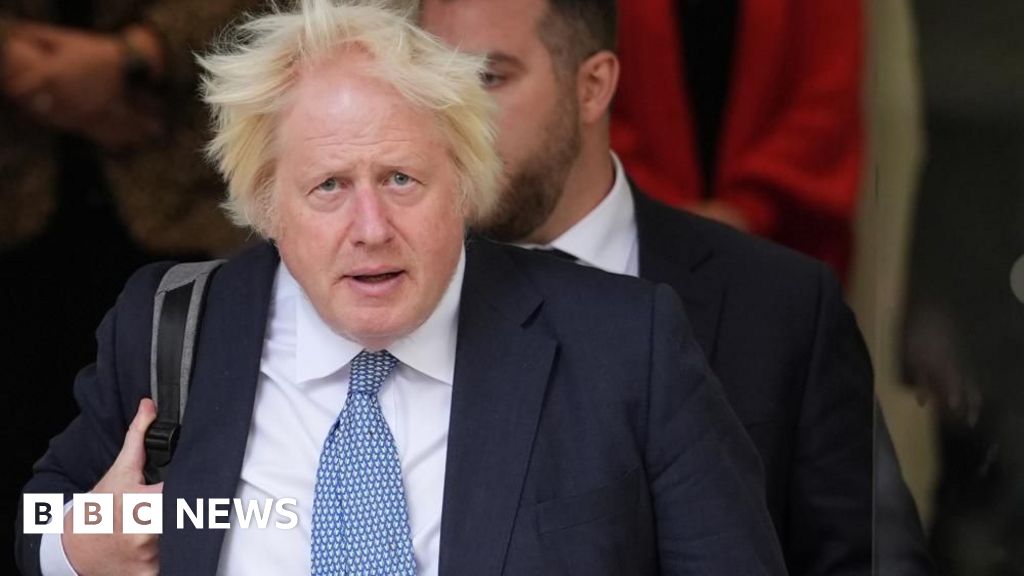
In the wake of the COVID-19 pandemic, the debate over school closures has sharply resurfaced, exposing deep fissures within our communities and raising urgent questions about the social fabric and the future of families, education, and youth. As former Prime Minister Boris Johnson appeared before the Covid Inquiry, his reflections underscored a stark reality: the decision to shutter schools was more than a mere logistical step—it was a social upheaval with enduring effects. Evidence presented during the inquiry illuminated how the closure of schools, often executed without sufficient planning, has contributed to skyrocketing rates of speech and language delays, persistent student absences, and record-breaking suspension and exclusion rates, outcomes that ripple through families and communities.
This crisis reveals a worrying landscape of administrative chaos and indecision, with key social institutions failing to protect the most vulnerable. Reports show that as early as February 2020, scientific advisories warned about the potential for mass school closures, yet the Department for Education’s contingency plans rested on an assumption that schools would remain open. Despite this, the government’s inability to develop a comprehensive strategy—exacerbated by political disagreements and conflicting agendas—highlighted a fundamental neglect of the social well-being of children. Sociologist Frank Furedi cautions that such societal disruptions erode the moral fabric of our communities, intensifying the isolation of vulnerable youth and families already grappling with economic and social hardships.
In these turbulent times, voices like that of Anne Longfield, former Children’s Commissioner, point to an absence of clear responsibility for safeguarding children’s interests, revealing cracks in the moral leadership that should unify communities. Meanwhile, political rifts and personal conflicts—evident in leaked messages from Boris Johnson and Gavin Williamson—have compounded public distrust and deepened societal polarization. As historian David Starkey suggests, social cohesion depends on trust and responsibility; without it, society risks descending into fragmentation.
Despite these hardships, a resilient spirit of hope persists. Campaign groups like Long Covid Kids and vulnerable families rally outside the corridors of power, reminding society that behind every statistic are human lives. Society’s challenge lies in *rebuilding* a social contract that recognizes the human impacts of policy decisions—one deeply rooted in moral responsibility. As the society grapples with these consequences, the prospect remains that through collective effort, transparency, and compassion, we can repair the fractures inflicted during this crisis. Society’s true strength lies in transforming pain into purpose—restoring faith that schools are not just centers of knowledge but sanctuaries where families, communities, and the future itself can thrive, free from the shadows of past neglect.

In a devastating incident that has sent shockwaves across Uganda, a catastrophic highway crash resulted in the deaths of 63 people, highlighting ongoing issues with road safety and the broader socio-economic challenges faced by the East African nation. The tragedy unfolded at approximately 00:15 local time on the Kampala-Gulu Highway, a critical artery connecting the capital with northern regions. Police reports indicate that two buses traveling in opposite directions collided head-on during an attempted overtaking maneuver—an act often driven by economic necessity and the pressures of rapid mobility in developing nations.
This incident underscores a deeper, systemic problem—the dangerous practice of overtaking on busy highways, which authorities have consistently linked to cause and consequence of fatalities. The police statement emphasizes that such reckless actions “remain one of the leading causes of crashes in the country,” revealing a societal issue intertwined with economic hardship and infrastructural deficiencies. Many analysts suggest that Uganda’s transportation infrastructure has not kept pace with population growth and urban expansion, forcing drivers into risky behaviors at the expense of safety. This tragedy echoes similar patterns seen in other developing nations, where quick economic growth often comes with a toll—an increasing number of preventable deaths and injuries that threaten to destabilize local communities and undermine development efforts.
From an international perspective, this incident is emblematic of broader regional challenges. East Africa, with countries like Kenya and Tanzania, faces infrastructural gaps that constrain economic progress and regional integration. It also raises questions about the effectiveness of governance and regulation, as governments grapple with balancing development and safety. Notable analysts, including those at the United Nations Economic Commission for Africa, warn that without targeted investments and stricter enforcement of safety protocols, such tragedies will persist, further entrenching social inequalities and hindering sustainable growth. Meanwhile, local governments are under mounting pressure to improve transport safety standards and public awareness, efforts that are often hampered by limited resources and corruption.
Historically, such events serve as poignant reminders of how decisions made today shape the future fabric of societies. The Ugandan crash is a stark symbol of the costs borne by nations in a period of rapid transition—costs that are amplified by geopolitical shifts and economic ambitions. As Uganda and other African nations seek to position themselves within the global economy, the need for resilient infrastructure and stronger institutions becomes crucial. The implications extend beyond transportation, touching on issues of governance, social justice, and national security, which are all interwoven in the quest for stability and prosperity. With international organizations calling for more comprehensive approaches, the question remains: how long can societies continue sacrificing safety in the rush towards modernization?
As history unfolds, the tragic echoes of this traffic collision leave a haunting message: the path forward is fraught with peril, and the choices made today will determine the legacy left for future generations. Will Uganda and similar nations heed the warning and prioritize safety and governance, or will they risk more preventable crises that threaten to unravel their social fabric? The weight of history presses down, reminding us that each decision—on roads, in policy, and in leadership—takes us one step closer to either progress or profound disaster. The story of Uganda’s roads is still being written, and its chapters could define the future of an entire region.”
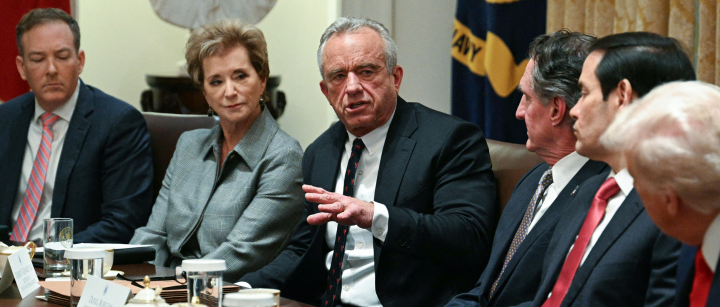
The recent statements by Health and Human Services Secretary Robert F. Kennedy Jr., during a Cabinet meeting, have reignited the debate around alleged links between Tylenol (acetaminophen), circumcision, and autism. Kennedy claimed that two studies show children who are circumcised early have double the rate of autism, asserting this may be due to Tylenol given during or after the procedure. Such claims, however, rest on a shaky scientific foundation, and a closer examination reveals that they are misleading and unfounded.
First, the core claim that Tylenol causes autism is not supported by definitive scientific evidence. While some studies suggest a correlation between acetaminophen use during pregnancy and an increased likelihood of autism spectrum disorder (ASD), this does not establish causation. Expert organizations such as the American College of Obstetricians and Gynecologists (ACOG) and the American Academy of Pediatrics (AAP) recommend using acetaminophen during pregnancy when necessary, emphasizing that current evidence does not prove it causes autism. Furthermore, studies that have identified associations typically suffer from limitations such as confounding variables, making it impossible to definitively say Tylenol is a direct cause of autism.
Additionally, Kennedy cited a 2013 ecological study comparing autism and circumcision rates across regions; such ecological studies are known to be among the weakest forms of evidence because they rely on population-level data, which cannot account for individual variations or causative mechanisms. Experts like Dr. Jeffrey Morris from the University of Pennsylvania emphasize that ecological correlations—such as higher autism and circumcision rates in certain regions—do not prove causality and are often confounded by cultural or socioeconomic factors.
The preprint paper Kennedy relies on is not peer-reviewed and was intentionally constructed as a biased narrative, aiming to support a hypothesis rather than objectively analyze data. William Parker, the preprint’s lead author, explicitly states that his review built conclusions based on preconceived notions that acetaminophen triggers autism, which is inconsistent with standards for scientific research. A peer-reviewed study would involve rigorous methodology, transparent criteria, and an unbiased framing of findings—none of which characterize this preprint.
The Danish study’s findings that circumcised boys had higher early diagnoses of autism are likely tied to cultural and socioeconomic factors, not Tylenol usage. Migration patterns, healthcare access, and early diagnosis practices skew the data, as experts like Dr. Brian Lee of Drexel University highlight. The study’s authors themselves note that they could not determine whether acetaminophen was used during circumcision, rendering the core claim—Tylenol as a cause—unsupported.
In conclusion, the claims advanced by RFK Jr. considerably overreach the available scientific evidence. The studies cited lack direct measures linking Tylenol to autism, and many are fundamentally flawed or misinterpreted. Responsible citizenship in a democracy depends on accurately understanding scientific consensus—one that maintains that, based on current evidence, Tylenol is safe for use during pregnancy and childhood when used appropriately. Spreading unsubstantiated claims not only misleads the public but also undermines trust in science and public health institutions. Fact-based scrutiny is essential to protect the integrity of the democratic process and ensure that policy decisions are grounded in truth, not fearmongering.
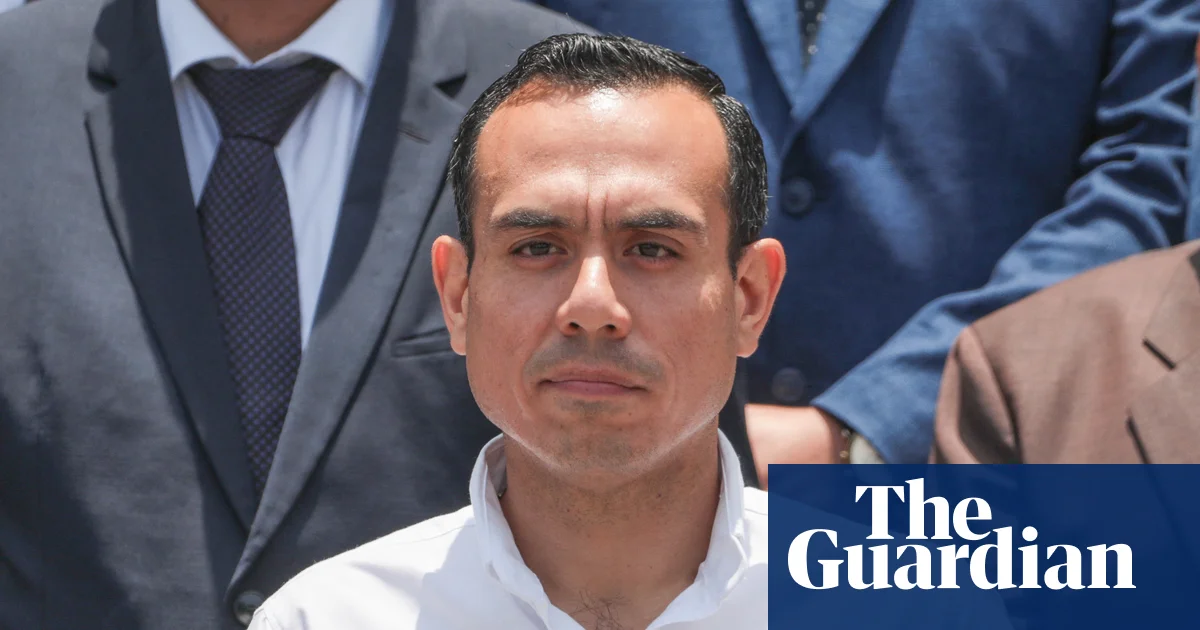
In a move that underscores the intensifying crisis gripping Peru, interim President Jose Jeri has declared a state of emergency in Lima and the neighboring port of Callao. Announced amid escalating anti-government protests driven by widespread discontent over corruption and organized crime, this decision marks a pivotal moment in the country’s turbulent political landscape. Beginning at midnight and lasting for 30 days, this measure grants authorities sweeping powers—including deploying the military, restricting civilian freedoms, and curbing assembly—highlighting the government’s urgent attempt to restore public order.
Since the impeachment and ousting of President Dina Boluarte earlier this month, the capital has transformed into a battleground for youth-led protests that have voiced frustrations over inadequate security and rampant crime. The demonstrators, inspired by a society fed up with corruption scandals and a surge in violence, have seen over 200 injuries—ranging from police officers and journalists to unarmed civilians—and tragically, at least one fatality. These unrests reflect deep societal fractures, which international security analysts warn threaten the stability of Peru. The country’s history of political volatility, with seven governments over the past decade, reveals a pattern of governance failures that have fueled this violent cycle.
The geopolitical impact of these developments ripples beyond Peru’s borders. Regional observers point to how internal crises can destabilize neighboring nations and challenge the influence of regional powers. The pervasive violence in sectors like transportation, with over 47 bus drivers murdered in what authorities suspect are extortion-related killings, signals a deterioration in law and order—an alarming trend that stirs fears of organized crime expanding its footprint across Latin America. Moreover, the international community, including organizations like the Organization of American States, cautions that prolonged instability could embolden anti-democratic forces and impede economic recovery efforts vital for Peru’s future.
Historians and analysts emphasize that the current emergency is a critical turning point in Peru’s political saga, with some warning that without meaningful reforms and accountability, the cycle of unrest may deepen. With interim President Jose Jeri serving until July 2026, the country faces a fragile period of transition where societal divisions risk widening. The decisions made in the coming weeks could determine whether Peru manages to restore its institutions or sinks further into chaos, paving the way for uncertain diplomatic or even destabilizing regional scenarios. As history continues to unfold, the world watches—intensely aware that the fate of Peru may serve as a defining chapter in Latin America’s ongoing struggle for stability and democracy.


