
TRENDING NEWS





Truth Over Trends, always!
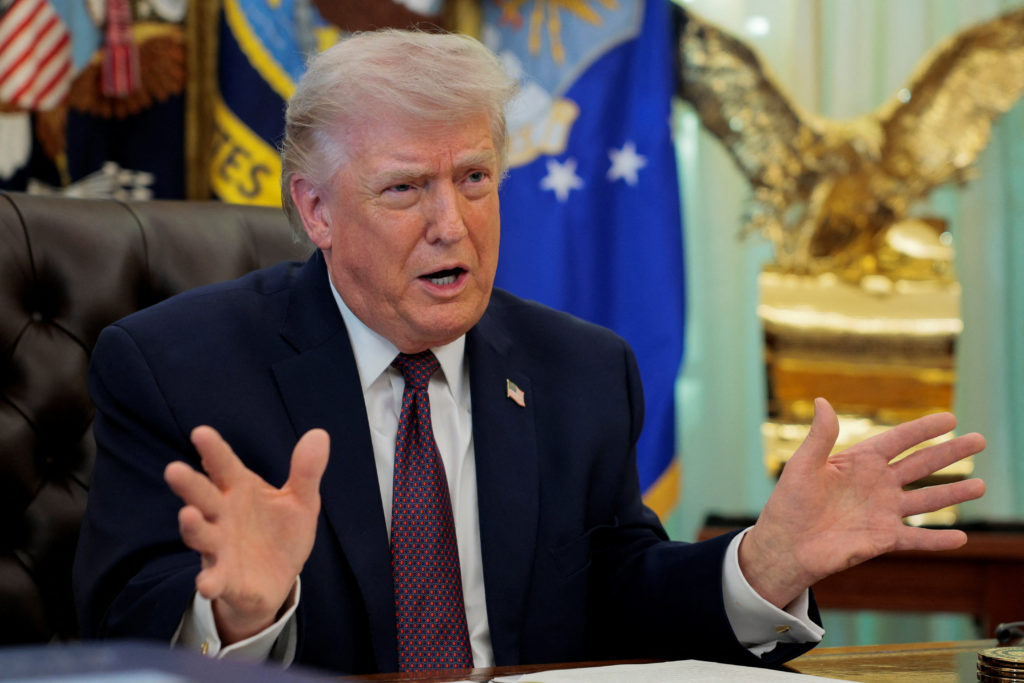
In the relentless arena of American politics, the recent revelations concerning President Donald Trump’s negotiations with **pharmaceutical companies** underscore a critical juncture where economic policy intersects with political strategy. According to White House economists, these deals—aimed at reducing prescription drug prices to match those of other nations—could generate a staggering $529 billion in savings over the next decade. While such economic projections appeal to the public’s desire for affordability, the underlying power struggles reveal much about the conflicting forces shaping the nation’s health sector and its political landscape.
At the core of this controversy lies the tension between free-market principles and state intervention. Critics argue that the policy shift—a redefinition of conventional healthcare diplomacy— signals a bold move by the Trump administration to leverage government influence over private corporations. This approach echoes a longstanding debate among constitutional theorists who grapple with the extent of government authority. Drawing parallels with Reagan-era deregulation or Teddy Roosevelt’s trust-busting campaigns, the push for price moderation attempts to realign the balance of power in favor of consumers; yet, opponents contend that it risks undermining the very innovation that drives the pharmaceutical industry.
For many political analysts, the issue is less about healthcare and more about control. The Trump administration’s strategy demonstrates a deft understanding of how decisions made in the corridors of power ripple through the lives of ordinary Americans, influencing access to medication, economic stability, and perceptions of governmental efficacy. This is a classic example of policy choices serving as battlegrounds for influence. It’s not merely a matter of economics but a decisive move in power struggles where agencies, corporate interests, and political ideologies clash in a contest that will ultimately determine who holds sway in shaping the national future.
Significantly, these developments evoke echoes of historical parallels—such as FDR’s New Deal confrontations or the ongoing debate over the scope of presidential power. Scholars like **Leo Strauss** and **Walter Bagehot** have long observed that politics becomes the stage where destiny is written. In this context, the Trump administration’s policies redefine the boundaries of who controls healthcare. As the midterm elections loom, the political theater intensifies, encapsulating the fierce power struggle over **America’s economic sovereignty** and the rights of the people versus the influence of special interests.
In the final analysis, the battle over prescription drug pricing is emblematic of a larger, ongoing confrontation—one where the stakes are nothing less than the soul of the republic. As policymakers carve out their visions of America’s future, every decision becomes a stroke in the grand canvas of destiny, a reminder that politics is more than policy—it is the forge where history is shaped. How this controversy unfolds will determine not only healthcare but also the broader trajectory of American sovereignty and liberty, leaving an indelible mark on the fabric of the nation’s narrative.
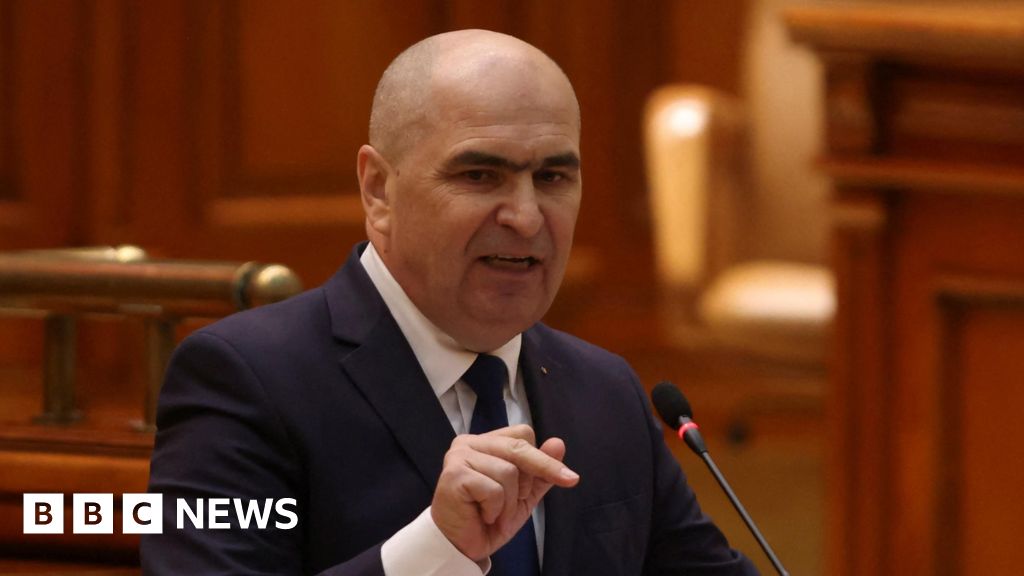
In a startling turn of events that underscores the fragility of contemporary governance, Ilie Bolojan recently faced a decisive defeat in a parliamentary vote after the largest party within his coalition aligned itself with the far-right opposition. The outcome not only signals internal fractures within the political landscape but also signifies a potential realignment of regional power dynamics, resonating far beyond the borders of Romania.
Analysts and political commentators note that this episode highlights the increasingly volatile nature of coalition politics in Eastern Europe, where traditional alliances are now being reconfigured amid rising nationalist sentiments. Historically, such shifts have often served as precursors to wider geopolitical recalibrations, especially as nations grapple with issues of sovereignty, regional security, and economic stability. The decision by the largest coalition partner to bolster far-right forces marks a pivotal moment—potentially reorienting the nation’s approach to both domestic policies and foreign relations.
Most notably, international organizations and international analysts are closely scrutinizing the implications of these internal conflicts. The European Union, for instance, observes with cautious concern as the rise of far-right factions within member states lands at odds with the bloc’s foundational principles of democracy and pluralism. Experts warn that such political shifts could embolden similar movements across the continent, thereby weakening EU cohesion and complicating efforts to pursue unified foreign policy initiatives. Meanwhile, global institutions such as NATO are watching closely, aware that instability within key allied nations could have ripple effects on regional security architectures.
This development also carries significant geopolitical impact. The fragmentation within Romania’s political landscape exemplifies a broader trend of rising nationalism across Europe and beyond, challenging established international norms and treaties. It forces leaders and strategists to question the durability of existing alliances and the future of multilateral diplomacy. As noted by historian Dr. Maria Vasilescu, “When internal factions align with extremist groups, it catalyzes a shift in the entire geopolitical structure, where sovereignty begins to conflict with supranational commitments, rendering traditional diplomacy increasingly complex.”
As history diligently records these moments, the fate of Romania and its regional allies hangs in the balance, with each decision carrying weight well beyond national borders. The recent upheaval serves as a stark reminder that in a world where power is often measured in spheres of influence, the line between stability and chaos can be dangerously thin. The course of history remains unwritten, but the unfolding narrative suggests that the coming days may prove pivotal not only for Romania but for the global order itself—the very fabric of international relations poised on the cusp of transformation and uncertainty.
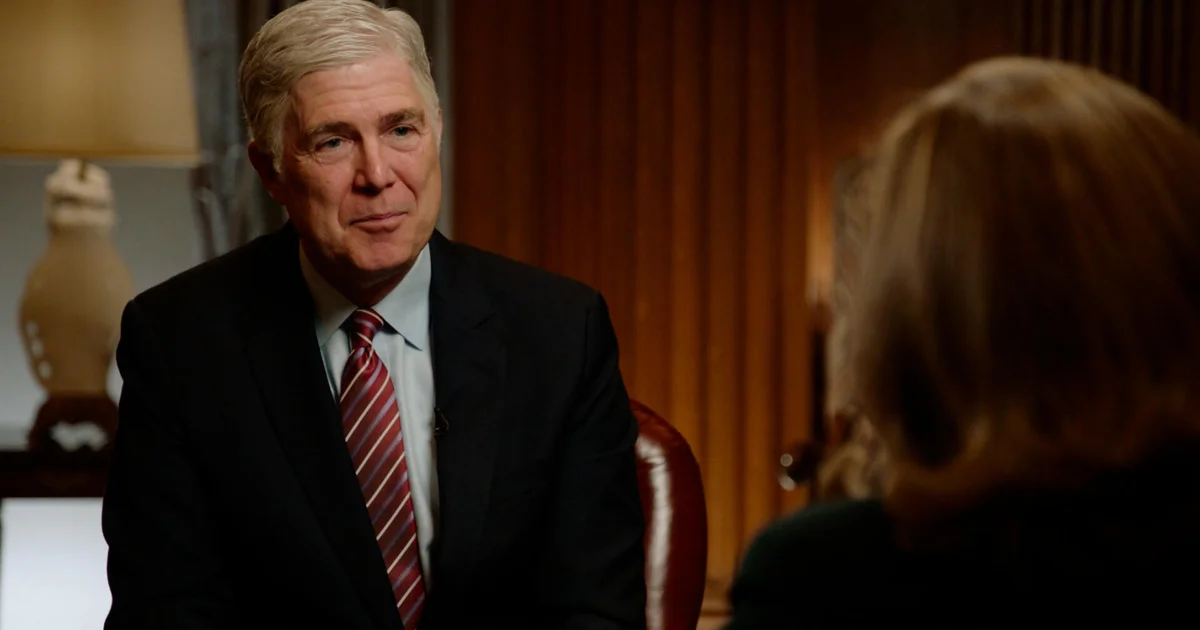
The recent assault by President Donald Trump on Justices Neil Gorsuch and Amy Coney Barrett underscores a pivotal power struggle within the American judicial and political architecture. In an era marked by turbulent shifts and high-stakes battles, the President’s critique of these justices—who were appointed during his administration—signals a profound contest over the interpretation of executive authority versus judicial independence. Their votes to strike down his sweeping tariffs demonstrate not merely a legal decision but a symbolic confrontation that touches on the core of constitutional authority and the direction of national policy.
At the heart of this confrontation lies a critical ideological tension—a clash between unitary executive power championed by the administration and the judiciary’s role as a check to presidential overreach. Historically, constitutional scholars like Alexander Hamilton and James Madison laid the groundwork to balance these powers, but recent events reveal an ongoing struggle to define their boundaries. Trump’s comments—characterized by personal rebukes toward the justices—are more than mere political posturing; they are a reflection of a broader, battle for the soul of America’s constitutional framework. The decision to strike down the tariffs, viewed by many as an overreach of executive authority, exemplifies the judiciary asserting its independence in a climate where the executive branch seeks to consolidate control.
Such conflicts resonate with past epochs of constitutional upheaval, reminiscent of the Jeffersonian and Jacksonian debates over federal power, or even the New Deal court clashes of the 1930s. Here, the power struggles are not abstract; they shape the daily lives of Americans, influencing economic policy, national security, and the very practice of governance. Critics argue that the President’s attack aims to undermine the judiciary’s authority, positioning himself as the ultimate arbiter of policy, while defenders view this as a necessary assertion of executive prerogative in safeguarding national interests. Each move within this domestic chess game directly impacts the people, dictating the course of law and policy in a nation founded on the principle of checks and balances.
Ultimately, the current political climate underscores a profound truth: politics remains the grand stage of human destiny, where ideologies clash, alliances shift, and history’s pen is wielded with every decision. As the dust settles from this legal and political crossfire, the American people are reminded that these power struggles are not merely battles of rhetoric but the very mechanism that sculpts the future of their republic. In this arena, the contest between leadership and liberty is relentless, and the outcome will forever mark the trajectory of American sovereignty—where every ruling, every critique, and every decision is a stroke upon the canvas of history.

In a move that underscores the fragile state of regional stability and the unpredictable nature of modern conflict, Ukraine has launched a series of aerial attacks on Russian territory just as it approaches a promised ceasefire deadline. On Tuesday evening, Kyiv’s military operations targeted an industrial area in Kirishi within the Leningrad region, a strategic corridor that supplies vital infrastructure to Russia. Additionally, they struck a factory in Cheboksary, located in the Chuvash Republic, known for its military component manufacturing. These strikes, which occurred ahead of Ukraine’s midnight ceasefire announcement, reveal a calculated effort to force international attention and possibly shift negotiating dynamics.
The timing and nature of these attacks suggest a deliberate message; while Ukraine publicly states its willingness to negotiate, its military actions illustrate a desire to maintain leverage and operational momentum. According to analysts at the International Crisis Group, such actions complicate diplomatic efforts, illustrating a fundamental truth of modern conflicts where the frontlines are also battlegrounds for international influence. The sequence of strikes underscores a fundamental geopolitical reality: that conflicts are often characterized by a chess match, where military actions intersect with diplomatic gambits. As President Zelensky faces mounting pressure from both domestic audiences and international supporters, these strikes could be interpreted as a strategic assertion of sovereignty amid calls for peace negotiations.
The geopolitical impact extends far beyond immediate military gains. These attacks further strain Russia’s security and economic stability, especially given the strategic importance of the targeted regions. Most notably, the strikes serve as a reminder that the conflict is not merely a localized civil war but a matter of broader international concern. The United Nations and several Western nations continue to scrutinize the escalation, with many fearing this could herald a wider, more destructive phase of the war. Historically, conflicts that involve targeted strikes on infrastructure often lead to protracted violence, as both sides seek to capitalize on perceived weaknesses, per military historians who warn of a potential escalation spiral.
As the world watches with bated breath, the unfolding scenario reminds us that history’s most crucial moments are often defined by unpredictable actions and decisions. Each strike, each diplomatic move, molds the course of history’s next chapter. With Ukraine and Russia locked in this tense standoff, the question remains: will the international community’s push for peace prevail, or will these strategic assaults push the conflict into an even darker, more uncertain future? The weight of history presses down on the present, and as the clock ticks toward both war and peace, the world stands on the cusp of a new chapter—one that will be written by the choices made in these perilous moments.
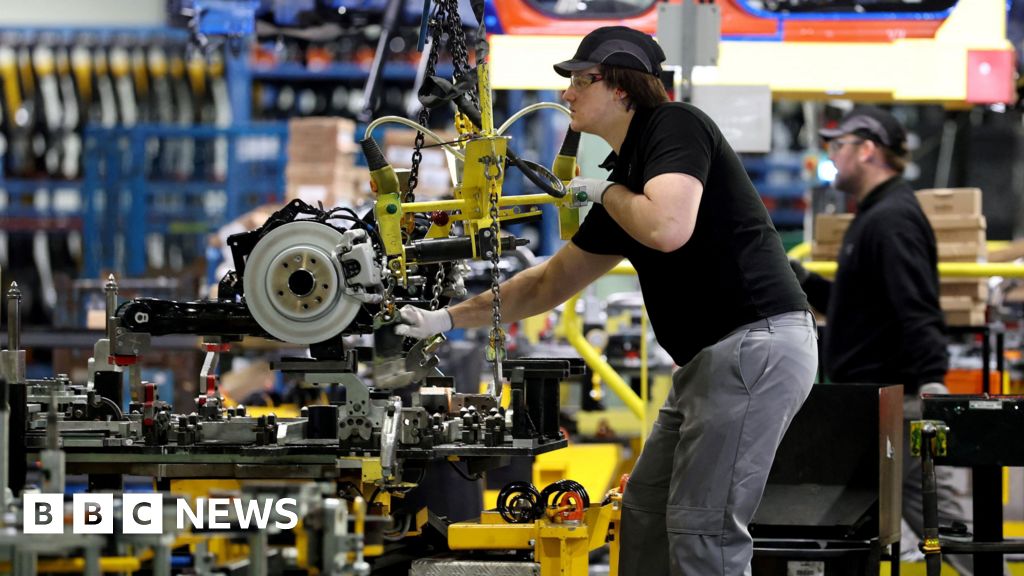
Automation and strategic realignment continue to reshape the automotive industry, and recent developments signal a significant shift for one of the UK’s key manufacturing hubs. Car maker has announced its consideration of collaborating with a third-party partner to **fully utilize** its Sunderland plant, a move that could redefine the company’s geographic footprint and operational structure. This decision highlights broader trends in the sector, where automation, supply chain resilience, and cost optimization are the new rules of engagement amidst economic uncertainties.
Analysts note that this potential partnership could be a response to post-pandemic supply chain disruptions and evolving consumer demand, especially as EVs and autonomous vehicles gain market share. By opening its plant to third-party expertise, automaker aims to boost production capacity without the hefty investments typically associated with new facilities. It’s a strategic pivot that underscores the importance of flexibility in manufacturing, ensuring the company can adapt swiftly to market signals. From a market impact, this move could invigorate local employment if coupled with initiatives to reskill workers, while also presenting new revenue streams for the company through OEM-supplier collaborations.
The policy consequences of such a shift are profound. The UK government, continually advocating for a robust automotive industry, could interpret this as a positive sign—a step towards establishing the UK as a resilient hub of innovation and production. However, industry experts warn that reliance on third-party partners might introduce complexities in quality control and supply chain transparency. As highlighted by think tanks like the Centre for Automotive Research, maintaining national industrial sovereignty in critical sectors remains a strategic priority. Policymakers are likely to monitor how industry stakeholders balance efficiency gains against potential vulnerabilities that could threaten economic security and technological sovereignty.
In the broader economic landscape, this development emphasizes that **future automotive leadership hinges not just on innovation, but on strategic partnerships** and adaptive manufacturing models. As global markets perceive the UK’s automotive sector as a bellwether for emergent industrial trends, such decisions could serve as a template—indicative of a transformative era where flexibility and strategic alliances define corporate survival. With economic uncertainties swirling—ranging from global chip shortages to geopolitical tensions—the company’s move to leverage third-party capabilities signals an epic shift: the economy is increasingly becoming a reflection of resilient, collaborative ecosystems rather than isolated national industries. Looking ahead, this evolution paints a compelling picture: the automotive sector is positioning itself to be not just a driver of the economy, but a catalyst for a new era of innovation-driven power, forging pathways that will shape the very foundation of global industry for decades to come.

The precarious landscape of global politics is once again exemplified by recent revelations surrounding UK Chancellor Rachel Reeves and her tense exchange with US Treasury Secretary Scott Bessent during the spring meetings of the International Monetary Fund. Reports confirm an angry confrontation over the escalating crisis in Iran and the broader implications of Middle Eastern instability. Such moments of power struggle are not mere diplomatic miscommunications but reflect deeper ideological divides and conflicting national interests, which, in turn, shape the lives of ordinary citizens far from the corridors of power.
At the heart of this confrontation lies not only the geopolitical stakes but also a broader narrative of how decision-makers navigate the treacherous waters of international influence. Reeves’ displeasure with Bessent’s tone underscores a fundamental tension: the UK’s desire for assertive sovereignty versus the US’s strategic dominance. Historically, such moments echo the interwar period’s diplomatic crises, where power centers vied for influence and the governance of millions was dictated behind closed doors. As political theorist Carl Schmitt argued, the true essence of sovereignty lies in the ability to decide on the state of exception—actions often hidden under the veneer of diplomacy but with real consequences for the people’s security and economic stability.
The current UK political climate, with its mix of conservative resilience and youthful vitality, highlights an undercurrent of frustration: the perception that internal reforms and resistance to globalist pressures are often thwarted by external influence—most conspicuously by the United States. This tension mirrors the enduring debate about sovereignty and the power struggles that define regimes and peoples. The government’s stance—sometimes veering toward de-escalation and at other times towards assertive independence—demonstrates a conscious attempt to reshape Britain’s role on the world stage. Yet, under all this, the question remains: who truly holds power, and how do their decisions determine the futures of nations and their citizens?
Adding to this complex picture is the broader geopolitical contest reflected in the Middle East, where the conflict in Iran continues to stir regional and global instability. The exchange in Washington encapsulates an ongoing power struggle between national sovereignty and international alliances—an arena where the destinies of millions are often reduced to the whims of elite decision-making. Political theorists like Machiavelli observed that power is a constant game of chess, where each move must consider not only immediate gains but also long-term consequences. As history continually repeats itself, the question is who will ultimately write the next chapter—the strategists in smoke-filled chambers or the voices of the populace demanding accountability.
In this theater of geopolitics, where decisions are sometimes made in whispers yet have deafening effects, it becomes clear that the stage is set for a continued struggle. The true power resides not only in the headlines but in the unseen negotiations that determine who commands the future. As the world watches, history reminds us that politics is indeed a stage where destiny is written—not merely by the rulers’ choices but by the relentless conflicts for influence and control. The question remains: in the face of shifting alliances and mounting crises, who will seize the pen to draft the next chapter of global history?

In a troubling development, two confirmed cases of a novel virus have emerged aboard an international cruise ship, raising alarm across nations committed to controlling global health threats. The cases, which involve a pathogen that rarely spreads between humans, are notable for their unexpected transmission, challenging established epidemiological assumptions. The situation has been exacerbated by the tragic loss of three lives, signaling a potentially dangerous turning point in the outbreak that has now captured the attention of global health agencies and governments alike.
The incident underscores the fragile interconnectedness of today’s world, where a virus originating in isolated regions can quickly find new conduits across borders via transportation networks. The cruise ship, which was traveling across multiple jurisdictions, not only raises immediate health concerns but also highlights the geopolitical implications of international mobility during outbreaks. Critics argue that this event illuminates long-standing vulnerabilities in maritime health protocols, and legislators worldwide are under mounting pressure to implement stricter quarantine measures. The International Health Regulations of the World Health Organization (WHO) face renewed scrutiny as nations scramble to contain the potential spread of an elusive pathogen once thought to be confined to remote regions.
Broadly, this crisis is exposing the geopolitical fragility of global health security alliances. Countries with advanced medical infrastructure, such as the United States, the European Union, and Japan, have pledged swift responses, yet the incident exposes cracks in international cooperation. Experts, including renowned epidemiologists and analysts from organizations such as the Centers for Disease Control and Prevention, warn that early containment hinges on transparent information sharing and rapid response coordinated across nations. The virus’s ability to leap between humans despite its rarity increases the risk of wider outbreaks, and history teaches that prompts, decisive action can alter the trajectory of such crises—yet delays or misinformation can deepen the catastrophe.
The geopolitical impact of this development extends far beyond health borders. Heightened governmental measures threaten economic stability, as trade routes and global tourism—particularly in the maritime sector—face disruption. Countries with strategic maritime dominance are positioned to leverage their influence in shaping international responses, potentially fueling geopolitical tensions. Meanwhile, international organizations grapple with the urgent need to facilitate cooperation, despite differing national interests and resource disparities. This event serves as a stark reminder that health crises are intertwined with notions of sovereignty and international diplomacy, where the decisions made can either forge unity or deepen divisions.
As history now watches from the sidelines, the unfolding narrative leaves a haunting question: Will the world united in action succeed in thwarting this invisible threat, or will it reveal that even the most isolated diseases can become catalysts for global upheaval? The weight of history is still under construction, and the choices made in these critical hours will determine whether humanity can prevail against the silent march of the pandemic or succumb to its relentless march. The events aboard this vessel provide a sobering reflection—one that underscores the ever-present danger lurking in borders, seas, and social trust amidst a rapidly changing geopolitical landscape.

The recent warning issued by medical professionals underscores a troubling trend in societal neglect and misinformation that jeopardizes the health and safety of our most vulnerable: infants. Experts have highlighted that certain advice circulating among communities puts babies at risk of serious harm, even death. This alarming development not only raises moral questions about our societal priorities but also reflects deeper issues within family structures and the educational and healthcare systems tasked with safeguarding our children’s well-being.
The core of this crisis lies in mistrust in scientific guidance and the propagation of myths that challenge established medical consensus. Many families, driven by cultural beliefs or misinformation, are making decisions that contradict evidence-based practices essential for infant health. As sociologist Dr. Anne Foster notes, these behaviors often stem from a broader societal trend where traditional values clash with modern medical advice. When communities prioritize cultural identity over scientific consensus, children’s health becomes at risk, illustrating how deeply social tensions can intersect with public health. The consequence is a fractured societal fabric where **trust** in institutions is eroded, leaving families more vulnerable to preventable tragedies.
At the community level, these challenges reveal a pressing need for innovative education and outreach programs. Schools, healthcare providers, and local organizations must collaborate to re-establish **trust** by delivering clear, culturally sensitive information that aligns with scientific standards. Proposed solutions emphasize engaging community leaders and youth—who are often at the forefront of cultural shifts—to foster a generation better equipped to make informed decisions. According to social historian Dr. Marcus Caldwell, these efforts are crucial to reversing harmful trends because they help *reshape societal narratives around health and morality*, emphasizing that in safeguarding our children, we uphold the moral fabric of society itself.
Ultimately, society’s challenge extends beyond immediate health concerns; it reflects a broader moral imperative to protect the integrity of families and pass down values rooted in knowledge and compassion. As we grapple with these social issues, it becomes clear that **building resilient communities** requires a collective effort—a recognition that *the health of our children echoes the health of our society*. Perhaps, amid the turbulence of social change, there lies a glimmer of hope: a future where families are empowered with truth, communities foster trust, and every child is afforded a safe start in life. Reflecting on these challenges invites us to ponder whether society will unite in the pursuit of that future—one where care and knowledge no longer conflict but work hand in hand for the well-being of generations to come.

In a move to rekindle its influence and innovate amidst fierce competition, Bose has unveiled its new “Lifestyle Collection,” comprising the Lifestyle Ultra Speaker, Ultra Subwoofer, and Ultra Soundbar. This strategic relaunch marks a deliberate disruption in the home speaker space, a sector that has seen significant innovation driven by tech giants and startups alike. Characterized by sleek fabric-wrapped aesthetics and advanced multi-room connectivity, Bose’s latest offerings emphasize seamless user experience combined with cutting-edge functionality—highlighting a renewed focus on innovation and consumer engagement.
The new products underscore Bose’s strategic pivot toward integrating multi-platform compatibility with services like AirPlay, Google Cast, and Spotify Connect. Notably, the Ultra Speaker is among the first in the industry to support Amazon Alexa+ voice controls in the U.S., signifying a shift toward unified, voice-driven smart home ecosystems. With W-Fi, Bluetooth, and auxiliary inputs, Bose ensures flexibility in deployment—from traditional stereo setups to modern home theaters.
The price points—starting at just $299 for the Ultra Wireless Speaker and exceeding $1,000 for the Ultra Soundbar—demonstrate Bose’s ambition to accommodate both budget-conscious consumers and audiophiles seeking premium sound. Moreover, the company’s decision to align grouping controls with Google Home and Apple’s AirPlay apps boosts interoperability—a key market trend. This shift caters to a broader consumer base, positioning Bose as a resilient disruptor in an industry marked by rapid innovation, as highlighted in recent Gartner reports emphasizing the growing dominance of integrated, cloud-connected devices.
Critics note that Bose’s reentry heralds a new phase of disruption, compelling competitors to innovate rapidly or face obsolescence. The emphasis on a redesigned onboarding process and enhanced app integration reflects industry-wide acknowledgment that consumer convenience and ecosystem synergy are now central to product success. Emerging startups and giants alike must adapt to this new paradigm where design, connectivity, and smart features will determine market leadership.
As Bose reinvents its legacy in the context of today’s technology landscape, the implications extend beyond product launches. The company’s push for disruptive innovation portends a future where smart, interconnected, and intuitive home systems become the norm. Industry analysts like Peter Thiel and futurists at MIT warn of a technology arms race where speed, user experience, and ecosystem support will define success. The recent Bose launch exemplifies this trend—aggressive yet strategic— to capture the imagination, and wallets, of a new generation of consumers hungry for sophisticated yet accessible sound experiences.
In conclusion, Bose’s “Lifestyle Collection” deployment underscores a pivotal moment: the need for established companies to innovate relentlessly or risk losing relevance. As the industry accelerates toward smarter, more integrated solutions, businesses that prioritize disruptive innovation and anticipate industry shifts—such as the emergence of voice AI and multi-platform compatibility—will be the true winners in shaping the future of home entertainment. The clock is ticking for competitors to match Bose’s move; the next wave of home audio innovation is underway, and those who lead it will define the technological landscape of tomorrow.

The international music scene has experienced a sudden upheaval as British artist M.I.A. has been abruptly removed from the opening act line-up for the Rebels Rage tour amid a dispute with US rapper Kid Cudi. This development underscores the growing tensions often lurking behind global entertainment collaborations, which, while seemingly apolitical, can have significant geopolitical implications in a world where cultural exchanges are increasingly interconnected with political narratives.
According to sources close to the situation, the disagreement arose over artistic differences that escalated into a broader clash of egos and visions for the tour. While details remain confidential, experts suggest that such disputes are seldom isolated from larger ideological or personal conflicts—especially when artists with distinct backgrounds and social perspectives collaborate on a global stage. Historically, music and popular culture have been used as a mirror to international tensions, often reflecting underlying political struggles or societal debates. As analysts from the International Cultural Institute observe, disruptions within high-profile tours can serve as subtle indicators of shifting alliances or tensions within the entertainment industry, which in itself is a microcosm of broader geopolitical currents.
Global institutions and policy analysts warn that entertainment, once viewed purely as escapism, now plays a strategic role in shaping public perceptions and soft power trajectories. When a high-profile act like M.I.A., known for her outspoken political stances, is sidelined, it raises broader questions about the influence of cultural allegiances and ideological stances on international entertainment collaborations. The incident illustrates how even in seemingly apolitical spheres, decisions made behind closed doors can ripple outward, influencing societal perceptions and diplomatic relationships. Historians have long noted that moments of cultural discord often presage shifts in diplomatic alignments, a reality that policymakers worldwide are increasingly aware of.
Ending on a note of caution, the episode serves as a stark reminder of how individual conflicts within the entertainment industry can symbolize or even catalyze larger societal struggles. As international audiences watch the fallout unfold, the question remains: how long before this seemingly isolated dispute escalates beyond the music stage, potentially affecting broader cultural diplomacy? With history continuously being written on the global stage, the resolution—or escalation—of such disputes will undeniably shape the perceptions of nations and influence future interactions. The world remains a stage, and at its heart, the narratives of power, identity, and influence continue to evolve, often in moments that seem small but carry the weight of history itself.


