
TRENDING NEWS





Truth Over Trends, always!
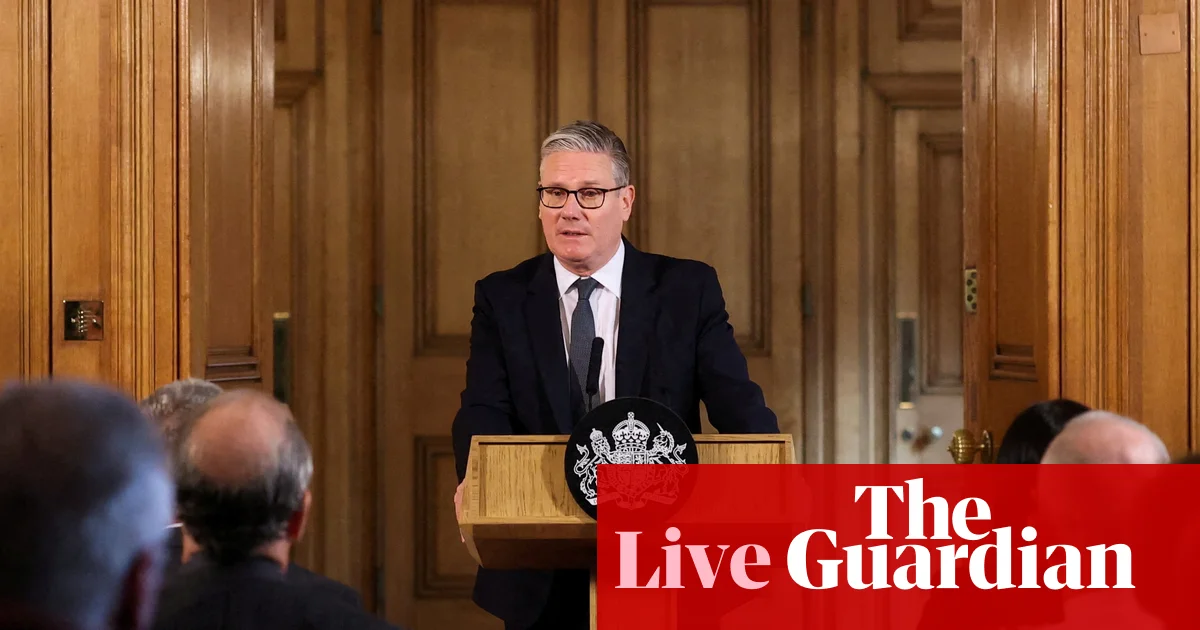
In contemporary politics, the **battle for influence** is often fought behind closed doors, yet the ripple effects of these conflicts are often felt in the very fabric of national life. Recent remarks from **Kemi Badenoch**, a rising star in the Conservative Party, highlight how power struggles extend beyond the ballot box into the moral and ethical fabric of leadership. Her pointed question regarding the **£5 million** donation to **Nigel Farage**, the veteran euroskeptic and Brexit advocate, exemplifies how *financial opaque-ness* can serve as a battleground for influence and trust. Badenoch’s skepticism underscores a broader tension: whether the **elite** manipulate the political landscape under the guise of campaign finance, ultimately shaping the values and perceptions of ordinary citizens.
The controversy ignited when Badenoch questioned whether the donation, which she claims was linked to Farage’s support of **cryptocurrencies**, signifies a deeper **power struggle**. She accused Farage of concealing the origins and purpose of the money, emphasizing that such undisclosed financial backing ultimately threatens the integrity of democratic processes. As she put it, “What was that money for? Who’s bought him?” Reflecting on **constitutional principles**, legal experts often cite the importance of transparency as a safeguard that prevents **power consolidation in the hands of clandestine interests**. This incident echoes historical parallels where secret funding — whether in *Watergate* or *Iran-Contra* — destabilized foundational trust and initiated profound political consequences. The stakes are clear: control over narratives and financial influence may determine who *shapes public discourse* and whose interests are prioritized.
This controversy also exposes a deeper **interplay between new financial technologies and political influence**. Farage’s financial backing, allegedly linked to crypto, manifests a broader ideological drift within the political sphere—where **digital assets** are increasingly seen as tools for both empowerment and subversion. This introduces a **new battleground** for political influence, as proponents argue cryptocurrencies foster *decentralization and liberty*, while critics warn of **opacity and potential for corruption**. Badenoch’s insistence on strict declaration rules echoes classical **republican ideology**, emphasizing accountability as essential to **prevent authoritarian drift**. Such debates signal that, in the current era, the *battle for control over financial flows* is a proxy for the ongoing *struggle for sovereignty*—the right of a nation and its citizens to determine their destiny without covert external influences.
Ultimately, the *power struggles* unfolding in Britain’s political arena reflect the **wider tension** between authority and autonomy, tradition and innovation. As political theorists like **James Madison** warned, **”The accumulation of all powers, legislative, executive, and judiciary, in the same hands”** is an inevitable pathway to tyranny. The recent debates about transparency, influence, and *who truly holds sway in the corridors of power* serve as a stark reminder that **policymakers are but actors on a stage**, where the scripts are written by **financial elites and ideological factions**. The question remains: will the people ultimately command the curtain, or will unseen forces continue to **write the destiny of a nation** behind the scenes? In this age, politics is no longer merely a contest of ideas but a **battle for the soul of sovereignty itself**—and history will remember who dares to write the script.
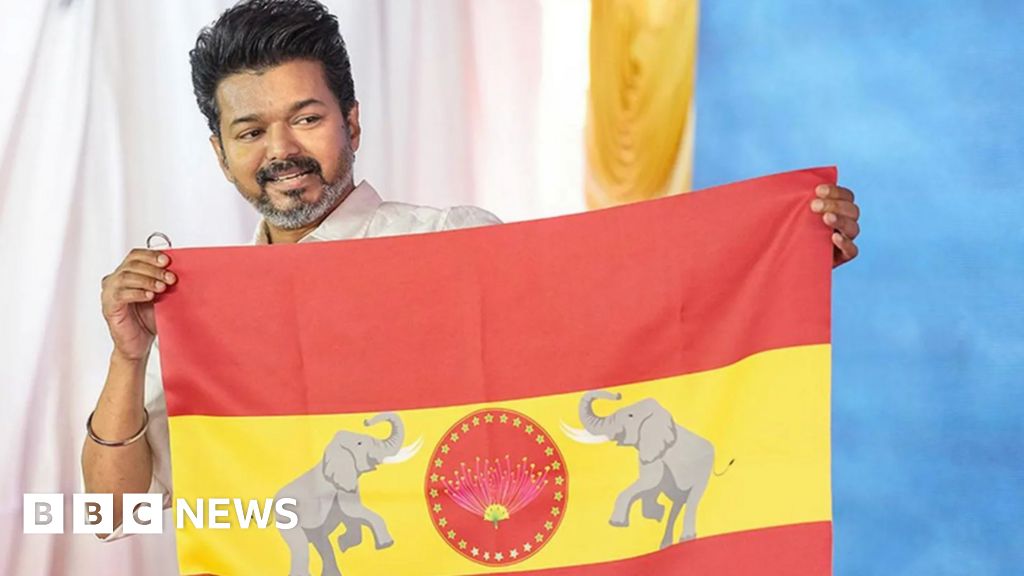
In a surprising turn of events, **film icon Vijay**, a beloved figure in Tamil Nadu, has emerged as a formidable force in the state’s recent electoral landscape. Defying longstanding political expectations, Vijay’s near-complete sweep of the region’s polls signifies a major break from traditional party dominance, challenging the established political order that has been in place for decades. This development reflects a broader shift towards celebrity-driven politics in India, with significant implications for **domestic stability and regional influence**.
Political analysts and historians have noted that Vijay’s success signals more than just a celebrity’s foray into governance; it highlights a growing distrust in conventional political parties among the youth and urban voters. As **international observers** monitor this rapidly evolving scenario, some predict that Vijay’s rise could reshape **power dynamics** within Tamil Nadu and influence how other states evaluate the role of popular figures in leadership roles. Such a change is particularly notable given the entrenched factions within regional politics, traditionally dominated by parties like **DMK** and **AIADMK**. Vijay’s unprecedented electoral performance underscores the shifting allegiances among voters seeking fresh alternatives amid economic challenges and social unrest.
Here, the geopolitical impact extends beyond India’s borders. Tamil Nadu’s pivotal location on the southeastern coast of the Indian subcontinent, adjacent to vital international trade routes, lends the state a strategic significance that cannot be overlooked. A political landscape energized by new, populist leadership like Vijay’s could lead to regional policies that either bolster or undermine stability and cooperation along maritime corridors. Major international organizations and analysts have expressed cautious optimism, emphasizing that regional political stability directly affects **border security, foreign investment**, and **trade relationships** in South Asia and the broader Indo-Pacific region. This realignment in Tamil Nadu’s political arena may also influence **India’s internal cohesion**, particularly as it navigates complex relationships with neighboring countries.
Many experts warn that this moment is a **turning point**—a potential catalyst for further upheaval in Indian politics. As historians examine the roots of celebrity politicians worldwide, such as in the United States and the Philippines, some argue that Vijay’s victory is a reflection of **global trends** where personality politics often overshadow party ideologies. The rise of such figures indicates an era where **popular culture and charisma** can challenge the traditional notions of governance, prompting international organizations like the **United Nations** to scrutinize how these shifts might influence **democratic development and social cohesion** in the region.
As the dust settles and the world looks on, one thing remains clear: the unfolding story of Vijay’s political ascent is much more than a regional upset. It’s a harbinger of an era where **populism**, **entertainment**, and **national identity** coalesce into powerful forces reshaping the fabric of society. Just as history beckons us to understand the consequences of such upheavals, the global community stands at a precipice—eyeing a future where the line between celebrity and sovereignty blurs, and the story of **India’s largest state** continues to write itself into the larger saga of geopolitical change.

In a development that underscores the persistent volatility within the nation’s capital, U.S. Secret Service agents were involved in an alarming incident wherein firearms were discharged at an armed suspect in close proximity to the symbolic heart of American power, less than a mile from the White House. This second incident within a matter of weeks reflects a broader narrative of security breaches and the ongoing challenge to safeguard the seat of democracy from both external threats and internal chaos. As agents responded to what they described as an armed individual, the incident quickly escalated, resulting in the injury of a juvenile bystander—a stark reminder of the borderless dangers facing law enforcement and the unpredictable terrain of political conflict.
This event is more than a mere security report; it highlights a power struggle that extends beyond physical confrontation into the realm of political legitimacy and public trust. The Secret Service, an agency entrusted with protecting national leaders, is grappling with a landscape where freedom and security are in increasingly precarious balance. Such incidents prompt questions about the adequacy of current protocols and whether policy reforms—often touted by conservative advocates—are sufficient to address the evolving threats. Critics argue that policies must adapt swiftly to the shifting security paradigm, emphasizing strengthening law enforcement’s capabilities to prevent such incidents. Conversely, reform advocates sometimes push for broader discussions around civil liberties and the limits of state power, complicating the political debate and fueling a fierce clash over the very core of constitutional order.
From a historical perspective, this upheaval echoes the profound debates of the early 20th century concerning the delicate balance between liberty and authority. The Constitutional scholars remind us that the founders’ vision was predicated on a system where power is deliberately distributed and checked, yet in moments of crisis, the state’s role often expands—sometimes at the expense of individual freedoms. Today, the power struggle manifests as a contest over the definition of security and how it should be deployed in a society brimming with ideological divisions. As political theorist Carl Schmitt noted, the sovereign is he who *decides on the state of exception*, and in Washington, D.C., that decision is increasingly influenced by unresolved conflicts over who holds ultimate authority over security measures.
Ultimately, the ongoing sequence of violent incidents and policy debates exemplifies how decisions made in the corridors of power ripple outward, consequentially shaping the lives of ordinary citizens. The battle lines are being redrawn, not just over political ideologies, but over the core principles that will define the American republic going forward. In this theatre of struggles and reforms, the future of liberty and order is written by those wielding power today. As history has demonstrated, in the arena of geopolitics and domestic governance, destiny is carved by the decisive actions of enough brave or reckless actors to alter the course of our collective narrative. The stage is set—what remains to be seen is which forces will emerge victorious in sculpting the enduring contours of American sovereignty.
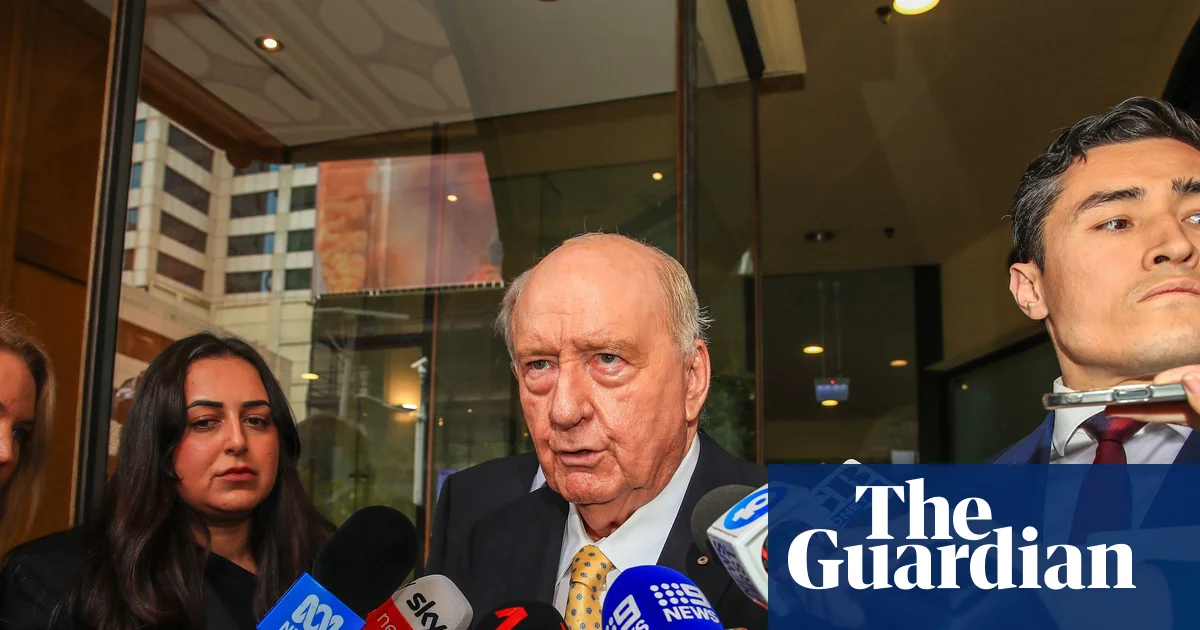
In recent months, Australia has become the epicenter of a domestic controversy that extends beyond its borders, capturing the attention of global analysts and international institutions alike. The scandal involving the prominent broadcaster Alan Jones—accused of historic sexual misconduct—has ignited debates over police conduct, legal integrity, and the influence of media personalities. While many see this as a matter confined within Australia’s borders, its geopolitical impact could ripple across regional alliances and influence global perceptions about legal transparency and media accountability.
The ongoing legal proceedings—marked by accusations that police may have improperly handled evidence—highlight potential challenges to rule of law within democratic nations. Experts warn that such controversies threaten to undermine public confidence in legal institutions, especially when high-profile figures are involved, setting a dangerous precedent for political interference or selective justice. The allegations and the court’s debates over warrant validity underscore the importance of due process in safeguarding fundamental rights during investigations. International organizations such as Amnesty International and Human Rights Watch have issued cautious statements urging transparency and adherence to legal standards, cautioning that any perception of impropriety could diminish Australia’s reputation on the global stage.
Furthermore, this crisis has occurred during an era of heightened geopolitical tensions, as China, Russia, and other competing powers scrutinize Western democracies through a prism of skepticism. As the United Nations and allied think tanks analyze Australia’s domestic stability, they underscore how internal conflicts—particularly those involving media influence and legal integrity—can weaken national resilience and diminish international trust. Historically, analysts like Dr. Samuel Clarke have warned that such “internal fissures,” if left unresolved, can be exploited by adversarial states seeking leverage in strategic regions.
The case of Alan Jones exemplifies more than just scandal; it acts as a litmus test for Australia’s societal values—namely, its capacity to uphold justice for all, regardless of status or influence. The outcome of this high-stakes legal battle will likely influence how similar cases are approached in other liberal democracies, setting a precedent for media accountability and police oversight. Neighbors in the Indo-Pacific region watch intently, knowing that the legal integrity of one nation underpins regional stability and the credibility of exportable democratic principles.
The impact extends further when considering how public trust in institutions plays into regional geopolitics. An Australia perceived as capable of critical introspection and fair justice signals strength and resilience, bolstering its alliances with the United States and United Kingdom. Conversely, perceptions of corruption or impropriety domestically could embolden authoritarian actors who aim to exploit internal weaknesses for geopolitical gains. As international analysts, including regional security experts, note, the stability of a nation’s judicial and media frameworks directly correlates with its ability to project power and influence on the global stage.
As Australia grapples with this internal test of justice, the broader world watches, aware that the course of history is often determined by the resolution of such conflicts. Whether this crisis results in a reaffirmation of principles or exposes fractures in leadership and rule of law, it remains a warning of how fragile societal cohesion can be amid scandal and controversy. The decisions made today will ripple through generations—shaping perceptions of sovereignty, justice, and media influence—and, ultimately, defining the legacy of a nation in the relentless march of history.

The world economy is currently navigating through a period of unprecedented turbulence, marked by sharp contractions in key markets and fluctuating currencies. Recently, the US dollar has experienced a significant near value depreciation, largely driven by mounting inflationary pressures and a series of aggressive policy shifts by major central banks. Economists from prominent think tanks warn that this underlying instability could trigger a ripple effect, impacting global trade and investment flows for years to come. Investors are particularly alert to the emerging risks, as volatility in equity markets continues to surge, prompting a reevaluation of asset allocations in what many are dubbing the “new normal” of international finance.
The European Union and Asian economies are not exempt from this wave of uncertainty. In the Eurozone, stubborn inflation persists, compounded by energy supply disruptions exacerbated by geopolitical conflicts and climate-related disturbances. Meanwhile, China navigates a complex landscape of regulatory crackdowns and domestic slowdown, which collectively threaten to undermine the global supply chain. Notably, key investment analysts from firms like Goldman Sachs and JP Morgan underline the urgency for policymakers to implement targeted stimulus measures to stabilize markets while cautiously avoiding unnecessary inflationary surges. The Market Impact has been stark: commodity prices, especially for critical resources like oil and rare earth elements, have rocketed, increasing costs for industries worldwide and intensifying the debate on trade policy adjustments.
Governments and monetary institutions are at a crossroad: the temptation to stimulate growth through expansive economic policies is juxtaposed against the looming threat of inflation spiraling out of control and creating a debt crisis. The U.S. Federal Reserve has signaled a series of rate hikes aiming to tame inflation, but experts from the International Monetary Fund caution that overdoing it could tip advanced economies into recession. Conversely, some investor factions argue for a more measured approach, wary of policy overreach. The long-term policy consequence remains uncertain; but what is clear, is that these tumultuous shifts underscore the economy’s pulse — a heart of resilience and peril intertwined, and a stage upon which future superpowers are quietly emerging, poised to redefine global influence. As nations grapple with immediate crises, they forge the trajectory of economic dominance in an interconnected world that refuses to stand still.
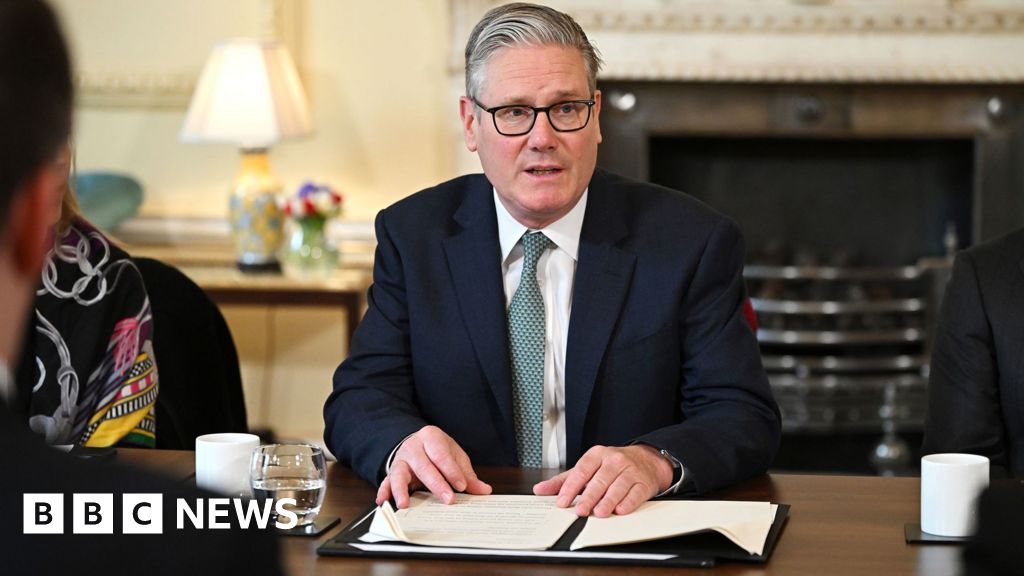
In the evolving landscape of national politics, the prime minister’s planned congregation with sector leaders at Downing Street signals a strategic move that could redefine the political battleground. This gathering, set to encompass key figures across diverse industries, underscores a profound shift in the leveraging of political influence and economic policy. It is a reminder that in an era characterized by rapid change and intense power struggles, the decisions made within these walls hold the potential to shape not only economic realities but also the very fabric of societal governance.
Within this context, the government’s approach to policy formulation is under scrutiny. The prime minister’s efforts to foster dialogue show an acute awareness that cementing alliances with economic and social sectors is vital for maintaining authority amid a turbulent political climate. As political theorists such as Machiavelli have long observed, “It is better to be feared than loved,” a maxim that resonates with the current administration’s tactics of consolidating power through strategic engagement. Yet, this also exposes a fundamental power struggle—a contest for influence over the corridors of decision-making that will ultimately determine the trajectory of national legislation and policy priorities.
Historical parallels offer a sobering reflection on the significance of such moments. Just as FDR’s New Deal reshaped the American economy during the Great Depression through targeted sector engagement, the UK government’s interventions can be viewed as attempts to reincarnate a new form of social contract—one that balances private enterprise with state influence. However, critics from constitutional spheres warn that this delicate balancing act can veer toward overreach, risking the constitutional foundations of representative democracy. For example, constitutional experts have raised concerns over the potential erosion of parliamentary authority if executive decisions begin to bypass legislative oversight, echoing historic fears of unchecked power reminiscent of the pre-revolutionary monarchies.
As the prime minister embarks on this important consultation, the underlying power struggle becomes clear: politicians and stakeholders are engaged in a contest that extends beyond mere policy—it’s a battle for the soul of national identity and economic independence. Decisions made in this room will carve the parameters within which the future unfolds, forging a path dictated by political will and strategic interests rather than accidental happenstance. The political stage remains a crucible where the very essence of a nation’s destiny is inscribed—a testament that, amidst the shifting sands of power, true authority is always a matter of control over the instruments of influence.

In recent months, international headlines have illuminated a world on the brink of transformative shifts, driven by both emerging technological capabilities and volatile geopolitical tensions. The deployment of facial recognition across the UK exemplifies how technological advancements are rapidly outpacing the existing regulatory frameworks. Authorities are increasingly deploying live surveillance systems—not just for crime prevention but under the guise of national security—which fosters concern among analysts about civil liberties. As Robert Booth, Guardian’s UK technology editor, notes, “The pace of adoption is outstripping safeguards,” highlighting the risk of widespread unchecked surveillance and the creeping erosion of privacy rights. This phenomenon, escalating at an exponential rate within Britain, foreshadows a broader international trend where technology is reshaping societal norms and power dynamics.
Simultaneously, the Middle East remains a focal point of confrontation and peril. Donald Trump‘s recent threats to Iran, threatening “to blow it off the face of the earth” if its forces attack US vessels, amplify the mounting regional tensions. Such inflammatory rhetoric from Washington echoes historic patterns of interventionism that risk igniting a larger conflict, potentially drawing in Russia and China into a broader confrontation. Meanwhile, Iran’s leaders have issued warnings against U.S. military incursion, exemplified by their recent drone launches at the UAE. The United Nations and international security analysts warn that unresolved security dilemmas in the region could escalate into a full-scale conflict, compromising not just regional stability but challenging the global balance of power. The confluence of aggressive posturing and strategic miscalculations highlights how fragile the current peace remains—the very fabric of diplomacy is being tested in real time.
Historically, these shifts reflect a recurring narrative—nations adapting to new realities with often unpredictable consequences. Historians warn that the current confluence of technological, military, and societal upheaval may be the prelude to a new epoch in geopolitics. As decisions made today unfold in tomorrow’s history books, the world remains at a pivotal juncture. The question is whether humanity can reconcile the pursuit of innovation with the need for restraint—and whether the lessons of the past can serve as guiding beacons amid a turbulent future. One misstep, one ignited conflict, or unchecked technological excess could mark the beginning of an era where the archaic forces of power threaten to drown the promise of progress, leaving history to judge whether humanity learned too late or rose resilient above its trials.

The recent closure of Spirit Airlines and the unsettling reports of missing U.S. soldiers in Morocco serve as stark reminders of the underlying power struggles that continue to shape domestic and international policy landscapes. While these events may seem disconnected at face value, they are emblematic of a broader trend where leadership decisions and policy responses reveal much about the core priorities of the current administration and opposition alike. Both incidents act as flashpoints for debates over economic resilience and strategic national security—issues that test the very foundation of governance and influence how ordinary citizens are impacted.
The collapse of a major airline such as Spirit Airlines underscores a critical failure of economic oversight and regulatory policy. Critics argue that bureaucratic mismanagement and regulatory overreach have contributed to the airline’s demise, creating ripple effects through employment sectors and consumer confidence. The incident exemplifies a power struggle between free-market principles championed by conservative factions and the increasingly interventionist policies favored by left-leaning policymakers. Historical parallels—such as the deregulation era of the late 20th century—demonstrate that economic freedom often balances precariously against safety and stability, with the public frequently bearing the brunt of policy failures.
Meanwhile, the reports of missing U.S. soldiers in Morocco have ignited concerns over America’s strategic engagement abroad. Experts in constitutional law and national security emphasize that such incidents reveal vulnerabilities within the US’s overseas military commitments—commits driven not solely by geopolitical strategy but also by internal political struggles for influence. The power dynamics between military brass, intelligence agencies, and political leaders have always defined modern warfare. This particular crisis begs the question: are decisions in these corridors of power driven by national interest or by internal political egos seeking influence over foreign policy? These episodes serve as stark reminders that decisions made in the corridors of power have real consequences for the soldiers and their families.
In the broader context, these crises highlight that politics remains an ongoing battle for control—a fierce contest where policymakers, political theorists, and constitutional experts scrutinize each move for implications on civil liberties, economic stability, and national security. The historical parallels—such as the Cold War’s secret diplomacy or the post-9/11 expansion of executive power—highlight the delicate dance between authority and accountability. As citizens watch these events unfold, it becomes apparent that the decisions made today will ripple through generations, shaping the destiny of the nation. The stage is set for a new chapter in political history—one where every act leaves a mark that defines the future of the American identity, revealing that even in these moments of crisis, politics remains the ultimate arena where fate is forged.

In an era marked by rapid technological upheaval, artificial intelligence continues to redefine the landscape of industry and employment. During a recent high-profile discussion hosted by the Milken Institute, Jensen Huang, CEO of Nvidia, dismissed doomsday scenarios claiming AI will displace millions of jobs. Instead, Huang articulated a compelling vision of AI as a catalyst for industrial re-industrialization and job creation within the United States.
This perspective emphasizes a crucial paradigm shift: AI as an innovation engine rather than a harbinger of economic collapse. Huang highlighted that the hardware manufacturing sector, central to AI infrastructure, is experiencing a renaissance with new factories requiring skilled labor. It signifies a shift towards AI-powered manufacturing and infrastructure, creating opportunities that could revitalise American competitiveness. Financial analysts from institutions like Gartner continually underline this disruptive momentum, forecasting that AI’s integration could generate millions of new jobs, even as it automates others. Such disruption underscores an urgent need for industries and education systems to adapt quickly.
While concerns loom around job displacement—with estimates suggesting up to 15% of current roles might be affected in the near future—industry leaders like Huang warn against succumbing to fearmongering. He cautioned that exaggerated narratives—often fueled by the AI industry itself—risk discouraging societal engagement with transformative technology. Many critics argue that this hyperbole acts as a marketing gimmick, blinding policy and industry leaders to the genuine potential of AI to bolster productivity and economic resilience.
Key advancements include the acceleration of GPU development and edge AI solutions, fueling innovative applications across sectors. Disruptive startups, backed by industry giants and venture capital, are creating new ecosystems where rapid iteration in AI models directly influences market share and technological dominance. Notably, MIT research and firms like OpenAI are pushing the boundaries, democratizing AI access, and catalyzing industry-wide transformations. This wave of innovation signals a strategic pivot for business leaders seeking to leverage AI for competitive advantage.
As AI continues its ascent, the economic implications are profound. The proliferation of AI hardware, the emergence of new AI-driven business models, and the push for domestic AI manufacturing are setting the stage for a reshaped global economy. Industry insiders and analysts argue that the current trajectory underscores a pivotal moment in history—where American leadership in tech and innovation could determine future competitiveness.
Looking ahead, the upcoming Techcrunch event in San Francisco, October 13-15, 2026, is poised to showcase these breakthroughs and debate policy pathways that enable AI’s growth while safeguarding employment. The pressing task for policymakers, business leaders, and innovators is to grasp this momentum — fueling disruptive innovation and fostering an environment where AI’s benefits outweigh its risks. Urgency is key: the window to shape an AI-driven economy that enhances national strength and preserves stability is rapidly closing. Future success hinges on decisive action today, as the age of AI isn’t just on the horizon—it’s unfolding before our eyes.
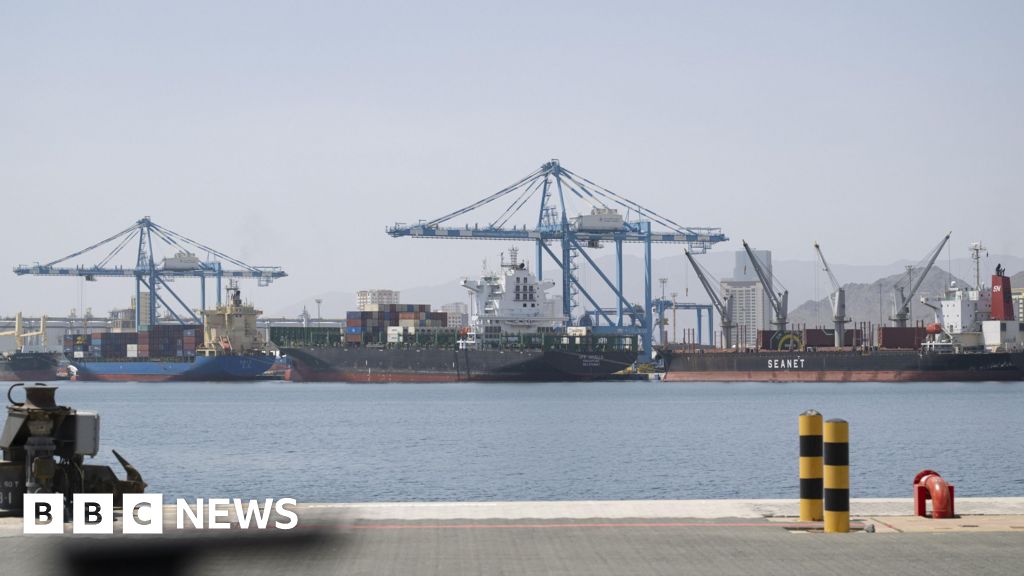
In a significant development that underscores the ongoing geopolitical tensions in the Gulf region, Maersk, one of the world’s leading shipping companies, announced that a US-flagged commercial vessel has successfully exited the Strait of Hormuz under active US military protection. This event highlights both the strategic importance of the Strait and the persistent risks faced by international maritime commerce amid escalating tensions between the United States and Iran.
The Strait of Hormuz, a crucial maritime corridor that channels approximately 20% of the world’s oil trade, remains a flashpoint in global geopolitics. Over the past few years, Iran’s actions — including attempted seizures of tankers, mine placements, and threats of closing the Strait — have prompted the United States and allied navies to maintain a persistent military presence in the region. According to international analysts, this escort operation underscores the fragile security environment and the strategic importance attributed to preserving open shipping lanes against disruptive regional actors.
Historian Dr. Elizabeth Carter, a prominent scholar on Middle Eastern geopolitics, emphasizes that such escort operations signal a broader shift in how international trade is protected in war-prone zones. “The fact that a commercial vessel is now regularly escorted by military forces signals a new era,” she explains. “It reflects the direct involvement of global powers in securing economic interests and demonstrates the heightened risks faced by global trade routes.” This intervention also sends a firm message to Iran, illustrating that the U.S. and its allies are committed to maintaining what they call free maritime navigation, crucial for the stability of global energy markets.
International organizations such as the United Nations and the International Maritime Organization have long warned that instability in the Strait of Hormuz could trigger wider economic repercussions. Recent assurances by US military officials confirm that escort missions will continue as necessary, inflaming regional tensions and complicating diplomatic efforts in the Gulf. Meanwhile, critics argue that confrontational military displays risk further destabilizing the region, potentially provoking miscalculation and escalation in a volatile security environment. As global markets remain sensitive to disruptions, analysts warn that this ongoing scenario could escalate into open conflict if diplomatic solutions are not prioritized.
The geopolitical impact of these events extends well beyond the immediate Strait. They reflect the broader struggle for influence between Western powers and Iran, with regional alliances and rivalries shaping the future of Gulf security. As history observes the unfolding chapters of this ongoing crisis, it becomes increasingly clear that the decisions made today could define the balance of power in the Middle East for generations. With the specter of conflict lingering and global oil supplies hanging in the balance, the world watches with cautious trepidation as the weight of history begins to cast its long shadow over an already fragile peace.


