Matox News

Truth Over Trends, always!

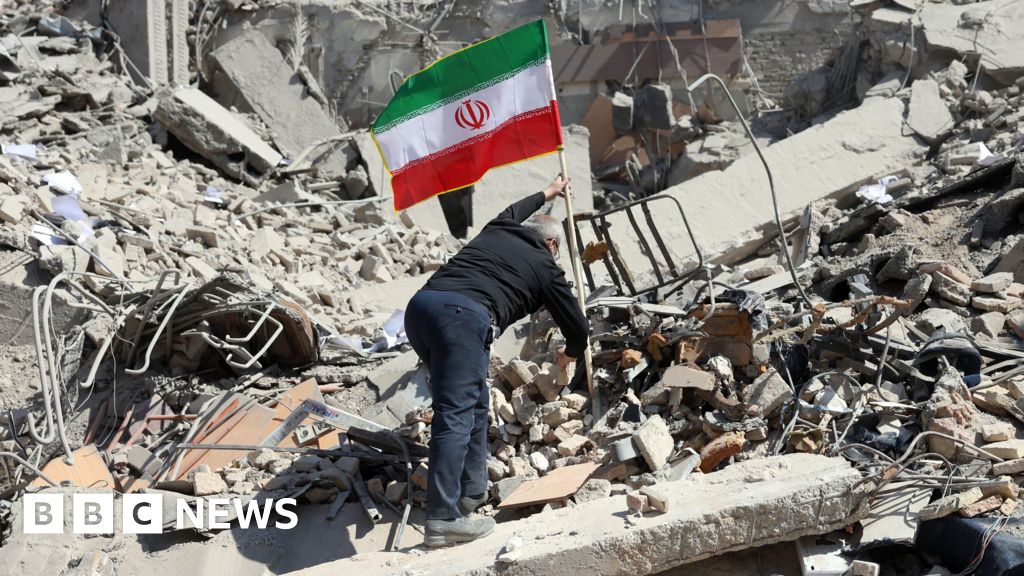
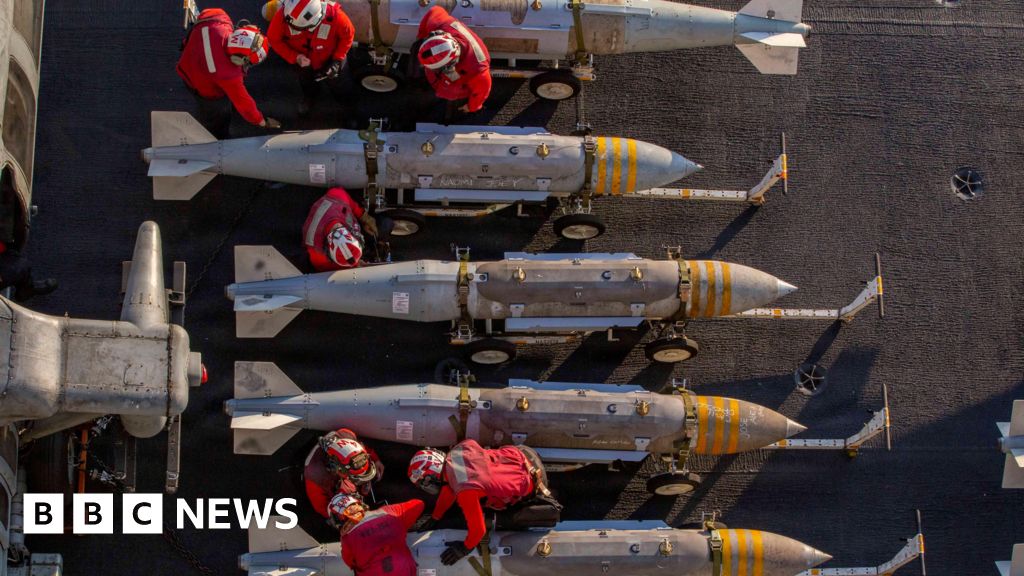
Depleted Weapons Stockpiles Could Threaten U.S. Stance in Iran Zone

As the world watches tensions escalate across several key regions, weapons stocks continue to emerge as a critical yet insufficient determinant of conflict outcomes. While many analysts acknowledge that military capability can shape battlefield success, the broader geopolitical landscape reveals a complex interplay of diplomacy, economic power, and strategic alliances. In this delicate balance, the capacity to mobilize and sustain armed forces often proves decisive, yet it is not the sole factor shaping history’s next chapter,

In recent developments, nations such as Russia, China, and the United States have increasingly prioritized the accumulation of weapons stockpiles as a demonstration of strength—perhaps more a signal to rivals than a prelude to war. However, according to international military analysts, including those at the Stockholm International Peace Research Institute (SIPRI), volume alone does not ensure military victory or deterrence. The state of preparedness, modernity of equipment, and logistical resilience in deploying these assets are equally crucial. This recognition underscores a nuanced reality: conflict is as much about strategic timing and diplomatic diplomacy as it is about the raw number of weapons possessed.

Furthermore, the international community’s response to ongoing conflicts remains shaped by a web of treaties, economic sanctions, and diplomatic efforts that often overshadow military stockpiles. Recent analyses by historians like Ferguson and global organizations such as the United Nations warn against overreliance on military buildup alone. Their assessments indicate that the true turning point in modern conflicts often hinges on international cooperation, information warfare, and economic resilience. For example, the persistent underfunding of diplomatic channels underlines a dangerous misconception: that guns can buy peace, or at least delay inevitable confrontations.

The geopolitical impact of these military strategies stretches beyond the battlefield. Nations are increasingly aware that stockpiling weapons impacts their relationships with allies and rivals alike, often leading to a security dilemma—where one country’s buildup compels neighbors to do the same, fueling an arms race that jeopardizes stability. How these decisions ripple through societies, influence public opinion, and shape future policy decisions remains a central concern for geopolitical analysts. This is especially true in regions where fragile political coalitions can be fractured by perceptions of insecurity or ambition.

As the weight of history presses on current leaders, the world faces a decisive moment: will military strength alone determine the future, or will diplomatic pursuits and economic agility forge a path toward stability? The answer remains elusive as history continues to be written. The siren call of military might is powerful, yet it is ultimately the complex web of international relations—woven with trust, diplomacy, and foresight—that determines the horizon. In this unfolding drama of power and peril, each decision echoes through the corridors of history, shaping generations yet unborn.


Rising Stars Shine Bright: High School Athletes Set New Records at State Championships

Philadelphia Showdown: Summer Roster Predictions

This summer, Philadelphia is set to be the epicenter of sports excitement as both the Philadelphia Eagles and Philadelphia 76ers prepare for their respective seasons. Early speculation about potential roster selections is heating up, and analysts are making some bold predictions about who could don the city’s storied colors. As teams gear up for the challenges ahead, these roster choices become pivotal in both franchise’s quest for glory.

In the football realm, fans are eagerly anticipating who will emerge as key players for the Eagles. Defensive powerhouse Javon Hargrave is expected to continue his dominance on the line, but there are whispers about the potential addition of rookies who could add depth and youthful energy to an already impressive squad. According to Eagles’ head coach Nick Sirianni, “We are looking for players who can think fast and react faster,” making the upcoming training camp a critical juncture for budding talent.

Meanwhile, the NBA landscape hints at exciting developments for the 76ers. With superstar Joel Embiid at the forefront, fans are curious to see who will complement his skills on the court. Experts anticipate that the return of Ben Simmons, combined with strategic offseason trades, could revitalize the team. Analyst Jalen Rose noted, “Philadelphia has a chance to redefine their identity,” paving the way for a spirited run in the postseason.

As the summer of sports approaches, the stakes are undeniably high. The excitement surrounding these roster predictions is not solely about statistics; it serves as a reminder of the unifying power of sports. Teams such as the Eagles and the 76ers inspire communal spirit that transcends the trials faced on the field and court. These athletes, regardless of the outcomes, weave together a narrative of resilience and ambition, uniting fans under a shared banner, echoing the sentiment that while the scoreboard matters, the true essence of sports lies in the connections forged within the community.

Source link

‘A New Normal’: Inquiry Reveals How Covid Reshaped British Society for Good

The conclusion of the Covid-19 inquiry signifies more than a formal end to government investigations; it serves as a stark mirror reflecting the profound societal wounds inflicted by a global crisis. For nearly three years, this inquiry has dissected myriad facets of pandemic management, revealing unsettling truths about how social issues have reshaped families, challenged institutions, and strained communities. At the heart of these revelations lies a grim depiction of a nation grappling with the aftermath, where mental health crises, social neglect, and systemic vulnerabilities threaten to fracture the social fabric.

One of the most troubling findings relates to the surge in mental health issues among the young. Experts testified that during lockdowns, the demand for mental health services spiked dramatically, with many previously unaffected individuals seeking help from charities such as Mind. Due to the abrupt shutdown of statutory services, families witnessed loved ones, particularly children and teenagers, descend into distress, marked by increased rates of self-harm, eating disorders, and suicidal ideation. Social commentator Dr. Sarah Hughes emphasized that the relentless media coverage and a pervasive sense of crisis left young minds in a state of constant anxiety, disrupting their ability to grieve and process loss. The trauma of being unable to hold proper funerals during this time has left a legacy of complex grief, one that community and mental health institutions are still ill-equipped to address adequately.

Meanwhile, the public’s attitude towards essential workers deteriorated under the weight of pandemic stress. As the inquiry highlighted, many key workers faced verbal abuse, intimidation, and dehumanization while enforcing social distancing and health regulations. Transport workers, cleaners, and healthcare staff bore the brunt of a society riddled with frustration and fear, often becoming targets of violence and threats, exemplified by the tragic case of Belly Mujinga, a railway worker who succumbed to Covid after being spat at on duty. These incidents underscore a broader social malaise—an erosion of mutual respect and recognition for those who kept society afloat during its darkest hours. Labour union leaders have argued that this normalization of hostility has long-term implications for community cohesion, further alienating those who serve as the backbone of our daily lives.

The crisis also cast light on critical failings within the housing and social support systems. Governments swiftly responded with the Everyone In initiative, temporarily housing rough sleepers in hotels to mitigate health risks. However, the long-term consequences have been troubling: the normalization of temporary accommodations as an acceptable form of housing. As the social housing sector grapples with these new realities, experts warn that this approach undermines stability for vulnerable populations and exacerbates mental health crises. Shelters and charities report an increase in severe psychological distress, with staff untrained to handle such complexities, raising important questions about the structural weaknesses in our social safety net. This calls for an urgent reassessment of emergency planning, emphasizing the need for resilient, humane models of support that prioritize long-term stability over short-term fixes.

Most poignant are the stories of disabled individuals caught in a vacuum of support and safety. Evidence from the inquiry shows that the withdrawal of social care services and ongoing fears of infection have left many disabled persons isolated and vulnerable. Experts have documented cases where high anxiety, compounded by the loss of trusted routines and healthcare, resulted in tragic outcomes—such as young women turning to harmful coping mechanisms like self-harm with bleach. These narratives exemplify how a society’s moral fabric is tested when it leaves its most vulnerable behind, often devaluing their existence with dismissive messaging about “underlying conditions” and mortality statistics. As Professor Nick Watson from Glasgow University pointed out, the erosion of trust and sense of safety is a wound that will take years to heal, demanding a societal reckoning about how we care for those who depend on our collective compassion.

Reflecting on the enduring scars of the pandemic reveals a society at crossroads: one where social cohesion, moral responsibility, and community resilience must be rewoven with intention and care. It is a challenge for communities to confront uncomfortable truths—about neglect, stigma, and systemic fragility—and to forge a future rooted in dignity and respect for all. The hope of renewal lies in recognizing these social lessons not as failures but as catalysts for meaningful transformation—an acknowledgment that society’s true strength resides in its unwavering commitment to nurture and protect its most fragile members.

Iranians Say US-Israeli Strikes Make Every Day Feel Like a Month—A Bleak Reality for Youth

The ongoing crisis in Iran continues to roil the nation as widespread strikes, internet blackouts, and brutal security crackdowns redefine the country’s socio-political landscape. Citizens, seeking to voice their discontent against a backdrop of oppressive governance, are facing an escalating campaign of repression designed to stifle dissent and maintain the status quo. This internal chaos is not only damaging Iran’s social fabric but also has significant geopolitical implications for the wider Middle East and global stability.

Amidst the turmoil, ordinary Iranians are struggling to stay connected with loved ones. Daily protests and strikes have become a common feature across cities such as Tehran, Mashhad, and Isfahan, as citizens demand political reform, economic relief, and greater personal freedoms. Meanwhile, the government has responded with a calculated tightening of control, resorting to internet shutdowns and violent crackdowns to suppress the burgeoning movement. Human rights groups have reported that such measures are intensifying, with reports of security forces using live ammunition and mass arrests to quash protests. These actions have drawn widespread condemnation from international observers who see Tehran’s crackdown as a testament to the regime’s vulnerability and desperation to preserve its grip on power.

Notable analysts, including those from organizations like the United Nations and think tanks specializing in Middle Eastern affairs, warn that the escalation of internal strife could destabilize the region further. Historically, Iran’s internal stability has been paramount to the balance of power in the Gulf, influencing everything from oil markets to regional alliances. Any significant upheaval risks emboldening Iran’s regional adversaries, particularly in areas where Iran’s influence has historically been challenged. Some experts suggest that this internal crisis might force the regime to pivot toward more aggressive foreign policy postures or confrontational stances to divert attention from domestic issues.

Discontent within Iran is also fueling debates on the impact of international sanctions, economic hardship, and ideological repression. The country’s leadership continues to face accusations of using radical measures to suppress a populist uprising, even as the pressure from external actors intensifies. The situation echoes warnings from historians who track the rise and fall of authoritarian states: when legitimacy erodes and repression intensifies, the scale of potential upheaval can grow exponentially. As the world watches, the fate of Iran remains a pivotal chapter with the power to reshape regional alliances and redefine global energy security.

As the nation teeters on the brink, history lingers in the shadows of these burgeoning events. With every death, every arrest, and every blackout, a question persists: will this volatile chapter forge a new future, or will it plunge Iran into deeper chaos? The answer remains elusive, yet the unfolding story continues to bear witness to a critical moment — one that will undoubtedly leave an indelible mark on history’s collective memory. The global community must remain vigilant, for the repercussions of Iran’s internal struggle are far more than regional — they are a testament to the enduring struggle for freedom and sovereignty amid the shadows of authoritarian power.

Fact-Check: Viral claim about new app accuracy rated True.

Introduction

The recent Senate confirmation hearing for Dr. Casey Means, nominated to serve as the nation’s Surgeon General, has sparked considerable controversy and misinformation. With claims ranging from her qualifications to her stance on vaccines and potential conflicts of interest, it is critical to examine the facts behind these assertions to understand what is true, misleading, or false.

Qualification and Eligibility Concerns

One of the key issues raised pertains to whether Dr. Means meets the legal qualifications to serve as Surgeon General. Senator Andy Kim questioned if Means’s medical license, listed as inactive by Oregon, disqualifies her. However, the legal requirements remain ambiguous. Dr. Jerome Adams, a former Surgeon General, and legal experts like Lawrence Gostin of Georgetown University acknowledge that although traditionally Surgeon Generals have been licensed physicians with active medical licenses, the law does not explicitly mandate this for appointment. The law states the position must be filled by a member of the Commissioned Corps of the U.S. Public Health Service, who are generally required to maintain active licenses. Thus, while unconventional, Dr. Means’s current inactive license does not necessarily disqualify her.

Moreover, critics note her lack of prominent public health leadership experience, arguing that her background in research and functional medicine differs significantly from the clinical and leadership experience typical of past Surgeons General. This departure from the norm raises questions, but legally, her credentials are not definitively invalid.

Vaccine Stance and Autism Claims

Concerns have also centered around Dr. Means’s positions on vaccines. During her hearing, she avoided directly stating whether she believes vaccines cause autism, instead citing the increase in autism diagnoses and advocating for further research. Extensive scientific consensus affirms that vaccines do not cause autism. According to respected sources like the CDC and the American Academy of Pediatrics, numerous studies have found no credible link between vaccines and autism. Furthermore, experts such as Dr. Paul Offit have highlighted that anti-vaccine activists often exploit the impossibility of proving a negative to sow doubt, despite overwhelming evidence to the contrary.

Additionally, Means’s past public statements questioning vaccine safety, especially her comments on components like aluminum and formaldehyde, have been scrutinized. Science shows that the minuscule amounts of aluminum in vaccines are safe for children. Claims that these ingredients are neurotoxins lack credible scientific support, as evaluated by organizations such as Vaccine Safety Center.

Claims of an autism “epidemic,” often cited by RFK Jr. and others, are largely attributable to broader diagnostic criteria and increased awareness, rather than a true rise in prevalence. Most experts, including Dr. Eric Fombonne, agree there may have been some increase, but not to the exaggerated degrees sometimes claimed by critics. Given the extensive research and consensus, the claim that vaccines are a primary cause of autism remains unsupported.

Potential Conflicts and Financial Disclosure

Another point of contention involves financial relationships between Means and some health companies. Democratic Sen. Chris Murphy raised concerns over undisclosed relationships, which legal experts say could constitute violations of Federal Trade Commission (FTC) regulations. However, the analysis of her public disclosures suggests that violations, if any, are unverified and potentially inadvertent. Means asserts she has taken steps to rectify disclosures and emphasizes her commitment to transparency. Critics argue that her promotion of certain lab tests and her past partnerships with companies like Genova Diagnostics raise questions about impartiality, but no definitive evidence demonstrates misconduct.

Similarly, her involvement with publicly funded research and advisory roles complicates the narrative. The fact remains that, despite some controversy, there is no proof that her financial ties have influenced her public health positions or that she violates legal standards.

Conclusion

In sum, the facts indicate that Dr. Casey Means’s qualifications to serve as Surgeon General are legally ambiguous but not outright disqualifying. Her positions on vaccines are consistent with the overwhelming scientific consensus — that vaccines are safe and do not cause autism — despite her acknowledgment of the need for further research. Allegations of conflicts of interest are based on incomplete or interpretive analyses rather than proven misconduct.

Understanding the truth is essential in a democracy. Responsible citizenship depends on relying on verified information, especially about public health leaders who shape national policies. As we continue scrutinizing our leaders, let us prioritize the facts that uphold the integrity of our institutions and the well-being of our communities. Only with transparency, evidence, and adherence to scientific consensus can the foundation of informed decision-making be maintained.

Google Pixel 10a: Smart Budget Choice for Young Tech Fans

Google Pixel 10a: A Mid-Range Smartphone That Disrupts Expectations

In the rapidly evolving world of mobile technology, Google continues to push boundaries with its latest release, the Pixel 10a. While the device features an incremental upgrade over its predecessor, notably housing the same Tensor G4 chipset paired with 8 GB of RAM, its significance lies in how it balances advanced features with affordability. Priced at approximately $599, the Pixel 10a succeeds in bridging the gap between premium smartphones and budget-friendly devices, challenging entrenched industry giants such as Apple and Samsung. As the smartphone market intensifies, this strategy underscores a broader trend—fostering innovation that disrupts traditional pricing models and democratizes access to cutting-edge technology.

One of the key areas where Google’s new model exemplifies disruption is in camera technology. The Pixel 10a maintains a dual-camera system with a 48-MP main sensor and 13-MP ultrawide lens, delivering photo quality that’s competitive with higher-end models. This capability, complemented by natural color reproduction and sharp details, signifies a shift towards delivering premium photo experiences on mid-range devices. Despite some minor white balance issues, the overall photographic performance positions Google as a formidable contender in mobile imaging—a market segment traditionally dominated by flagship models. Notably, industry analyst firms like Gartner have highlighted that the camera remains a critical differentiator in consumer purchasing decisions, thus making Google’s investments in this area a strategic move for market disruption.

Moreover, Google’s emphasis on smart software and AI-powered features signals a tilt towards value-driven innovation. Even with the same Tensor G4 chip, Google’s software enhancements facilitate seamless AI tasks, handling demanding applications with minor lag—an aspect that many competitors neglect in their mid-tier devices. Experts from MIT’s Media Lab emphasize that true innovation increasingly hinges on software capabilities, where AI ecological integration unlocks new possibilities for user engagement. Google’s approach, therefore, is not merely about hardware specifications but about creating an ecosystem that leverages AI as a core differentiator, an industry trend accelerated by Musk’s Neuralink and other AI giants pushing the envelope.

From a business perspective, Google’s strategy of offering a competitively priced device with high-value features represents a major challenge to the industry’s status quo. This industry shift signifies that consumers no longer need to pay flagship prices for innovative features, fundamentally altering market dynamics. The Pixel 10a’s success could prompt established leaders like Apple and Samsung to revisit their premium pricing strategies, chaotic with their flagship-only ecosystems. Additionally, Google’s focus on software and AI as key value drivers encourages other players to double down on AI-enhanced user experiences rather than just hardware upgrades.

Looking ahead, the smartphone industry stands at a pivotal juncture. The Pixel 10a exemplifies how disruptive innovation can redefine competitive landscapes—favoring agility, affordability, and ecosystem integration. As younger consumers become more discerning and demand more value, the industry must adapt rapidly or face obsolescence. With Google’s relentless push for smarter, more accessible technology, the future of mobile devices promises a landscape where innovation is not solely defined by hardware but by how seamlessly AI and software transform user experience—urging industry leaders and newcomers alike to keep a keen eye on emerging trends that could upend traditional business models. Ultimately, the message is clear: those who innovate intelligently and disrupt the market’s norm will shape the next era of technological dominance.

US and Ecuador crack down on drug traffickers in major new operation

Recent statements from Washington reveal a concerted effort to combat what it describes as ‘designated terrorist organizations’ operating within Ecuador. This development signals a significant escalation in regional security dynamics, with broad geopolitical implications extending well beyond South America. The United States’ involvement underscores a broader strategy to contain extremist elements that threaten not only regional stability but also international security, as global powers seek to project influence amid shifting alliances and rising threats.

Analysts point out that the uprising of terrorist groups in the region signals a troubling trend, with insurgent groups leveraging Ecuador’s geographic and political vulnerabilities. Historically, Ecuador has remained relatively insulated from the turmoil that has plagued neighboring countries, but recent years have witnessed increased infiltration by various militant factions. According to reports from international organizations such as the United Nations, these groups have posed threats not only to Ecuador’s internal security but also to global efforts to destabilize fragile governments. Washington’s assertions suggest a desire to prevent these entities from establishing sanctuary on the continent, which could facilitate transnational operations, drug trafficking, and illicit arms smuggling.

In response, Ecuador’s government has reaffirmed its commitment to joint operations with the United States and regional allies, exemplifying what some analysts describe as a pivot toward stronger security cooperation. The move comes amid ongoing debates about sovereignty versus the need for international assistance in combating extremism. Historians emphasize that such cooperation often marks a pivotal shift in a country’s foreign policy, reflecting the increasing importance of security alliances in a world where traditional borders are increasingly porous. Yet, critics caution that such interventions could also fuel anti-Western sentiments, complicating diplomatic relations and potentially destabilizing the region further.

This unfolding scenario exemplifies the delicate balance of power in the 21st century, where the fight against terrorism serves as a proxy for broader geopolitical strategies. As global leaders deliberate the next moves, the international community must reckon with how these decisions will shape the societal fabric of Ecuador and neighboring nations. The echoes of history warn us that, often, the true cost of such interventions is paid in the long run—by innocent civilians caught in the crossfire and by nations entangled in the shifting tides of global conflict. As the world watches, the pages of history continue to be written, with each chapter potentially determining the future stability of a continent whose every move resonates far beyond its borders.

UK detains three men over suspected Chinese espionage activity

The Metropolitan Police have announced that they are investigating three men suspected of aiding Chinese intelligence services within the United Kingdom. This development marks a significant escalation in concerns over foreign interference in domestic affairs, with implications that stretch across the geopolitical landscape. Authorities believe that these individuals may have facilitated espionage activities, aiming to deepen influence and collect sensitive information, a practice increasingly scrutinized amid escalating tensions between London and Beijing.

The investigation, confirmed by senior officials, underscores a pattern seen in recent years: foreign espionage networks operating covertly on Western soil. Analysts highlight that China’s intelligence apparatus has grown more aggressive, seeking to extend its reach into Western political, economic, and technological spheres. The UK’s intelligence community has consistently raised alarms over the potential threat of such clandestine activities, viewing them as a strategic challenge intertwined with broader geopolitical rivalries. As historian and security analyst Dr. Emily Carter notes, “This isn’t just about a few individuals; it signals an increasingly assertive Chinese effort to influence and gather intelligence in global strategic centers.”

Meanwhile, international organizations such as the United Nations have issued warnings about the growing prevalence of state-sponsored espionage and its implications for sovereignty and national security. The UK’s firm stance demonstrates an intention to *increase resilience*—adopting tighter counterintelligence measures and scrutinizing foreign academic and business networks. Relations with China remain strained, particularly as recent diplomatic disputes surrounding trade, human rights, and technological competition have deepened. This incident adds to the complex tapestry of tensions that could reshape alliances and security policies across the Atlantic and beyond.

As this story unfolds, experts warn that such espionage cases serve as a harsh reminder of the high-stakes nature of 21st-century geopolitics. The decision by the UK authorities to pursue this investigation sends a clear message: nations must safeguard their sovereignty against external threats that threaten their democratic institutions and technological infrastructure. Yet, critics caution that overreach could fuel diplomatic conflicts, risking escalation rather than resolution. The global community watches with bated breath, knowing that the ripple effects of these covert struggles will likely influence international stability long after this chapter is written. In the shadowy dance of espionage and diplomacy, history’s next defining moment waits, silently shaping the future we all share.

Jess Cartner-Morley’s pro tip for your style game: Boost your look in a flash—just throw in a touch of shine!

In a world dominated by instant gratification and fast-paced lifestyles, a shift is quietly underway in how the younger generation approaches fashion and personal expression. Once reserved for red carpet events and high-profile galas, the art of dressing up has become less about extravagance and more about curated simplicity with impactful details. Today, style icons and influencers are championing a new ethos: looking effortlessly polished with minimal fuss. The trend isn’t just about clothing—it’s a cultural statement towards embracing a bespoke, do-it-yourself approach to beauty and style that resonates profoundly across social strata.

This movement champions the idea that accessories and subtle highlights can elevate any basic outfit into a statement of individuality. A delicate glint of hardware on shoes or jewelry—think a simple belt with a striking buckle or a pair of shimmering earrings—transforms the mundane into the extraordinary. Vogue’s Chioma Nnadi recently demonstrated this with her styling, flaunting tailored pieces enhanced by meaningful accessories. The social relevance of this approach underscores a broader cultural shift: the rejection of overly ostentatious displays in favor of understated sophistication. Influencers like @TheFashionBlogger and sociologists studying youth culture highlight this as a move towards authenticity, where personal style becomes a form of subtle rebellion against the throwaway fashion of the past.

Beyond accessories, fabrics that quietly catch light, like silk, are gaining new appreciation as punches of understated glamour. A silk shirt — versatile enough to pair with jeans or tailored trousers — embodies that delicate balance of comfort and class. An overall emphasis emerges: the return of functional elegance. This is simultaneously a practical response to busy schedules and a cultural statement that values self-possession without loud flash. As a result, the humble belt with a metallic buckle has returned to prominence, acting as a simple but powerful tool for defining silhouette and adding structure. Fashion analysts suggest that this reflects a deeper societal desire for control—over time, over personal identity, and over how meaningful self-presentation can still be achieved without draping oneself in overtly showy outfits.

As this movement continues to flourish, the big question remains: what will be the next evolution in this quest for effortless yet impactful style? Will emerging tech, such as AI-driven personal styling or sustainable fashion innovations, redefine what it means to appear polished in a digital world where authenticity reigns supreme?

12 Game-Changing Laundry Hacks Every Young Rebel Needs to Tackle Chores with Ease | Life & Style

In the pursuit of embracing a more sustainable, intentional lifestyle, many young people are rethinking traditional laundry routines—opting for smarter, eco-friendlier choices that make a personal impact on health, leisure, and even home aesthetics. The modern laundry enthusiast is increasingly prioritizing quality over quantity, seeking products and habits that align with a wellness-focused worldview while still maintaining efficiency and style. From investing in durable clothespins to modernizing washing machines with internet connectivity, these small yet significant shifts are transforming everyday chores into moments of mindful living.

Take, for example, the rise of ash hardwood clothespins—a simple upgrade with notable benefits. Unlike standard plastic or wooden variants that discolor, stain, or rust over time, these high-quality clothespins made from ash hardwood with stainless steel springs are built to last. They grip clothes more firmly, resist weathering, and infuse the drying process with a touch of rustic charm. Julia Skinner, a celebrated lifestyle writer, extols their virtues, emphasizing that such accessories do more than just hold laundry—they embody a commitment to sustainable living. Likewise, homes are increasingly equipped with multi-section hampers—designed to revolutionize the chores of sorting laundry. By separating whites, darks, and delicate fabrics at the point of deposit, busy lives are simplified, reducing the stress of post-wash sorting and fostering better garment care.

Technology also plays a pivotal role in this lifestyle shift. The integration of Wi-Fi connected washing machines—like LG’s flagship models—exemplifies how innovation can elevate routine chores into the realm of convenience and personalization. These devices allow users to control cycles remotely via smartphone apps or voice assistants such as Alexa and Google, transforming laundry into a seamless, smarter experience. This not only reduces waste and energy usage but also encourages a more deliberate approach to home management—one that aligns with the modern appreciation for tech-driven efficiency. Similar enhancements include dedicated cleaning tablets, like Affresh, that target bacteria buildup in washing machines—preserving appliance health while safeguarding personal hygiene. This automates maintenance, ensuring every load is not just clean but hygienic, reinforcing the importance of self-care and wellness in daily routines.

Further emphasizing wellness shifts, the market now embraces environmentally conscious detergents branded as vegan, biodegradable, and highly efficient. Products like Dirty Labs Bio Enzyme Laundry Booster and Detergent exemplify this trend, combining sustainability with power. For sensitive skin, they are a kinder alternative, while their concentrated formulas highlight a philosophy of waste reduction—necessitating less product per load and minimizing packaging. Similarly, aromatic products such as Trudon wax melts offer an aromatic layer to home wellness, transforming mundane spaces into fragrant sanctuaries. Fragrance experts, including those highlighted by cultural figures like Oset Babür-Winter, confirm that such sensory experiences can uplift mood and hospitality, making daily routines more about self-encouragement than chores.

To optimize the entire laundry experience, smart accessories are increasingly popular. Items like the Singer fabric shaver and lint remover help maintain garments’ longevity, preventing pilling and textile defects while reinforcing a zero-waste ethos. When paired with containers such as reusable lavender dryer bags—a charming, aromatic alternative found at places like Trader Joe’s—the routine becomes an act of love for both fabric and planet. These small innovations contribute to a lifestyle of refinement, where sustainability is not a compromise but a personal statement crafted into daily decisions, and where modern technology gently nudges individuals toward their best selves.

As the journey of home and self-care unfolds, it leaves a lasting impression: that lifestyle is an ongoing pursuit—an act of embracing purposeful change. Every upgrade, from the simple durability of a clothespin to the intelligent control of a Wi-Fi washer, speaks of an individual eager to enhance their environment and personal wellness. In choosing products that blend efficiency with eco-consciousness and comfort, the modern youth is rewriting the narrative of chores into one of resilience, beauty, and mindful consumption. This dance with daily routines transforms them into reflective rituals, reminding us that in every act of care, there lies a subtle yet potent step towards a life truly well-lived—one where even laundry becomes an understated expression of self-respect and liberation.

Social Media Auto Publish Powered By : XYZScripts.com