
TRENDING NEWS





Truth Over Trends, always!
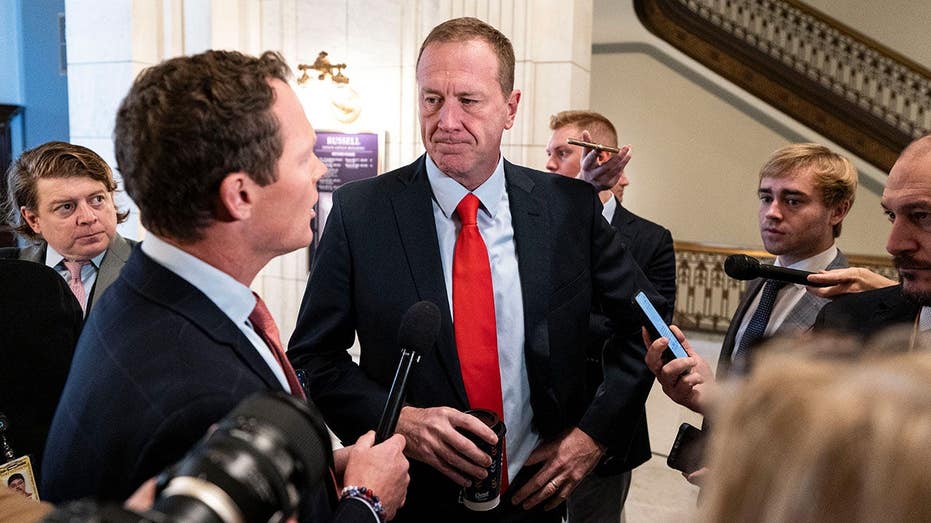
Missouri Senator Eric Schmitt has successfully championed a significant legislative measure, securing a $350 million provision for Immigration and Customs Enforcement (ICE). This funding package, aimed at bolstering federal enforcement capabilities, directly targets the contentious issue of sanctuary cities and their policies. Senator Schmitt, a vocal critic of current immigration approaches, asserts that these policies pose a fundamental threat to national sovereignty and order.
His provision, now included in a House-passed funding package, arrives as a direct response to the ongoing challenges faced by federal immigration officials. It seeks to empower ICE agents to apprehend criminal illegal immigrants upon their release from state or local custody, particularly in jurisdictions that refuse to cooperate with federal mandates.
The core of Senator Schmitt’s initiative is to close a critical loophole created by sanctuary city policies. These local ordinances often prohibit law enforcement from coordinating with ICE, allowing individuals who have committed crimes while in the country illegally to re-enter communities after serving time, rather than facing deportation. The new funding is specifically allocated to enable ICE to overcome these local barriers, ensuring that federal law can be enforced.
The senator highlighted the stark reality of non-cooperation in many sanctuary jurisdictions. “When you’re here illegally and you’ve committed a violent act, when you’re released from prison, we’re actually going to send you back home,” Schmitt stated, underscoring the common-sense principle behind his legislation. This targeted approach aims to restore a measure of accountability and public safety that many argue has been eroded by current practices.
Beyond the immediate enforcement implications, Senator Schmitt frames the debate over immigration policy as a crucial moment for Western civilization and the principle of national sovereignty. In an interview with Fox News Digital, he argued that a nation’s ability to control its borders and determine who resides within them is non-negotiable. He emphasized that without this fundamental right, the very concept of a sovereign nation is undermined.
Schmitt criticized what he termed “suicidal empathy” in some immigration policies, suggesting that such approaches, while perhaps well-intentioned, ultimately jeopardize the stability and security of the country. For him, the question of who can enter and who must depart is not merely administrative but foundational to national identity and self-governance.
Sovereignty demands a nation’s right to control its borders and enforce its laws.
The Missouri senator also delved into the potential motivations behind certain immigration stances, suggesting that some policies might be driven by more than just humanitarian concerns. He posited that an “electoral play” and the pursuit of “raw power” could be underlying factors in approaches that seem to disregard federal immigration law. This perspective aligns with a broader conservative critique that views open-border policies as a means to reshape future electorates.
The debate surrounding ICE funding and sanctuary cities remains a flashpoint in national politics. Senator Schmitt’s successful provision represents a significant legislative victory for those advocating for stronger border enforcement and a more robust assertion of national sovereignty. It underscores a persistent conservative commitment to law and order, particularly in the realm of immigration.
The ongoing struggle over immigration policy, balancing humanitarian concerns with the imperatives of national security and sovereignty, continues to shape legislative efforts in Washington. This latest move by Senator Schmitt is a clear signal of intent to reinforce institutional authority and ensure accountability within the nation’s immigration system.

The European Central Bank (ECB) is reportedly preparing to raise its key interest rates, a significant move that would mark the first such increase since September 2023. This anticipated action comes as Europe grapples with persistent and elevated inflation, largely fueled by disruptions in energy markets.
This decisive shift in monetary policy underscores the central bank’s commitment to restoring price stability across the Eurozone. For households and businesses already navigating a complex economic environment, these higher European interest rates will inevitably reshape financial planning and investment strategies.
The primary catalyst for the ECB’s impending decision is the relentless rise in consumer prices. Energy disruptions, exacerbated by geopolitical tensions such as the Iran war, have sent commodity costs soaring. This has translated into higher operational expenses for businesses and increased living costs for families, eroding purchasing power.
Policymakers at the ECB face the delicate task of curbing inflation without stifling economic growth. Raising interest rates is a traditional, yet powerful, tool designed to cool an overheating economy by making borrowing more expensive, thereby reducing demand and price pressures.
Maintaining economic stability amidst global energy shocks requires decisive action, even if it means tightening the purse strings for households and businesses.
A hike in European interest rates will have wide-ranging effects. For consumers, it typically means higher costs for mortgages, car loans, and other forms of credit. Savers, however, may see a modest increase in returns, though often not enough to fully offset the impact of inflation.
Businesses will also feel the pinch of increased borrowing costs, potentially leading to slower investment and expansion plans. This could affect job creation and overall economic dynamism. Key sectors particularly vulnerable include:
These adjustments are part of the necessary, albeit challenging, process of reining in inflationary forces that threaten long-term economic stability.
The ECB’s move reflects a broader global trend among central banks to combat inflation. While essential for long-term economic health, the immediate impact can be felt across all segments of society. The challenge for policymakers, as highlighted in reports by News Desk, is to communicate these changes effectively and guide the economy through this transitional period with minimal disruption.
As Europe enters a new phase of monetary policy, vigilance and adaptability will be paramount for individuals and enterprises alike. The focus remains on fostering a stable economic environment where free markets can thrive and families can plan for the future with greater certainty.

Maine’s recent primary elections have entered a protracted phase of vote tabulation, with definitive outcomes in several high-profile races still pending more than a week after ballots were cast. The delay primarily stems from the state’s distinctive Ranked-Choice Voting (RCV) system, which requires a multi-stage process to determine winners, particularly in contests where no candidate secures an outright majority on the first count.
As reported by News Desk, the Republican and Democratic primary races for governor, alongside a competitive Democratic congressional primary, remain undetermined. This extended waiting period underscores the complexities inherent in RCV, a system designed to ensure majority support for elected officials but which often demands patience from candidates and the electorate alike.
Maine is one of the few states to implement Ranked-Choice Voting for its statewide and federal elections. Under RCV, voters rank candidates in order of preference rather than choosing just one. If no candidate receives more than 50% of the first-place votes, the candidate with the fewest votes is eliminated, and their votes are reallocated to the voters’ next choice. This process continues until one candidate achieves an absolute majority.
This meticulous allocation, especially across numerous ballots, is inherently time-consuming. Election officials must not only count initial preferences but also manage subsequent rounds of redistribution, a task that often involves specialized software and rigorous verification. The goal is to ensure every vote contributes to the final outcome, but the trade-off is often a longer tabulation period than traditional plurality systems.
The current delays in Maine highlight the logistical challenges involved in accurately processing a large volume of ranked ballots. While the integrity of the count is paramount, the extended timeline can create uncertainty and fuel speculation among political observers and the public. Candidates, too, must navigate a prolonged period of suspense, unable to fully pivot to general election campaigning until their primary victory is confirmed.
Officials are working diligently to ensure accuracy, emphasizing that the methodical approach is crucial for maintaining public confidence in the election integrity of the process. While some might prefer quicker results, the priority remains a precise and verifiable count.
“The intricacies of ranked-choice voting demand meticulous tabulation, extending the wait for definitive outcomes and testing the patience of candidates and citizens alike.”
The ongoing delay in declaring winners has practical implications for Maine’s political landscape. Candidates who are ultimately successful will have a shortened window to consolidate support and prepare for the general election. For the public, a prolonged wait for results can sometimes strain trust, even if the process is designed for fairness and accuracy. Matox News believes in the foundational principle of transparent and timely electoral processes, balanced with the need for absolute precision.
As Maine awaits the final tallies, the situation serves as a reminder of the evolving nature of election systems and the careful balance between speed and accuracy. The democratic process, while sometimes slow, relies on the thorough and impartial application of electoral laws to ensure legitimate representation for all citizens.

The UK’s Competition and Markets Authority (CMA) has launched a significant investigation into Ryanair’s policy of charging parents to sit alongside their young children. This probe scrutinizes whether these mandatory fees, which the watchdog notes can typically cost £8 each way, are in violation of consumer protection laws, potentially impacting countless families traveling with the budget airline.
The CMA’s inquiry centers on whether Ryanair’s approach to seat reservations effectively charges parents for the airline to meet its own child safety and disability-related obligations, as stipulated under existing aviation rules. This development marks a critical moment for consumer rights within the airline industry, especially concerning ancillary charges that affect family travel budgets and the principle of fair market practices.
The Competition and Markets Authority, a key UK institution dedicated to ensuring fair markets and consumer protection, is meticulously examining Ryanair’s specific terms and conditions. These widely publicized terms state that a parent must sit with their child if the child is aged between two and eleven years old. Ryanair facilitates this through what it explicitly terms a “mandatory family seat,” for which a fee is consistently levied. The CMA’s central concern is whether this practice exploits a necessary safety requirement for financial gain, thereby imposing an unfair burden on families.
Investigators will delve into whether these charges are “unfair” under comprehensive consumer law, particularly focusing on the complex intersection of commercial practices and established aviation safety regulations. The outcome of this detailed investigation could set a significant precedent for how airlines structure their pricing, especially when it comes to services that appear to be intrinsically linked to safety protocols or regulatory compliance rather than genuine optional upgrades.
In response to the unfolding investigation, Ryanair has vociferously defended its practices, unequivocally labeling the CMA’s inquiry as “bogus.” The airline maintains that its family seating policy “fully complies with all relevant laws,” asserting its steadfast adherence to established regulations. This firm rebuttal highlights the often-contentious relationship between regulatory bodies and budget carriers, which frequently rely on a diverse array of ancillary charges to maintain their highly competitive base fares in a challenging market.
Ryanair’s innovative business model, like many low-cost airlines, is fundamentally built upon offering competitive base fares and then providing a range of optional extras for travelers to choose from. While this approach undeniably benefits many travelers seeking affordability and flexibility, the current investigation questions the inherent fairness when these “optional” extras become effectively mandatory for safety reasons, thereby placing an unavoidable and potentially undue financial burden directly on families.
“This investigation could redefine the boundaries of airline ancillary fees, ensuring that basic safety obligations are not leveraged as an additional cost for families.”
For families across the United Kingdom, the outcome of this pivotal investigation holds significant weight. Traveling with children already presents various logistical and financial challenges, and the addition of mandatory fees for essential seating arrangements can significantly increase the overall cost of a trip, sometimes unexpectedly. This situation underscores the critical importance of transparent pricing and fair business practices, particularly for services that consumers might reasonably perceive as non-negotiable for safety or comfort during air travel.
As reported by the BBC, the CMA’s work in this area is part of a broader commitment to protecting consumers from unfair trading practices across various sectors. Should the investigation find against Ryanair, it could prompt a significant re-evaluation of similar policies across the wider airline industry, potentially leading to clearer guidelines for what constitutes a legitimate optional extra versus a mandatory charge disguised as such. This probe serves as a crucial reminder that while businesses operate vigorously in a free market, they must also consistently uphold their responsibilities under consumer protection statutes and prioritize the welfare of their customers.
The resolution of this important inquiry will undoubtedly shape future expectations for airline pricing, particularly concerning family travel arrangements. It reinforces the enduring principle that fundamental safety requirements should not become an additional financial burden for passengers, ensuring that institutions like the CMA continue their vital role in safeguarding the interests of the public against potentially unfair or exploitative commercial practices within the travel sector.

The New York Knicks once again proved their mettle and unwavering resolve on Wednesday night, orchestrating one of the most astonishing comebacks in NBA Finals history. Trailing by as many as 29 points against the San Antonio Spurs in Game 4, the Knicks clawed their way back for a dramatic 105-104 victory, securing a commanding 3-1 lead in the championship series.
From the opening tip, the game appeared to be slipping away from New York. Star player Karl-Anthony Towns quickly found himself in foul trouble, picking up two personal fouls within the first 62 seconds. This early setback allowed the Spurs to establish a dominant rhythm, launching a 41-20 run that left the home crowd stunned. San Antonio’s sharpshooting, particularly from beyond the arc where they hit 54% of their three-pointers in the first half, propelled them to a formidable 76-49 lead at halftime. The situation seemed dire, with many questioning if the Knicks could recover from such a significant deficit on the biggest stage.
Despite the overwhelming lead held by the Spurs, the Knicks refused to capitulate. The second half saw a gradual but determined shift in momentum. New York began to chip away at the deficit, fueled by a resurgence in their offensive execution and a tightening of their defensive efforts. Three consecutive three-pointers ignited the crowd, cutting the lead to 16 by the end of the third quarter, with San Antonio still holding a 90-75 advantage. However, even a slow start to the fourth quarter, where the Knicks took nearly three minutes to score and trailed by 20, could not dampen their spirit. This team, known for its tenacity throughout the postseason, was not finished.
“This team simply refuses to be counted out, demonstrating a depth of character rarely seen in the NBA Finals.”
The final seven minutes of Game 4 transformed Madison Square Garden into a cauldron of emotion. The Knicks embarked on a blistering 13-2 run, slashing the Spurs’ lead to just nine points. With five minutes remaining, it was seven, then four with just over four minutes on the clock. The tension was palpable as the deficit dwindled to a single point with two minutes left. New York finally seized the lead with 90 seconds to go, only for the Spurs to respond with two clutch free throws, regaining a narrow advantage with 30.3 seconds remaining.
The decisive moment arrived in the dying seconds. Jalen Brunson’s three-point attempt missed its mark, but in a display of sheer determination, Anunoby soared for a crucial tip-in, giving the Knicks a 105-104 lead with a mere 1.2 seconds left on the clock. San Antonio’s desperate inbound play failed to produce a shot, sealing an improbable and historic victory for New York. The roar from the crowd was deafening, cementing this game as one of the most memorable in the arena’s storied history.
As reported by Fox News, this remarkable comeback not only showcased the Knicks’ incredible resilience but also their strategic adjustments under pressure. The team’s ability to maintain composure and execute critical plays in the face of adversity speaks volumes about their championship pedigree. With a 3-1 series lead, the Knicks now stand on the precipice of their long-awaited NBA title, a testament to their unwavering collective will.
The series now shifts to Game 5, where the Knicks will have the opportunity to close out the NBA Finals. Their performance in Game 4 serves as a powerful reminder that in basketball, as in life, perseverance often paves the way to extraordinary success. The San Antonio Spurs, while facing an uphill battle, will undoubtedly regroup, but the momentum firmly rests with a New York squad that refuses to be denied.

The influential K-pop group, consisting of G-DRAGON, TAEYANG, and DAESUNG, will mark two decades in music with a worldwide trek, signaling a significant return to the global stage for their dedicated fanbase.
K-pop trailblazers BIGBANG are set to make a monumental return to the global music scene, announcing a sweeping 31-date stadium tour to commemorate their 20th anniversary. This highly anticipated BIGBANG reunion tour will bring the iconic trio—G-DRAGON, TAEYANG, and DAESUNG—back to stages worldwide, marking their first major concert series since 2017 and igniting excitement among their loyal V.I.P. fanbase.
The extensive trek is slated to commence on Friday, August 21, with the first of three shows at Goyang Stadium in South Korea. Following these initial dates, the tour will extend its reach across North America, the United Kingdom, and various European cities, before embarking on a comprehensive journey through Asia and Australia. The grand finale is scheduled for Sunday, February 28, with the second of two nights at Kaohsiung National Stadium.
This global undertaking follows BIGBANG’s recent return to the spotlight at the 2026 Coachella Valley Music and Arts Festival, where their performance underscored their enduring appeal and stage presence. The upcoming BIGBANG reunion tour is not merely a series of concerts; it is a global celebration of two decades of groundbreaking music and cultural impact.
BIGBANG originally burst onto the scene in August 2006, swiftly establishing themselves as pioneers who reshaped the landscape of K-pop. Their innovative sound and magnetic performances quickly garnered international attention, paving the way for future generations of Korean artists. Their impressive list of achievements includes:
These milestones highlight BIGBANG’s consistent ability to break barriers and connect with a diverse global audience, solidifying their status as one of modern music’s most influential groups, as noted by Billboard.com.
While the initial announcement on Thursday, June 11, confirmed the BIGBANG reunion tour and its extensive schedule, specific details regarding the official tour title and ticketing information are still pending. Fans, affectionately known as V.I.P.s, are eagerly awaiting further updates, which are expected to be released in due course.
The group’s official channels are the primary source for prospective attendees to sign up for forthcoming announcements. The anticipation surrounding this tour is immense, promising an unforgettable experience for long-time supporters and new fans alike as they witness the legendary group back in full force.
“This landmark tour represents one of the most significant live music events of 2026 for global fans and a historic new chapter for one of the most influential groups in modern music.”
As BIGBANG prepares to embark on this monumental 20th anniversary tour, their return underscores not only their enduring legacy but also the global power of K-pop. The upcoming performances are poised to be a testament to their artistic evolution and unwavering impact, promising a vibrant celebration of their remarkable journey.

In a significant address at The New York Times’s Hard Fork Live event, Microsoft CEO Satya Nadella offered a compelling perspective on the future of artificial intelligence, emphasizing that AI stakeholders are not limited to tech giants or policymakers, but encompass every individual in society. His remarks underscore a growing recognition within the industry of AI’s profound and pervasive influence, alongside increasing public scrutiny and calls for responsible development.
Nadella’s statement arrives amidst a vigorous global conversation about AI’s trajectory, its ethical implications, and its potential to reshape economies and daily life. As technological advancements continue at an unprecedented pace, understanding the diverse interests and responsibilities associated with AI becomes paramount for fostering a balanced and prosperous future.
Nadella articulated a vision where AI’s reach extends far beyond its creators, affecting industries, job markets, and societal norms globally. He posited that the benefits and challenges of this transformative technology demand a collective approach, suggesting that a broad base of “stakeholders” must be engaged in shaping its evolution. This perspective aligns with the understanding that technological progress, while driven by innovation and free markets, carries inherent societal responsibilities.
The ubiquity of AI, from enhancing productivity in businesses to personalizing user experiences, means its development cannot be siloed. Every citizen, consumer, and worker has a vested interest in how AI tools are designed, deployed, and governed. This calls for thoughtful engagement from all sectors, ensuring that innovation proceeds in a manner that upholds societal values and promotes widespread opportunity.
The Microsoft chief acknowledged the “backlash” against artificial intelligence, a sentiment that reflects public anxiety over job displacement, ethical dilemmas, and the potential for misuse. Nadella’s comments highlight the tech industry’s imperative to address these concerns proactively, fostering trust through transparency and accountability. For Matox News readers, this emphasis on responsibility resonates with our commitment to institutional integrity and orderly progress.
Effective governance of AI will require a delicate balance: encouraging the entrepreneurial spirit and groundbreaking research that drives innovation, while simultaneously establishing guardrails to prevent adverse outcomes. This includes robust frameworks for data privacy, algorithmic fairness, and security. A measured, collaborative approach involving industry, government, and civil society will be essential to ensure AI serves humanity’s best interests without stifling its immense potential.
“Everyone is a stakeholder in A.I.,” Nadella affirmed, pointing to the technology’s pervasive influence across all aspects of modern life.
Responding to former President Trump’s comments regarding Americans sharing in the wealth generated by AI companies, Nadella’s broader “stakeholder” perspective offers a nuanced view. While acknowledging the desire for shared prosperity, a conservative viewpoint emphasizes that wealth creation is primarily driven by innovation, investment, and free-market competition. AI’s true value lies not in redistribution, but in its capacity to generate new industries, enhance productivity, and create high-value jobs, thereby expanding the overall economic pie.
The challenge lies in ensuring that these economic benefits are accessible through education, skill development, and a dynamic labor market. Policies that foster a competitive environment and reward ingenuity are crucial. Rather than direct government intervention in wealth sharing, the focus should be on creating an ecosystem where individuals are empowered to participate in and benefit from the AI-driven economy through new opportunities and increased productivity.
Satya Nadella’s vision for AI underscores a critical turning point where technological advancement must be matched by a collective sense of responsibility. As AI continues to evolve, maintaining a professional, factual, and anti-extremist discourse will be vital to harnessing its transformative power for the betterment of all.

Tensions between the United States and Iran have sharply intensified following reports from Tehran that its Revolutionary Guard Corps (IRGC) struck two ships in the vital Strait of Hormuz. This action reportedly came in direct response to a fresh wave of US airstrikes, which Washington described as a measure against Iran’s persistent aggressive posture.
US Central Command (CENTCOM) confirmed it initiated new “self-defense strikes” on Wednesday, citing Iran’s “unwarranted and continued aggression.” This military exchange pushes an already precarious regional situation closer to open conflict, challenging a fragile ceasefire established just two months prior.
The recent US military action follows strong rhetoric from President Donald Trump, who indicated Iran would face severe consequences for its actions and had taken too long to reach a diplomatic resolution. CENTCOM’s statement outlined that its latest operations were a direct counter to perceived ongoing threats from Tehran.
In a swift and alarming development, Iranian state media reported that the IRGC targeted maritime vessels within the Strait of Hormuz. This strategic waterway is crucial for global oil shipments, making any disruption a matter of international concern. The specific nature and impact of these alleged strikes on shipping remain under close scrutiny.
Recent days have witnessed a dangerous tit-for-tat exchange of military and surveillance site attacks between Iran and the US. This escalating cycle of retaliation has placed immense strain on the ceasefire agreement reached in April, which had offered a brief respite from hostilities.
Reports also indicate multiple explosions across various Iranian locations. These include the island of Qeshm in the Gulf, as well as cities such as Bandar Abbas and Sirik. Such widespread incidents underscore the volatility and broad geographical scope of the current escalation.
“The Strait of Hormuz remains a flashpoint where any miscalculation could trigger a wider regional conflagration with severe global economic repercussions.”
The US-Iran conflict carries significant implications beyond the immediate area, particularly for global energy markets and maritime security. Any sustained disruption in the Strait of Hormuz, through which a substantial portion of the world’s oil supply passes, could lead to considerable economic instability.
The international community is keenly observing these developments, with calls for de-escalation likely to intensify. The current trajectory suggests that without renewed diplomatic efforts and a commitment from both sides to uphold the ceasefire, the Middle East faces an increasingly uncertain and perilous future. According to reports from News Desk, the situation remains highly fluid, demanding careful attention from global leaders to prevent further destabilization.
Sustaining order and stability in this critical region is paramount. Both Washington and Tehran must recognize the broader consequences of their actions and prioritize a path toward dialogue over continued military confrontation.

American consumers are feeling the pinch more acutely as US inflation reached its highest point in three years last month. Official figures from the Bureau of Labor Statistics (BLS) indicate that prices climbed by 4.2% in May compared to a year earlier, a notable increase from April’s 3.8% rise. This acceleration underscores the mounting financial pressure on households and businesses across the nation.
The primary catalyst for this inflationary surge has been the significant uptick in energy costs. Global markets have reacted sharply to the ongoing US-Israel war in Iran, with the conflict directly impacting oil prices and, consequently, the cost of fuel and transportation for everyday Americans.
The latest BLS data paints a clear picture of an economy grappling with persistent price increases. While some sectors have seen moderation, the energy component continues to exert upward pressure on the overall cost of living. For many families, this translates into:
These cumulative effects erode purchasing power and necessitate careful budgeting, particularly for those on fixed incomes or with limited financial flexibility. The sustained upward trend in consumer prices poses a considerable challenge to economic stability and household prosperity.
The connection between geopolitical events and domestic economic conditions has rarely been clearer. The US-Israel war in Iran has directly disrupted global oil supplies and expectations, leading to heightened volatility in energy markets. This instability is a major factor in the current inflationary environment.
Amidst these economic challenges, former President Trump offered a surprising take on the situation. Speaking at the White House, he stated, “I love it. The numbers were great. You know what I really love? I love the inflation.” He simultaneously assured the public that these rising prices would “come down like a rock” once the conflict with Iran concludes.
“I love it. The numbers were great. You know what I really love? I love the inflation.”
Later the same day, reports indicated that the US military had conducted operations in Iran, which Trump claimed had secured “millions of barrels” of oil, contributing to a slight dip in oil prices. However, the immediate impact on broader consumer prices remains a concern for many economists and American families.
As the nation navigates these economic headwinds, policymakers face the delicate task of addressing inflation without stifling economic growth. The interplay between international conflicts, energy policy, and domestic fiscal decisions will be critical in determining the future trajectory of consumer prices. Matox News will continue to monitor these developments, providing factual and professional analysis on their impact on American households and the broader free market.
Ensuring stability and mitigating the burden on families requires a clear-eyed approach to both economic policy and international relations. The current environment demands prudent leadership focused on long-term prosperity and order.
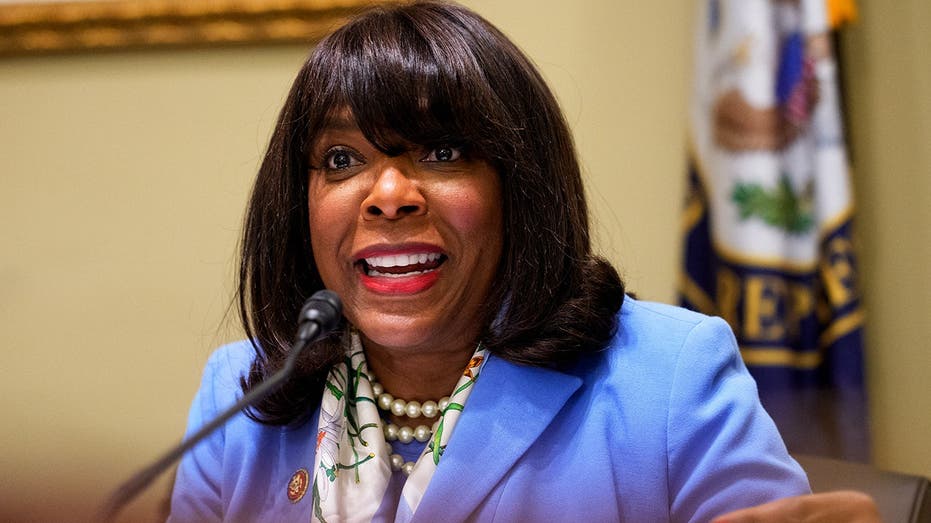
House Republicans have significantly escalated their investigation into ActBlue, a prominent Democratic fundraising platform, demanding answers regarding its procedures for vetting foreign donations. The intensified scrutiny comes amid concerns that the organization may not be adequately preventing illegal contributions from overseas, potentially compromising the integrity of American elections.
The probe has drawn swift and strong condemnation from Representative Terri Sewell (D-Ala.), who on Wednesday afternoon characterized the ongoing efforts as the latest instance of political retribution against Black women in positions of power. Her remarks frame the congressional oversight as a targeted campaign rather than a legitimate inquiry into fundraising practices.
The Republican-led inquiry centers on allegations that ActBlue, and its CEO and President Regina Wallace-Jones, may have failed to adequately screen out illicit foreign contributions. Lawmakers are specifically pressing the organization to provide international communications, suggesting a belief that ActBlue may have deliberately misled Congress and evaded subpoenas to conceal deficiencies in its donor verification system.
This congressional review aligns with a broader call from President Donald Trump in April, who urged an investigation into online fundraising platforms. A White House press release noted, “There is evidence to suggest that foreign nationals are seeking to misuse online fundraising platforms to improperly influence American elections.” The focus remains on ensuring that mechanisms are robust enough to protect the sanctity of the electoral process from undue outside influence.
In response to the escalating investigation, Rep. Sewell voiced strong opposition, stating, “Over and over again, Donald Trump’s Department of Justice has harassed Black women with bogus lawsuits.” This assertion injects a racial and gender dimension into what Republicans present as a procedural oversight matter, suggesting underlying political motivations for the probe.
ActBlue’s CEO, Regina Wallace-Jones, has vehemently denied the allegations, dismissing the investigation as baseless. In a statement provided to Fox News Digital earlier this year, Wallace-Jones affirmed the organization’s commitment to donor integrity. “Our approach is multilayered, with checks and confirmations occurring throughout the donation process to verify donors and donor information,” she stated, emphasizing the rigorous safeguards in place.
The debate surrounding ActBlue’s practices underscores the critical importance of transparent and secure political fundraising. Ensuring that only legal, domestic contributions fund American elections is a cornerstone of maintaining public trust in democratic institutions. The current investigation highlights ongoing concerns about vulnerabilities in online donation systems that could be exploited by foreign entities.
Regardless of political affiliations, the principle that electoral processes should be free from external manipulation is paramount. Lawmakers on both sides of the aisle often express a commitment to safeguarding American elections, though they may differ on the most effective methods or the motivations behind specific inquiries.
As the House investigation proceeds, the political stakes are considerable. Republicans aim to uncover any potential breaches in fundraising security, while Democrats decry what they view as politically motivated attacks. The outcome of this probe could significantly impact future regulations surrounding online political donations and set precedents for how such allegations are addressed in an increasingly digital political landscape. The integrity of campaign finance remains a central point of contention and oversight.


