
TRENDING NEWS





Truth Over Trends, always!
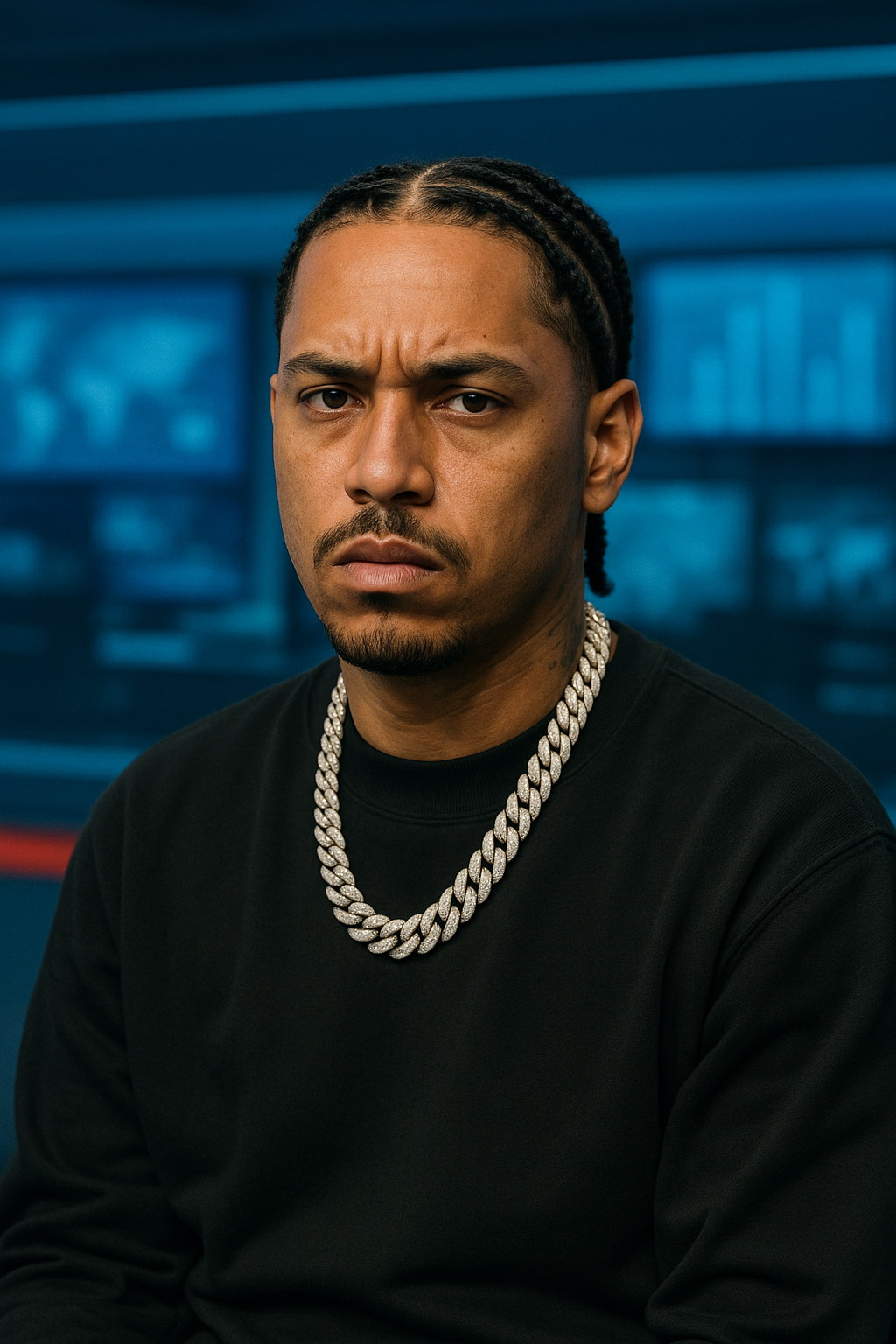
In the rapidly evolving landscape of digital music, debates surrounding authenticity and technological innovation are becoming increasingly common. The latest artist to find himself at the center of such a discussion is Fenix Flexin, a prominent member of Shoreline Mafia. His recent track, ‘RUBBERZ,’ has garnered significant attention, not only for its unique sound but also for widespread fan speculation that it was generated using artificial intelligence.
Fenix Flexin, however, has swiftly moved to quell these rumors, asserting that the song was recorded through conventional methods, albeit with a deliberate creative twist. His direct response offers insight into the artistic choices behind a track that has clearly captivated and puzzled listeners alike.
‘RUBBERZ’ stands out distinctly from Fenix Flexin’s previous work, showcasing a notable shift in vocal delivery, production style, and overall genre. The track leans heavily into an 80s synth-pop aesthetic, a departure that led many fans to question its origin. Social media platforms quickly buzzed with theories suggesting that AI tools might have been employed to craft its anachronistic yet fresh sound.
Listeners noted the song’s resemblance to tracks that might have graced the soundtrack of a classic film like Scarface, further fueling the idea that its unique qualities stemmed from algorithmic creation rather than traditional studio work. The conversation around ‘RUBBERZ’ escalated after Fenix Flexin first teased a snippet on Instagram, with the distinctive sound sparking immediate intrigue and debate.
Addressing the growing chorus of AI accusations, Fenix Flexin took to social media to set the record straight. In the comments section of a recent ‘On the Radar’ performance he posted, the artist offered a clear and concise denial. His message was unequivocal: “No sirrrrrrr, recorded same as all music I do!”
He elaborated on the actual creative process behind the track, explaining, “Only difference is auto-tune reverb and me using my fake uk accent lol.” This statement underscores that the perceived novelty of ‘RUBBERZ’ is a result of intentional vocal experimentation and production techniques, rather than reliance on AI algorithms. It highlights an artist’s deliberate choice to push sonic boundaries within traditional recording frameworks.
“No sirrrrrrr, recorded same as all music I do! Only difference is auto-tune reverb and me using my fake uk accent lol.” – Fenix Flexin
The innovative sound of ‘RUBBERZ’ is not entirely out of character for Fenix Flexin, especially when viewed in the context of his stated artistic ambitions. Earlier this year, he shared his plans for significant musical evolution in an interview with XXL, as reported by Billboard. He expressed a clear intention to “completely revamp” his sound over the next couple of years.
During this transitional period, he mentioned his strategy to “drop little tidbits and tadbits until I could make a comfortable transition to doing what I wanna do at the end of the day as a completely grown man, as far as music’s concerned.” The genre-bending nature of ‘RUBBERZ’ aligns perfectly with this declared intent, suggesting it might be one such “tidbit” in his journey toward a more diverse and experimental musical identity.
As the lines between human creativity and technological assistance continue to blur in the music industry, Fenix Flexin’s experience with ‘RUBBERZ’ serves as a timely reminder of the power of artistic reinvention. His firm denial of AI involvement reaffirms the value of human ingenuity and deliberate creative choices in forging new sonic paths, even when they challenge listener expectations.
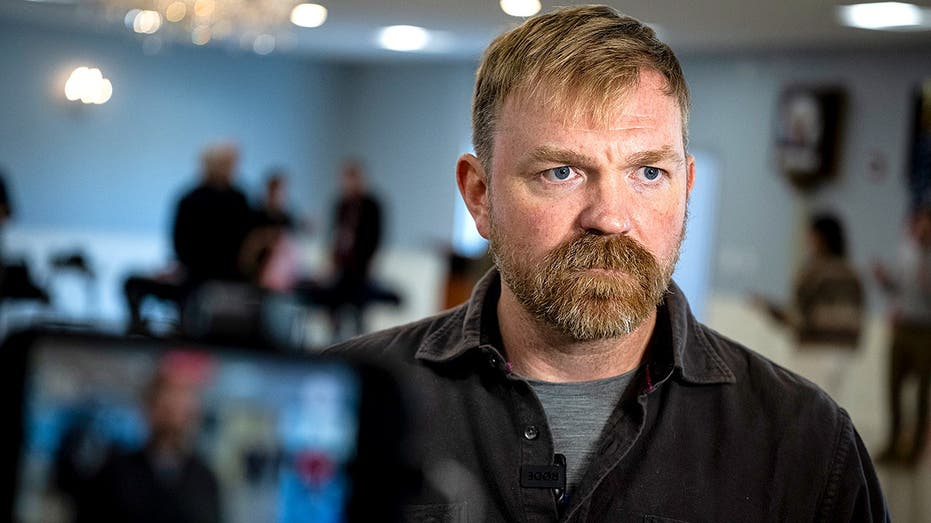
A former partner has come forward with claims of deceit and manipulation, further complicating the Democratic nominee’s bid for the Maine Senate seat.
Democratic U.S. Senate nominee Graham Platner faces renewed scrutiny following fresh allegations from a former romantic partner. The claims, emerging just days after his official nomination, center on alleged infidelity and a shifting explanation for a controversial tattoo, casting a significant shadow over his nascent general election campaign and raising questions about a candidate’s fitness for public office.
A woman, identifying herself as a streamer with the X handle 420mercymain69, recently shared a lengthy statement on social media platform X. She alleges a brief relationship with Mr. Platner in 2021, initiated through the Tinder dating app, during which she experienced what she described as ‘lying and manipulation by his hand.’ These claims contribute to a growing narrative of alleged deceptive conduct by Mr. Platner towards romantic partners, adding to the ethical questions surrounding his campaign. The details were first reported by Fox News, highlighting the expanding public record of Mr. Platner’s personal conduct.
Among the more concerning revelations are new details surrounding Mr. Platner’s infamous Totenkopf tattoo. This symbol, historically associated with the Nazi SS, has been a persistent point of contention for his public image. The former partner claims Mr. Platner’s explanation for the tattoo evolved during their relationship. Initially, he allegedly stated he had acquired it in ignorance, but later, he reportedly claimed it served as a stark reminder that the U.S. was viewed as ‘the bad guys’ in many parts of the world. This shifting narrative raises serious questions about his judgment, candor, and understanding of profoundly sensitive historical symbols, which are vital for a national representative.
“I am stepping forward as a person who has experienced lying and manipulation by his hand.”
These latest accusations are not isolated incidents but rather add to a growing list of controversies that have plagued Mr. Platner’s public life and political aspirations. His campaign has previously grappled with a series of ethical and personal challenges, including:
For a candidate vying for a U.S. Senate seat, such persistent allegations of personal misconduct and shifting explanations for deeply symbolic choices like the Totenkopf tattoo underscore significant character concerns. Voters expect transparency and unwavering integrity from their representatives, particularly in leadership roles.
As the general election campaign against incumbent Senator Susan Collins gains momentum, Mr. Platner’s ability to pivot from these recurring personal controversies to substantive policy debates remains to be seen. The consistent emergence of such allegations challenges the notion of a candidate prepared for the rigors and ethical demands of national public service. The electorate will undoubtedly weigh these character issues carefully, alongside policy positions, as they consider who best represents Maine’s interests and upholds the integrity of institutions in Washington.
The 2026 World Cup, a spectacle anticipated by billions, is unfolding against a backdrop of unprecedented global economic and political turbulence. Far from being merely a sporting event, this tournament is serving as a dramatic stage for international trade disputes, complex diplomatic maneuvers, and the formidable influence of national leaders. The 2026 World Cup economy is proving to be a true reflection of our challenging times, as noted by observers including those at News Desk.
A remarkable confluence of events sees the three co-hosts — the United States, Canada, and Mexico — embroiled in an epic trade war. This conflict intensifies as the tournament progresses, with critical negotiations for the North American free trade area, known as the USMCA, scheduled to occur between the opening ceremony in Mexico City and the final in New Jersey. The economic stakes for these nations, and indeed for global trade stability, are immense, adding a layer of tension rarely associated with a celebration of sport.
The renegotiation of the USMCA is a pivotal moment for regional economic integration. Businesses and consumers across North America are keenly watching these developments, understanding that the outcome could significantly impact supply chains, tariffs, and ultimately, household budgets. The World Cup, therefore, provides an unusual, high-profile platform for these critical discussions.
The tournament also finds itself intertwined with significant geopolitical shifts. President Donald Trump, whose return to the White House last year has been a defining feature of current global politics, is reportedly intensely focused on the World Cup, its sponsors, and its broader impact. His engagement highlights how major international events can become instruments of national policy and projection.
Recent hostilities between Tehran and Tel Aviv have added another layer of complexity. President Trump has been notably direct in calling for an end to these attacks, with suggestions from the White House that efforts to calm global tensions are ongoing, possibly in time for the tournament’s commencement. This delicate diplomacy underscores the fragile state of international relations and the desire to project stability, even amidst underlying volatility.
Observers note the rapid shifts in diplomatic posture, with the President at one point vowing to hit Iran “very hard,” only to appear to call off new air strikes and promise a deal to end the conflict hours before kick-off. Such rapid changes underscore the unpredictable nature of high-stakes international relations.
“The 2026 World Cup stands as a stark reminder that even the grandest global spectacles cannot escape the intricate web of international trade and geopolitical realities.”
Ultimately, the 2026 World Cup serves as a compelling microcosm of the global landscape. It illustrates how economics, politics, and sport are increasingly inseparable, reflecting the intricate challenges and opportunities that define our era. For policymakers, businesses, and citizens alike, the tournament offers a unique lens through which to observe the ongoing evolution of international relations and global commerce, proving that the game extends far beyond the pitch.

In a significant blow to Prime Minister Keir Starmer’s government, UK Defense Secretary John Healey resigned on Thursday, citing an intractable dispute over military spending. His departure, just weeks before a crucial NATO summit in Ankara, casts a shadow over Britain’s commitment to defense at a time when global security challenges demand robust investment and steadfast leadership. The crisis underscores growing pressure on the Prime Minister to articulate a clear and credible strategy for national defense.
The core of Healey’s resignation stems from a profound disagreement with Prime Minister Starmer and Chancellor Rachel Reeves regarding the scale and timeline of the government’s long-anticipated Defense Investment Plan (DIP). According to reports, Starmer reportedly declined to commit to a firm timetable for increasing defense spending to 3.5% of Gross Domestic Product (GDP) by 2035, a pledge previously made to President Donald Trump. Furthermore, a commitment to reach 3% of GDP by a definite date also remained elusive. Instead, Starmer reportedly offered a more modest increase to 2.68% of GDP by 2030, a marginal rise from the projected 2.6% for the coming year.
In his resignation letter, Healey starkly warned Prime Minister Starmer that the government’s unwillingness to commit necessary resources would “make the country less safe.” This sentiment reflects a growing concern among defense experts and pro-defense advocates who argue that underfunding the military directly jeopardizes national security and the UK’s ability to respond to emergent threats effectively.
The timing of Healey’s departure is particularly sensitive, occurring on the eve of a pivotal NATO summit where defense spending will undoubtedly be a central theme. President Donald Trump has consistently pressed NATO allies to meet and exceed their defense spending targets, making the UK’s internal struggles a matter of international scrutiny. The Royal United Services Institute (RUSI) Senior Associate Fellow Ed Arnold characterized Healey’s resignation as a “seismic moment” for the government and the Ministry of Defense, highlighting the immediate political headaches and the challenge of publishing the delayed Defense Investment Plan.
A strong and well-funded military is not merely a domestic concern but a cornerstone of international alliances and a deterrent against potential adversaries. The perception of wavering commitment from a major NATO power like the UK could have broader implications for alliance cohesion and global stability, particularly as the world faces ongoing conflicts and geopolitical shifts.
“Unwilling to commit resources needed, making the country less safe.”
— Former UK Defense Secretary John Healey
Prime Minister Starmer now faces the immediate challenge of appointing a successor to Healey who can navigate the complex demands of military leadership while also aligning with the government’s fiscal priorities. Beyond the personnel change, the more significant task lies in restoring confidence in Britain’s defense strategy. The public and international partners alike will be looking for a clear articulation of how the UK intends to meet its security obligations and maintain its standing as a credible global actor.
The ongoing debate, as reported by outlets like Fox News Digital, underscores the critical balance between economic prudence and national security imperatives. A nation’s defense is not an optional expenditure but a fundamental investment in its sovereignty and the safety of its citizens.
The resignation of John Healey is more than a Cabinet reshuffle; it is a stark reminder of the non-negotiable importance of a robust defense. As the UK prepares for the NATO summit, the government must demonstrate an unequivocal commitment to funding its armed forces adequately, ensuring Britain remains a strong, reliable partner on the global stage and capable of safeguarding its national interests in an increasingly unpredictable world. The stability of our institutions and the order of our society depend on such foundational commitments.
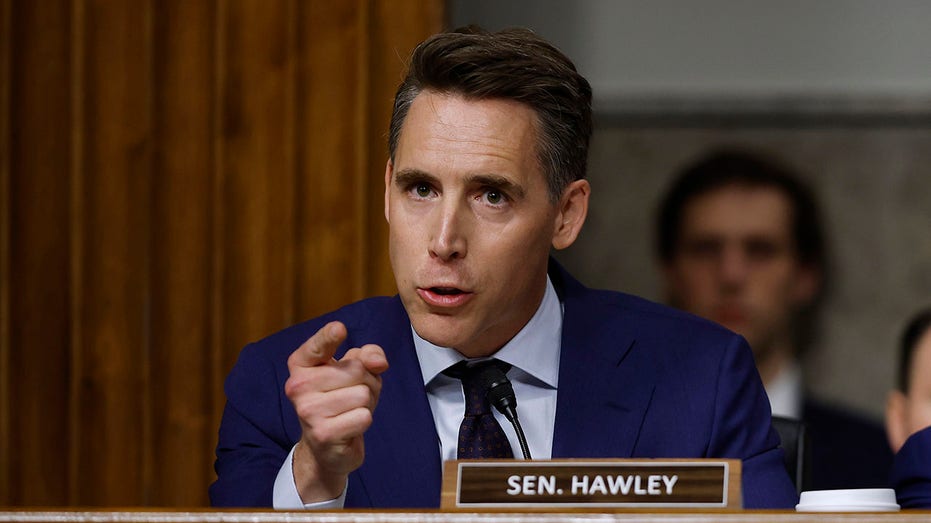
A critical federal ban on taxpayer funds flowing to Planned Parenthood is set to expire, prompting Senator Josh Hawley (R-Mo.) to demand an immediate investigation into the organization’s use of public money. Hawley alleges that Planned Parenthood has channeled approximately $1.5 billion in Medicare and Medicaid funding towards transgender procedures, raising serious questions about the allocation of federal healthcare dollars and the protection of minors.
The impending lapse of this congressional restriction on July 4th has ignited a fresh debate over institutional oversight and the ethical implications of government-funded healthcare. Senator Hawley’s call for an inquiry underscores a persistent conservative concern regarding the financial practices of organizations receiving substantial federal support.
Senator Hawley has formally urged Mehmet Oz, Administrator for the Centers for Medicare and Medicaid Services (CMS), to initiate a thorough investigation into Planned Parenthood’s operations. The Missouri Republican’s letter, initially reported by Fox News Digital, highlights a focused effort to uncover potential fraud and ensure accountability within federally funded healthcare programs.
The senator’s demand comes as the ban, originally implemented last year as part of a significant legislative package, approaches its expiration. This development reopens the contentious issue of whether federal monies should support organizations involved in specific medical services, particularly those related to gender-affirming care for minors.
At the heart of Senator Hawley’s concern are claims that a substantial sum—roughly $1.5 billion in Medicare and Medicaid funding—has been directed towards promoting transgender treatments. The senator specifically emphasized the alleged targeting of minor children, a point that resonates deeply with pro-family advocates and those concerned with the well-being of young people.
“I urge you to direct your investigative efforts toward Planned Parenthood and its role in pushing transgender madness onto minor children.” – Senator Josh Hawley
These allegations are not new to the public discourse. Previous undercover investigations have also raised questions about the oversight of hormone prescription for minors by Planned Parenthood clinics, contributing to the broader scrutiny now being applied to their federal funding.
Republicans have previously worked to restrict federal dollars from reaching abortion providers, a measure that included the now-expiring ban. Efforts to extend this prohibition have faced legislative hurdles. Senator Hawley, for instance, attempted to amend a recent budget reconciliation package to prolong the ban until 2035, specifically on providing Medicaid funding to abortion providers, but this amendment ultimately failed.
The focus has now shifted to the investigative powers of CMS. Should Administrator Oz proceed with the requested inquiry, it could lead to a deeper examination of how federal healthcare funds are disbursed and monitored. Key areas of investigation would likely include:
As the July 4th deadline looms, the debate over Planned Parenthood’s taxpayer funding is set to intensify. The outcome of Senator Hawley’s demand for an investigation could have significant implications for federal healthcare policy and the future of public financing for controversial medical services.

A fragile ceasefire has done little to alleviate the suffering and apprehension felt by many citizens in Iran, who are now bravely speaking out despite significant personal danger. These harrowing accounts emerge as President Donald Trump has issued stern warnings about potential repercussions should Iran reject a U.S.-backed deal, following a period of renewed military escalation that has threatened to unravel delicate negotiations.
The latest U.S. strikes followed the downing of an American Apache helicopter near the Strait of Hormuz, an act attributed to the Iranian regime by the Trump administration. Iran reportedly responded with its own attacks in the region, further heightening an already volatile situation. Amid this geopolitical backdrop, three young Iranians from Tehran have painted a stark picture of a nation where repression is intensifying, the Islamic Revolutionary Guard Corps (IRGC) is expanding its street presence, and daily life is a struggle for basic survival.
The testimonies reveal a society living under the shadow of overt state control. The Revolutionary Guards, alongside their hardline volunteer militia, the Basij, have made their presence felt through a noticeable increase in checkpoints on major streets and a renewed, stringent enforcement of religious codes, particularly hijab rules. This visible expansion of security forces contributes to a pervasive atmosphere of fear, fundamentally altering the fabric of urban life.
Beyond the direct repression, economic conditions have deteriorated significantly. Mass layoffs are rampant, leading to widespread unemployment and poverty. Ordinary Iranians are struggling to afford even the most basic necessities, with long queues outside bakeries becoming a common and distressing sight. This economic collapse, coupled with the regime’s stringent control, leaves many feeling that their future has been irrevocably diminished.
“The curtain has simply been pulled back on the Revolutionary Guards’ overt interference.”
The individuals who shared their experiences with Fox News Digital did so through written messages, a necessity given severe security concerns and strict internet restrictions within Iran. Their identities have been protected, underscoring the peril involved in speaking truthfully about conditions. Their collective narratives paint a consistent picture of a country under duress, where the IRGC’s influence, once more subtly woven into the societal framework, is now overtly dominant.
One individual, identified as Hassan, observed that while the Revolutionary Guards’ influence has always been present, its current manifestation is far more blatant. “Now, their interference is more obvious and easier to see,” Hassan stated, suggesting a significant shift in the public display of power. Another, Milad, described Tehran as a city profoundly transformed by the overwhelming presence of security forces, creating an environment where daily routines are overshadowed by constant surveillance and the threat of arbitrary enforcement.
These internal struggles unfold against a tense international backdrop. President Trump’s strong stance on Iranian nuclear talks, coupled with recent military exchanges, highlights the precarious balance of power in the region. The U.S. administration’s threat to hit Iran ‘very hard’ if a U.S.-backed deal is not accepted reflects a firm approach designed to pressure the regime. Such international pressures, however, appear to coincide with an intensification of domestic control, rather than an easing.
For young Iranians, the future appears increasingly bleak. The combination of economic hardship, political repression, and the perceived lack of opportunities has fostered a growing sense of hopelessness. Mass layoffs and the struggle to secure basic necessities mean that the aspirations and potential of a generation are being stifled. The dream of a stable, prosperous life is fading for many, replaced by daily anxieties and the constant threat of state interference. This erosion of hope represents a profound challenge to the country’s social fabric and long-term stability.
As the international community watches the unfolding situation, the plight of ordinary Iranians under the heavy hand of the IRGC and the nation’s severe economic difficulties remains a critical concern. The courageous voices from within Tehran serve as a powerful testament to the urgent need for a more stable and just future for the Iranian people.
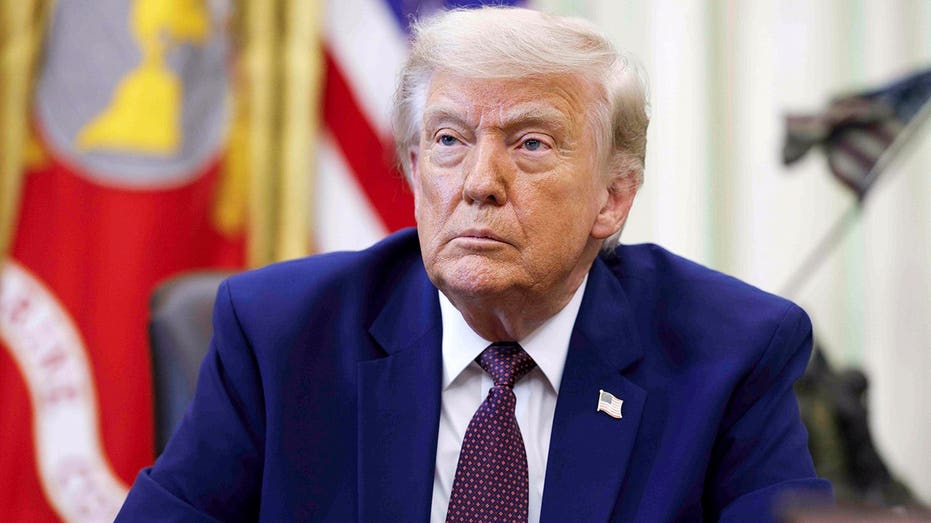
Former President Donald Trump has issued a strong call to congressional Republicans, urging the immediate passage of a third budget reconciliation package. This bold legislative maneuver aims to inject an additional $350 billion into defense spending, an initiative he dubs the “Arsenal of Freedom,” alongside critical voter identification and citizenship verification reforms. Yet, this aggressive Trump’s $350 billion defense push is meeting a cool reception from many GOP lawmakers, highlighting growing internal divisions over both policy and legislative strategy.
President Trump articulated his vision for a drastically strengthened military, directly appealing to his party to bypass traditional legislative hurdles. On Truth Social, he declared this proposed investment “even bigger than President Reagan’s,” asserting that “Recon 3.0 is the ONLY path to the full $1.5 TRILLION DOLLAR Military Budget our Warriors need in order to build THE ARSENAL OF FREEDOM.” This substantial funding is intended to bolster the nation’s defense capabilities significantly, ensuring the United States maintains its global leadership in security. The administration argues that such a rapid infusion of capital is essential to address evolving geopolitical threats and modernize military infrastructure without delay.
Coupled with the defense spending, the President is also advocating for the Safeguarding American Voter Eligibility (SAVE) America Act. This legislation seeks to implement stricter voter ID requirements and enhance citizenship verification processes at the ballot box, a long-standing conservative priority aimed at securing electoral integrity and restoring public confidence in election outcomes. The dual focus underscores a comprehensive approach to national strength, encompassing both military might and democratic foundational principles.
Despite the President’s fervent appeals, numerous Republicans in Congress are showing significant reluctance towards initiating another budget reconciliation process. This legislative tool, which allows certain bills to pass with a simple majority in the Senate, demands strict party unity—a considerable challenge as the legislative calendar dwindles ahead of the November midterm elections. Lawmakers are wary of the political capital required to enforce such unity, especially on a package that combines diverse policy elements.
Concerns extend beyond procedural difficulties. Some GOP members have not fully embraced Trump’s broader $1.5 trillion defense spending request, questioning the necessity of such a rapid and massive increase outside of conventional budget planning. There is also palpable unease about circumventing the normal appropriations process, a move many see as undermining the traditional checks and balances of congressional oversight and potentially setting a problematic precedent. This institutional friction underscores a broader divergence on how best to achieve strategic national goals while adhering to established legislative norms. Critics within the party argue that rushing such a significant package could lead to unforeseen consequences and diminish the quality of legislative scrutiny.
The current request follows President Trump’s recent success in signing a second budget reconciliation bill into law, which allocated $70 billion for immigration enforcement throughout his presidency. Prior to that, his “One Big Beautiful Bill Act” also navigated Congress successfully via reconciliation. These past legislative victories demonstrate the potential of the reconciliation process when party lines hold firm.
However, the call for a third such package highlights an increasing policy rift between the President and certain congressional Republicans. As reported by the News Desk, these growing disagreements are making the passage of key legislation on Capitol Hill progressively more difficult, even on issues traditionally supported by the party, such as defense and election security.
“Recon 3.0 is the ONLY path to the full $1.5 TRILLION DOLLAR Military Budget our Warriors need in order to build THE ARSENAL OF FREEDOM.”
The coming weeks will test the cohesion of the Republican Party as President Trump presses for his ambitious agenda. The debate over the $350 billion defense push and accompanying voter integrity measures is not merely about funding; it reflects a deeper struggle over legislative strategy, institutional norms, and the balance of power within the conservative movement. Whether the President can rally sufficient support to overcome the skepticism within his own ranks remains a pivotal question for the legislative session.
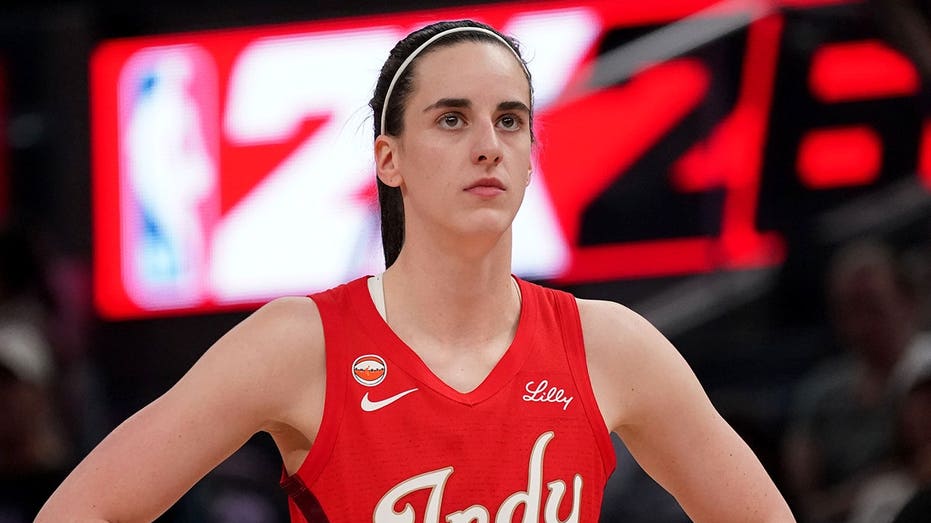
Basketball icon Robert Horry, a player synonymous with clutch performances and seven NBA championships, has weighed in on the ongoing debate surrounding Indiana Fever star Caitlin Clark’s protection on the court. His direct message to the WNBA rookie emphasizes self-preservation and standing firm against aggressive opponents, a stance that resonates with the competitive spirit of professional sports.
Horry, known for his calm demeanor under pressure, offered his insights during an event, as reported by Fox News Digital. He observed that top players often become targets, and Clark, as one of the league’s brightest new stars, is no exception. “When you’re the best, everybody want to knock you out,” Horry stated, advocating for a proactive approach. His advice is clear: Clark must protect herself and refuse to be intimidated.
The veteran forward, who played alongside NBA Hall of Famer Shaquille O’Neal, recalled how even a dominant force like O’Neal eventually learned to retaliate physically. Horry suggested that O’Neal, despite his size, reached a point where he “just started fighting back,” illustrating a necessary evolution for players facing constant physical challenges. This perspective underscores a fundamental, albeit often unstated, aspect of professional basketball: the expectation for players to hold their own.
Clark’s debut season in the WNBA has been marked by significant attention, both for her record-breaking talent and the physical nature of the defense she faces. Opponents have delivered numerous hard fouls, leading many fans and analysts to question if the treatment is intentionally aggressive. Clark herself has frequently appealed to referees for calls after contact, a habit that has drawn criticism from some who believe she complains excessively.
This dynamic places Clark in a challenging position. While rules are in place to ensure player safety, the unwritten code of basketball often requires players to respond to physicality in kind. Horry’s counsel speaks to this unwritten code, suggesting that waiting for officials to intervene might not always be sufficient to deter overly aggressive tactics.
Despite the physical challenges, Clark recently showcased her ability to rise above adversity. She delivered a game-winning three-pointer against the Washington Mystics, securing a 78-76 victory for the Fever. In that crucial performance, Clark contributed 19 points, five assists, and three rebounds, demonstrating her impact beyond mere scoring.
The Indiana Fever has experienced a volatile start to their season, but they currently hold a winning record at 6-5. This progress highlights the team’s resilience and Clark’s pivotal role in their competitive standing. As the season progresses, balancing her offensive responsibilities with the need for self-protection will be crucial for Clark, ensuring her longevity and continued success in a demanding league.
“Protect yourself. Don’t let nobody try to punk you.” — Robert Horry, NBA Champion
Robert Horry’s advice to Caitlin Clark offers a pragmatic view on navigating the intense physicality of professional sports. His counsel is not merely about retaliatory aggression but about establishing a presence and demanding respect on the court. For a player of Clark’s caliber, understanding this balance between playing within the rules and asserting oneself physically will be key to her long-term success and ability to lead the Indiana Fever to championship contention. The discussion around her treatment on the court continues to highlight the evolving dynamics of competitive basketball and the unique challenges faced by its biggest stars.

The acclaimed Chicago artist, Noname, will commemorate a decade since the release of her seminal mixtape, Telefone, with a special anniversary tour across North America, re-engaging with fans and celebrating a landmark in independent music.
This announcement marks a significant moment for fans and a testament to the enduring impact of a work celebrated for its poetic lyricism and introspective narratives. Noname’s ‘Telefone’ 10th Anniversary Tour highlights the lasting power of authentic artistic expression and community-driven creation, a decade after its initial release.
Released in 2016, Telefone quickly garnered critical acclaim for its unique blend of spoken-word poetry and soulful hip-hop. The mixtape resonated deeply with listeners, offering a poignant exploration of life, loss, and the everyday experiences within urban communities. Noname herself reflected on the album’s origins, stating, “I hope 10 years ago in some small corner of the world you heard the imagination of young folks from the city of Chicago.”
Her words underscore the organic, community-fed genesis of the project. Noname described Telefone as “already breathing when I discovered it,” a testament to the collaborative spirit and shared experiences that shaped its sound and message. This approach to artistry, rooted in genuine connection and collective imagination, speaks to a powerful model of creative independence.
The upcoming tour is a chance for both longtime admirers and new listeners to experience the album’s intimate storytelling live. The tour schedule spans across major North American cities, offering a wide reach for fans eager to celebrate this milestone. The performances are more than just concerts; they are opportunities for collective remembrance and appreciation of a work that has shaped many.
Key tour dates include:
The comprehensive schedule, initially reported by publications like Pitchfork, demonstrates the significant demand for Noname’s distinctive sound and the enduring affection for Telefone.
“I hope 10 years ago in some small corner of the world you heard the imagination of young folks from the city of chicago.” — Noname
Noname’s career trajectory exemplifies the power of independent artistry in the modern music landscape. Eschewing traditional industry pathways, she has built a loyal following through genuine connection and uncompromising creative integrity. The success of Telefone, and its continued relevance a decade later, serves as a powerful reminder that compelling art, born from authentic experiences and community collaboration, can achieve lasting cultural significance.
This anniversary tour not only celebrates a specific musical work but also champions the spirit of self-reliance and the vibrant creative communities that foster such talent. It’s a testament to the kind of artistic endeavor that enriches society and offers a unique voice in an often-homogenized cultural sphere.
As Noname embarks on this commemorative journey, the tour stands as a powerful reaffirmation of Telefone‘s place in contemporary music and the artist’s unique contribution to the cultural dialogue. It underscores the enduring value of artistic dedication and the profound impact a single, heartfelt project can have over time.

The digital age, while offering unprecedented connectivity, has unfortunately also opened new avenues for malicious actors. A recent report from the Federal Bureau of Investigation (FBI) sheds light on a particularly insidious form of fraud: grandparent identity theft scams. These emotionally manipulative schemes are increasingly targeting older Americans, leveraging advanced technology to extract substantial financial losses. With victims aged 60 and older reporting hundreds of millions in AI-related losses, the urgency for heightened vigilance and robust protective measures has never been clearer.
Known by the FBI as a “distress scam,” and commonly referred to as the grandparent scam, this predatory tactic preys on the immediate concern and love older adults have for their family. Scammers fabricate urgent scenarios, often claiming a grandchild is in severe legal or financial trouble, demanding immediate funds to prevent arrest or further complications. The sense of urgency and fear is designed to bypass rational thought, pushing victims to act before verifying the story.
The FBI’s Internet Crime Complaint Center (IC3) noted that reported losses to this specific type of fraud surpassed $5 million in 2025 alone. However, these figures are likely just the tip of the iceberg, as many such incidents go unreported. The Federal Trade Commission (FTC) further corroborated this trend in August 2025, identifying that many rapidly growing scams against seniors rely on fear and immediacy to override sound judgment. For instance, a caller might falsely claim a bank account has been compromised, instructing the victim to transfer money to a “safe” account – which, in reality, belongs to the scammer.
A disturbing development in these fraudulent schemes is the integration of AI voice-cloning tools. These sophisticated technologies allow scammers to mimic a grandchild’s voice with unnerving accuracy. By simply using a brief audio clip – perhaps from a birthday video, a voicemail, or even publicly available social media content – fraudsters can generate a convincing voice. When the phone rings, and a familiar voice pleads for help in a manufactured crisis, the emotional impact is amplified, making the scam incredibly difficult to detect.
The financial toll of these AI-enhanced deceptions is staggering. The FBI recorded $352 million in AI-related scam losses among victims aged 60 and older this past year. This significant figure underscores the effectiveness and widespread deployment of these advanced fraudulent techniques. The ability to simulate a loved one’s voice adds a layer of authenticity that traditional scams lacked, making it imperative for families to discuss and implement verification protocols.
The ease with which personal data can be exploited is another critical factor. Many financial institutions, brokerages, pension recordkeepers, and even Medicare typically require the same three pieces of information for identity verification: date of birth, the last four digits of a Social Security number, and a current mailing address. For individuals in their sixties and seventies, all these accounts are usually active, and crucially, these three data points have appeared repeatedly in numerous data breaches.
For example, the Conduent Business Services breach alone exposed names, SSNs, dates of birth, and home addresses for over 25 million Americans from systems processing Medicaid records. This proliferation of personal information in the digital realm creates fertile ground for identity thieves. Protecting older adults requires a multi-faceted approach:
“The FBI recorded $352 million in AI-related scam losses among victims aged 60 and older this past year, underscoring the effectiveness and widespread deployment of these advanced fraudulent techniques.”
As technology continues to advance, so too do the methods of those who seek to exploit it for illicit gain. The rise of AI-powered grandparent scams is a stark reminder of the evolving threat landscape. For families and institutions alike, proactive education, robust cybersecurity practices, and open communication are paramount. Ensuring the financial security and peace of mind for our senior population demands collective vigilance and a commitment to staying informed against these sophisticated digital threats. The “News Desk” report highlights that this is not merely a financial crime but a deeply personal violation that warrants our utmost attention and preventive action.


