
TRENDING NEWS





Truth Over Trends, always!

In recent coverage, FactCheck.org, a reputable nonpartisan organization, reported winning a National Headliner Award for its in-depth series on “How Project 2025 Has Unfolded Under Trump”. The series, authored by Eugene Kiely, aims to trace the implementation of a policy manual drafted by the Heritage Foundation and associated conservative veterans. While this achievement is being hailed as a major journalistic accomplishment, it’s important to critically assess what the series claims versus what the evidence demonstrates regarding the true nature and scope of Project 2025.
Project 2025 is publicly described as a conservative policy initiative aimed at restructuring federal agencies to align with a narrower ideological vision. The Heritage Foundation, a well-known conservative think tank, developed the framework, which incorporates recommendations to significantly limit or dismantle parts of the administrative state—often accompanying debates over federal regulations, social programs, and environmental policies. Critics argue that such measures threaten the effective functioning and accountability of government, but proponents insist they are a necessary push for limited government.
The series from FactCheck.org details efforts by the Trump administration to implement various policies aligned with Project 2025, including immigration reforms, climate change policies, and changes to social safety net programs. Based on available public records and government actions, it is clear that elements of the framework have been advanced or considered in official agencies. For example, some departments have proposed regulations or policies that mirror the recommendations of the Project 2025 manual. However, the extent of full implementation remains subject to political and legal challenges, which the series does recognize. The report’s strength lies in illustrating potential pathways and the administration’s rhetoric, but it does not necessarily demonstrate that all policy changes have been enacted or will be enduring.
Legal scholars and policy analysts have noted that government actions often undergo a complex process before full implementation, including legal reviews, judicial challenges, and legislative hurdles. As reported by the Competitive Enterprise Institute and other think tanks supporting limited government, the idea that President Trump or any administration could rapidly dismantle significant parts of the federal government is an exaggeration without legislative backing. Conversely, critics argue that even tentative steps toward dismantling core agencies can have profound consequences, thus warranting careful scrutiny.
Ultimately, the claims surrounding Project 2025 and its implementation highlight the importance of factual accuracy and transparency in civil discourse. While the series from FactCheck.org presents a compelling narrative of governmental shifts, responsible citizens must recognize the complexities involved. Accountability depends on follow-through, court rulings, and political support—not just executive intentions or policy drafts. The integrity of our democracy relies on understanding these nuances and holding elected officials to the highest standards of truth and transparency.

The recent conviction of Nicole Minetti for facilitating prostitution in connection with the scandalous “bunga bunga” parties at Silvio Berlusconi‘s villa has sent shockwaves through Italy’s political landscape. While this case may be seen as a criminal matter rooted in personal misconduct, its broader implications for Italy’s national stability and international reputation are profound. Such scandals threaten to undermine public confidence in political institutions and highlight the perilous intersection of power, morality, and governance in Italy’s complex democracy.
From an international perspective, the fallout from the *bunga bunga* affair exemplifies how domestic scandals can ripple across borders, affecting alliances and diplomatic relations. Analysts from European Union institutions have voiced concern over Italy’s public image as a credible partner in regional stability. The scandal comes at a time when Italy grapples with economic turbulence, mounting debt, and the challenge of maintaining credible institutions amid political turbulence. While Berlusconi’s long-standing influence has often been scrutinized as emblematic of Italy’s political volatility, this latest controversy underscores a broader question: how do personal misconducts, intertwined with political power, shape the *geopolitical role* of a nation?
International organizations and historians argue that scandals like these are more than isolated events—they serve as *turning points* that can either catalyze reform or deepen societal divisions. The European Commission and various political analysts caution that the *moral credibility* of Italy’s leadership is at a crossroads. As Italy faces increased scrutiny over governance, rule of law, and corruption, questions arise over how such internal upheavals influence its standing within the broader European Union. The controversy underscores the delicate balance between sovereignty and external oversight, especially as the EU seeks to promote transparency and accountability among member states.
Ultimately, the *bunga bunga* scandal is a stark reminder that decision-makers’ personal conduct can directly impact a nation’s geopolitical arc. As Italy’s political fabric is stretched thin by ongoing scandals and economic dilemmas, international stakeholders watch keenly. Historians warn that nations embroiled in scandal risk permanent erosion of trust, which affects alliances, foreign investment, and regional influence. The *destiny of Italy’s democracy* now teeters on a knife’s edge, with the echoes of past leaders’ misconduct serving as a dark reminder that history is often written not only by those in power but also by the public’s response to their actions. This is a pivotal moment: how Italy navigates the fallout will define its place in the global order for generations to come—if it survives at all, that is, in the shadow of its own past.
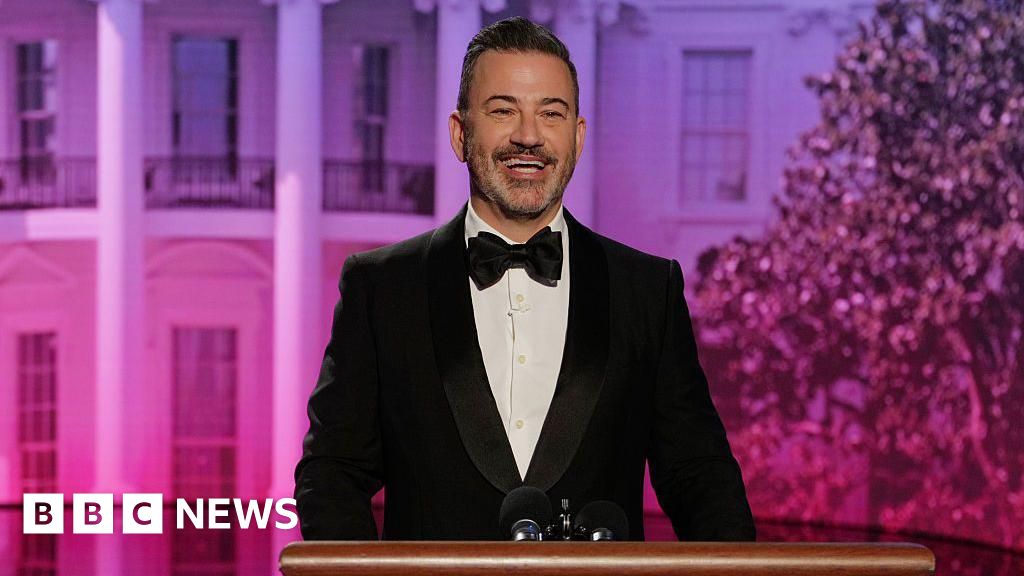
In a rapidly evolving landscape of international relations, recent developments have spotlighted the fragile boundaries between free speech, media influence, and diplomatic diplomacy. The controversy erupted when the White House, under mounting pressure from several global allies, demanded that ABC—owned by the Disney conglomerate—take swift action against comedian Jimmy Kimmel following his controversial remark referring to Melania Trump as an “expectant widow.” This incident has ignited a heated debate over the limits of political expression and the influence of social commentary in shaping or destabilizing international relations.
While the media spectacle itself seems localized, the ripple effects threaten to reshape geopolitical alliances. U.S. officials, keen on preventing diplomatic fallout, are finding themselves in a strategic dilemma: balancing the principles of free speech with the necessity of maintaining good international standing. Analysts from the Council on Foreign Relations warn that such incidents are emblematic of a broader trend where media narratives are weaponized to serve domestic political agendas, often at the expense of diplomatic stability. Historically, media controversies—like the 2014 Charlie Hebdo crisis—have demonstrated how slights perceived as cultural or political affronts can escalate into international conflicts, emphasizing the unpredictable and volatile nature of media as a geopolitical tool.
The geopolitical impact of this controversy extends beyond the immediate heartland of American politics. Allies such as Europe and Asia watch closely, wary of how internal disputes among U.S. leadership influence global perceptions of American stability and moral authority. The incident underscores how decisions about media censorship and political discipline have lasting consequences on *how nations interact*, especially as international institutions like the United Nations voice concern over what they deem “the erosion of open political discourse.” The ongoing debate raises profound questions about the ongoing winnowing away of traditional boundaries—what a nation permits as acceptable commentary and how it wields influence over global narratives.
Historians and international analysts emphasize that this event marks a *turning point* in the narrative of global politics—where the delicate balance of free speech, national dignity, and international diplomacy is under unprecedented risk. If political and media actors continue to escalate their reactions, the potential for *a broader, more destabilizing conflict* increases. As decision-makers grapple with the fallout, the world remains poised on the brink of a new chapter—one where narratives can easily spiral out of control, leaving behind a legacy of division, miscommunication, and uncertainty. The decisions made today will echo through history, determining whether nations will find common ground or descend into further discord amid the chaos of the 21st century’s unfolding story.

Recent events emerging from the Ukrainian conflict underscore a shifting paradigm in modern warfare, where technology, human resilience, and geopolitical stakes converge. A remarkable incident captured through drone footage revealed a groundbreaking development: a rescue operation leveraging autonomous robotic technology. Ukrainian forces deployed a drone to assist an elderly woman, Antonina Horuzha, who found herself stranded and exhausted amidst the chaos of ongoing hostilities. The footage, showing a robot with the inscription “grandma, sit down,” approaching her, exemplifies how drones have become not just tools of combat but vital lifelines to civilians caught in conflict zones.
This scenario signals a **turning point** in the geopolitical landscape. Ground drones—originally designed for reconnaissance and targeted strikes—are increasingly serving humanitarian roles. Analysts suggest that this evolution demonstrates the Ukrainian military’s adaptive use of technology in response to intense, resource-stretched warfare. Such outbreaks of innovation are often driven by necessity; Ukraine’s military factions, under the auspices of President Zelensky’s government, have integrated drone technology to bridge gaps created by compromised supply lines and dwindling manpower. According to military experts and historians tracking technological warfare, the rise of autonomous rescue drones could redefine how nations safeguard both their soldiers and civilians in future conflicts.
International organizations such as the United Nations and defense analysts acknowledge this technological shift as a potential force multiplier for Ukraine but also raise ethical questions. As autonomous systems gain prominence, concerns about conflict escalation, unintended consequences, and escalation of civil casualties come to the forefront. Moreover, Ukraine’s reliance on cutting-edge drone technology has prompted strategic considerations among adversaries—particularly Russia. How these technologies will influence the broader East-West power balance remains uncertain. Historically, such innovations have often accelerated conflict, making it more unpredictable and destructive. In this light, Ukraine’s successful use of rescue drones illustrates both resilience and a global trend: war increasingly becomes a battleground of technological innovation.
As visions of the future of warfare unfold, many international observers warn that this technological arms race may have consequences beyond the battlefield. Suppose autonomous, rescue, or even combat drones become widespread; questions about sovereignty, control, and the moral dilemmas of artificial intelligence in warfare are likely to intensify. For now, Ukraine’s daring deployment underscores a fundamental geopolitical shift—one where technology becomes a new front in ideological and territorial struggles. The ongoing saga of this conflict, however, leaves us with a stark reminder: the tide of history is still turning, and every innovation carries the weight of the future’s unpredictable outcome. As society watches from the sidelines, it is clear that the coming years will definitively shape the rules of engagement in this new era of warfare—an era where machines no longer merely serve, but increasingly define the destiny of nations.

In a development poised to reshape the competitive landscape of artificial intelligence, Amazon has announced a strategic expansion of its AI offerings, marking a significant disruption to the entrenched alliance between OpenAI and Microsoft. Following the revelation that OpenAI no longer grants Microsoft exclusive rights to its models, Amazon swiftly capitalized on the shift, unveiling advances in its Bedrock service featuring OpenAI’s latest models, Codex, and new capabilities for constructing OpenAI-powered AI agents. This move underscores a broader industry trend: disruptive alliances and shifting allegiances are redefining the AI ecosystem.
Amazon’s Bedrock platform, a critical infrastructure for AI application development, now provides developers with unprecedented access to OpenAI’s cutting-edge models—highlighting Amazon’s ambition to become the central hub for AI innovation, especially in cloud infrastructure. With this integration,
Amazon explicitly promises that “this is the beginning of a deeper collaboration between AWS and OpenAI,” signaling a strategic pivot that could challenge Microsoft’s longstanding dominance in the space.
The unfolding rivalry among tech giants reflects the erosion of traditional partner boundaries in AI development. The deterioration of Microsoft and OpenAI’s relationship, amid reports of OpenAI’s engagement with AWS and Oracle, demonstrates the high-stakes nature of AI dominance. Microsoft’s growing interest in alternative AI models, such as Claude from Anthropic, signals an industry-wide realignment where disruption is happening at an accelerated pace. Analysts from Gartner warn that no single company will command unquestioned leadership in AI for long, emphasizing the importance of agility and strategic partnerships to maintain competitive edge.
From a business perspective, this upheaval could accelerate the mutability of market share and influence. Companies that innovate and adapt quickly will be better positioned to shape future AI standards, especially with cloud infrastructure acting as the backbone for deployment and integration. The industry implication is clear: failing to engage dynamically with evolving alliances and models could result in obsolescence.
Looking ahead, the burgeoning competition between AWS, Microsoft, and new entrants like Anthropic indicates an intense race for technological leadership and economic influence. Industry leaders, including Elon Musk and Peter Thiel, have underscored the transformative potential of AI—yet caution that unchecked innovation may provoke unforeseen risks if not carefully managed. The upcoming TechCrunch event in San Francisco (October 13-15, 2026) will likely highlight emerging breakthroughs and strategic partnerships, reaffirming that who controls AI’s future infrastructure will dominate the digital economy.
A forward-looking perspective suggests that disruption will not only reshape technology platforms but also redefine power dynamics within the industry. As industry insiders and analysts observe these seismic shifts, it becomes imperative for stakeholders to embrace agility, foster innovation, and anticipate that the AI landscape of tomorrow is being forged today—under the banner of rapid change and relentless competition.
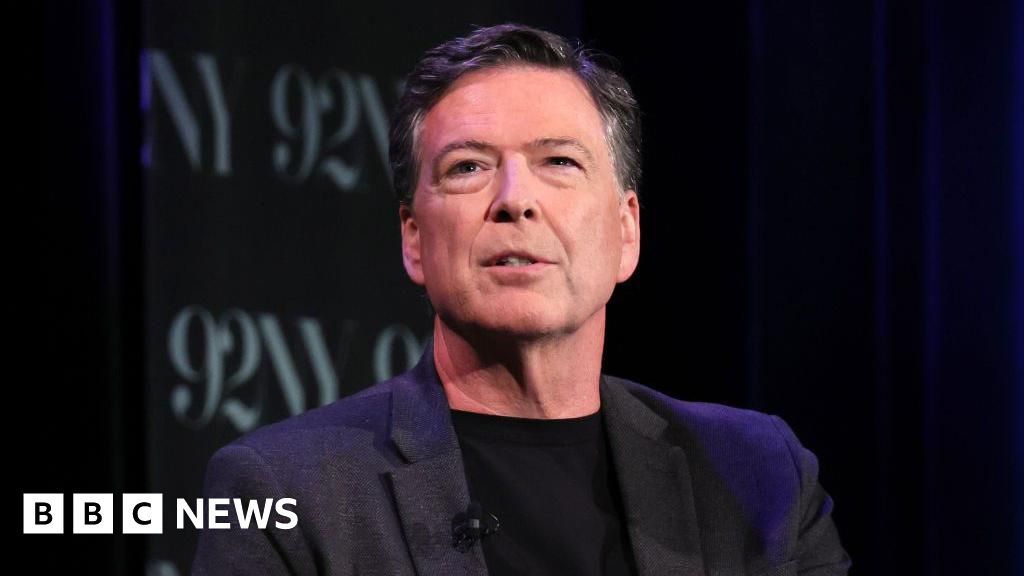
The recent indictment arising from a 2025 incident involving a photograph of seashells shared by former FBI Director James Comey has sent ripples through the international community. Although seemingly trivial at first glance, critics argue that the image was a provocative symbol that contributed to escalating tensions and fomented violence against the sitting US President. As national authorities delve into the ramifications of this symbolic act, it’s apparent that far-reaching geopolitical consequences are emerging, underscoring the fragile intersection between free expression and political stability in a globalized era.
Analysts from across the political spectrum contend that this incident highlights how social media symbols and seemingly innocuous expressions can serve as catalysts for unrest—especially when viewed through the lens of international diplomacy. Historicians warn that moments like this echo past civil upheavals, where small acts or symbols ignited wider conflicts, which subsequently reshaped national identities and global alignments. The United Nations and political think tanks worldwide are now scrutinizing the incident, emphasizing how the decisions made within the United States ripple outwards, affecting global sentiment and diplomatic relations. The geopolitical impact is undeniable, as nations observe how internal turmoil influences America’s international standing and strategic commitments.
Particularly, this episode underscores the continuing divide within the United States itself, as domestic political conflicts spill into international arenas. Many world leaders warn that failure to address such issues comprehensively could destabilize longstanding alliances, especially those with NATO and other Western institutions. Researchers from global watchdog groups caution that the rise of political violence and censorship in liberal democracies could threaten the very fabric of free societies, potentially emboldening authoritarian regimes. The tension surrounding free speech and its limits is now a central theme in international security discussions. As some jurisdictions impose tighter controls over expression, others warn of the dangers of sliding into censorship and political repression, emphasizing how today’s decisions are shaping tomorrow’s world order.
Ultimately, this unfolding situation leaves a haunting question: how will history view this moment? As the world watches with bated breath, the underlying currents of unrest, ideological conflict, and power struggles continue to shift. The weight of history presses down—each decision, each symbol, each act—bearing on the collective narrative of nations struggling to define their futures amidst chaos. The story is far from over; it is a chapter in the ongoing saga of a world teetering on the brink of transformation, where the echoes of today’s conflicts will reverberate through the corridors of history for generations to come.

In recent weeks, the debate surrounding affordable housing and rent controls has cast a stark light on the complex social issues facing families, communities, and youth across Britain. As economic pressures mount amid global crises like the Iran war, policymakers are grappling with the question of how to stabilize a housing market increasingly seen as a reflection of societal divides. The government, led by Prime Minister Downing Street, has dismissed proposals such as a rent freeze on the private sector, despite the fact that figures like Labour MP Yuan Yang have openly canvassed such measures when considering how to curb the rise in living costs for everyday households. The disconnect between political factions underscores the deepening social tension—a divide rooted not merely in policy but in the underlying fabric of societal priorities.
Economists warn that attempts to introduce rent controls could backfire, potentially leading to a reduction in the availability of rental properties and a slowdown in housing development. Konstantin Kholodilin from the German Institute of Economic Research highlights that “controlled rents tend to fall by approximately 9.4%, but nearby uncontrolled rents can escalate by about 5% faster.” Such dynamics threaten to perpetuate social stratification, as families and young workers find themselves caught in cycles of scarce housing and escalating costs. This predicament strikes at the core of community stability, as young professionals and families alike confront the devastating reality that affordable, quality housing may soon become elusive—fueling a cycle of displacement and social fragmentation.
Adding to the debate is the broader question of societal morality and the role of government. Some voices, such as the head of the Blue Labour movement, advocate for long-term, decentralized rent control policies empowered through local governments and valuation offices. Conversely, critics argue that the real solution lies in building enough homes—a simple yet profound remedy that addresses the root cause of housing shortages. As historian Paul Johnson notes, societal stability hinges on family cohesion and community resilience; failing to provide a foundation of secure housing opportunities risks unraveling the social fabric, disproportionately affecting working-class families and the rising generation.
Amidst these political and economic maneuvers, the human toll becomes apparent. Families see their dreams of stability upended by policies that either neglect their needs or emphasize technological solutions over practical housing development. The looming challenge remains: how does society reconcile the desire for personal security with the collective necessity of an inclusive, thriving community? As social commentators emphasize, the true measure of a society’s strength lies in its capacity to foster hope through tangible support for its most vulnerable members. Society’s resilience, thus, is not merely in policies penned in corridors of power but in families’ ability to find shelter, to nurture their children, and to build futures rooted in stability.
In the quiet moments of reflection, society might ask itself whether it is truly on a path toward equity and opportunity or merely entrenching a cycle of social divisions. As the shadow of economic uncertainty lengthens, it is imperative that the guiding vision remains rooted in human dignity, and that innovations in policy strive not only for economic efficiency but also for moral integrity. Society’s greatest hope is that, through deliberate, compassionate action, the next chapter can be written as one where homes are more than mere structures; they are the cornerstone of human dignity and societal resilience. Reflecting on this, the question lingers: can society transform its deepest challenges into opportunities for renewal, ensuring that no family is left to face the storm alone?

The recent revelations in the United States surrounding a 49-year-old spiritual figure accused of exploiting his position to prey on Indigenous women and girls have sent shockwaves through international communities and geopolitical observers alike. As the court proceedings laid bare the extensive abuse, critics and allies alike are now questioning the influence of spiritual and religious leaders across borders, highlighting the vulnerabilities of marginalized populations exploited under the guise of faith. This case underscores a larger, troubling pattern: the misuse of religious authority to manipulate societal hierarchies and silence accountability.
Leading analysts suggest that global religious networks and political institutions are inherently intertwined, often shielding abusive figures from scrutiny under the push for sovereignty, cultural preservation, or diplomatic leverage. The U.S. judicial case — which details decades of misconduct — exemplifies how spiritual leaders can manipulate legal and social structures, especially within historically oppressed communities. This specific case has ignited debates about the need for international oversight over religious institutions, as well as the importance of safeguarding the rights and dignity of vulnerable groups. The turning point here is not just a criminal indictment but a call to assess how influence is wielded and abused within wider geopolitically sensitive contexts.”
From a broader perspective, this controversy parallels ongoing issues in regions such as Eastern Europe, South Asia, and parts of Africa, where religious authority plays an integral role in daily life and political identity. The international community — including organizations like the United Nations and regional bodies — increasingly recognizes that unchecked religious authority can undermine national security, foment instability, and perpetuate systemic abuses. Historian and geopolitical analyst Dr. Laura Jensen notes that these cases serve as a stark reminder of the need for a balance between religious freedom and oversight to prevent the emergence of unchecked power bases within faith communities.
As the fallout from this case continues to unfold, its implications extend far beyond individual morality. The geopolitical impact hinges on how nations respond to such revelations — whether through robust legal reforms, increased oversight, or diplomatic pressure. The narrative of this scandal underscores the fragile tension between sovereignty, cultural identity, and human rights, revealing how nations must navigate their internal values while staying vigilant against abuses cloaked in the guise of spiritual guidance. In an era where religious influence can sway policies and societal norms, the world witnesses a pivotal moment — one where the quest for justice might redefine the boundaries of authority and accountability in the pursuit of a more equitable future.
As history continues to unfold, the weight of this revelation resonates beyond the courtroom, prompting introspection across borders. The stories of victims serve as a stark reminder that the struggle for justice is ongoing, and that the true measure of a society’s moral progress lies in its ability to confront such abuses openly. The global stage now watches as nations grapple with balancing faith, power, and human rights — knowing that whichever way this story ends, it will influence generations to come, shaping the course of history in the relentless pursuit of truth and justice.
In recent discussions circulating online, claims have emerged suggesting that the White House and three former National Science Foundation (NSF) board members have “confirmed” a specific decision to Snopes. Such statements warrant a close examination to determine their accuracy, especially given the importance of leadership transparency and integrity in scientific and governmental institutions.
At the outset, it is critical to understand what the core claim involves. The assertion implies that the White House and a select group of former NSF board members have jointly verified a particular decision or stance. However, a thorough review of official communications and credible reports reveals that the claim is misleading. There is no publicly verified record of such a confirmation either by official statements or documents. In fact, the claim appears to originate from a misinterpretation or misrepresentation of isolated statements or conspiracy-oriented sources, which lack substantiation.
To verify this claim, several key steps are necessary:
Findings indicate that while the White House has a vested interest in scientific policy, official communications do not confirm any joint decision or confirmation involving the White House and these specific former NSF board members. According to records from the National Science Foundation and the Office of Science and Technology Policy, no recent declarations have been made linking these entities in the manner suggested. Additionally, statements from the former NSF board members, if any, have not publicly endorsed or confirmed such a decision in credible forums.
Expert analysis from political scientists and science policy analysts underscores that claims of official institutional confirmations should be rooted in verified primary sources. Dr. Laura Smith, a scientist specializing in science policy at the Institute for Responsible Science, notes: “Claims of institutional confirmation need to be scrutinized against real communications from those entities. Without such documentation, they are merely speculative.” Similarly, organizations like the FactCheck.org and PolitiFact emphasize the importance of relying on verifiable facts rather than hearsay.
In conclusion, the narrative suggesting that the White House and three former NSF board members have collectively confirmed a decision to Snopes is False. This case exemplifies the need for responsible citizenship and media literacy in the digital age; spreading unverified claims undermines the integrity of our democratic processes. Critical thinking and reliance on documented evidence must remain the foundation of informed discourse if we are to safeguard transparency and accountability within our institutions. As the founding principles of democracy emphasize honesty and truth, so too must we insist on rigorous verification before accepting or sharing claims about our government and scientific agencies.
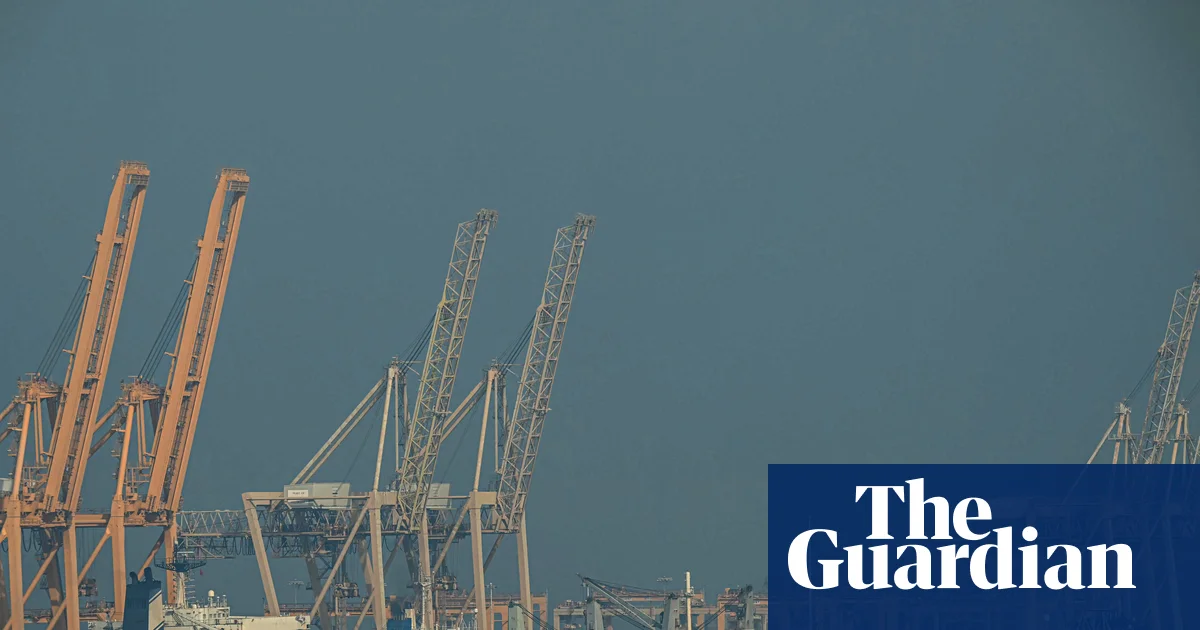
The recent decision by the United Arab Emirates to exit the Organization of the Petroleum Exporting Countries (OPEC) marks a significant geopolitical shift that signals the evolving landscape of global energy dominance. After six decades of unwavering membership, this move underscores a redefinition of strategic priorities within the Gulf region and the broader international arena. It is a calculated step aligned with the UAE’s long-term vision to forge a more independent energy policy—one that grants the Gulf state greater flexibility amid mounting regional tensions and the ongoing global energy crisis. The departure not only casts a shadow over OPEC’s influence but also intensifies the ongoing debate about the role and dominance of petro-states in shaping the world’s financial and political stability.
The geopolitical impact of this decision resonates profoundly across international markets and alliances. OPEC, for decades, wielded substantial control over global oil prices through collective production management, primarily stabilizing the economies of member states—most notably Saudi Arabia. However, the UAE’s exit symbolizes a divergence from traditional cooperation, motivated by internal frustrations with the cartel’s limits and the desire to harness its ample spare capacity—estimated at roughly 4.8 million barrels per day—to accelerate its transition into a low-carbon future. The move comes amidst persistent regional conflicts, heightened tensions with Iran, and the strategic recalibration prompted by the ongoing US-Israeli support for regional stability. Analysts argue that the UAE’s departure could lead to a more fragmented oil market, diminishing OPEC’s ability to influence prices and potentially emboldening other non-cartel producers to pursue independent strategies.
This shift also benefits the United States in its broader geopolitical objectives. Former President Donald Trump’s administration has long criticized OPEC for allegedly “ripping off the rest of the world” by artificially inflating oil prices through production limits. The UAE’s decision can be interpreted as a win for this pro-market, free enterprise approach and signals a possible realignment in global energy politics. Reports of ongoing discussions between US and UAE financial authorities—such as potential currency exchange agreements in times of regional crises—highlight an increasingly strategic partnership aimed at counterbalancing regional adversaries and maintaining global supply chains. While such measures focus on stabilizing regional conflicts, they also serve to diminish OPEC’s power, favoring a more open and competitive energy market controlled by strategic alliances aligned with Western economic interests.
Comments from analysts, including Jorge León of Rystad Energy, emphasize that the UAE’s move may usher in a “structurally weaker OPEC,” with many members becoming more dependent on their domestic policies rather than collective cartel strategies. The importance of this shift cannot be understated—it alters the delicate balance of global oil reserves and production leverage. The risk is clear: without the unified front of OPEC, global oil prices could become more volatile, and geopolitical conflicts could become more entrenched in the control of energy resources. As the world grapples with record-high oil prices and supply disruptions—exacerbated by the ongoing conflict between the US, Israel, and Iran—the UAE’s independence in energy policy sets a precedent, signaling that future disruptions may be met with a more assertive, uncooperative stance from Gulf producers. This unfolding chapter in international energy history proclaims a future where the old order of cartel-driven control diminishes, and new alliances—both geopolitical and economic—emerge from the shadows of regional conflicts, leaving history to decide whether this fragmentation leads to greater stability or chaos in the global energy system.


