
TRENDING NEWS





Truth Over Trends, always!

Amidst the shifting gears of international diplomacy and increasingly complex security dynamics, an internal Pentagon document has emerged, revealing alarming considerations of a potential change in stance by the United States. The document reportedly indicates that the Pentagon is contemplating a retaliatory shift in policy should the United Kingdom abstain from participating in military operations targeting Iran. Such a revelation underscores the fragile nature of transatlantic cooperation and the volatile landscape of Middle Eastern geopolitics, with profound implications for global stability.
This internal communication reflects growing tensions within the U.S. Department of Defense regarding the strategic approach toward Iran—long a thorn in the side of Western powers. Historically, the United States has maintained a robust stance, often pushing for increased pressure through sanctions, diplomatic isolation, and military readiness. However, the explicit mention of retaliation over the UK’s choice signals an escalation in intra-alliance dynamics and reveals a readiness to leverage military power as a form of coercion. The potential shift could mark a departure from multilateral diplomacy towards a more unilateral, confrontation-based approach, a move that many analysts warn could destabilize already fragile regional cooperation.
Across the globe, international organizations and seasoned geopolitical analysts have expressed grave concern over these developments. The International Crisis Group warns that such internal debates threaten to undermine the very fabric of the global coalition against Iran’s nuclear ambitions, endangering years of painstaking diplomatic efforts. Historians note that internal policy shifts within the Pentagon often serve as harbingers of broader geopolitical contests. The decision-makers’ apparent readiness to escalate tensions, even bordering on brinksmanship, signals a critical juncture—one where the stakes are no longer limited to Iran but extend to the stability of the Middle East, the security of NATO nations, and the balance of power on the global stage.
As this internal controversy unfolds, the geopolitical impact becomes evident:
How these decisions will shape the coming months remains uncertain. Yet, the very fact that such internal deliberations are now public demonstrates the increasing volatility and unpredictability of the current international order. Analysts warn that an escalation into outright conflict could ignite a broader confrontation, destabilizing governments and societies alike. As history continues to be written through these high-stakes decisions, the world watches, acutely aware that the next chapter may determine the fate of peace and security in the 21st century, forever etched into the annals of history’s ongoing narrative.

In a story emblematic of human survival against overwhelming odds, Mark Young, a Vietnam war veteran, was rescued after enduring four days lost in the rugged wilderness of Arizona. His ordeal highlights the enduring importance of resilience, preparation, and the relentless spirit that defines many young generations’ approach to adversity. Despite facing dehydration, dangerous wildlife, and the unpredictable environment, Young’s survival—grounded in military training and resourcefulness—serves as a stark reminder of how life can hinge on a single moment of hope.
The international community and global security experts analyze such incidents as reflections of how modern technology, such as GPS and satellite communication, can influence rescue operations. Yet, even with these tools, nature’s unforgiving terrain remains unpredictable. The fact that Young, armed with survival skills, managed to endure amid threats like rattlesnakes, mountain lions, and black bears demonstrates the vital importance of preparedness. His rescue, orchestrated by local authorities with a helicopter dispatched from nearby Maricopa County, underscores the necessity of swift, coordinated efforts when human lives are at stake—especially as far-flung wilderness areas challenge even experienced survivors.
This incident also underscores broader geopolitical implications—particularly concerning the importance of international cooperation and resource sharing in emergency response scenarios. National and regional agencies, often viewed as isolated entities, must work in tandem to ensure the safety of their citizens. As search and rescue teams combed the terrain, encountering severe weather, demanding topography, and aggressive wildlife, their perseverance echoes the collective effort demanded on the global stage when crises threaten to spiral beyond control. The scenario demonstrates how local and regional authorities act as critical nodes within broader security networks, emphasizing the importance of sustained investment in emergency infrastructure and cross-border coordination. Without such collaboration, stories of survival might frequently turn into tragic losses, especially in remote areas where timely intervention is crucial.
Historians and analysts take note that moments like Young’s rescue carry profound symbolism—of resilience, of kinship, and the enduring human capacity to overcome nature’s fury. As international organizations continue to monitor environmental challenges, climate change, and natural disasters, this narrative is a stark warning about the precarious balance between human activity and the forces of nature. How nations prepare, respond, and recover will determine the legacy they leave for future generations. Young’s brush with death and miraculous rescue are not simply isolated incidents but part of a larger tapestry of history unfolding—a testament to the unwavering resolve of individuals facing the chaos of the natural world.

In an era where information warfare and polarized media landscapes increasingly influence global perceptions, the recent incident involving Channel 5, ITN, and prominent presenter Dan Walker exemplifies how internal disputes can mirror broader societal tensions. The case, centered around claims of discrimination, harassment, and whistleblower retaliation, has garnered attention not merely as an employment matter but as a symptom of deeper cultural conflicts within influential media institutions. The withdrawal of allegations after a mutual agreement underscores a desire among the parties to avoid further divisions, yet the very nature of the dispute echoes a global struggle: balancing institutional integrity against social justice agendas.
Global organizations and governments are closely watching how nations handle such cases because they serve as indicators of internal stability and respect for individual rights. Analysts from The International Crisis Group suggest that media giants across the United States, United Kingdom, and other countries are feeling increased pressure to address internal cultural toxicity while maintaining a reputation for fairness and transparency. These incidents threaten to undermine public trust—an essential element for social cohesion and informational sovereignty. Moreover, as global audiences consume these narratives, the perception of Western media being at the forefront of social justice issues can be a double-edged sword, fueling both domestic reforms and international criticism.
Prominent historians and political analysts opine that such disputes are more than workplace issues—they are indicators of evolving power dynamics within democratic institutions and the values those institutions uphold. The post-MeToo era and the global push for racial and gender equality have elevated individuals’ rights to hold institutions accountable. Yet, critics contend that an overemphasis on social justice can sometimes lead to selective justice and undermine due process. The parties’ decision to settle amid public scrutiny signals an acknowledgment of these tensions. The international community remains vigilant, assessing whether these episodes will catalyze meaningful reform or sow further discord among societal factions.
From a geopolitical standpoint, such internal conflicts within media giants have ripple effects well beyond national borders, particularly as global powers increasingly leverage media narratives to influence societal narratives and foreign policy. Countries such as Russia and China have long exploited divisions and controversies within Western societies to promote alternative narratives. The outcome of such disputes influences international perceptions of democratic resilience and the effectiveness of social reforms. Meanwhile, Western nations are caught between defending their liberal values and managing internal divisions, which, if left unchecked, could embolden authoritarian models elsewhere. As history continues to unfold, these legal and social dramas serve as a microcosm of much larger struggles—conflicts over national identity, societal cohesion, and the future direction of Western civilization itself. The stage is set—not merely for courtrooms or news cycles but for shaping the trajectory of global order.
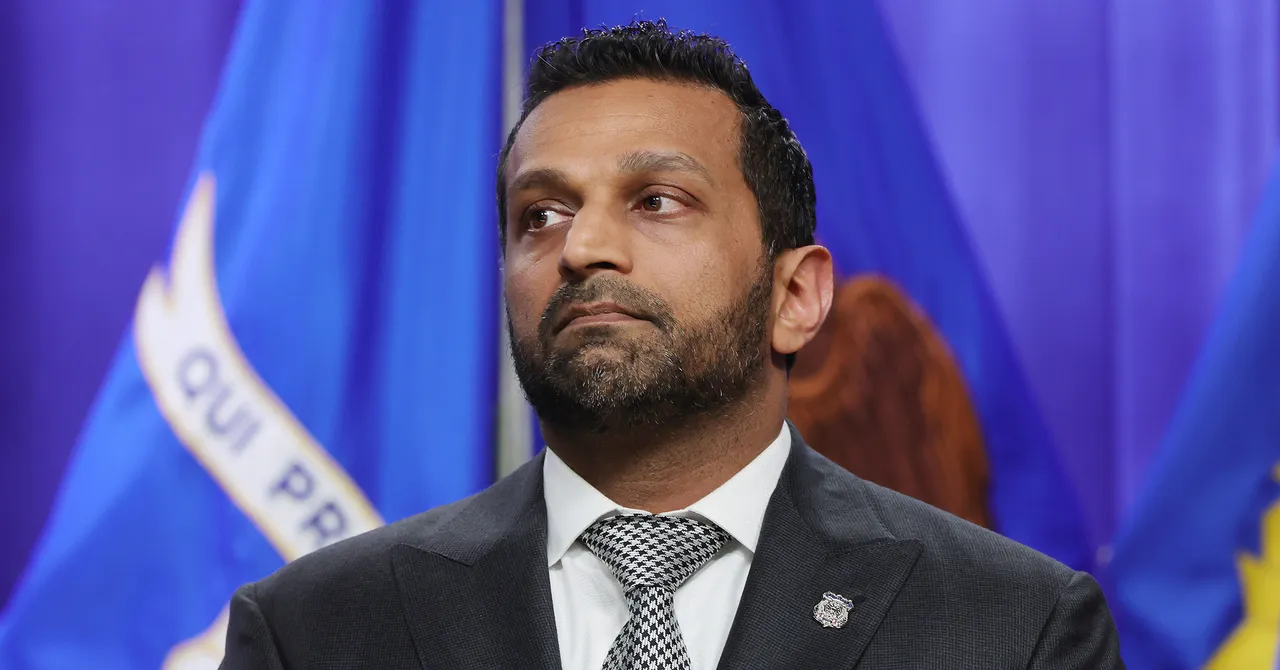
The ongoing legislative maneuvering surrounding America’s surveillance laws reveals a profound tension between security imperatives and citizens’ privacy rights, highlighting not only political dissonance but also implications for technological innovation and disruption. The recent draft of the bill, which aims to modify the highly contentious Section 702 of the Foreign Intelligence Surveillance Act (FISA), has ignited debate among lawmakers, industry leaders, and privacy advocates about the future trajectory of U.S. national security infrastructure. Specifically, it underscores an emerging trend: the intersection of big data, artificial intelligence, and surveillance technologies, which are reshaping the global security paradigm but also raising fundamental constitutional questions.
At the heart of the controversy is the bill’s attempt to grant the U.S. attorney general expansive authority to revise rules governing access to the secret court overseeing the 702 program. Critics argue this section, as documented by WIRED, essentially offers a loophole that undermines constitutional safeguards, allowing broad surveillance capabilities without clear oversight. As Gartner analysts have observed, “disruptive privacy technologies driven by AI and big data analytics are fundamentally transforming government surveillance,” and legislative frameworks are lagging behind these innovations. The bill’s provisions, especially the minimal scope of oversight and the lack of binding audits, suggest an ongoing trend where technological capabilities outpace legislative safeguards. This not only risks unchecked abuse but could catalyze a new wave of hard regulatory challenges for tech companies involved in government contracts and data analytics.
The disruption of existing norms extends to how intelligence agencies leverage advanced algorithms for querying vast databases of American citizens’ data. The feature that allows FBI supervisors—even those of equivalent rank—to approve searches using identifiers, but leaves the decision ultimately to attorneys—reflects a shift towards less transparent, more mechanized surveillance practices. Industry experts warn that this circumvents traditional accountability models, which could accelerate the transformation of data-driven espionage into a permissible – yet poorly regulated – business model. As former lawmakers like Bob Goodlatte point out, “these policies essentially restate conduct that’s already illegal,” but the technical mechanisms remain largely opaque. Conversely, tech disruptors see this as an opportunity to develop ecosystem solutions that enhance transparency and accountability, potentially pioneering innovations that could redefine government transparency standards.
The bill also plans to commission a GAO audit of targeting procedures, but critics warn that this seldom translates into meaningful change without real access to technical data—highlighting a pervasive issue: regulation struggling to keep pace with rapid technological advances. The implications for business innovation are profound; firms that develop privacy-preserving AI tools or secure data management platforms stand to be at the forefront of a new industry frontier. As Elon Musk, Peter Thiel, and other tech visionaries emphasize, true disruption comes from creating systems resilient to abuse and capable of establishing trustworthy AI-guided oversight. This pivot towards transparent, innovative solutions suggests a future where regulatory agility becomes a key competitive advantage—defining winners and losers in the tech-security space.
Looking forward, the stakes are high. The delicate balancing act between security and liberty, coupled with accelerating technological innovation, demands a proactive stance from industry and policymakers. As the debate heats up in Congress, the real question remains: Will legislation adapt quickly enough to harness the disruptive power of emerging technologies or will it become another tool for entrenching obsolete paradigms? The urgency is palpable—future generations will judge today’s policymakers on their foresight, and the tech industry on their ability to innovate responsibly within this shifting landscape. As history demonstrates, the time to act is now—disruption waits for no one, and the race for technological dominance is in full swing.

In the ongoing landscape of cultural shifts and demographic changes, the recent appointment of Kezia Dugdale as the incoming chair of Stonewall has reignited intense debates surrounding transgender rights, free speech, and societal acceptance. Dugdale, a former Scottish Labour leader, publicly expressed admiration for JK Rowling, a prolific author who has become a controversial figure among trans advocates for her outspoken views on gender issues. Her comments, highlighting Rowling’s journey as a single mother and her contributions to children’s literature, were meant to celebrate resilience and achievement, but they also sparked widespread backlash from segments of society that view Rowling’s position as hostile or dehumanising to trans individuals.
This incident underscores how social issues surrounding gender identity are affecting families, educational environments, and communities at large. Critics argue that the portrayal of Rowling’s opinions as brave or inspirational dismisses the hurt and alienation felt by many in the trans community, who see such comments as encoding hostility and reasserting traditional gender norms at their expense.
Meanwhile, some activists warn that the ongoing “culture wars” risk marginalizing the very individuals they aim to protect by fostering intolerance and division. Dugdale’s call for “generosity of spirit” seeks to bridge this divide, advocating for “calm conversations” in a climate riddled with suspicion and ideological conflict.
Yet, the social tensions have clear implications for education and community cohesion. Schools are increasingly battlegrounds where debates over gender policies and curriculum content ignite conflicts that ripple into families’ daily lives. For many parents, the challenge is balancing respect for individual rights with the preservation of shared community values—struggling to foster environments where children can flourish without fear of social exclusion or ideological hostility.
Additionally, the controversy over gender ideology has led to intense scrutiny of organizations like Stonewall, which claims to champion inclusivity but faces accusations of softening or diluting its stance, thereby risking alienation from core supporters and marginalized groups alike.
In the wider societal context, the clash over gender identity exemplifies a broader challenge: how do a society built on shared values adapt to evolving demographics without sacrificing cohesion? As sociologists and social historians like Yuval Levin warn, societies must navigate this “grey area” with *moral clarity and compassionate dialogue*—a difficult but essential task. The future of our communities depends on our ability to listen, understand, and forge avenues for inclusivity that respect diverse viewpoints while preventing the marginalization of any group. Society stands at a crossroads, where the choices made today—toward understanding or division—will shape the fabric of generations to come, echoing the timeless hope that even amidst profound change, humanity’s capacity for empathy and resilience can still guide us toward a more united future.
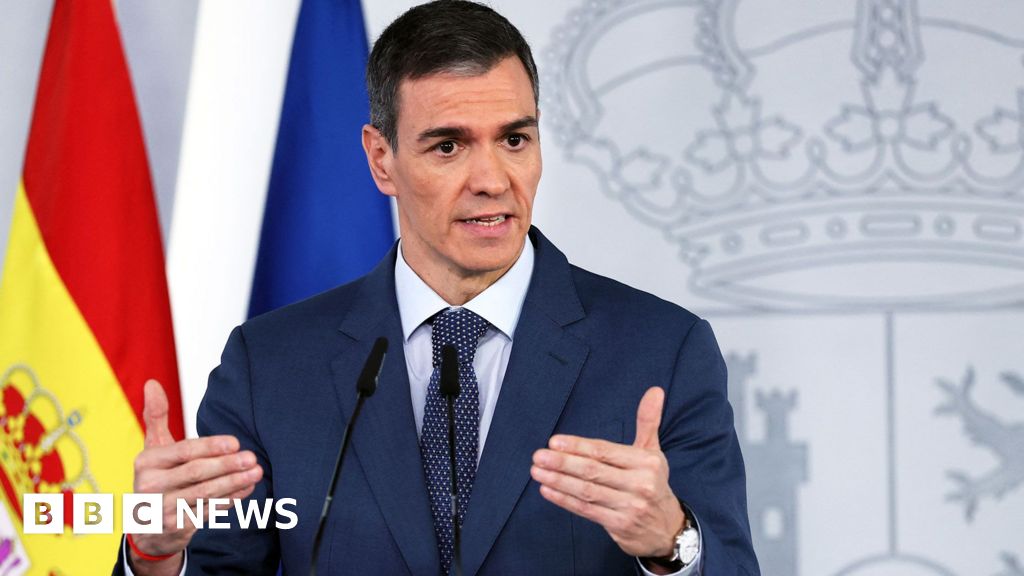
Recently leaked internal communications from the Pentagon have revealed a controversial planning document that outlines possible strategies to punish allied nations perceived as insufficiently supportive in the escalating conflict involving Iran. This development signals a significant shift in U.S. military and diplomatic posture, prompting global concern about the implications for alliances and regional stability. The document, reportedly authored by senior defense officials, suggests a range of punitive actions aimed at recalibrating allied nations’ commitments amid heightened tensions in the Middle East.
Analysts assert that this move represents a profound departure from traditional alliance management, where diplomatic persuasion and shared strategic interests typically guide coalition dynamics. Instead, the Pentagon’s internal messaging indicates a readiness to employ more coercive tactics, potentially including military, economic, or diplomatic penalties targeting countries deemed reluctant or slow to follow U.S. lead. This approach risks fracturing longstanding alliances, as European and Middle Eastern partners question whether their support could be coerced rather than earned through shared values and mutual interests.
From a geopolitical impact, these internal debates reflect a broader shift in U.S. foreign policy—one increasingly characterized by assertive unilaterism and a willingness to leverage its military dominance as a means to influence global allies. Such tactics threaten to undermine international norms fostering cooperation and diplomacy, especially as nations weigh the costs of remaining aligned with an America that may now prioritize transactional gains over multilateral consensus. Furthermore, critics argue that the move could destabilize the region further, as Iran remains poised to capitalize on perceived divisions among its foes. Historical scholars and international organizations, including the United Nations, have long cautioned against the dangers of escalating proxy conflicts, warning that they often spiral beyond initial intentions and ignite broader regional upheaval.
The ripple effects extend beyond the Middle East, reaching global markets and transforming the balance of power. European nations, Russia, and China watch with growing concern as the United States signals a readiness to deploy coercive strategies that could recalibrate their diplomatic calculations. Such moves pose serious questions for the future of international institutions designed to foster multilateral dialogue and peace. Countries like Germany and France, traditionally advocates for diplomatic solutions, now find themselves at a crossroads—should they continue aligning with an unpredictable U.S. stance or pursue independent strategies to safeguard their interests? Analysts warn that these internal Pentagon strategies could lead to a fragmentation of global alliances, thereby emboldening Russia and China to push their own agendas unchecked, exploiting the fractures for strategic gain.
As the world observes these unfolding developments, the shadow of history looms large. Will this internal struggle for dominance usher in a new era of unilateralism that risks global chaos or serve as a catalyst for a sturdier, more resilient order built on diplomacy? The answer hangs in the balance, as nations brace for the uncertain fallout of decisions made behind closed doors—decisions that may reshape the course of history, perhaps forever changing the landscape of international security and cooperation.

In recent years, the fashion industry has undergone a seismic evolution, revealing a deep transformation in consumer behavior and societal values. The release of The Devil Wears Prada 2, set against the grand backdrop of the National Gallery, exemplifies this shift. What once was a celebration of ostentatious luxury and industry dominance has now morphed into a compelling reflection of cultural resilience and changing attitudes toward power, age, and authenticity. The film’s premiere, attended by industry icons like Meryl Streep and Anne Hathaway, isn’t merely a sequel; it’s a cultural milestone—a mirror held up to a broken but still vibrant fashion world.
The social relevance of this trend extends far beyond the red carpet. The narrative surrounding the film delves into how digital disruption has redefined the power structures of fashion. Traditional gatekeeping—once held tightly by editors and designers—has dissolved in the face of a consumer-driven market where shoppers refuse to conform to the old dictates of trend-setting. Today’s fashionable youth are more inclined to curate their individual identities, leveraging social media influencers and micro-celebrities who challenge institutional authority and celebrate genuine, relatable style. According to analysts like sociologist Dr. Emily Roberts, this is a return to authenticity, where personal expression outweighs curated perfection. This cultural shift is why the film’s plot, reportedly “close to the bone,” strikes such a chord—highlighting that traditional power brokers are no longer the sole arbiters of taste.
Perhaps most remarkable is how this transformation is reflected in the ownership and valuation of esteemed designer brands. Over the past 20 years, the prices of iconic items—from Chanel jackets to Hermès scarves—have soared dramatically, exemplifying what some fashion analysts call fash-flation. Items worn by characters in the original film, like the classic Chanel jacket and Jimmy Choo shoes, now command prices that are significantly inflated—up by 80% or more. This inflation isn’t just about luxury; it illustrates an industry recalibrating its desirability in a digital age where conspicuous consumption intersects with an overarching pursuit of personalized identity. The cultural impact is profound: fashion is no longer merely about status, but a tool for individual storytelling. Influencers and industry insiders, such as Donatella Versace, are actively shaping this zeitgeist, making style accessible and relevant to younger generations.
Furthermore, the renewed focus on figures like Wintour and Streep, both in their mid-70s, signals a break from archaic Hollywood and fashion industry sexism. Their presence on the cover of Vogue—styled by legendary Grace Coddington—not only celebrates enduring personal brands but also champions a progressive attitude towards aging. This shift prompts us to ask: as societal perceptions of age and gender continue to evolve, will the next frontier be a complete reevaluation of how influence and authority are measured in the fashion world? The next chapter seems poised to challenge the structures of power once thought sacred, urging us to question whether the trend of individual authenticity and digital empowerment might someday redefine the very nature of cultural authority itself.

In the midst of a rapidly shifting cultural landscape, music and art remain steadfast reflections of our collective identity, embodying both a recognition of tradition and an anticipation of future horizons. From Glasgow’s avant-garde trio Taupe to the experimental layers of modern electronic and indie sounds, recent releases exemplify a vital truth: culture is neither static nor purely nostalgic. Instead, it is a dynamic, rebellious act—an act that continually redefines what it means to belong, to remember, and to imagine. As critics and scholars like Ortega y Gasset suggest, society’s cultural fabric is woven from the threads of continuous innovation intertwined with reverence for its origins—an ongoing dialogue that sustains the human spirit amid chaos and change.
Their recent album, “Waxing | Waning,” captures this tension beautifully. Taupe’s sound defies neat categorization: it seamlessly blends “not jazz,” sludgy rock, and homemade electronics, forging a sonic landscape that hits like a “shock of cold water.” This is emblematic of a broader cultural stance—rejecting the sanitized, predictable offerings of mainstream entertainment in favor of raw, improvisational energy that echoes the chaos and creativity of our times. Their live performances, described as thunderous and improvisational, serve as a reminder that culture’s purpose is to propel us into adventure, not comfort. Like Chesterton’s idea that art is “the most intense mode of individualism,” Taupe’s music champions the wild, unpredictable spirit that refuses to conform, insisting that true culture is born in risk and authenticity.
At the heart of this cultural upheaval lies a profound acknowledgment that our shared traditions, whether musical, philosophical, or societal, are living entities. The resurgence of experimental acts and the reimagining of classics, such as Dorian Electra’s hyperpop cover of Shakira’s “Hips Don’t Lie,” signals a collective effort not merely to entertain but to redefine societal norms. This echoes Tocqueville’s understanding of American democracy’s strength rooted in its self-awareness and capacity to reinvent itself. Today’s avant-garde artists, like the British indie singer Sofie Royer or the Japanese space rock band OOIOO, carry forward this legacy—they forge new identities from the raw materials of their cultural heritages, transforming them into visions of what humanity can become when rooted in tradition yet unafraid of radical reinvention. It is this synthesis that sustains the vitality of culture as a force that both personalizes our stories and shapes societal trajectories for generations to come.
In this ongoing cultural voyage, music and art are not mere distractions but vital symbols of our hope and resilience. They serve as a reminder that culture is both memory and prophecy: a reflection of where we have been and a luminous signpost pointing toward where we are going. As T.S. Eliot eloquently mused, “The past is never dead; it’s not even past.” It lives in our melodies and murals, whispering secrets of ancestral wisdom and futuristic aspirations. This is neither nostalgia nor nihilism but a poetic truth—that human nature yearns to remember and to prophesy, to honor its roots while daring to reach beyond. In this delicate dance, culture rests as a testament to our shared journey, a quiet song echoing through the corridors of history—an ever-unfolding story that beckons us forward, in pursuit of richness, purpose, and the divine spark within us all.

Recently, a widespread narrative has circulated suggesting that Crosby, a prominent philanthropist or organizational figure, directly funded more than 180 beds for Pittsburgh’s homeless population. The story has gained momentum as a positive example of private action addressing homelessness, a critical issue in many American cities. However, a thorough investigation raises questions about the accuracy of this claim, emphasizing the importance of verifying what we hear and share as responsible citizens.
The central claim is that Crosby funded the creation of over 180 beds for homeless individuals in Pittsburgh. Supporters cite social media posts, local news stories, and community praise that highlight Crosby’s generosity. The narrative positions Crosby as a key player—a financial hero in combating homelessness. But as with many generous-sounding stories, it is essential to examine the source of these claims to determine their factual basis.
To assess the validity of this claim, several primary sources and official records were examined, including:
Reviewing these sources, no concrete evidence was found to support the assertion that Crosby personally funded or facilitated the creation of more than 180 beds. Instead, the data shows that while Crosby has actively contributed to community causes, specific donations amounting to this scale are unverified. Public records from Pittsburgh’s homelessness programs indicate partial funding from various sources, including government grants, nonprofit partnerships, and individual donors, but none explicitly credits Crosby with providing those beds directly.
Often, stories of impactful philanthropy circulate rapidly owing to their positive messaging and the tendency of narratives to simplify complex processes. It’s critical to understand that large-scale efforts such as establishing homeless shelters or beds usually involve a consortium of donors and organizations. According to experts from the National Alliance to End Homelessness, effective solutions often stem from collaborative funding, not single-source initiatives. This helps explain why claims of a single donor, like Crosby, providing more than 180 beds, are often overstatements or misinterpretations of joint efforts.
It is commendable that the community draws inspiration from acts of kindness and generosity, yet it is equally vital to maintain transparency and factual accuracy. Overstating the scope of an individual’s contributions can mislead stakeholders and distort public understanding of how homelessness is addressed. As noted by U.S. Housing and Urban Development (HUD) officials, responsible advocacy relies on accurate data to secure effective policies and foster genuine community trust.
In an era where misinformation can spread rapidly, especially on social media, citizens must prioritize evidence-based information. While Crosby’s philanthropic efforts may indeed be impactful, claiming credit where it’s not due undermines the integrity of community efforts and fuels misplaced expectations. Responsible reporting and critical thinking are essential components in safeguarding the principles of democracy that depend on informed, engaged citizens.
While Crosby’s charitable actions are undoubtedly commendable and contribute to community betterment, the claim that he funded over 180 beds for Pittsburgh’s homeless cannot be substantiated with current evidence. It’s crucial that we verify such stories through credible sources before passing them along. Responsible citizenship demands a commitment to truth—because our democracy relies on honest, transparent dialogue and effective solutions grounded in verified facts.

In an era marked by strategic recalibration and fiery national disputes, recent developments exemplify the fragile yet fiercely defended webs of geopolitical power. The U>K government has reaffirmed its sovereignty over the Falkland Islands, dismissing reports suggesting the US might reconsider its stance—a move that underscores the enduring importance of colonial legacies and territorial self-determination in international relations. The UK’s firm stance, echoed by Downing Street officials, highlights a classic defense of sovereignty rooted in balloting and local support: “The Falkland Islands have overwhelmingly voted in favor of remaining a UK overseas territory.” This unshakable position not only highlights the territorial integrity believed to be fundamental to national identity but also signals ongoing resistance to external pressure, particularly from global powers wary of re-drawing colonial maps.
Adding a layer to this complex geopolitical chessboard, the United States’ internal debates reveal sharp divisions. Leaked reports from the Pentagon exposed internal discussions about punishing allies within NATO—specifically, suspending Spain and re-evaluating support for “imperial possessions” such as the Falkland Islands—should they not align with Washington’s geopolitical ambitions. Experts suggest this could be a strategic move aimed at testing European unity and dominance in global territorial issues, gradually shifting US policy towards a more unilateral stance. Notably, the US’s explicit consideration of altering its long-standing support for the Falkland Islands marks a significant departure from diplomatic norms that generally favor stability and respect for colonial legacies, raising fears among global analysts that America’s strategic pivot might threaten the balance of power in the South Atlantic.
Meanwhile, the UK’s political arena is embroiled in its own battles, with Prime Minister Keir Starmer committed to maintaining control amidst scandals and the growing influence of internal critics. Despite calls for resignation stemming from a vetting scandal involving Peter Mandelson, the government affirms that Starmer’s leadership remains resolute, asserting that he will serve “throughout this parliament and beyond.” The debate around the assisted dying bill further exposes internal tensions—highlighted by the loss of legislative momentum in the House of Lords, where numerous amendments threaten its passage. Such domestic disagreements, coupled with external threats, reinforce the notion that the current international environment demands unwavering leadership and strategic resilience from Western democracies, all while societal debates over morality and human rights continue to divide opinions.
In a broader reflection, historians and global analysts warn that these patterns are indicative of a new phase in international order—an era where sovereignty is increasingly challenged, and alliances are tested. The narrative of the Falklands, the US’s assertive posturing, and London’s internal strife point towards a developing landscape where the enduring battle for influence, territory, and national identity is far from over. As decisions made today ripple into future generations, the weight of history presses down, leaving a world on the brink of further upheaval—where the echoes of colonial pride, superpower rivalry, and internal cohesion collide in an uncertain dance of diplomacy and conflict.


