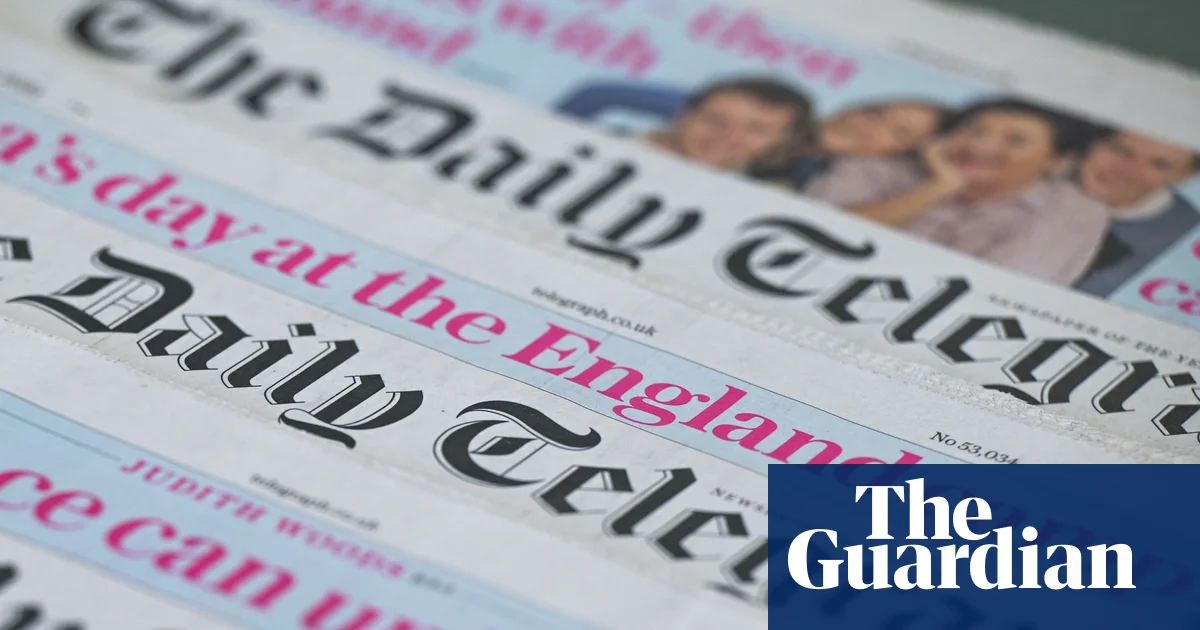
The ongoing saga surrounding the sale of the Telegraph exemplifies the complex interplay between national sovereignty, foreign influence, and media independence — issues at the very heart of UK and international geopolitics today. The government has been called upon to intervene in what has become a highly contentious sale process, with critics arguing that it risks surrendering control over a major British institution to foreign interests, notably Abu Dhabi’s Sheikh Mansour. Instead of trusting the opaque dealings of private entities or foreign-funded conglomerates, many analysts stress the urgent need for a transparent, publicly orchestrated auction, potentially administered by the Competition and Markets Authority or the Cabinet Office. Such moves highlight the broader debate over sovereignty versus global capital flows, a tension shaping policies across the globe.
The sale, initially triggered by Lloyds Bank’s seizure of the Telegraph from its previous owners, the Barclay family, has been in limbo for over two years. Its revival was complicated further when RedBird IMI, led by Abu Dhabi’s Sheikh Mansour, was forced to restart the process after its junior partner withdrew a bid—shattering any illusions of swift transfer. With legislation now banning foreign state ownership of UK newspapers, the sale’s future hangs precariously. Critics, including prominent UK politicians and legal experts, warn that such foreign influence could threaten the integrity of the British press, rendering it susceptible to external agendas. The UK government’s cautious stance—demanding control over the process—reflects a broader concern: that allowing a foreign-owned entity uncontrolled access to UK media could erode national interests.
International organizations and strategic analysts underscore that the geopolitical impact of this situation extends beyond the boundaries of the UK. As the country seeks to defend its sovereignty against creeping foreign influence, the fate of the Telegraph serves as a flashpoint illustrating the struggle for control over information and influence. Historian Simon Schama and think-tank experts emphasize that media ownership shapes societal narratives and national identity — and the danger of foreign entities wielding such power cannot be ignored. The possibility that Sheikh Mansour and the UAE could influence editorial direction or sway political opinion represents a threat to democratic accountability, further complicating the sale. Meanwhile, lawmakers are contemplating invoking new laws, such as the Foreign State Influence (FSI) regime, aimed at safeguarding national assets from foreign interference — a move that underscores the rising tension between economic interests and national security.
As policymakers wrestle with whether to pursue a government-led auction or to rely on investigative bodies like the CMA, the larger narrative persists: the very fabric of the UK’s media landscape is at risk of being reshaped by international power plays. The decision to pause or press forward in this sale will significantly influence the balance of societal influence, economic stability, and national sovereignty. With powerful interests closely watching this unfolding drama, the future of the Telegraph may ultimately symbolize a broader cultural and geopolitical battle—one where the stakes extend far beyond the paper’s print dates, echoing in the corridors of power and shaping the course of history yet to be written.