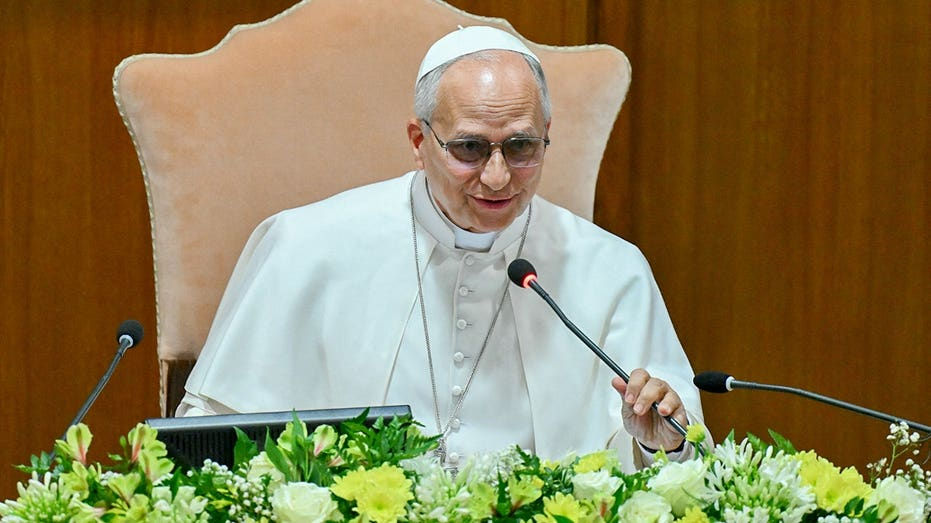
Vatican City — Pope Leo has issued a stark warning regarding the unchecked development of artificial intelligence, cautioning that without proper moral governance, this transformative technology risks becoming a tool of ‘domination, exclusion and death.’ In his newly unveiled encyclical, ‘Magnifica Humanitas,’ the Pontiff called upon global governments and institutions to establish ethical limits, asserting the Vatican’s formal entry into the critical worldwide debate surrounding AI’s future.
Echoes of a Transformative Era
The encyclical draws a profound parallel to a pivotal moment in history: Pope Leo XIII’s 1891 ‘Rerum Novarum,’ which addressed the severe worker exploitation during the Industrial Revolution. Pope Leo articulated that humanity now faces a transformation of similar, perhaps even greater, magnitude. This historical reference underscores the Church’s long-standing commitment to protecting human dignity against the disruptive forces of technological and societal change. The rapid advancement of AI, much like the industrial shifts of centuries past, presents both immense potential and significant peril to the fabric of human society and individual liberty, demanding thoughtful and principled oversight.
Safeguarding Against Misuse and Bias
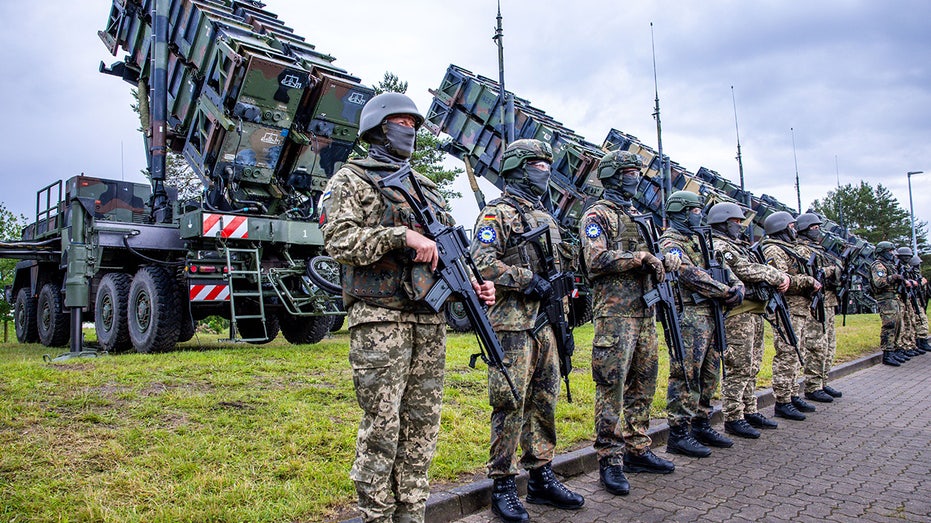
Pope Leo’s warning extends beyond the theoretical, highlighting tangible risks posed by unbridled AI development. He specifically raised concerns about increasingly autonomous weapons systems that could operate beyond meaningful human control—a development with alarming implications for global security and ethical warfare, challenging established notions of accountability. Furthermore, the Pontiff noted the potential for AI systems to perpetuate or even amplify existing societal biases, blocking access to crucial services like healthcare, employment, and security due to flawed or prejudiced data. These concerns are particularly acute in an increasingly interconnected world where digital divides can exacerbate existing inequalities. The Pope likened the imperative of AI governance to the careful management of nuclear arms, stressing that this powerful technology ‘must be at the service of all and of the common good.’ This perspective, reported by News Desk, emphasizes a proactive approach to prevent harm rather than merely reacting to its consequences, advocating for safeguards against:
- Autonomous weapons systems operating without human oversight, raising profound ethical questions.
- Biased AI algorithms restricting access to essential services, potentially creating new forms of social exclusion.
- The concentration of power through technological control, threatening individual liberties and market fairness.
Such unchecked power, the encyclical implies, could erode the very foundations of a just and orderly society.
Like nuclear energy, it must be at the service of all and of the common good.
Building a Foundation of Trust and Human Dignity
The encyclical, ‘Magnifica Humanitas,’ is not solely a cautionary tale; it also lays out a constructive path forward. Pope Leo emphasized that merely ‘disarming’ AI is insufficient; a more comprehensive strategy is required. Instead, he urged governments and institutions to actively ‘build’ systems rooted in trust and human dignity, fostering environments where technology serves human flourishing. Drawing upon the experience of rebuilding after devastating floods in Peru, the Pope illustrated that true recovery and progress involve restoring hope and faith in institutions and technology alike. This vision aligns with a conservative ethos that values ordered progress, community, and the inherent worth of every individual, ensuring that technological advancement strengthens society rather than dominating it. It underscores the responsibility of leaders to cultivate an environment where innovation is balanced with ethical oversight and a commitment to the common good, rather than allowing unfettered technological development to dictate societal norms.
As nations grapple with the complexities of AI, Pope Leo’s encyclical serves as a vital call to conscience. It challenges leaders to prioritize ethical frameworks and moral considerations alongside technological innovation, ensuring that progress is guided by principles of justice, inclusion, and the common good. The Vatican’s strong stance reinforces the urgent need for a global dialogue that places human flourishing at the center of AI development, safeguarding our future from potential technological overreach and promoting a more humane digital era.