Resurgence of Tanning Culture Sparks Concerns Over Youth’s Health and Society
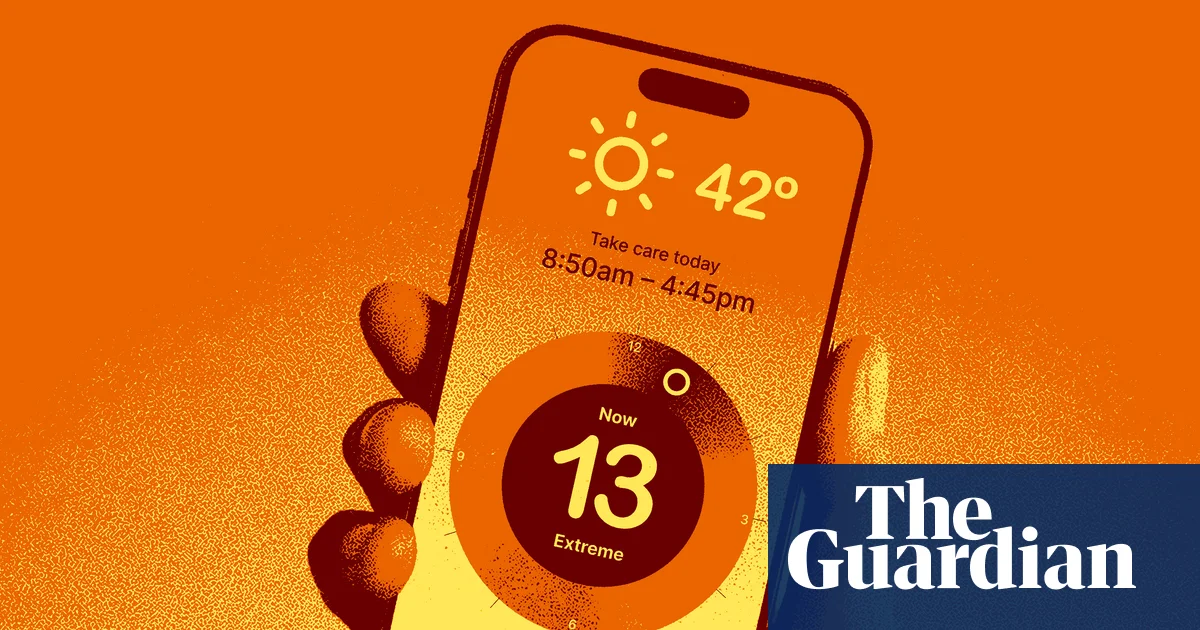
In recent years, technological advances and social media influence have fostered a troubling revival of tanning among Australian teenagers. Promoted through popular social media influencers and smartphone applications, a new wave of tanning culture is emphasizing “safe” and “healthy” routines—despite medical experts warning that any exposure to ultraviolet (UV) radiation carries significant health risks. These apps, some directed at users as young as four, guide users to intentionally expose themselves to UV rays, with features allowing customization of skin tone, tanning intensity, and even the application of oils or accelerants. This trend complicates societal efforts to combat skin cancer and influences family dynamics by normalizing risky behaviors at an impressionable age.
The Illusion of ‘Safe’ Tanning and Its Impact on Communities
- Many of these apps suggest that tanning can be achieved gradually or within “safe” exposure thresholds. However, dermatologists like Dr. Deshan Sebaratnam refute this, emphasizing that “a tan is a distress signal from your skin,” indicating damage rather than safety.
- Damage from UV radiation penetrates into DNA, causing mutations that can ultimately lead to skin cancer. Despite this, the marketing around ‘gradual’ tanning perpetuates misconceptions, undermining public health efforts and problematically targeting young people who are at a higher lifetime risk from early UV damage.
- According to the Cancer Council Victoria’s SunSmart program, these trends threaten to undo decades of public health campaigns aimed at reducing tanning obsession, which historically has been associated with societal notions of beauty and status—but at what human cost?
Families and Education Under Siege by Cultural Shifts
In this social environment, families find themselves grappling with an increase in misinformation and risky behaviors. Schools and community programs face the challenge of counteracting pervasive advertising that normalizes tanning as a desirable or ‘safe’ activity. Sociologist Dr. Julia Connor notes that “cultural norms around tanning, often intertwined with notions of youth, beauty, and social acceptance, are deeply ingrained”—making interventions difficult. Meanwhile, education on the real dangers of UV exposure remains sporadic and often overshadowed by rapidly evolving marketing trends that glamorize sun-kissed skin.
What is more concerning is that the development of these apps often involves targeted marketing, using social media influencers who appeal directly to impressionable youth. Studies have shown that such strategies significantly influence adolescents’ perceptions about health and beauty. As a result, young individuals may prioritize appearance over their long-term health, inadvertently planting the seeds for skin cancer and other sun-related health issues. Community leaders and policymakers are called upon to more robustly regulate advertising and digital content, enforcing guidelines that prioritize critical education about UV risks.
Moving Toward a Society That Values True Safety and Health
Despite the mounting challenges, experts and social commentators emphasize that the only truly “safe” tan is a fake one, highlighting the importance of embracing natural skin tones or using certified tanning products that do not involve UV exposure. Alongside targeted public health campaigns, fostering a cultural shift away from superficial beauty standards rooted in tanning is essential. As historian Dr. Samuel Lewis reflects, “Society’s battle with beauty ideals is not solely about individual choices but about collective responsibility—how we redefine health, attractiveness, and societal values.”
Ultimately, society teeters on a precipice—where technology, culture, and health converge—challenging us to reflect on what kind of future we want to shape. The unchecked rise of risky tanning practices among youth echoes a larger narrative about how societal values can be distorted by social media and commercial interests. Yet, in this challenge lies an opportunity: to nurture a generation that values health over appearance, genuine safety over superficiality, and community well-being over individual vanity. Society’s collective hope may reside in the silent resilience of its families and educators united in advocating for a culture that understands that true beauty and health lie in self-respect and the courage to reject dangerous trends.