Matox News

Truth Over Trends, always!

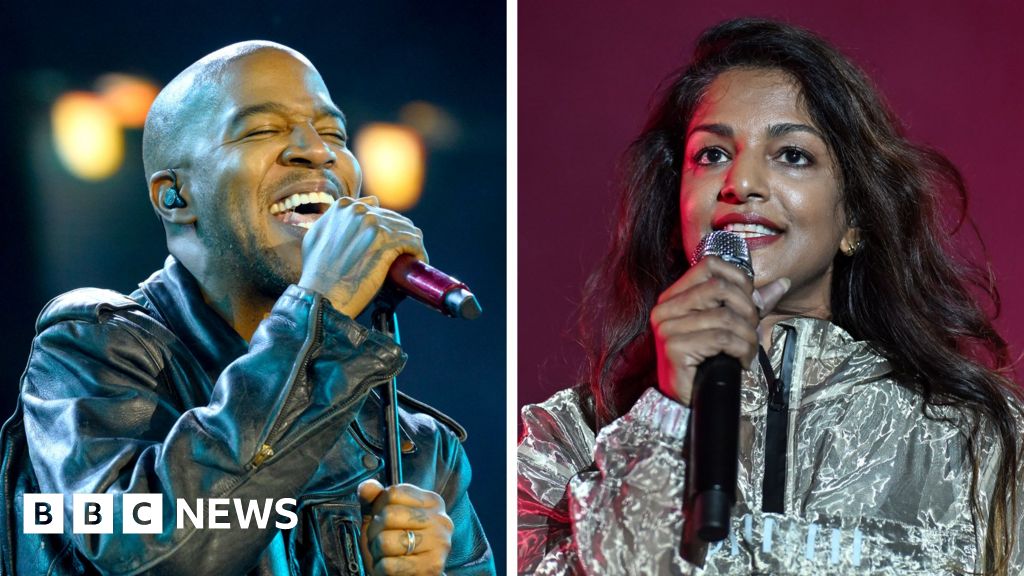
Kid Cudi cuts M.I.A. from tour, fueling controversy among fans

The international music scene has experienced a sudden upheaval as British artist M.I.A. has been abruptly removed from the opening act line-up for the Rebels Rage tour amid a dispute with US rapper Kid Cudi. This development underscores the growing tensions often lurking behind global entertainment collaborations, which, while seemingly apolitical, can have significant geopolitical implications in a world where cultural exchanges are increasingly interconnected with political narratives.

According to sources close to the situation, the disagreement arose over artistic differences that escalated into a broader clash of egos and visions for the tour. While details remain confidential, experts suggest that such disputes are seldom isolated from larger ideological or personal conflicts—especially when artists with distinct backgrounds and social perspectives collaborate on a global stage. Historically, music and popular culture have been used as a mirror to international tensions, often reflecting underlying political struggles or societal debates. As analysts from the International Cultural Institute observe, disruptions within high-profile tours can serve as subtle indicators of shifting alliances or tensions within the entertainment industry, which in itself is a microcosm of broader geopolitical currents.

Global institutions and policy analysts warn that entertainment, once viewed purely as escapism, now plays a strategic role in shaping public perceptions and soft power trajectories. When a high-profile act like M.I.A., known for her outspoken political stances, is sidelined, it raises broader questions about the influence of cultural allegiances and ideological stances on international entertainment collaborations. The incident illustrates how even in seemingly apolitical spheres, decisions made behind closed doors can ripple outward, influencing societal perceptions and diplomatic relationships. Historians have long noted that moments of cultural discord often presage shifts in diplomatic alignments, a reality that policymakers worldwide are increasingly aware of.

Ending on a note of caution, the episode serves as a stark reminder of how individual conflicts within the entertainment industry can symbolize or even catalyze larger societal struggles. As international audiences watch the fallout unfold, the question remains: how long before this seemingly isolated dispute escalates beyond the music stage, potentially affecting broader cultural diplomacy? With history continuously being written on the global stage, the resolution—or escalation—of such disputes will undeniably shape the perceptions of nations and influence future interactions. The world remains a stage, and at its heart, the narratives of power, identity, and influence continue to evolve, often in moments that seem small but carry the weight of history itself.

Study suggests racial stress may be fueling higher maternal death rates among Black women

Recent scholarly research sheds light on a troubling yet often overlooked reality: the pervasive impact of systemic racism and socioeconomic disparities on maternal health outcomes among Black women. Analyzing 44 studies, researchers identified three physiological pathways—oxidative stress, inflammation, and uteroplacental vascular resistance—where Black women exhibit higher levels compared to other demographics. These biological markers are not rooted in genetics but are the tangible results of social and environmental stressors—factors deeply embedded within our societal fabric. As families, educators, and communities observe, such physiological disparities translate into tangible risks, including pre-eclampsia, preterm birth, and fetal growth restrictions, which threaten the well-being of mothers and children alike.

The findings point to a profound societal injustice, emphasizing that these health disparities stem from broader systemic issues rather than individual biology. According to Grace Amedor, a researcher from the University of Cambridge, “Pregnancy and childbirth put great stress on a woman’s body. Black women may experience additional strain due to factors including systemic racism, socioeconomic disadvantage, and environmental stressors.” Such conditions, often invisible but deeply felt, impair the body’s natural ability to sustain a healthy pregnancy. Elevated levels of inflammatory markers and vascular resistance are symptoms of a society that neglects vulnerable populations, resulting in a cycle where social injustices directly influence biological health, threatening the very foundation of family stability and societal growth.

Experts like Prof Dino Giussani from the University of Cambridge and Dr Jenny Barber of the Royal College of Obstetricians and Gynaecologists warn that these disparities are an urgent call to action. They advocate for

  • coordinated cross-government strategies
  • sustained investment in maternity services
  • targeted efforts to dismantle systemic barriers

that enable every woman to access safe, personalized, and compassionate care. Without such measures, these issues threaten not just individual families but the social cohesion of our communities, creating a landscape where inequality becomes entrenched and generational.

As sociologists and social commentators emphasize, social issues like these serve as a mirror reflecting societal values and priorities. The persistent disparities faced by Black women in pregnancy outcomes highlight the urgent need for societal transformation—one that recognizes health not as a privilege but as a fundamental human right. This struggle is not merely about healthcare; it’s about moral justice and ensuring that every mother, regardless of race or class, can experience the dignity of safe childbirth. The hope lies in a society willing to confront its shadows, make difficult reforms, and foster an environment where social and health equity become the foundations of a truly inclusive future. Reflecting on these challenges, society must ask: Can we, as a collective, find the resolve to rewrite the narrative—one where hope replaces despair, and justice prevails over neglect?

Latest conspiracy videos keep fueling whispers around the WHCD shooting

Disruption in the Media Landscape: How Social Media and Innovation Are Shaping the Future of Information

The recent incident at the White House Correspondents’ Dinner (WHCD), where shots were fired, has sparked a wave of conspiracy theories proliferating across social media platforms. These videos, many of which lack factual basis, are emblematic of a broader shift in how the public consumes information—particularly as trust in traditional media outlets hits historic lows. According to recent Gallup polls, Americans increasingly turn to social media for their news, a trend that amplifies the influence of content creators who capitalize on sensational, even false narratives. As Elon Musk and other tech innovators have emphasized, the democratization of content through platforms like Twitter and TikTok is simultaneously empowering free speech and eroding traditional gatekeeping, leading to a new era of information disruption.

This evolution in media consumption is no mere passing trend; it is a fundamental industry disruption. Historically, credible journalism served as the primary source of verified news. Today, however, disruptive technologies such as AI-driven content creation tools and real-time video streaming are enabling a new class of influencers. These entities rapidly respond to breaking events, often without fact-checking, resulting in a volatile information environment where conspiracy theories thrive. Similar to the 2024 Trump assassination attempt aftermath—where creators exploited the event to generate engagement—modern content generators are adept at turning moments of chaos into viral content. This underscores a critical implications for advertisers and political campaigns seeking to influence public opinion amidst an increasingly polarized landscape.

Moreover, industry analysts like Gartner warn of the dangers associated with such rapid content dissemination. The convergence of innovation and disinformation could lead to a permanent shift in public trust and perception. The rise of deepfake technologies and AI-generated narratives augments this threat, allowing for the creation of convincing yet entirely fabricated scenarios. Companies that harness these tools—for better or worse—stand to disrupt traditional business models significantly.

  • New opportunities for real-time, immersive storytelling
  • Potential for unprecedented engagement through AI-driven personalization
  • Challenges to regulation and ethical standards

Meanwhile, experts like Peter Thiel warn that unchecked innovation could destabilize the informational foundations of society itself, urging policymakers and industry leaders to brace for a future where truth and perception are increasingly malleable.

As these technological and societal shifts accelerate, the urgency for businesses—particularly those in media, technology, and politics—to innovate responsibly becomes paramount. The landscape is shifting towards a “winner-takes-all” scenario where those who leverage disruptive tech quickly and ethically can dominate markets. Still, the potential for misinformation to shape elections, policy debates, and public trust represents a profound risk. Those who fail to adapt to the rapid pace of change risk obsolescence in a landscape where disruption is the only constant. As the line between fact and fiction blurs, the question remains: who will be able to innovate fast enough to steer the future responsibly?

In this dynamic arena, the window to shape the future is closing fast. The integration of AI, real-time data, and immersive media presents both unprecedented opportunities and dangerous pitfalls. Industry leaders and policymakers must recognize that, in this new epoch, disruption is inevitable—but how it is managed will determine if society progresses or spirals into chaos. The stakes could not be higher: the digital frontier of tomorrow demands urgency, innovation, and unwavering vigilance.

Experts warn: Climate crisis fueling brutal US weather extremes

The current climate upheavals across the United States serve as a stark warning to the world about the escalating crisis brought on by global environmental mismanagement. This March, Americans have witnessed an unprecedented array of weather extremes, from flooding in Hawaii to rare snowfalls in Alabama, and an intense heatwave scorching the West Coast. These phenomena are indicative of larger, systemic changes in Earth’s climate system, a reality acknowledged by climate experts who suggest that the severity of recent events points to a “climate change footprint.” As the jet stream’s behavior becomes more erratic due to rising global temperatures, the United States finds itself caught in a vortex of unpredictability, with consequences that ripple far beyond national borders.

The geopolitical impact of these climate phenomena extends into heightened tensions over resource control and international stability. Countries with vast dependencies on agriculture, water supplies, and energy are increasingly vulnerable as climate disruptions threaten food security and economic stability. Analysts from the United Nations Climate Change Panel warn that the pattern of record-breaking heatwaves and extreme weather in the US mirrors trends seen in other parts of the world, signaling a shift toward a more chaotic climate regime. These shifts are fueling geopolitical frictions as nations scramble for scarce resources, and populations face growing hardship. The stark reality is that climate change is no longer a distant threat but an immediate challenge, forcing governments and societies to confront the cascading geopolitical ramifications of environmental neglect and policy failure.

Historical scholars and international organizations have long forewarned that dire environmental crises can accelerate geopolitical conflict; today, their warnings are coming true. Recent years have seen a surge in climate-related disasters, which analysts assert are exacerbated by political inertia and funding cuts, notably in the US, where funding to agencies like FEMA has been reduced. This decline in preparedness, despite mounting evidence of worsening conditions, leaves nations—including the US—more vulnerable to natural disasters’, destabilizing impacts. As climate scientists argue, these extreme events are not isolated but part of a broader trajectory—one marked by increased frequency and ferocity of heatwaves and storms. What is truly alarming is the prospect that the current wave of record-breaking heat might surpass even April’s historical temperature benchmarks, signaling an ominous shift in global climate patterns.

The unfolding story of climate chaos is intertwined with political decisions that could either mitigate or accelerate these trends. The US, as a geopolitical leader, has the capacity—and responsibility—to galvanize international cooperation on climate action. Instead, funding cuts and policy ambivalence threaten to undermine global efforts. The narrative is clear: as natural disasters intensify, they serve as a reminder of the urgent need for bold, coordinated action. Looking ahead, the world stands at a precipice; the choices made today will dictate whether humanity can stabilize this runaway climate crisis or succumb to the chaos it breeds. The pages of history are turning swiftly, and the weight of the future presses heavily on us all, as we watch the environment’s grand, tumultuous story continue to unfold amid the echoes of a warming planet.

War bets spark outrage, fueling calls to crackdown on Kalshi and Polymarket

In recent weeks, international focus has intensified on the rapid proliferation of digital trading applications, which some critics argue pose significant threats to national security and economic stability. Governments and policymakers across the United States, European Union, and Asia are grappling with the implications of these platforms, which increasingly influence the global financial landscape. As the digital sphere becomes a battleground for influence and control, the debate over regulation and oversight has taken on urgent new dimensions.

One of the primary concerns voiced by critics involves the facilitation of unseemly, and potentially illegal, activities such as war profiteering. Investigations suggest that certain apps are used to manipulate markets, generate insider trading opportunities, and enable corruption on a scale that erodes societal trust in the financial system. These allegations have prompted calls for a concerted crackdown, with analysts warning that these platforms could serve as vectors for destabilizing geopolitical influences. The Financial Stability Board and INTERPOL have both issued statements underscoring the importance of international coordination to combat these emerging threats.

Furthermore, the US Justice Department and the European Commission are exploring legislative and regulatory measures aimed at curbing illicit activities facilitated by digital trading apps. Critics contend that these platforms, while innovative, have often operated in regulatory grey areas, enabling cybercriminals, rogue states, and internal actors to exploit emerging vulnerabilities. The interplay of digital sovereignty and national security has become central, with some nations warning that unchecked activity might compromise vital infrastructure and diplomatic relations. The ongoing debate underscores the crucial need for a new framework—one that balances innovation with oversight—lest society become prey to unseen manipulations hiding behind technological facades.

Experts like renowned geopolitical analyst Dr. Emily Carter warn that these patterns foretell a future where digital platforms serve as battlegrounds for power, influence, and control. Historically, unchecked technological advancements have often heralded either unprecedented prosperity or profound instability; the current trajectory suggests this is no exception. As international organizations, national governments, and the private sector navigate this complex terrain, the decisions made—or deferred—will shape the geopolitical map for decades to come. The question remains: will they seize the opportunity to forge a more secure digital future, or will they allow new vulnerabilities to deepen our collective peril?

In the silent corridors of power, where decisions are often shrouded in secrecy, the story of the digital age’s true battle for sovereignty is still being written. The stakes could not be higher, for the aftermath may well determine whether nations remain stewards of stability or fall prey to the chaos of unchecked ambition.

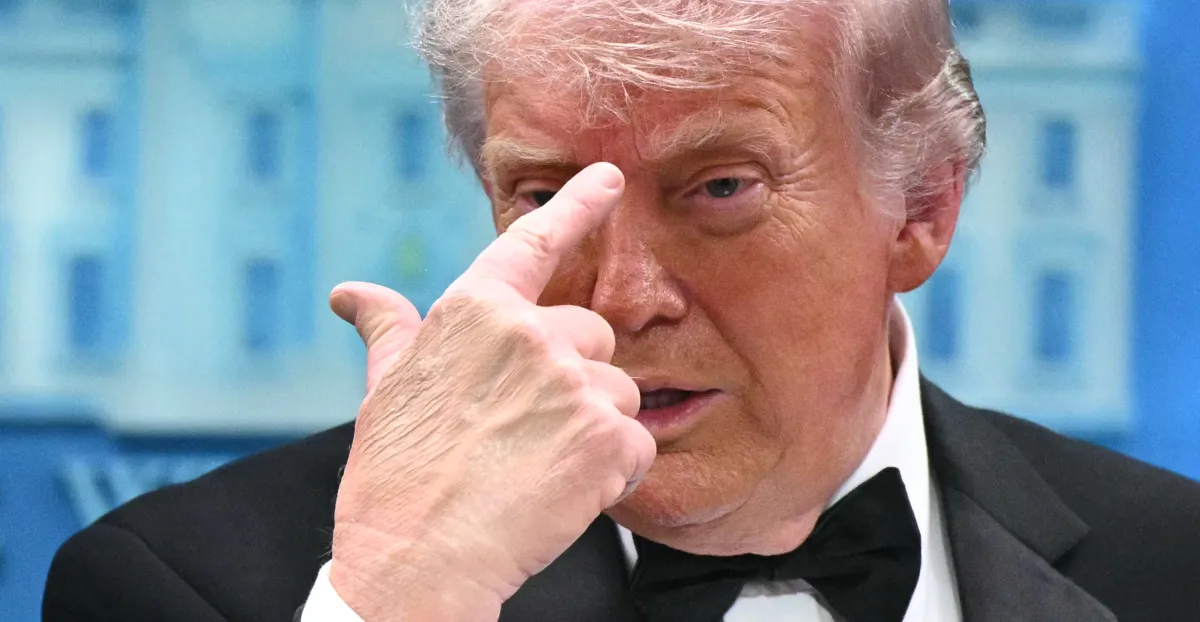
Trump slams Iran leaders as ‘deranged,’ fueling Middle East tensions amid US-Israel conflict

Global Power Blocs on the Edge: Iran under Siege as US and Israel Escalate Military Operations

The Middle East stands at a precarious crossroads amid a series of dramatic military confrontations that could redefine regional and global power dynamics. In a display of unyielding resolve, President Donald Trump has proclaimed that Iran will face “very hard” retaliation, as he vows retribution for what he describes as a long history of violence and provocation. His inflammatory rhetoric coincides with intense military strikes targeting Iran’s capital and strategic infrastructure, signaling an escalation in the longstanding confrontation. Observers note that the rhetoric from Washington echoes its historical posture of aggressive containment and a strategic desire to curb Iran’s influence, yet the recent actions suggest a shift that authorities worldwide are watching closely.

Escalating Violence in Iran, Lebanon, and Surrounding Gulf States

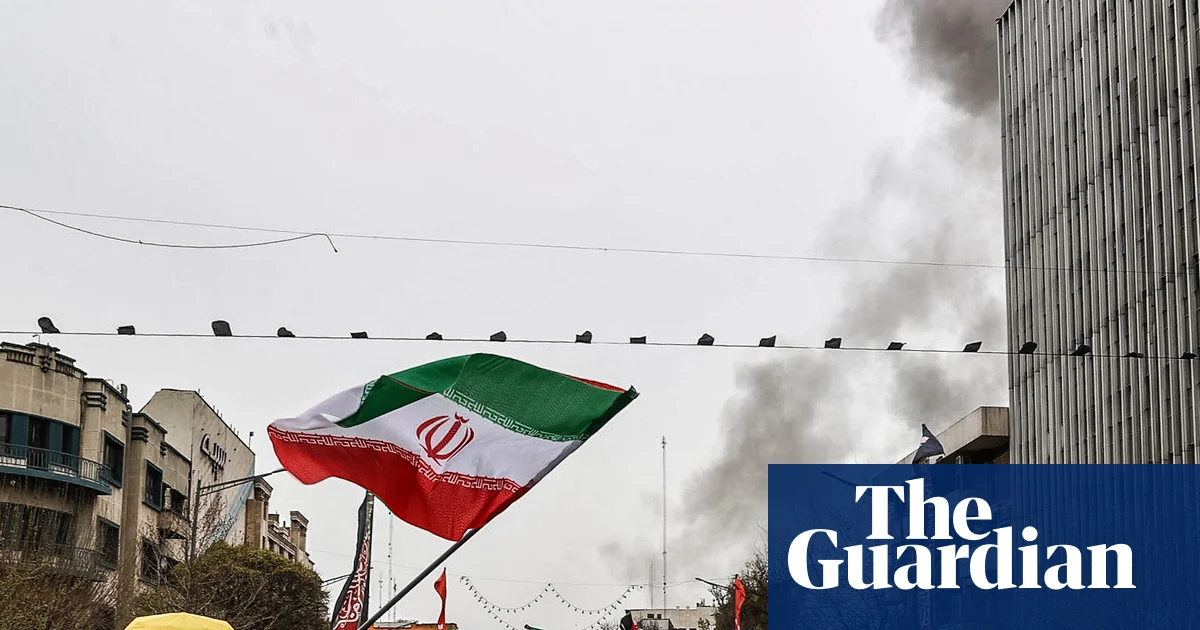
The recent wave of Israeli and US-led attacks focus heavily on Iran’s military capabilities and economic lifelines, with successive strikes reported near Tehran University as crowds gathered in support of the regime. Charging the Iranian leadership with desperation and underground activity, US officials described Iranian forces as “hiding” and “on the run,” signaling a concerted effort to weaken the nation’s capacity to retaliate. Meanwhile, Iran has responded fiercely, with missile and drone attacks targeting Israeli and Gulf infrastructure, escalating the conflict into what analysts describe as a regional war. Notably, Iran has targeted oil export facilities, including the crucial Kharg Island—its primary oil terminal—threatening the global oil supply and risking economic destabilization far beyond the Middle East. This move, viewed as both a strategic and symbolic attack, has prompted warnings from international organizations to prevent a broader energy crisis.

Regional Consequences and the Strain on Global Markets

The conflict’s geopolitical impact extends beyond regional borders, with global markets reacting sharply to the escalation. As oil prices surged, the economic implications threaten to pit nations worldwide against a backdrop of mounting scarcity and price instability. European nations have begun informal negotiations with Tehran, seeking guarantees of safe passage for their shipping in the Strait of Hormuz, which Iran now effectively blocks after launching attacks that have disrupted roughly a fifth of the world’s oil and gas supplies in transit. These diplomatic efforts underscore the dangerous interplay between military action and economic diplomacy, with analysts warning that any miscalculation could ignite a worldwide energy crunch and destabilize global markets. The potential for conflict to spill into the broader Gulf region fuels fears of a domino effect, as neighboring Gulf states scramble for defensive alliances and prepare for extended hostilities.

Endgame Uncertain as Regional Powers and Superpowers clash

The narrative of this escalating crisis is shaped by the words of military and diplomatic leaders, with Israeli Prime Minister and defense officials asserting that the current strikes are “just the beginning,” threatening Lebanon’s infrastructure and escalating confrontation with Hezbollah. The United States, for its part, emphasizes a military campaign targeting “over 15,000 enemy targets,” with the potential for further strikes on Iran’s energy infrastructure if the Strait of Hormuz becomes compromised. Historical analysts like Bernard Lewis have warned that such conflicts often intensify and spiral out of control, potentially igniting a broader regional war with devastating consequences. Meanwhile, Iran’s leadership, emboldened by its resistance and aligned with longstanding allies such as Hezbollah, signals that the conflict may escalate into a protracted and brutal struggle, with tragic tolls on both civilian and military populations. As explosions echo across the Middle East and the world watches, the question remains—will diplomacy prevail or shall the pages of history be written in fire and blood? The true outcome of this confrontation lies yet unwritten, its narrative unspooling in the chaos and smoke of today’s battlefield.

Private schools lose fight against VAT hikes, fueling debate on society's priorities
Private schools lose fight against VAT hikes, fueling debate on society’s priorities

Private Schools’ Challenge to VAT Removal Sparks Broader Social Debate

In recent developments, a coalition of low-fee private schools has actively contested the government’s decision to eliminate the VAT exemption previously granted to them. This move not only affects the financial sustainability of these institutions but also underscores the larger societal debates surrounding access to quality education and the widening economic divide within communities. As education remains a fundamental pillar of societal progress, the repercussions of policy decisions resonate beyond school walls, impacting families and shaping communities’ futures.

The removal of VAT exemption has ignited protests and legal challenges from private school advocates who argue that it threatens the affordability of education for many families. These schools, often providing an alternative to overstretched public education systems, serve a significant demographic that relies on manageable tuition fees. By imposing VAT, critics contend that the government risks exacerbating inequalities within society, especially for lower-income families who see private schooling as a crucial pathway for social mobility. Sociologist Dr. Laura Higgins emphasizes that such policies directly influence families’ access to education, ultimately affecting children’s prospects and social integration.

Historically, education has been viewed as a cornerstone of social cohesion, yet policy decisions like these *can threaten the fabric of community life if they favor those with more economic privilege*. From a social perspective, the challenge lies in balancing fiscal responsibility with ethical imperatives to foster equity and opportunity. The debate also raises questions about how societal values are reflected in policy. According to social critic Matthew Crowley, an increase in the cost of private education risks creating a divided society where the social mobility of lower-income families is compromised, with long-term ramifications for community stability and cohesion.

As the controversy unfolds, policymakers face the difficult task of considering the broader social consequences of their decisions. Advocates for inclusive education argue that public resources should be directed towards strengthening state institutions, yet they acknowledge that a diverse educational landscape can promote healthy competition and innovation. This dilemma touches on fundamental social issues—how societies value education, how they address inequality, and how they uphold the human dignity of all children. If the current trajectory continues, families may find themselves caught in a cycle of escalating costs and limited opportunities—undermining the very ideals of a fair and just society.

In reflecting on these social tensions, one is reminded of the words of societal reformer George Bernard Shaw, who once said, “Progress is impossible without change, and those who cannot change their minds cannot change anything.” As communities grapple with the challenge of ensuring equitable access to education, there is a vital hope that society can adapt—creating policies rooted in human rights, moral responsibility, and community solidarity. The path forward demands dialogue, compassion, and a relentless commitment to the transformative power of education—not just for individual success, but for the moral fabric of our society. Only then can society truly stand resilient against the forces that threaten to divide us, guiding future generations toward a shared destiny of opportunity and hope.

Trump teases limited military strike on Iran, fueling tensions among youth conservatives

In a rapidly evolving geopolitical landscape, President Donald Trump issued a stark new threat against Iran just days after he suggested the Middle Eastern nation had approximately ten days to accept a comprehensive deal aimed at restricting its nuclear ambitions. This provocative stance underscores a broader shift in U.S. foreign policy, emphasizing maximized pressure and increased brinkmanship. The timing and rhetoric raise fresh concerns over the potential unraveling of diplomatic efforts that have sought to stabilize the region and prevent the proliferation of nuclear weapons.

The immediate aftermath of Trump’s announcement has already reverberated across global capitals and international institutions. Major powers such as Russia and China, along with European allies, have expressed alarm over what many interpret as a return to a confrontational posture that risks plunging the region into renewed instability. The United Nations Security Council and other multilateral platforms are closely monitoring developments, with some analysts warning that miscalculations or accidental escalations could ignite regional war or diminish fragile diplomatic gains made over recent years. These fears are compounded by recent historical patterns where diplomatic deadlines have often precipitated crises, energizing hawks who favor an uncompromising approach towards Iran’s nuclear program.

Generally perceived as a critical juncture in ongoing negotiations, the situation has sparked commentary from historians and security experts warning against the dangers of rigid ultimatums. Notably, international organizations like the International Atomic Energy Agency (IAEA) stress the importance of sustained diplomacy. “Decisive actions that ignore the complex web of regional and global interests risk undermining decades of diplomatic progress,” said Dr. Laura Matthews, a renowned geopolitical analyst. Her words echo concerns among many in the international community who view Iran’s nuclear pursuits less as an immediate threat and more as a complex negotiation with significant long-term implications for global security and regional stability.

  • The recent escalation underscores the fragile balance of power in the Middle East, where alliances are shifting and mistrust runs deep.
  • U.S. allies in Europe and the Gulf Cooperative Council have issued mixed responses, with some urging restraint and others expressing support for a firm stance.
  • Diplomatic efforts, including recent talks in Vienna and Geneva, aim to revitalize the 2015 Joint Comprehensive Plan of Action (JCPOA), yet these negotiations now face unprecedented hurdles.

As the world watches with bated breath, the unfolding drama risks settling into a decisive moment that could determine the future of global peace and security. The complex interplay of national interests, ideological divides, and historical grievances suggests that this is more than a simple matter of diplomacy—it is a test of the international community’s collective will. The decisions made in this critical window could either usher in a new era of cooperation or plunge entire regions into chaos. The weight of history presses heavily on the shoulders of current leaders, and once the course is set, the ripple effects will resound for generations to come, transforming the geopolitical landscape in ways yet unforeseen. Here, at this precipice, the world stands on the edge of a new chapter—one that will be written by those who dare to shape the future amidst the shadows of past conflicts.

Safe Sun Apps Fueling Skin Cancer Risks, Undermine Youth Awareness

Resurgence of Tanning Culture Sparks Concerns Over Youth’s Health and Society

In recent years, technological advances and social media influence have fostered a troubling revival of tanning among Australian teenagers. Promoted through popular social media influencers and smartphone applications, a new wave of tanning culture is emphasizing “safe” and “healthy” routines—despite medical experts warning that any exposure to ultraviolet (UV) radiation carries significant health risks. These apps, some directed at users as young as four, guide users to intentionally expose themselves to UV rays, with features allowing customization of skin tone, tanning intensity, and even the application of oils or accelerants. This trend complicates societal efforts to combat skin cancer and influences family dynamics by normalizing risky behaviors at an impressionable age.

The Illusion of ‘Safe’ Tanning and Its Impact on Communities

  • Many of these apps suggest that tanning can be achieved gradually or within “safe” exposure thresholds. However, dermatologists like Dr. Deshan Sebaratnam refute this, emphasizing that “a tan is a distress signal from your skin,” indicating damage rather than safety.
  • Damage from UV radiation penetrates into DNA, causing mutations that can ultimately lead to skin cancer. Despite this, the marketing around ‘gradual’ tanning perpetuates misconceptions, undermining public health efforts and problematically targeting young people who are at a higher lifetime risk from early UV damage.
  • According to the Cancer Council Victoria’s SunSmart program, these trends threaten to undo decades of public health campaigns aimed at reducing tanning obsession, which historically has been associated with societal notions of beauty and status—but at what human cost?

Families and Education Under Siege by Cultural Shifts

In this social environment, families find themselves grappling with an increase in misinformation and risky behaviors. Schools and community programs face the challenge of counteracting pervasive advertising that normalizes tanning as a desirable or ‘safe’ activity. Sociologist Dr. Julia Connor notes that “cultural norms around tanning, often intertwined with notions of youth, beauty, and social acceptance, are deeply ingrained”—making interventions difficult. Meanwhile, education on the real dangers of UV exposure remains sporadic and often overshadowed by rapidly evolving marketing trends that glamorize sun-kissed skin.

What is more concerning is that the development of these apps often involves targeted marketing, using social media influencers who appeal directly to impressionable youth. Studies have shown that such strategies significantly influence adolescents’ perceptions about health and beauty. As a result, young individuals may prioritize appearance over their long-term health, inadvertently planting the seeds for skin cancer and other sun-related health issues. Community leaders and policymakers are called upon to more robustly regulate advertising and digital content, enforcing guidelines that prioritize critical education about UV risks.

Moving Toward a Society That Values True Safety and Health

Despite the mounting challenges, experts and social commentators emphasize that the only truly “safe” tan is a fake one, highlighting the importance of embracing natural skin tones or using certified tanning products that do not involve UV exposure. Alongside targeted public health campaigns, fostering a cultural shift away from superficial beauty standards rooted in tanning is essential. As historian Dr. Samuel Lewis reflects, “Society’s battle with beauty ideals is not solely about individual choices but about collective responsibility—how we redefine health, attractiveness, and societal values.”

Ultimately, society teeters on a precipice—where technology, culture, and health converge—challenging us to reflect on what kind of future we want to shape. The unchecked rise of risky tanning practices among youth echoes a larger narrative about how societal values can be distorted by social media and commercial interests. Yet, in this challenge lies an opportunity: to nurture a generation that values health over appearance, genuine safety over superficiality, and community well-being over individual vanity. Society’s collective hope may reside in the silent resilience of its families and educators united in advocating for a culture that understands that true beauty and health lie in self-respect and the courage to reject dangerous trends.

RuPaul’s Drag Race UK names its seventh reigning queen, fueling the next generation’s fierce talent

In an era characterized by rapid change and digitized chaos, the enduring significance of culture persists as the vital foundation upon which societies forge their identities. As Ortega y Gasset famously asserted, “The culture of a nation is the collective memory that shapes its future.” In this light, contemporary cultural phenomena serve not merely as entertainment but as the living record of a peuple’s values, traditions, and aspirations. The recent triumphs and innovations within cultural expression—be it art, music, or even televised art forms like drag culture—strike at the core of national and individual identity, underscoring that culture remains our most profound and personal form of history—a mirror and a prophecy.

Take for instance the spectacle of RuPaul’s Drag Race UK, which has garnered global attention yet remains intrinsically rooted in the UK’s vibrant craft of performance art. The recent series finale exemplifies how artistic performance functions as a battleground of cultural values, where beauty, self-expression, and resilience converge to challenge superficial stereotypes and to celebrate authentic individuality. Bones, crowned the series winner, embodies more than a flashy persona; she embodies a narrative of perseverance, tradition, and the reclaiming of cultural space, a testament to how artistic identity can serve as social commentary. Her journey from Soho’s underground scene to national recognition reminds us that the true power of culture lies in its capacity to foster community, affirm identity, and inspire societal reflection. As the philosopher Chesterton once observed, “Art may imitate life, but authentic art is life itself, expressed through beauty and courage.”

Nevertheless, as Tocqueville warned, the saturation of cultural products can lead to a kind of cultural exhaustion, diluting the richness of tradition in favor of fleeting trends. Critics argue that the fans’ call for greater diversity in drag—less homogeneity and more authentic representation—speaks to an inevitable evolution of a culture that must continuously refashion itself to stay vital. This is not a sign of cultural decline but a testament to its dynamic resilience. Yet, amidst this flux, the core principles of tradition—values of family, community, and authentic selfhood—must remain preserved. As G.K. Chesterton remarked, “Tradition means giving votes to the most obscure of all classes, our ancestors. It is the democracy of the dead.” In this way, culture remains a living dialogue between past and future, inspiring the youth to cherish their roots while daring to redefine them.

Ultimately, culture is both memory and prophecy—an ongoing reflection of who we have been and a vision of what we may become. The mosaic of our collective heritage guides us through the turbulent waters of modernity, reminding us that our true strength lies in honoring the principles that have sustained us. As T.S. Eliot contemplated, “We shall not cease from exploration, and the end of all our exploring will be to arrive where we started and know the place for the first time.” It is in this cyclical dance of remembering and dreaming that humanity finds its most eloquent voice—an anthem of tradition, a call to renewal, and a testament to the unbreakable unity of culture’s eternal dialogue.

Social Media Auto Publish Powered By : XYZScripts.com