Empowering Schools to Handle Crises: The Case for Regular Emergency Response Drills
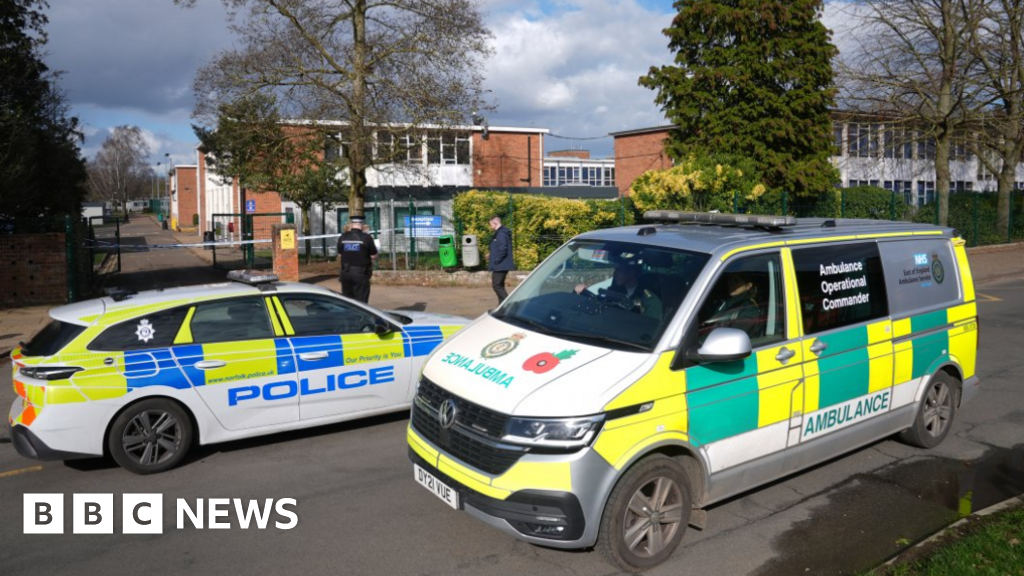
In recent discussions within the educational and societal landscape, the call for schools to implement routine emergency response drills echoes with increasing urgency. The union representing educators has emphasized that schools should treat emergency preparedness with the same gravity as fire drills, which have become a staple in school safety protocols across the nation. This push reflects growing acknowledgment that public safety in educational settings must evolve to meet the complex challenges posed by natural disasters, accidents, and even human-made crises.
Historically, fire drills served as a vital safety measure—instilling awareness and preparedness in students and staff alike. Sociologists such as Dr. Mark Levine argue that intentional, regular drills not only prepare communities for potential emergencies but also foster a collective sense of resilience and confidence. However, critics underscore that many schools still lack comprehensive response plans for a range of threats—be it active shooter situations, medical emergencies, or environmental disasters. Amid a shifting societal landscape, where threats are increasingly unpredictable, the absence of structured response protocols leaves families, teachers, and students vulnerable to unforeseen tragedies.
The impact of such deficiencies resonates deeply within families and communities. The uncertainty surrounding school safety can generate anxiety that extends well beyond classroom walls, affecting mental health and community cohesion.
- Children’s education suffers when fear or trauma accompanies emergency situations, disrupting learning continuity
- Parents often grapple with a sense of helplessness, trusting that proper measures are in place to protect their children
- Communities face the task of rebuilding trust and resilience after crises—an arduous process that underscores the importance of preventative preparedness
As social commentator Sarah Jennings notes, “Preparedness isn’t just a safety measure; it’s a moral imperative rooted in the ethical responsibility of society to protect its most vulnerable—the children.”
Addressing this challenge demands a coordinated effort involving educational institutions, local authorities, and policymakers. Proposed solutions include integrating emergency response drills into the standard curriculum, similar to fire drills, and ensuring that staff are adequately trained to execute swift, effective actions.
- Regularly scheduled drills should simulate a variety of emergencies to adapt to different scenarios
- Investments in safety infrastructure—such as secure communication systems and first-aid training—are essential
- Community engagement initiatives can foster a culture of preparedness that extends beyond school boundaries
Such measures not only equip schools with critical tools but also reaffirm society’s commitment to safeguarding its future.
Ultimately, the call for routine emergency response drills in schools underscores a profound societal truth: our collective safeguarding depends on proactive preparation, unity, and a moral resolve to protect the innocence of the next generation. As history and social theory suggest, resilient societies are built through deliberate, sustained effort—turning moments of crisis into opportunities for growth and renewed commitment. In this turbulent yet hopeful landscape, the hope remains that with comprehensive action, families and communities can face adversity not with fear, but with fortified resolve and shared responsibility—transforming society into a sanctuary of resilience and hope for generations to come.