In an era saturated with biographical renditions, the musical biopic has become both a commonplace and a mirror of society’s collective identity—an artifact reflecting our fascination with genius, struggle, and the mythos of artistic creation. As Timothée Chalamet rightly observes, the formulaic patterns of this genre can breed skepticism; yet, it is precisely within these familiar frames that culture reveals its deeper, enduring significance. The stories told through film serve not only as entertainment but as an extension of societal memory—reverberating past triumphs and failures, shaping present perceptions, and foreshadowing future possibilities. Here, the biopic functions as a vessel for cultural continuity, anchoring the individual’s journey to the collective destiny of society itself.
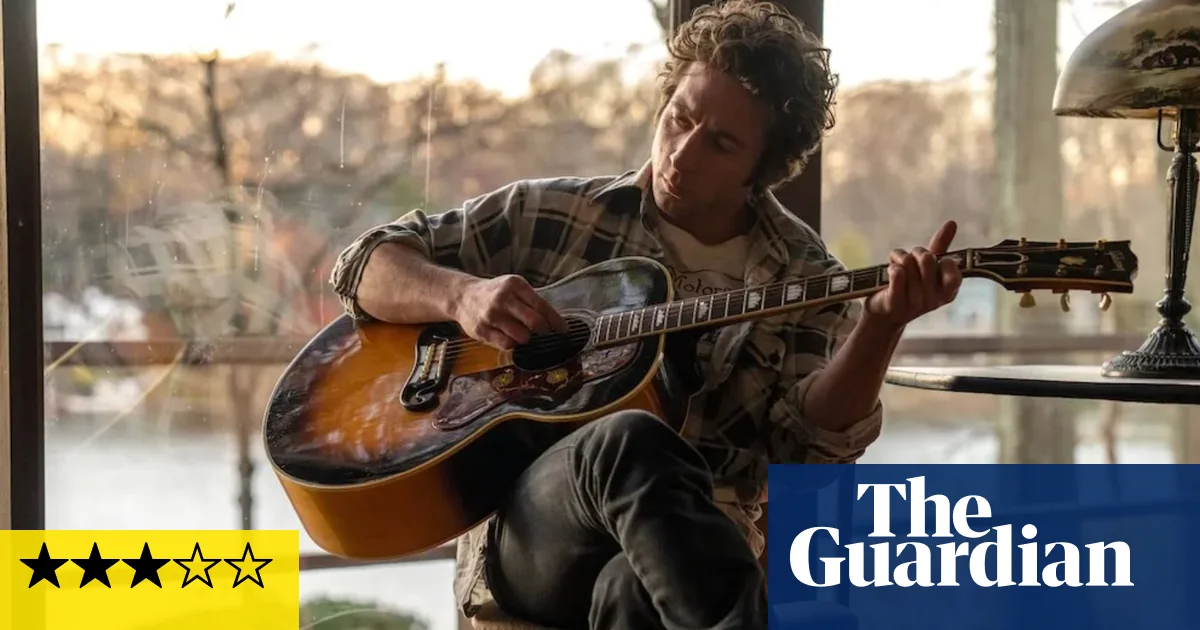
This connection is vividly exemplified in recent portrayals of icons like Bruce Springsteen. Films such as Deliver Me from Nowhere venture into the depths of the artist’s creative and personal turmoil, revealing a terrain where genius is often cloaked in fragility. Seen through the lens of thinkers like Ortega y Gasset, culture is a living organism, embodying the <vital spirit of a society>—a blueprint for identity, resilience, and the ongoing quest for meaning. Springsteen’s story, set amidst the turmoil of his early 30s and the cultural upheavals of the early 1980s, underscores this relationship. His artistic pursuit—shaped by the raw realities of blue-collar America and inspired by narrative voices like Flannery O’Connor—transcends mere entertainment; it is an act of cultural affirmation, a way for society to confront its own shadows while aspiring toward renewal.
Within this cinematic reflection, there emerges a narrative of resilience against homogenization, of the importance of preserving the traditions and memories that form the backbone of societal identity. Like Chesterton’s view that “the modern mind is a mind of escapism,” the danger lies in losing sight of the deep roots that anchor us. Whether it is the recording of Bruce’s acoustic demos, capturing the blue-collar heartbeat of America, or the intimate portraits of his family life, the essence of these stories lies in their candid acknowledgment of human vulnerability. They remind us that culture is a living dialogue, a bridge between the history that shapes us and the foresight that guides us. In this way, the artist’s journey becomes less a mythic narrative and more a testament to the unending pursuit of authenticity amid the noise of success.
As the poetry of human memory and prophecy of hope intertwines, it compels us to see culture not merely as a reflection, but as a catalyst for the future. The stories of singers, poets, and prophets, captured in film and song, serve as the grooves of our collective record. Their relevance is timeless, reminding us that in understanding the echoes of the past, we reveal the contours of our shared destiny. Culture, therefore, is neither static nor insular; it is the living archive of our identity, an ongoing composition that bears witness to our wounds and aspirations alike—ever echoing, ever evolving, and forever speaking the language of humanity.”